About Suzie's Bommie
Suzie's Bommie is an impressive pinnacle dive site located outside the Sunken Barrier Reef in Bootless Bay, near Port Moresby, Papua New Guinea. This prominent bommie rises dramatically from a white sandy seabed at 30 meters, with its colorful top reaching 13 meters below the surface. Divers typically swim approximately 25 meters across the sandy expanse from the main reef to reach this isolated, self-contained ecosystem. The site is celebrated for its abundant corals and exceptional diversity of fish life. Its steep sides are draped with sea fans and soft corals in a spectrum of pinks, yellows, and reds, creating a 'decorated Christmas tree' appearance. The varied topography supports both macro and pelagic species, making it a dynamic environment. While currents can be strong, they bring a rich food supply, attracting larger marine life. The bommie's flat top, around 14 meters, often hosts schooling fish, while deeper areas are home to resting sharks and elusive macro critters. This pristine reef ecosystem offers a world-class diving experience surprisingly close to the capital city, provided conditions are favorable. Accessibility is straightforward, with a short boat ride from Port Moresby or a nearby resort, allowing divers to explore this rich underwater landscape that showcases Papua New Guinea's renowned biodiversity.
Highlights
Vibrant coral pinnacleDiverse fish lifeResting sharksPygmy seahorsesPelagic sightingsRich soft coralsWhite sandy seabedBootless Bay location
Season calendar
Best months to dive here
Jan
Feb
Mar
Apr
May
Jun
Jul
Aug
Sep
Oct
Nov
Dec
Good
Dive site facts: Suzie's Bommie
- Depth
- 13–30 m
- Current
- Variable, can be strong
- Visibility
- Very good
- Water temperature
- 26–31°C
- Entry
- Boat
- Level
- Intermediate
- Dive type
- Pinnacle, coral reef
- Region / port
- Port Moresby, Papua New Guinea
- Coordinates
- 9.5691° S, 147.2515° E
Conditions & Currents
Currents at Suzie's Bommie can be variable, ranging from light to strong, particularly at its exposed location outside the Sunken Barrier Reef. Stronger currents often bring impressive pelagic sightings, including hammerheads and mobula rays. Divers should be prepared for potential drift and plan their entry and exit accordingly, typically by boat, requiring careful consideration of the current's direction and strength. Visibility is generally very good but can be influenced by weather and currents. Paying close attention to local weather forecasts and current reports is essential for maximizing enjoyment and safety at this site, as choppier surface conditions with waves exceeding 1.5 meters can occur during certain months.
Marine life & sighting chances
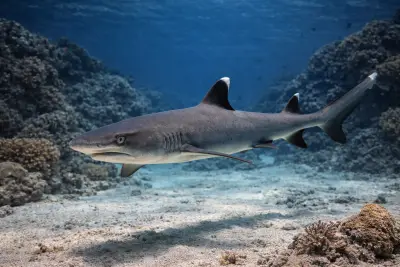
Whitetip Reef Shark
common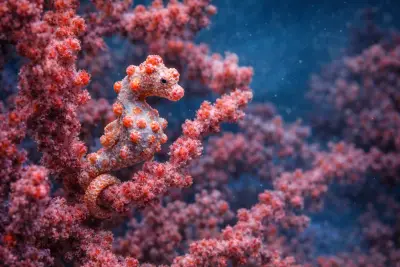
Pygmy Seahorse
common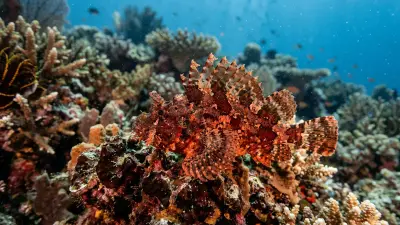
Leaf Scorpionfish
common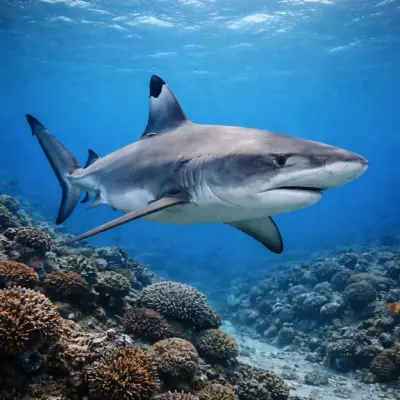
Grey Reef Shark
occasional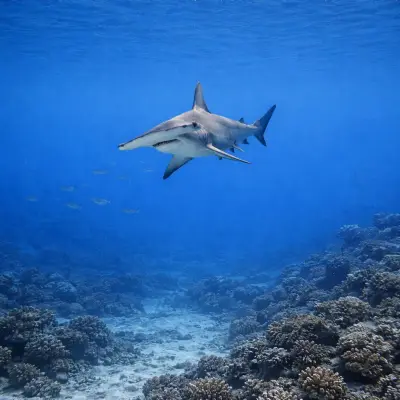
Hammerhead Shark
occasional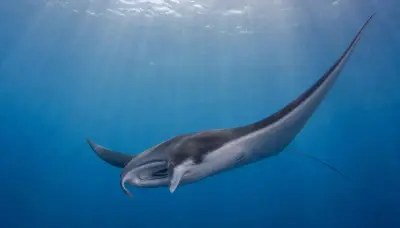
Mobula Ray
occasional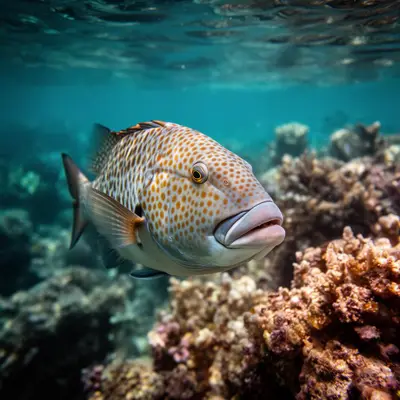
Oriental Sweetlips
common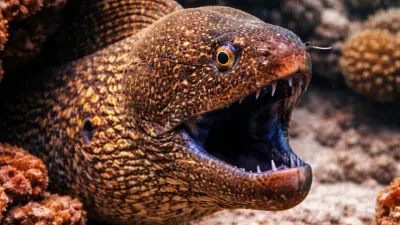
Moray Eel
common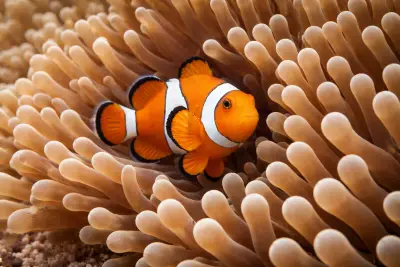
Clownfish
common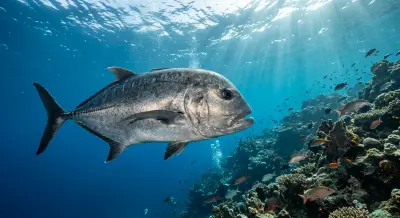
Trevally
common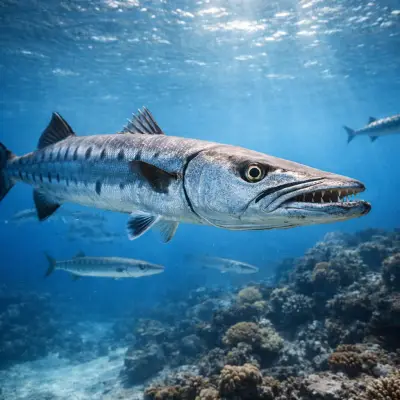
Barracuda
common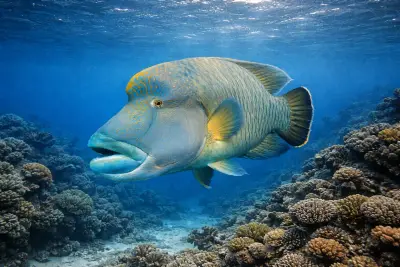
Napoleon Wrasse
common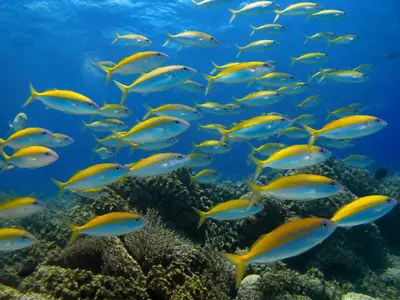
Fusilier
common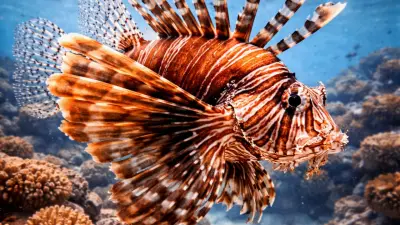
Lionfish
commonDive profile & how the dive runs
Your dive at Suzie's Bommie typically begins with a boat entry, followed by a descent onto the white sandy bottom at 30 meters. From the main reef, you'll swim approximately 25 meters across this sandy expanse to reach the prominent bommie. The dive often starts by circling the base of the bommie at depths of around 30 meters, exploring for moray eels and larger species. As you ascend, the focus shifts to the richly decorated slopes, covered in sea fans and soft corals, where clownfish reside in anemones. A significant part of the dive can be spent on the flattened top of the bommie, around 14 meters, observing schooling oriental sweetlips and other reef fish. The safety stop is usually performed in the shallower sections, allowing for continued observation of smaller marine life and coral formations before surfacing near the boat.
Underwater photography
Suzie's Bommie offers exceptional opportunities for both wide-angle and macro photography. For wide-angle shots, a fisheye or wide-angle lens is ideal to capture the grandeur of the pinnacle draped in colorful soft corals and sea fans, especially with schooling fish like oriental sweetlips on the bommie's flattened top. To highlight the vibrant coral gardens and the overall structure, using external strobes is highly recommended. For macro subjects, such as pygmy seahorses tucked into gorgonian fans or leaf scorpionfish, a macro lens is essential. Patience and careful buoyancy control are crucial to avoid disturbing delicate critters and silting the sandy bottom. Be prepared for potentially strong currents when photographing pelagic species in the blue.
Combine with nearby dive sites
- MV New Marine
A shallow prawn-trawler wreck with rich macro life and coral growth.
- Coral Garden
A shallow reef known for remarkable hard corals and vibrant life.
- End Bommie
Another excellent bommie site in Port Moresby, known for Lacy Scorpionfish and large sea fans.
- Pacific Gas
A deliberately scuttled fishing boat wreck now forming an artificial reef.
- The Pinnacles
Comprises three coral outcrops near Port Moresby, also known for Pygmy Seahorses.
Getting there & logistics
Access to Suzie's Bommie is typically arranged through local dive operators in Port Moresby, Papua New Guinea. Divers often fly into Port Moresby's Jackson International Airport (POM), which has international connections, including via Brisbane (BNE). From Port Moresby, it's a short boat ride, approximately 20 to 30 minutes, to reach the dive site. Many divers opt to stay at the Loloata Island Resort, which is conveniently located three nautical miles from Suzie's Bommie and offers boat transfers. Liveaboards operating in Papua New Guinea may also include Suzie's Bommie in their itineraries, though land-based operators are common for this specific site. Park fees or specific dive permits may be included in package prices from resorts or operators.
Safety & environment
Diving at Suzie's Bommie is considered intermediate due to potential strong currents and depths up to 30 meters. Divers should have appropriate training, such as Advanced Open Water Diver, and experience with current diving. Hazards include strong currents, depth, and boat traffic. Always ensure proper dive planning, including gas management, based on expected conditions. The nearest recompression chamber would likely be in Port Moresby, but evacuation for severe medical emergencies in remote Papua New Guinea can be complex and time-consuming. Comprehensive dive insurance that covers emergency medical treatment and evacuation is highly recommended. Always dive with a reputable operator, follow your dive guide's instructions, and carry an SMB.
Who it suits — and who it doesn't
Suited for
- Experienced divers comfortable with currents
- Underwater photographers seeking macro and wide-angle subjects
- Divers interested in diverse reef ecosystems
- Divers seeking pelagic encounters
Less suited for
- Beginner divers without current experience
- Divers who prefer calm, current-free environments
- Snorkelers, due to the depth and potential currents
- Divers uncomfortable with boat entries and exits
FAQ
Suzie's Bommie FAQ
What kind of marine life can I expect to see at Suzie's Bommie?
Suzie's Bommie boasts an impressive array of marine life. You can commonly spot resting Whitetip Reef Sharks, Pygmy Seahorses, and Leaf Scorpionfish. Keep an eye out for occasional Grey Reef Sharks, and sometimes Hammerheads and Mobula rays are seen passing in the current. The bommie is also home to schooling fish like Oriental Sweetlips, barracuda, trevally, moray eels, and clownfish.
What is the typical depth and visibility at Suzie's Bommie?
The bommie rises from a white sandy bottom at 30 meters, with its top reaching 13 meters below the surface. A typical dive covers this range. Visibility at Suzie's Bommie is generally very good, often providing clear views of the vibrant corals and abundant marine life. However, visibility can occasionally be affected by weather conditions and stronger currents.
Are there strong currents at Suzie's Bommie?
Yes, currents at Suzie's Bommie can be variable and occasionally strong, especially given its exposed location. These currents, however, are a key factor in attracting the larger pelagic species seen at the site. Divers should be prepared for potential drift and ensure they have adequate experience and fitness for diving in such conditions.
When is the best time of year to dive Suzie's Bommie?
The ideal time to dive Suzie's Bommie is typically from November to early December, or during the broader period of January to April and November to December. These months offer the calmest sea conditions, clearest visibility, and lower rainfall, which are crucial for enjoying this exposed pinnacle dive site.
How do I get to Suzie's Bommie?
Suzie's Bommie is located in Bootless Bay, a short boat ride from Port Moresby, Papua New Guinea. Most divers fly into Port Moresby's international airport and then arrange transfers with local dive resorts, such as Loloata Island Resort, which is only three nautical miles away. The journey from the resort usually takes about 20-30 minutes by boat.
Why dive Suzie's Bommie from a liveaboard?
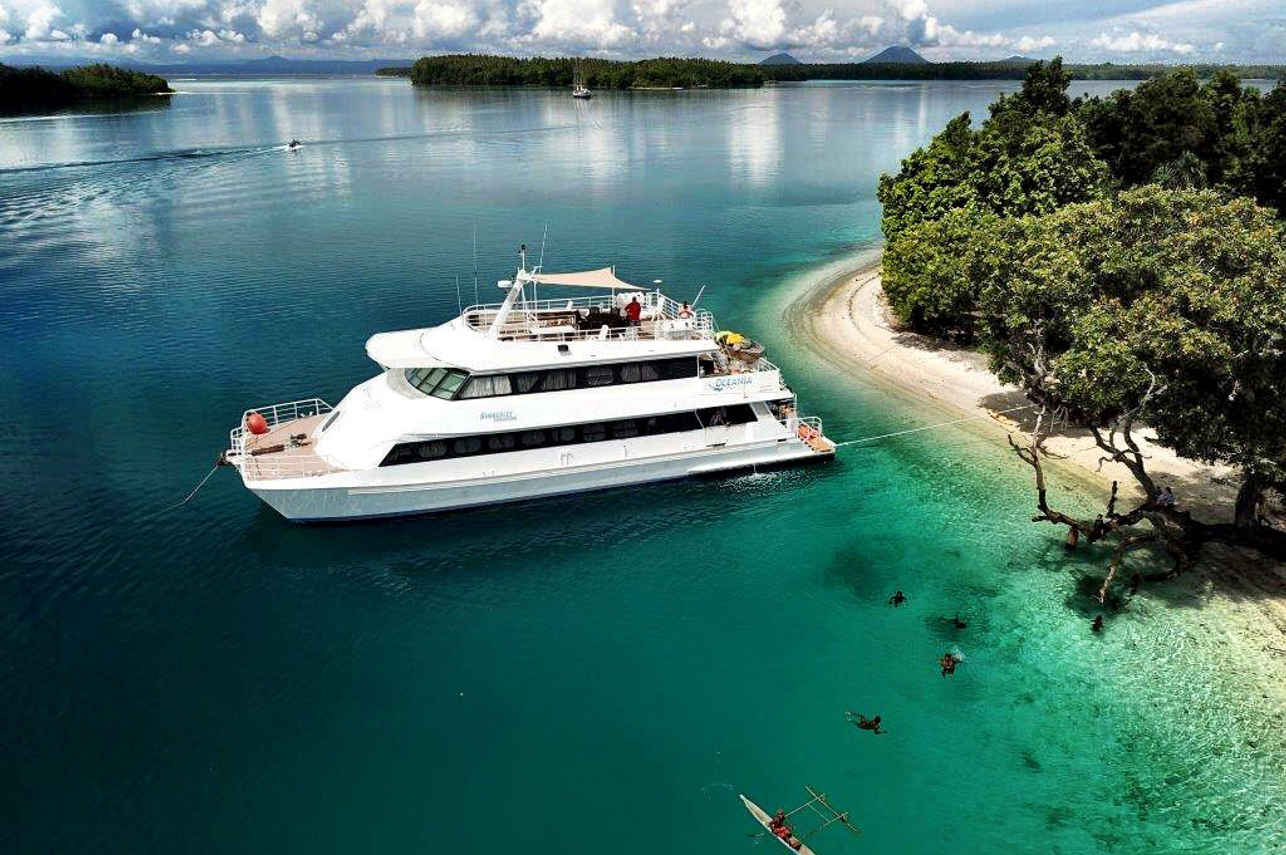
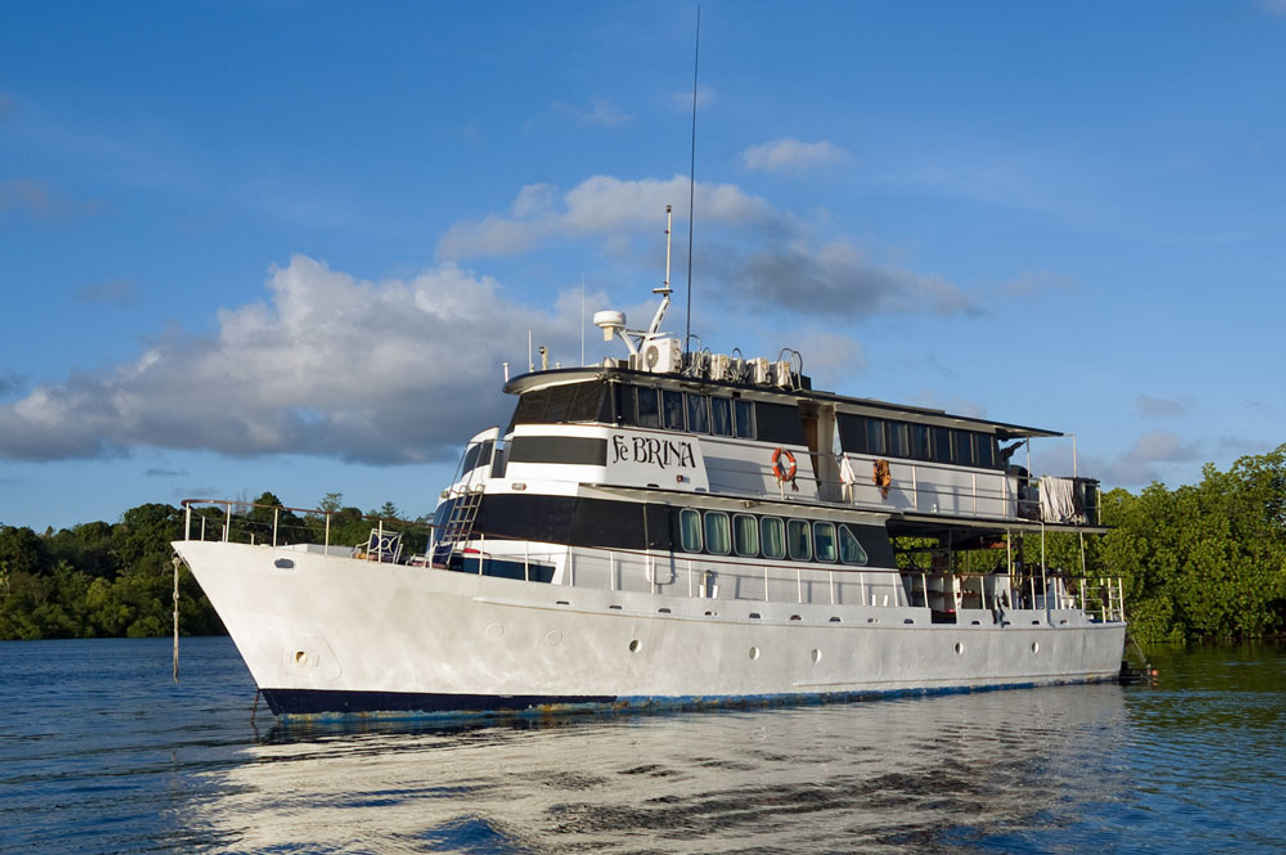
Suzie's Bommie is one of Papua New Guinea's signature dive sites. A liveaboard sleeps you on the water and puts you in the water for three to four guided dives per day, including dawn and night dives that day-boat operators rarely offer. You skip the daily commute back to port and reach quieter, less-crowded sites in the same region on a single trip.
Below are the liveaboards that include Suzie's Bommie on their Papua New Guinea itineraries.
Liveaboards diving Suzie's Bommie
These liveaboards may visit Suzie's Bommie on selected itineraries — the exact dive sites depend on departure, weather and conditions.
Dive sites similar to Suzie's Bommie
Same character, same waters — six more sites divers love for the exact same reasons.Compare seasons, access and liveaboard routes — then pick the site that fits your trip best.
© Esri — Maxar, Earthstar, GIS
Banana Bommie
Papua New Guinea
Banana Bommie is a prominent and highly regarded dive site situated at the northern mouth of Milne Bay in Papua New Guinea.
- Suitable for
- Advanced
- Current
- Moderate
- Access
- Liveaboard only
- Depth
- ≤ 40 m
- Theme
- Reef / Pinnacle
© Esri — Maxar, Earthstar, GIS
Joelle’s Reef
Papua New Guinea
Joelle's Reef is a renowned seamount located in the pristine Kimbe Bay, Papua New Guinea, named after the daughter of liveaboard skipper Alan Raabe.
- Suitable for
- Intermediate
- Current
- Mild
- Access
- Liveaboard or dayboat
- Depth
- 16–30 m
- Theme
- Reef / Pinnacle
© Esri — Maxar, Earthstar, GIS
Lama Shoal
Papua New Guinea
Lama Shoal, also known by the evocative name Crack-A-Fat Reef, stands out as a premier dive site within the Witu Islands of Papua New Guinea.
- Suitable for
- Advanced
- Current
- Strong
- Access
- Liveaboard only
- Depth
- 5–40 m
- Theme
- Pinnacle / Seamount
© Esri — Maxar, Earthstar, GIS
Bradford Shoals
Papua New Guinea
Bradford Shoals is a prominent seamount located in the outer reaches of Kimbe Bay, off the northern coast of New Britain, Papua New Guinea.
- Suitable for
- Advanced
- Current
- Strong
- Access
- Liveaboard only
- Depth
- ≤ 35 m
- Theme
- Pinnacle / Seamount
© Esri — Maxar, Earthstar, GIS
Planet Rock
Papua New Guinea
Planet Rock is a renowned offshore seamount situated approximately 3 kilometers from Madang, Papua New Guinea.
- Suitable for
- Advanced
- Current
- Strong
- Access
- Liveaboard only
- Depth
- 12–35 m
- Theme
- Pinnacle / Seamount