About Planet Rock
Planet Rock is a renowned offshore seamount situated approximately 3 kilometers from Madang, Papua New Guinea. This isolated underwater pinnacle ascends dramatically from depths exceeding 600 meters to within just 4-5 meters of the surface, creating a unique magnet for marine life. Its fame stems from the consistent presence of large pelagic species, making it a celebrated dive site in the Coral Triangle. The seamount's topography is characterized by steep relief, with hard coral structures and vibrant reef communities covering its upper sections. However, the primary draw is the rich blue water action around the pinnacle. Strong oceanic currents, particularly in Astrolabe Bay, sweep around and across the apex, generating upwellings that concentrate nutrients and attract an abundance of open-ocean predators and schooling fish. Divers can expect thrilling encounters with a diverse array of marine life. Grey reef sharks regularly patrol the seamount, often in significant numbers, while schools of barracuda and bigeye trevally form impressive formations. Occasional sightings of manta rays, hammerhead sharks, and even tiger sharks further enhance the pelagic spectacle. The resident reef community also thrives, offering vibrant coral gardens, anemones with clownfish, and a variety of invertebrates and reef fish. Planet Rock is accessible as a day trip from Madang, a developed dive tourism hub. The site's conditions are variable, heavily influenced by weather and current strength, meaning flexibility is key to experiencing it at its best. While rated beginner-friendly in calm conditions, its strong currents and offshore exposure typically make it more suitable for intermediate to experienced divers.
Highlights
Pelagic marine life concentrationsGrey reef shark patrolsBarracuda and trevally schoolsCurrent-swept seamountOccasional hammerhead and manta sightingsVibrant hard coral apex
Season calendar
Best months to dive here
Jan
Feb
Mar
Apr
May
Jun
Jul
Aug
Sep
Oct
Nov
Dec
Good
Dive site facts: Planet Rock
- Depth
- 4–600 m
- Typical dive
- 15–30 m, 45–60 min
- Current
- Very strong
- Visibility
- 25–40 m
- Water temperature
- 28–30°C
- Entry
- Boat / negative entry
- Level
- Intermediate to Advanced
- Dive type
- Pelagic, seamount, reef
- Night dive
- Not typical / challenging
- Region / port
- Madang
- Coordinates
- -5.23, 145.94
Conditions & Currents
Planet Rock is defined by its strong, often unpredictable currents, which are its main draw but also its primary hazard. The seamount interrupts deep-ocean currents, creating intense flow and upwellings that attract pelagic life but necessitate careful dive planning. Conditions can shift rapidly, and the site may be inaccessible if currents are too strong. Divers must be comfortable with drift diving techniques, proficient in current management, and maintain tight team awareness. Visibility is generally excellent due to the oceanic exposure, typically ranging from 25 to 40 meters, but strong currents can sometimes carry suspended particles. Entry is always by boat, often requiring a negative entry to descend quickly below the strongest surface currents, and exit typically involves careful boat-picking. There are no notable thermoclines or surge, but careful management of gas and bottom t
Marine life & sighting chances

Grey reef shark
common
White-tip reef shark
occasional
Barracuda
common
Bigeye trevally
common
Clown triggerfish
common
Agate-eyed moray eel
common

Silvertip shark
occasional
Scalloped hammerhead shark
occasional
Tiger shark
rare
Manta ray
occasional
Tuna
occasionalTriggerfish
common
Nudibranch
commonDive profile & how the dive runs
Your dive at Planet Rock typically begins with a negative entry from the dive boat, allowing for a rapid descent below the stronger surface currents. The usual route involves circumnavigating the seamount's pinnacle, often starting at a depth of around 15-20 meters along its wall, observing the pelagic action in the blue. You'll progress deeper to around 25-30 meters to look for hammerheads or silvertips, while keeping an eye on schooling fish. The dive gradually ascends, following the contour of the seamount, exploring the vibrant hard coral gardens and smaller reef fish on the shallower sections around 10-12 meters. The turn point is determined by gas consumption and current strength, ensuring a conservative ascent profile. Your safety stop will occur in the calmer, shallower water near the apex of the seamount or by deploying a surface marker buoy (SMB) for a blue-water safety stop, depending on current conditions. The dive concludes with a boat pick-up, often requiring divers to surface downstream.
Underwater photography
Planet Rock is primarily a wide-angle photographer's paradise, demanding lenses capable of capturing large schools of fish and expansive pelagic encounters. A fisheye or wide-angle rectilinear lens is essential for documenting the impressive barracuda and trevally formations, as well as the patrolling sharks. Due to the strong currents, maintaining good buoyancy is critical to avoid damaging corals or being swept away, allowing you to compose your shots without distraction. External strobes are highly recommended to bring out the vibrant colors of the hard corals and to properly illuminate subjects in the clear blue water. Be prepared for fast-moving action and keep an eye on your background for unexpected pelagics. Macro photography is less of a focus here, though resident reef fish and invertebrates can be found in the quieter sections of the seamount's apex.
Combine with nearby dive sites
- Wongat Island
Known for its B-25 bomber wreck at 15-22 meters, offering a different type of dive experience near Madang.
- Father's Reef
A string of volcanic seamounts off New Britain's Gazelle Peninsula, providing rich coral growth and abundant large pelagic fish and sharks.
- Restorf Island
Celebrated for its critter diving, including blue ribbon eels and ghost pipefish, located in Kimbe Bay.
- Der Yang Wreck
A photogenic Taiwanese fishing vessel scuttled as an artificial reef near Kavieng, sitting on a coral pinnacle.
Getting there & logistics
Access to Planet Rock is exclusively by boat, typically as a day trip from Madang. Madang itself is served by Madang Airport (MAG), with domestic flights connecting from Port Moresby (POM), Papua New Guinea's main international gateway. Dive operators like Niugini Dive Adventures, based at the Madang Resort Hotel, manage trips to Planet Rock, chartering boats and timing dives according to conditions. A typical dive trip includes multiple dives at Planet Rock or combining it with other nearby sites depending on the itinerary. There are no specific park fees mentioned, but dive package costs will cover boat transfers and guided dives. Liveaboards operating in the Bismarck Sea region may also include Planet Rock in their itineraries, often as part of a wider exploration of Papua New Guinea's northern dive areas.
Safety & environment
Diving at Planet Rock demands adherence to strict safety protocols due to the very strong and often unpredictable currents. Divers must be advanced certified with significant experience in current diving. Maintain constant awareness of your dive buddy and the group, as separation in strong currents can be dangerous. Proper gas management and conservative dive planning are essential, particularly with potential for rapid drift. Always carry a surface marker buoy (SMB) and know how to deploy it, as well as a signaling device for surface pick-up. Ensure your dive insurance covers emergency evacuation and recompression, as the nearest recompression chamber is in Port Moresby, necessitating complex and potentially lengthy transport. Listen carefully to your dive guide's briefing and follow all instructions, especially regarding entry, exit, and emergency procedures.
Who it suits — and who it doesn't
Suited for
- Experienced divers comfortable with strong currents
- Photographers seeking pelagic action
- Divers interested in big fish encounters
- Adrenaline seekers
Less suited for
- Beginner divers or those new to currents
- Divers with poor buoyancy control
- Macro-focused photographers
- Divers seeking calm, sheltered conditions
FAQ
Planet Rock FAQ
How deep is Planet Rock?
Planet Rock is a seamount that rises dramatically from oceanic depths of over 600 meters to within just 4-5 meters of the surface. While the seamount itself is immense, divers typically explore the upper sections, usually between 15 and 30 meters, where pelagic activity is most concentrated.
What kind of currents can I expect at Planet Rock?
Planet Rock is renowned for its very strong and often unpredictable currents. These currents are a major factor in attracting the abundant pelagic life but require divers to be experienced in drift diving and proficient in current management techniques. Conditions can change quickly, so flexibility and adherence to dive guide instructions are crucial.
What marine life is commonly seen at Planet Rock?
Divers at Planet Rock can expect thrilling encounters with grey reef sharks, barracuda schools, and bigeye trevally. Occasional sightings include white-tip reef sharks, manta rays, scalloped hammerheads, and even rare tiger sharks. The seamount's reef also hosts vibrant hard corals and a variety of resident reef fish and invertebrates.
Is Planet Rock suitable for beginner divers?
While some sources rate it beginner-friendly in calm conditions, Planet Rock's strong currents and exposed offshore location generally make it more suitable for intermediate to advanced divers. Beginners or those without experience in strong currents should consider other, less challenging sites in the region.
How do I get to Planet Rock?
Planet Rock is accessed via boat as a day trip from Madang, a coastal town in Papua New Guinea. Divers typically fly into Madang Airport (MAG) and book their dives through local operators, such as Niugini Dive Adventures, which provide transfers and guided dives to the site.
Is Planet Rock known for its coral reefs?
Yes, while Planet Rock is most famous for its pelagic marine life, the shallower sections of the seamount's pinnacle are covered in healthy and vibrant hard coral growth. These coral communities support a rich array of smaller reef fish and invertebrates, adding another layer of interest between pelagic passes.
Can I do a night dive at Planet Rock?
Night dives are not typically offered at Planet Rock due to its strong currents and exposed offshore location. The site's primary appeal is its pelagic action during daylight hours, and the conditions at night would pose significant safety challenges. Night diving opportunities are usually found at more sheltered sites closer to shore.
Why dive Planet Rock from a liveaboard?
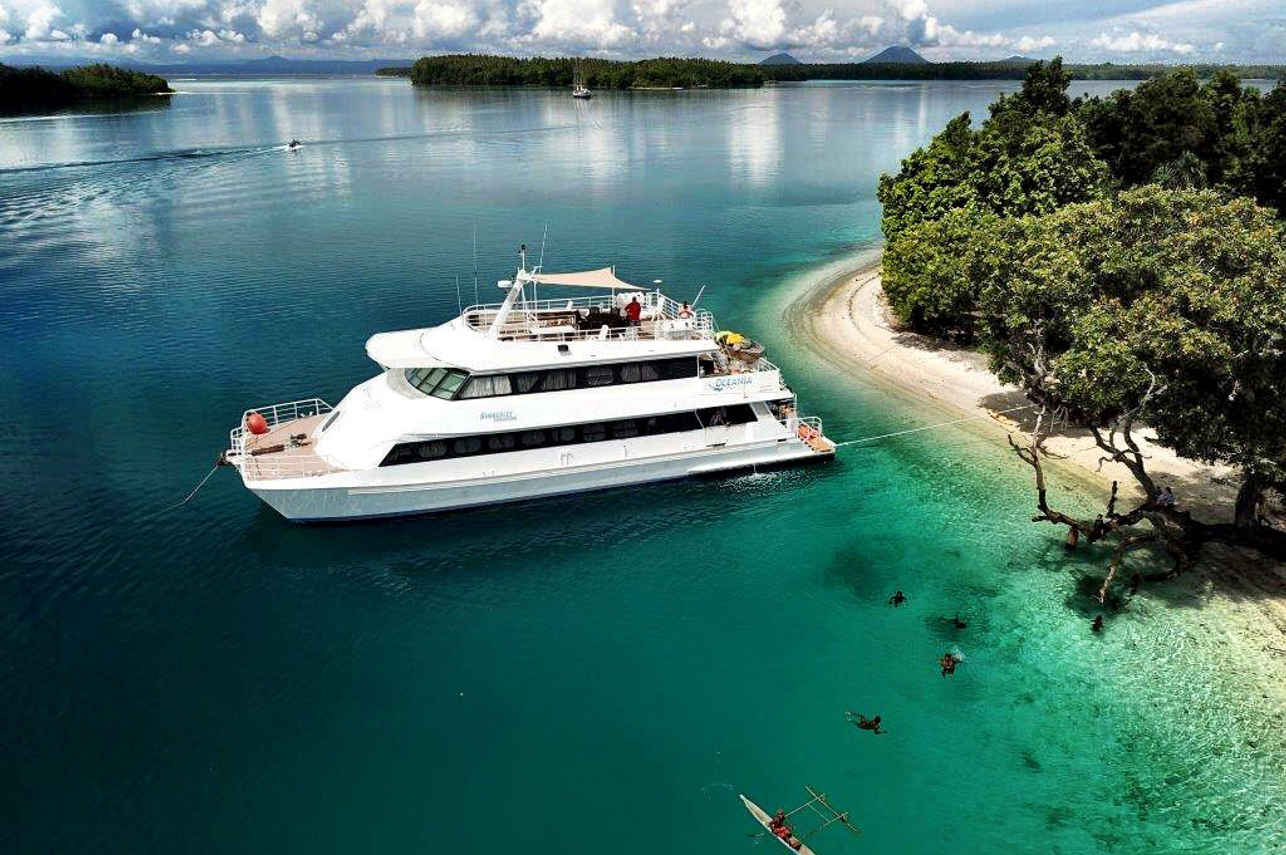
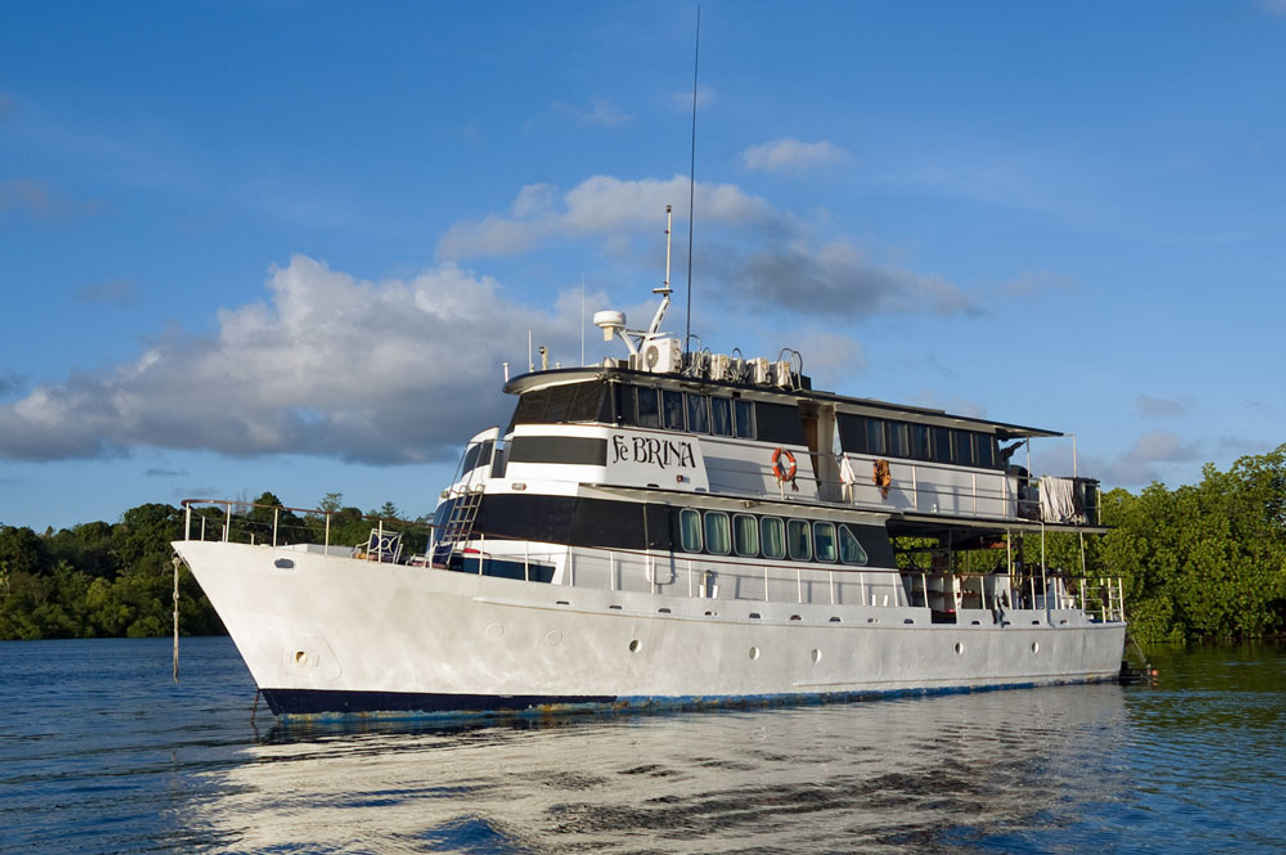
Planet Rock is one of Papua New Guinea's signature dive sites. A liveaboard sleeps you on the water and puts you in the water for three to four guided dives per day, including dawn and night dives that day-boat operators rarely offer. You skip the daily commute back to port and reach quieter, less-crowded sites in the same region on a single trip.
Below are the liveaboards that include Planet Rock on their Papua New Guinea itineraries.
Liveaboards diving Planet Rock
These liveaboards may visit Planet Rock on selected itineraries — the exact dive sites depend on departure, weather and conditions.
Dive sites similar to Planet Rock
Same character, same waters — six more sites divers love for the exact same reasons.Compare seasons, access and liveaboard routes — then pick the site that fits your trip best.
© Esri — Maxar, Earthstar, GIS
Banana Bommie
Papua New Guinea
Banana Bommie is a prominent and highly regarded dive site situated at the northern mouth of Milne Bay in Papua New Guinea.
- Suitable for
- Advanced
- Current
- Moderate
- Access
- Liveaboard only
- Depth
- ≤ 40 m
- Theme
- Reef / Pinnacle
© Esri — Maxar, Earthstar, GIS
Suzie's Bommie
Papua New Guinea
Suzie's Bommie is an impressive pinnacle dive site located outside the Sunken Barrier Reef in Bootless Bay, near Port Moresby, Papua New Guinea.
- Suitable for
- Intermediate
- Current
- Moderate
- Access
- Liveaboard only
- Depth
- 13–30 m
- Theme
- Pinnacle
© Esri — Maxar, Earthstar, GIS
Joelle’s Reef
Papua New Guinea
Joelle's Reef is a renowned seamount located in the pristine Kimbe Bay, Papua New Guinea, named after the daughter of liveaboard skipper Alan Raabe.
- Suitable for
- Intermediate
- Current
- Mild
- Access
- Liveaboard or dayboat
- Depth
- 16–30 m
- Theme
- Reef / Pinnacle
© Esri — Maxar, Earthstar, GIS
Lama Shoal
Papua New Guinea
Lama Shoal, also known by the evocative name Crack-A-Fat Reef, stands out as a premier dive site within the Witu Islands of Papua New Guinea.
- Suitable for
- Advanced
- Current
- Strong
- Access
- Liveaboard only
- Depth
- 5–40 m
- Theme
- Pinnacle / Seamount
© Esri — Maxar, Earthstar, GIS
Witu Islands - Circle of Stars
Papua New Guinea
Lama Shoal, evocatively named 'Circle of Stars' or 'Crack-A-Fat Reef,' is a premier dive site within the remote Witu Islands of Papua New Guinea.
- Suitable for
- Intermediate
- Current
- Strong
- Access
- Liveaboard only
- Depth
- 5–30 m
- Theme
- Reef / Seamount
© Esri — Maxar, Earthstar, GIS
Bradford Shoals
Papua New Guinea
Bradford Shoals is a prominent seamount located in the outer reaches of Kimbe Bay, off the northern coast of New Britain, Papua New Guinea.
- Suitable for
- Advanced
- Current
- Strong
- Access
- Liveaboard only
- Depth
- ≤ 35 m
- Theme
- Pinnacle / Seamount