About The Hump
The Hump is a prominent submerged volcanic pinnacle situated near Watom Island, within the vibrant dive region of Rabaul, Papua New Guinea. This site marks the boundary between the Bismarck Sea and the Pacific Ocean, benefiting from nutrient-rich currents that fuel an astonishing array of marine life. Its unique topography, shaped by volcanic activity, features a sea fan-smothered structure that attracts a diverse ecosystem. Diving at The Hump offers a thrilling experience focused on pelagic encounters. The site is renowned for attracting large schools of fish and various pelagic species, making it a dynamic environment for observation. The submerged volcano provides a natural magnet for marine predators and schooling fish, thriving amidst the strong currents typical of the area. While The Hump is primarily celebrated for its large animal action, the vibrant soft corals and sea fans adorning its structure also create a visually stunning backdrop. These healthy coral formations are a testament to the site's rich ecosystem and the consistent flow of nutrients. Divers can expect excellent visibility, allowing for expansive views of the underwater landscape and its bustling inhabitants. The practical dive experience at The Hump often involves drift diving due to the strong, fast-moving currents. It's a site that demands advanced diving skills, including proficiency in current management and careful gas planning. The rewards, however, are immense, offering an unparalleled opportunity to witness Papua New Guinea's spectacular pelagic biodiversity.
Highlights
Submerged volcanic pinnacleAbundant pelagic actionSea fan-smothered structureDynamic current-swept divingHealthy soft coral growthDiverse marine ecosystemExcellent visibility
Season calendar
Best months to dive here
Jan
Feb
Mar
Apr
May
Jun
Jul
Aug
Sep
Oct
Nov
Dec
Excellent
Good
Off-Season
May – Oct
Dry season with best visibility up to 30m. Calmer seas ideal for liveaboard expeditions.
Nov – Dec
Transition with increasing plankton attracting pelagics. Still good diving conditions.
Jan – Apr
Wet season with reduced visibility. Some areas remain excellent. Fewer boats and lower prices.
Dive site facts: The Hump
- Depth
- 30–30 m
- Current
- Strong, often ripping
- Visibility
- Excellent (20-40m)
- Water temperature
- 26-31°C
- Entry
- Boat / Negative entry
- Level
- Advanced
- Dive type
- Pinnacle, drift, pelagic
- Region / port
- Rabaul, East New Britain
- Coordinates
- 6.3573° S, 149.4135° E
Conditions & Currents
Diving at The Hump typically involves strong, often ripping currents, a characteristic driven by its location where different current systems combine and vast volumes of water move between the Pacific Ocean and the Bismarck Sea. Divers should be prepared for fast-moving water, necessitating advanced skills in drift diving techniques and cautious gas management. While currents can be variable, their presence is a key factor in attracting the site's abundant pelagic life. Visibility is generally excellent, often exceeding 20 meters, though this can be influenced by plankton blooms that attract large marine animals. Entries are typically negative or swift descents from a liveaboard or day boat, with careful planning for ascent and safety stops to avoid being swept away.
Marine life & sighting chances

Reef sharks
Year round · common
Schooling reef fish
Year round · common
Barracuda
Year round · common
Marine turtles
Year round · common
Pelagic sharks
common
Dogtooth tuna
common
Spanish mackerel
common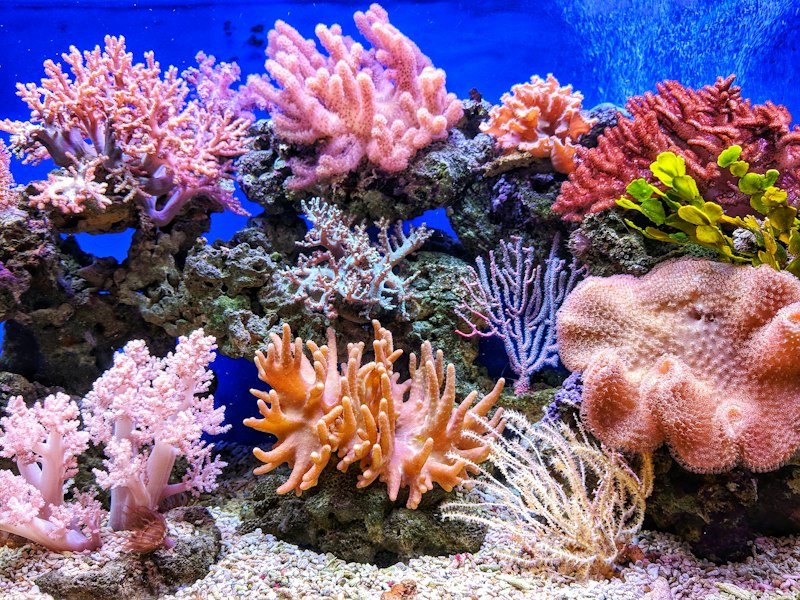
Soft corals
common
Sea fans
common
Manta rays
September (Milne Bay) · occasionalDive profile & how the dive runs
Diving at The Hump typically involves a negative entry or quick descent from a liveaboard tender, directly into the currents sweeping the submerged volcanic pinnacle. Divers often begin by descending to an appropriate depth along the Hump's slopes, exploring the sea fan-covered structure while drifting with the flow. The main objective is to observe the abundant pelagic life attracted by the strong currents, including schools of barracuda, trevally, and various shark species. The dive progresses as a drift, allowing divers to cover a significant portion of the site without excessive finning. Buoyancy control is crucial, especially when maneuvering close to the reef to appreciate the soft corals while remaining clear of the strong currents. The safety stop is generally conducted mid-water, either deploying a SMB for pickup by the support vessel or using a reef hook if conditions allow, ensuring divers are collected safely downstream from the site.
Underwater photography
For capturing the pelagic action at The Hump, wide-angle lenses are highly recommended due to the excellent visibility and the expansive subjects like schooling fish and sharks. External strobes are essential to bring out the vibrant colors of the soft corals and sea fans, especially when shooting into the blue. Due to strong currents, maintaining stable buoyancy is critical for sharp images; consider using a reef hook for stationary shots if permitted and safe. When photographing marine life, maintain a respectful distance and avoid chasing animals. Focus on compositions that highlight the dynamic environment and the interplay between the reef and its larger inhabitants.
Combine with nearby dive sites
Getting there & logistics
Access to The Hump is primarily via liveaboard trips departing from major hubs in Papua New Guinea, or day boats from Rabaul. International flights typically arrive at Jacksons International Airport (POM) in Port Moresby, followed by domestic connecting flights to regional airports such as Rabaul (RAB). Liveaboards often incorporate The Hump into itineraries exploring the Bismarck Sea, New Ireland, and New Hanover regions, with trip lengths typically ranging from 7 to 10 days. There are no specific permits mentioned for this individual site, but divers should ensure their liveaboard or tour operator handles any necessary marine park fees. Land transport infrastructure is limited, making liveaboards the most practical way to reach remote sites like The Hump.
Safety & environment
For diving at The Hump, comprehensive dive insurance covering emergency medical treatment and evacuation, including recompression, is essential. The nearest recompression chamber facilities are limited and evacuation from remote areas like Rabaul can be complex and time-consuming. Divers must be proficient in advanced diving techniques, particularly drift diving and current management, due to the site's strong, often unpredictable currents. A surface marker buoy (SMB) and a reef hook are highly recommended pieces of safety equipment. Always dive with a reputable operator, follow your dive guide's instructions rigorously, and maintain excellent buoyancy control to prevent accidental contact with the reef or being swept away.
Who it suits, and who it doesn't
Suited for
- Experienced divers comfortable with strong currents
- Advanced Open Water certified divers
- Underwater photographers seeking pelagic action
- Divers interested in volcanic underwater topography
- Liveaboard enthusiasts exploring remote sites
Less suited for
- Beginner divers or those new to currents
- Divers with limited buoyancy control
- Individuals prone to sea sickness
- Divers seeking purely macro-focused experiences
- Those without comprehensive dive insurance
FAQ
The Hump FAQ
What kind of marine life can I expect at The Hump?
The Hump is renowned for its abundant pelagic action, attracting large schools of barracuda, trevally, and various reef sharks. Marine turtles are also common sightings. The strong currents bring in nutrients, creating a dynamic environment that supports a diverse array of larger marine species.
Is The Hump suitable for all diver levels?
No, The Hump is considered an advanced dive site due to the presence of strong, often ripping currents. Divers should have experience with drift diving, excellent buoyancy control, and be comfortable in dynamic conditions. It is not recommended for beginner divers.
What are the typical conditions at The Hump?
Conditions at The Hump are characterized by strong currents and excellent visibility, often ranging from 20 to 40 meters. Water temperatures are consistently warm, averaging 26-31°C. While generally predictable, currents can change rapidly, requiring attentive diving.
How do I get to The Hump?
The Hump is typically accessed via liveaboard operations exploring the Rabaul and Bismarck Sea regions of Papua New Guinea. Divers usually fly into Port Moresby and then take a domestic flight to Rabaul to board their liveaboard. Day boat options from Rabaul may also be available.
What unique features does The Hump offer?
The Hump is a submerged volcanic pinnacle, creating a unique underwater topography covered in vibrant sea fans and soft corals. This geological feature, combined with its exposure to rich ocean currents, acts as a magnet for a wide array of pelagic fish and sharks, offering a truly dynamic dive experience.
Why dive The Hump from a liveaboard?
The Hump is one of Papua New Guinea's signature dive sites. A liveaboard sleeps you on the water and puts you in the water for three to four guided dives per day, including dawn and night dives that day-boat operators rarely offer. You skip the daily commute back to port and reach quieter, less-crowded sites in the same region on a single trip.
Below are the liveaboards that include The Hump on their Papua New Guinea itineraries.
Liveaboards diving The Hump
These liveaboards may visit The Hump on selected itineraries, the exact dive sites depend on departure, weather and conditions.


Dive sites similar to The Hump
Same character, same waters, six more sites divers love for the exact same reasons.Compare seasons, access and liveaboard routes, then pick the site that fits your trip best.
Abila is a notable dive site located within the Alor Islands Marine Park, an area celebrated for its rich marine biodiversity due to its position in the Coral Triangle.
- Suitable for
- Beginner
- Current
- Mild
- Access
- Liveaboard only
- Depth
- —
- Theme
- Reef
© EsriMaxar, Earthstar, GIS
Adonara Channel
Alor
Adonara Channel stands as one of Alor's most iconic dive sites, celebrated for its dynamic currents and exceptionally rich biodiversity.
- Suitable for
- Advanced
- Current
- Strong
- Access
- Liveaboard or dayboat
- Depth
- 10–40 m
- Theme
- Drift / Wall
© EsriMaxar, Earthstar, GIS
Adonara Wall
Indonesia
Adonara is an Indonesian island dive site, renowned for its vibrant underwater topography characterized by submerged seamounts.
- Suitable for
- Intermediate
- Current
- Strong
- Access
- Liveaboard or dayboat
- Depth
- 5–35 m
- Theme
- Seamount / Wall
© EsriMaxar, Earthstar, GIS
Agnay Fish Sanctuary
Philippines
Agnay Fish Sanctuary is nestled in a sheltered bay near the village of Agnay in Romblon, a province celebrated for its rich marine biodiversity.
- Suitable for
- Beginner
- Current
- Mild
- Access
- Dayboat
- Depth
- 9–18 m
- Theme
- Reef
© EsriMaxar, Earthstar, GIS
Ai Island Reef
Banda Sea
Ai Island Reef, nestled within the Banda Sea, offers a remarkable diving experience characterized by its rich marine biodiversity and varied underwater topography.
- Suitable for
- Beginner
- Current
- Strong
- Access
- Liveaboard only
- Depth
- 3–30 m
- Theme
- Reef / Seamount
© EsriMaxar, Earthstar, GIS
Akitsushima
Philippines
The Akitsushima is a distinguished World War II Japanese seaplane tender, sunk in September 1944 during an American air raid in Coron Bay, Palawan.
- Suitable for
- Advanced
- Current
- Strong
- Access
- Dayboat
- Depth
- 22–38 m
- Theme
- Wreck