About Atun
Atun is an advanced dive site located near Rabaul in Papua New Guinea's East New Britain province, celebrated for its unique blend of volcanic geology, abundant pelagic encounters, and rich Coral Triangle biodiversity. This site is named after the tuna that frequently visit its waters, offering divers a glimpse into the dynamic marine life of the Bismarck Sea. The underwater landscape is characterized by dark basaltic formations, rocky ridges, walls, and boulder fields, all shaped by Rabaul's volcanic history, creating dramatic structures that are vividly contrasted by lush marine growth. Positioned at the eastern entrance to Blanche Bay, near Little Pigeon Island, the site features a former Taiwanese tuna fishing vessel, the Atun Wreck. Deliberately scuttled in 1983, this intact fishing boat now rests on its keel at 21 meters, becoming a thriving artificial reef. Its mast rises to within 8 meters of the surface, making it an accessible wreck for advanced divers seeking both structural exploration and marine life observation. Nutrient-rich volcanic waters contribute to an impressive coral diversity, with soft corals reaching spectacular sizes and vibrant growth covering the volcanic substrates. Pelagic species like yellowfin and skipjack tuna, barracuda, and trevally are common, alongside reef sharks and eagle rays. The site also hosts a variety of macro life, including nudibranchs, mantis shrimp, and pipefish, all thriving in an environment where volcanic activity occasionally introduces localized temperature and chemistry variations. Atun requires advanced diving experience due to its depth, potential for strong currents, and the need for attentive gas management. The excellent visibility typical of the site, particularly near the wreck, enhances the experience of navigating its unique topography and observing its diverse inhabitants. Diving here offers a comprehensive experience that combines historical context, geological wonder, and prolific marine life in a
Highlights
Volcanic underwater terrainFrequent pelagic encountersIntact fishing vessel wreckVibrant soft coral growthUnique volcanic ecosystemGood visibilityNutrient-rich currents
Season calendar
Best months to dive here
Jan
Feb
Mar
Apr
May
Jun
Jul
Aug
Sep
Oct
Nov
Dec
Excellent
Good
Off-Season
May – Oct
Dry season with best visibility up to 30m. Calmer seas ideal for liveaboard expeditions.
Nov – Dec
Transition with increasing plankton attracting pelagics. Still good diving conditions.
Jan – Apr
Wet season with reduced visibility. Some areas remain excellent. Fewer boats and lower prices.
Dive site facts: Atun
- Depth
- 20–25 m
- Typical dive
- 18–25 m
- Current
- Moderate to strong
- Visibility
- 18–30 m
- Water temperature
- 27–30°C
- Entry
- Boat dive
- Level
- Advanced
- Dive type
- Wreck, reef, pelagic, macro
- Region / port
- East New Britain, Rabaul
- Coordinates
- 5.1950° S, 145.8230° E
Conditions & Currents
Atun is an advanced dive site, primarily due to the potential for powerful currents, especially during tidal transitions. While some reviews report mild or no current, divers should be prepared for moderate to strong flows that can change rapidly, necessitating experience with drift diving techniques. The site's position in open waters can lead to varying conditions, requiring attentive gas management due to the typical depth of 25 meters. Visibility is generally excellent, often ranging from 18 to 30 meters, but this can be influenced by volcanic activity or nutrient-rich upwellings that fuel the site's biodiversity. Divers should plan entries and exits carefully, typically from a boat, and be proficient in advanced diving skills.
Marine life & sighting chances

Yellowfin Tuna
common
Skipjack Tuna
common
Barracuda
common
Trevally
occasional
Manta Ray
occasional
Whale Shark
occasional
Reef Shark
occasional
Green Sea Turtle
occasional
Octopus
occasional
Nudibranch
common
Mantis Shrimp
occasional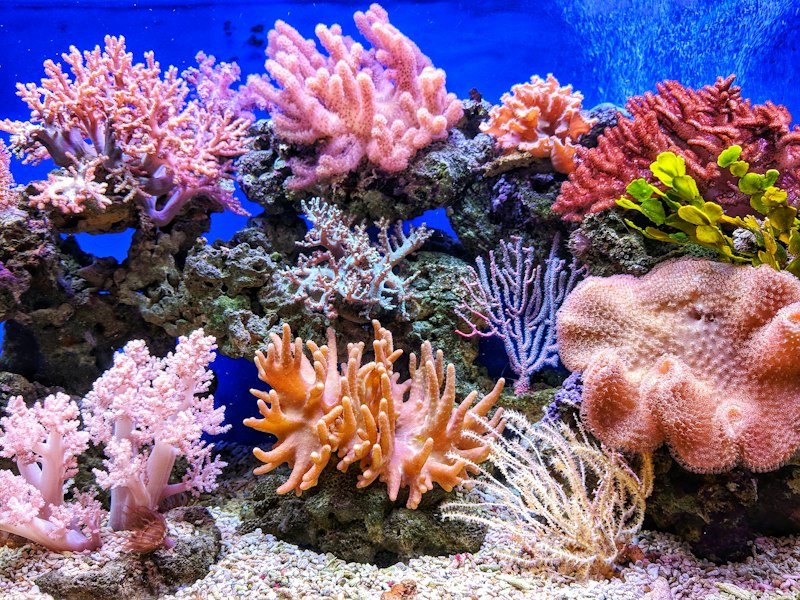
Soft Coral
common
Hard Coral
common
Seahorse
occasionalDive profile & how the dive runs
Diving at Atun typically involves a boat entry to position divers strategically on the site's volcanic structure. The dive often commences near the intact fishing vessel wreck, the Atun, which rests on its keel at approximately 21-25 meters near Little Pigeon Island. Divers will explore the wreck's structure, noting the mast rising to within 8 meters of the surface and observing the soft coral growth in the wheelhouse and a healthy black coral tree. After exploring the wreck, the route usually follows the volcanic terrain of rocky ridges and walls, ascending gradually. This allows for encounters with pelagic species drawn to the nutrient-rich currents and observation of the diverse reef communities. The dive progresses along contour lines or drift patterns, maintaining a prudent depth to conserve bottom time. The safety stop is typically conducted in the shallower reef areas or mid-water, depending on current conditions, before a boat pick-up.
Underwater photography
Atun offers excellent opportunities for both wide-angle and macro photography. For wide-angle, focus on the dramatic volcanic topography, the vibrant soft corals adorning the wreck and reef, and the schools of pelagic fish like tuna, barracuda, and trevally. The intact Atun wreck, especially with its mast, provides a compelling subject. Wide-angle lenses are ideal for capturing the grandeur of the site's structure and the scale of pelagic encounters. For macro enthusiasts, bring a close-focus or macro lens to seek out nudibranchs, mantis shrimp, seahorses, and pipefish residing on the wreck and in reef crevices. Be prepared for varying current conditions, as this can affect stability for detailed shots. Using strobes is highly recommended to bring out the vivid colors of the corals against the dark volcanic backdrop and to properly illuminate smaller subjects.
Combine with nearby dive sites
Getting there & logistics
Access to Atun is primarily from Rabaul or Kokopo in Papua New Guinea's East New Britain province, following flights into Jacksons International Airport (POM) in Port Moresby. From Port Moresby, connecting domestic flights are necessary to Hoskins (HKN) airport, serving Kimbe Bay, which is the gateway to Rabaul. Dive operators in the Rabaul area will arrange transfers and boat dives to sites like Atun. Trips often combine wreck diving in Rabaul's Simpson Harbour with reef and pelagic sites. A typical dive trip duration can vary, but liveaboards or resort stays of 7-10 days are common for exploring the region. While no specific permits or fees are mentioned for Atun, general park fees or local community fees might apply in other areas of PNG, and divers should confirm with their operator.
Safety & environment
Diving at Atun is considered advanced due to its depth, exposure to potentially strong currents, and the dynamic nature of marine conditions near Rabaul. Divers should have appropriate certification and experience in varying currents, and advanced gas planning is essential given the 25-meter depth. The nearest recompression chamber is typically located in Port Moresby, necessitating emergency evacuation by air in case of a serious dive incident, which can be time-consuming and costly. Comprehensive dive insurance covering emergency medical treatment and evacuation is therefore strongly advised. Site-specific hazards include sharp edges on the wreck, potential for rapid current changes, and boat traffic in the area. Divers should always follow their dive guide's instructions and maintain excellent buoyancy control to avoid damaging delicate corals or disturbing marine life.
Who it suits, and who it doesn't
Suited for
- Advanced divers comfortable with currents
- Wreck diving enthusiasts
- Photographers (wide-angle and macro)
- Divers seeking pelagic encounters
- Explorers interested in volcanic underwater landscapes
Less suited for
- Beginner divers or those without advanced certification
- Divers uncomfortable with strong or unpredictable currents
- Individuals with limited experience in deep diving (25m+)
- Divers unwilling to practice attentive gas management
FAQ
Atun FAQ
What kind of wreck is the Atun?
The Atun is an intact former Taiwanese tuna fishing vessel that was intentionally scuttled in 1983 by the Rabaul Dive Club. It rests upright on its keel at approximately 21-25 meters, near Little Pigeon Island. The wreck's mast still extends to within 8 meters of the surface, making it an accessible and interesting dive for recreational divers.
Why is Atun considered an advanced dive site?
Atun is rated as an advanced dive due to its depth of up to 25 meters, its exposure to potentially powerful and rapidly changing currents, especially during tidal transitions, and its position in waters where conditions can fluctuate. Divers need to be proficient in advanced diving techniques and vigilant with gas management.
What marine life can I expect to see at Atun?
Atun is known for frequent pelagic encounters, with schools of yellowfin and skipjack tuna regularly sighted, along with barracuda and trevally. The site also boasts impressive soft coral growth, and you can find a variety of macro life such as nudibranchs, mantis shrimp, seahorses, and pipefish on the wreck and volcanic reef structures.
Are there any unique geological features at Atun?
Yes, Atun's underwater terrain reflects Rabaul's volcanic geology, featuring dark basaltic formations, rocky ridges, walls, and boulder fields. The site can also have occasional thermal vents and mineral seeps, creating localized temperature and chemistry variations that support unique coral and marine life adapted to these conditions.
What is the visibility like at Atun?
Visibility at Atun is generally excellent, often ranging from 18 to 30 meters (60 to 100 feet). Its location near Little Pigeon Island at the eastern entrance to Blanche Bay typically contributes to clearer waters, making it ideal for underwater photography and enjoying the extensive marine life and wreck details.
Why dive Atun from a liveaboard?
Atun is one of Papua New Guinea's signature dive sites. A liveaboard sleeps you on the water and puts you in the water for three to four guided dives per day, including dawn and night dives that day-boat operators rarely offer. You skip the daily commute back to port and reach quieter, less-crowded sites in the same region on a single trip.
Below are the liveaboards that include Atun on their Papua New Guinea itineraries.
Liveaboards diving Atun
These liveaboards may visit Atun on selected itineraries, the exact dive sites depend on departure, weather and conditions.


Dive sites similar to Atun
Same character, same waters, six more sites divers love for the exact same reasons.Compare seasons, access and liveaboard routes, then pick the site that fits your trip best.
Abila is a notable dive site located within the Alor Islands Marine Park, an area celebrated for its rich marine biodiversity due to its position in the Coral Triangle.
- Suitable for
- Beginner
- Current
- Mild
- Access
- Liveaboard only
- Depth
- —
- Theme
- Reef
© EsriMaxar, Earthstar, GIS
Adonara Channel
Alor
Adonara Channel stands as one of Alor's most iconic dive sites, celebrated for its dynamic currents and exceptionally rich biodiversity.
- Suitable for
- Advanced
- Current
- Strong
- Access
- Liveaboard or dayboat
- Depth
- 10–40 m
- Theme
- Drift / Wall
© EsriMaxar, Earthstar, GIS
Adonara Wall
Indonesia
Adonara is an Indonesian island dive site, renowned for its vibrant underwater topography characterized by submerged seamounts.
- Suitable for
- Intermediate
- Current
- Strong
- Access
- Liveaboard or dayboat
- Depth
- 5–35 m
- Theme
- Seamount / Wall
© EsriMaxar, Earthstar, GIS
Agnay Fish Sanctuary
Philippines
Agnay Fish Sanctuary is nestled in a sheltered bay near the village of Agnay in Romblon, a province celebrated for its rich marine biodiversity.
- Suitable for
- Beginner
- Current
- Mild
- Access
- Dayboat
- Depth
- 9–18 m
- Theme
- Reef
© EsriMaxar, Earthstar, GIS
Ai Island Reef
Banda Sea
Ai Island Reef, nestled within the Banda Sea, offers a remarkable diving experience characterized by its rich marine biodiversity and varied underwater topography.
- Suitable for
- Beginner
- Current
- Strong
- Access
- Liveaboard only
- Depth
- 3–30 m
- Theme
- Reef / Seamount
© EsriMaxar, Earthstar, GIS
Akitsushima
Philippines
The Akitsushima is a distinguished World War II Japanese seaplane tender, sunk in September 1944 during an American air raid in Coron Bay, Palawan.
- Suitable for
- Advanced
- Current
- Strong
- Access
- Dayboat
- Depth
- 22–38 m
- Theme
- Wreck