About Rapopo Wreck
Rapopo Wreck is a compelling dive site located near Rabaul in Papua New Guinea's East New Britain province. This 30-meter tugboat, intentionally scuttled in the 1990s, rests upright on the seabed at a maximum depth of 23 meters, making it accessible for recreational divers. Decades of marine colonization have transformed the vessel into a flourishing artificial reef, blending its structural integrity with the vibrant biodiversity of the Coral Triangle. The wreck's hull, superstructure, and deck features provide an extensive framework for marine growth. Every surface is encrusted with hard corals, soft corals, sponges, and various invertebrates, creating flowing gardens that sway with the water movement. The surrounding waters are influenced by Rabaul's volcanic environment, which contributes nutrient-rich conditions supporting enhanced marine productivity and unique geological formations. Marine life at Rapopo Wreck is remarkably diverse, with the structure attracting schools of sweetlips, snappers, and fusiliers. Moray eels inhabit openings, lionfish lurk beneath overhangs, and compartments harbor lobsters, crabs, and shrimp. This site also connects divers to the region's rich World War II history, which saw Rabaul serve as a major Japanese military base, though the Rapopo Wreck itself is a more modern addition to the area's extensive underwater heritage. Considered an advanced dive, the site requires precise buoyancy control due to its depth and the fragile marine growth covering the wreck. External exploration is encouraged, while penetration of holds requires careful assessment of conditions. Diving here offers a satisfying blend of wreck exploration and tropical marine abundance, often arranged through resort-based operators in the Rapopo area, with options for shore or short-boat access.
Highlights
Deliberately sunk tugboatVibrant artificial reefUpright, intact wreck structureDiverse coral growthSchools of reef fishAccessible hold entryRabaul's volcanic backdropGood visibility
Season calendar
Best months to dive here
Jan
Feb
Mar
Apr
May
Jun
Jul
Aug
Sep
Oct
Nov
Dec
Good
Dive site facts: Rapopo Wreck
- Depth
- 12–23 m
- Current
- Mild to moderate
- Visibility
- 18–30 m
- Water temperature
- 27°C
- Entry
- Boat & Shore
- Level
- Advanced Required
- Dive type
- Wreck, Artificial Reef, Macro
- Night dive
- Possible
- Region / port
- Rabaul, East New Britain, Papua New Guinea
- Coordinates
- 4.3349° S, 152.3099° E
Conditions & Currents
Currents at Rapopo Wreck are typically modest to mild, though they can occasionally reach moderate strength, as noted in diver reviews. Conditions can be influenced by tidal transitions, necessitating awareness and potentially requiring adjustment to dive plans. While the site is known for calm conditions and minimal surge, divers should be prepared for potential current variability, especially when planning for internal exploration. Visibility is generally very good to excellent, often ranging from 18 to 30 meters, but can be reduced by strong currents or recent weather. Water temperatures are consistently warm, averaging around 27°C. Entry and exit are typically straightforward, arranged via shore or short-boat from local resorts. Good buoyancy control is crucial to avoid disturbing fragile marine growth and to manage potential silting if exploring inside the wreck's open holds.
Marine life & sighting chances
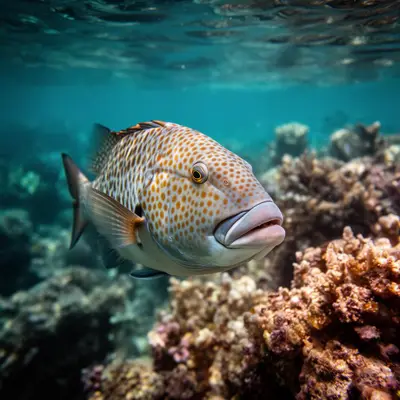
Sweetlips
common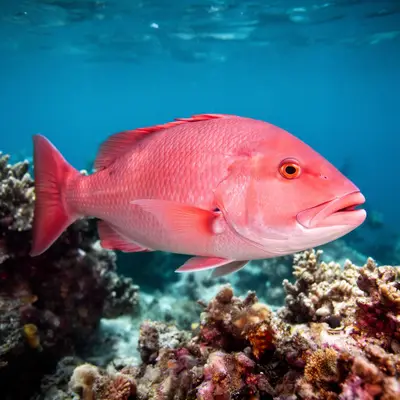
Snappers
common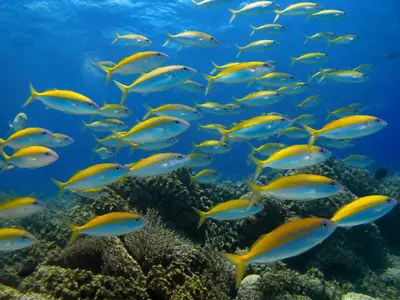
Fusiliers
common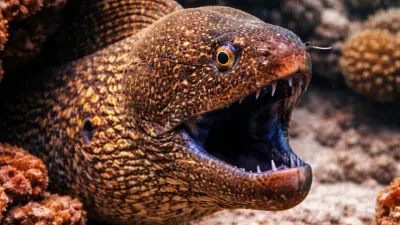
Moray eels
common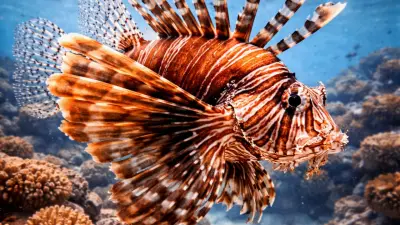
Lionfish
common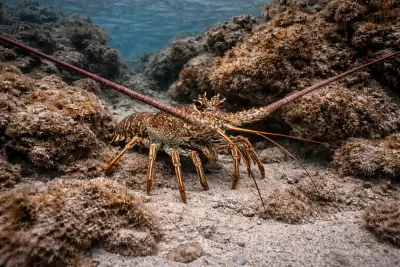
Lobsters
common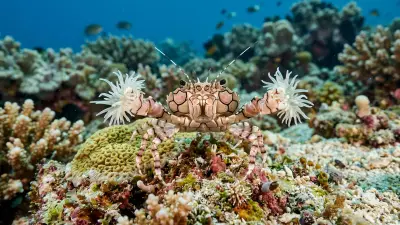
Crabs
common
Shrimps
common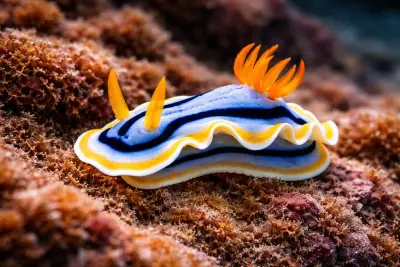
Nudibranchs
common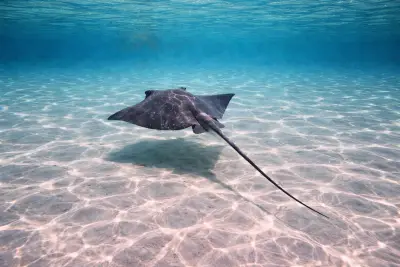
Stingrays
common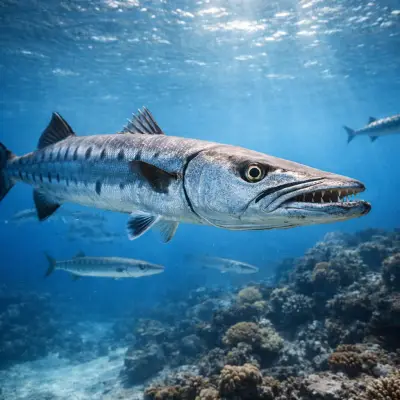
Barracudas
occasional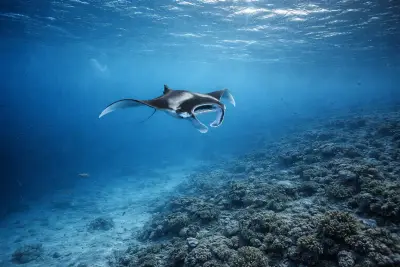
Manta Rays
occasional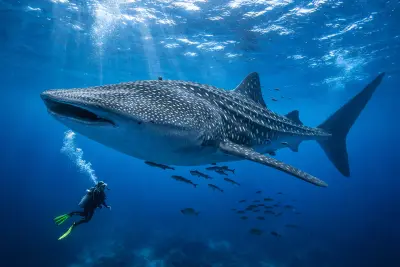
Whale Sharks
rare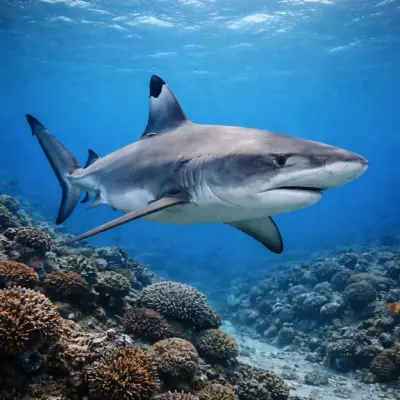
Reef Sharks
occasionalDive profile & how the dive runs
Diving Rapopo Wreck typically begins with a boat entry, positioning divers directly over the tugboat which rests upright on the seabed. The descent leads to the deck and superstructure, starting at approximately 12 meters, allowing for a gradual exploration of the wreck's features and the extensive coral growth. The main deck areas can be followed down to a maximum depth of 23 meters, where the hull meets the sand. Divers often circuit the entire wreck, observing the diverse marine life sheltering within and around its framework, including schools of fusiliers and snappers, as well as macro subjects like nudibranchs and mantis shrimp. While some holds offer open access for non-penetration recreational dives, any deeper internal exploration should only be attempted with a guide after a thorough site assessment. The dive concludes with a slow ascent, often incorporating a safety stop along the upper parts of the wreck or nearby natural reef structures, maximizing bottom time for observation.
Underwater photography
Rapopo Wreck offers excellent opportunities for both wide-angle and macro photography. For wide-angle, the upright tugboat, heavily adorned with corals and sponges, creates striking scenes. A fisheye or wide rectilinear lens will capture the scale of the wreck and its relationship with the surrounding water, especially when schools of sweetlips or fusiliers are present. Position yourself to include both the structure and the diverse marine growth for dynamic compositions. For macro enthusiasts, the wreck's encrusted surfaces, crevices, and open holds are a treasure trove. Look for nudibranchs, mantis shrimp, crabs, and small eels, which can be found tucked into the structure. A macro lens with a diopter can highlight the intricate details of the coral polyps and smaller invertebrates. Strobes are essential to bring out the vibrant colors, given the depth. Pay careful attention to buoyancy to avoid contact with the fragile corals and to prevent stirring up any silt, which can quickly degrade visibility for both still and video shots.
Combine with nearby dive sites
- Atun
Advanced site near Rabaul with volcanic terrain and pelagic encounters.
- Sponge Heaven
Sponge Heaven is a renowned wall dive located in Milne Bay Province, Papua New Guinea, distinguished by its impressive vertical topography…
- Deacon's Reef
Deacon's Reef is a renowned dive site located on the Solomon Sea side of the peninsula forming Milne Bay's north coast in Papua New Guinea.
- Coral Garden
Premier shallow reef known for hard corals and vibrant life.
- MV New Marine
The MV New Marine is an intentionally scuttled vessel located in Bootless Bay, southeast of Port Moresby, Papua New Guinea.
Getting there & logistics
Diving Rapopo Wreck is primarily arranged through resort-based operators in the Rabaul/Kokopo area of East New Britain, Papua New Guinea. The nearest major airport is Tokua Airport (RAB) serving Rabaul and Kokopo. From there, transfers to local resorts like Rapopo Plantation Resort are common. The site is accessible via short boat rides or even shore entry depending on daily conditions and operator arrangements. Typical dive trips to the Rabaul region often combine wreck dives like Rapopo with explorations of World War II historical sites and natural reefs. While specific trip lengths vary, divers often spend several days in the area to experience its diverse offerings. There are no explicit permits or fees mentioned specifically for Rapopo Wreck, but general dive operation costs would apply. Resort facilities typically offer excellent support for divers, including gear rental and experienced guides.
Safety & environment
Diving Rapopo Wreck requires a mindful approach to safety due to its classification as an advanced dive site and the nature of wreck diving. The nearest recompression chamber would be in Port Moresby, highlighting the critical need for comprehensive dive insurance that covers emergency medical treatment and evacuation, particularly for remote locations in Papua New Guinea. Evacuation from Rabaul to a facility with hyperbaric treatment can be complex and time-consuming. Key hazards at the site include the wreck's depth down to 23 meters and the potential for reduced visibility or currents. Divers should always maintain precise buoyancy control to prevent contact with the fragile marine growth and avoid disturbing silt, which can compromise visibility. While some holds offer open access, penetration should be undertaken only by experienced wreck divers with appropriate training, equipment, and in consultation with a local guide, who can assess the structural integrity and exit routes on the day. Always follow operator briefings and any local harbor or site rules.
Who it suits — and who it doesn't
Suited for
- Advanced certified divers
- Wreck diving enthusiasts
- Underwater photographers (macro & wide-angle)
- Divers interested in artificial reefs
- Divers seeking diverse marine life
Less suited for
- Beginner divers or open water certified only
- Divers without good buoyancy control
- Divers prone to claustrophobia (if considering internal access)
- Divers expecting only pristine natural reefs
FAQ
Rapopo Wreck FAQ
What kind of wreck is Rapopo Wreck?
Rapopo Wreck is a 30-meter tugboat that was deliberately sunk in the 1990s. It now serves as an artificial reef, resting upright on the seabed. The wreck's structure is largely intact and provides a home for a wide variety of marine life.
What is the maximum depth of Rapopo Wreck?
The maximum depth for diving Rapopo Wreck is 23 meters (75 feet). This depth is generally considered suitable for advanced open water divers, allowing for ample bottom time and exploration of the entire wreck's exterior.
Is Rapopo Wreck suitable for beginners?
No, Rapopo Wreck is classified as an advanced dive site. This is due to its depth, the requirements for precise buoyancy control around the fragile marine growth, and the potential for currents. Beginner divers are advised to seek other sites more suited to their experience level in the Rabaul area.
What marine life can I expect to see at Rapopo Wreck?
The wreck attracts a diverse array of marine life, functioning as a vibrant artificial reef. You can commonly spot schools of sweetlips, snappers, and fusiliers, along with moray eels, lionfish, lobsters, crabs, and nudibranchs. Occasional sightings of barracudas, reef sharks, and sea turtles have also been reported.
Can I penetrate Rapopo Wreck?
Some holds of the Rapopo Wreck offer open access for non-penetration recreational dives. However, full penetration of the wreck requires careful assessment of structural integrity, silting potential, and exit routes. It is recommended only for experienced wreck divers with proper training and guidance from a local dive operator.
How do I access Rapopo Wreck?
Access to Rapopo Wreck is typically arranged through resort-based dive operators in the Rabaul/Kokopo region of East New Britain. Depending on the day's conditions and the operator, entry can be either directly from the shore or via a short boat ride from the resort. Local operators provide full logistical support for the dive.
When is the best time to dive Rapopo Wreck?
The best time to dive Rapopo Wreck is generally from January to April and again from November to December. During these months, the Rabaul area experiences favorable weather conditions with lower winds and calmer seas, leading to excellent visibility. Water temperatures remain consistently warm year-round.
Why dive Rapopo Wreck from a liveaboard?
Rapopo Wreck is one of Papua New Guinea's signature dive sites. A liveaboard sleeps you on the water and puts you in the water for three to four guided dives per day, including dawn and night dives that day-boat operators rarely offer. You skip the daily commute back to port and reach quieter, less-crowded sites in the same region on a single trip.
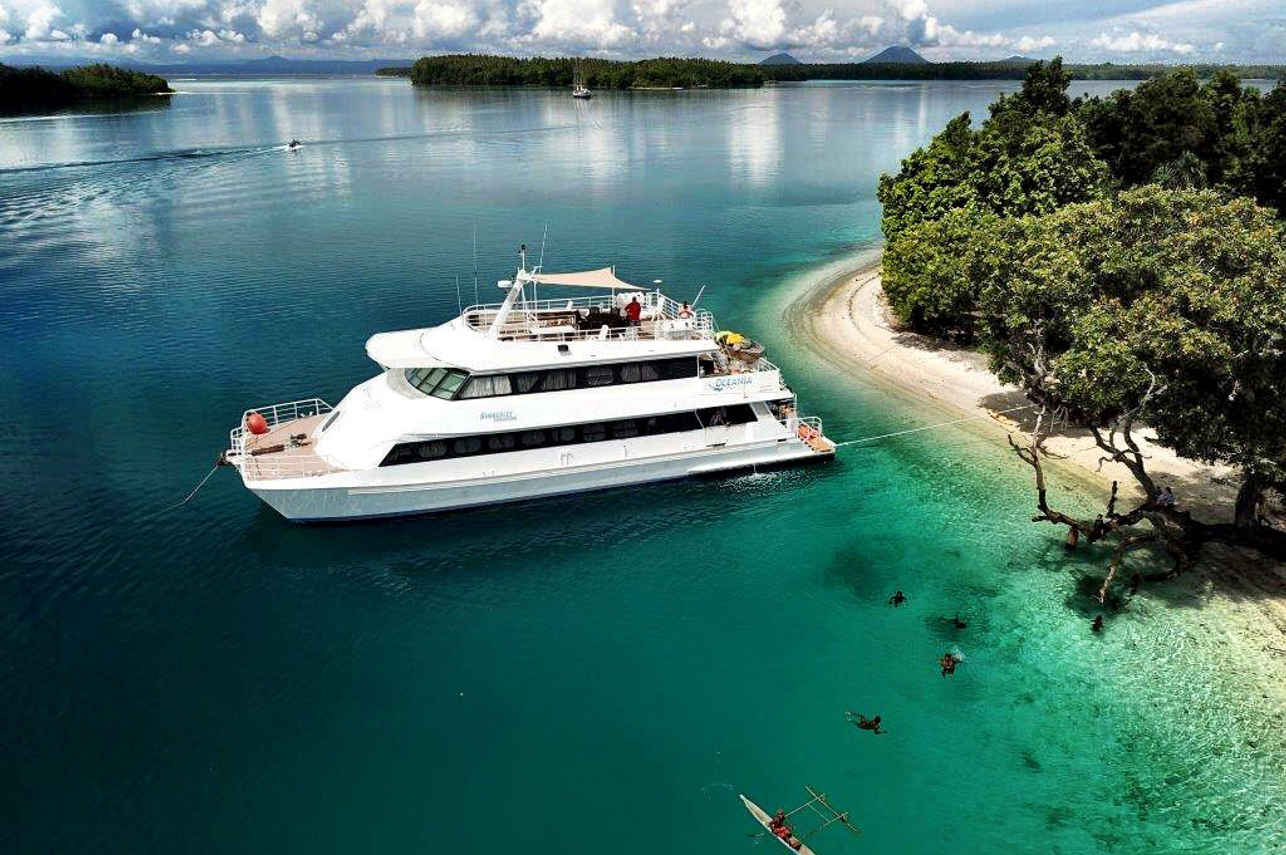
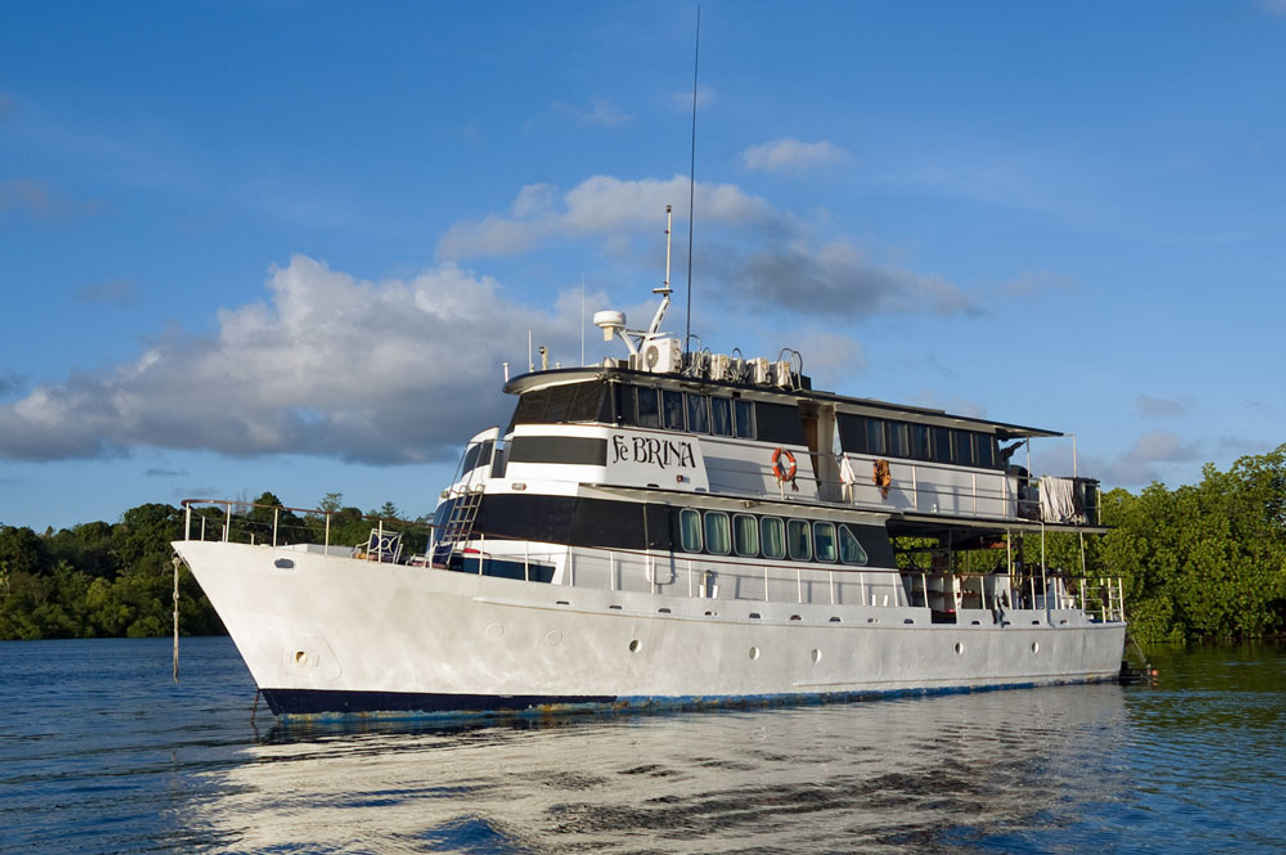
Below are the liveaboards that include Rapopo Wreck on their Papua New Guinea itineraries.
Liveaboards diving Rapopo Wreck
These liveaboards may visit Rapopo Wreck on selected itineraries — the exact dive sites depend on departure, weather and conditions.
Dive sites similar to Rapopo Wreck
Same character, same waters — six more sites divers love for the exact same reasons.Compare seasons, access and liveaboard routes — then pick the site that fits your trip best.
© Esri — Maxar, Earthstar, GIS
Giants at Home
Papua New Guinea
Giants at Home is a unique dive site nestled in a protected, shallow bay within Milne Bay, Papua New Guinea, specifically known as a thriving manta ray cleaning station.
- Suitable for
- Beginner
- Current
- Mild
- Access
- Liveaboard only
- Depth
- 1–8 m
- Theme
- Reef
© Esri — Maxar, Earthstar, GIS
Lissenung Island Reef
Papua New Guinea
Lissenung Island Reef is the house reef surrounding approximately two-thirds of Lissenung Island, located near Kavieng in Papua New Guinea.
- Suitable for
- Beginner
- Current
- Moderate
- Access
- Shore / dayboat
- Depth
- 2–10 m
- Theme
- Reef
© Esri — Maxar, Earthstar, GIS
Banana Bommie
Papua New Guinea
Banana Bommie is a prominent and highly regarded dive site situated at the northern mouth of Milne Bay in Papua New Guinea.
- Suitable for
- Advanced
- Current
- Moderate
- Access
- Liveaboard only
- Depth
- ≤ 40 m
- Theme
- Reef / Pinnacle
© Esri — Maxar, Earthstar, GIS
End Bommie
Papua New Guinea
End Bommie is a renowned dive site located in Bootless Bay, near Port Moresby, Papua New Guinea.
- Suitable for
- Advanced
- Current
- Strong
- Access
- Liveaboard or dayboat
- Depth
- 6–30 m
- Theme
- Reef / Wall
Lauadi is a celebrated dive site within Milne Bay, Papua New Guinea, specifically recognized as the origin point of muck diving.
- Suitable for
- Beginner
- Current
- Moderate
- Access
- Shore / dayboat
- Depth
- 8–25 m
- Theme
- Reef
© Esri — Maxar, Earthstar, GIS
George's Wreck
Papua New Guinea
George's Wreck is a renowned dive site near Rabaul in Papua New Guinea, famous for its historical significance as a Japanese minelayer that reportedly ran aground after an Allied attack.
- Suitable for
- Advanced
- Current
- Moderate
- Access
- Liveaboard only
- Depth
- 12–60 m
- Theme
- Wreck / Reef