About Lissenung Island Reef
Lissenung Island Reef is the house reef surrounding approximately two-thirds of Lissenung Island, located near Kavieng in Papua New Guinea. This accessible reef system presents an exceptional opportunity for divers to explore diverse marine life in shallow, calm waters. The topography consists primarily of a gently sloping reef, with depths ranging from 2 to 10 meters, making it ideal for relaxed exploration. Its protected position ensures generally calm conditions, contrasting with the stronger currents often found at other Kavieng dive sites. The consistent water temperature of 28–30°C further enhances comfort for divers. The reef is celebrated for its remarkable biodiversity, hosting more than 350 different fish species. Expect to encounter six varieties of clownfish, seahorses, cockatoo waspfish, and crocodile fish. It also serves as a crucial training ground for new divers due to its tranquil environment. Accessibility is a key feature, allowing for free shore diving for resort guests throughout the day, as well as guided night dives. The reef offers facilities for equipment rental and guided tours, making it convenient for divers of all levels to enjoy its rich underwater ecosystem.
Highlights
Over 350 fish speciesSix clownfish speciesSeahorse sightingsCockatoo waspfish habitatCrocodile fishExceptional macro photographyIdeal night divingShallow, calm waters
Season calendar
Best months to dive here
Jan
Feb
Mar
Apr
May
Jun
Jul
Aug
Sep
Oct
Nov
Dec
Good
Dive site facts: Lissenung Island Reef
- Depth
- 2–10 m
- Typical dive
- Variable, shore access
- Current
- Mild
- Visibility
- 20–40 m
- Water temperature
- 28–30°C
- Entry
- Shore / Boat
- Level
- Beginner to advanced
- Dive type
- Macro, house reef, night
- Night dive
- Possible, guided
- Region / port
- Kavieng, New Ireland Province
- Coordinates
- 2.6027° S, 150.7813° E
Conditions & Currents
The Lissenung Island Reef is characterized by generally calm conditions, making it suitable for all levels of divers and an excellent training ground. Unlike some of the region's strong current-dependent pelagic sites, this house reef typically experiences minimal water movement. However, despite being a calm reef, divers should still be aware of possible mild surge or swell, especially near the surface. Visibility is consistently good, often ranging from 20 to 40 meters, ensuring clear views of the abundant macro life and corals. Divers can typically enter directly from the shore, providing easy access without the need for complex boat maneuvers. This allows for extended bottom times and relaxed exploration of the reef's rich biodiversity.
Marine life & sighting chances
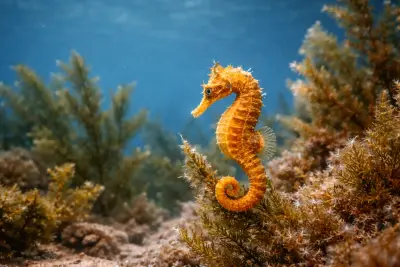
Seahorse
occasional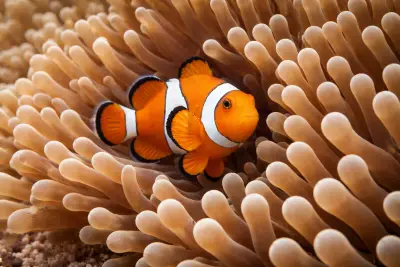
Clownfish
common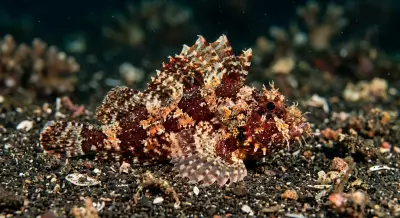
Cockatoo Waspfish
occasional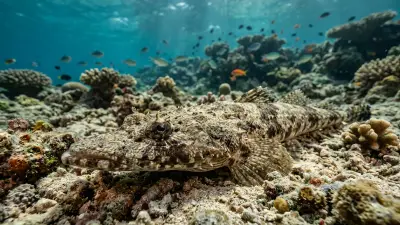
Crocodile Fish
occasional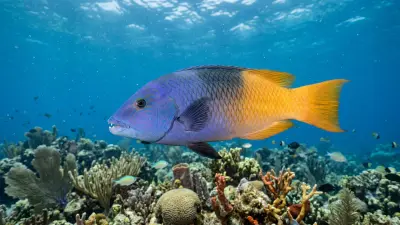
Wrasse
common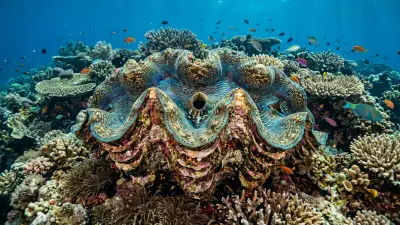
Elongate Clam
common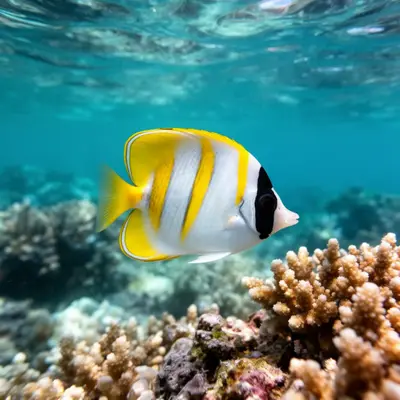
Saddled Butterflyfish
commonVagabond Butterflyfish
commonBluelashed Butterflyfish
common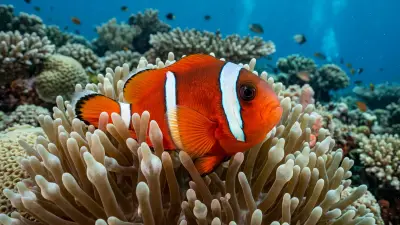
Ocellaris Anemonefish
commonMaroon Clownfish
common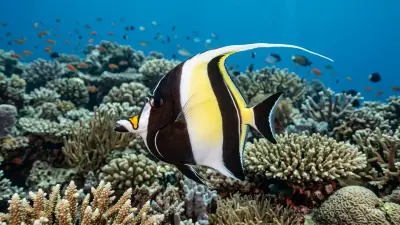
Moorish Idol
common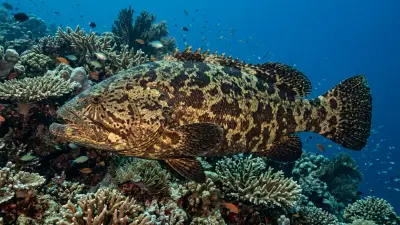
Grouper
commonDive profile & how the dive runs
Lissenung Island Reef is primarily a shore dive, allowing for flexible entry and exit points directly from the beach, which is especially convenient for unlimited daytime diving. Divers typically descend to the shallow reef, which starts around 2 meters and slopes gradually to a maximum depth of 10 meters. The route can be adapted based on diver preference and interest, exploring the coral gardens and sandy patches surrounding the island. This house reef is a perfect location for practicing skills or simply enjoying a relaxed, unhurried dive to observe macro life. Night dives are also popular, revealing different nocturnal species. Safety stops can be conducted anywhere in the abundant shallow water, often right in front of the resort, making for a comfortable and easy ascent.
Underwater photography
Lissenung Island Reef is a macro photographer's paradise, best explored with a compact camera and a good macro lens, or a wide-angle lens for capturing the overall reef scape. The shallow depths and generally mild currents allow for stable positioning to photograph small subjects like seahorses, nudibranchs, and the numerous clownfish species. External strobes or video lights are highly recommended to bring out the vibrant colors of the corals and cryptic critters. For night photography, focus lights are essential for spotting subjects. Buoyancy control is paramount to avoid disturbing the delicate reef and stirring up sediment. Patience is key when waiting for shy creatures to emerge or for a perfect shot.
Combine with nearby dive sites
- Albatross Passage
A narrow passage known for strong currents and pelagic action, located 25 minutes from Lissenung.
- Echuca Patch
A large ridge with a Korean fishing boat wreck, attracting barracudas and jacks, about 20 minutes from the resort.
- Peter’s Patch
A vibrant reef attracting large schools of jacks and barracudas, 20 minutes from Lissenung Island.
- Bermuda Drop
A colorful coral wall with an overhang and abundant nudibranchs, suitable for drift diving.
- Ral Island
A gentle coral garden with no currents and sandy slopes for critter hunting, suitable for a third dive.
- Der Yang Wreck
A Korean fishing boat wreck on Echuca Patch, lying on its starboard side at 31 meters.
Getting there & logistics
Access to Kavieng begins with a 1.5-hour flight from Port Moresby (Jacksons International Airport), the main international gateway to Papua New Guinea. From Kavieng, Lissenung Island Resort is a quick 20-minute boat ride. Divers arriving via Air Niugini are allowed an extra 15kg of luggage for dive gear, beyond the standard 20kg international and 16kg domestic limits. An Environment and Safety Fee of PGK 20.00 is charged per person per dive day to support the Port Moresby decompression chamber and environmental programs. Most itineraries combine Lissenung's house reef with daily boat trips to other sites, allowing for a mix of macro, pelagic, and wreck diving. Liveaboard trips might also incorporate Kavieng as a starting or ending point.
Safety & environment
For dive emergencies in the Kavieng area, the nearest recompression chamber is located in Port Moresby. While a local Environment and Safety Fee contributes to this facility, it does not cover evacuation or treatment costs. Divers are strongly advised to hold comprehensive dive accident insurance from providers like DAN (Divers Alert Network). Safety considerations at Lissenung Island Reef include potential mild surge or swell, though conditions are generally calm. For all diving in PNG, it is crucial to adhere to no-fly-after-diving guidelines, with PADI and DAN recommending at least 18 hours. Always dive within your certified limits and follow your dive guide's instructions.
Who it suits — and who it doesn't
Suited for
- Beginner divers seeking easy conditions
- Photographers focusing on macro subjects
- Divers interested in night diving
- Relaxed shore divers
- Divers looking for abundant reef fish diversity
Less suited for
- Divers exclusively seeking large pelagic action
- Those who prefer deep wreck diving
- Divers looking for strong current drift dives
- Individuals expecting dramatic wall dives
FAQ
Lissenung Island Reef FAQ
What kind of marine life can I expect at Lissenung Island Reef?
Lissenung Island Reef is home to over 350 different fish species. You can commonly encounter six varieties of clownfish, various wrasses, and butterflyfish. Look closer for unique macro subjects such as seahorses, cockatoo waspfish, and crocodile fish.
Is Lissenung Island Reef suitable for beginner divers?
Yes, it is highly suitable for beginner divers. The reef offers shallow depths, generally calm conditions, and excellent visibility, making it an ideal environment for learning to dive or for newly certified divers to gain experience comfortably.
Can I do night dives at Lissenung Island Reef?
Night diving is possible and highly recommended at Lissenung Island Reef. The house reef transforms after dark, revealing a different array of nocturnal creatures. Guided night dives are available upon request to explore this unique experience.
What are the typical depth and visibility conditions at this dive site?
The Lissenung Island Reef ranges in depth from 2 to 10 meters, making it a very accessible and shallow dive. Visibility is consistently excellent, often between 20 and 40 meters, providing clear views of the vibrant marine ecosystem.
Is the reef accessible directly from the shore?
Yes, Lissenung Island Reef is primarily a shore dive. Resort guests can enjoy unlimited shore diving during the day, making it incredibly convenient for multiple dives or leisurely explorations of the house reef. This easy access enhances the overall dive experience.
Why dive Lissenung Island Reef from a liveaboard?
Lissenung Island Reef is one of Papua New Guinea's signature dive sites. A liveaboard sleeps you on the water and puts you in the water for three to four guided dives per day, including dawn and night dives that day-boat operators rarely offer. You skip the daily commute back to port and reach quieter, less-crowded sites in the same region on a single trip.
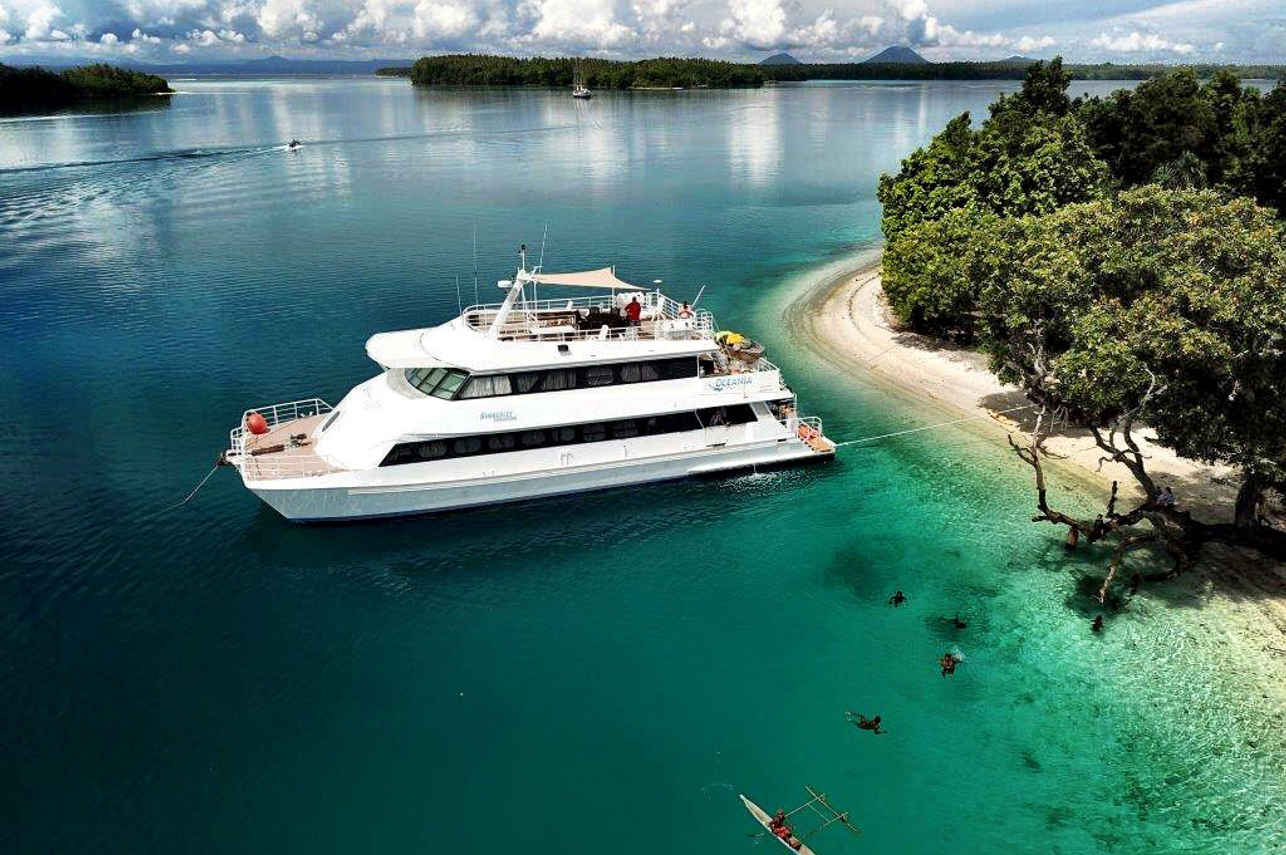
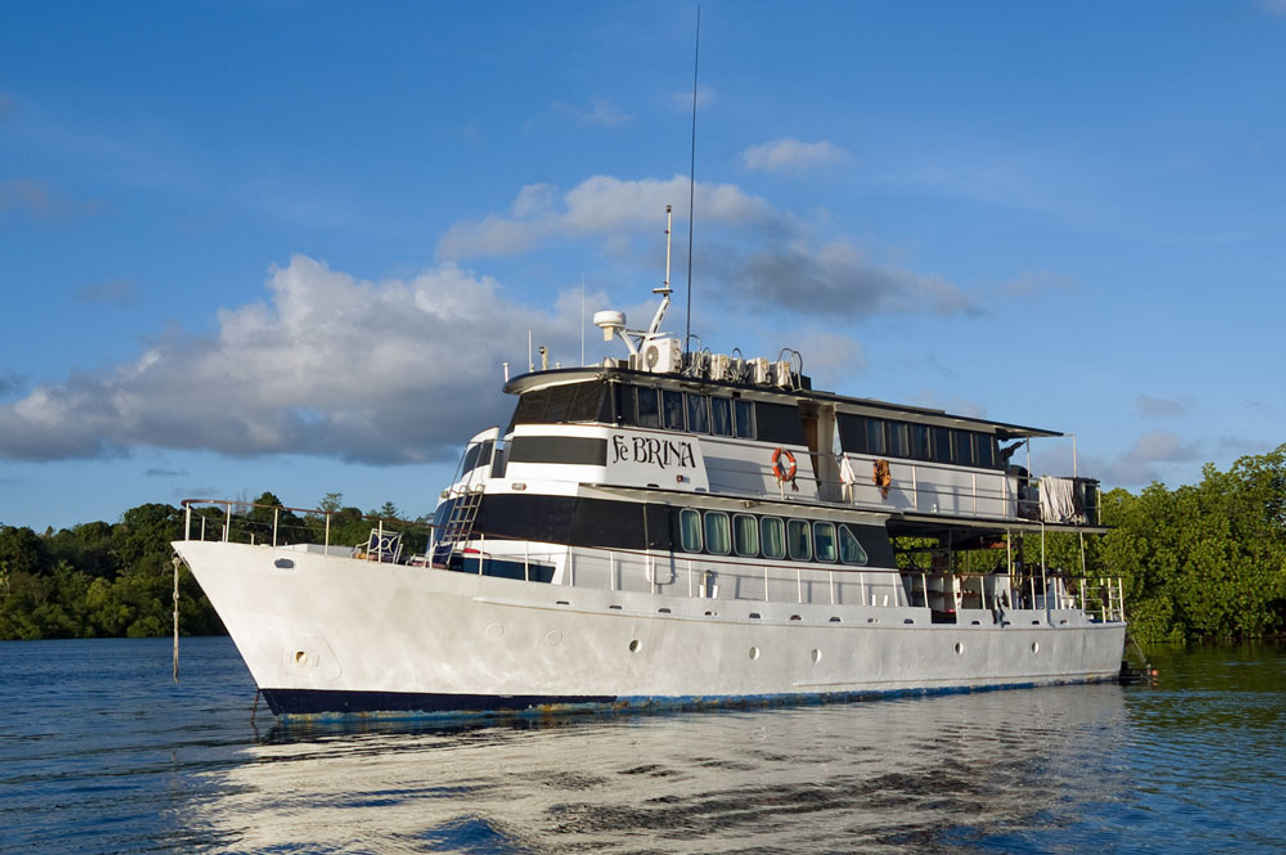
Below are the liveaboards that include Lissenung Island Reef on their Papua New Guinea itineraries.
Liveaboards diving Lissenung Island Reef
These liveaboards may visit Lissenung Island Reef on selected itineraries — the exact dive sites depend on departure, weather and conditions.
Dive sites similar to Lissenung Island Reef
Same character, same waters — six more sites divers love for the exact same reasons.Compare seasons, access and liveaboard routes — then pick the site that fits your trip best.
© Esri — Maxar, Earthstar, GIS
Giants at Home
Papua New Guinea
Giants at Home is a unique dive site nestled in a protected, shallow bay within Milne Bay, Papua New Guinea, specifically known as a thriving manta ray cleaning station.
- Suitable for
- Beginner
- Current
- Mild
- Access
- Liveaboard only
- Depth
- 1–8 m
- Theme
- Reef
© Esri — Maxar, Earthstar, GIS
Banana Bommie
Papua New Guinea
Banana Bommie is a prominent and highly regarded dive site situated at the northern mouth of Milne Bay in Papua New Guinea.
- Suitable for
- Advanced
- Current
- Moderate
- Access
- Liveaboard only
- Depth
- ≤ 40 m
- Theme
- Reef / Pinnacle
© Esri — Maxar, Earthstar, GIS
End Bommie
Papua New Guinea
End Bommie is a renowned dive site located in Bootless Bay, near Port Moresby, Papua New Guinea.
- Suitable for
- Advanced
- Current
- Strong
- Access
- Liveaboard or dayboat
- Depth
- 6–30 m
- Theme
- Reef / Wall
Lauadi is a celebrated dive site within Milne Bay, Papua New Guinea, specifically recognized as the origin point of muck diving.
- Suitable for
- Beginner
- Current
- Moderate
- Access
- Shore / dayboat
- Depth
- 8–25 m
- Theme
- Reef
© Esri — Maxar, Earthstar, GIS
George's Wreck
Papua New Guinea
George's Wreck is a renowned dive site near Rabaul in Papua New Guinea, famous for its historical significance as a Japanese minelayer that reportedly ran aground after an Allied attack.
- Suitable for
- Advanced
- Current
- Moderate
- Access
- Liveaboard only
- Depth
- 12–60 m
- Theme
- Wreck / Reef
© Esri — Maxar, Earthstar, GIS
Tufi Fjords
Papua New Guinea
Tufi Fjords, nestled on Cape Nelson along Papua New Guinea's northeast coast, offers a unique diving experience in a stunning, tropical fjord-like landscape.
- Suitable for
- Intermediate
- Current
- Strong
- Access
- Liveaboard only
- Depth
- 5–200 m
- Theme
- Muck diving / Reef