About South Emma
South Emma is a renowned dive site located in Kimbe Bay, off the northern coast of New Britain Island in Papua New Guinea. This seamount rises from significant depths, reaching within a few meters of the surface, and is celebrated for its exceptional marine biodiversity and pristine coral formations. It is often highlighted as one of Kimbe Bay's standout sites, frequently compared to its twin, North Emma, for its vibrant ecosystem. The dive typically starts near the top of a large coral bommie, situated around 12 meters (40 feet) below the surface. From this shallower area, the site descends into deeper waters, adorned with a mix of hard and soft corals, as well as expansive giant sponges. Divers can explore a deep swim-through cave and observe a reef top covered in healthy hard corals, contributing to a diverse underwater landscape. The marine life at South Emma is abundant and varied, featuring a kaleidoscope of colorful corals that shelter numerous tiny critters. Reef fish are plentiful, and schools of fusiliers, batfish, barracuda, trevally, and tuna frequently patrol the area, creating a constant spectacle in the blue. The site offers rich opportunities for both wide-angle and macro photography due to its diverse inhabitants. South Emma is typically accessed via day boats from resorts or as a stop on liveaboard itineraries in Kimbe Bay. The site is generally suitable for various certification levels, given the range of depths and structures available, but divers should be prepared for potential encounters with pelagic species in the deeper sections.
Highlights
Large coral bommieDeep swim-through caveHealthy hard coral topGiant barrel spongesSchooling barracudaVibrant soft coralsNumerous tiny critters
Best Season
Kimbe Bay, including South Emma, can be dived year-round. However, the best conditions are typically found from August to December and again from February to May. Calm seas and optimal visibility are generally experienced between September to November and May to June.
Dive site facts: South Emma
- Depth
- 3 m
- Current
- Moderate
- Entry
- Liveaboard only
- Level
- Intermediate
- Dive type
- Pinnacle, Reef
- Region / port
- Papua New Guinea
- Coordinates
- 5.3942° S, 150.1802° E
Conditions & Currents
While Kimbe Bay itself is largely sheltered from strong tides and damaging swells, specific current information for South Emma is not detailed in the sources. The seamount structure attracts pelagic species, which often congregate in currents. Divers should prepare for potential drift conditions depending on the day's water movement. Visibility in Kimbe Bay generally ranges from 15 to 45 meters (50 to 150 feet), with average water temperatures around 27°C to 31°C (79°F to 88°F), suitable for a 3mm wetsuit or rash guard. Given the site's topography, which descends from a shallower bommie to abyssal depths, gas planning should account for multi-level diving profiles. Entry and exit techniques will typically align with standard boat diving procedures from day boats or liveaboards.
Why dive South Emma from a liveaboard?
South Emma is one of Papua New Guinea's signature dive sites. A liveaboard sleeps you on the water and puts you in the water for three to four guided dives per day, including dawn and night dives that day-boat operators rarely offer. You skip the daily commute back to port and reach quieter, less-crowded sites in the same region on a single trip.
Below are the liveaboards that include South Emma on their Papua New Guinea itineraries.
Liveaboards diving South Emma
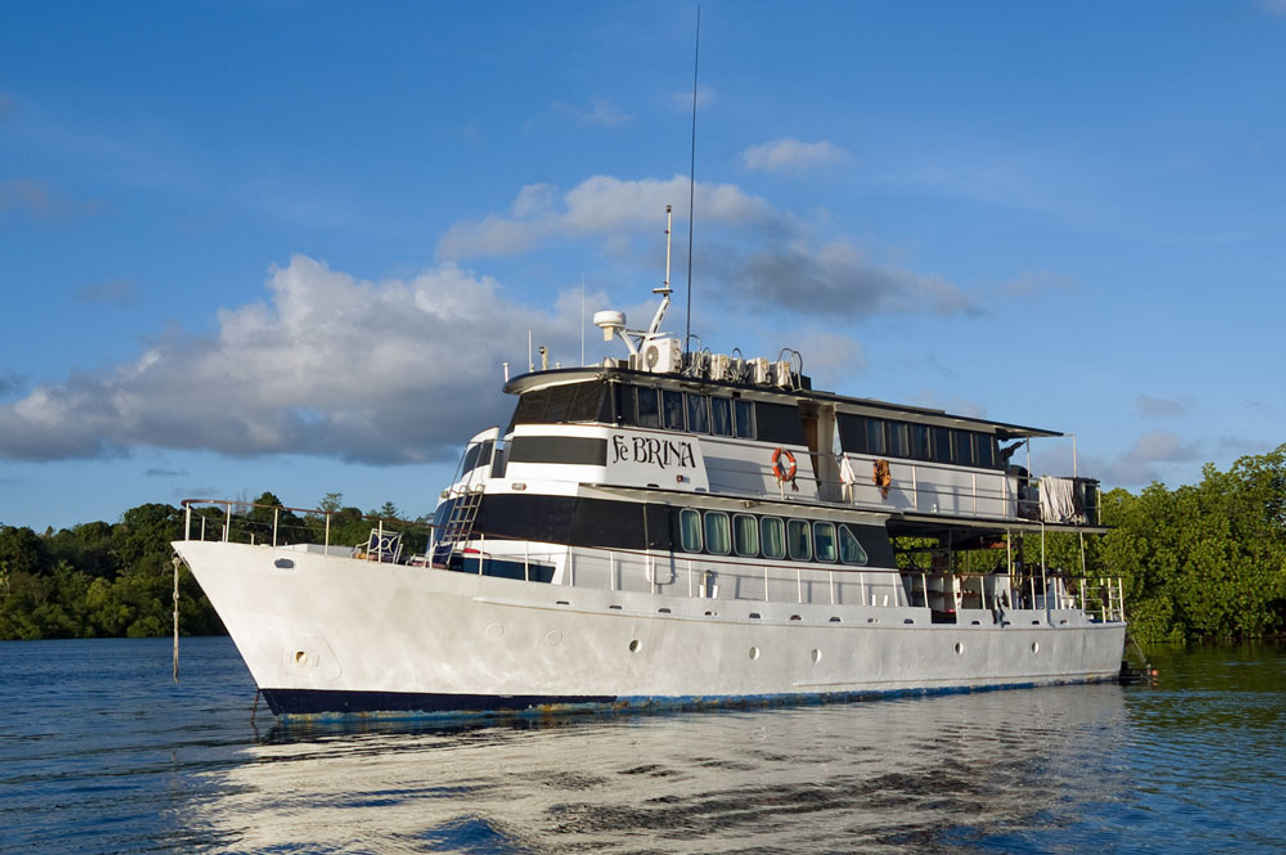
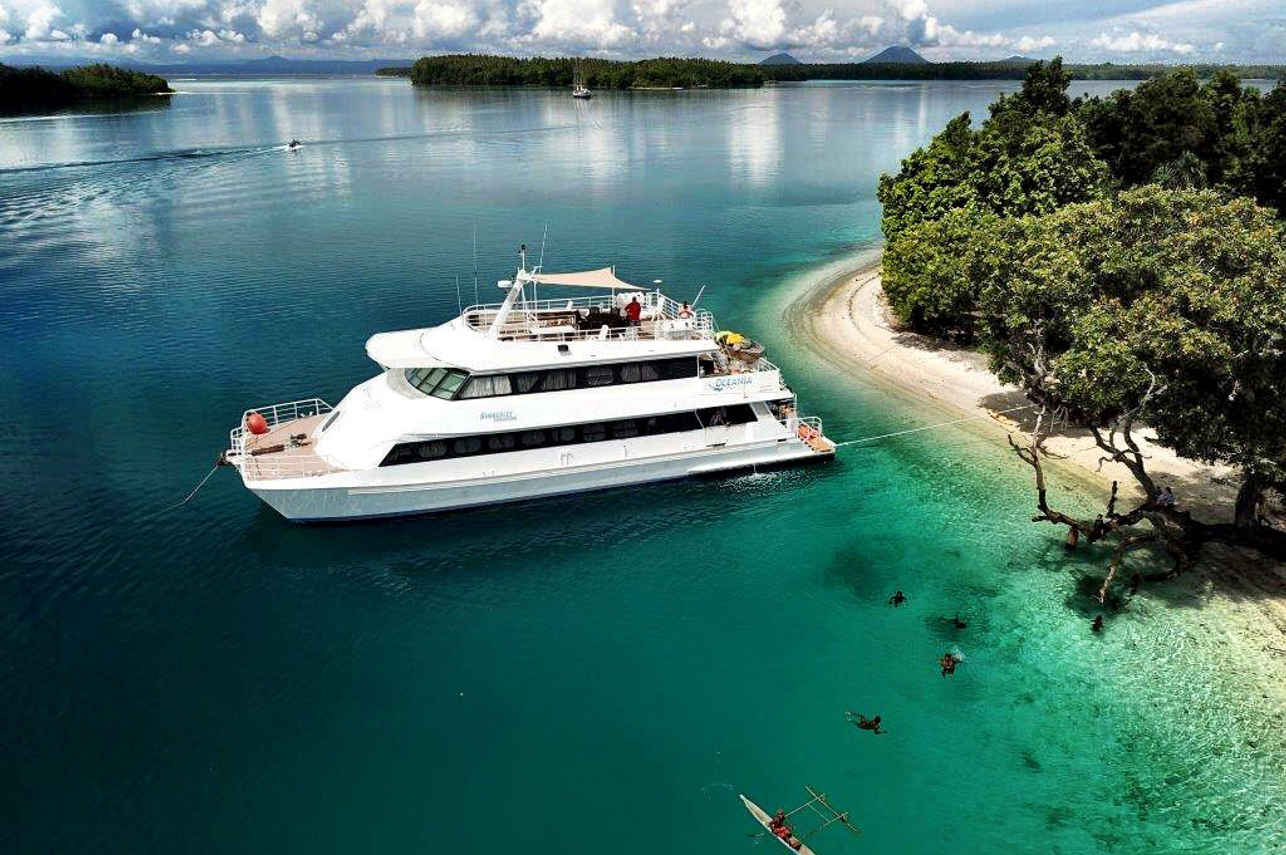
These liveaboards may visit South Emma on selected itineraries — the exact dive sites depend on departure, weather and conditions.
Dive sites similar to South Emma
Same character, same waters — six more sites divers love for the exact same reasons.Compare seasons, access and liveaboard routes — then pick the site that fits your trip best.
© Esri — Maxar, Earthstar, GIS
Giants at Home
Papua New Guinea
Giants at Home is a unique dive site nestled in a protected, shallow bay within Milne Bay, Papua New Guinea, specifically known as a thriving manta ray cleaning station.
- Suitable for
- Beginner
- Current
- Mild
- Access
- Liveaboard only
- Depth
- 1–8 m
- Theme
- Reef
© Esri — Maxar, Earthstar, GIS
Lissenung Island Reef
Papua New Guinea
Lissenung Island Reef is the house reef surrounding approximately two-thirds of Lissenung Island, located near Kavieng in Papua New Guinea.
- Suitable for
- Beginner
- Current
- Moderate
- Access
- Shore / dayboat
- Depth
- 2–10 m
- Theme
- Reef
© Esri — Maxar, Earthstar, GIS
Banana Bommie
Papua New Guinea
Banana Bommie is a prominent and highly regarded dive site situated at the northern mouth of Milne Bay in Papua New Guinea.
- Suitable for
- Advanced
- Current
- Moderate
- Access
- Liveaboard only
- Depth
- ≤ 40 m
- Theme
- Reef / Pinnacle
© Esri — Maxar, Earthstar, GIS
End Bommie
Papua New Guinea
End Bommie is a renowned dive site located in Bootless Bay, near Port Moresby, Papua New Guinea.
- Suitable for
- Advanced
- Current
- Strong
- Access
- Liveaboard or dayboat
- Depth
- 6–30 m
- Theme
- Reef / Wall
Lauadi is a celebrated dive site within Milne Bay, Papua New Guinea, specifically recognized as the origin point of muck diving.
- Suitable for
- Beginner
- Current
- Moderate
- Access
- Shore / dayboat
- Depth
- 8–25 m
- Theme
- Reef
© Esri — Maxar, Earthstar, GIS
George's Wreck
Papua New Guinea
George's Wreck is a renowned dive site near Rabaul in Papua New Guinea, famous for its historical significance as a Japanese minelayer that reportedly ran aground after an Allied attack.
- Suitable for
- Advanced
- Current
- Moderate
- Access
- Liveaboard only
- Depth
- 12–60 m
- Theme
- Wreck / Reef