About Kimbe Island
Kimbe Bay, situated on New Britain Island in Papua New Guinea, is renowned globally as a premier dive destination. This deep basin, framed by a range of active volcanoes, is a veritable hotbed of marine biodiversity within the Coral Triangle, harboring an astounding 400 coral species and over 860 reef fish species. Its unique geological setting, combined with nutrient-rich upwellings, fosters a thriving ecosystem where approximately 70% of all Indo-Pacific marine species can be found. The underwater topography is incredibly varied, ranging from shallow fringing reefs that hug the coastline to dramatic plunging walls and deep offshore seamounts. These seamounts, such as Bradford Shoals and Joelle's, rise from abyssal depths to within meters of the surface, acting as magnets for large pelagic species. While localized coral bleaching events have occurred in the past, the reefs show remarkable resilience and recovery, maintaining their structural integrity and vibrant appearance with prolific red whips and colorful sponges. Divers can anticipate encounters with a vast array of marine life. Signature experiences include witnessing huge schools of barracuda forming swirling vortexes, observing various reef sharks patrolling the walls, and spotting diverse pelagic fish like jacks, mackerel, and tuna. Macro enthusiasts will delight in finding nudibranchs, shrimp, pygmy seahorses, and intricate crabs nestled within the corals. The area also hosts a Japanese Zero WWII wreck, adding a unique historical dimension to the diving. Most diving is facilitated by liveaboards or day boats from Walindi Plantation Resort. While many sites are suitable for open water divers, offshore seamounts and areas with stronger currents are best enjoyed by advanced divers with relevant experience. The consistently warm water temperatures and generally good visibility make for comfortable and rewarding dives year-round, although specific months offer optimal conditions for calm seas and clearer w
Highlights
Over 400 coral speciesPristine coral architectureVast pelagic schoolsSeamounts and pinnaclesJapanese Zero wreckDiverse reef sharksHealthy soft coralsVibrant macro life
Season calendar
Best months to dive here
Jan
Feb
Mar
Apr
May
Jun
Jul
Aug
Sep
Oct
Nov
Dec
Good
Dive site facts: Kimbe Island
- Depth
- 5–40 m
- Typical dive
- 15–30 m, 50–60 min
- Current
- Variable, mild to strong
- Visibility
- 10–30 m
- Water temperature
- 26–31°C
- Entry
- Boat / Liveaboard
- Level
- Open Water to Advanced
- Dive type
- Reef, pelagic, macro, wreck
- Night dive
- Possible
- Region / port
- West New Britain
- Coordinates
- -5.56, 150.15
Conditions & Currents
Currents in Kimbe Bay are highly variable, often gentle in sheltered bay areas but can be strong around offshore seamounts and pinnacles. These currents bring vital nutrients, attracting abundant pelagic life, but require experienced diving techniques. Divers should be prepared for potential drift dives, especially at sites like Bradford Shoals or Kimbe Island Bommie.
Marine life & sighting chances

Barracuda
common
Grey reef shark
common
White-tip reef shark
common
Scalloped hammerhead shark
occasional
Batfish
common
Jack
common
Mackerel
common
Nudibranch
common
Shrimp
common
Pygmy seahorse
occasional
Snapper
common
Dolphin
occasional
Tuna
common
Eagle ray
occasionalDive profile & how the dive runs
Dives in Kimbe Bay often begin with a backward roll or giant stride entry from a tender directly over a reef or seamount. Many sites feature a central pinnacle or a wall that drops to significant depths, allowing for a spiral descent around the structure. At sites like Bradford Shoals, you'll start on the twin summits, then explore the surrounding walls where pelagics cruise in the current. Reef dives, such as at Hanging Gardens or Susan's Reef, involve leisurely explorations of coral gardens, overhangs, and bommies. The typical depth ranges from 5-30 meters, allowing for ample bottom time to explore both macro life in the shallows and larger schools deeper down. Dives usually turn when half your air is consumed or after 30-40 minutes, ascending slowly along the reef contour. The safety stop is typically performed in the shallower sections, often around 5-7 meters, where vibrant coral gardens and small fish provide a scenic backdrop.
Underwater photography
Kimbe Bay offers superb opportunities for both wide-angle and macro photography due to its diverse marine life and pristine coral structures. For wide-angle, a fisheye or wide rectilinear lens is ideal to capture the sprawling coral formations, massive sea fans, and impressive schools of barracuda and pelagic fish. Utilize natural light in the shallower areas for vibrant colors, and consider strobes for deeper shots to bring out the true hues of the corals. For macro subjects, including nudibranchs, pygmy seahorses, and unique invertebrates, a dedicated macro lens with a diopter is essential. Practice excellent buoyancy control to avoid damaging delicate corals and to maintain clear shots in the sometimes-strong currents. Be patient when approaching marine life; many critters are accustomed to divers but still require a gentle, non-intrusive approach.
Combine with nearby dive sites
- Fathers Reef
Iconic site with massive bommies and barracuda tornados.
- Bradford Shoals
Advanced seamount dive known for pelagic action and sharks.
- Susan's Reef
Photographer's paradise with pygmy seahorses and vibrant soft corals.
- Witu Islands - Circle of Stars
Offers a mix of critter-crammed black sand slopes and scenic seamounts.
- Lama Shoal
Lama Shoal, also known by the evocative name Crack-A-Fat Reef, stands out as a premier dive site within the Witu Islands of Papua New…
Getting there & logistics
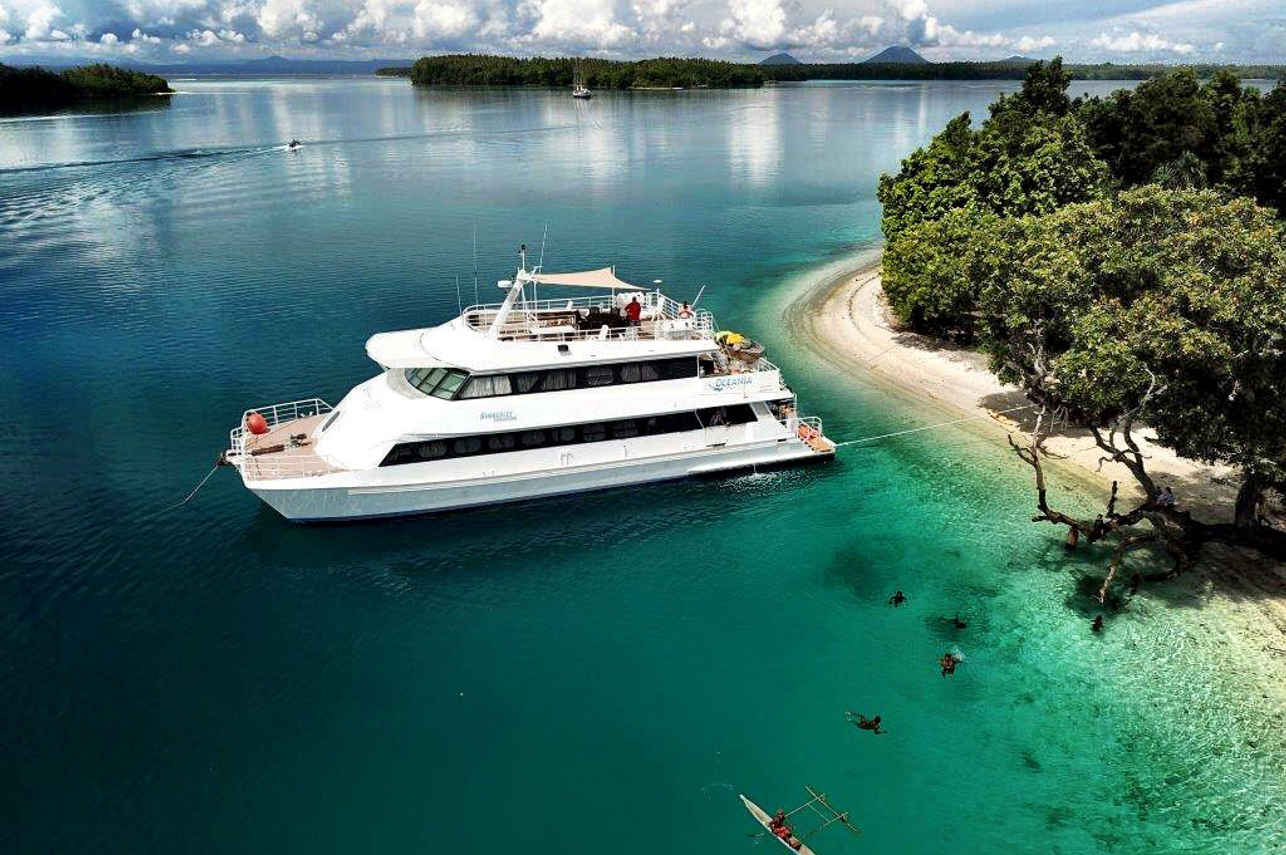
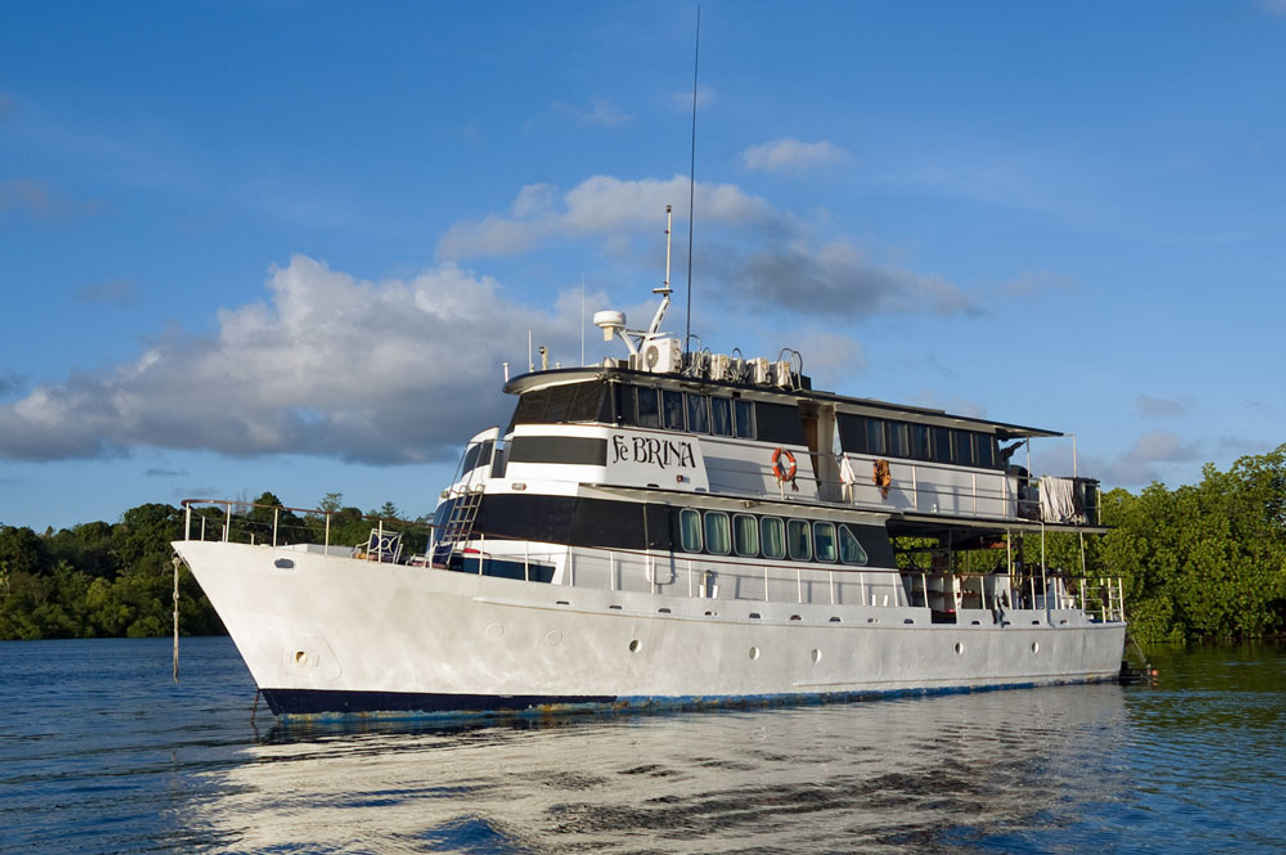
To reach Kimbe Bay, fly into Port Moresby (POM), then take a domestic flight to Hoskins (HKN), the capital of West New Britain. From Hoskins, Walindi Plantation Resort is approximately a 45-minute drive. Most divers choose between land-based resort stays at Walindi, which offers daily boat dives, or liveaboard experiences on vessels like MV Fabina or MV Oceania, which often combine Kimbe Bay with more remote sites like Fathers Reef or the Witu Islands. Typical trip lengths vary from 7 to 10 days. Park fees are generally included in dive package costs. Liveaboards provide access to offshore pinnacles that are harder to reach by day boat, maximizing your diving opportunities across the bay's extensive reef system.
Safety & environment
While diving in Kimbe Bay is generally safe, divers should be aware of specific considerations. The nearest recompression chamber is located in Port Moresby, necessitating comprehensive dive insurance that covers medical evacuation. Evacuation procedures typically involve transfer to Hoskins airport and then a flight to Port Moresby, which can take several hours. Site-specific hazards include potential strong currents around offshore seamounts, requiring good buoyancy and current diving experience. Always follow your dive guide's instructions, especially regarding entry techniques and reef etiquette. Avoid touching or disturbing marine life and corals. Be mindful of boat traffic when surfacing in open water areas. Ensure all dive gear is in good working condition, as repair facilities can be limited.
Who it suits — and who it doesn't
Suited for
- Experienced underwater photographers
- Divers seeking pristine coral reefs
- Pelagic enthusiasts
- Macro photographers
- Divers comfortable with currents
- Liveaboard adventurers
Less suited for
- New open water divers on current-swept seamounts
- Divers unwilling to travel long distances
- Those uninterested in remote, nature-focused destinations
- Divers expecting extensive nightlife or resort amenities beyond diving
- Snorkelers only (experience skews heavily toward divers)
FAQ
Kimbe Island FAQ
What kind of marine life can I expect to see in Kimbe Bay?
Kimbe Bay is celebrated for its incredible biodiversity. You can expect to encounter large schools of barracuda, jacks, and mackerel, as well as various reef sharks like grey reefs and white-tips. Macro enthusiasts will find abundant nudibranchs, shrimp, and pygmy seahorses, while lucky divers might spot hammerheads, dolphins, or even pilot whales. The coral gardens themselves host hundreds of species of reef fish.
Is Kimbe Bay suitable for beginners?
Many dive sites in Kimbe Bay, particularly the fringing reefs and some patch reefs, are suitable for open water divers. However, some of the famous offshore seamounts and pinnacles can have strong currents, making them more appropriate for advanced divers with experience in such conditions. Always consult with your dive operator about site suitability based on your certification and experience level.
What are the water temperatures and visibility like?
Water temperatures in Kimbe Bay are consistently warm, averaging between 26°C and 31°C (79-88°F) year-round. Visibility typically ranges from 10 to 30 meters (30-100 feet), and can be even better further from land. During the wet season (December to April), visibility might be reduced due to increased rainfall, but diving remains excellent.
Are there any wrecks to dive in Kimbe Bay?
Yes, Kimbe Bay is home to the remarkably intact Japanese Mitsubishi Zero fighter wreck. This small plane lies at a depth of just 17 meters and is now beautifully adorned with hard corals and anemones. It offers a unique historical diving experience amidst the bay's vibrant natural reefs.
How do I get to Kimbe Bay?
Access to Kimbe Bay involves flying internationally into Port Moresby (POM) in Papua New Guinea. From Port Moresby, you'll take a domestic connecting flight to Hoskins (HKN) on New Britain Island. Walindi Plantation Resort, a primary dive operator, is then a 45-minute drive from Hoskins airport. Liveaboard options also typically depart from the Walindi area.
Is the coral in Kimbe Bay healthy despite global bleaching events?
While Kimbe Bay has experienced localized coral bleaching during strong El Niño years, marine biologists confirm that the reefs are genuinely healthy by modern standards. Recovery rates have been notably good compared to regional averages, and the structural integrity of the corals remains impressive, with dense, colorful, and architecturally complex formations supporting abundant marine life.
Why dive Kimbe Island from a liveaboard?
Kimbe Island is one of Papua New Guinea's signature dive sites. A liveaboard sleeps you on the water and puts you in the water for three to four guided dives per day, including dawn and night dives that day-boat operators rarely offer. You skip the daily commute back to port and reach quieter, less-crowded sites in the same region on a single trip.
Below are the liveaboards that include Kimbe Island on their Papua New Guinea itineraries.
Liveaboards diving Kimbe Island
These liveaboards may visit Kimbe Island on selected itineraries — the exact dive sites depend on departure, weather and conditions.
Dive sites similar to Kimbe Island
Same character, same waters — six more sites divers love for the exact same reasons.Compare seasons, access and liveaboard routes — then pick the site that fits your trip best.
© Esri — Maxar, Earthstar, GIS
Giants at Home
Papua New Guinea
Giants at Home is a unique dive site nestled in a protected, shallow bay within Milne Bay, Papua New Guinea, specifically known as a thriving manta ray cleaning station.
- Suitable for
- Beginner
- Current
- Mild
- Access
- Liveaboard only
- Depth
- 1–8 m
- Theme
- Reef
© Esri — Maxar, Earthstar, GIS
Lissenung Island Reef
Papua New Guinea
Lissenung Island Reef is the house reef surrounding approximately two-thirds of Lissenung Island, located near Kavieng in Papua New Guinea.
- Suitable for
- Beginner
- Current
- Moderate
- Access
- Shore / dayboat
- Depth
- 2–10 m
- Theme
- Reef
© Esri — Maxar, Earthstar, GIS
Bermuda Drop
Papua New Guinea
Bermuda Drop is a notable wall drift dive located near Kavieng, Papua New Guinea, offering an experienced diver a journey along an impressive underwater cliff.
- Suitable for
- Advanced
- Current
- Moderate
- Access
- Liveaboard only
- Depth
- 3–26 m
- Theme
- Wall / Drift
© Esri — Maxar, Earthstar, GIS
Banana Bommie
Papua New Guinea
Banana Bommie is a prominent and highly regarded dive site situated at the northern mouth of Milne Bay in Papua New Guinea.
- Suitable for
- Advanced
- Current
- Moderate
- Access
- Liveaboard only
- Depth
- ≤ 40 m
- Theme
- Reef / Pinnacle
© Esri — Maxar, Earthstar, GIS
End Bommie
Papua New Guinea
End Bommie is a renowned dive site located in Bootless Bay, near Port Moresby, Papua New Guinea.
- Suitable for
- Advanced
- Current
- Strong
- Access
- Liveaboard or dayboat
- Depth
- 6–30 m
- Theme
- Reef / Wall