Diving the currents in Australia
0 dive sites

Diving the currents in Australia

Here you will find the best drift dive sites in Australia — 0 spots with depth, level, current and the liveaboards that visit them.

Drift diving in Australia — what to expect

Australia is where drift stops being a plan on paper and becomes the dive you keep talking about.

Drift diving means letting the current carry you along the reef instead of swimming against it. It is effortless and fast-paced, but it needs good buoyancy, a surface marker buoy and a boat that picks you up downstream. Here you will find the best drift dive sites in Australia — 0 real spots with depth, level, current and access. Compare conditions, season and marine life, then pick the site that matches your certification and experience. Every listing links to the liveaboards and dive resorts in Australia that actually visit these sites.
Why divers fly to Australia

The most breathtaking drift dive sites in Australia

Every drift dive site in Australia worth planning a trip around — ranked by what you actually see underwater and how reliably it can be dived.

Depth, level, current, best season and the liveaboards that dive them: all 0 dive sites in one place.

Editorial ranking

Top 15 Drift worldwide

Our editorial top 15, based on how often each site appears in published best-of rankings, dive guides and operator reports.

From bucket-list classics to lesser-known gems, these sites cover the full range of experience levels and conditions.

Compare depth, current, access and the liveaboards that reach each site to plan your next underwater adventure.

1

Blue Corner

Palau

Iconic hook-in drift dive with reef sharks and strong currents

Suitable for
Current
Access
Depth
Theme
Drift
sites
2

Ulong Channel

Palau

Notorious high-current channel drift with turtles and sharks

Suitable for
Current
Access
Depth
Theme
Drift
sites

Decompression chambers in Australia

Verified hyperbaric facilities that cover the diving areas of in Australia. Always confirm availability locally before a trip and dive with valid insurance.

LocationFacilityRelevant for
Townsville, QLDTownsville Hospital Hyperbaric Medicine UnitCentral Great Barrier Reef, Yongala
Brisbane, QLDRoyal Brisbane and Women's Hospital hyperbaric unitQueensland referral centre
Fremantle / Perth, WAFiona Stanley Hospital Hyperbaric Medicine UnitNingaloo, Rottnest, south-west WA
Sydney, NSWPrince of Wales Hospital hyperbaric unit, RandwickNSW and ACT referral centre
Darwin, NTRoyal Darwin Hospital hyperbaric unitNorthern Territory referral centre

Liveaboards diving in Australia

Liveaboard diving in Australia means more dive sites per trip: these vessels run real, bookable departures with cabins for solo divers, buddy teams and small groups. Compare boat size, cabin layout, dive deck and nitrox, then check the cheapest price per day before you book. Every Australia dive safari below is confirmed with live availability and current operator pricing.

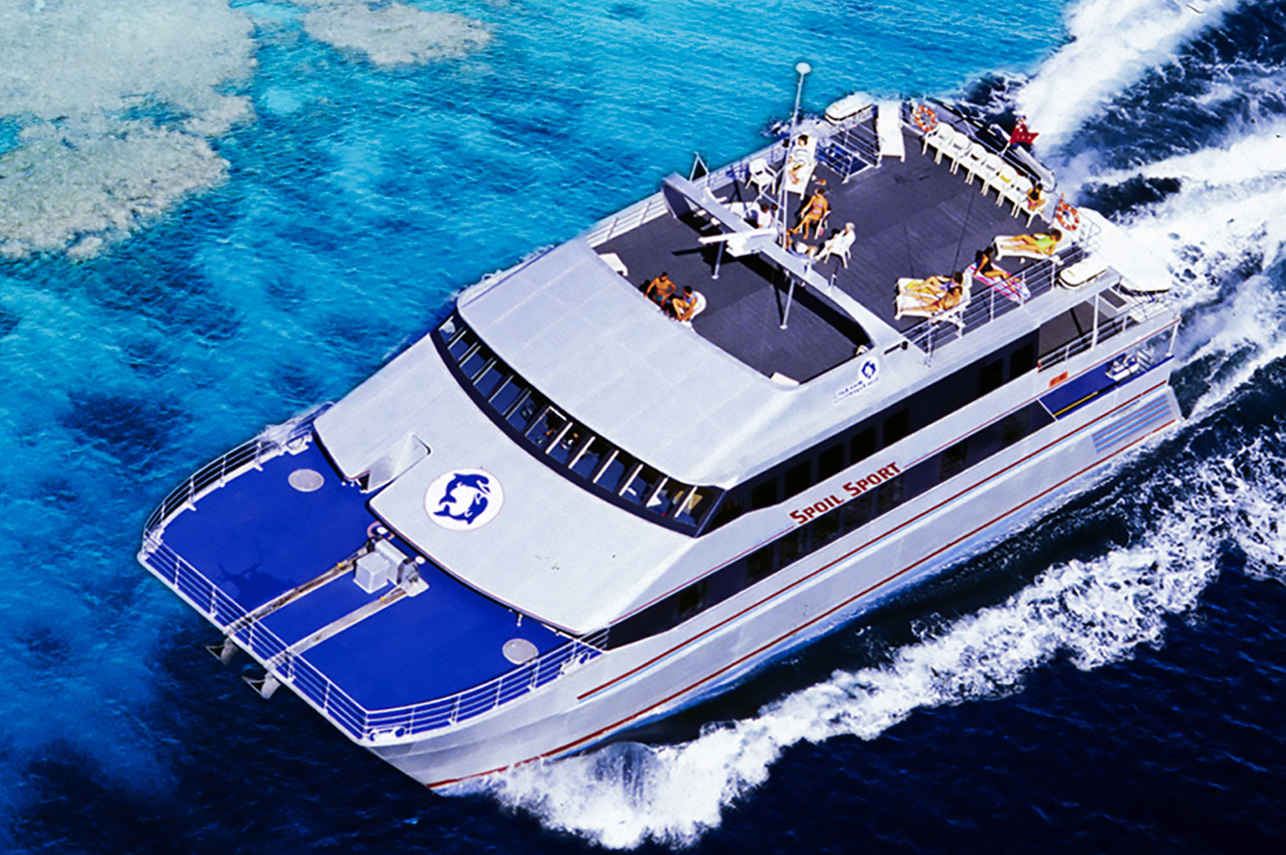
Spoilsport liveaboard diving in Australia – view trips, cabins and prices

Spoilsport

Australia

$406
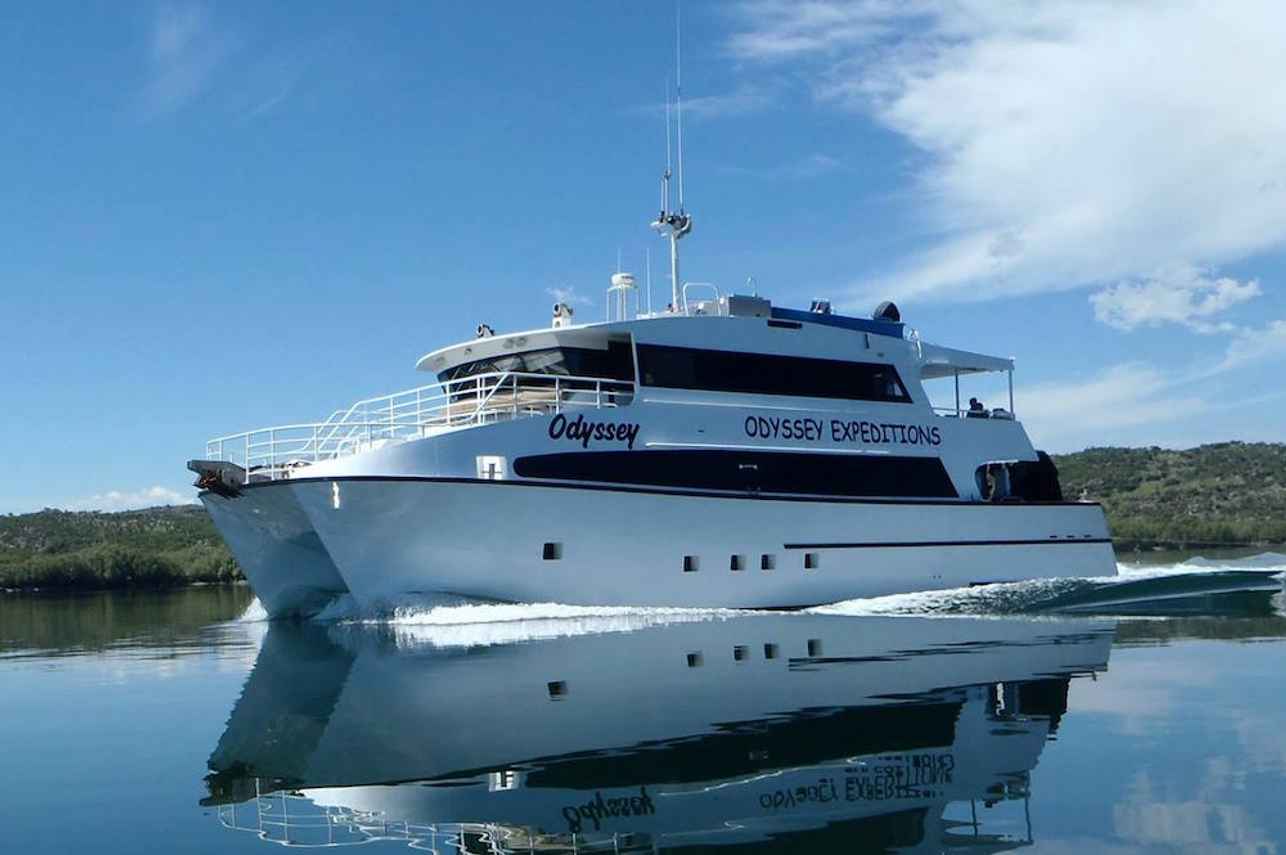
Odyssey Liveaboard liveaboard diving in Australia – view trips, cabins and prices

Odyssey Liveaboard

Australia

$392

Conditions & practicalities

Diving in Australia: seasons, conditions and logistics

0 dive sites in Australia — here is what the season data says about the best months, water temperature, visibility and currents, plus how divers usually get there and which fees to budget for.

Best months
Jun–Oct
Water temperature
23–29 °C
Visibility
12–30 m
Currents
No data yet
Getting there
Most divers fly into the nearest international airport and continue by transfer or domestic flight to the departure port; liveaboards usually leave the evening before day one.
Permits & fees
Marine park fees, port taxes and nitrox are rarely included in the trip price — budget a few hundred dollars extra and check the visa rules before booking.

FAQ

Diving in Australia FAQ

When is the best time to dive in Australia?
The peak diving season in Australia is generally June to November (Great Barrier Reef), March to July (Ningaloo), with the best visibility, marine life activity and weather conditions. See our month-by-month best-time-to-dive guides for full details.
Do I need a liveaboard to dive in Australia?
A liveaboard gives you access to remote dive sites in Australia that day boats cannot reach, plus 3–5 dives per day in maximum comfort. For the best dives in Australia, a liveaboard is the recommended choice.
What certification do I need to dive in Australia?
Most Australia liveaboards require Open Water as a minimum, with Advanced Open Water and 30+ logged dives recommended for currents and deeper sites. Some expert routes require Tech or 100+ dives.
How much does a Australia liveaboard cost?
Liveaboard prices in Australia typically range from €1,500 to €6,000+ per week depending on vessel category, route length and season. Browse the boats below for live pricing.
Do I need a visa for Australia?
Visa requirements vary by your nationality. Always check the latest entry rules with the destination's official government source before booking flights.
Is diving in Australia safe for beginners?
Many Australia sites are beginner-friendly, but some routes feature strong currents or deep walls suited only to experienced divers. Check each vessel's recommended experience level.
Plan your trip

Ready to dive in Australia?

Explore the Australia destination guide or search liveaboards that visit these sites.