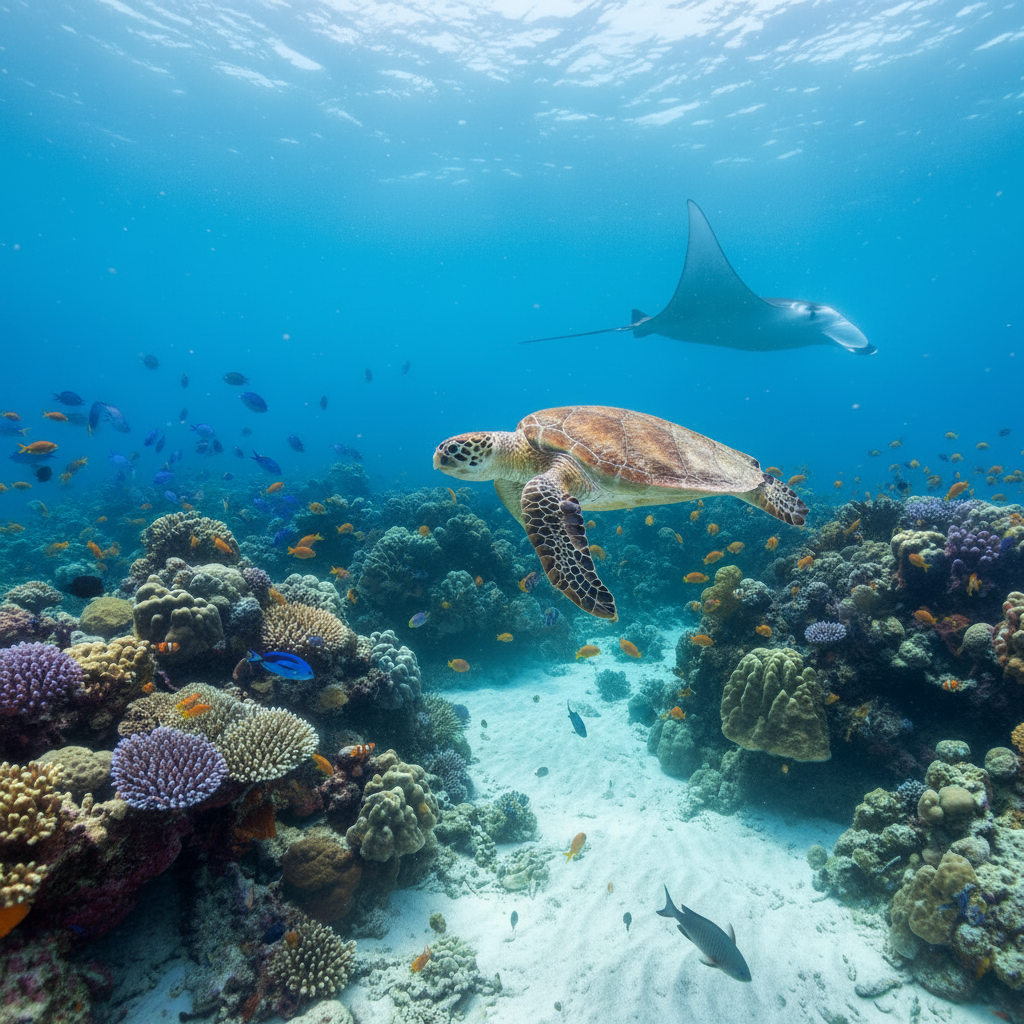
Imagine a vibrant underwater world so vast, so teeming with life, that it takes your breath away. A place where dramatic coral structures plunge into the deep, and a kaleidoscope of Caribbean marine life dances before your eyes. If you’ve been dreaming of a dive adventure that redefines your understanding of oceanic grandeur, then read on – you’re about to discover why the Mesoamerican Reef, particularly around the Bay Islands of Honduras, is an absolute must-do.
Why Mesoamerican Reef Belongs on Your Bucket List
The Mesoamerican Reef is not just any reef; it's the second-largest barrier reef system in the world, a colossal underwater metropolis stretching over a thousand kilometres. But what truly sets its Honduran section, particularly off Roatán, Utila, and Guanaja, apart as a bucket-list destination is its incredible accessibility combined with breathtaking topography and biodiversity. Here, you're not just diving; you're exploring a submerged mountain range, its peaks adorned with a living mosaic of corals that host an astonishing array of creatures. It’s a place that genuinely offers something for every diver, from the novice seeking gentle encounters to the seasoned enthusiast yearning for thrilling wall dives and intricate swim-throughs.
This reef system distinguishes itself with its dramatic drop-offs, often just a stone's throw from shore. Unlike many other global dive sites that require extensive boat travel to reach, Honduras offers immediate immersion into world-class diving. The unique geology of the Bay Islands means you can descend along vertical walls covered in gorgonians, sponges, and hard corals, encountering pelagics cruising the blue alongside vibrant reef fish. It’s a destination perfect for those who appreciate both macro life hidden in crevices and the grandeur of large marine fauna against an epic backdrop.
What You'll See and Do
Diving the Mesoamerican Reef off Honduras is an immersive journey into a thriving ecosystem. You’ll frequently encounter common residents such as parrotfish, angelfish, butterflyfish, and snapper, often schooling in impressive numbers. Keep an eye out for curious green moray eels peeking from their coral homes and graceful spotted eagle rays gliding effortlessly above the sandy flats. Critters abound, from cleaner shrimp attending to their stations to various nudibranchs adding pops of colour to the reef. Nurse sharks are a common, gentle sight, often found resting beneath ledges, while barracuda schools hover stoically in the current.
The topography itself is a major draw. Famous sites like the "El Aguila" wreck off Roatán offer fantastic penetration opportunities for appropriately certified divers, now home to a thriving artificial reef ecosystem. "Mary's Place," another iconic Roatán site, boasts a dramatic, narrow crack in the reef that opens into a stunning canyon, teeming with life. Swim-throughs like those at "Half Moon Bay Wall" are exhilarating, allowing you to traverse passages adorned with soft corals and sponges. Depths typically range from 12m (40ft) on the shallower reef tops to over 30m (100ft) along the wall faces, catering to all certification levels. You might even be fortunate enough to spot Caribbean reef sharks patrolling the deeper waters, or even a majestic whale shark during certain times of the year, particularly around Utila.
Best Time to Go
One of the many benefits of diving the Honduran section of the Mesoamerican Reef is its year-round accessibility, thanks to its tropical climate. The water temperatures are consistently warm, generally ranging from 26°C (79°F) to 29°C (84°F), making for comfortable diving regardless of the season. Visibility is typically excellent, often exceeding 30 metres (100 feet), providing crystal-clear views of the expansive reef structure and its inhabitants. Even on a less-than-perfect day, you can expect at least 15-20 metres (50-65 feet) of visibility.
While diving is good all year, the driest months, typically February to May, offer calmer seas and consistently brilliant sunshine. However, the slightly wetter season from June to January still provides fantastic diving, with short, localised showers typically not impacting underwater conditions significantly. Currents are generally mild to moderate, making for relaxed drift dives in many areas, though some exposed sites can experience stronger flows, adding an exhilarating dimension to the dive. The region sits outside the primary hurricane belt for much of the season, but it's always wise to check forecasts when planning any tropical trip.
How to Dive Mesoamerican Reef
Accessing the Mesoamerican Reef off Honduras is predominantly done via day-boat operations from one of the many excellent dive resorts and shops on Roatán, Utila, or Guanaja. This offers flexibility, allowing you to choose your accommodation style and enjoy evenings ashore. However, to truly maximise your time on multiple pristine sites and experience a broader sweep of the reef, a liveaboard offers an unparalleled advantage. Liveaboards typically explore a wider range of dive sites, often including more remote areas, and provide the convenience of diving, eating, and sleeping all in one dedicated place.
While many sites are accessible to Open Water Diver certified individuals, we highly recommend having your Advanced Open Water Diver certification due to the prevalence of deeper wall dives and the desire to explore beyond 18m (60ft). A Nitrox certification is also a significant asset, allowing for extended bottom times and enhancing your enjoyment of this diverse reef. For those who relish effortless glides over vast coral landscapes, a Drift Diver specialty is beneficial given the moderate currents at some sites. A 3mm wetsuit is usually sufficient given the warm water temperatures, though a 5mm might be preferred by those who chill easily. Remember to bring your own dive computer, and consider a torch for peering into crevices during the day or for thrilling night dives.
Conservation and Responsible Diving
The Mesoamerican Reef is a precious natural wonder, and its continued health relies on responsible diving practices. As divers, we are privileged witnesses to this underwater world, and it's our duty to protect it. Always maintain excellent buoyancy control to avoid contact with the delicate coral structures. Never touch marine life, feed fish, or collect souvenirs. Everything on the reef plays a vital role in its ecosystem. When taking photographs, be mindful of your fin kicks and proximity, ensuring you don't disturb the environment or stress the creatures you're observing. Our presence should be as unintrusive as possible, leaving no trace behind other than bubbles.
Plan Your Trip
The allure of the Mesoamerican Reef is undeniable, offering an unforgettable blend of dramatic underwater landscapes and prolific marine life. If you're ready to experience this world-class destination and add some truly incredible dives to your logbook, explore the fantastic liveaboard options departing for Honduras. Our expertly curated selection of vessels provides exceptional access to the best of the Bay Islands, ensuring your bucket-list adventure is everything you’ve dreamed of and more.
