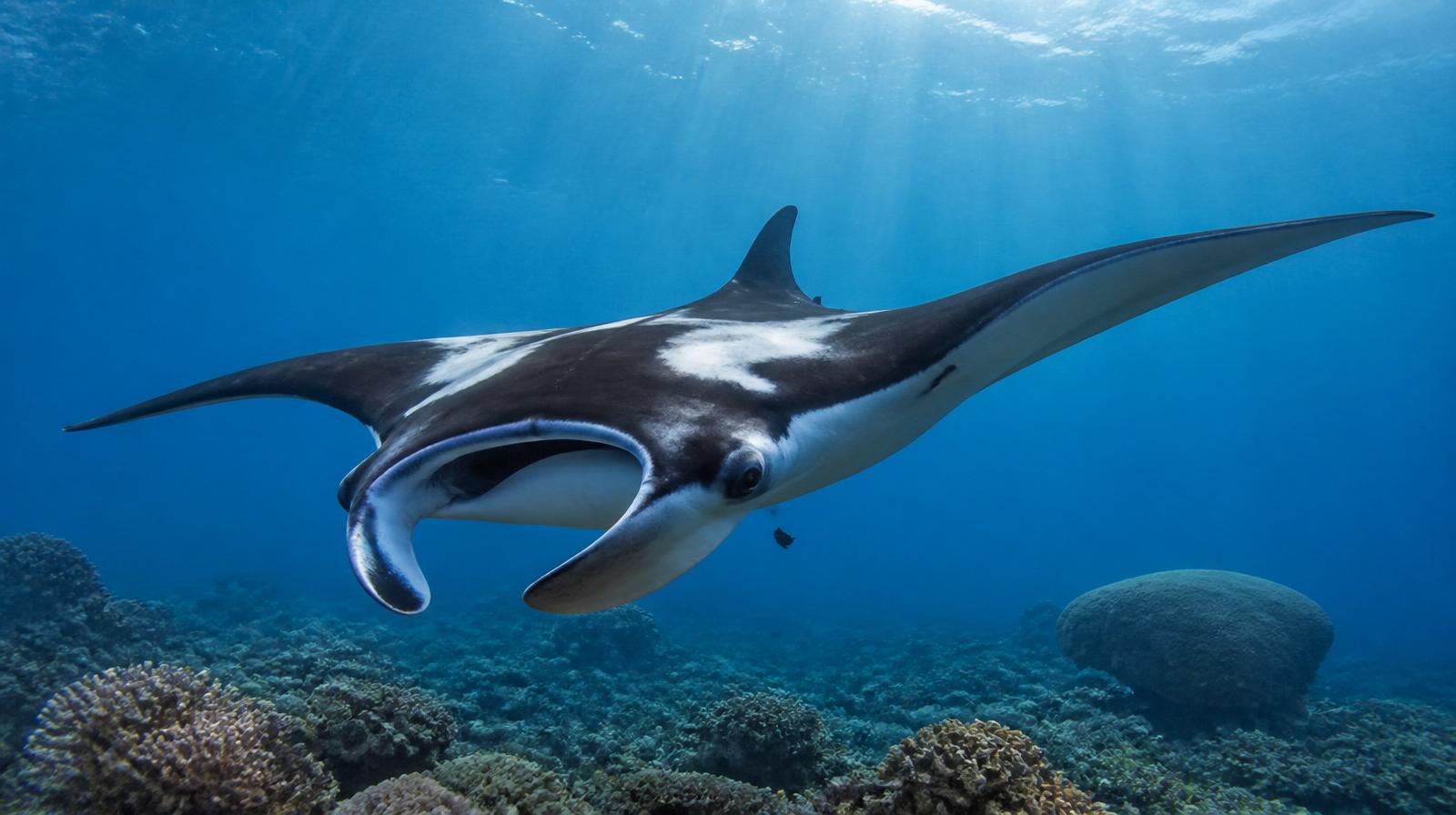
There are some natural phenomena so magnificent, so utterly captivating, that they transcend mere travel experiences and embed themselves deeply in the soul. For the avid diver, encountering a manta ray at a dedicated cleaning station in the heart of Indonesia is unequivocally one such encounter. It’s an underwater ballet, a carefully orchestrated synchronicity between gentle giants and their meticulous attendants, played out in waters so vibrant they scarcely seem real.
Why Manta Ray Cleaning Stations Belongs on Your Bucket List
Imagine this: suspended in crystal-clear blue, the gentle current guiding you, when a shadow glides into view. Then another. And another. These aren't just any shadows; they are immense, graceful manta rays, wingspans easily reaching several metres, moving with an ethereal effortlessness that defies their size. They are here for a purpose, not merely passing through. They are here for a spa day, if you will, at nature's most exclusive cleaning stations, scattered throughout the pristine waters of Komodo and Raja Ampat. What makes this experience globally unique is the guaranteed intimacy and prolonged observation of these magnificent creatures in their natural habitat, showcasing a vital symbiotic relationship.
This isn't a fleeting glimpse or a distant sighting. At a cleaning station, mantas deliberately position themselves over specific coral heads or rocky outcrops, allowing wrasses and other cleaner fish to remove parasites and dead skin. This behaviour offers divers an unparalleled opportunity to witness these intelligent plankton-feeders up close, observing their complex social interactions and individual personalities. The sheer presence of multiple mantas circling, hovering, and delicately manoeuvering in seemingly choreographed patterns creates a truly immersive spectacle.
This experience is tailor-made for any diver with a deep appreciation for marine life and a desire for meaningful encounters. Whether you're a seasoned underwater photographer seeking the perfect shot, a naturalist fascinated by marine symbiosis, or simply a diver yearning for an awe-inspiring connection with the ocean's gentle giants, the manta ray cleaning stations of Indonesia will not disappoint. It's a profound reminder of the intricate beauty and delicate balance of our underwater world, leaving an indelible mark long after you've surfaced.
What You'll See and Do
Diving Indonesian cleaning stations means immersing yourself in a vibrant ecosystem. At famous sites like Manta Point in Komodo or Blue Magic in Raja Ampat, you'll descend to depths typically between 10-25 metres. The experience usually involves settling onto the sandy bottom or hovering neutrally buoyant a respectful distance from the cleaning station. This allows the manta rays to approach comfortably, often circling overhead, sometimes just metres above your head, in an almost meditative dance. You’ll witness smaller cleaner wrasse, such as the Bluestreak Cleaner Wrasse (Labroides dimidiatus) and Bicolour Cleaner Wrasse (Labroides bicolor), diligently picking parasites from the mantas' skin, gills, and even inside their mouths.
Beyond the mantas themselves – primarily the reef manta ray (Mobula alfredi) and, less frequently, the larger oceanic manta ray (Mobula birostris) – these sites are buzzing with life. You'll likely encounter an array of reef fish, potentially reef sharks, turtles, and a dazzling variety of colourful corals that form the backdrop to this aquatic spectacle. The interaction is calm and respectful; divers remain passive observers, allowing the mantas to control the encounter. Some mantas may even appear to make eye contact, a truly profound moment of interspecies connection.
The dive style is generally relaxed – often a drift along a reef leading to the cleaning station, or a direct drop to the station itself. You'll spend a significant portion of your bottom time observing, so good buoyancy control is key to avoid disturbing the site. These encounters are not typically fast-paced; rather, they are slow, deliberate, and deeply moving, allowing ample time for observation and photography.
Best Time to Go
While mantas can be found year-round in various parts of Indonesia, the prime season for consistent and spectacular cleaning station encounters in both Komodo National Park and Raja Ampat is generally between December and April. This period coincides with the favourable monsoonal patterns that bring nutrient-rich waters, often resulting in increased manta activity at the cleaning stations.
During these months, water temperatures typically range from a comfortable 26°C to 29°C (79°F to 84°F), making a 3mm shorty or full-length wetsuit perfectly adequate. Visibility is often excellent, frequently exceeding 20-30 metres, providing superb conditions for spotting mantas from a distance and appreciating their majestic presence. While currents can be a feature of Indonesian diving, particularly in Komodo, many cleaning stations are located in more sheltered areas or are positioned to allow divers to hook in or shelter from the main flow. Weather above water during these months is generally stable with less rainfall, though tropical showers can always occur. The slightly cooler water temperatures in some regions during this period can also contribute to the higher plankton concentrations that attract mantas.
How to Dive Manta Ray Cleaning Stations
Accessing the best manta ray cleaning stations in Indonesia is predominantly done via liveaboard. A liveaboard offers the unparalleled advantage of reaching remote, pristine sites in both Komodo National Park and Raja Ampat, which are often too far for daily boat trips. This means more opportunities for multiple dives at these coveted locations, often at optimal times of day. While some resorts in Komodo run day trips to Manta Point, the sheer range and quality of sites, particularly in Raja Ampat, make a liveaboard the superior choice for a dedicated manta experience. Certification-wise, an Open Water Diver certification is the minimum, but most operators recommend Advanced Open Water Diver for deeper sites and multi-day liveaboard itineraries. For the best experience, having at least 30-50 logged dives is advisable, ensuring comfort and proficiency in various conditions.
Recommended courses include the PADI Enriched Air Diver (Nitrox) certification, as it allows for extended bottom times at the desirable depths of the cleaning stations, maximising your manta encounters. A Drift Diver specialisation can also be beneficial, particularly in current-prone areas of Komodo. As for gear, a 3mm full wetsuit is perfect for thermal comfort and protection, even in warm waters. Essential notes for divers include bringing a dive computer, surface marker buoy (SMB), and a torch for observing nocturnal reef life on other dives. Respect for marine life is paramount: maintain a safe distance, avoid touching mantas or the reef, and practice responsible photography without using strobes that might startle the animals.
Conservation and Responsible Diving
Manta rays are magnificent creatures, but like many large marine animals, they face significant threats, primarily from targeted fishing for their gill plates and accidental bycatch. The cleaning stations are vital to their health and well-being. As divers, we have a crucial role to play in their conservation. Always adhere to local guidelines and your dive guide's instructions. This includes maintaining a respectful distance (typically several metres), never chasing or touching the mantas, and avoiding blocking their path to or from the cleaning station. Photography should be discreet, without the use of strobes directly aimed at the animals, which can disrupt their natural behaviour. By practicing responsible diving, we ensure these incredible cleaning station encounters remain pristine for future generations of divers and, crucially, for the manta rays themselves.
Plan Your Trip
Ready to witness the mesmerising ballet of manta rays gliding gracefully through the balmy waters of Indonesia? A liveaboard voyage with Blue Rides offers the ultimate way to experience these world-renowned cleaning stations in Komodo and Raja Ampat. Browse our premium selection of liveaboards departing for these unforgettable destinations – your bucket list adventure awaits.