Cortez Angelfish in its natural habitat — diving encounters and best destinations

Cortez Angelfish

Unknown
15-20 years
Not Evaluated

Want to dive with this animal?

Only destinations where this animal occurs.

The Cortez Angelfish at a glance

The Cortez angelfish (Pomacanthus zonipectus) is a distinctive marine ray-finned fish inhabiting the coastal waters of the eastern Pacific Ocean. Its distribution stretches from Puerto Peñasco in the northern Gulf of California down to Peru, with occasional vagrant sightings around southern California, the Galápagos Islands, Cocos Island, and Malpelo Island. Reaching a maximum length of 0.46 metres (18 inches), this species is a favourite among divers exploring shallow to mid-depth rocky reefs.

Morphologically, the Cortez angelfish possesses a deep, laterally compressed body featuring a short, blunt snout and a small mouth packed with bristle-like teeth. A prominent spine extends from the corner of its preoperculum. Adult colouration is characterized by a muted grey-brown torso adorned with a matrix of crisscrossing lines across the rear half that transition into a yellowish-green tail. Key diagnostic markings include a pale grey flank section, a bright yellow saddle spanning the nape, and a striking yellow arc positioned just behind the pectoral fins.

Like other members of the genus Pomacanthus, juveniles display a dramatic contrast in appearance compared to adults. Young Cortez angelfish feature a dark brownish-black body accented by six vivid vertical yellow bands extending from the face to the caudal peduncle. Thin, electric-blue parallel bars run between these yellow stripes, while the dorsal and pelvic fins are trimmed with bright blue margins. This vibrant colour pattern makes juveniles easily identifiable in shallow waters.

Behaviour & reproduction

Size
Unknown
Weight
Up to 2.5 kg
Lifespan
15-20 years
Status
Not Evaluated

Divers appreciate encountering the Cortez angelfish due to its bold presence, graceful swimming posture, and the stark visual difference between juvenile and adult phases. Their habit of patrolling open reef zones in pairs provides underwater photographers with reliable opportunities to observe complex natural behaviours such as daytime substrate grazing and twilight spawning rituals.
Diving Tips

When diving within the Eastern Pacific range of the Cortez angelfish, encounters are most frequent along shallow to mid-depth rocky reefs and boulder slopes between 6 and 50 metres. Because adults typically travel in established pairs, spotting one individual usually indicates that its mate is nearby. Divers should maintain a neutral buoyancy profile and approach with calm, slow movements, as sudden displacements or direct rapid approaches can cause them to seek cover within reef crevices.

For macro photographers and observant divers, shallow tidal zones, reef tops, and surge channels are ideal places to search for solitary juveniles, particularly in the months following their midsummer spawn. Juveniles are territorial and tend to remain near a specific retreat, making them easier to observe if you remain stationary. During late afternoon and dusk dives, pay close attention to open sandy borders adjacent to the reef structure; adult pairs often congregate near the seabed before engaging in upward spawning ascents. Respect their natural space by avoiding bright lights pointed directly into their eyes during dusk or night dives when they prepare to roost.

Fun facts about the Cortez Angelfish

  • The specific name zonipectus derives from Latin words meaning 'belted breast', referring to the dark girdle behind its pectoral fins.
  • Planktonic eggs of the Cortez angelfish float in the water column and hatch approximately 20 hours after spawning.
  • Adult Cortez angelfish form monogamous pairs that range widely together over rocky reef habitats.
  • Juveniles look dramatically different from adults, featuring a dark black body with six vivid yellow vertical bands and parallel blue stripes.

Best time to see the Cortez Angelfish

Observing the Cortez angelfish is possible throughout the year across its resident eastern Pacific range from the Gulf of California to Peru, as it is a non-migratory species. However, specific seasonal shifts in population structure and behaviour create distinct highlights for divers across different months.

The period from midsummer into early autumn marks the primary spawning season for *Pomacanthus zonipectus*. During these months, adult pairs are exceptionally active around sunset along sandy reef margins, engaging in elaborate courtship flutters and upward spawning spirals. Following this reproductive peak, juvenile abundance reaches its height from August through November. Divers exploring shallow tide pools and upper reef zones during late summer and autumn have the best opportunities to encounter tiny, brilliantly patterned juveniles adorned with electric blue and yellow striping. Throughout the winter and spring months, adult pairs continue their diurnal foraging routines across deeper reef slopes uninterrupted, offering stable encounter rates year-round.

Where the Cortez Angelfish lives

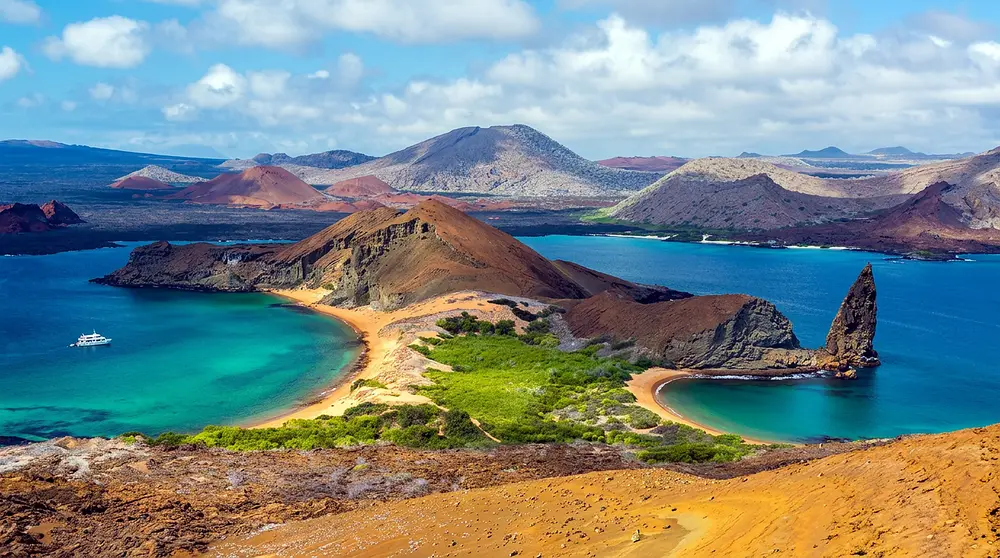
The Cortez angelfish is native to the warm-temperate and tropical waters of the Eastern Pacific Ocean. Its primary geographic range extends from Puerto Peñasco in the northern Sea of Cortez (Gulf of California), Mexico, southward along the Central and South American coastlines to Peru. Vagrant individuals have also been documented further offshore and at geographical extremes, including southern California, the Galápagos Islands, Cocos Island, and Malpelo Island, though it has not been reported from Clipperton Island.

In terms of vertical distribution, *Pomacanthus zonipectus* occupies depth ranges between 6 and 50 metres (20 to 164 feet). It relies heavily on hard bottom habitats, such as rocky reefs, boulder fields, and coral structures that provide both substrate for benthic food growth and sheltering crevices. While adult pairs range widely over deeper reef zones and steep rocky drops, young juveniles show a strong affinity for shallow habitats, frequently utilizing intertidal rock pools, shallow reef flats, and rubble margins as nursery zones.

What the Cortez Angelfish eats

*Pomacanthus zonipectus* is an active diurnal feeder, spending daylight hours systematically searching the substrate for sessile benthic organisms and organic growth. Its specialized feeding apparatus consists of a small, terminal mouth equipped with numerous fine, bristle-like teeth, enabling it to scrape and nip encrusting food items directly from hard rock surfaces and coral bases.

The main staple of the Cortez angelfish's natural diet consists of sponges. In addition to sponges, it consumes a varied selection of invertebrates and flora attached to the reef, including tunicates, bryozoans, hydroids, and algae. It is also an opportunistic consumer of fish eggs deposited on the substrate. Grazing occurs continuously throughout the day as adult pairs cruise over their territory. At sunset, feeding activity ceases as the fish transition to courtship behaviour or retreat into dark crevices to rest overnight.

Cortez Angelfish: frequently asked questions

When is the best time to see Cortez Angelfish?
Observing the Cortez angelfish is possible throughout the year across its resident eastern Pacific range from the Gulf of California to Peru, as it is a non-migratory species. However, specific seasonal shifts in population structure and behaviour create distinct highlights for divers across different months. The perio
How big does Cortez Angelfish get?
Cortez Angelfish: Unknown
Is Cortez Angelfish dangerous for divers?
When diving within the Eastern Pacific range of the Cortez angelfish, encounters are most frequent along shallow to mid-depth rocky reefs and boulder slopes between 6 and 50 metres. Because adults typically travel in established pairs, spotting one individual usually indicates that its mate is nearby. Divers should mai
What is the conservation status of Cortez Angelfish?
Cortez Angelfish: Not Evaluated
Plan your trip

Ready to dive with these animals?

Choose a destination or search every available vessel to find the liveaboard that matches the marine life you want to see.