Smelt in its natural habitat — diving encounters and best destinations

Smelt

Unknown
6-10 years
Not Evaluated

Want to dive with this animal?

Only destinations where this animal occurs.

The Smelt at a glance

The smelt (Osmerus eperlanus), commonly known as the European smelt, is a slender, streamlined pelagic fish belonging to the family Osmeridae. Characterised by an elongated, slightly compressed body, it features a distinct adipose fin positioned between the dorsal and caudal fins, which is a classic hallmark of its taxonomic lineage. Its coloration is remarkably delicate and luminous: the back displays a pale olive-green or translucent grey hue, blending seamlessly into bright, iridescent silver flanks and a stark white belly. A distinct, shimmering silvery-blue lateral band runs along each side. The head is pointed with a relatively large, deeply cleft mouth equipped with prominent, sharp, fang-like teeth on the vomer and tongue, giving this modest-sized fish a surprisingly predatory dental profile. Its scales are thin, cycloid, and easily shed, while its large eyes are adapted for spotting prey in low-light, turbid coastal and estuarine waters.

Behaviour & reproduction

Size
Unknown
Weight
Up to 0.3 kg
Lifespan
6-10 years
Status
Not Evaluated

Ecologically, smelts are primarily anadromous or amphidromous schooling fish, spending the majority of their adult lives in shallow coastal waters, bays, and estuaries before migrating into freshwater rivers and streams to spawn during late winter and early spring. Their geographical range spans the temperate and sub-boreal waters of the Northeast Atlantic, encompassing the Baltic Sea, the North Sea, the White Sea, and surrounding coastlines of northern and western Europe, extending around the British Isles. Smelts form dense, highly synchronised shoals that navigate pelagic and inshore zones. They serve as a crucial ecological linchpin in temperate marine ecosystems, transferring energy from planktonic communities to higher trophic levels by providing an indispensable forage base for predatory fish, seals, and seabirds.

Diving Tips

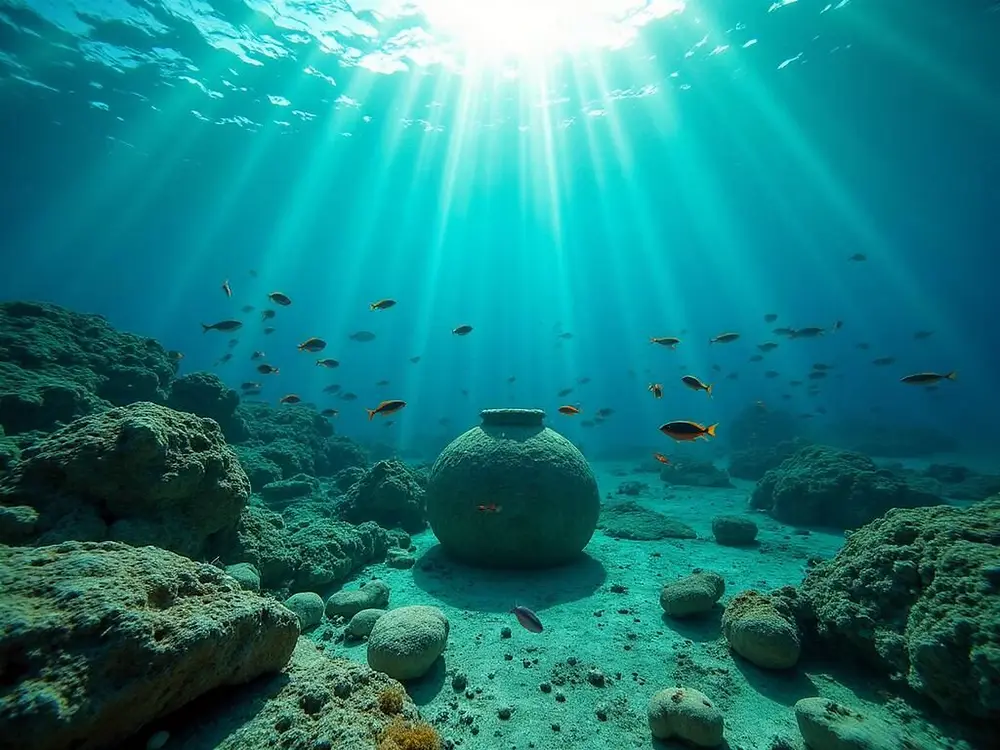
Diving with smelts requires a calm approach and mastery of cold-water diving techniques, as encounters predominantly occur in chilly, temperate coastal bays, fjords, and estuaries. Divers should maintain neutral buoyancy to prevent kicking up fine estuarine silt or marine sediment, which can quickly degrade visibility and startle schooling fish. Move slowly and avoid making sudden, erratic motions or blowing heavy bursts of bubbles directly toward the shoal; if you remain motionless near the seabed or a structure, the school may naturally envelop you. For underwater photography, a wide-angle or mid-range zoom lens is ideal for capturing the scale and shimmering motion of the entire school. Utilise ambient light combined with subtle, diffused strobe lighting to highlight their iridescent scales without blowing out harsh silver reflections. Cold-water exposure protection, such as a drysuit with appropriate undergarments, is essential.

Fun facts about the Smelt

  • Smelts are famous for emitting a strong, distinctive aroma that closely resembles freshly sliced cucumber when caught or handled.
  • Adult smelts possess remarkably sharp, fang-like teeth on their tongues and the roofs of their mouths to grasp slippery prey.
  • During their spring spawning runs, smelts lay sticky eggs that adhere firmly to riverbed stones, gravel, and submerged vegetation.
  • Smelts form a vital ecological bridge in northern seas, converting planktonic biomass into energy for predatory cod, sea trout, and seals.

Best time to see the Smelt

Encounters with smelts are heavily dictated by their seasonal migration cycles between open coastal waters and estuarine breeding grounds. In Northern and Western Europe, including the Baltic Sea, the North Sea, and the estuaries of the United Kingdom, the premier window spans from late autumn through early spring (typically November to March). During these colder months, mature smelts congregate in large numbers before ascending rivers to spawn. In North America, particularly around the Gulf of Maine, the St. Lawrence Estuary, and parts of the Pacific Northwest (for related Osmeridae species), the most reliable diving conditions and dense aggregations occur between December and April, often coinciding with ice-out or pre-spawn schooling events. Visibility in temperate coastal waters is frequently optimal during the late winter months, offering clear water to observe these reflective shoals.

Where the Smelt lives

The smelt predominantly inhabits shallow inshore waters, coastal bays, sheltered fjords, and brackish estuaries, typically at depths ranging from 2 to 50 metres, though they may descend down to around 100 metres during cold winter spells in open water. They prefer sandy, muddy, or gravelly substrates near estuaries and river mouths, where nutrient-rich mixing zones provide abundant food. While primarily an inshore marine species, they are famous for their anadromous migrations into freshwater rivers to spawn, and some landlocked populations exist in deep, oligotrophic lakes across northern Europe. The waters this animal calls home encompass the cold and temperate regions of the Northeast Atlantic Ocean, including the Baltic Sea, the North Sea, the English Channel, and the Irish Sea, stretching north toward Scandinavia and the White Sea.

What the Smelt eats

The smelt is a voracious carnivorous and planktivorous feeder that relies on keen eyesight and sharp teeth to capture a wide array of mobile aquatic prey. Juvenile smelts primarily feed on smaller zooplankton, such as copepods, cladocerans, and planktonic larval stages of benthic invertebrates. As they mature, their diet expands significantly to incorporate larger, hyperbenthic and epibenthic crustaceans, notably mysid shrimps (*Neomysis* and *Mysis* species), amphipods, and isopods. Larger adult smelts become active piscivores, actively hunting smaller fish including young clupeids (herring and sprat), sand eels, gobies, and occasionally smaller conspecifics. Feeding activity is generally most intense during dawn and dusk, when schools ascend in the water column to intercept ascending zooplankton and smaller schooling organisms in estuaries and shallow bays.

Smelt: frequently asked questions

When is the best time to see Smelt?
Encounters with smelts are heavily dictated by their seasonal migration cycles between open coastal waters and estuarine breeding grounds. In Northern and Western Europe, including the Baltic Sea, the North Sea, and the estuaries of the United Kingdom, the premier window spans from **late autumn through ear
How big does Smelt get?
Smelt: Unknown
Is Smelt dangerous for divers?
Diving with smelts requires a calm approach and mastery of cold-water diving techniques, as encounters predominantly occur in chilly, temperate coastal bays, fjords, and estuaries. Divers should maintain neutral buoyancy to prevent kicking up fine estuarine silt or marine sediment, which can quickly degrade visibility
What is the conservation status of Smelt?
Smelt: Not Evaluated
Plan your trip

Ready to dive with these animals?

Choose a destination or search every available vessel to find the liveaboard that matches the marine life you want to see.