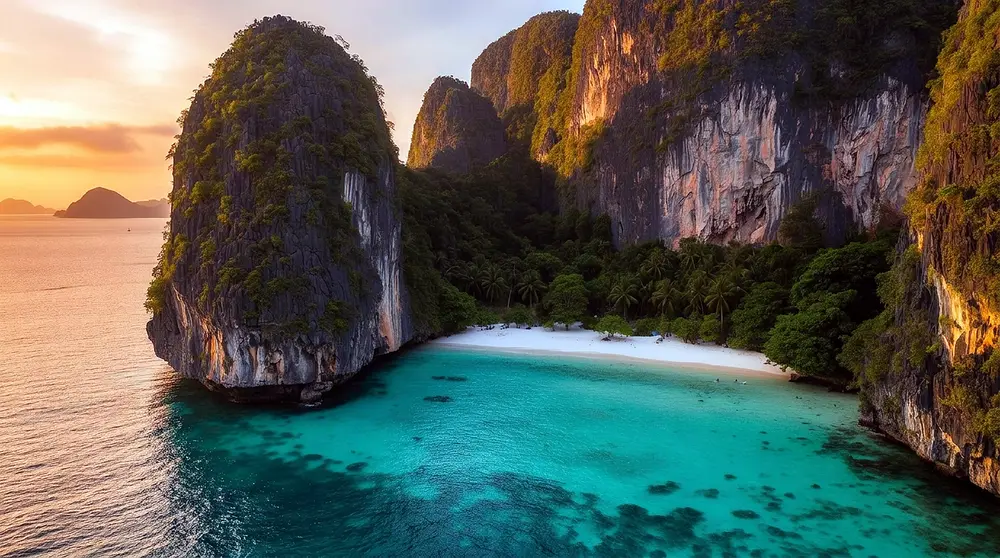
Xenocrab in its natural habitat — diving encounters and best destinations

Xenocrab

Unknown
1-3 years
Not Evaluated

Want to dive with this animal?

Only destinations where this animal occurs.

The Xenocrab at a glance

The xenocrab, scientifically known as Xenocarcinus tuberculatus (and frequently referring to closely related members of the genus Xenocarcinus within the spider crab family Epialtidae), is a remarkably specialised crustacean adapted for camouflage. Characterised by an elongated, cylindrical, and tapered carapace ending in a prominent, conical rostrum, this diminutive crab possesses a series of knobbly tubercles along its dorsal surface that mimic the polyps of gorgonians and sea whips. Its coloration is exceptionally variable and strictly dependent on its host, ranging from vibrant orange, crimson, and deep golden yellows to muted browns and pale creams, often decorated with delicate white or pale banding across the body and slender, hooked pereiopods (walking legs) that allow it to grasp narrow host branches with extraordinary tenacity.

Behaviour & reproduction

Size
Unknown
Weight
Under 10 g
Lifespan
1-3 years
Status
Not Evaluated

The Xenocrab, Xenocarcinus tuberculatus, typically exhibits a solitary and nocturnal activity pattern, primarily foraging for food under the cover of darkness to avoid predators. While specific details on elaborate social behaviours are limited in documented observations, individuals are generally found independently. Its reproduction involves oviparous development, where females carry eggs externally until hatching. The species is known to have multiple reproductive cycles throughout the year, although a distinct, highly-defined spawning season is not always consistently reported across its range. Females brood a substantial clutch of eggs, with the exact number varying depending on the female's size and condition. After an incubation period, which duration is influenced by environmental factors such as temperature, zoea larvae hatch and undergo several planktonic stages before settling and developing into juvenile crabs. The age or size at which Xenocrabs reach sexual maturity is not precisely quantified, but they achieve reproductive capability after several moults.
Diving Tips

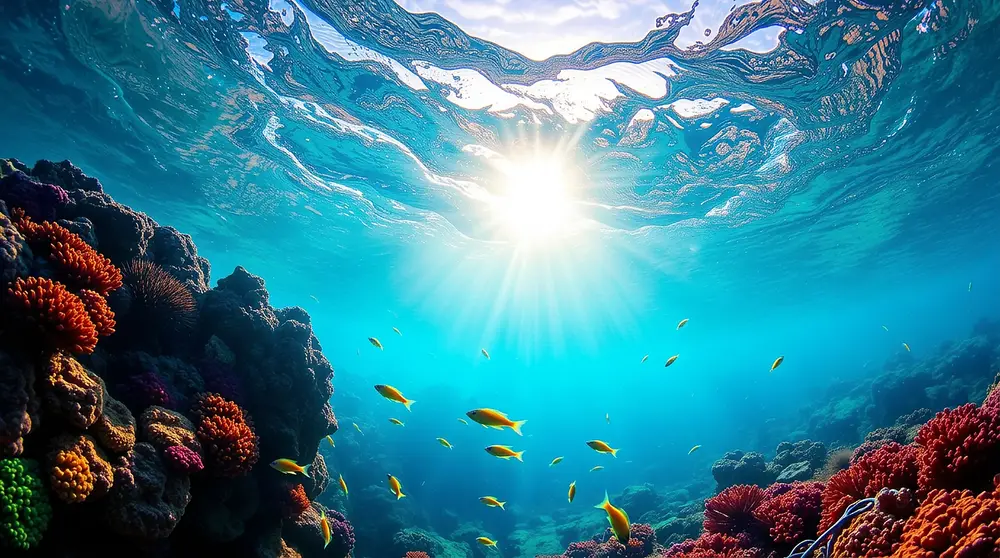
Locating xenocrabs requires excellent buoyancy control and a methodical search pattern. Because these crabs live along sea whips and delicate sea fans anchored to current-washed walls and slopes, divers must maintain neutral buoyancy and avoid fin kicks that could disturb the reef or damage fragile coral stems. Approach the host coral slowly and look along the entire length of the whip, particularly where it curves into the current. If the crab senses your presence, it will often scuttle around to the opposite side of the whip; gently wait without touching the coral, and it will often shift back into view. For photographers, a dedicated macro or super-macro lens (60mm to 105mm) paired with dual strobes or continuous video lights is essential to illuminate their vibrant colours against the host.

Fun facts about the Xenocrab

  • The xenocrab's carapace and body colour perfectly mimic the texture and coloration of the specific sea whip or gorgonian species it inhabits.
  • Its walking legs are tipped with sharp, hooked dactyls designed specifically to cling tightly to coral stems even in powerful ocean currents.
  • Xenocrabs are known to rotate around their host branch like a squirrel on a tree trunk to keep the coral between themselves and a potential predator.
  • They spend almost their entire post-larval lives on a single host coral, rarely if ever venturing out across the substrate.

Best time to see the Xenocrab

The optimal time to find xenocrabs depends on regional diving conditions across their Indo-Pacific range. In Indonesia, liveaboards operating in the Lembeh Strait, Raja Ampat, and Komodo encounter these crabs year-round, though the calmest sea conditions and peak macro diving run from March to November. In the Philippines, world-class muck diving sites in Anilao and Dumaguete offer prime conditions between October and May, when water clarity is balanced with lush coral growth. Divers visiting Papua New Guinea will find exceptional viewing from April to June and September to December in sheltered bays where large colonies of sea whips thrive undisturbed. Across all regions, night dives and deep wall explorations provide the highest success rate.

Where the Xenocrab lives

The xenocrab is native to the warm tropical and subtropical waters of the Indo-West Pacific, spanning from the Red Sea and East Africa across Indonesia, the Philippines, and Papua New Guinea, extending north to southern Japan and south to Australia's Great Barrier Reef. They are exclusively associated with sublittoral coral reefs, steep drop-offs, deep channels, and current-exposed pinnacles where their host sea whips (*Cirrhipathes*) and gorgonians thrive. Xenocrabs typically occupy a depth range between 10 and 50 metres, though they are most frequently encountered along deep wall habitats and rubble-sand slopes swept by moderate to strong tidal flows between 15 and 30 metres.

What the Xenocrab eats

Xenocrabs are specialised micropredators and detritivores that feed directly upon and around their cnidarian hosts. Their diet primarily consists of trapped organic detritus, suspended plankton, micro-algae, and the nutrient-rich mucus secreted by the sea whip or gorgonian on which they reside. They use their small, precise chelae (pincers) to scrape and gather mucus strings along the coral surface, occasionally consuming damaged host polyps or parasitic organisms without causing substantial long-term harm to the host coral. Feeding activity typically occurs continuously throughout the day and night, but becomes noticeably more active during periods of strong tidal currents when the host coral fully extends its polyps and traps abundant drifting organic particles.

Xenocrab: frequently asked questions

When is the best time to see Xenocrab?
The optimal time to find xenocrabs depends on regional diving conditions across their Indo-Pacific range. In Indonesia, liveaboards operating in the Lembeh Strait, Raja Ampat, and Komodo encounter these crabs year-round, though the calmest sea conditions and peak macro diving run from March to November. In the Philippines, world-class muck diving sites in Anilao and Dumaguete offer prime conditions between October and May, when water clarity is balanced with lush coral growth. Divers visiting Papua New Guinea will find exceptional viewing from April to June and September to December in sheltered bays where large colonies of sea whips thrive undisturbed. Across all regions, night dives and deep wall explorations provide the highest success rate.
How big does Xenocrab get?
Xenocrab: Unknown
Is Xenocrab dangerous for divers?
Locating xenocrabs requires excellent buoyancy control and a methodical search pattern. Because these crabs live along sea whips and delicate sea fans anchored to current-washed walls and slopes, divers must maintain neutral buoyancy and avoid fin kicks that could disturb the reef or damage fragile coral stems. Approach the host coral slowly and look along the entire length of the whip, particularly where it curves into the current. If the crab senses your presence, it will often scuttle around to the opposite side of the whip; gently wait without touching the coral, and it will often shift back into view. For photographers, a dedicated macro or super-macro lens (60mm to 105mm) paired with dual strobes or continuous video lights is essential to illuminate their vibrant colours against the host.
What is the conservation status of Xenocrab?
Xenocrab: Not Evaluated
Plan your trip

Ready to dive with these animals?

Choose a destination or search every available vessel to find the liveaboard that matches the marine life you want to see.