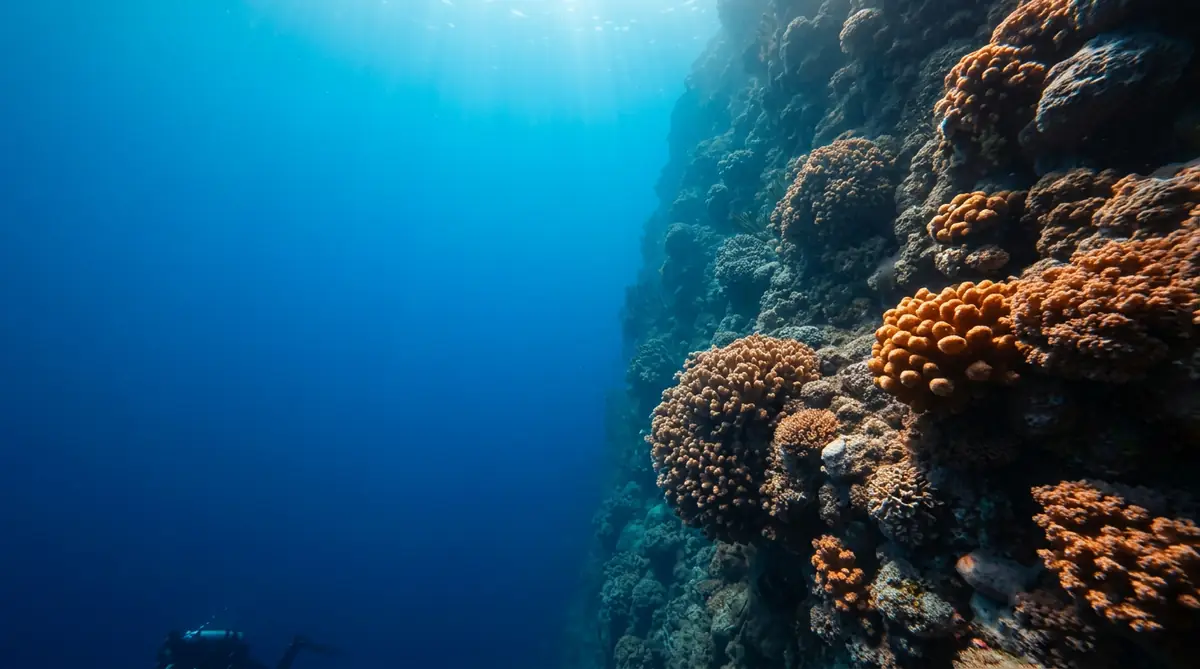
Wreck diving: the best dive sites worldwide
205 dive sites26 countries9 regions42 liveaboard-only sites

Wreck diving: the best dive sites worldwide

Wreck diving is history in steel, cargo holds and swim-throughs — from SS Thistlegorm to Chuuk Lagoon. Compare the best Wreck dive sites worldwide with depth, current, certification level and best season, plus the liveaboard itineraries that actually dive them.

What makes Wreck diving special

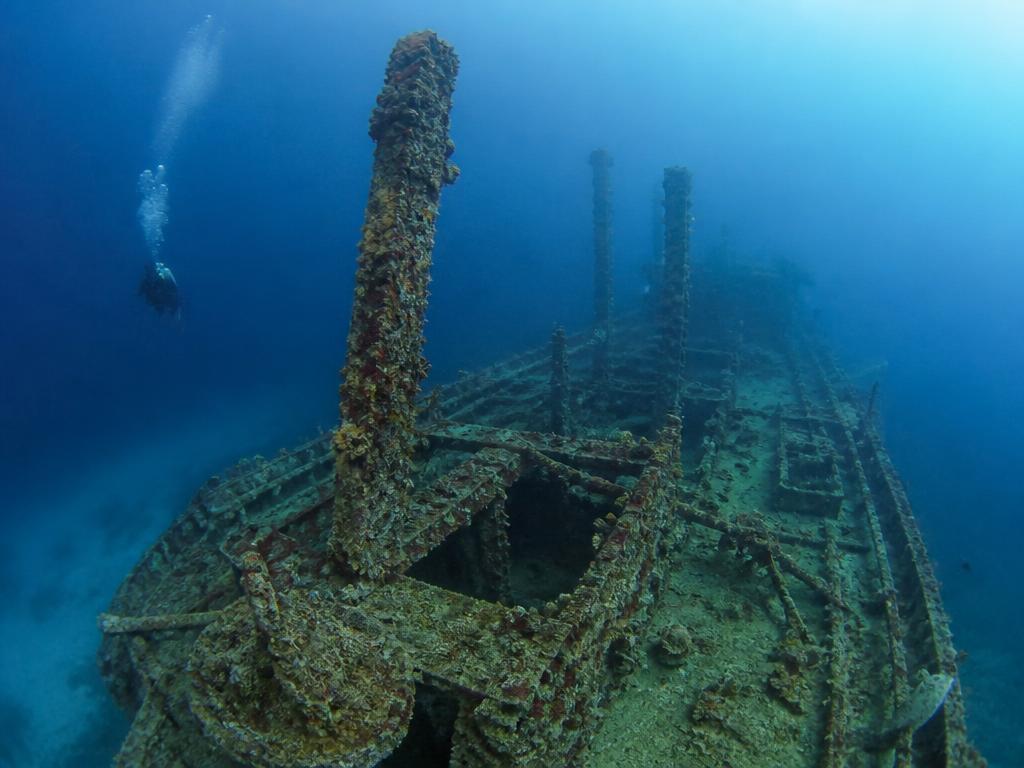
Wreck diving means exploring sunken ships, planes and other man-made structures that have turned into artificial reefs. Expect metal architecture, history and often deeper profiles, with penetration reserved for trained divers.

Wreck diving is one of the most rewarding ways to read the ocean. Every site layers history, marine life and a unique atmosphere — from shallow, coral-encrusted shore wrecks to deep, current-swept war graves.

Some wrecks are protected museums, others are artificial reefs bursting with schools, predators and macro critters. Depth and current vary widely, so there is usually a wreck for every certification level — as long as you respect its limits.
Signature sites

Iconic wrecks

The absolute classics every diver has heard of — and the liveaboards that reach them.

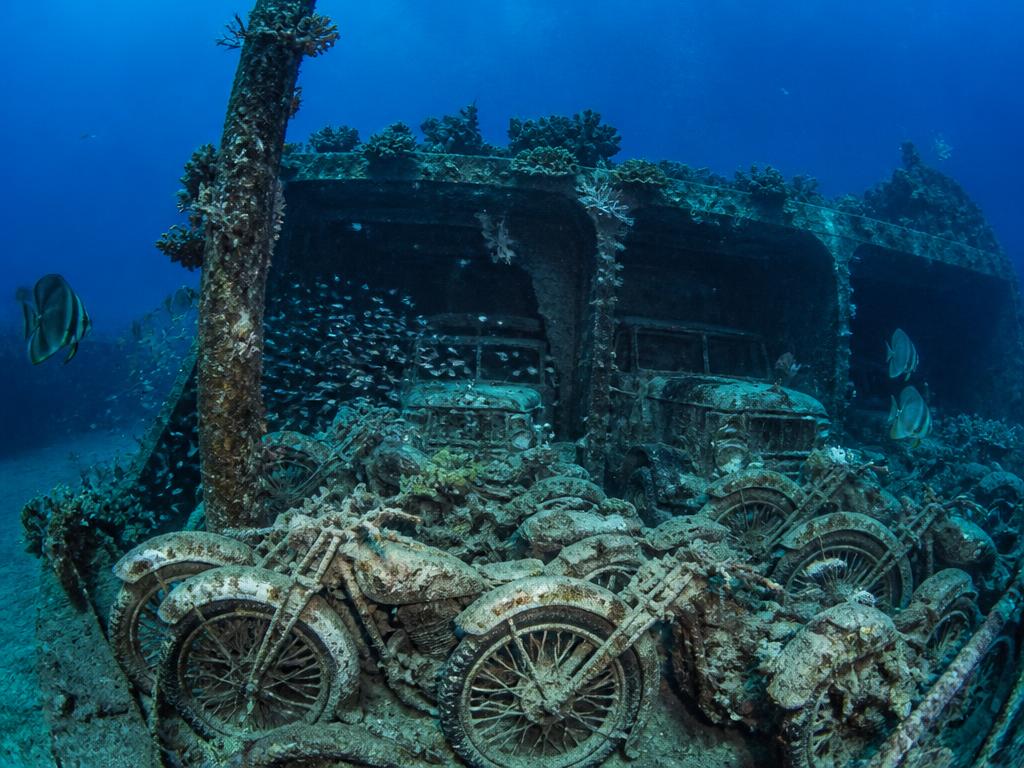
The SS Thistlegorm is one of the world's most renowned shipwrecks, a British cargo vessel sunk during World War II. It lies in the Strait of Gubal, a narrow passage connecting the…

Suitable for
Advanced
Current
Strong
Access
Liveaboard or dayboat
Depth
18–30 m
Theme
Wreck
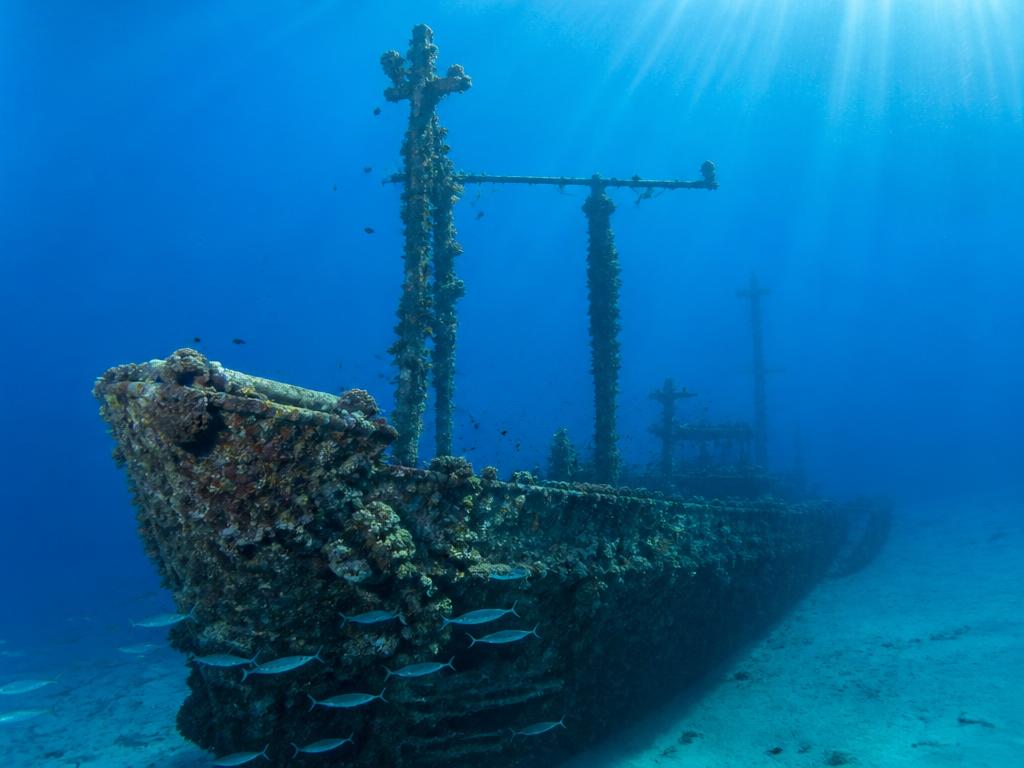
Underwater view of the dive site Fujikawa Maru in Micronesia

Fujikawa Maru

Micronesia

The Fujikawa Maru, a 133-meter Japanese cargo and passenger vessel, rests upright in Chuuk Lagoon, offering one of the most celebrated wreck dives globally.

Suitable for
Beginner
Current
Moderate
Access
Liveaboard only
Depth
5–37 m
Theme
Wreck

The USAT Liberty, a 120-meter American cargo ship, is arguably Bali's most famous dive site, offering an unparalleled underwater experience from beginner to experienced divers.

Suitable for
Beginner
Current
Moderate
Access
Shore / dayboat
Depth
5–30 m
Theme
Wreck

The San Francisco Maru, often dubbed the "Million Dollar Wreck," is among the most celebrated dive sites in Micronesia's Chuuk Lagoon, a renowned graveyard of World War II vessels.

Suitable for
Advanced
Current
Mild
Access
Liveaboard only
Depth
40–64 m
Theme
Wreck
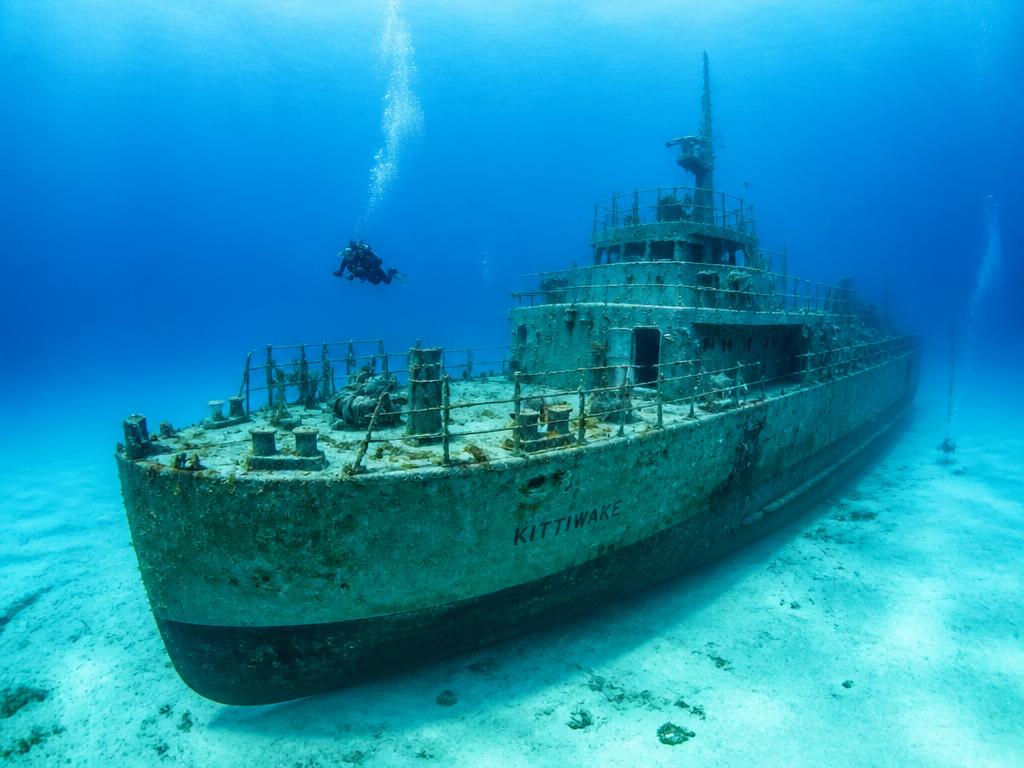
Underwater view of the dive site USS Kittiwake in the Cayman Islands

USS Kittiwake

Cayman Islands

The USS Kittiwake is a renowned wreck dive located just off Seven Mile Beach in Grand Cayman, attracting divers of all experience levels.

Suitable for
Intermediate
Current
Moderate
Access
Liveaboard or dayboat
Depth
5–20 m
Theme
Wreck

The Rosalie Moller is a historic cargo ship wreck located in the northern Red Sea, often visited alongside its more famous sister ship, the SS Thistlegorm.

Suitable for
Advanced
Current
Strong
Access
Liveaboard or dayboat
Depth
39–50 m
Theme
Wreck

Editorial ranking

Top 30 wrecks worldwide

Our editorial top 30, based on how often each site appears in published best-of rankings, dive guides and operator reports.

From bucket-list classics to lesser-known gems, these sites cover the full range of experience levels and conditions.

Compare depth, current, access and the liveaboards that reach each site to plan your next underwater adventure.

The SS Thistlegorm is one of the world's most renowned shipwrecks, a British cargo vessel sunk during World War II. It lies in the Strait of Gubal, a narrow passage connecting the…

Suitable for
Advanced
Current
Strong
Access
Liveaboard or dayboat
Depth
18–30 m
Theme
Wreck

The San Francisco Maru, often dubbed the "Million Dollar Wreck," is among the most celebrated dive sites in Micronesia's Chuuk Lagoon, a renowned graveyard of World War II vessels.

Suitable for
Advanced
Current
Mild
Access
Liveaboard only
Depth
40–64 m
Theme
Wreck

Season

Best season for Wreck diving

Seasons change by region, but these windows reliably deliver the calmest seas and the best visibility for Wreck diving. Compare water temperature, surface conditions and the liveaboard routes that run during each peak season.
Wreck diving in the Red Sea & Arabia

Red Sea & Arabia

March – May & September – November

J
F
M
A
M
J
J
A
S
O
N
D
ExcellentGoodOff-season

Calm seas, warm water and the best visibility for Thistlegorm and the northern wrecks.

Water 22–29 °C · visibility 20–40 m · summer peaks above 35 °C air, winter needs a 5 mm suit.

Wreck diving in the Caribbean

Caribbean

December – April

J
F
M
A
M
J
J
A
S
O
N
D
ExcellentGoodOff-season

Dry season with flat seas; ideal for Kittiwake, Bianca C and the ABC islands.

Water 26–29 °C · visibility 25–40 m · hurricane season runs June–November, peaking in September.

J
F
M
A
M
J
J
A
S
O
N
D
ExcellentGoodOff-season

Less rain and calmer surface conditions inside the lagoon.

Water 28–30 °C year-round · visibility 15–30 m · wettest months July–October with frequent squalls.

Wreck diving in the Mediterranean & Atlantic

Mediterranean & Atlantic

June – October

J
F
M
A
M
J
J
A
S
O
N
D
ExcellentGoodOff-season

Warm water and settled weather; many deeper wrecks need a drysuit in late season.

Water 14–27 °C · visibility 20–35 m · thermocline below 30 m stays near 15 °C all summer.

Wreck diving in the Coral Triangle

Coral Triangle

April – November

J
F
M
A
M
J
J
A
S
O
N
D
ExcellentGoodOff-season

Avoid the monsoon; Bali's Liberty and the Coron fleet are dived year-round with local exceptions.

Water 27–30 °C · visibility 10–30 m · northeast monsoon closes Coron crossings December–February.

Wreck diving in the Indian Ocean

Indian Ocean

January – April & August – October

J
F
M
A
M
J
J
A
S
O
N
D
ExcellentGoodOff-season

Maldivian wrecks like the Fesdu and British Loyalty plus Sri Lanka's freighters need the flat monsoon shoulder.

Water 27–30 °C · visibility 15–30 m · southwest monsoon brings swell and plankton May–July.

Wreck diving in the Andaman Sea

Andaman Sea

November – April

J
F
M
A
M
J
J
A
S
O
N
D
ExcellentGoodOff-season

The King Cruiser, Boonsung and Sea Chart 1 are only reliably calm outside the southwest monsoon.

Water 27–30 °C · visibility 10–25 m · most Thai liveaboards stop running mid-May to mid-October.

Wreck diving in the Eastern Pacific

Eastern Pacific

June – November

J
F
M
A
M
J
J
A
S
O
N
D
ExcellentGoodOff-season

Baja's artificial-reef fleet around La Paz — Fang Ming, Salvatierra and C-59 — sits in the warm, clear season.

Water 19–29 °C · visibility 10–30 m · winter drops below 20 °C and calls for a 7 mm suit or drysuit.

Wreck diving in the polar regions

Polar

June – September

J
F
M
A
M
J
J
A
S
O
N
D
ExcellentGoodOff-season

Arctic wreck diving in Norway's fjords and Scapa-style cold-water hulls; Antarctic wrecks are rare and expedition-only.

Water 2–10 °C · visibility 10–25 m · drysuit, redundant regulators and cold-water training are mandatory.

Plan ahead

Good to know

Wreck diving mixes unforgettable moments with real planning decisions — depth, current, certification and the right season all matter. Here is what experienced divers check before booking a liveaboard trip.

  1. Depth range

    From 5 m shore wrecks like the USAT Liberty to 60 m+ tech dives such as the San Francisco Maru — match the site to your certification and experience.

  2. Certification

    Non-penetration exterior dives suit Advanced Open Water divers; interior penetration needs a wreck specialty plus reel and line training.

  3. Current & tides

    Ocean-facing hulls and lagoon passes run strong during tidal exchange — plan slack water and carry an SMB on every dive.

  4. Visibility

    Expect 10–40 m depending on region and season; silt inside holds can drop it to zero within seconds if you kick badly.

  5. Buoyancy & finning

    Frog kick and precise trim are non-negotiable. Silt-outs, sharp steel and hanging cables punish sloppy technique.

  6. Gas & deco planning

    Deeper wrecks push into decompression fast. Nitrox extends bottom time above 30 m; below that plan trimix, stages and a hard turn pressure.

  7. Equipment

    Torch plus backup, cutting tool, SMB and reel are standard. Penetration adds a primary reel, guideline and redundant gas.

  8. Marine life

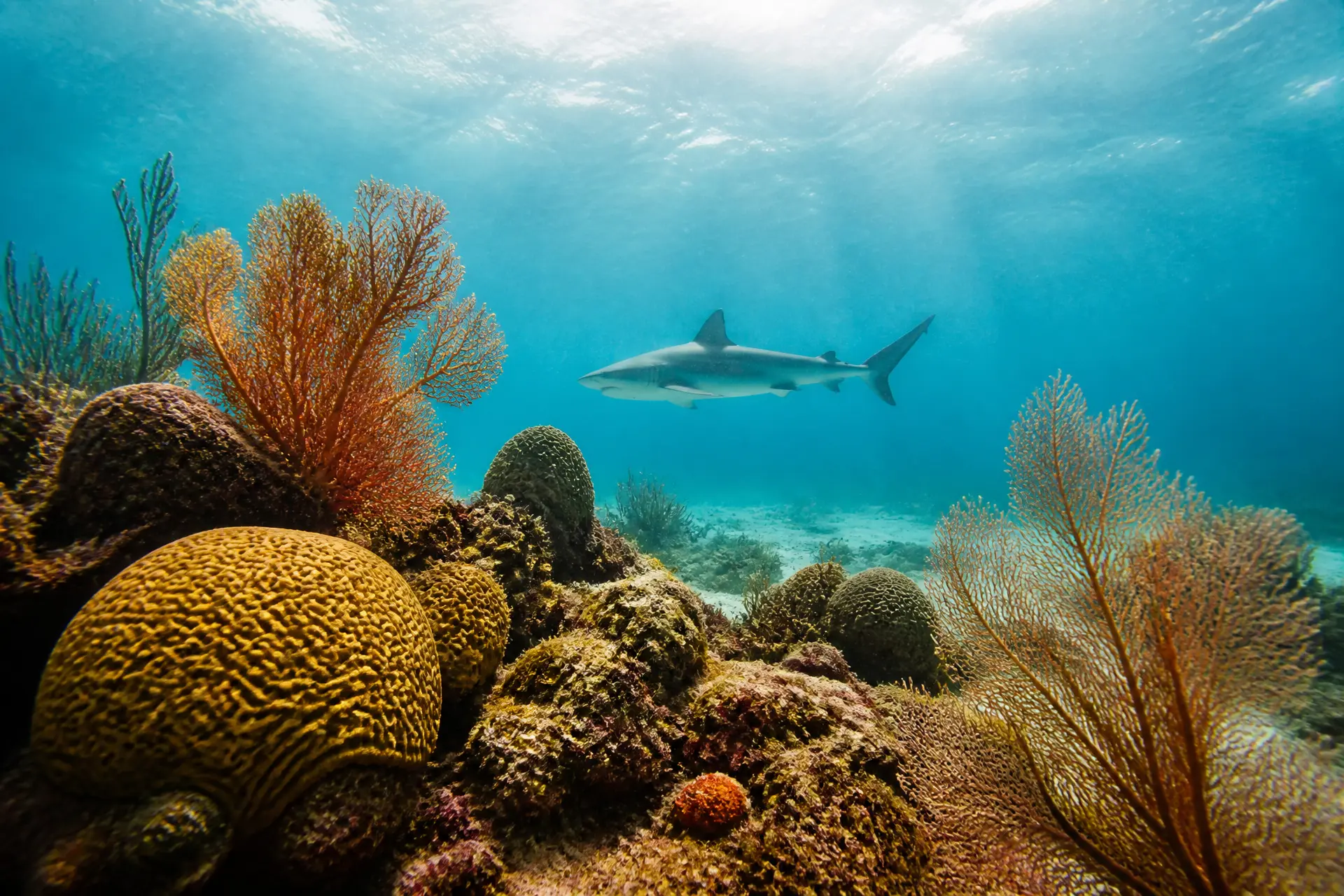
    Wrecks act as artificial reefs: schooling barracuda and snapper, reef sharks and rays, plus frogfish, nudibranchs and octopus in the structure.

  9. Respect & law

    Many wrecks are war graves or protected heritage sites — never remove artifacts, follow permit rules and dive with a licensed guide where required.

  10. Getting there

    Remote clusters like Truk Lagoon or the northern Red Sea are realistically only covered by liveaboard, with 3–4 wreck dives per day.

By country

Find your wrecks by country

Pick the country you have always dreamed of and see all wrecks waiting for you there.

Depths, currents, best season and the liveaboards that actually dive them — all in one place.

23 dive sites

Bahamas

avg 17 m · level Intermediate · current Mild

21 dive sites

Egypt

avg 35 m · level Advanced · current Strong

20 dive sites

Turkey

avg 34 m · level Intermediate · current Moderate

14 dive sites

Papua New Guinea

avg 29 m · level Intermediate · current Moderate

12 dive sites

Indonesia

avg 28 m · level Beginner · current Mild

11 dive sites

Philippines

avg 29 m · level Intermediate · current Mild

11 dive sites

Mexico

avg 22 m · level Advanced · current Strong

9 dive sites

Saudi Arabia

avg 30 m · level Intermediate · current Mild

9 dive sites

Maldives

avg 31 m · level Intermediate · current Strong

8 dive sites

St. Maarten

avg 18 m · level Beginner · current Strong

8 dive sites

Micronesia

avg 40 m · level Intermediate · current Mild

8 dive sites

Portugal

avg 22 m · level Intermediate · current Mild

8 dive sites

Honduras

avg 31 m · level Intermediate · current Moderate

7 dive sites

Solomon Islands

avg 34 m · level Advanced · current Mild

7 dive sites

Cuba

avg 26 m · level Advanced · current Moderate

5 dive sites

Thailand

avg 28 m · level Intermediate · current Strong

By region

Find your wrecks by region

Pick the region you have always dreamed of and see all wrecks waiting for you there.

Depths, currents, best season and the liveaboards that actually dive them — all in one place.

Wreck diving in the Caribbean62 dive sites

Caribbean

avg 22 m · level Intermediate · current Mild

Wreck diving in the Coral Triangle44 dive sites

Coral Triangle

avg 30 m · level Intermediate · current Mild

Wreck diving in the Red Sea & Arabia33 dive sites

Red Sea & Arabia

avg 34 m · level Advanced · current Strong

Wreck diving in the Mediterranean & Atlantic28 dive sites

Mediterranean & Atlantic

avg 31 m · level Intermediate · current Mild

Wreck diving in the Indian Ocean14 dive sites

Indian Ocean

avg 31 m · level Intermediate · current Strong

Wreck diving in the South Pacific11 dive sites

South Pacific

avg 37 m · level Intermediate · current Mild

Wreck diving in the Eastern Pacific6 dive sites

Eastern Pacific

avg 19 m · level Intermediate · current Moderate

Wreck diving in the Andaman Sea5 dive sites

Andaman Sea

avg 28 m · level Intermediate · current Strong

Wreck diving in the polar regions2 dive sites

Polar

avg 17 m · level Advanced · current Mild

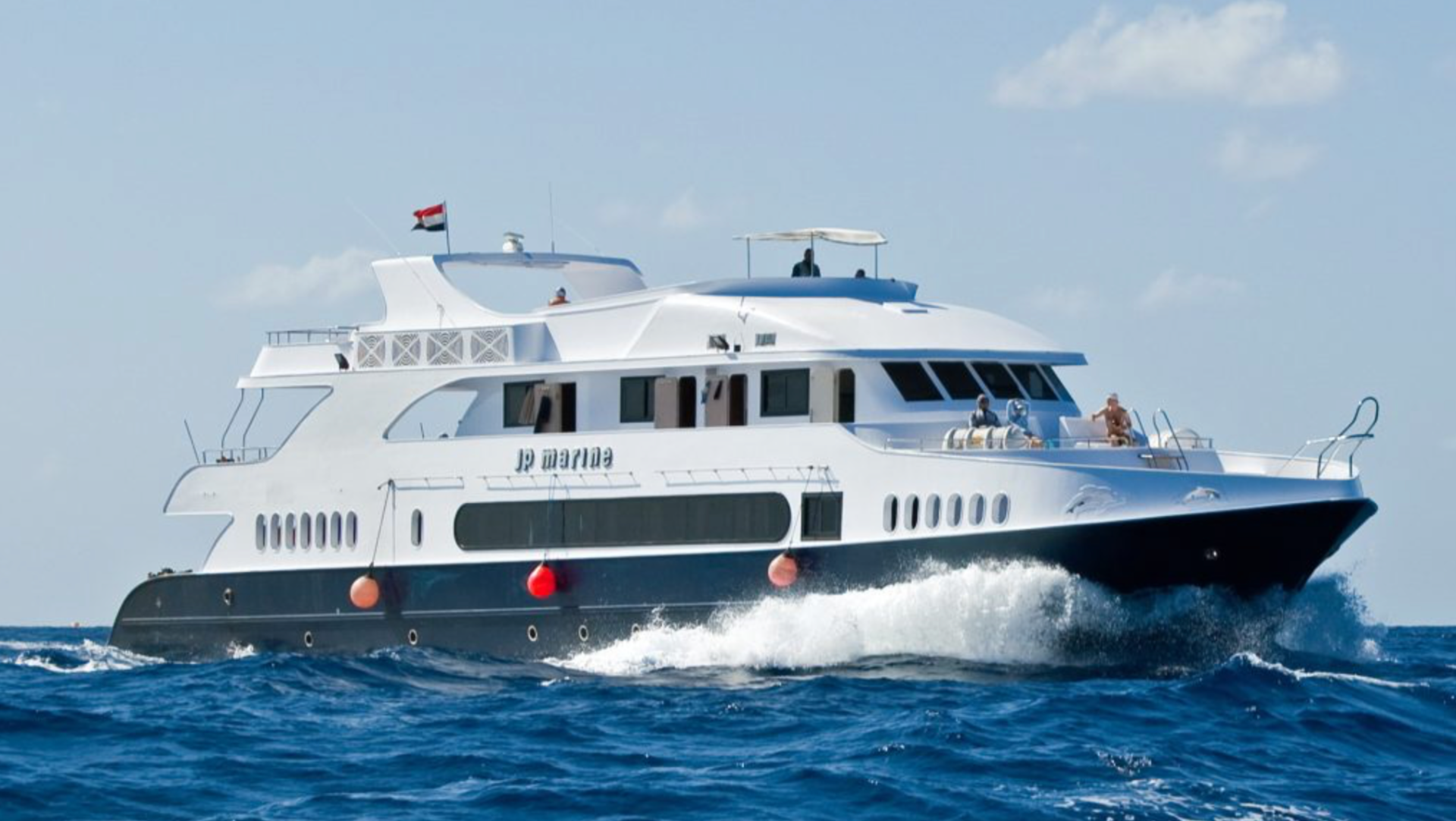
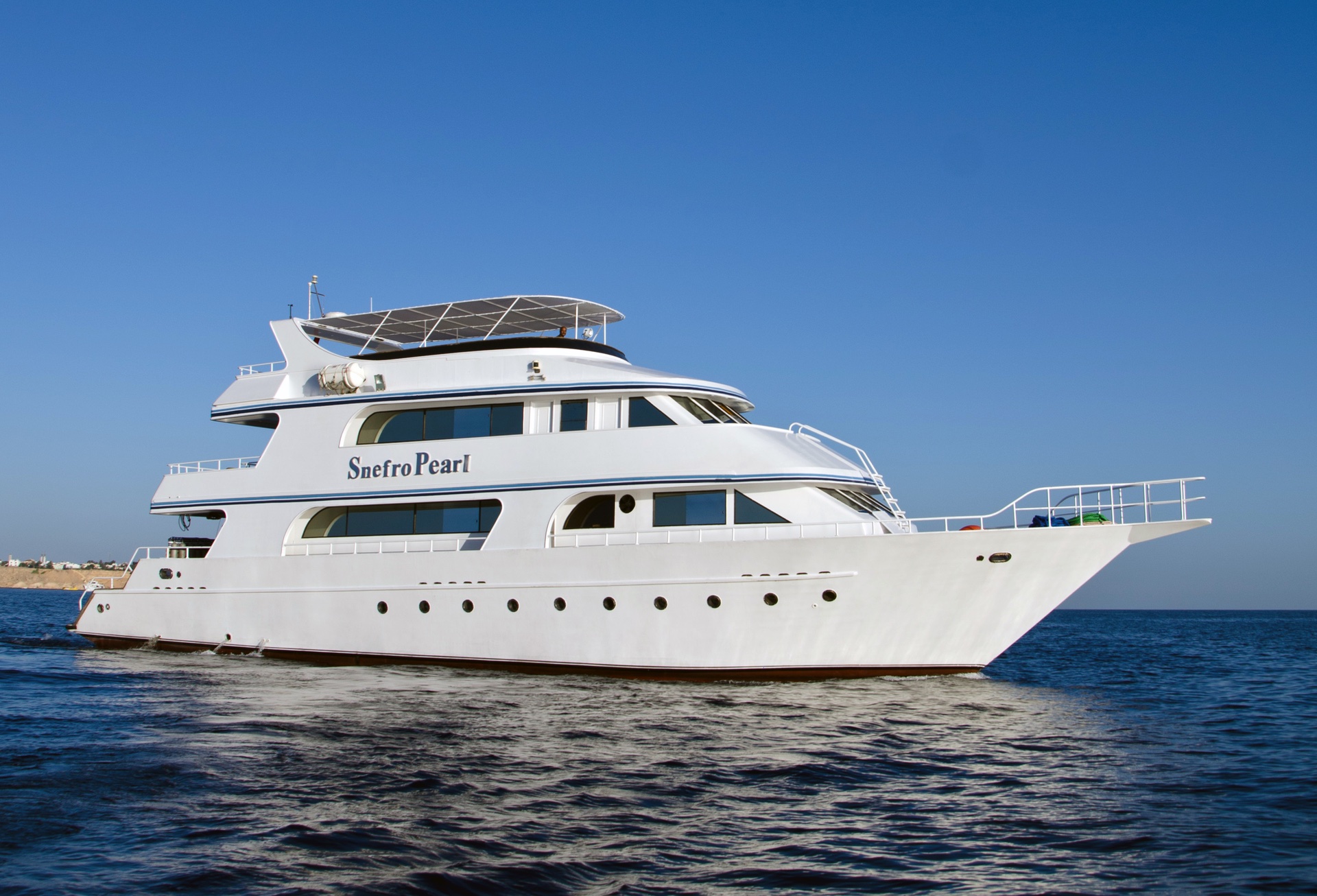
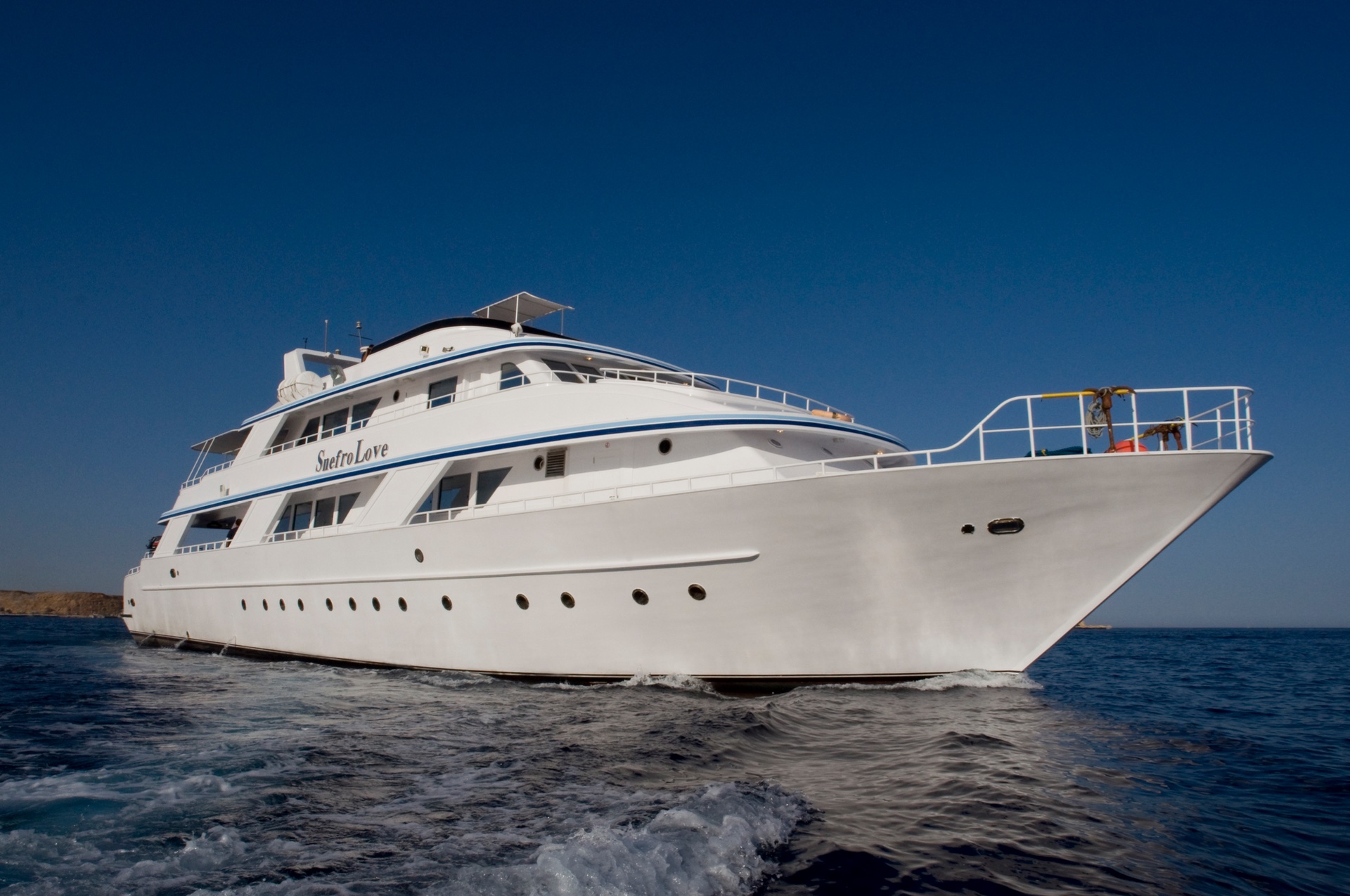
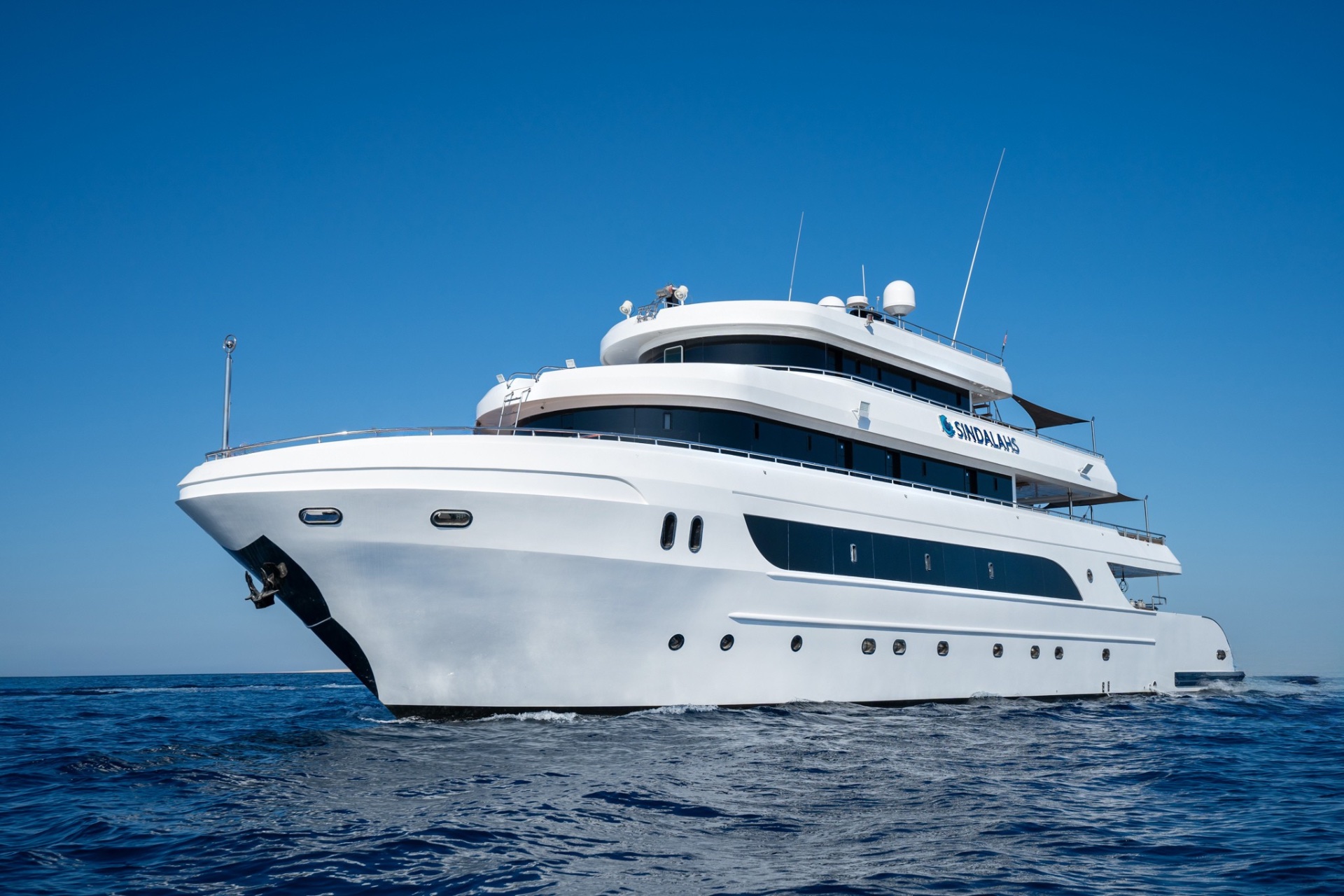
Liveaboards for Wreck diving

Search boats built around Wreck diving and compare departures.

FAQ

FAQ: Wreck diving

Do I need a wreck diving specialty?
For non-penetration wreck dives, Advanced Open Water is usually enough. If you want to swim inside the structure, a wreck specialty and experience with reels/lines are strongly recommended — and required by many operators.
How deep are the world's best wreck dives?
It varies enormously. Shore wrecks like the USAT Liberty sit at 5–30 m, while tech icons such as the San Francisco Maru start around 50–65 m. Always choose a site that matches your training and gas plan.
Can beginners go wreck diving?
Yes — many artificial reefs and shallow coastal wrecks are perfect for newer divers. Start with non-penetration, well-lit exterior dives and build experience before considering overhead environments.
What marine life lives on wrecks?
Over time, wrecks become artificial reefs. You can expect schooling snapper and barracuda, predators like reef sharks, rays passing by, plus macro subjects such as frogfish, nudibranchs and octopus in the nooks.
When is the best season for wreck diving?
It depends on the region. The Red Sea is great in spring and autumn, the Caribbean is best December–April, and Truk Lagoon is calmest December–June. Check the seasonal windows above before booking.
Are wreck dives only accessible by liveaboard?
Not always — many famous wrecks are shore or day-boat dives. But liveaboards unlock clusters of remote wrecks (for example Truk Lagoon or the northern Red Sea) and let you dive several in one trip.

Find liveaboards for Wreck diving

Search boats built around Wreck diving and compare departures.