About Toa Maru
The Toa Maru is a prominent Japanese transport ship sunk during WWII off Gizo in the Solomon Islands' Western Province. At approximately 140 meters long, it offers a substantial wreck dive, ranked among the world's best. The ship rests on its starboard side in a sheltered bay, allowing for exploration within recreational dive limits. Originally carrying various supplies, the wreck now showcases artifacts such as fuel drums, timber, trucks, bags of cement, sake bottles, steel girders, ammunition, and even a two-man tank. These items are scattered both inside and around the vessel, providing a rich historical tapestry. The Toa Maru is a vibrant artificial reef, attracting a wide array of marine life including turtles, rays, and occasional sharks. Its clear waters and diverse ecosystem make it an excellent site for underwater photography. The site's conditions are generally favorable year-round, with warm water temperatures and good visibility. Diving the Toa Maru typically involves exploring from the stern towards the bow, navigating through crew quarters and dining areas. The wreck's depth range makes it accessible for various certification levels, though its vastness and interior penetration opportunities are particularly appealing to experienced wreck divers.
Highlights
WWII Japanese transport ship140-meter lengthIntact two-man tankSake bottles cargoFuel drums and trucksVibrant artificial reefAccessible interior sectionsHistorical artifacts
Season calendar
Best months to dive here
Jan
Feb
Mar
Apr
May
Jun
Jul
Aug
Sep
Oct
Nov
Dec
Excellent
Good
Dive site facts: Toa Maru
- Depth
- 12–38 m
- Current
- Mild
- Visibility
- 20–30 m
- Water temperature
- 27–31 °C
- Entry
- Boat / Tender
- Level
- Open Water Diver, Wreck specialty recommended
- Dive type
- Wreck, Historical, Reef
- Region / port
- Gizo, Western Province
- Coordinates
- -8.0833, 156.8333
Conditions & Currents
Currents at the Toa Maru are generally mild, especially within the sheltered bay where the wreck rests. This makes for a comfortable dive experience, allowing ample time for detailed exploration of the ship's structure and cargo. Visibility is typically good, often exceeding 20 meters, though it can fluctuate with weather patterns and tidal movements. Entry and exit are usually managed from a tender boat, with divers descending directly onto the wreck. The relatively calm conditions and clear waters make the site suitable for divers to focus on buoyancy control, essential for navigating around the historical artifacts and within the wreck's interior.
Marine life & sighting chances

Green Sea Turtle
occasional
Stingray
occasional
Reef Shark
occasional
Schooling Snapper
common
Barracuda
occasional
Fusilier
common
Anemonefish
common
Butterflyfish
common
Angelfish
common
Sponge
common
Gorgonian Coral
commonDive profile & how the dive runs
Your dive at the Toa Maru typically begins by descending to the stern, which lies at approximately 30 meters. From here, you'll trace the length of the 140-meter vessel, which rests on its starboard side. The route leads towards the bow, gradually ascending to shallower depths. Along the way, explore the open cargo holds where you can spot trucks, cement bags, and even sake bottles. Interior penetration into the crew quarters and dining areas is possible for appropriately trained divers. The turn point is usually dictated by air consumption and bottom time, often around the ship's midsection or bow. Your safety stop will be conducted in the shallower parts of the wreck or along the adjacent reef structure, allowing you to observe smaller reef fish and corals before ascending to the surface.
Underwater photography
The Toa Maru offers exceptional opportunities for both wide-angle and macro photography. Use a wide-angle lens to capture the impressive scale of the wreck, including its full length, the intact tank, and the various cargo items like trucks and fuel drums. Natural light filtering into the shallower sections and through openings provides dramatic effects, especially when capturing divers exploring the interior. For macro enthusiasts, the wreck's surfaces are covered in corals and marine growth, hosting a variety of small reef inhabitants and nudibranchs. External strobes are beneficial for illuminating the darker areas and bringing out the vibrant colors of corals and fish. Maintain excellent buoyancy to avoid stirring up silt and to protect the historical artifacts and delicate marine life.
Combine with nearby dive sites
- Grumman Hellcat Wreck
Shallow WWII fighter plane wreck, ideal for both diving and snorkeling.
- Leru Cut
A unique canyon dive with stunning light shafts and a diverse wall outside.
- Twin Tunnels
Volcanic lava tubes leading to a deep coral wall with abundant fish life.
- Njari Island - Manta Point
Known for manta ray sightings.
Getting there & logistics
Access to the Toa Maru typically involves flying into Honiara International Airport (HIR) or Munda International Airport (MUA). From Honiara, domestic flights or liveaboard services connect to Gizo, the nearest town to the dive site. Munda also offers direct flights from Brisbane and twice-daily connections to Honiara. Liveaboards like the Bilikiki or Solomons Master often include Gizo and its wrecks in their itineraries, offering multi-day trips that combine various dive sites across the Western Province. Day trips from Gizo-based dive operators are also common. While specific park fees for Toa Maru are not detailed, general dive operations in the Solomon Islands usually cover permits as part of their package.
Safety & environment
Diving the Toa Maru requires careful attention to safety protocols due to the nature of wreck diving and potential for interior penetration. Divers should be appropriately certified for wreck diving if they plan to enter overhead environments. The nearest recompression chamber is likely in Honiara, underscoring the importance of conservative dive planning and reliable dive insurance that covers emergency medical evacuation. Evacuation from Gizo to Honiara would typically involve local flights or sea transport, which can be limited. Always dive with a reputable local operator and ensure your equipment is in excellent condition. Adhere to all guide instructions, maintain neutral buoyancy to prevent damage to the wreck and marine life, and never remove artifacts from the site.
Who it suits — and who it doesn't
Suited for
- Experienced wreck divers
- Underwater photographers
- History enthusiasts
- Divers seeking unique artifacts
- Advanced Open Water Divers
Less suited for
- Beginner divers without supervision
- Divers uncomfortable with confined spaces
- Divers without wreck specialty training for penetration
- Those uninterested in historical sites
FAQ
Toa Maru FAQ
What kind of artifacts can be seen on the Toa Maru?
The Toa Maru holds a remarkable collection of cargo, providing a unique glimpse into WWII supply efforts. Divers can expect to see fuel drums, timber, various trucks, bags of cement, and even bottles of sake. Additionally, military equipment such as ammunition and an intact two-man tank are notable features, offering significant historical context to the dive.
Is interior penetration possible on the Toa Maru?
Yes, interior penetration is possible on the Toa Maru for appropriately trained and certified wreck divers. The wreck's intact structure allows access to areas like the crew quarters and dining areas. Divers planning to enter overhead environments should possess the necessary skills, equipment, and experience, and always dive with a qualified guide.
What is the general condition of the wreck?
The Toa Maru is remarkably intact, lying on its starboard side in a sheltered bay. While showing signs of its wartime sinking and subsequent time underwater, its structure is largely preserved. This good condition allows for extensive exploration of its exterior and interior, and supports a thriving artificial reef ecosystem on and around the ship.
What marine life can be observed at the Toa Maru?
Beyond its historical significance, the Toa Maru is a vibrant habitat for marine life. Divers frequently encounter green sea turtles, various species of rays, and occasional reef sharks patrolling the wreck. The corals and sponges that have colonized the ship's surfaces attract schooling snappers, barracuda, fusiliers, and a diverse array of colorful reef fish like anemonefish, butterflyfish, and angelfish.
How deep is the Toa Maru wreck?
The Toa Maru rests within recreational dive limits, with its deepest parts reaching approximately 38 meters. Divers typically start their descent towards the stern at around 30 meters, gradually working their way towards the bow which lies in shallower sections. This depth profile makes it accessible for Open Water divers, though advanced certifications are beneficial for maximizing exploration.
Why dive Toa Maru from a liveaboard?
Toa Maru is one of Solomon Islands's signature dive sites. A liveaboard sleeps you on the water and puts you in the water for three to four guided dives per day, including dawn and night dives that day-boat operators rarely offer. You skip the daily commute back to port and reach quieter, less-crowded sites in the same region on a single trip.
Below are the liveaboards that include Toa Maru on their Solomon Islands itineraries.
Liveaboards diving Toa Maru
These liveaboards may visit Toa Maru on selected itineraries — the exact dive sites depend on departure, weather and conditions.
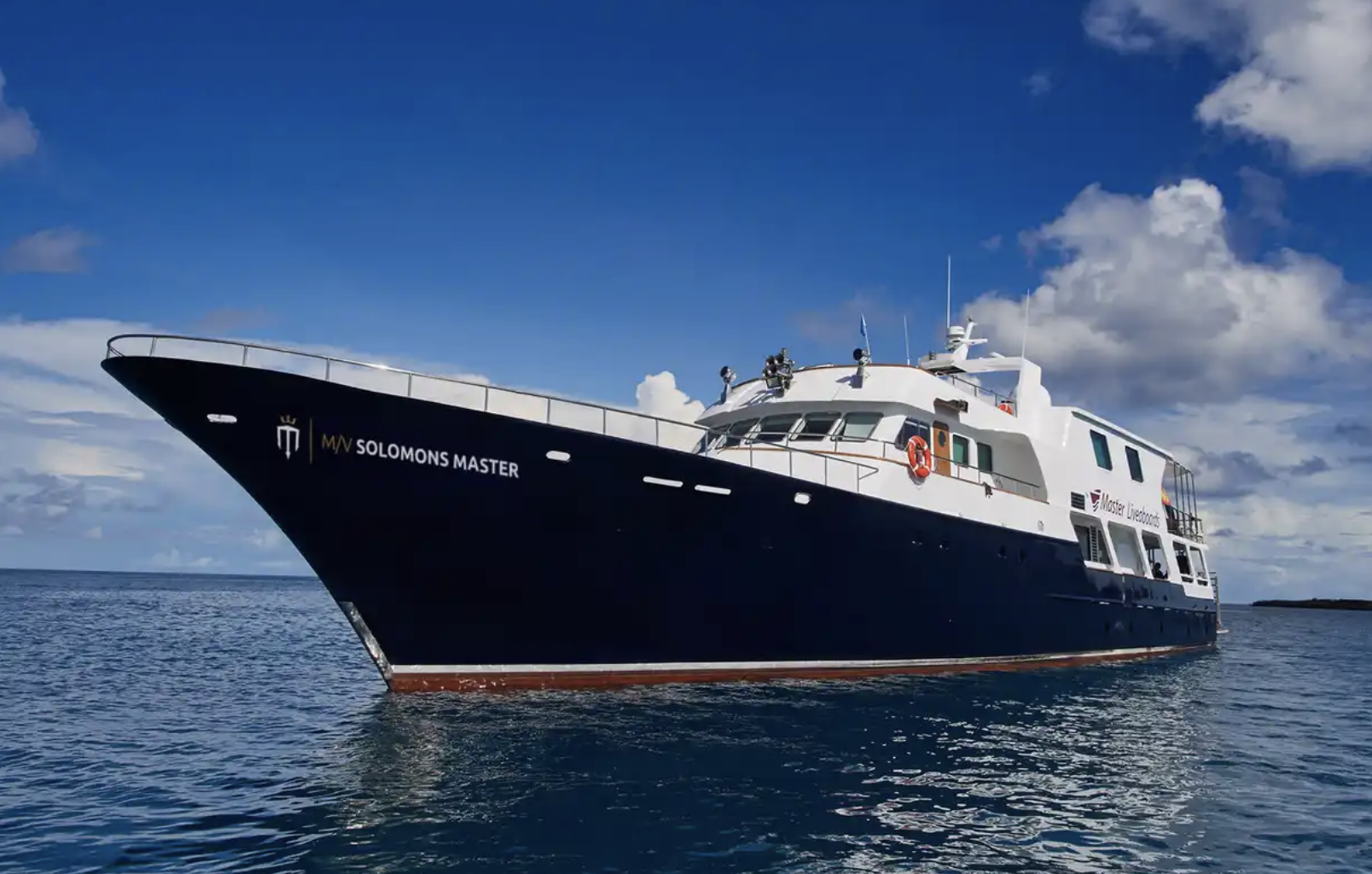
Solomons Master
Solomon Islands
16 guests
$401/day
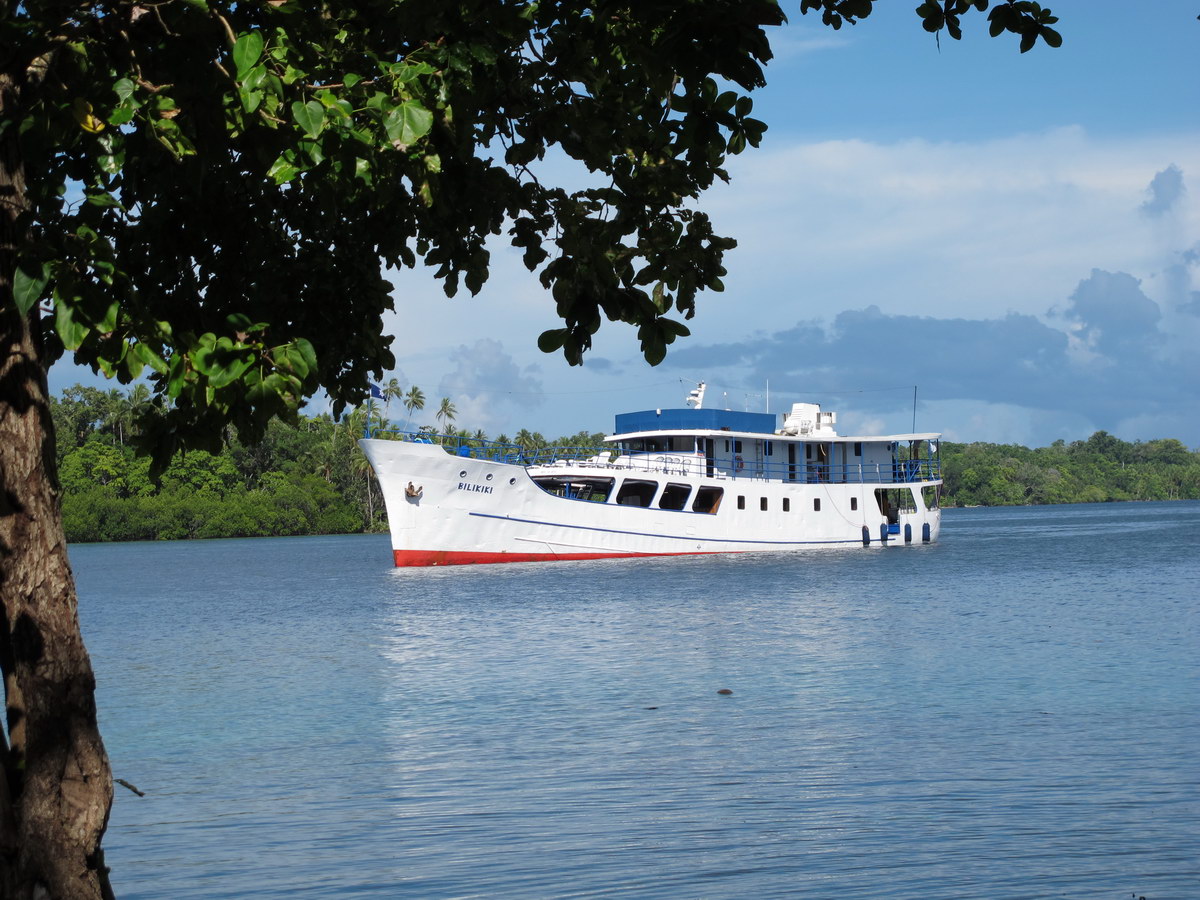
Emperor Bilikiki
Solomon Islands
20 guests38 m
$561/day
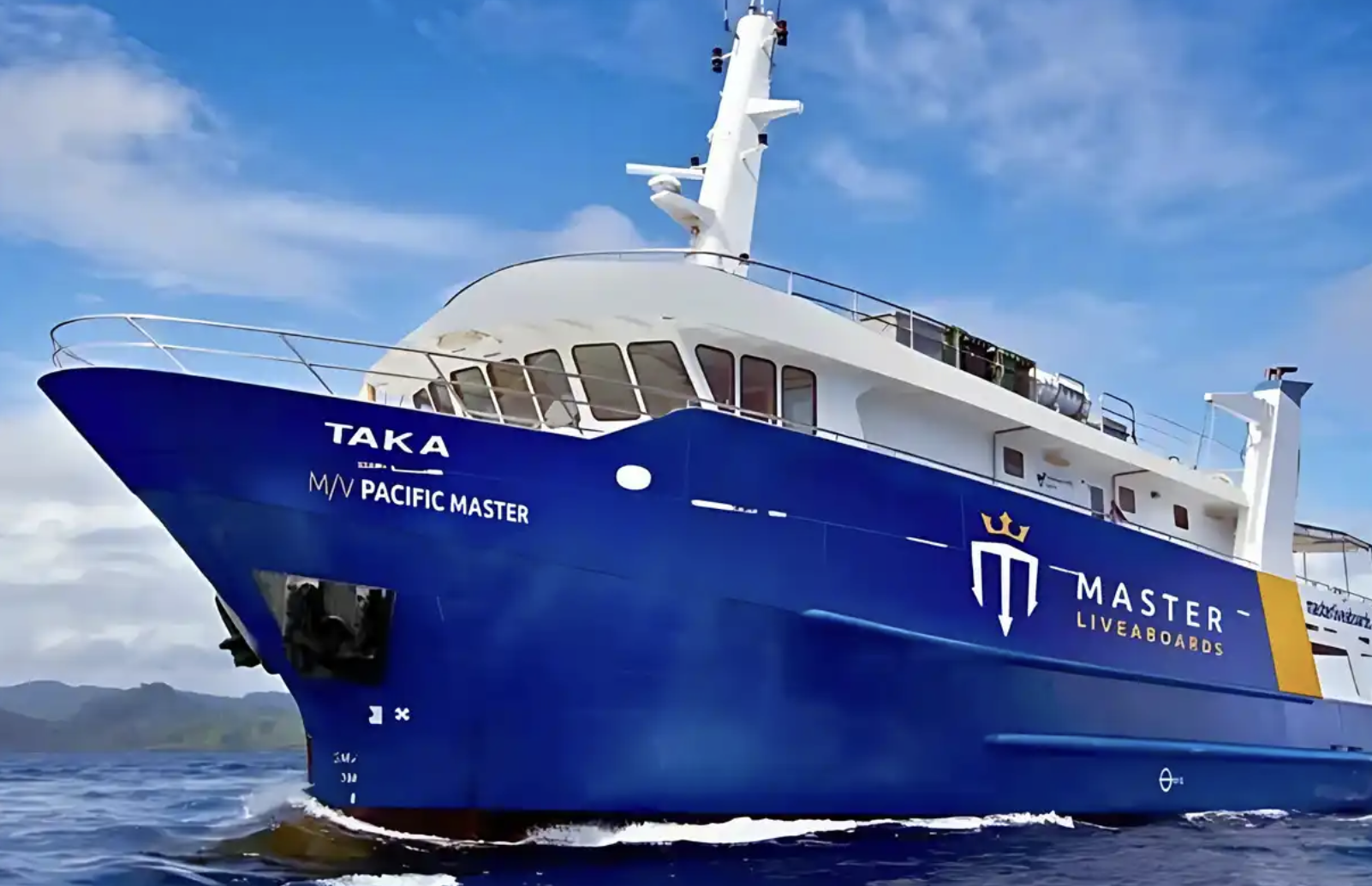
Pacific Master
Solomon Islands
20 guests30 m
$268/day
Dive sites similar to Toa Maru
Same character, same waters — six more sites divers love for the exact same reasons.Compare seasons, access and liveaboard routes — then pick the site that fits your trip best.
© Esri — Maxar, Earthstar, GIS
Grumman Hellcat Wreck
Solomon Islands
The Grumman Hellcat Wreck offers a fascinating and easily accessible glimpse into World War II history beneath the waves of the Solomon Islands.
- Suitable for
- Beginner
- Current
- Mild
- Access
- Dayboat
- Depth
- 9–10 m
- Theme
- Wreck
© Esri — Maxar, Earthstar, GIS
P-39 Airacobra Wreck
Solomon Islands
The P-39 Airacobra Wreck offers a unique connection to the Pacific War, providing a poignant and historically significant dive experience in the Solomon Islands.
- Suitable for
- Advanced
- Current
- Mild
- Access
- Liveaboard only
- Depth
- 20–30 m
- Theme
- Wreck
© Esri — Maxar, Earthstar, GIS
Bonegi I & II
Solomon Islands
Bonegi I (Hirokawa Maru) and Bonegi II (Kinugawa Maru) are two Japanese transport ships resting off Guadalcanal's northwestern coast, approximately 12 kilometers west of Honiara.
- Suitable for
- Intermediate
- Current
- Mild
- Access
- Shore / dayboat
- Depth
- 3–55 m
- Theme
- Wreck
© Esri — Maxar, Earthstar, GIS
Honiara - Iron Bottom Sound
Solomon Islands
Iron Bottom Sound, located between Guadalcanal, Tulagi, and the Florida Islands, is a legendary dive destination named for the vast amount of World War II wreckage that sank during the 1942-43 Guadalcanal Campaign.
- Suitable for
- Advanced
- Current
- Strong
- Access
- Shore / dayboat
- Depth
- 15–40 m
- Theme
- Wreck
© Esri — Maxar, Earthstar, GIS
White Beach WWII Dump Site
Solomon Islands
White Beach in the Solomon Islands offers a unique dive experience, serving as both a historical monument and a thriving artificial reef.
- Suitable for
- Beginner
- Current
- Mild
- Access
- Liveaboard only
- Depth
- 12–37 m
- Theme
- Wreck
© Esri — Maxar, Earthstar, GIS
White Beach
Solomon Islands
White Beach is located off Hanasivi Island, Russell Islands, Solomon Islands, and was an American military base during WWII where troops pushed equipment into the sea upon departure.
- Suitable for
- Intermediate
- Current
- Mild
- Access
- Liveaboard or dayboat
- Depth
- 5–29 m
- Theme
- Muck diving / Reef