Coral in its natural habitat — diving encounters and best destinations

Anthozoa

Coral

Varies from centimetres to metres
Colonies can live hundreds to thousands of years
Many species Vulnerable or Endangered
About

Coral

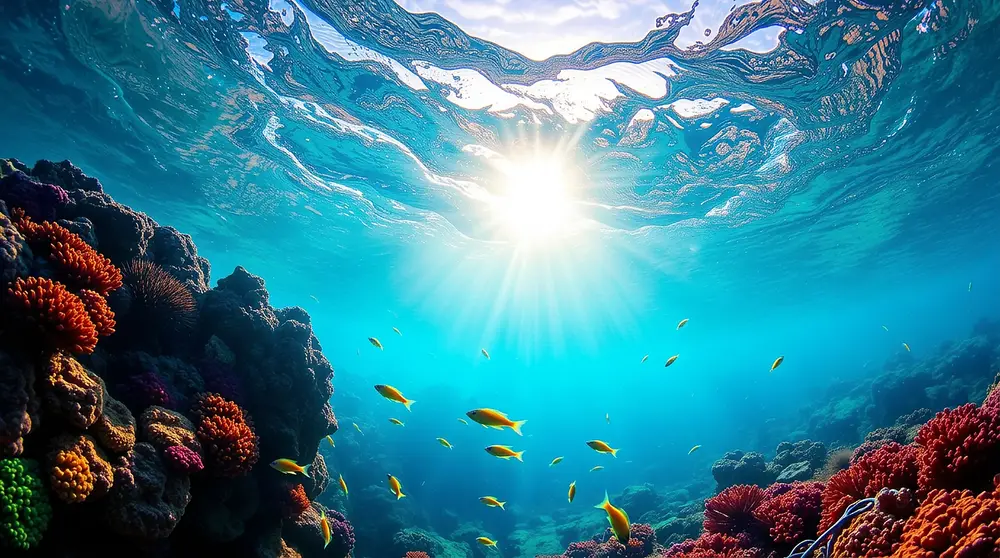
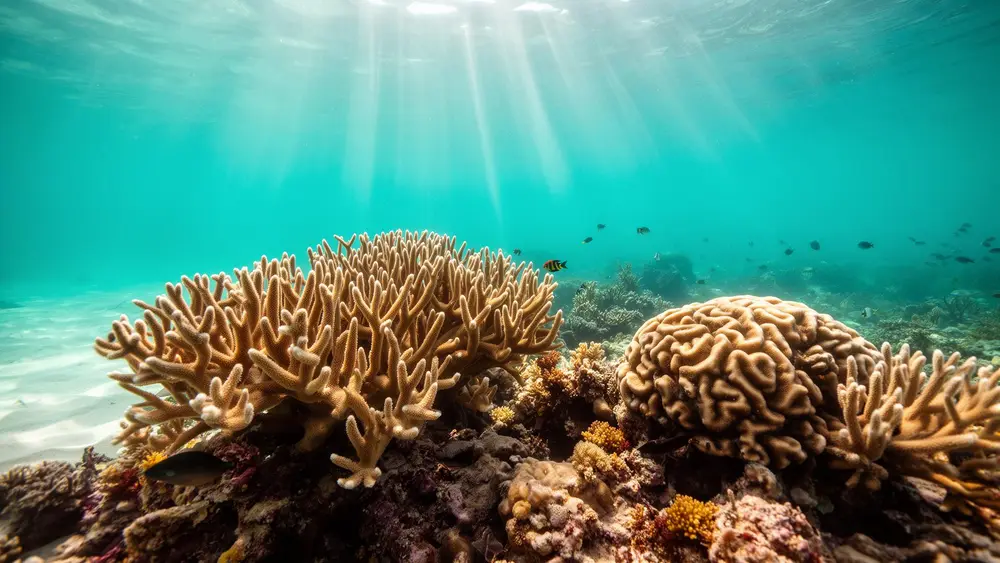
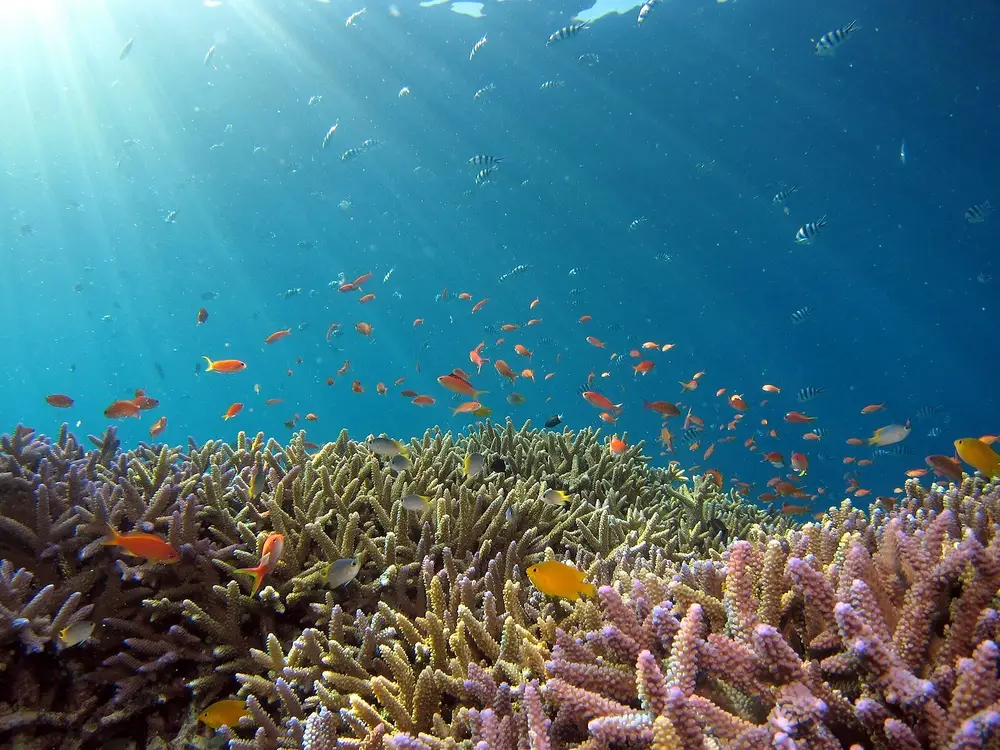
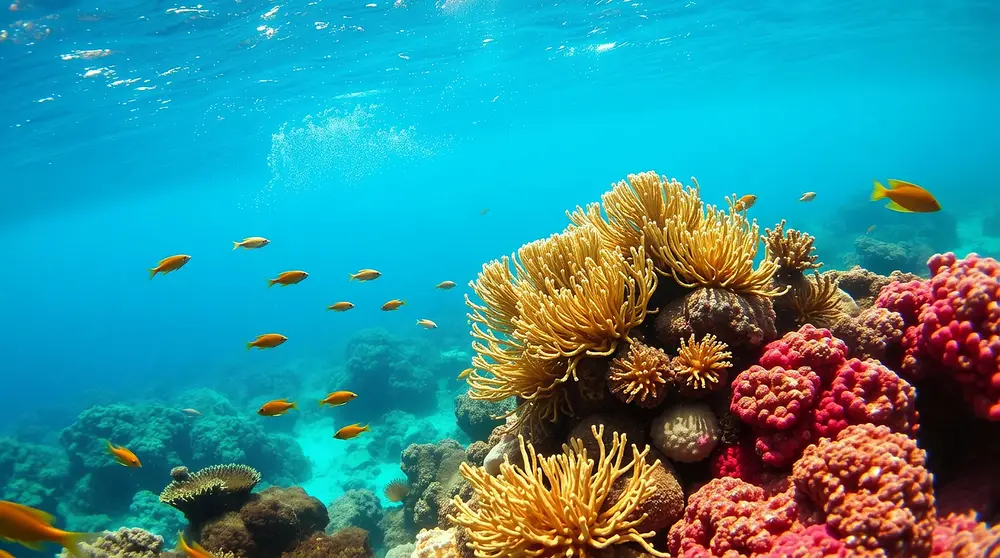
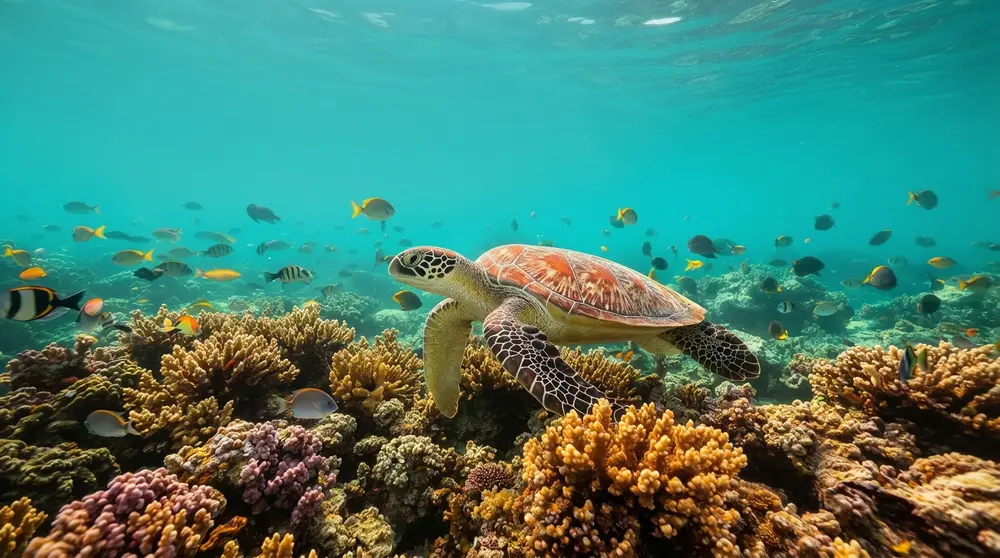
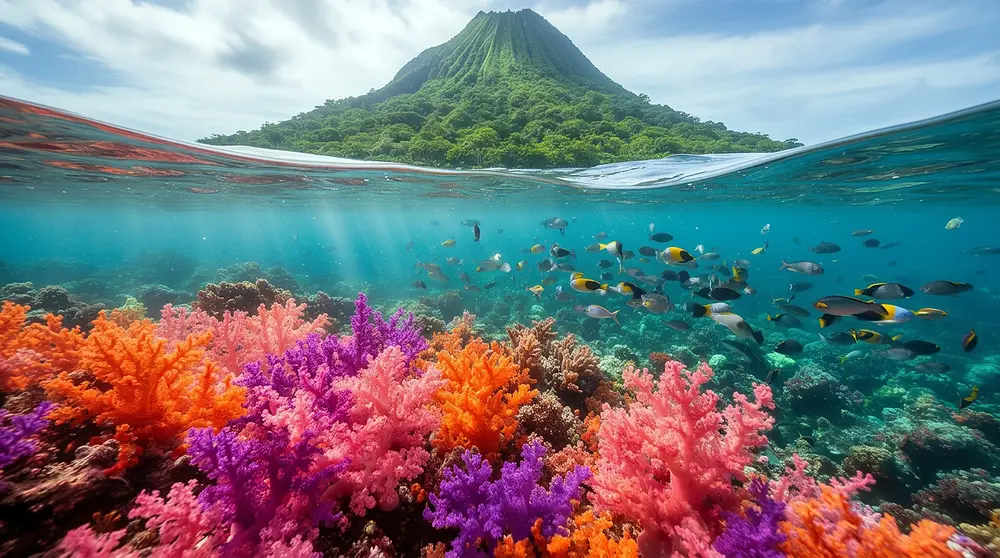
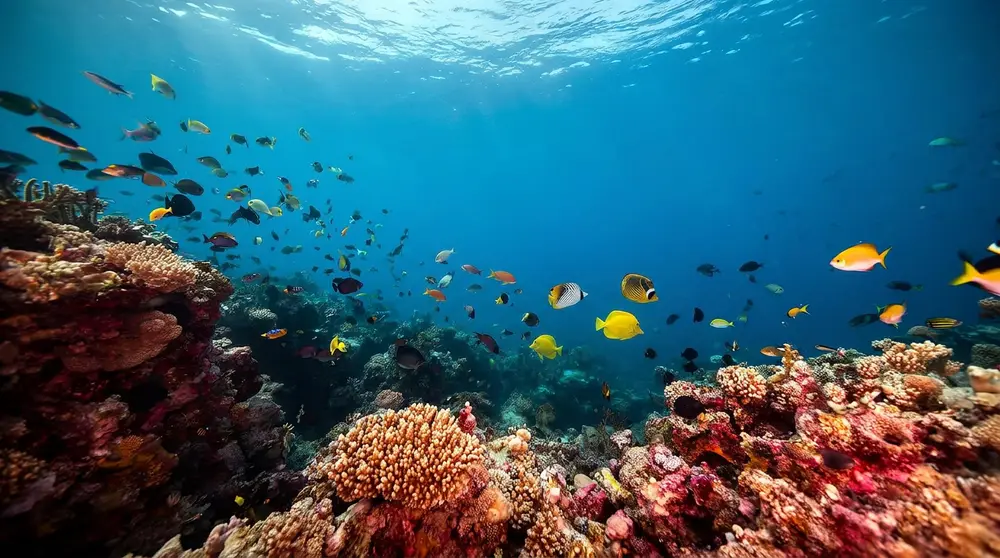
Among the ocean’s most captivating invertebrates, Anthozoa, commonly known as corals, are not single organisms but complex colonies of tiny polyps, each a marvel of biological engineering. Their appearance is extraordinarily diverse, ranging from the intricate, stony structures of reef-building species that mimic brains or elk antlers, to the graceful, swaying fronds of soft corals that resemble underwater trees or colourful fans. Hard corals, the architects of vibrant underwater cities, possess a rigid calcareous skeleton, their individual polyps typically small and retracting into protective cups. These vary immensely in form, from delicate branching species to robust, massive domes. Soft corals, conversely, lack this solid skeleton, their polyps embedded in a fleshy, often leathery matrix supported by microscopic calcium carbonate spicules, lending them a flexible, often tree-like or fan-shaped appearance. Their colours are spectacular, a dazzling palette created by the zooxanthellae within their tissues, as well as pigments in the polyps themselves, offering visual feasts for any diver. The behaviour of these sessile creatures is primarily focused on feeding and growth. While appearing static, coral polyps are constantly at work, extracting calcium and carbonate ions from the seawater to build their skeletal homes, a process that, over millennia, constructs entire reef systems. Their feeding is a fascinating dual strategy. Most reef-building species host microscopic algae called zooxanthellae within their tissues, which photosynthesise and provide the coral with vital nutrients – a symbiotic relationship crucial to the health of tropical reefs. However, polyps also actively extend their nematocyst-laden tentacles, particularly at night, to capture tiny planktonic organisms drifting in the currents. This nocturnal feeding often transforms the appearance of a reef, with millions of translucent tentacles emerging to create a softer, fuzzier landscape. Socially, corals operate as highly integrated colonies, with individual polyps genetically identical and connected by a thin layer of tissue that allows for nutrient sharing. This communal structure is key to their success. Reproduction in these animals is equally complex, involving both asexual budding, which allows colonies to grow and repair themselves, and sexual reproduction. Sexual reproduction typically involves broadcast spawning, where colonies release millions of eggs and sperm into the water column simultaneously, often triggered by lunar cycles. This synchronised release dramatically increases the chances of successful fertilisation and dispersal of larvae, which eventually settle on suitable substrates to start new colonies. Ecologically, corals are fundamental to marine biodiversity. Hard corals form the structural backbone of coral reefs, which are among the most biodiverse ecosystems on Earth, providing habitat, shelter, and foraging grounds for countless fish species, crustaceans, molluscs, and other invertebrates. Soft corals, while not building massive structures, add significant three-dimensional complexity and food sources within these environments. They act as nurseries for juvenile fish, protection from predators, and natural breakwaters, protecting coastlines from erosion. Their health is inextricably linked to the well-being of the wider marine environment, underpinning entire food webs. For divers, encountering corals is a cornerstone of almost every tropical liveaboard experience. Hard corals thrive in warm, shallow, sunlit tropical and subtropical waters, typically between 23-29°C, at depths down to about 40 metres where light penetration is sufficient for their symbiotic algae. These are the architects of the iconic reefs found across the Indo-Pacific and Caribbean. Soft corals are more widespread and tolerant of lower light conditions, often found in deeper waters or on reef slopes and walls where hard corals cannot dominate, adding vibrant splashes of colour to darker recesses. Divers will typically see them adhering to rocky substrates, covering vast expanses of seafloor, or adorning vertical walls. To truly appreciate their feeding behaviour, night dives are highly recommended, offering a glimpse into their active plankton-capturing world. When diving amongst these incredible organisms, maintaining excellent buoyancy control is paramount, as accidental contact can cause irreversible damage to their delicate structures. Observing corals from a respectful distance allows for an appreciation of their intricate beauty without disturbance. The conservation status of corals varies significantly by species and region; unfortunately, many reef-building corals are facing threats from climate change, ocean acidification, and local anthropogenic pressures, making every responsible dive an act of appreciation for these vital marine architects.
Size

Varies from centimetres to metres (colony size)

Weight

Varies by colony (sessile organisms)

Lifespan

Colonies can live hundreds to thousands of years

Status

Many species Vulnerable or Endangered

Where to Find Them

Best Diving Locations

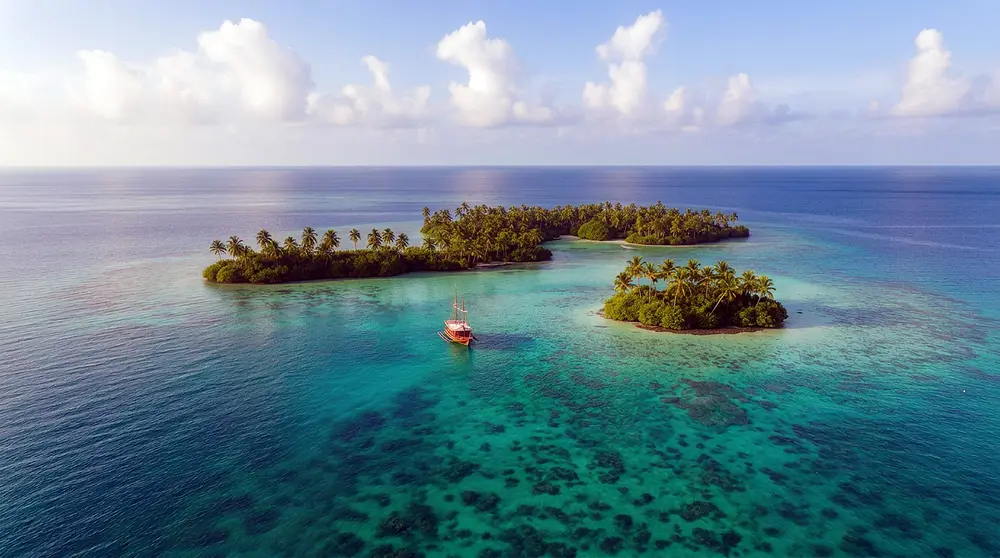
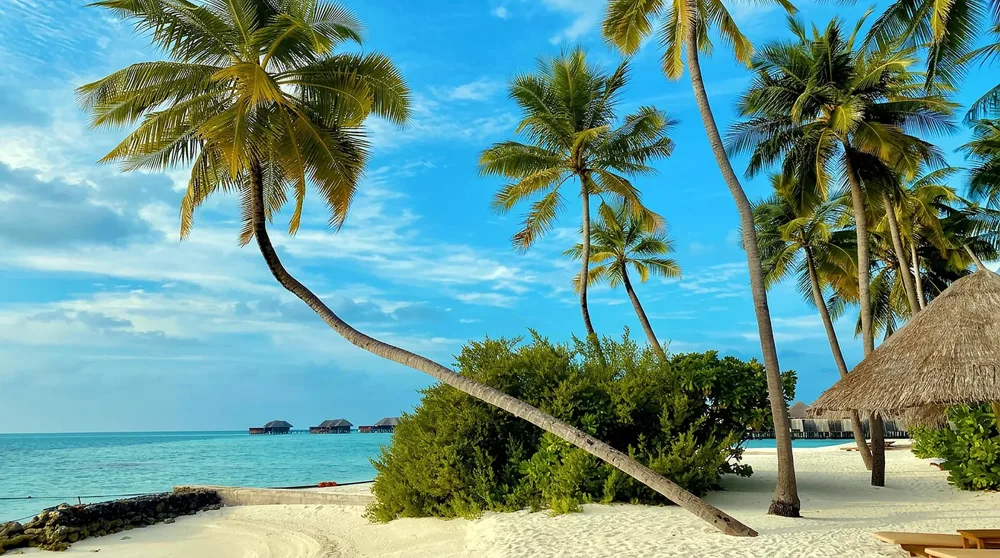
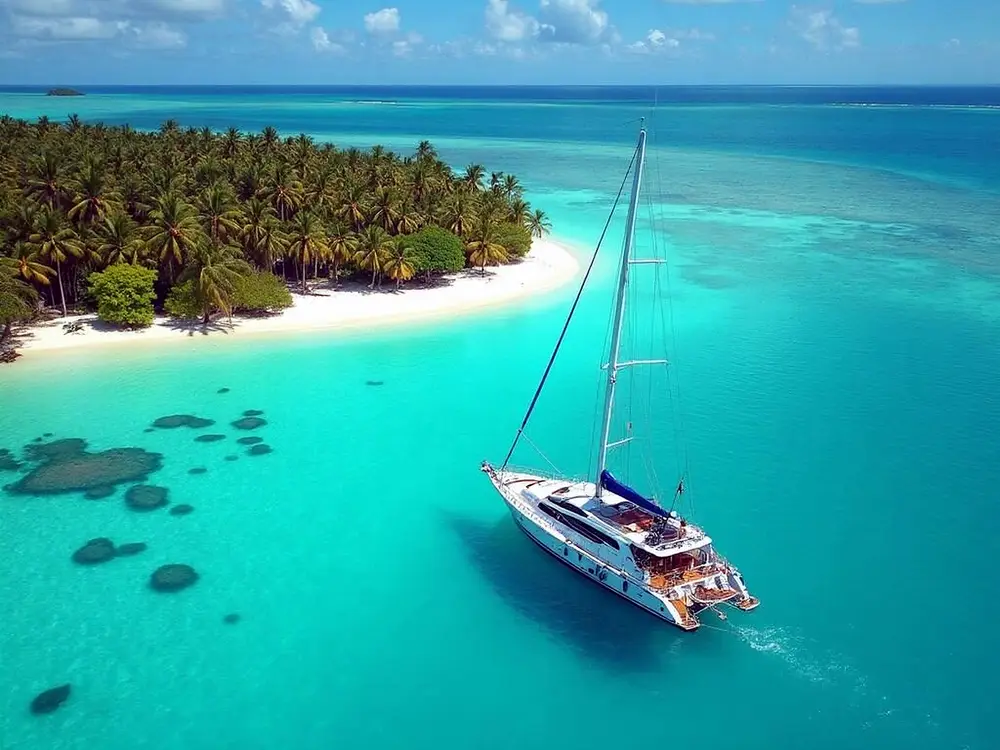
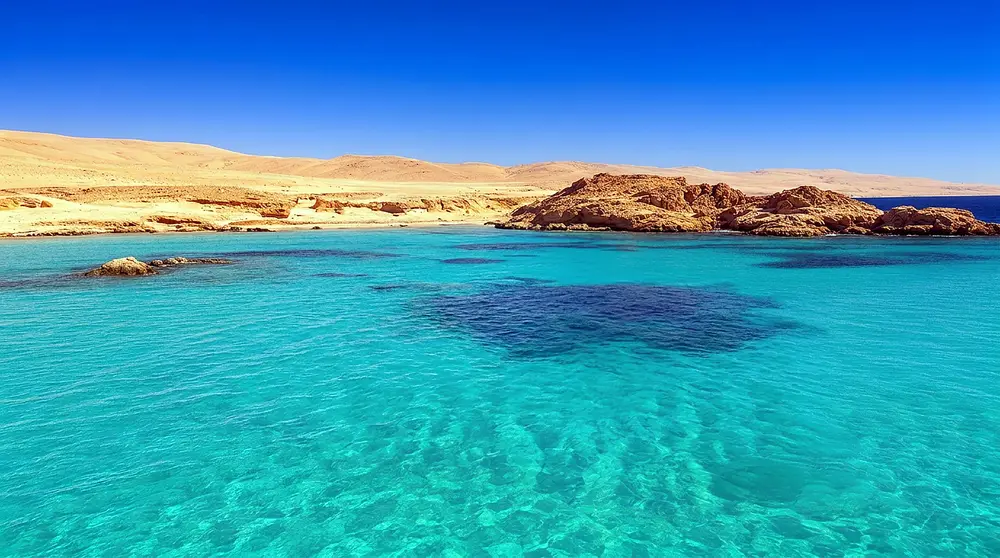
Andros Barrier Reef, BahamasExuma Cays Land & Sea ParkGreat Barrier Reef, AustraliaRed Sea, EgyptMaldivesRaja Ampat, IndonesiaFijiBelize Barrier ReefCaribbean Wide

Diving Tips

When diving around corals, buoyancy control is paramount to ensure you do not make contact with these delicate, living organisms. Maintain a safe distance and avoid brushing against any coral, as even a slight touch can damage their protective mucus layer or break polyps, potentially leading to disease or death. Divers should practice a finning technique that keeps their fins elevated and away from the reef, such as a frog kick. Never stand, kneel, or rest on corals; if you need to stabilize yourself, find a sandy patch or a non-living rock. Identifying healthy versus stressed corals can be a useful skill: vibrantly colored corals usually indicate health, while bleached (white) or pale corals are under stress. For spotting specific coral species, look for unique growth patterns like brain coral's convoluted surface, staghorn coral's branching structure, or the rhythmic pulsing of certain soft corals like gorgonians or sea fans. Be aware of local regulations; many marine parks have strict no-touching and no-collecting rules. Always dive with reef-safe sunscreen to prevent harmful chemicals from entering the water and impacting coral health. Ethical diving dictates leaving only bubbles and taking only photographs, ensuring these fragile ecosystems remain pristine for future generations. Never feed fish or marine life near corals, as this disrupts their natural foraging behaviors and can lead to imbalances within the reef ecosystem. Staying in marked channels and following dive guide instructions are also crucial for reef preservation.

Best Season

The best seasons to observe corals generally align with periods of calm seas, good visibility, and warm water temperatures, though specific timing varies significantly by region. For the Caribbean, the months of May to November are excellent, offering warm waters and generally clear conditions, though divers should be mindful of hurricane season from June to November. The Red Sea experiences its peak diving season from March to May and again from September to November, with optimal water temperatures and minimal wind. In the vast Coral Triangle region, encompassing countries like Indonesia (e.g., Raja Ampat, Komodo) and the Philippines (e.g., Tubbataha Reef), diving is generally excellent year-round, but the dry seasons from April to October often provide the calmest conditions and best visibility. Australia’s Great Barrier Reef is best visited during its dry season, typically from May to October, when water temperatures are comfortable and cyclone activity is low. While corals themselves are always present, these seasons offer the most comfortable and rewarding conditions for divers to explore these vibrant ecosystems.

Habitat

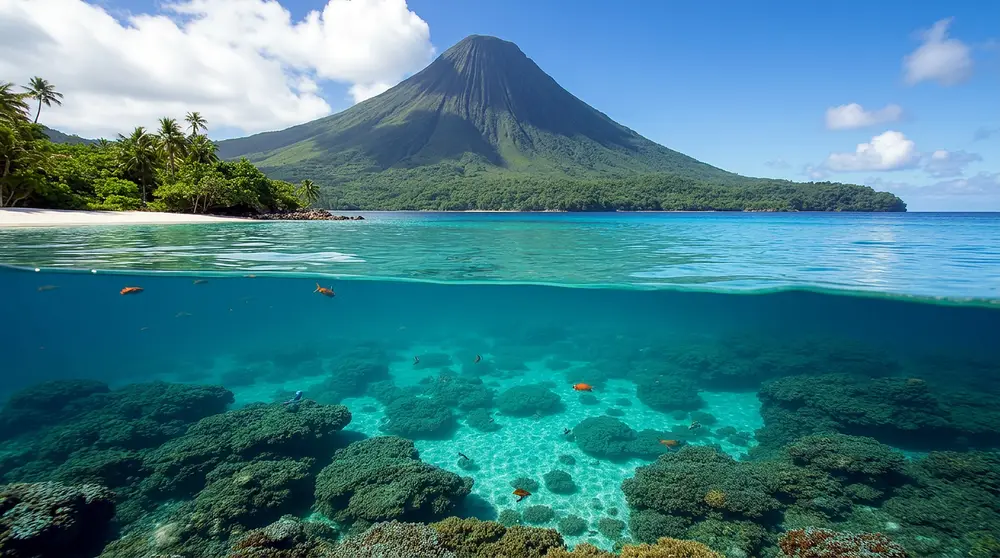
Corals, members of the class Anthozoa, exhibit a remarkable diversity in their habitats, fundamentally categorizing into hard corals (Scleractinia) that build reefs and soft corals (Alcyonacea) that often adorn them. Hard corals thrive in warm, shallow, sunlit tropical and subtropical waters, typically between 23-29°C (73-84°F), at depths from the surface down to about 40 meters (130 feet) where light penetrates for their symbiotic zooxanthellae. Iconic examples of reef-building coral habitats include the Great Barrier Reef in Australia, the Coral Triangle spanning Indonesia, the Philippines, Papua New Guinea, and the Solomon Islands, and the vast reef systems of the Caribbean Sea, particularly around destinations like Belize, the Florida Keys, and Bonaire. Soft corals are more widespread and tolerant of lower light conditions, often found in deeper waters or on reef slopes and walls where hard corals cannot dominate. They adorn vibrant walls in places like Fiji and the chilly, nutrient-rich waters of the Pacific Northwest where certain species can be found.

Diet

Corals are opportunistic feeders, employing several methods to acquire sustenance. Their primary food source for many reef-building species comes from a symbiotic relationship with microscopic algae called zooxanthellae, which live within their tissues. These algae perform photosynthesis, converting sunlight into energy (sugars, amino acids, and other organic compounds) that they share with the coral polyps. This photosynthetic nutrition can contribute up to 90% of a coral's energy needs. Corals also actively feed by extending their nematocyst-laden tentacles, particularly at night, to capture planktonic organisms such as copepods, larval fish, and other small invertebrates drifting in the water column. The stinging cells on their tentacles paralyze prey, which is then drawn into the coral's central mouth. Some corals, especially larger polyp species, are also capable of ingesting smaller particulate matter, detritus, and even small fish or crustaceans, making them a combination of autotrophic and heterotrophic feeders.
Did You Know?

Fun Facts

1

Coral reefs support about 25% of all known marine species

2

The Andros Barrier Reef in the Bahamas is the third-largest in the world

3

Coral can reproduce both sexually and asexually

4

Some coral colonies are over 4,000 years old — older than the pyramids

Start Your Adventure

Ready to Dive with This Animal?

Explore our liveaboard expeditions to the best diving destinations