Pinnacle diving: the best dive sites worldwide
141 dive sites23 countries8 regions40 liveaboard-only sites

Pinnacle diving: the best dive sites worldwide

Pinnacle diving is isolated rock towers packed with fish — from Richelieu Rock to Shark & Yolanda Reef. Compare the best Pinnacle dive sites worldwide with depth, current, certification level and best season, plus the liveaboard itineraries that actually dive them.

What makes Pinnacle diving special

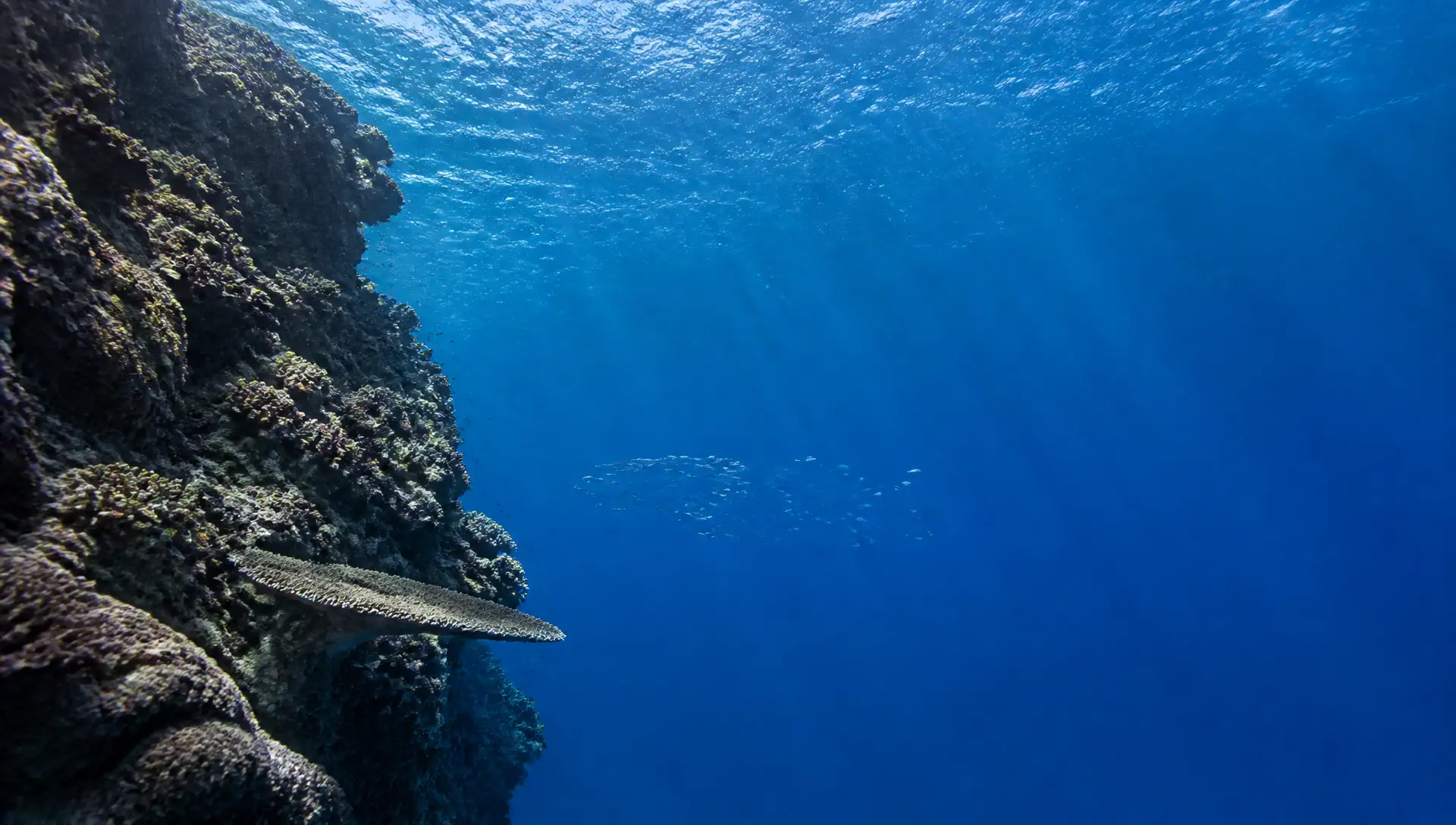
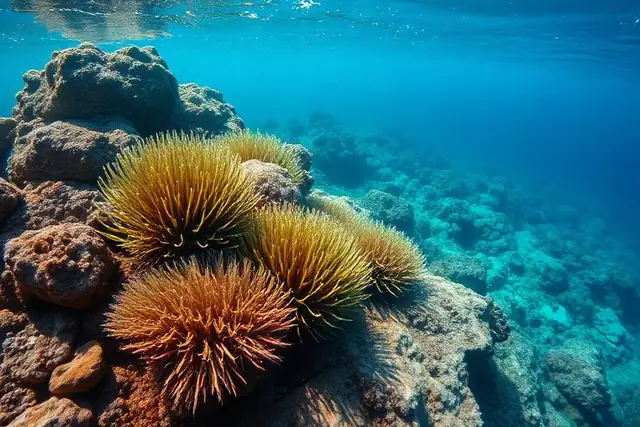
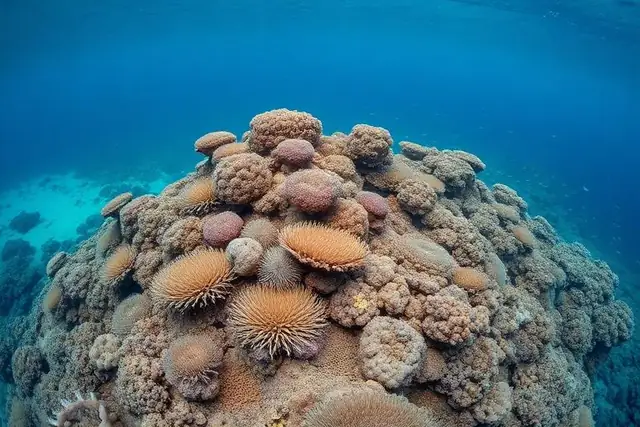
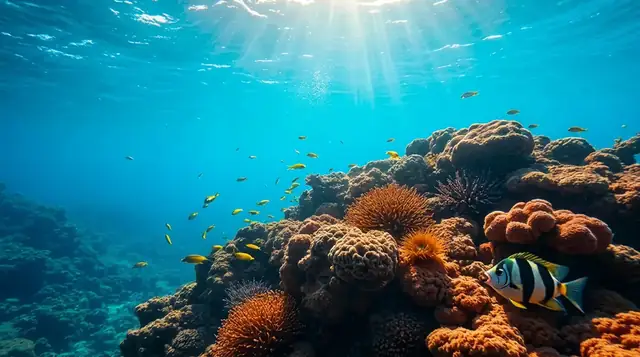
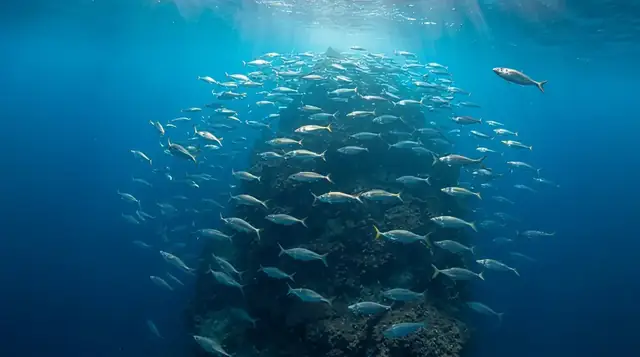
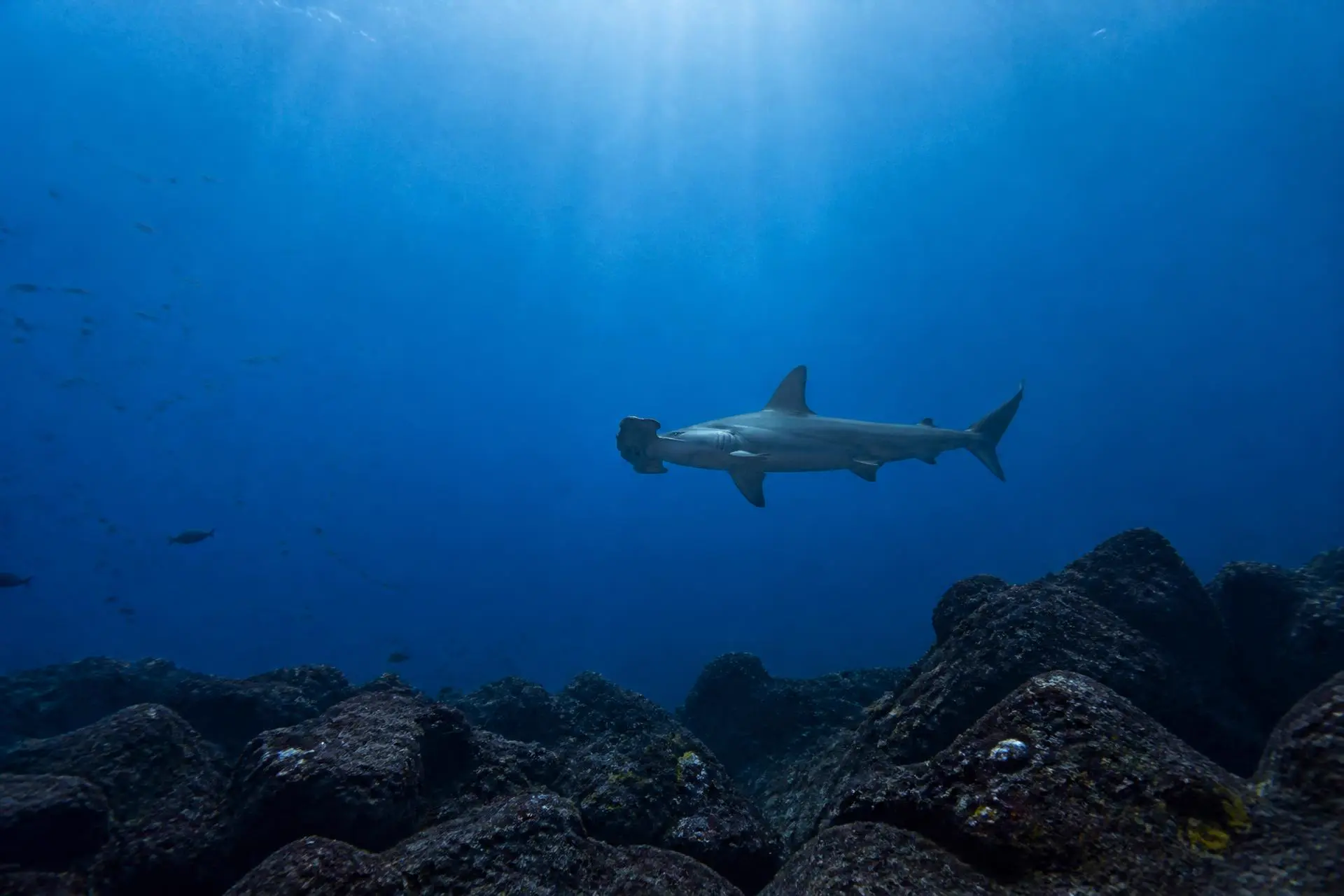
Pinnacle diving centres on an isolated underwater peak that rises from deep water towards the surface. These seamount-like structures concentrate currents, baitfish and big pelagics around a very small area.

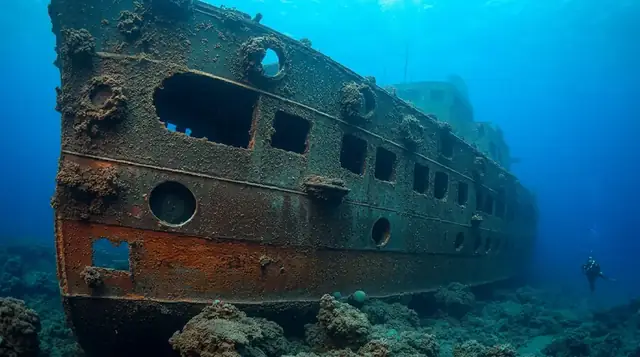
Pinnacle diving is one of the most rewarding ways to read the ocean. Every site layers history, marine life and a unique atmosphere — from shallow, coral-encrusted shore wrecks to deep, current-swept war graves.

Some wrecks are protected museums, others are artificial reefs bursting with schools, predators and macro critters. Depth and current vary widely, so there is usually a wreck for every certification level — as long as you respect its limits.
Signature sites

Iconic pinnacles

The absolute classics every diver has heard of — and the liveaboards that reach them.
© Esri — Maxar, Earthstar, GIS

Richelieu Rock, often celebrated as Thailand's premier dive site, is a majestic, isolated pinnacle located within Surin National Park in the northern Andaman Sea.

Suitable for
Advanced
Current
Strong
Access
Shore / dayboat
Depth
5–35 m
Theme
Cave & cavern / Pinnacle
© Esri — Maxar, Earthstar, GIS

Hin Muang

Thailand

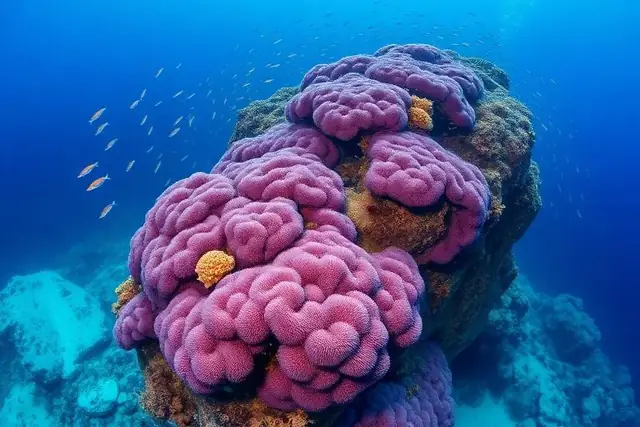
Hin Muang, translating to 'Purple Rock', is one of Thailand's premier dive sites, located within the Mu Koh Lanta National Park.

Suitable for
Advanced
Current
Strong
Access
Liveaboard or dayboat
Depth
5–60 m
Theme
Pinnacle / Wall
© Esri — Maxar, Earthstar, GIS

Koh Tachai Pinnacle, located north of Koh Bon within the Similan Islands National Park, is a submerged granite boulder formation that many consider among Thailand's finest dive…

Suitable for
Advanced
Current
Strong
Access
Liveaboard or dayboat
Depth
12–35 m
Theme
Pinnacle
© Esri — Maxar, Earthstar, GIS

Gordo Banks is a world-renowned deep dive site located approximately seven to ten miles offshore from San José del Cabo marina in Mexico.

Suitable for
Advanced
Current
Strong
Access
Liveaboard or dayboat
Depth
31–40 m
Theme
Pinnacle / Seamount
© Esri — Maxar, Earthstar, GIS

Heron Bommie stands as the quintessential dive experience of Heron Island, deeply embedded within the Southern Great Barrier Reef.

Suitable for
Beginner
Current
Moderate
Access
Liveaboard or dayboat
Depth
2–18 m
Theme
Pinnacle
© Esri — Maxar, Earthstar, GIS

Christmas Point, located on Similan Island number 9 (Koh Ba-Ngu), stands out as one of the Similan Islands' most iconic dive sites.

Suitable for
Intermediate
Current
Strong
Access
Liveaboard or dayboat
Depth
2–40 m
Theme
Pinnacle

Editorial ranking

Top 15 pinnacles worldwide

Our editorial top 15, based on how often each site appears in published best-of rankings, dive guides and operator reports.

From bucket-list classics to lesser-known gems, these sites cover the full range of experience levels and conditions.

Compare depth, current, access and the liveaboards that reach each site to plan your next underwater adventure.

© Esri — Maxar, Earthstar, GIS
1

Chumphon Pinnacle is a renowned deep dive site situated approximately 12 kilometers northwest of Koh Tao in the Gulf of Thailand.

Suitable for
Intermediate
Current
Strong
Access
Liveaboard or dayboat
Depth
12–36 m
Theme
Pinnacle
© Esri — Maxar, Earthstar, GIS
2

Richelieu Rock, often celebrated as Thailand's premier dive site, is a majestic, isolated pinnacle located within Surin National Park in the northern Andaman Sea.

Suitable for
Advanced
Current
Strong
Access
Shore / dayboat
Depth
5–35 m
Theme
Cave & cavern / Pinnacle

Season

Best season for Pinnacle diving

Seasons change by region, but these windows reliably deliver the calmest seas and the best visibility for Pinnacle diving. Compare water temperature, surface conditions and the liveaboard routes that run during each peak season.
Pinnacle diving in the Andaman Sea

Andaman Sea

November – April

J
F
M
A
M
J
J
A
S
O
N
D
ExcellentGoodOff-season

Richelieu Rock, Hin Muang and Koh Tachai are only reachable outside the southwest monsoon.

Water 27–30 °C · visibility 10–30 m · whale shark odds peak February–April.

Pinnacle diving in the Eastern Pacific

Eastern Pacific

June – November

J
F
M
A
M
J
J
A
S
O
N
D
ExcellentGoodOff-season

Baja's banks and the Revillagigedo pinnacles sit in the warm, blue-water season.

Water 19–29 °C · visibility 15–35 m · thermoclines drop 5 °C in a few metres.

Pinnacle diving in the Coral Triangle

Coral Triangle

April – November

J
F
M
A
M
J
J
A
S
O
N
D
ExcellentGoodOff-season

Komodo and Raja Ampat seamount tops explode with fish on the inter-monsoon tides.

Water 24–30 °C · visibility 15–30 m · cold upwellings on exposed pinnacle tops.

Pinnacle diving in the Indian Ocean

Indian Ocean

January – April

J
F
M
A
M
J
J
A
S
O
N
D
ExcellentGoodOff-season

Maldivian thilas and giris hold manta cleaning stations on the calm monsoon side.

Water 27–30 °C · visibility 15–30 m · pinnacle tops from 8 m, bases past 35 m.

Pinnacle diving in the South Pacific

South Pacific

May – October

J
F
M
A
M
J
J
A
S
O
N
D
ExcellentGoodOff-season

Fijian bommies and Australian offshore rocks are calmest in the dry season.

Water 22–29 °C · visibility 20–35 m · soft coral cover densest on the current side.

Pinnacle diving in the Caribbean

Caribbean

December – April

J
F
M
A
M
J
J
A
S
O
N
D
ExcellentGoodOff-season

Isolated pinnacles off Cuba, the Bahamas and the ABC islands in the flat dry season.

Water 26–29 °C · visibility 25–40 m · hurricane season June–November.

Pinnacle diving in the Mediterranean & Atlantic

Mediterranean & Atlantic

June – October

J
F
M
A
M
J
J
A
S
O
N
D
ExcellentGoodOff-season

Azores and Mediterranean seamount tops are only reachable in the settled summer.

Water 15–27 °C · visibility 20–35 m · exposed tops need calm swell to moor.

Plan ahead

Good to know

Pinnacle diving mixes unforgettable moments with real planning decisions — depth, current, certification and the right season all matter. Here is what experienced divers check before booking a liveaboard trip.

  1. Site shape

    An isolated rock or coral tower rising from deep water. You circle it, working shallower as the dive goes on.

  2. Certification

    Advanced Open Water is the practical minimum — pinnacles combine depth, exposure and current with no shoreline to retreat to.

  3. Current

    The tower splits the flow: one side is a wash, the other is calm. Descend on the upcurrent side and let the rock shelter you.

  4. Navigation

    Keep the rock on one shoulder and spiral upward. Losing contact with the pinnacle in blue water is easier than it sounds.

  5. Marine life

    Fish magnets: barracuda and jack schools, grey reef and whitetip sharks, mantas at cleaning stations, and whale sharks on the plankton-rich tops.

  6. Macro too

    The rock itself is covered in soft coral, seahorses, harlequin shrimp, ghost pipefish and nudibranchs — bring a torch and slow down.

  7. Surface conditions

    Offshore pinnacles get chop and swell. Negative entries and a live boat pickup are the norm.

  8. Gas planning

    Deep starts plus current mean high consumption. Nitrox 32 and a hard turn pressure make the profile work.

  9. SMB

    Always deploy a delayed SMB before ascending — you may surface far from where you dropped in.

  10. Getting there

    Most great pinnacles are offshore and effectively liveaboard territory, with the best action on the first dive of the day.

By country

Find your pinnacles by country

Pick the country you have always dreamed of and see all pinnacles waiting for you there.

Depths, currents, best season and the liveaboards that actually dive them — all in one place.

22 dive sites

Thailand

avg 32 m · level Intermediate · current Strong

19 dive sites

Maldives

avg 34 m · level Advanced · current Strong

16 dive sites

Indonesia

avg 36 m · level Advanced · current Strong

15 dive sites

Costa Rica

avg 30 m · level Advanced · current Strong

11 dive sites

Mexico

avg 32 m · level Advanced · current Strong

10 dive sites

Fiji

avg 33 m · level Advanced · current Strong

9 dive sites

Australia

avg 30 m · level Intermediate · current Strong

8 dive sites

Papua New Guinea

avg 31 m · level Advanced · current Strong

6 dive sites

Portugal

avg 29 m · level Advanced · current Strong

6 dive sites

Galápagos

avg 36 m · level Advanced · current Strong

2 dive sites

Madagascar

avg 33 m · level Intermediate · current Strong

2 dive sites

Bahamas

level Intermediate · current Strong

2 dive sites

Philippines

avg 33 m · level Advanced · current Mild

2 dive sites

French Polynesia

avg 33 m · level Intermediate · current Mild

2 dive sites

Cuba

avg 41 m · level Advanced · current Strong

2 dive sites

Egypt

level Beginner · current Mild

By region

Find your pinnacles by region

Pick the region you have always dreamed of and see all pinnacles waiting for you there.

Depths, currents, best season and the liveaboards that actually dive them — all in one place.

Pinnacle diving in the Eastern Pacific29 dive sites

Eastern Pacific

avg 32 m · level Advanced · current Strong

Pinnacle diving in the Coral Triangle27 dive sites

Coral Triangle

avg 34 m · level Advanced · current Strong

Pinnacle diving in the Andaman Sea22 dive sites

Andaman Sea

avg 32 m · level Intermediate · current Strong

Pinnacle diving in the Indian Ocean22 dive sites

Indian Ocean

avg 33 m · level Advanced · current Strong

Pinnacle diving in the South Pacific21 dive sites

South Pacific

avg 32 m · level Advanced · current Strong

Pinnacle diving in the Caribbean11 dive sites

Caribbean

avg 30 m · level Intermediate · current Strong

Pinnacle diving in the Mediterranean & Atlantic6 dive sites

Mediterranean & Atlantic

avg 29 m · level Advanced · current Strong

Pinnacle diving in the Red Sea & Arabia3 dive sites

Red Sea & Arabia

avg 30 m · level Advanced · current Strong

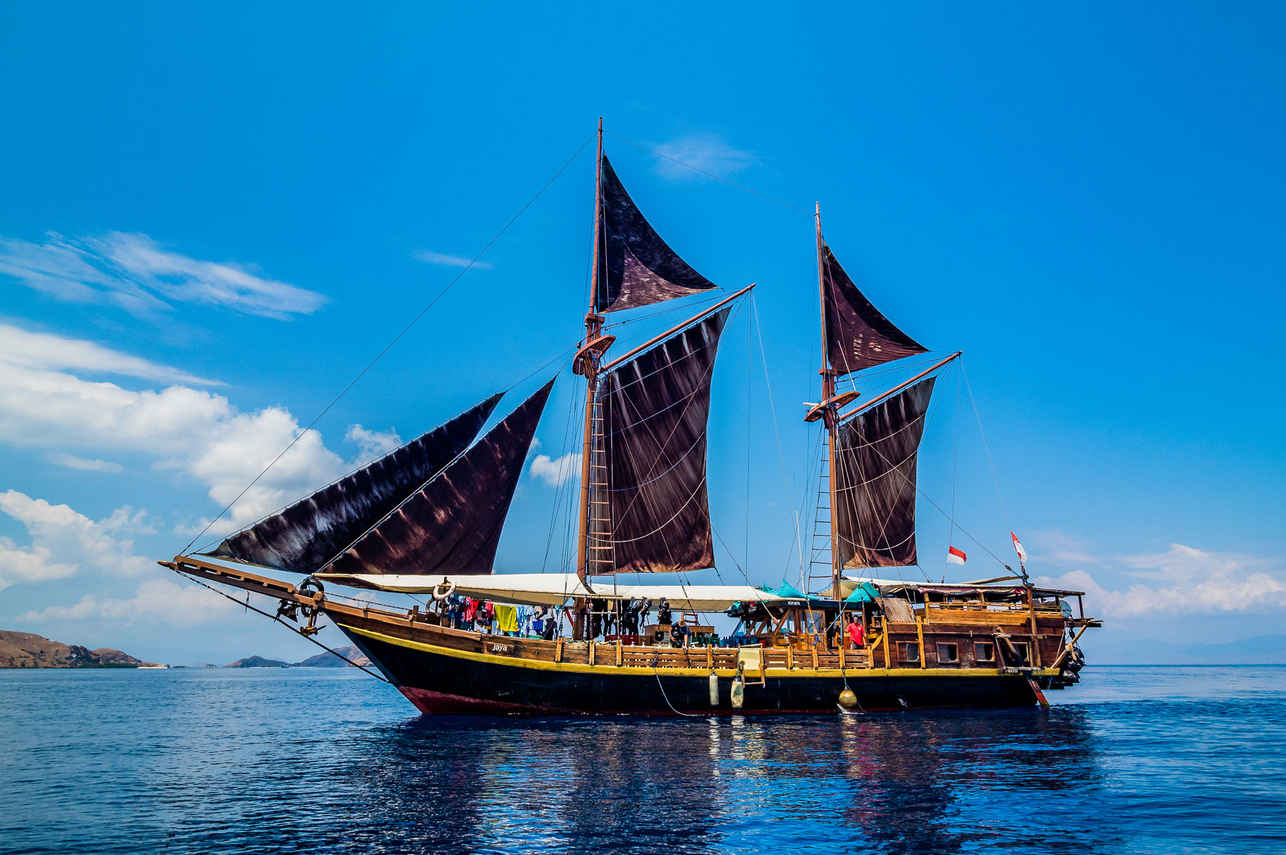
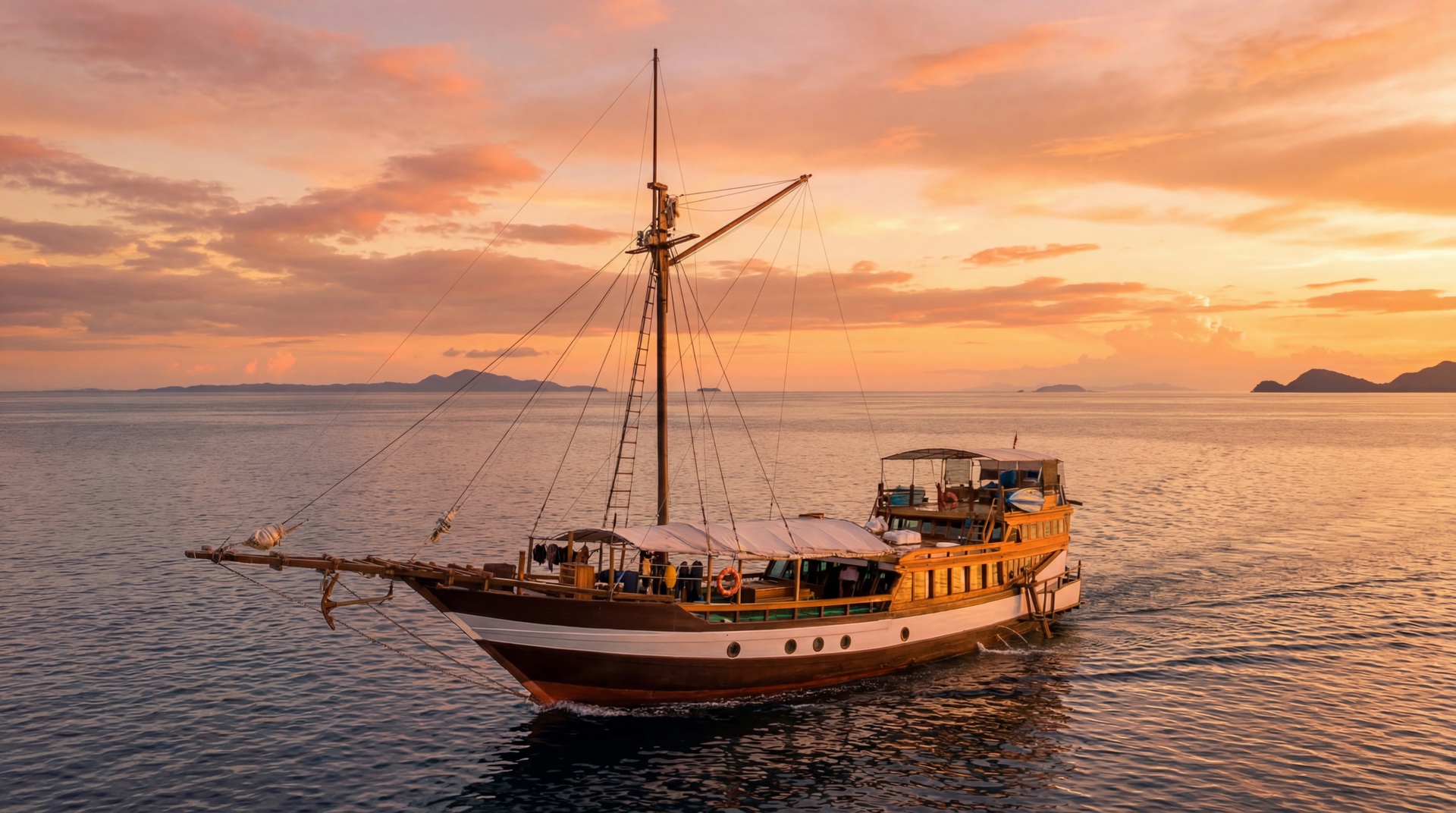
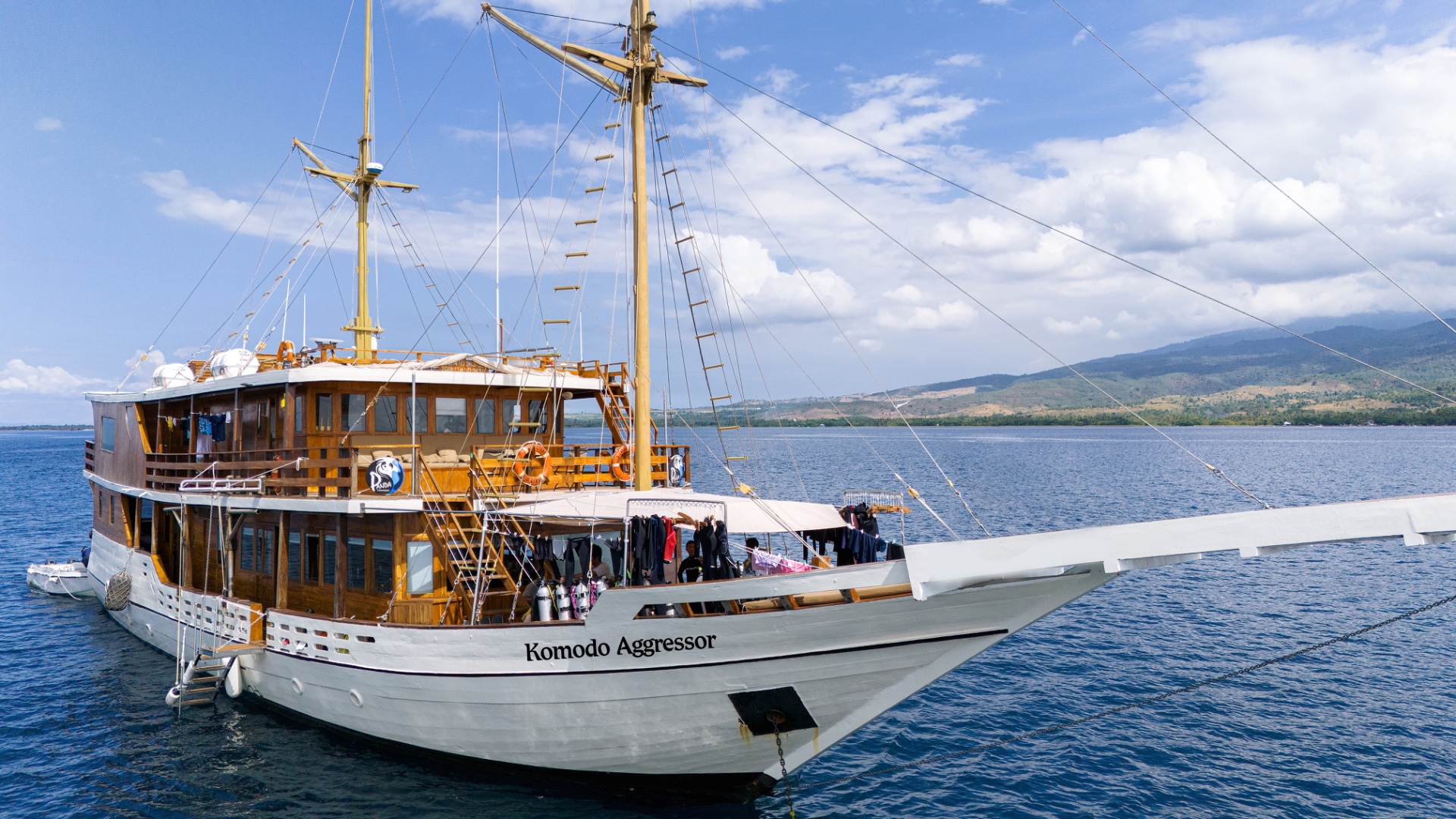
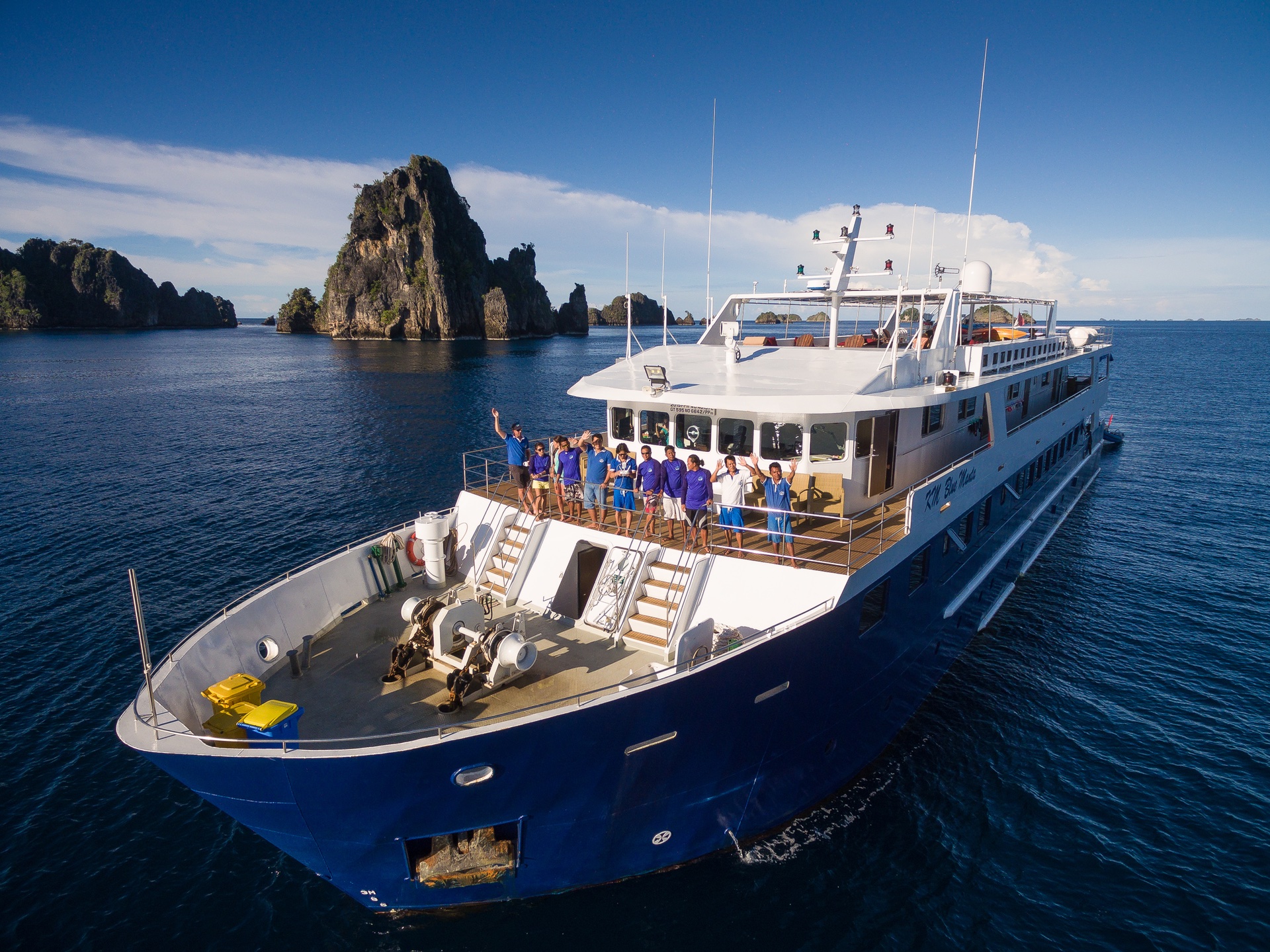
Liveaboards for Pinnacle diving

Search boats built around Pinnacle diving and compare departures.

FAQ

FAQ: Pinnacle diving

What is a pinnacle dive?
A dive around an isolated underwater tower or rock rising from deep water. Because it interrupts the current, it concentrates enormous amounts of fish life.
Why are pinnacles so good for big fish?
Current hits the structure and pushes plankton upwards. That feeds baitfish, which draws in sharks, jacks, barracuda, mantas and whale sharks.
Are pinnacle dives difficult?
They can be. Depth, exposure and swirling current mean Advanced certification, solid buoyancy and disciplined gas management are expected.
How do I handle the current on a pinnacle?
Descend on the upcurrent side, stay close to the rock and use its lee as shelter. Circle the tower and spiral shallower as your gas drops.
Do I need a liveaboard?
For offshore pinnacles like Richelieu Rock or the Baja banks, usually yes. Nearshore bommies and thilas are day-boat dives.
Best time of day for a pinnacle dive?
Early morning, on the incoming tide. Predator activity and visibility are both at their best before the site sees other groups.

Find liveaboards for Pinnacle diving

Search boats built around Pinnacle diving and compare departures.