About Cathedral Rock
Cathedral Rock, a renowned dive site in Anilao, Batangas, Philippines, is easily accessible by a short boat ride from nearby resorts. This site features two prominent underwater rock formations, connected by a cross, which together create the impression of a grand cathedral, inspiring its name. The terrain ranges from shallow areas to deeper sections, accommodating various skill levels. What was once a barren rock formation was transformed into a vibrant ecosystem through coral transplantation efforts in the early days of scuba diving here, defying scientific expectations. Today, Cathedral Rock boasts healthy hard and soft coral reefs that teem with diverse marine life. Diving here reveals an abundance of colorful fish species, including large schools of snappers, jacks, surgeonfish, and fusiliers. Divers frequently encounter frogfish, moray eels, lionfish, and a variety of nudibranchs. Sea turtles are also a common sight, with occasional appearances by sharks and rays. The underwater cross serves as a unique landmark and a popular subject for underwater photography, having been blessed on land before its placement by General Fidel, who later became president. Cathedral Rock is celebrated for its rich biodiversity and is suitable for divers of all experience levels, from beginners to advanced. Visibility typically ranges from 10 to 30 meters, depending on conditions. Currents can vary from mild to moderate, making it generally accessible, though checking conditions before diving is always recommended. This marine hotspot also offers enchanting night diving for those seeking an adventurous experience.
Highlights
Light beamsSwim-throughsSoft coralsGarden eels
Season calendar
Best months to dive here
Jan
Feb
Mar
Apr
May
Jun
Jul
Aug
Sep
Oct
Nov
Dec
Excellent
Good
Dive site facts: Cathedral Rock
- Depth
- 5–30 m
- Typical dive
- 12–25 m, 50–60 min
- Current
- Mild to moderate
- Visibility
- 15–25 m
- Water temperature
- 26–30°C (79–86°F)
- Entry
- Boat / Shore (Dive7000)
- Level
- Beginner to Advanced
- Dive type
- Reef, Macro, Wide Angle
- Night dive
- Possible
- Region / port
- Anilao, Batangas
- Coordinates
- 13.723787, 120.877572
Conditions & Currents
Currents at Cathedral Rock are generally mild to moderate, making it suitable for most divers, but they can fluctuate depending on tides and weather patterns. While conditions are often manageable, it is advisable to check local conditions before diving and to time your entry for periods of less current, especially around the rock formations. Visibility typically ranges from 15 to 25 meters, though it can extend up to 30 meters or decrease to 10 meters with certain seasonal or weather influences, particularly during the wet season. Water temperatures remain consistently warm, between 26°C and 30°C, allowing for comfortable diving. Surface conditions can occasionally be rough, especially during the rainy season, but the site's protected location often mitigates the worst effects.
Marine life & sighting chances

Angelfish
common
Butterflyfish
common
Parrotfish
common
Pufferfish
common
Nudibranchs
common
Barrel sponges
common
Green sea turtles
occasional
Whitetip reef sharks
occasional
Wrasse
common
Triggerfish
common
Moorish idols
common
Clownfish in anemones
common
Frogfish
occasional
Octopus
occasionalDive profile & how the dive runs
Dives at Cathedral Rock typically commence with a descent along the mooring line, leading directly into the amphitheatrical opening formed by the two prominent rock formations. The central focus is the concrete cross, situated at approximately 15 meters, where divers often begin their exploration. The dive path usually involves circling the cross and the 'main altar' area, observing schools of snapper, surgeonfish, and batfish. From there, divers can proceed to explore the outer faces of the rock formations, which slope down to around 20-25 meters. Shallower sections, ranging from 5 to 8 meters, are accessible on top of the formations. Overhangs and crevices provide shelter for smaller creatures, while sandy patches between the rocks are ideal for spotting gobies and macro subjects. The dive usually concludes with a safety stop conducted either near the mooring line or along the shallower reef top, allowing ample time to observe the abundant reef life.
Underwater photography
Cathedral Rock presents exceptional opportunities for both wide-angle and macro photography, thriving particularly during sunny days with mild currents when light shafts penetrate the water column. For wide-angle shots, a fisheye or wide-angle lens is ideal to capture the grandeur of the rock formations, the cross, and schools of fish swirling through the 'amphitheater'. Utilizing strobes is essential to bring out the vibrant colors of the corals and fish against the dramatic lighting. Macro photographers will find abundant subjects on the rock surfaces, which are carpeted with hard and soft corals, sponges, and hydroids, offering numerous nudibranchs, shrimps, and other small critters. Patient observation and excellent buoyancy control are crucial to avoid disturbing delicate marine life and to compose clear, focused shots. Subject etiquette is important here; avoid touching corals or marine animals, and maintain a respectful distance.
Combine with nearby dive sites
- Anilao — Secret Bay
Known for muck diving and rare critter sightings.
- Verde Island Passage
A biodiversity hotspot with strong currents and diverse marine life.
- Sombrero Island
Offers reef diving with diverse corals and fish schools.
- Puerto Galera — Canyons
A popular site with strong currents, often visited for pelagic encounters.
Getting there & logistics
Cathedral Rock is located in Anilao, Mabini, Batangas, making it highly accessible from Manila. The primary international gateway is Ninoy Aquino International Airport (MNL) in Manila. From there, a private transfer or public bus ride typically takes 2.5 to 3.5 hours to reach Anilao. Dive trips to Cathedral Rock are usually arranged through local dive resorts in Mabini, which are plentiful. The dive site is a short 10-15 minute boat ride from most resorts in Bagalangit. A marine sanctuary user fee is collected by the barangay for maintenance, usually included in dive package costs. Cathedral Rock is a frequent highlight on Anilao dive itineraries, often combined with other local reef and macro sites, and can be part of longer trips exploring the broader Verde Island Passage area. Dive durations are usually 50-60 minutes, typical for recreational dives.
Safety & environment
Diving at Cathedral Rock requires adherence to standard dive safety protocols and awareness of specific site conditions. While currents are generally mild, they can occasionally strengthen, necessitating good buoyancy control and situational awareness, especially around the rock formations. The nearest recompression chamber is located in Batangas City, roughly an hour's drive from Anilao. In case of a dive emergency, evacuation to a medical facility would involve boat transfer to shore followed by land transport. Comprehensive dive insurance, covering medical emergencies and evacuation, is highly recommended for all divers. Site-specific rules include prohibitions against spearfishing and touching marine life, ensuring the preservation of this vibrant marine sanctuary. Divers should remain vigilant of boat traffic, particularly when surface swimming from shore, and follow dive guide instructions for entry and exit procedures.
Who it suits — and who it doesn't
Suited for
- Beginner divers looking for accessible reef diving
- Underwater photographers interested in wide-angle and macro subjects
- Divers seeking vibrant coral reefs and diverse fish life
- Freedivers with intermediate experience targeting 15m depth
- Conservation-minded divers appreciating artificial reef initiatives
Less suited for
- Divers seeking consistent pelagic action
- Those who prefer remote, undeveloped dive locations
- Divers with poor buoyancy control (due to fragile corals)
- Individuals sensitive to boat traffic in high-density dive areas
FAQ
Cathedral Rock FAQ
How deep is Cathedral Rock?
Cathedral Rock offers a varied depth profile, ranging from shallow areas at 5 meters to its deepest point around 30 meters. This caters to different experience levels, with the iconic cross feature located at approximately 15 meters.
Is Cathedral Rock suitable for beginners?
Yes, Cathedral Rock is considered beginner-friendly. Its moderate depths and generally mild currents make it accessible for newer divers, though diving with a local guide is always recommended. Beginners can explore the shallower sections and the area around the cross.
What marine life can I expect to see at Cathedral Rock?
Divers at Cathedral Rock commonly encounter various angelfish, butterflyfish, parrotfish, pufferfish, and numerous nudibranch species. You can also spot green sea turtles, whitetip reef sharks, wrasse, triggerfish, clownfish in anemones, and occasional frogfish or octopus.
When is the best time to dive Cathedral Rock?
The optimal time to dive Cathedral Rock is during the dry season, from November to May. This period offers the best conditions with calmer seas, excellent visibility, and pleasant water temperatures, making for a more enjoyable dive experience.
Can I freedive at Cathedral Rock?
Yes, Cathedral Rock is rated as excellent for freediving. The cross at 15 meters is an achievable depth for intermediate freedivers. However, be aware of high scuba boat traffic and consider a shore entry from Dive7000 to avoid mooring congestion.
Where is Cathedral Rock located and how do I get there?
Cathedral Rock is located off Bagalangit, Mabini, in Batangas, Philippines, within the Anilao region. It is typically accessed by a short boat ride, usually 10-15 minutes, from dive resorts in Mabini. Manila's Ninoy Aquino International Airport is the closest major airport.
Is spearfishing allowed at Cathedral Rock?
No, spearfishing is strictly prohibited at Cathedral Rock. It is part of a marine protected sanctuary, and all activities are regulated to preserve its abundant marine life and coral reefs. Divers are encouraged to follow conservation guidelines.
Why dive Cathedral Rock from a liveaboard?
Cathedral Rock is one of Philippines's signature dive sites. A liveaboard sleeps you on the water and puts you in the water for three to four guided dives per day, including dawn and night dives that day-boat operators rarely offer. You skip the daily commute back to port and reach quieter, less-crowded sites in the same region on a single trip.
Below are the liveaboards that include Cathedral Rock on their Philippines itineraries.
Liveaboards diving Cathedral Rock
These liveaboards may visit Cathedral Rock on selected itineraries — the exact dive sites depend on departure, weather and conditions.
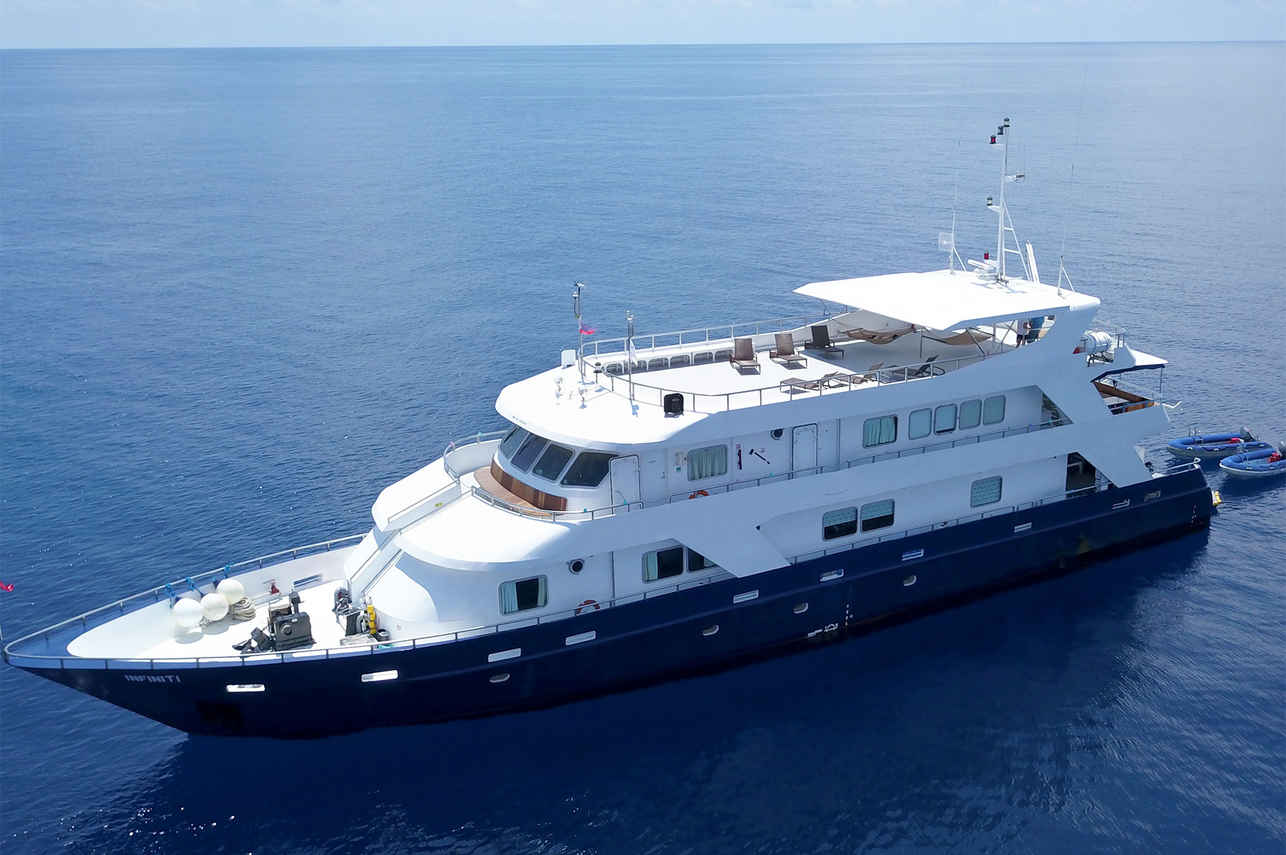
Infiniti
Philippines
25 guests39 m
$280/day
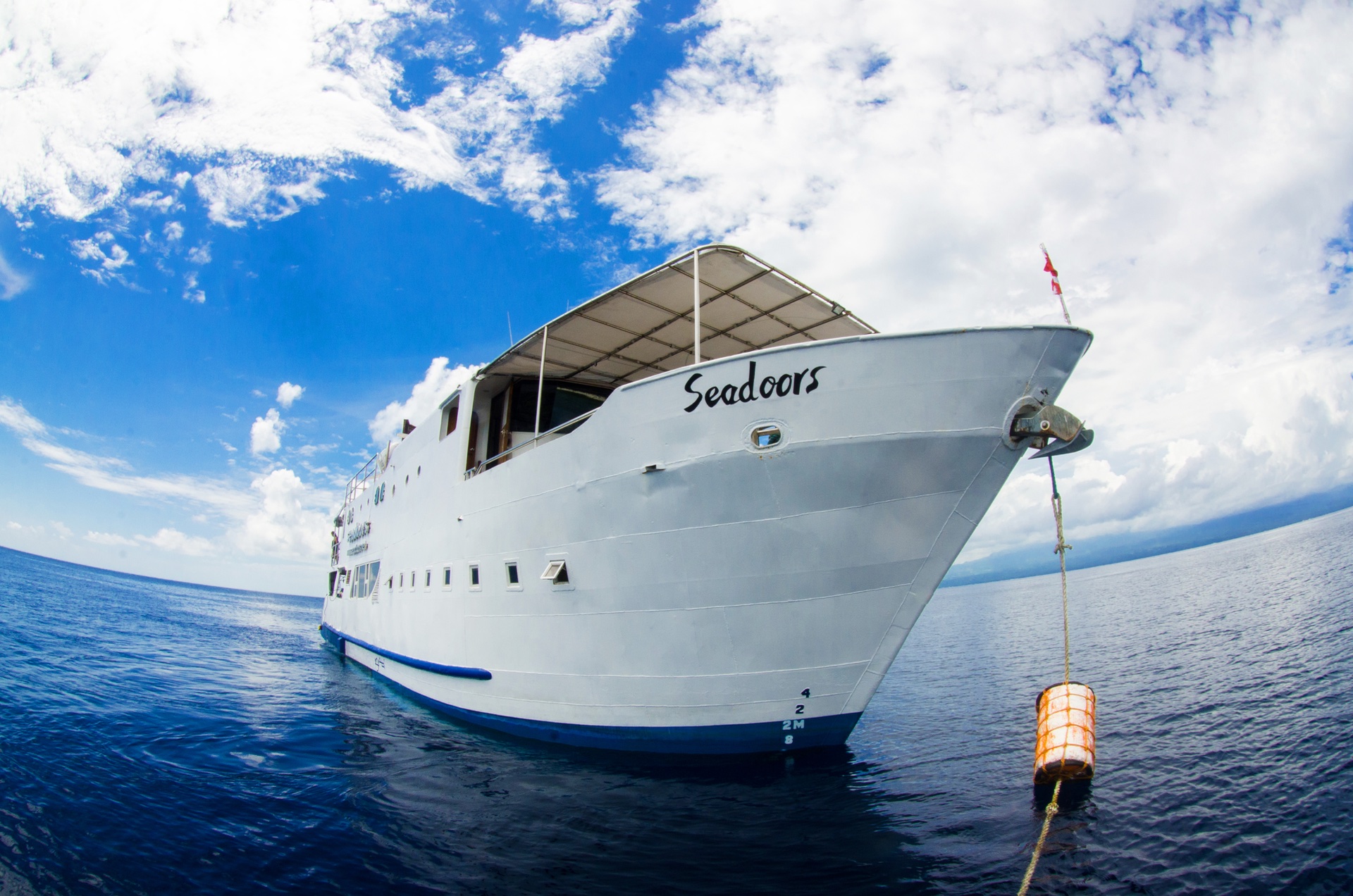
Seadoors
Philippines
16 guests25 m
$335/day
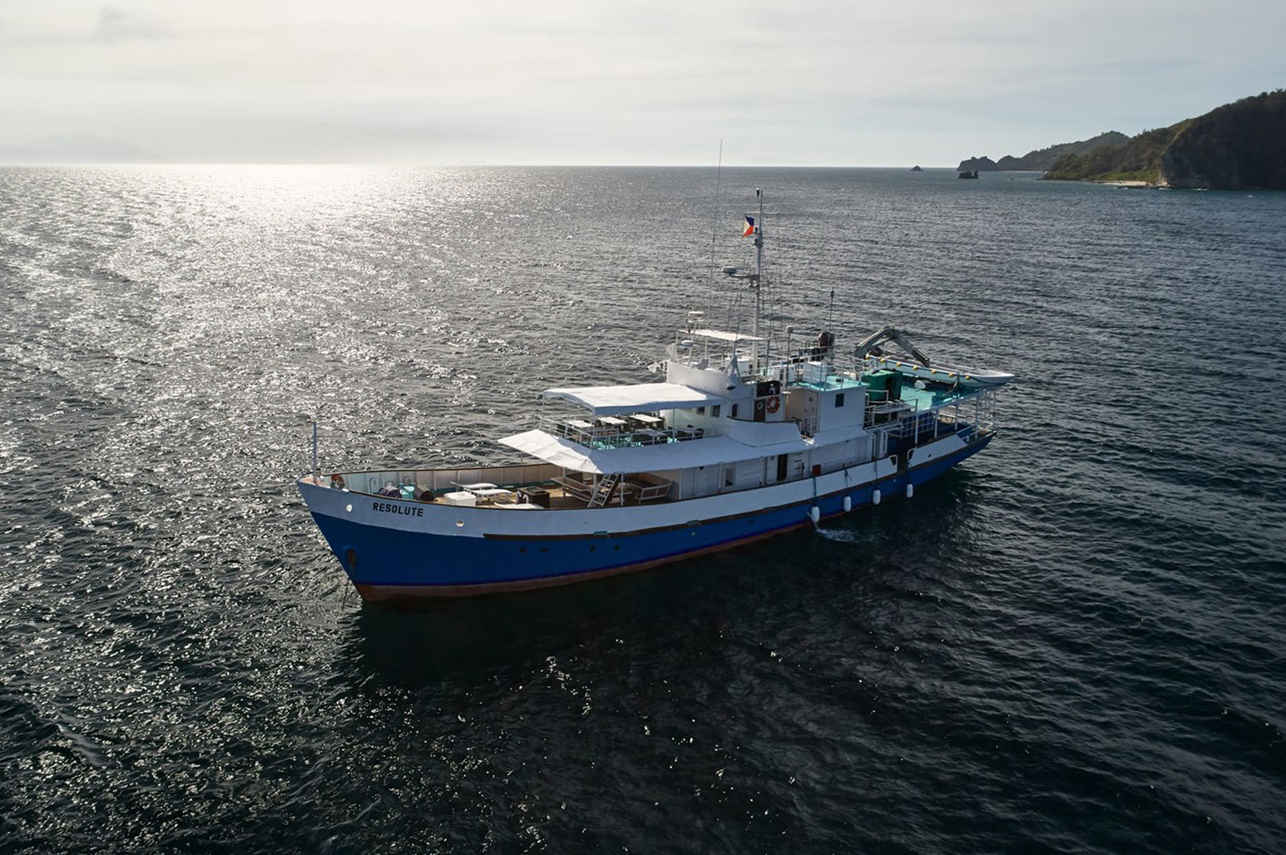
Resolute
Philippines
16 guests34.6 m
$314/day
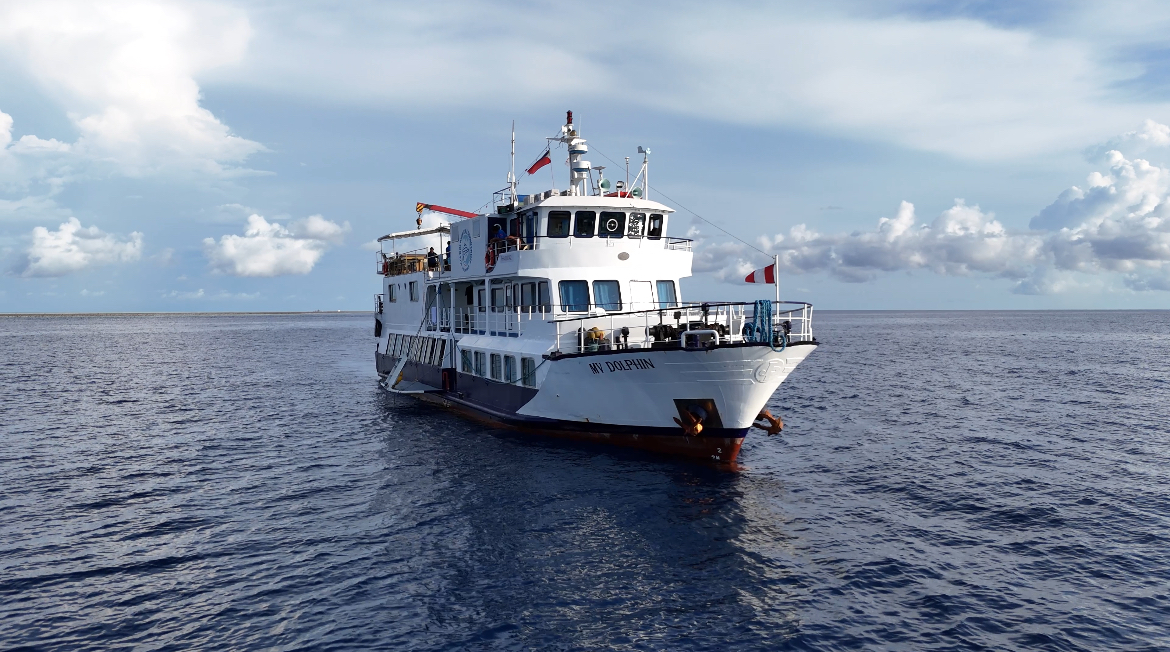
Dolphin
Philippines
18 guests31 m
$326/day
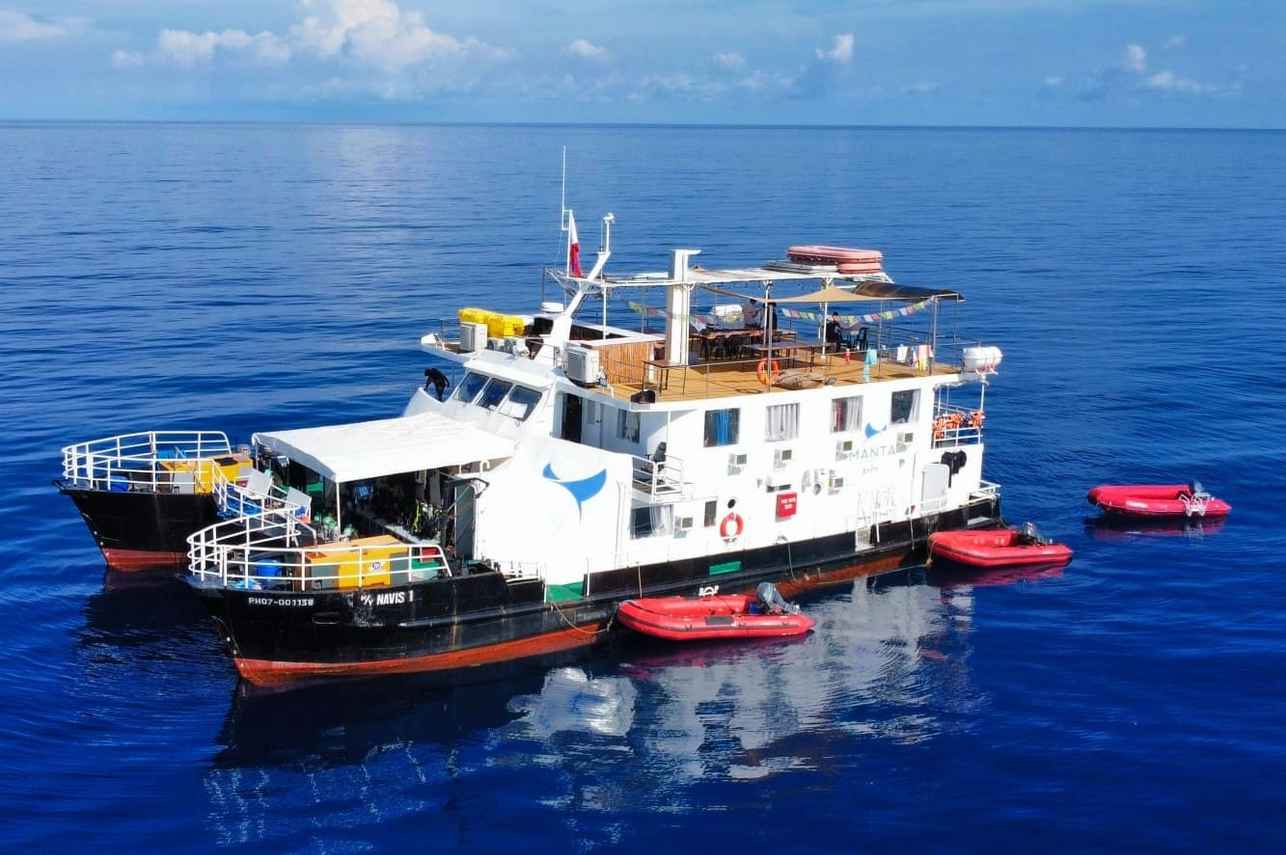
Navis 1
Philippines
22 guests23 m
$250/day
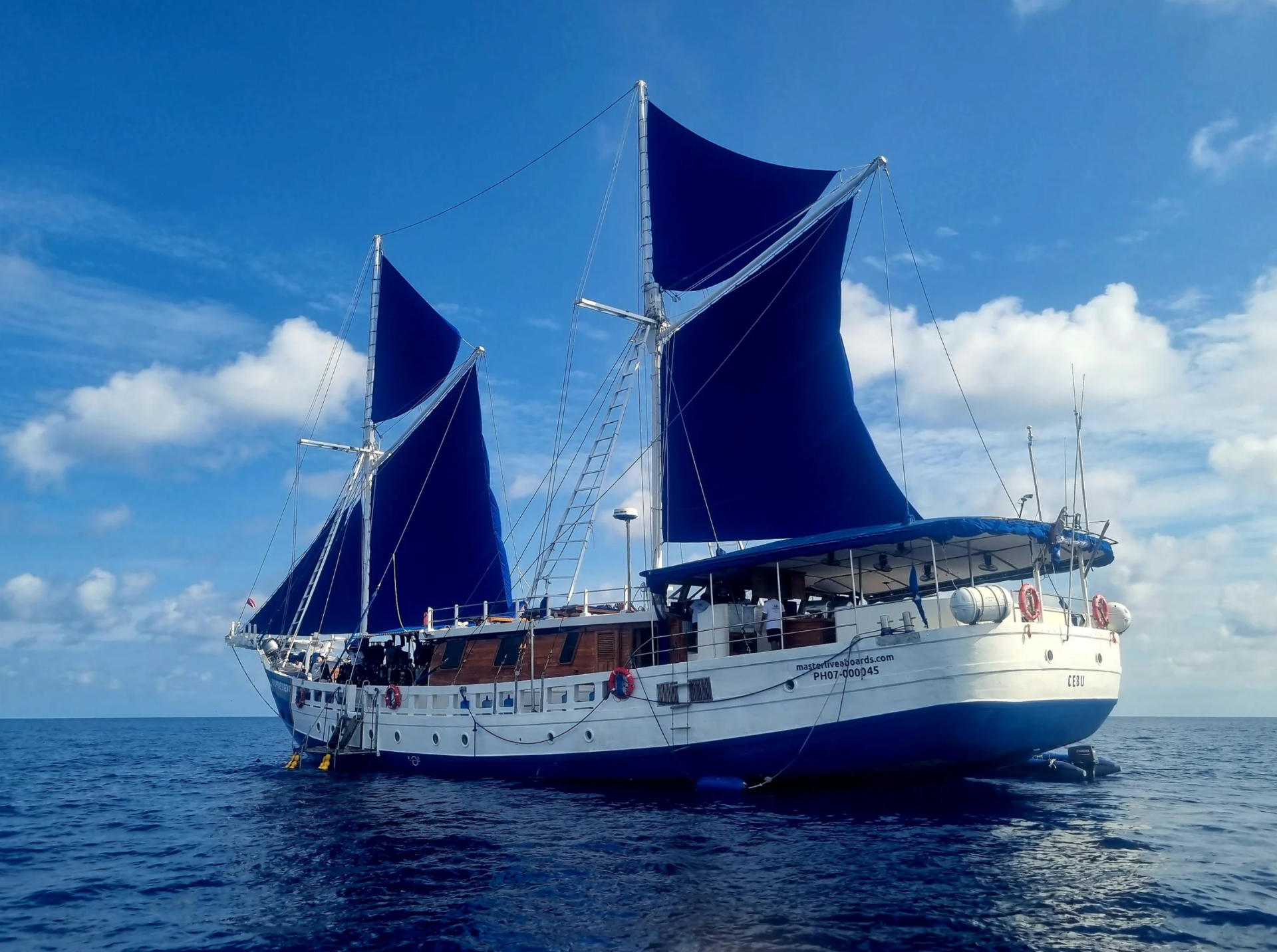
Philippine Siren
Philippines
16 guests
$309/day
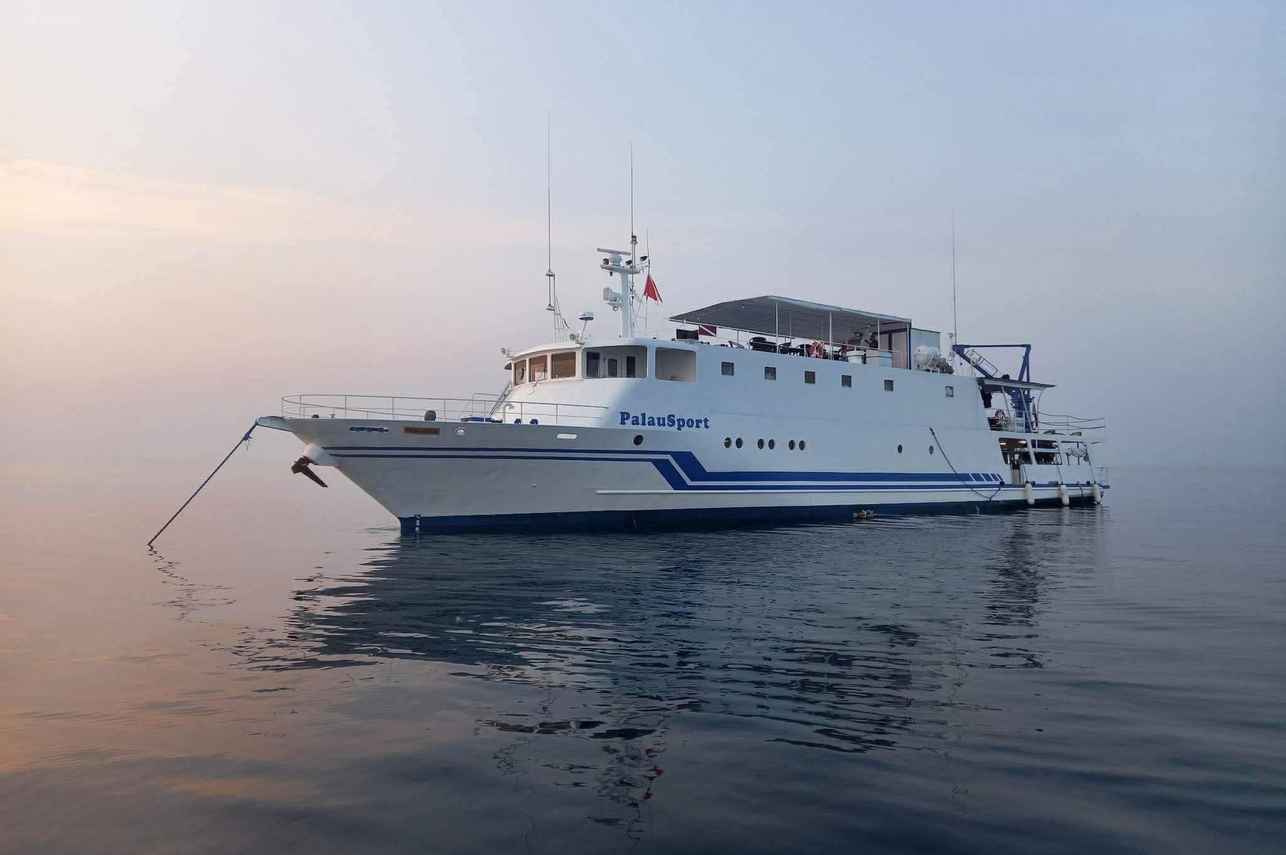
Palau Sport
Philippines
24 guests38.35 m
$215/day
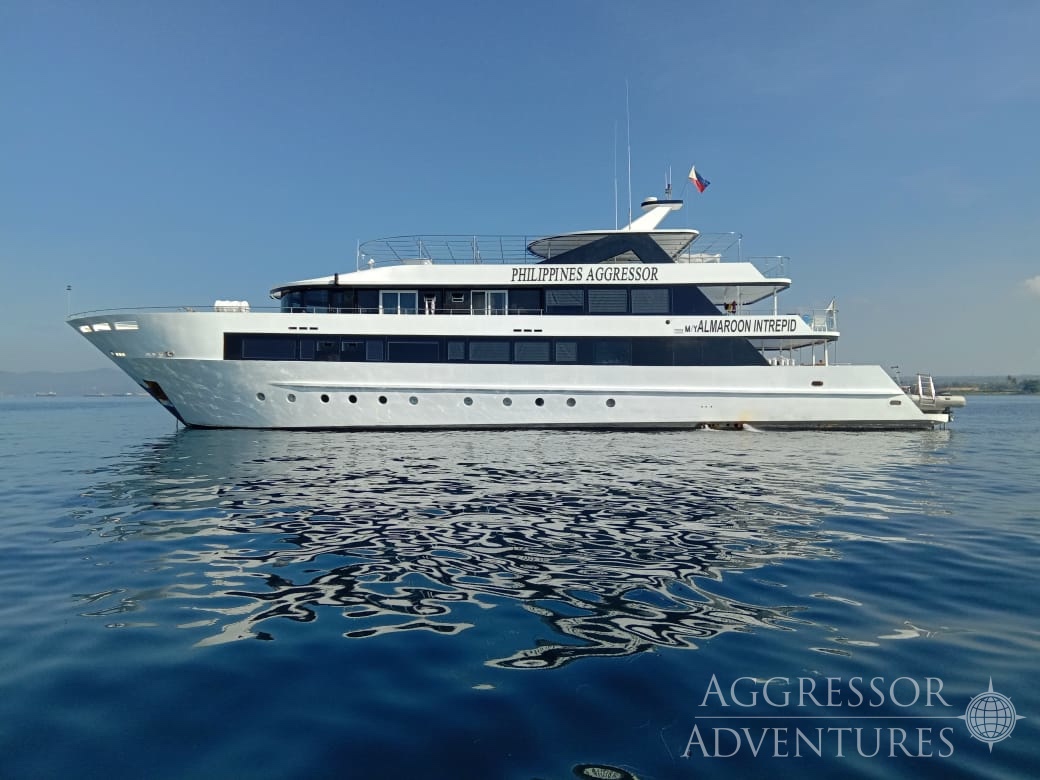
Philippines Aggressor
Philippines
26 guests42.7 m
$381/day
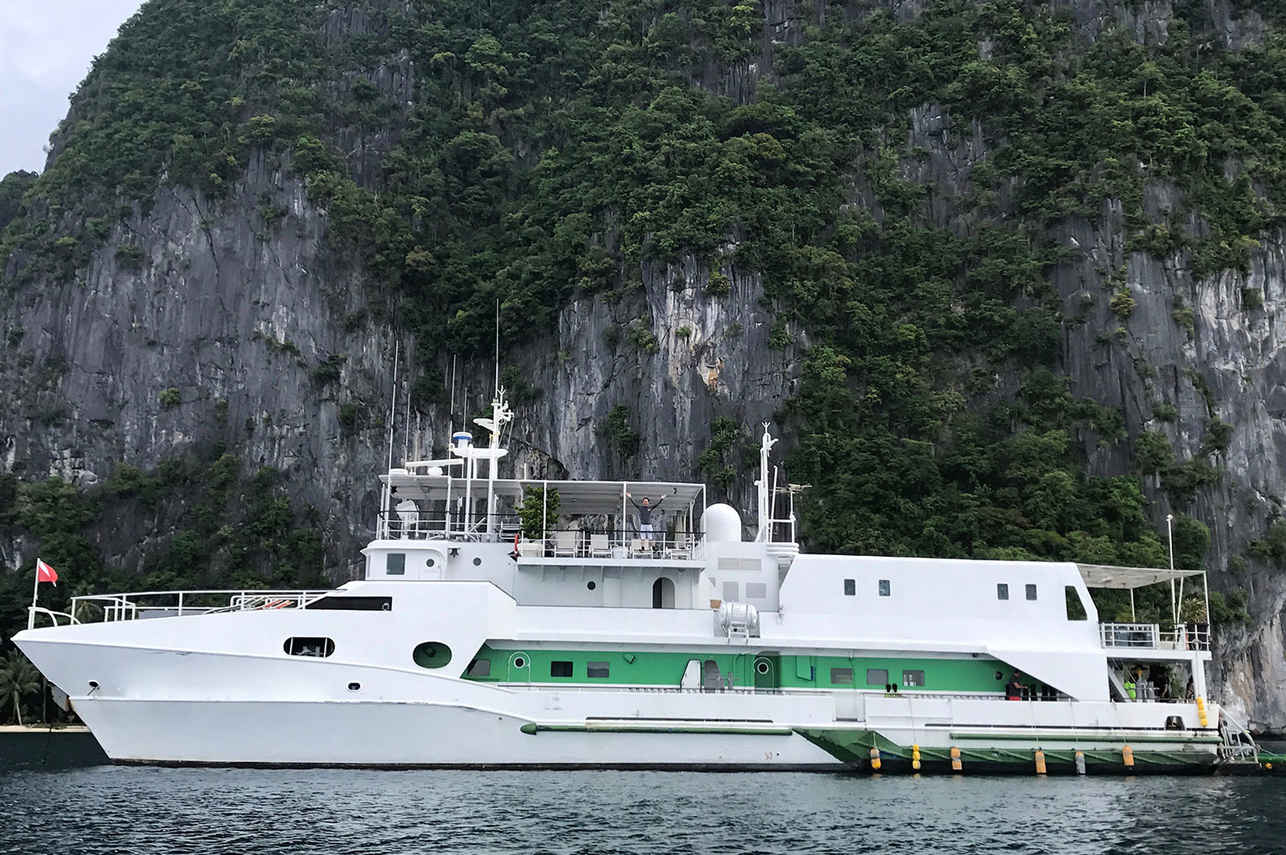
Stella Maris Explorer
Philippines
20 guests33 m
$398/day
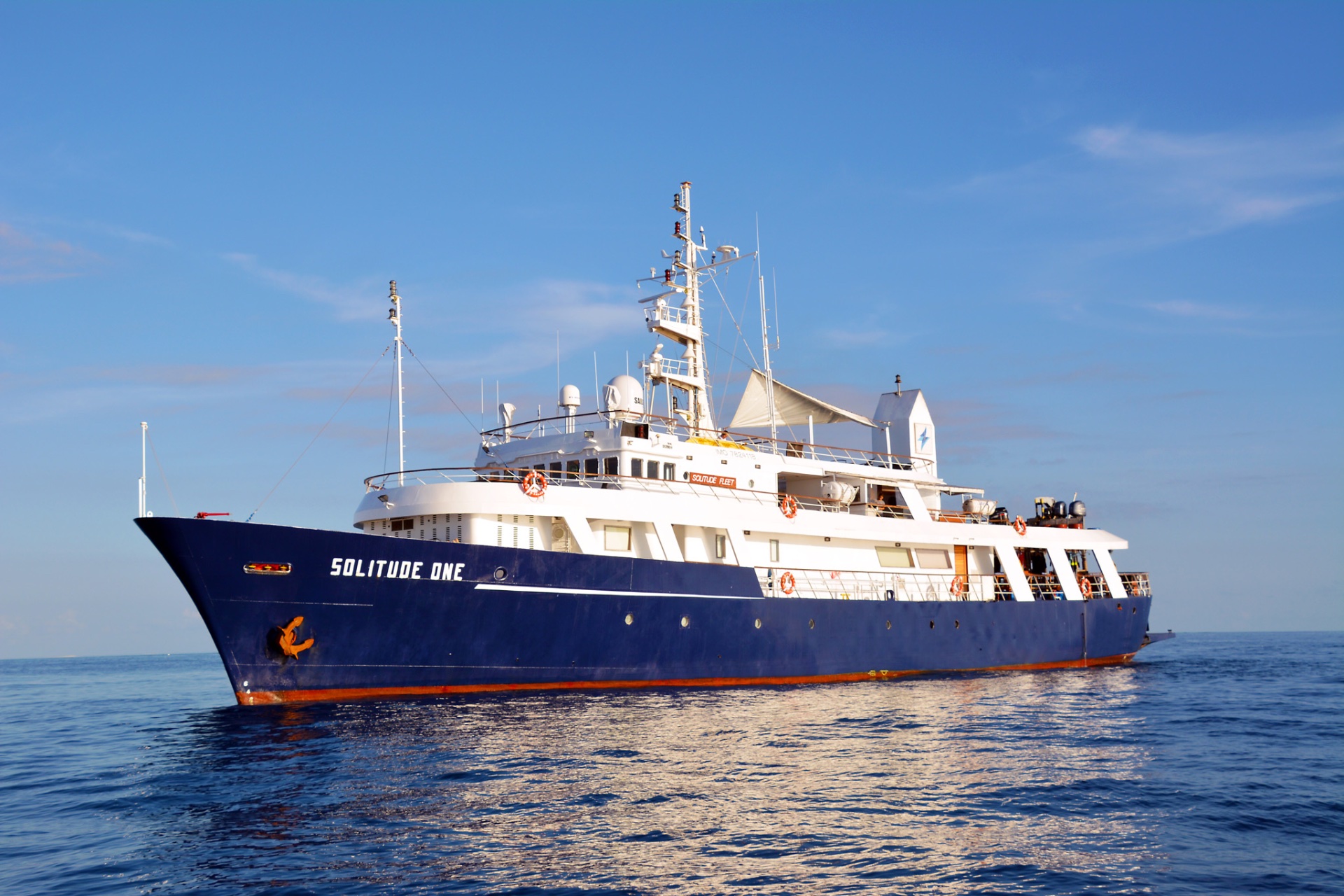
Solitude One
Philippines
24 guests52 m
$460/day
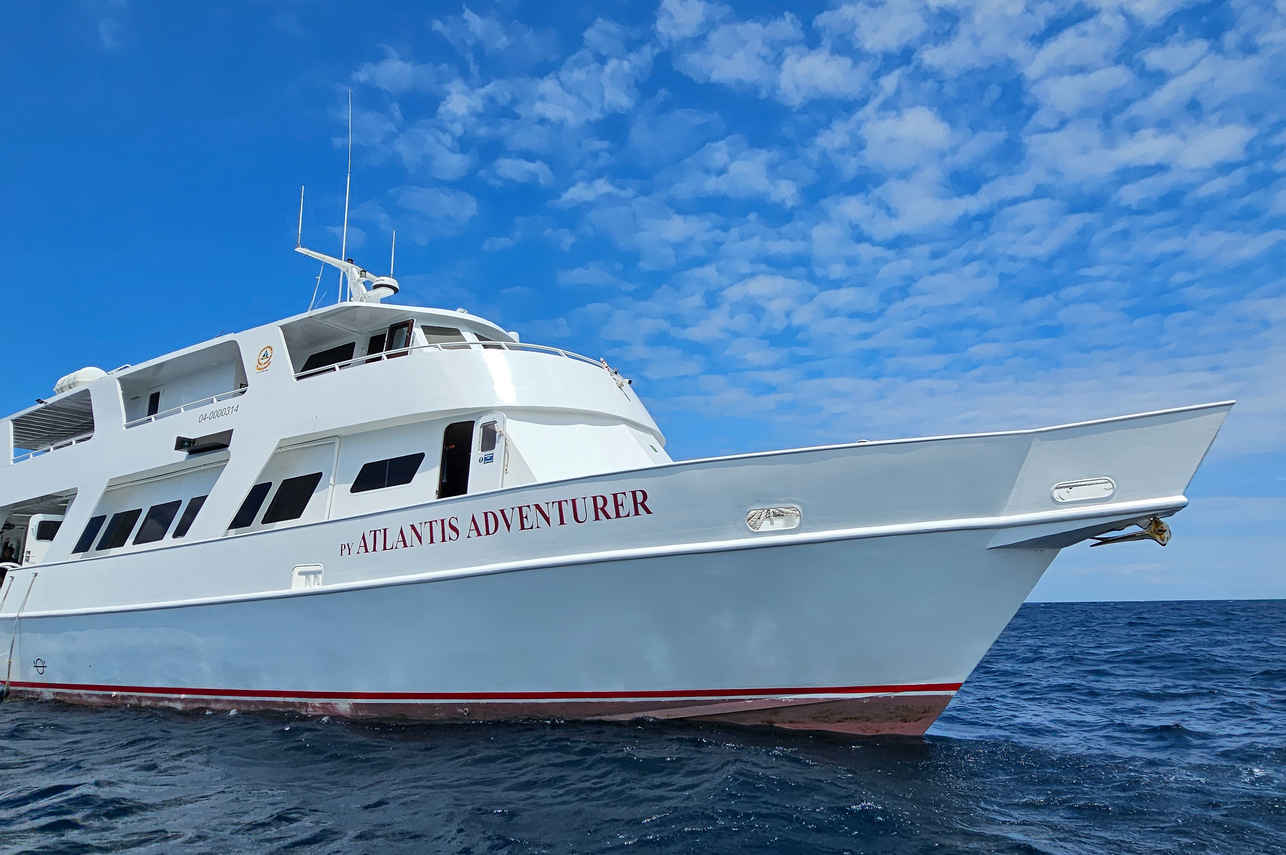
Atlantis Adventurer
Philippines
16 guests32.5 m
$421/day
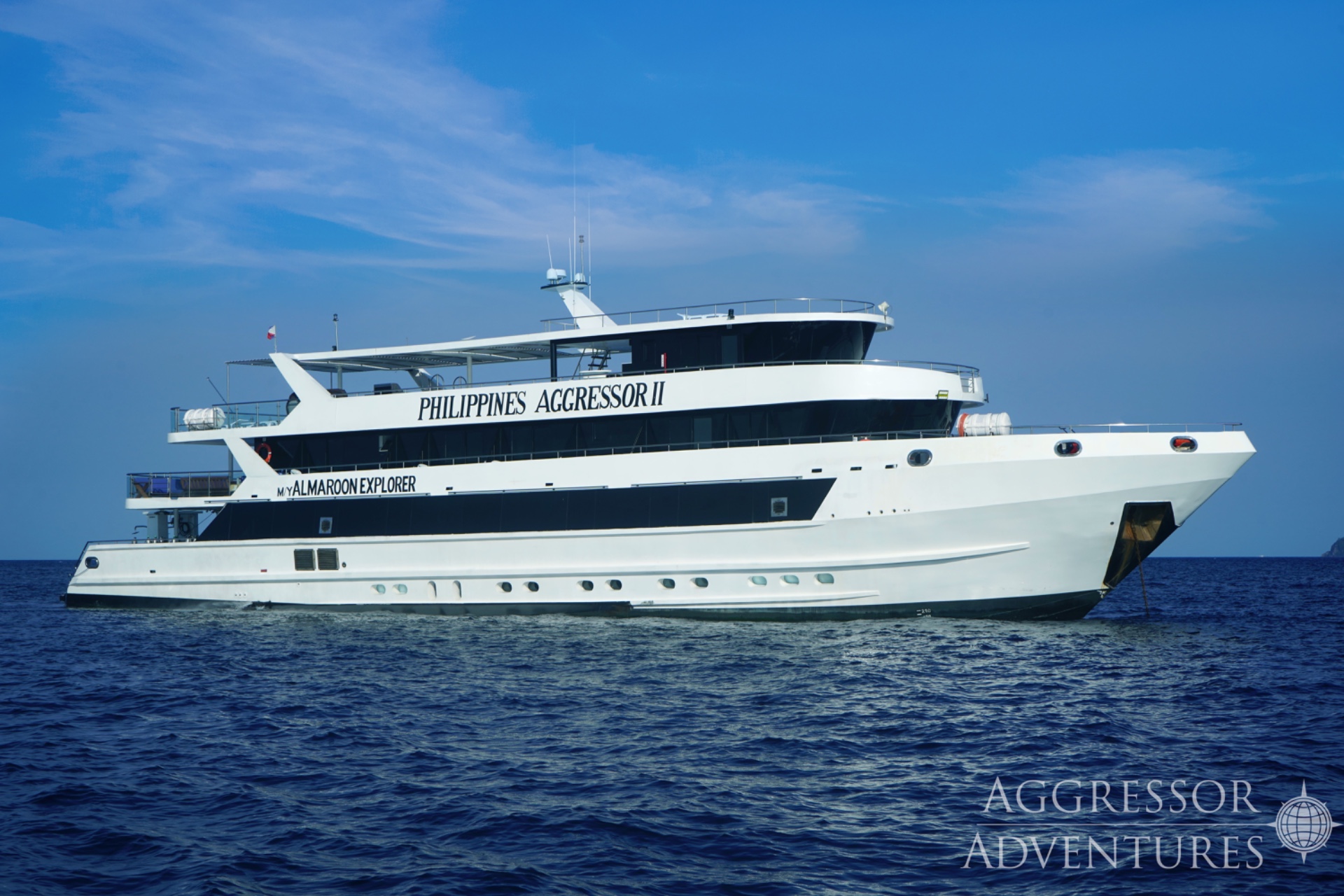
Philippines Aggressor II
Philippines
26 guests42.7 m
$247/day
Dive sites similar to Cathedral Rock
Same character, same waters — six more sites divers love for the exact same reasons.Compare seasons, access and liveaboard routes — then pick the site that fits your trip best.
© Esri — Maxar, Earthstar, GIS
Big La Laguna
Philippines
Big La Laguna is a beach community situated on the western edge of the Sabang Peninsula, a popular dive region on Mindoro Island, Philippines.
- Suitable for
- Intermediate
- Current
- Moderate
- Access
- Dayboat
- Depth
- 5–35 m
- Theme
- Reef / Wall
© Esri — Maxar, Earthstar, GIS
Black Forest
Philippines
Black Forest is a premier dive site located off Balicasag Island, renowned for its exceptional marine biodiversity and distinct topography.
- Suitable for
- Intermediate
- Current
- Strong
- Access
- Liveaboard or dayboat
- Depth
- 10–30 m
- Theme
- Drift / Reef
© Esri — Maxar, Earthstar, GIS
Panagsama Beach
Philippines
Panagsama Beach, situated on a peninsula near Moalboal town in Cebu, serves as a central hub for diving activities in the region, boasting over 20 dive sites along its shoreline.
- Suitable for
- Intermediate
- Current
- Moderate
- Access
- Liveaboard or dayboat
- Depth
- ≤ 30 m
- Theme
- Reef / Wall
© Esri — Maxar, Earthstar, GIS
Olympia Maru
Philippines
The Olympia Maru is a prominent Japanese cargo ship wreck from World War II, located within Coron Bay, Philippines.
- Suitable for
- Intermediate
- Current
- Mild
- Access
- Dayboat
- Depth
- 17–24 m
- Theme
- Wreck / Reef
© Esri — Maxar, Earthstar, GIS
Balinghai Wall
Philippines
Balinghai Wall is a notable dive site located on the northwest side of Boracay, known for its accessible wall and coral slope formations.
- Suitable for
- Intermediate
- Current
- Mild
- Access
- Dayboat
- Depth
- 8–24 m
- Theme
- Wall / Reef
© Esri — Maxar, Earthstar, GIS
Tongo Sanctuary
Philippines
Tongo Sanctuary, located in Moalboal, Cebu, is a marine protected area renowned for its dramatic underwater topography.
- Suitable for
- Beginner
- Current
- Mild
- Access
- Dayboat
- Depth
- 5–55 m
- Theme
- Reef / Wall