About Sombrero Island
Sombrero Island, aptly named for its unique hat-like silhouette, is an uninhabited gem nestled off the eastern tip of Tingloy Island in Batangas province, within the renowned Anilao Batangas Marine Park Sanctuary. This dive site is celebrated for its exceptional biodiversity, positioned within the Verde Island Passage, often referred to as the "center of the center of marine biodiversity." The underwater topography features stunning coral walls and slopes that encircle the island, ranging in depth from 5 to 30 meters. These reefs are carpeted with vibrant hard and soft corals, including striking yellow Tubastraea cup corals. Wide gullies and immense coral heads provide shelter and habitat for a rich assortment of reef fish and invertebrates. The currents at Sombrero Island can be formidable and unpredictable, nourishing the corals and attracting large pelagic species such as trevallies, jacks, and tuna, alongside schools of rainbow runners. While encounters with large pelagics are possible, the site is particularly famous for its macro life, boasting an impressive variety of nudibranchs, frogfish, and other exotic critters. The area's reputation as the birthplace of scuba diving in the Philippines, coupled with its immense macro diversity, makes it a prime destination for underwater photographers. Divers typically access Sombrero Island by traditional Filipino "Banca" boats from nearby resorts in Mabini, with the journey taking about 20-25 minutes. Due to its exposed location, surface conditions can be choppy, especially in the afternoons. Diving is best when currents are manageable, often during neap tides, offering clear visibility for exploring its rich underwater world.
Highlights
Hat-shaped island topographyTubastraea cup coral carpetsStrong, dynamic currentsDiverse schooling fishExceptional macro lifeVibrant coral walls and slopesPelagic encounters possibleBiodiversity hotspot
Season calendar
Best months to dive here
Jan
Feb
Mar
Apr
May
Jun
Jul
Aug
Sep
Oct
Nov
Dec
Good
Dive site facts: Sombrero Island
- Depth
- 5–30 m
- Current
- Moderate to strong
- Visibility
- 20–30 m
- Water temperature
- 25–30°C
- Entry
- Boat
- Level
- Intermediate
- Dive type
- Reef wall, coral garden, macro
- Region / port
- Anilao, Batangas
- Coordinates
- 13.555, 121.073
Conditions & Currents
Sombrero Island is known for its strong and often unpredictable currents, which can flow from various directions. Divers should be prepared for stiff surge near the surface, especially upon entry, and potentially ripping currents and formidable undertows at depth. The exposed location of the island contributes to these dynamic conditions, making current experience beneficial. While currents can be intense, there are occasional periods of no current, offering a more tranquil dive experience. Visibility can be excellent, typically ranging from 20-30 meters. Due to the potential for strong currents, boat entries are common, and divers often use the numerous gullies and coral heads as natural shelters from the "liquid headwinds" during their descent. Slack tide or neap tides often offer the most favorable conditions.
Marine life & sighting chances
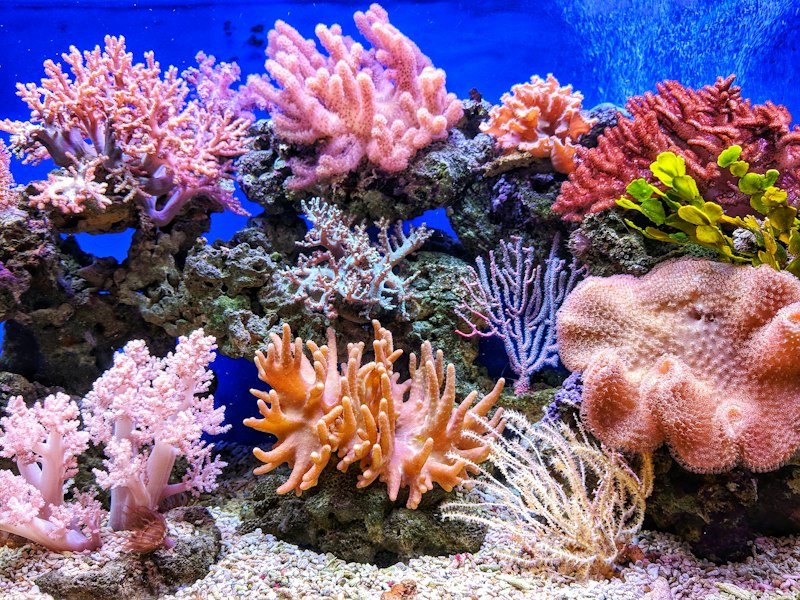
Soft corals
common
Hard corals
common
Schooling fish
common
Turtles
occasional
Rays
occasional
Trevally
common
Snappers
occasional
Blue-ringed octopus
occasionalTubastraea cup corals
common
Anthias
common
Triggerfish
occasional
Lionfish
occasional
Batfish
occasional
Giant frogfish
occasionalDive profile & how the dive runs
Dives at Sombrero Island typically begin with a boat entry, often close to the northern shoreline, though multiple entry points are used depending on current direction. Due to potential strong surface surge, negative entry might be preferred. Upon descent, divers navigate through gullies and around large coral heads that provide some shelter from currents. The dive progresses along the coral walls and slopes surrounding the island, which range from 5 to 30 meters. Routes often incorporate the 'hat rim' that stretches north to south underwater, or the more sheltered east face. A common area of interest is Batok, behind the island, known for its coral gardens and schooling fusiliers. Divers spend time exploring the vibrant hard and soft corals, keeping an eye out for macro critters in crevices and pelagics in the blue. The turn point is often dictated by air consumption or current strength, with the safety stop conducted in shallower, sometimes more sheltered, areas of the reef.
Underwater photography
Sombrero Island offers exceptional opportunities for both wide-angle and macro photography, though the latter is particularly celebrated. For wide-angle shots, a fisheye or wide-angle lens is ideal to capture the expansive coral walls, schooling fish, and the unique underwater topography. Strong currents mean photographers should prioritize good buoyancy control to avoid damaging corals or stirring up sediment. When focusing on macro subjects like nudibranchs, frogfish, or porcelain anemone crabs, a macro lens is essential. Utilizing snoots can help isolate subjects against busy backgrounds and highlight intricate details. Patience is key, especially when searching for the abundant small critters in every nook and cranny. Be mindful of your dive guide; they are adept at spotting rare species. Given the potential for strong currents, securing your camera gear and maintaining situational awareness is crucial.
Combine with nearby dive sites
- Anilao — Secret Bay
Famous for muck diving and macro photography
- Cathedral Rock
Known for its unique underwater rock formations and diverse marine life
- Verde Island Passage
Part of the wider region, a global biodiversity hotspot
- Apo Island
Recognized for its marine sanctuary and turtle populations
- Puerto Galera — Canyons
Famous for drift diving and strong currents
Getting there & logistics
To reach Sombrero Island, divers typically fly into Manila (MNL) and then take a private transfer or public bus to Anilao, Batangas. The journey from Manila to Anilao usually takes 2.5 to 3.5 hours. From resorts in Mabini, the boat ride to Sombrero Island is approximately 20-25 minutes by traditional Filipino "Banca." Day trips are common, as Sombrero Island is often part of a wider Anilao dive itinerary. There are no specific park fees mentioned for Sombrero Island itself, but many dive resorts offer packages that include boat transfers and guided dives. Anilao is known for being the birthplace of scuba diving in the Philippines, with numerous resorts and dive shops catering to all levels.
Safety & environment
Diving at Sombrero Island requires careful attention to safety protocols due to potentially strong and unpredictable currents. Divers should have appropriate experience with current diving and maintain excellent buoyancy control. Always dive with a reputable dive operator and follow your dive guide's instructions closely, especially regarding entry and exit procedures. The nearest recompression chamber is typically found in Batangas City, but emergency evacuation to Manila may be required for serious incidents. It is highly recommended to have comprehensive dive insurance that covers emergency medical treatment and evacuation. Always carry a surface marker buoy (SMB) for safety in case of surfacing away from the boat, particularly given the dynamic current conditions. Adherence to marine park regulations, including no touching or collecting, is essential to preserve the fragile ecosystem.
Who it suits — and who it doesn't
Suited for
- Intermediate to advanced divers comfortable with currents
- Underwater photographers focusing on macro subjects
- Divers interested in diverse reef ecosystems
- Those seeking vibrant hard and soft coral formations
- Enthusiasts of schooling fish and potential pelagic encounters
Less suited for
- Beginner divers or those without current diving experience
- Divers who are uncomfortable with unpredictable conditions
- Individuals seeking completely calm and sheltered dives
- Those prone to seasickness due to potential surface chop
FAQ
Sombrero Island FAQ
How deep is Sombrero Island for diving?
Sombrero Island offers a depth range for diving from 5 meters down to 30 meters. This allows for exploration of both shallower coral gardens and deeper reef walls, catering to various dive profiles and interests.
What kind of marine life can I expect to see at Sombrero Island?
You can expect to see an abundance of marine life including diverse hard and soft corals, large schools of trevally, jacks, and rainbow runners. Macro enthusiasts will delight in numerous nudibranchs, frogfish, and various species of rays and turtles. The site is a biodiversity hotspot within the Verde Island Passage.
Are the currents strong at Sombrero Island?
Yes, Sombrero Island is known for its moderate to strong and sometimes unpredictable currents. These currents can create challenging diving conditions, so it is recommended for divers with intermediate to advanced experience who are comfortable with drift diving.
When is the best time of year to dive Sombrero Island?
The best time to dive Sombrero Island is during the dry season, which runs from November to May. During these months, the weather is generally more stable, the seas are calmer, and underwater visibility is at its peak, offering optimal diving conditions.
Is Sombrero Island suitable for beginner divers?
Sombrero Island is generally rated as an intermediate dive site, making it less suitable for absolute beginners. Divers should have some experience, particularly with managing currents, to safely and fully enjoy the site. It is not recommended for a first dive or for those new to diving in currents.
Why dive Sombrero Island from a liveaboard?
Sombrero Island is one of Philippines's signature dive sites. A liveaboard sleeps you on the water and puts you in the water for three to four guided dives per day, including dawn and night dives that day-boat operators rarely offer. You skip the daily commute back to port and reach quieter, less-crowded sites in the same region on a single trip.
Below are the liveaboards that include Sombrero Island on their Philippines itineraries.
Liveaboards diving Sombrero Island
These liveaboards may visit Sombrero Island on selected itineraries — the exact dive sites depend on departure, weather and conditions.
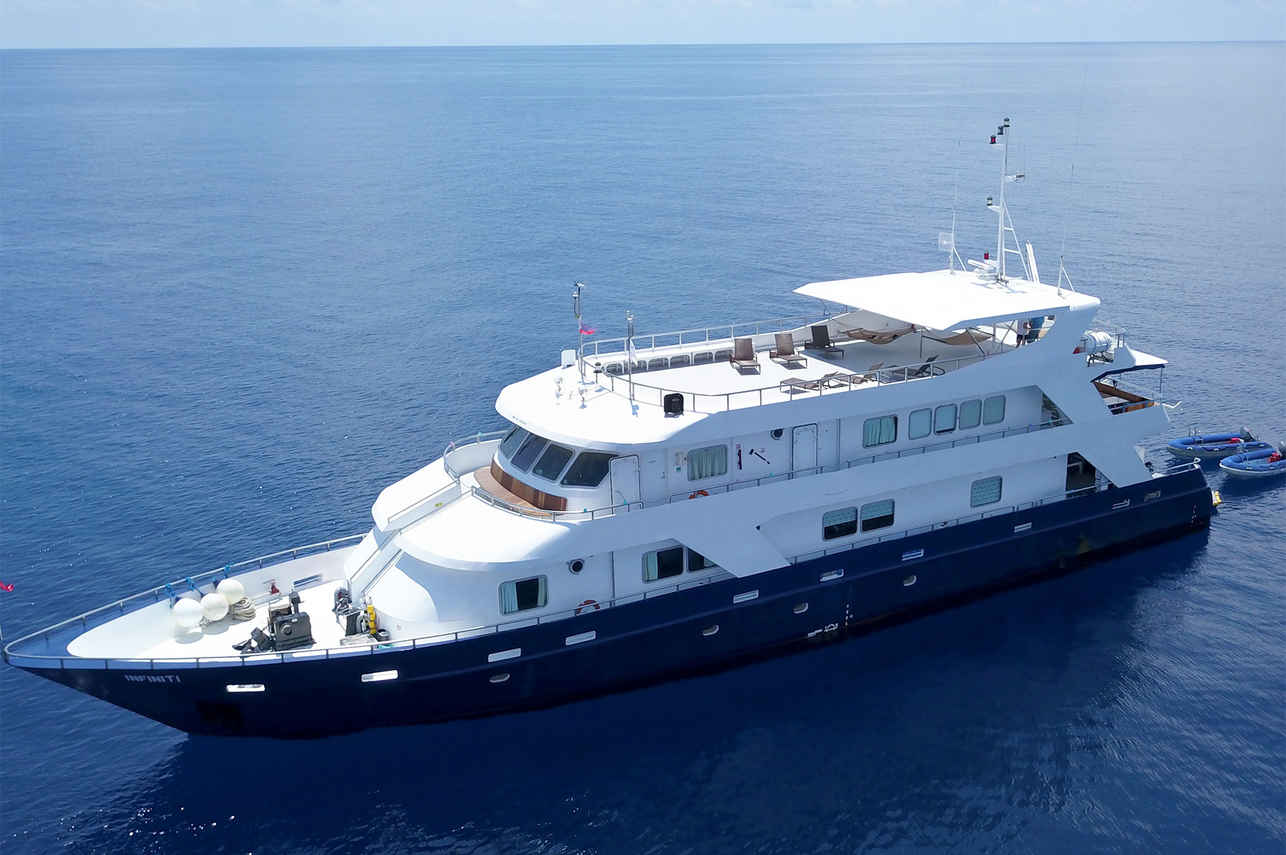
Infiniti
Philippines
25 guests39 m
$280/day
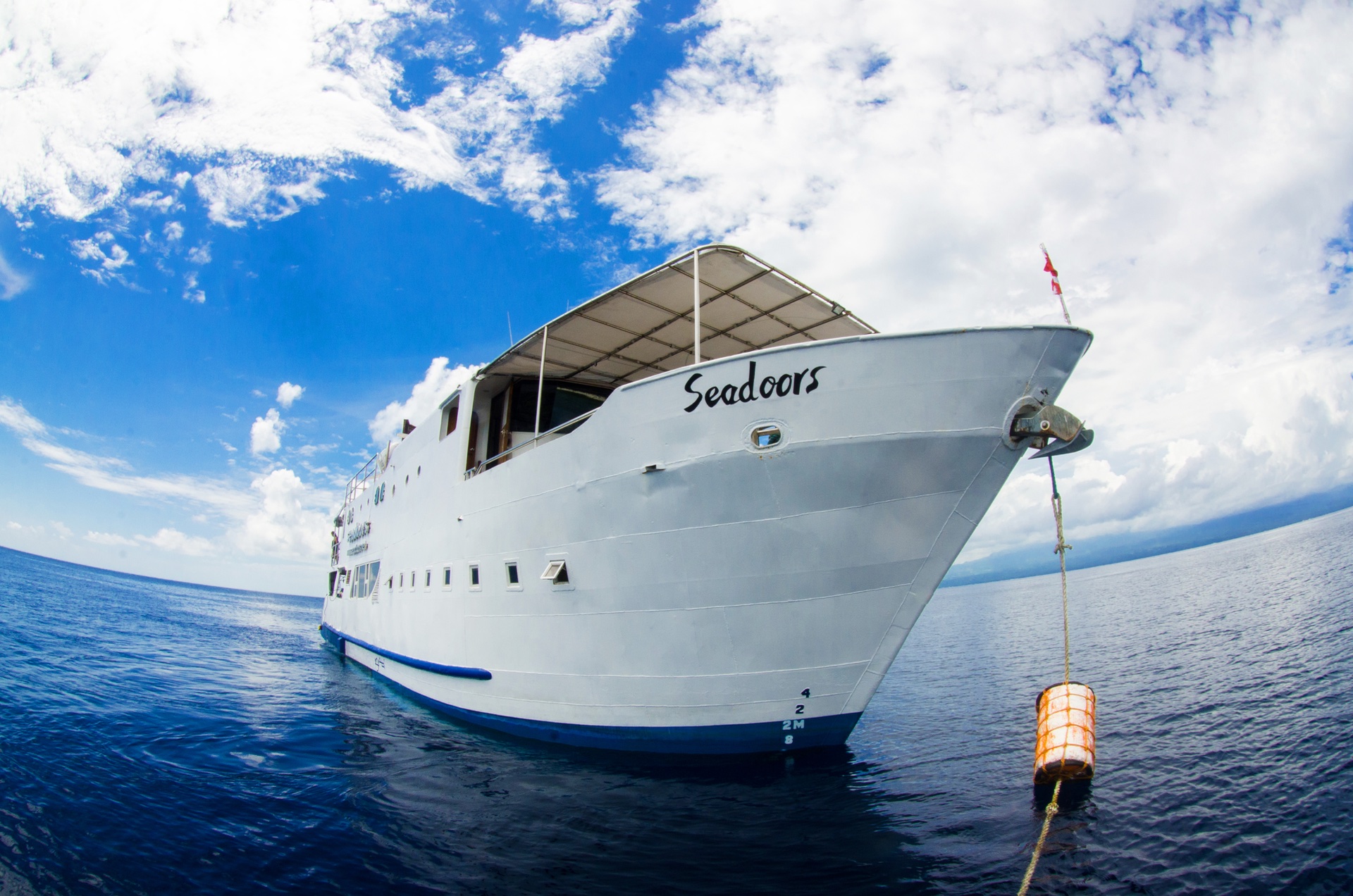
Seadoors
Philippines
16 guests25 m
$335/day
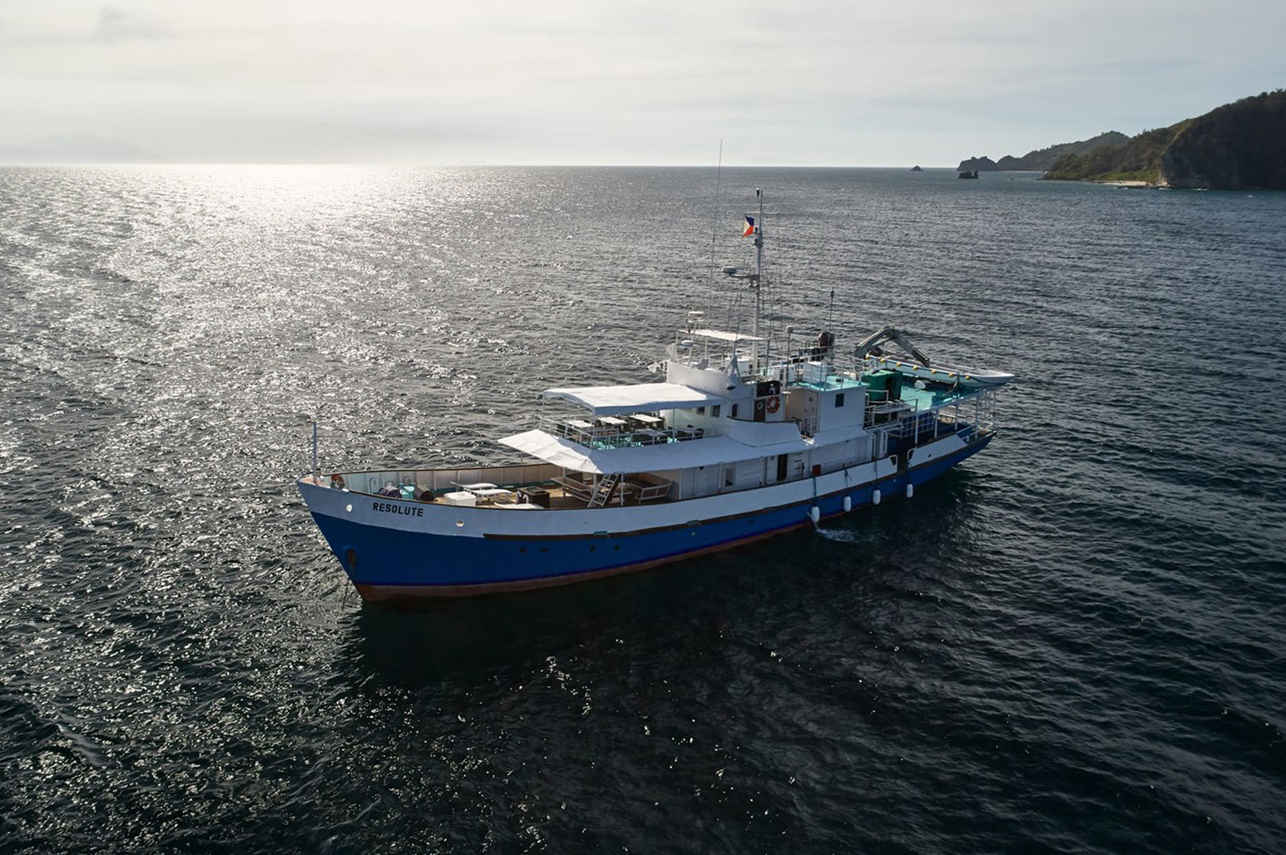
Resolute
Philippines
16 guests34.6 m
$314/day
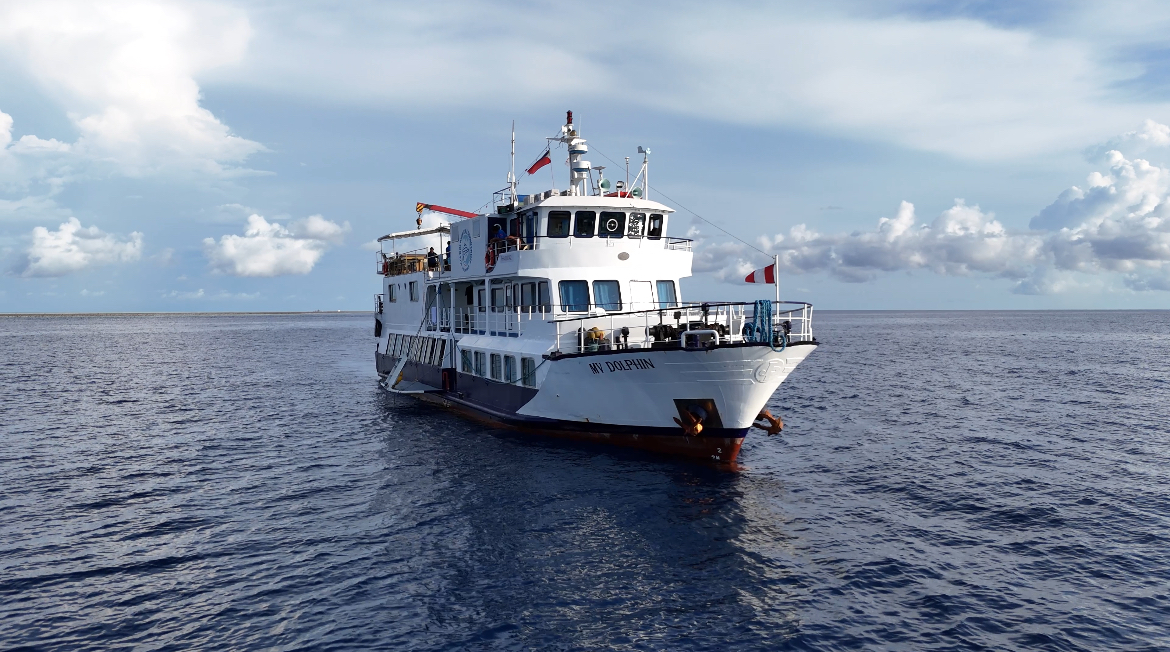
Dolphin
Philippines
18 guests31 m
$326/day
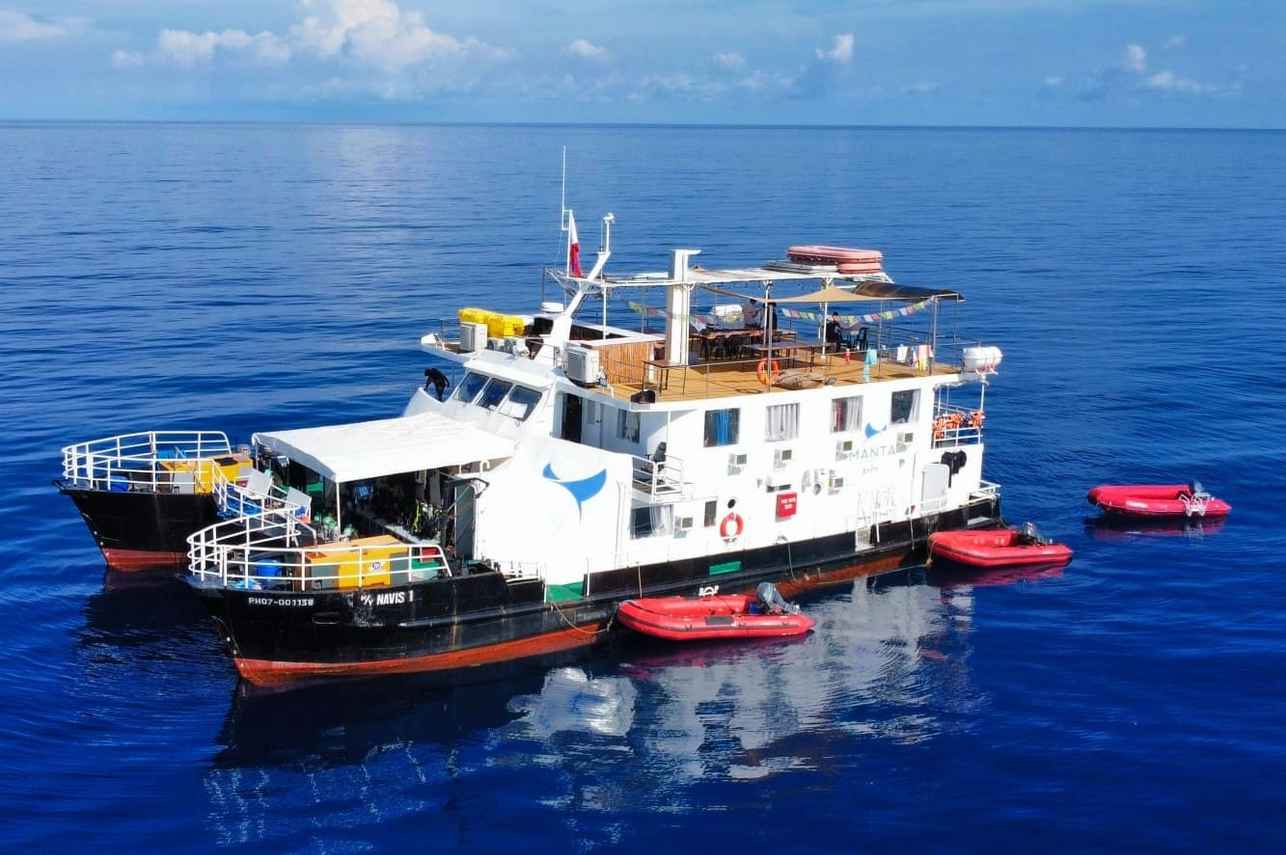
Navis 1
Philippines
22 guests23 m
$250/day
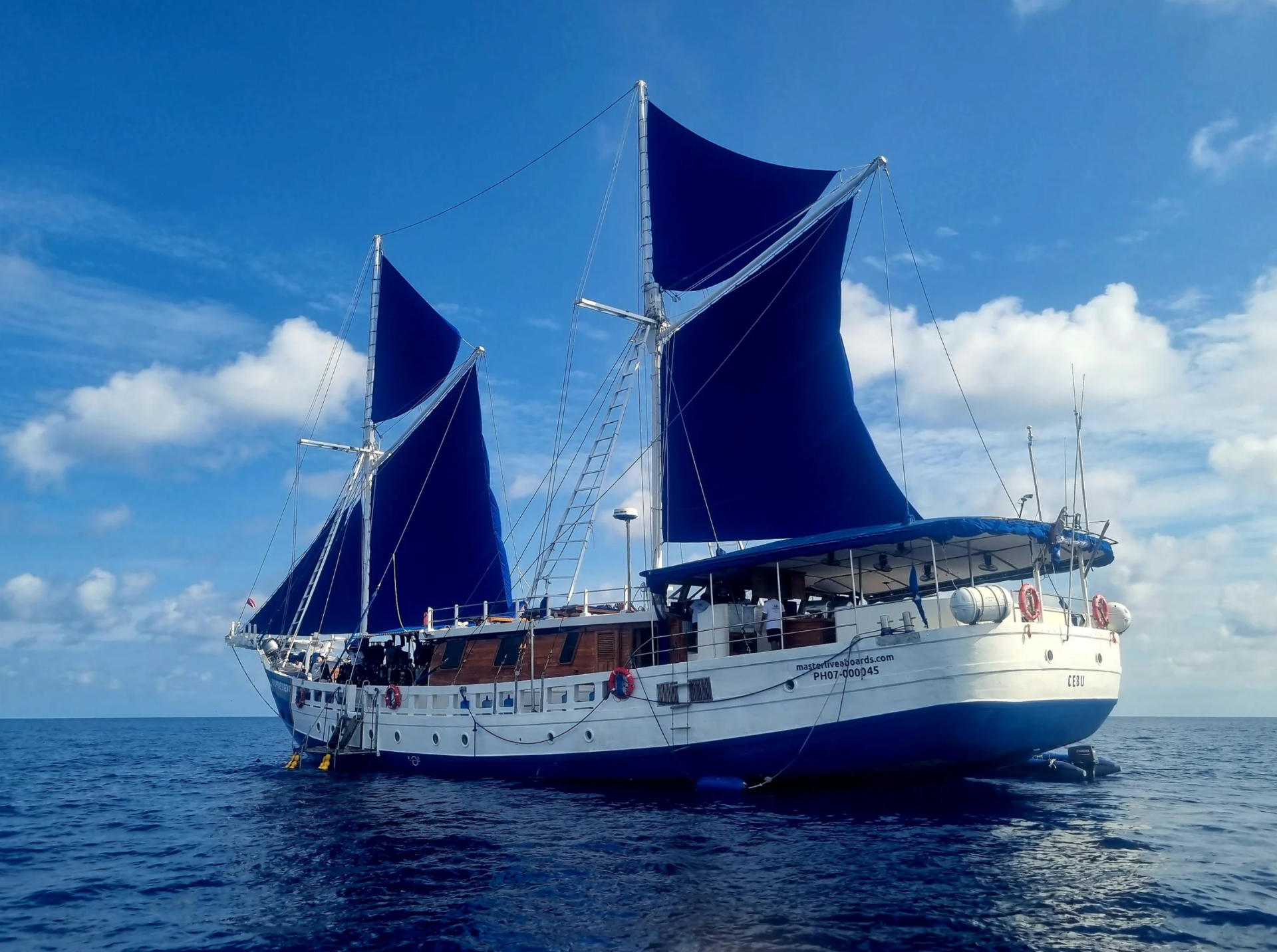
Philippine Siren
Philippines
16 guests
$309/day
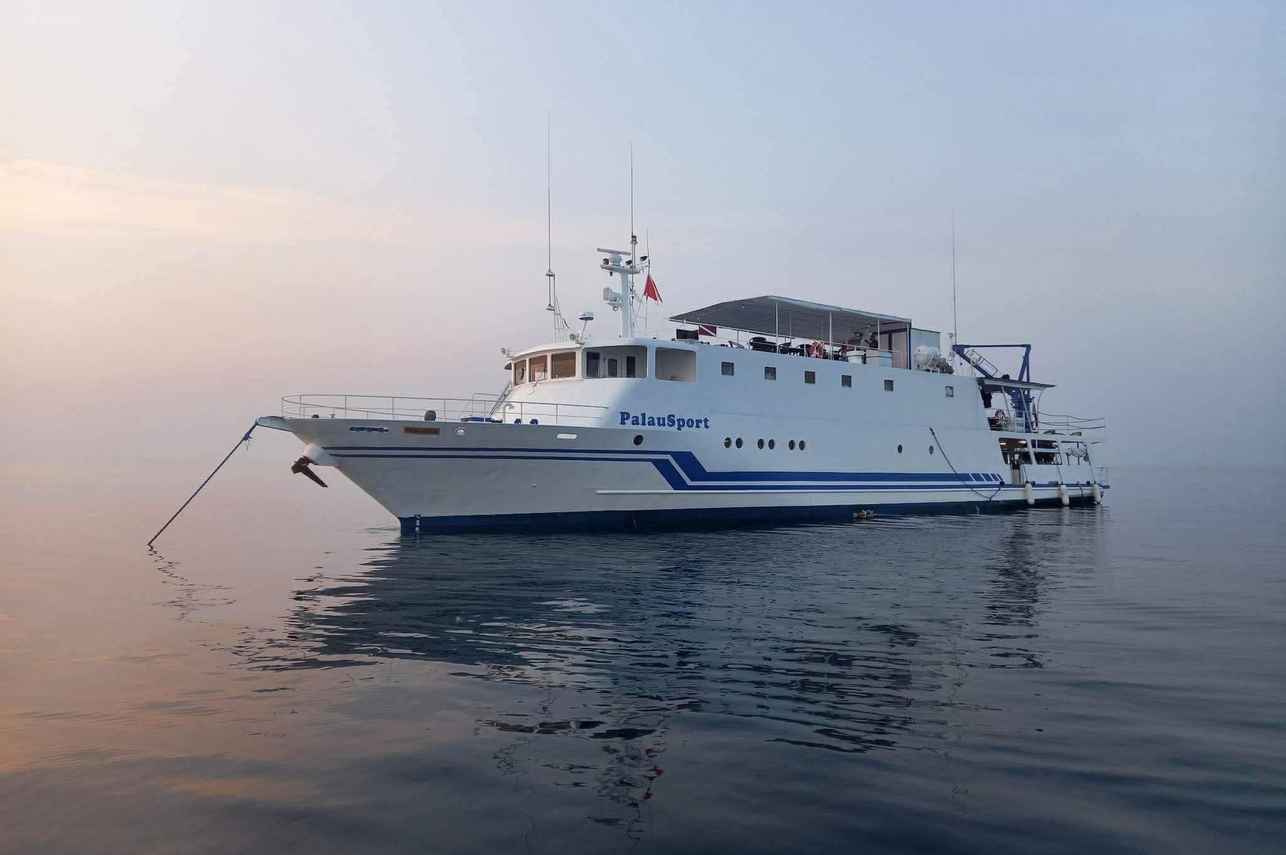
Palau Sport
Philippines
24 guests38.35 m
$215/day
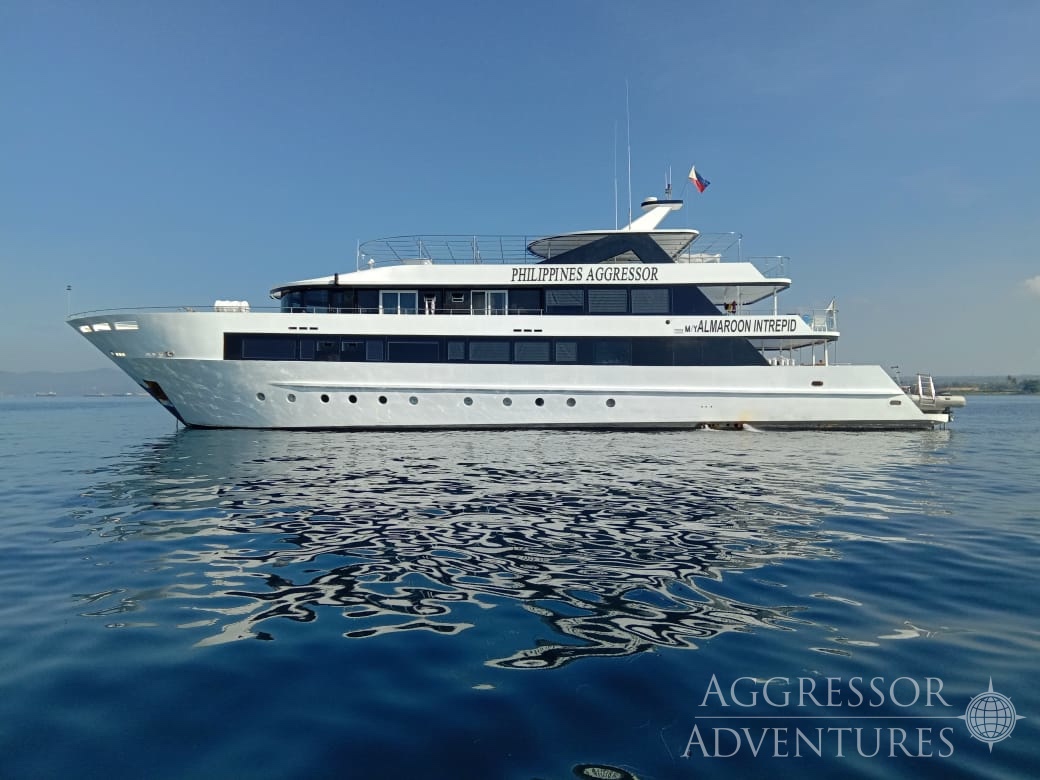
Philippines Aggressor
Philippines
26 guests42.7 m
$381/day
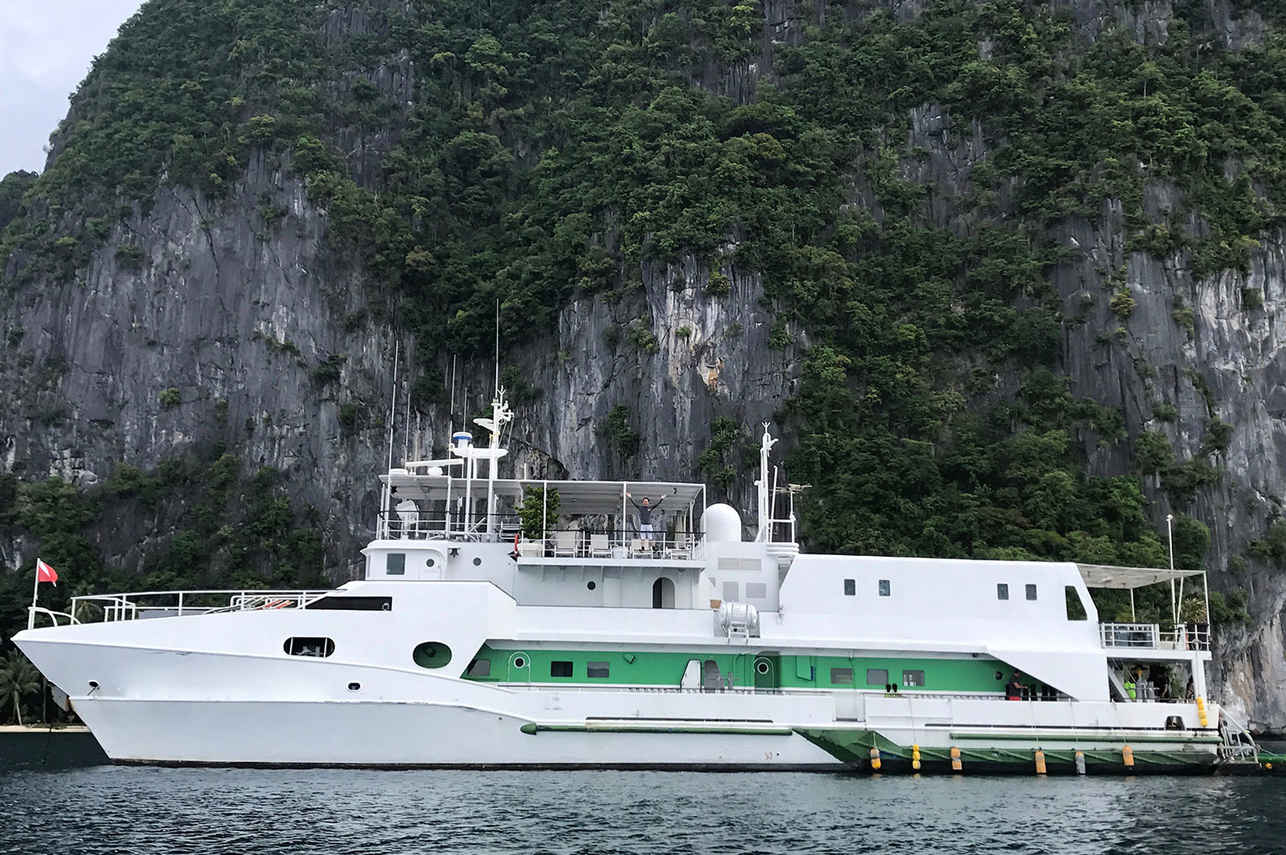
Stella Maris Explorer
Philippines
20 guests33 m
$398/day
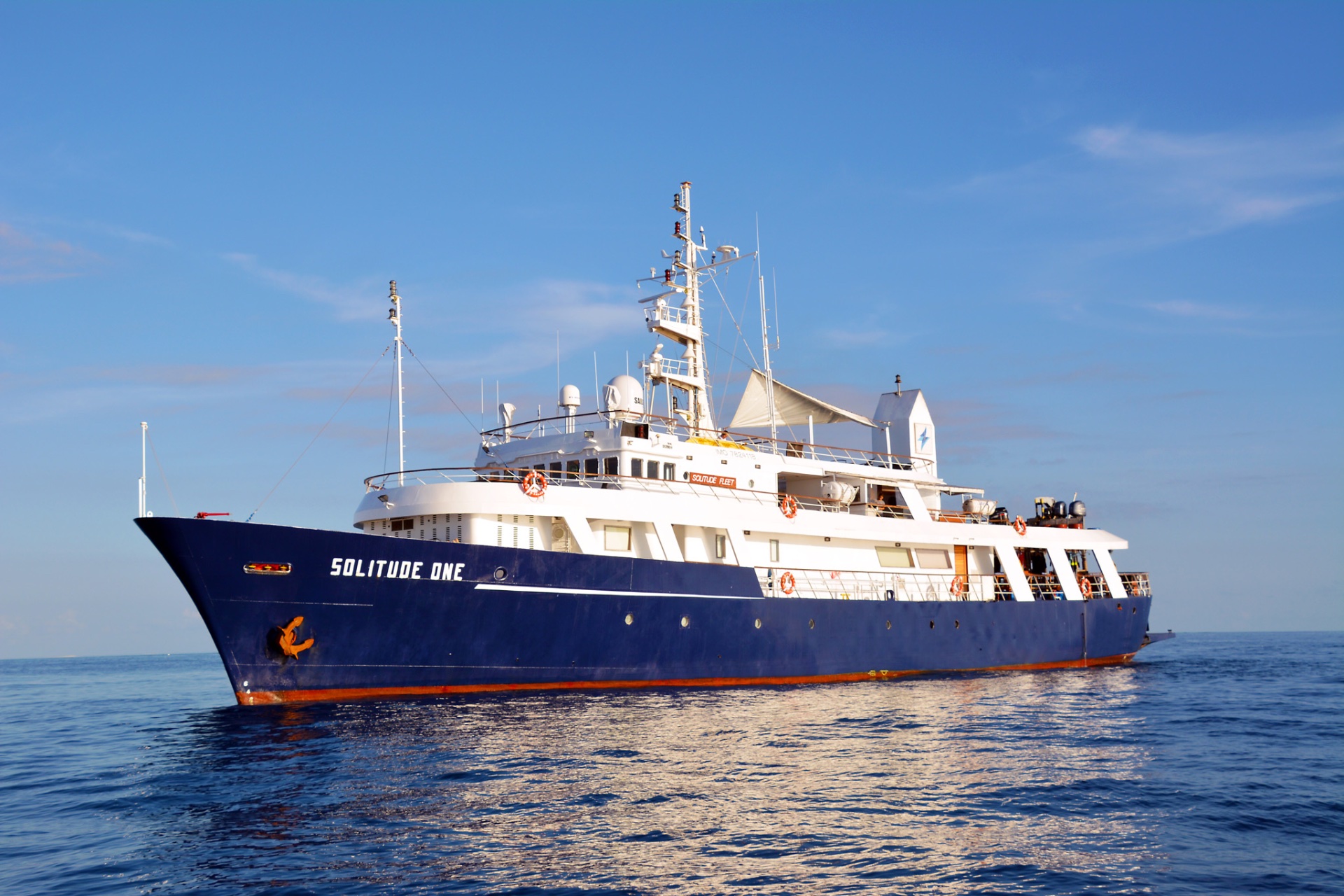
Solitude One
Philippines
24 guests52 m
$460/day
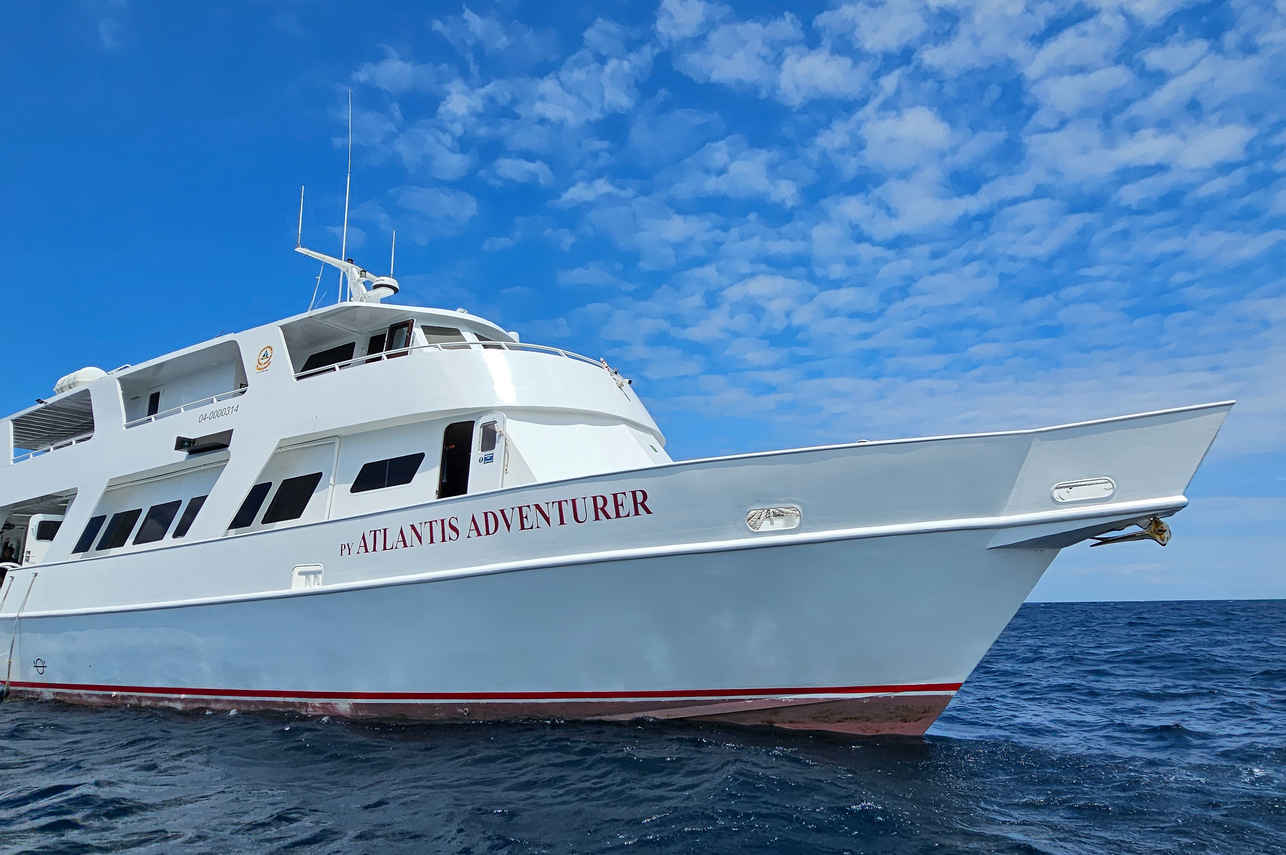
Atlantis Adventurer
Philippines
16 guests32.5 m
$421/day
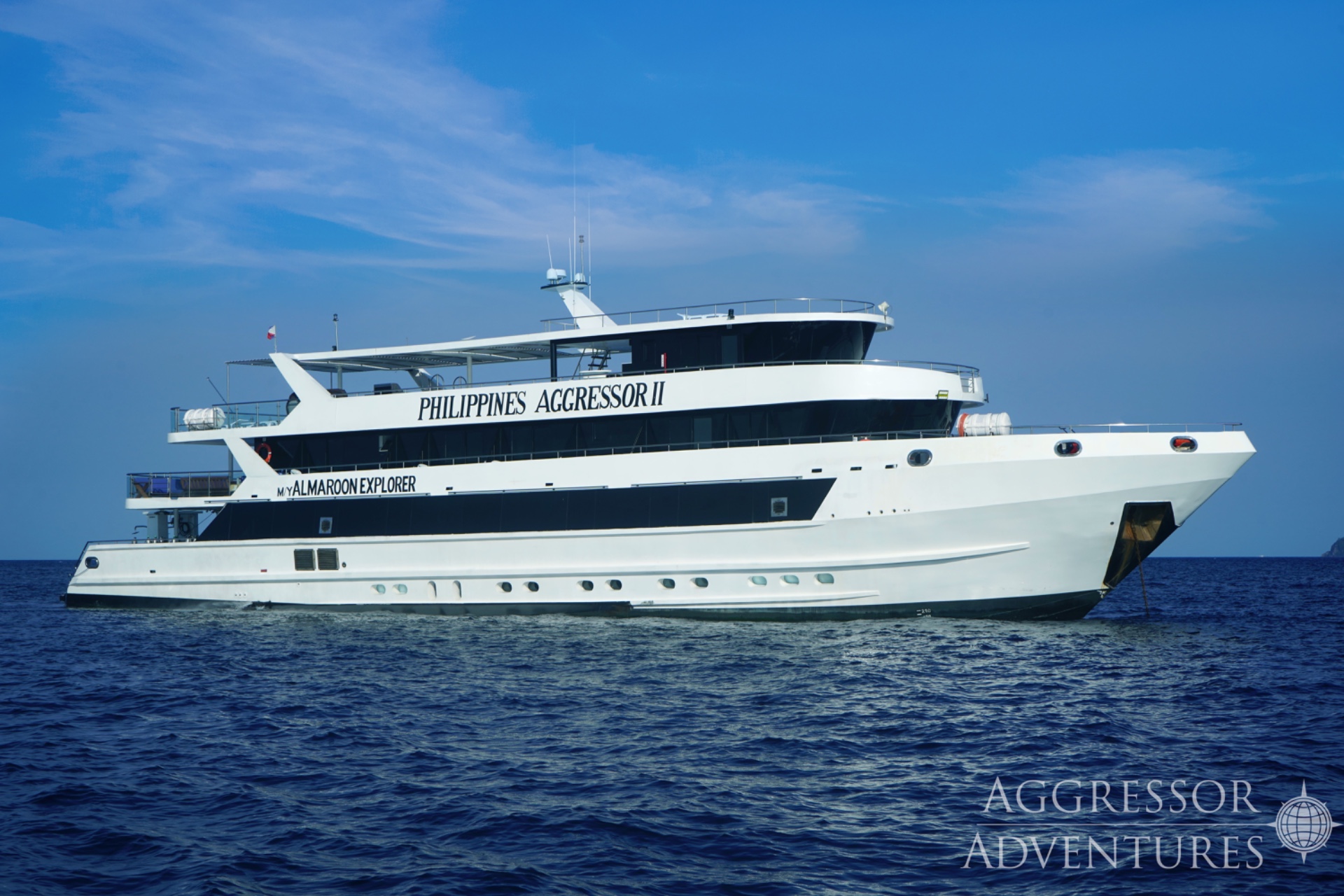
Philippines Aggressor II
Philippines
26 guests42.7 m
$247/day
Dive sites similar to Sombrero Island
Same character, same waters — six more sites divers love for the exact same reasons.Compare seasons, access and liveaboard routes — then pick the site that fits your trip best.
© Esri — Maxar, Earthstar, GIS
Big La Laguna
Philippines
Big La Laguna is a beach community situated on the western edge of the Sabang Peninsula, a popular dive region on Mindoro Island, Philippines.
- Suitable for
- Intermediate
- Current
- Moderate
- Access
- Dayboat
- Depth
- 5–35 m
- Theme
- Reef / Wall
© Esri — Maxar, Earthstar, GIS
Rusa Pinnacle
Alor
Rusa Pinnacle is a challenging yet highly rewarding dive site situated in the Alor archipelago, part of Indonesia's East Nusa Tenggara.
- Suitable for
- Advanced
- Current
- Strong
- Access
- Liveaboard only
- Depth
- 6–30 m
- Theme
- Reef
Lipah Bay is situated on Bali's northeast coast within the Amed area, nestled against the dramatic backdrop of Gunung Agung.
- Suitable for
- Beginner
- Current
- Mild
- Access
- Liveaboard or dayboat
- Depth
- 5–30 m
- Theme
- Reef / Drift
© Esri — Maxar, Earthstar, GIS
Tangked Cave
Bali
Tangked Cave, sometimes referred to as Tangked Taked Shark Cave, is an advanced dive site situated in the open ocean off Bali's southeastern coast.
- Suitable for
- Advanced
- Current
- Moderate
- Access
- Liveaboard or dayboat
- Depth
- 15–40 m
- Theme
- Cave & cavern / Reef
© Esri — Maxar, Earthstar, GIS
Schools Out
Alor
Schools Out in Alor offers divers an exceptional encounter with healthy coral reefs and a rich variety of marine species.
- Suitable for
- Intermediate
- Current
- Mild
- Access
- Liveaboard only
- Depth
- 20–30 m
- Theme
- Reef
© Esri — Maxar, Earthstar, GIS
Batununggul
Bali
Batununggul, also known as Suana or Batumulapan by some operators, is a dynamic wall and sloping reef dive site situated on the eastern side of Nusa Penida, Bali.
- Suitable for
- Advanced
- Current
- Strong
- Access
- Liveaboard or dayboat
- Depth
- 10–40 m
- Theme
- Wall