About Napaling
Napaling Reef, located on the northern coast of Panglao Island in Bohol, has rapidly become a premier dive destination, renowned for its spectacular sardine run. Unlike other locations where sardines might be elusive, here they congregate in immense numbers, often surprisingly close to the reef drop-off, creating a "living cloud" that engulfs divers in a shimmering silver spectacle. The site features a dramatic wall that begins shallow, around 5-7 meters, and descends vertically to depths of 25-30 meters and beyond. This wall is rich with overhangs, small caverns, and cuts, all adorned with vibrant soft corals, sponges, and fans. Beyond the dynamic sardine ball and its predators like trevally and barracuda, the reef also hosts an array of macro life, including well-camouflaged giant frogfish, various nudibranchs, and moray eels tucked into crevices. Napaling is versatile, accommodating divers of all skill levels. Beginners can enjoy the shallow reef top, often witnessing the sardine ball from just 3-5 meters, while experienced divers can embrace the exhilarating drift dives that occur when currents strengthen. These currents, though sometimes strong, are crucial for sustaining the rich ecosystem and making the drift dive experience truly memorable. The consistent warm water temperatures and generally excellent visibility, ranging from 15-25 meters, further enhance the diving experience. The site is a standout not only for its natural phenomena but also for the overall quality of its coral gardens and wall diving, making it a world-class offering within the diverse dive landscape of Bohol.
Highlights
Massive sardine runSpectacular reef wallHunting trevally and barracudaVibrant soft coralsMacro life on wallExhilarating drift dives
Season calendar
Best months to dive here
Jan
Feb
Mar
Apr
May
Jun
Jul
Aug
Sep
Oct
Nov
Dec
Excellent
Good
Dive site facts: Napaling
- Depth
- 5–30 m+
- Current
- Mild to strong
- Visibility
- 15–25 m
- Water temperature
- 27–30°C
- Entry
- Shore / boat
- Level
- OW certified, AOW recommended for deeper sections
- Dive type
- Reef, wall, drift
- Region / port
- Bohol, Visayas, Philippines
- Coordinates
- 9.861, 124.118
Conditions & Currents
Currents at Napaling typically range from mild to strong, necessitating careful attention to dive briefings, especially for drift dives. The presence of currents is a key factor, as they transport nutrients that sustain the large sardine schools and the diverse coral ecosystem. During stronger current periods, the site transforms into an exhilarating drift dive, where understanding the current direction and planning entry and exit points are paramount to safety and enjoyment. Divers should be prepared for potential surge along the wall and maintain good buoyancy control. Visibility is generally excellent, between 15 to 25 meters, but can occasionally be reduced directly within the sardine aggregation due to nutrient density. Local guides are essential for navigating conditions and ensuring a safe, enjoyable dive.
Marine life & sighting chances
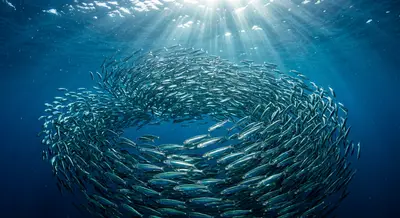
Sardine schools
common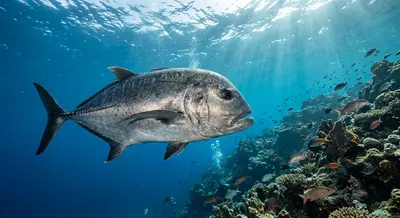
Trevally
common
Barracuda
common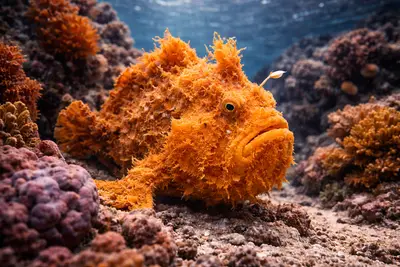
Giant Frogfish
occasional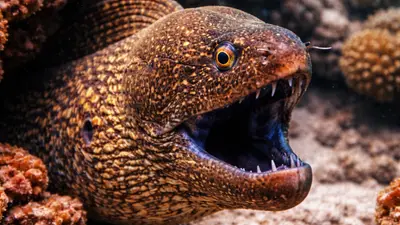
Moray Eels
common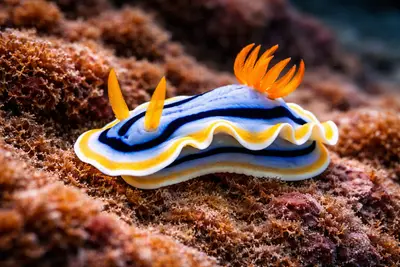
Nudibranchs
occasional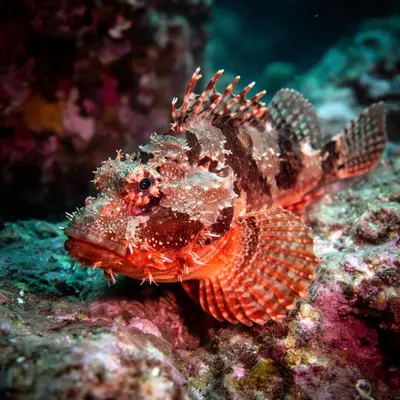
Scorpionfish
occasional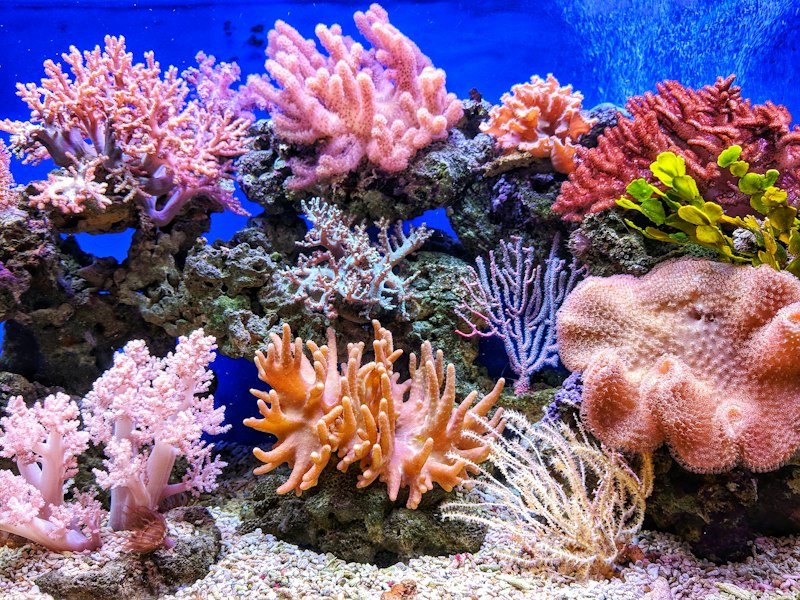
Soft Corals
common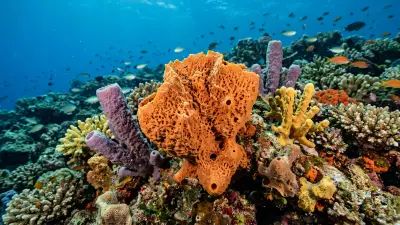
Sponges
common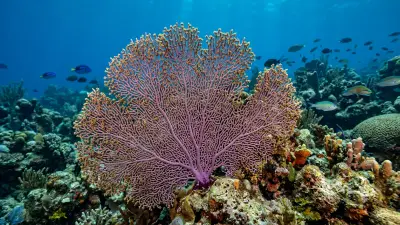
Fans
common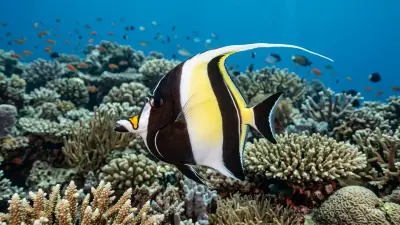
Moorish Idols
occasional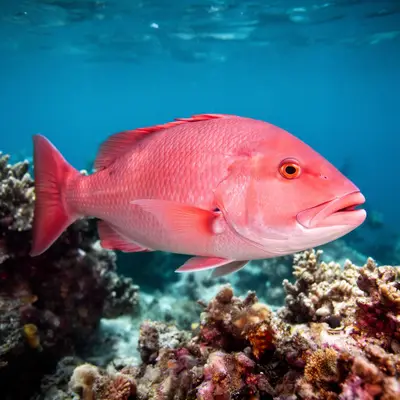
Snappers
occasionalDive profile & how the dive runs
Diving at Napaling typically begins with either a shore entry or a short boat ride to the drop-off. For shore dives, preparation is key due to steep stairs. Upon entry, descend to the shallow reef top at 3-5 meters, where the sardine ball often congregates. The main part of the dive explores the impressive wall, starting around 5-7 meters and descending gradually or as a drift dive along its vertical face down to 25-30 meters. Divers follow the wall, observing the vibrant coral and macro life while keeping an eye on the sardine action. The dive usually progresses with the current, allowing for a relaxed drift, conserving air. Turning points are often dictated by guide instructions or air consumption, and the safety stop is conducted in the calmer, shallower waters of the reef top, typically between 5-7 meters, before ascending.
Underwater photography
Napaling is a paradise for underwater photographers, particularly for wide-angle shots of the massive sardine ball. A wide-angle lens is essential to capture the scale and density of the "living cloud" against the blue water. Consider using natural light for the sardine school, but strobes will be crucial for illuminating the colorful soft corals, sponges, and fans on the reef wall. For macro enthusiasts, a macro lens is ideal for seeking out giant frogfish, nudibranchs, and other small critters hidden in the wall's crevices. Patience and good buoyancy are important, especially when shooting predators darting into the sardine school or when navigating currents. Maintain respectful distances from marine life, particularly the sardine ball, to avoid disrupting their natural behavior.
Combine with nearby dive sites
- Pescador Island
Pescador Island, situated approximately 4km off Panagsama Beach in Moalboal, Cebu, Philippines, offers an unparalleled diving experience…
- Balicasag Island
Known for schooling jacks, barracuda, and colorful reef fish.
- Cabilao Island
Offers opportunities to see hammerhead sharks.
- Moalboal Sardine Run
Another renowned sardine spectacle in the region.
- Apo Island
Famous for its clear waters, turtles, and diverse coral reefs.
Getting there & logistics
Access to Napaling Reef typically involves flying into Mactan-Cebu International Airport (CEB), then taking a ferry to Tagbilaran City in Bohol. From Tagbilaran, a transfer to Panglao Island, where Napaling is located, takes about 30-45 minutes. Many dive operators offer boat transfers directly to the site, which is often preferred over the challenging shore entry that involves steep stairs. Dive trips to Napaling are usually offered as day trips from resorts in Panglao, often combined with other local dive sites around Bohol. No specific permits beyond standard diving fees are generally required. Liveaboards visiting the Visayas region may also include Napaling in their itineraries, offering multi-day dive experiences.
Safety & environment
Ensuring safety at Napaling requires careful planning due to potentially strong currents and the nature of wall diving. All divers should have appropriate insurance that covers scuba diving and emergency medical evacuation. The nearest recompression chamber is typically located in Cebu City, necessitating a boat transfer followed by land transport, which can take several hours depending on sea conditions. Always follow your dive guide's instructions, especially regarding entry, exit, and drift diving procedures. Maintain conservative dive profiles, adhering strictly to depth and time limits. For shore entries, be mindful of the steep access. Stay with your buddy and be prepared for potential separation in currents, carrying an audible and visual signaling device. Good buoyancy control is critical to avoid damaging the delicate coral structures on the wall.
Who it suits — and who it doesn't
Suited for
- Advanced Open Water divers comfortable with currents
- Underwater photographers seeking wide-angle opportunities
- Divers interested in pelagic action and schooling fish
- Macro enthusiasts exploring reef wall crevices
- Divers seeking varied topography, from shallow reefs to deep walls
Less suited for
- Beginner Open Water divers without current experience
- Divers with poor buoyancy control
- Those who prefer static, current-free dives
- Individuals uncomfortable with deep wall environments
FAQ
Napaling FAQ
What makes Napaling Reef unique for diving?
Napaling Reef is primarily unique for its massive, resident sardine run, which forms a "living cloud" that divers can swim through. This spectacle often includes predatory trevally and barracuda hunting within the sardine ball, offering an intense display of the food chain in action. The site also boasts an impressive wall covered in vibrant corals and macro life.
Is Napaling suitable for beginner divers?
While the shallow reef top (3-5 meters) is accessible for Open Water students and snorkelers, allowing views of the sardine ball, the main wall dive can involve strong currents and deeper depths. Advanced Open Water certification is recommended for exploring the deeper sections and handling potential drift conditions, making it more suitable for experienced divers.
What kind of marine life can I expect to see at Napaling?
Beyond the millions of sardines, you'll encounter large pelagics like trevally and barracuda actively hunting. The reef wall itself hosts a variety of macro life, including giant frogfish, moray eels, nudibranchs, and scorpionfish. The corals, sponges, and fans along the wall also contribute to a diverse and colorful underwater ecosystem.
Are there strong currents at Napaling Reef?
Currents at Napaling can vary from mild to strong. Strong currents often lead to exhilarating drift dives, which are a highlight for experienced divers and essential for the site's rich ecosystem. Dive operators and guides monitor conditions closely to ensure safety and plan dives accordingly, often utilizing the current to enhance the experience.
What is the best way to access Napaling Reef?
Napaling can be accessed via shore entry, though this often involves navigating steep stairs. Most divers prefer to reach the site via a short boat ride from local dive centers in Panglao, Bohol. This method offers more convenience and allows for easier entry and exit, especially during stronger current conditions.
When is the best time of year to dive Napaling?
The best months to dive Napaling are generally from March to August. This period falls within the dry season, characterized by calmer seas, good weather, and excellent visibility. While diving is possible year-round in Bohol, these months typically offer the most consistent and favorable conditions for experiencing the site's main attractions.
Why dive Napaling from a liveaboard?
Napaling is one of Philippines's signature dive sites. A liveaboard sleeps you on the water and puts you in the water for three to four guided dives per day, including dawn and night dives that day-boat operators rarely offer. You skip the daily commute back to port and reach quieter, less-crowded sites in the same region on a single trip.
Below are the liveaboards that include Napaling on their Philippines itineraries.
Liveaboards diving Napaling
These liveaboards may visit Napaling on selected itineraries — the exact dive sites depend on departure, weather and conditions.
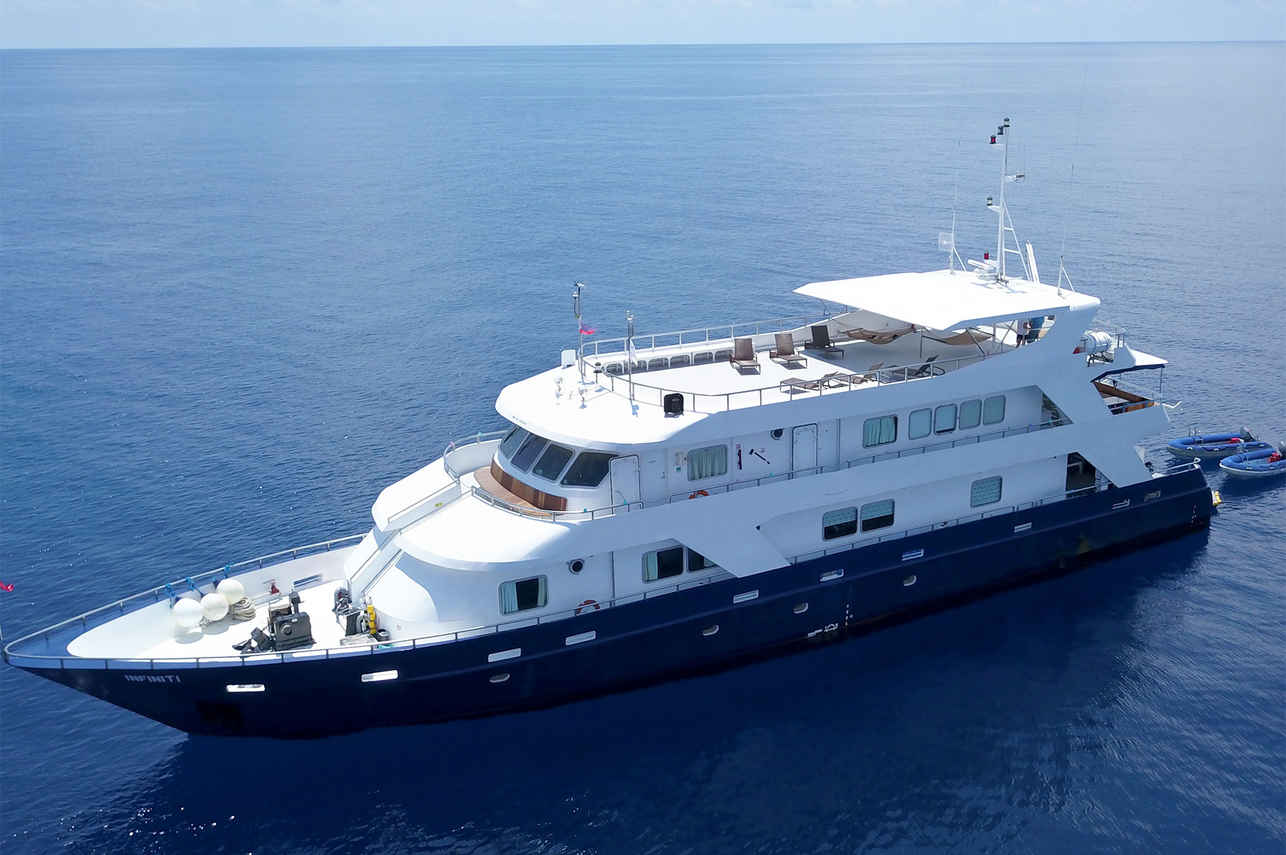
Infiniti
Philippines
25 guests39 m
$280/day
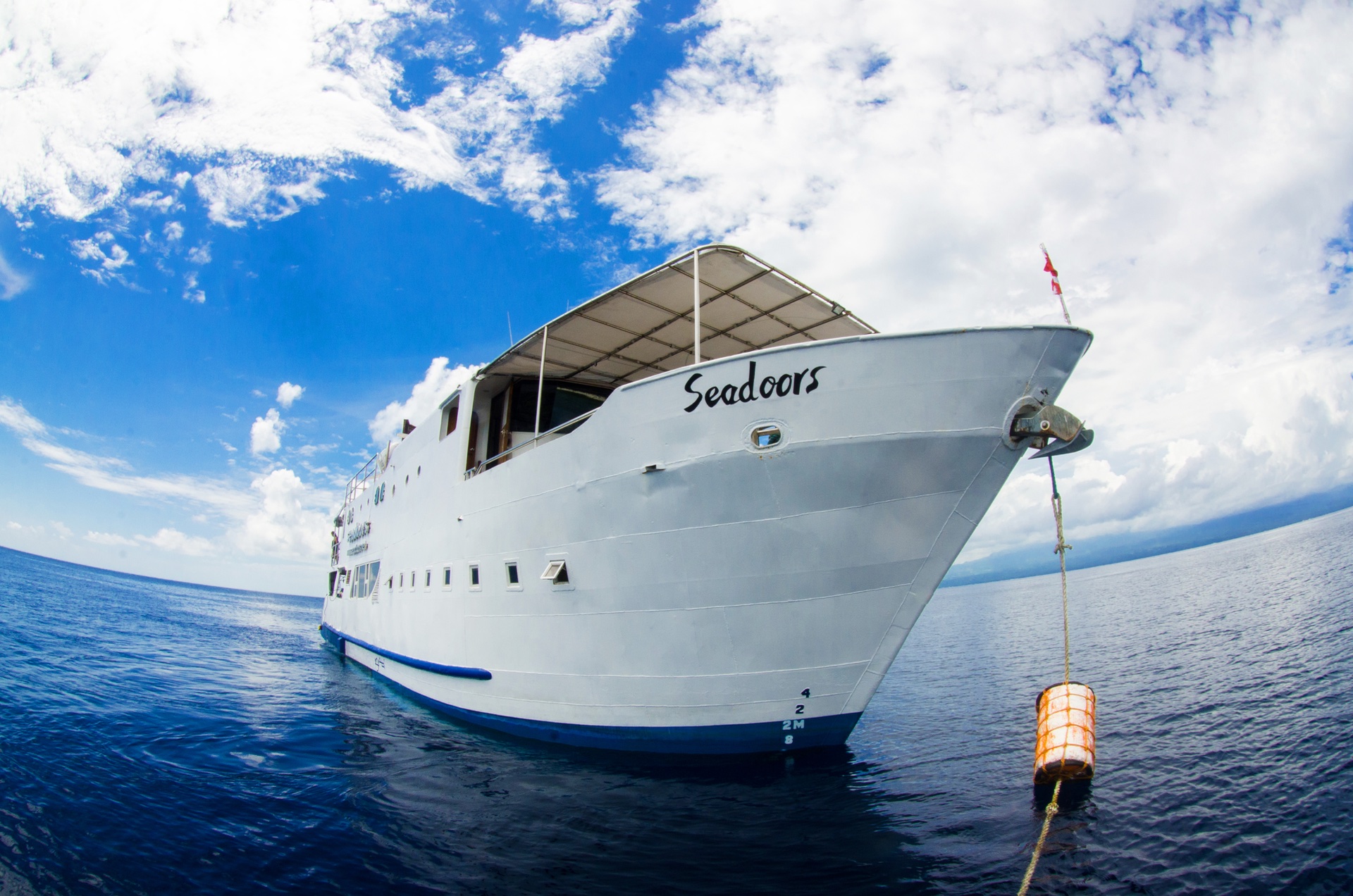
Seadoors
Philippines
16 guests25 m
$335/day
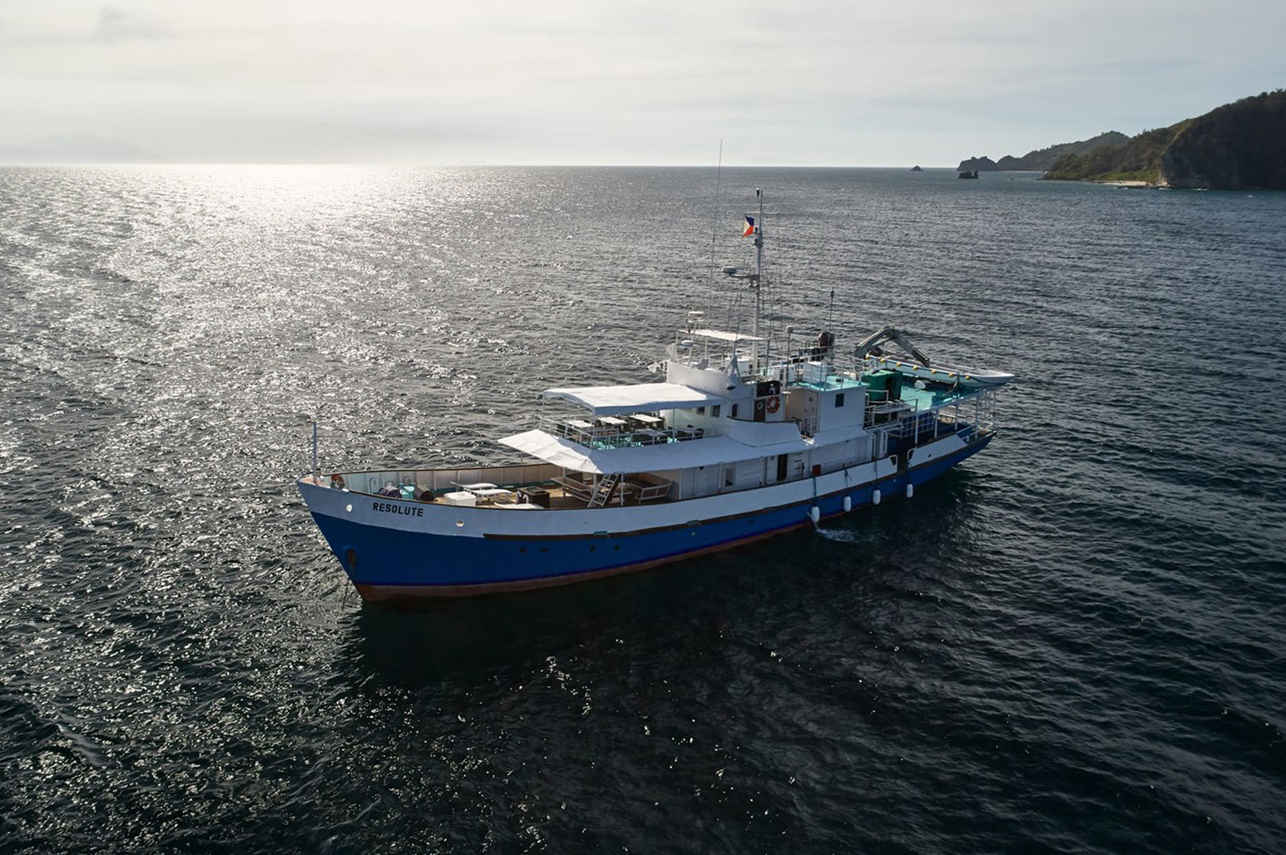
Resolute
Philippines
16 guests34.6 m
$314/day
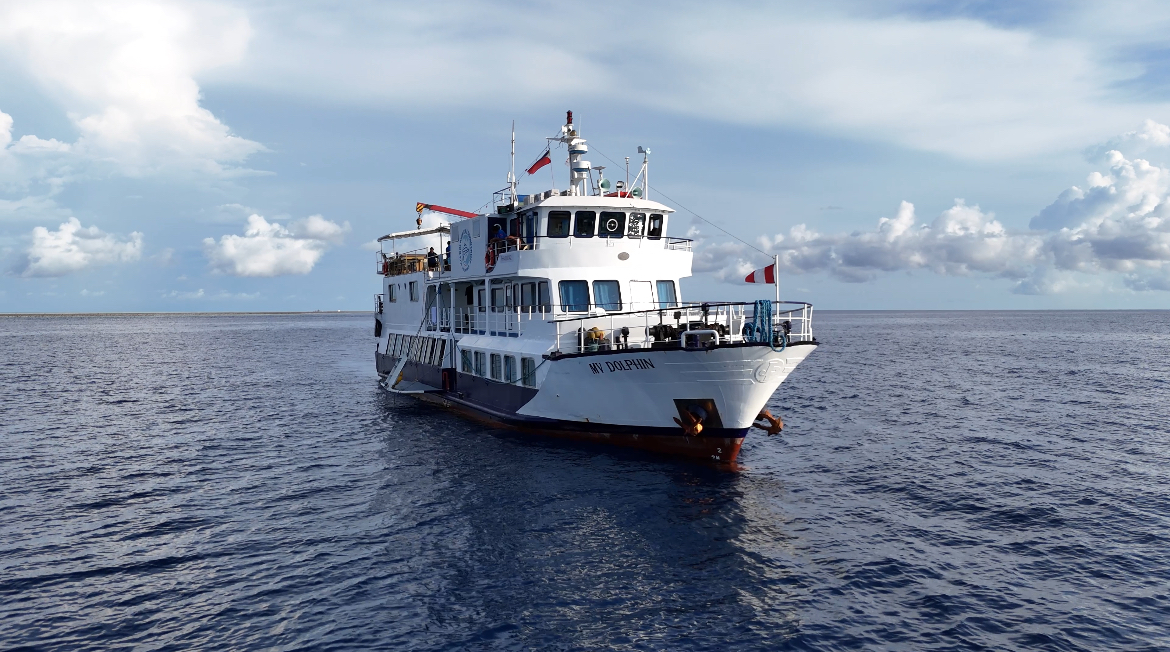
Dolphin
Philippines
18 guests31 m
$326/day
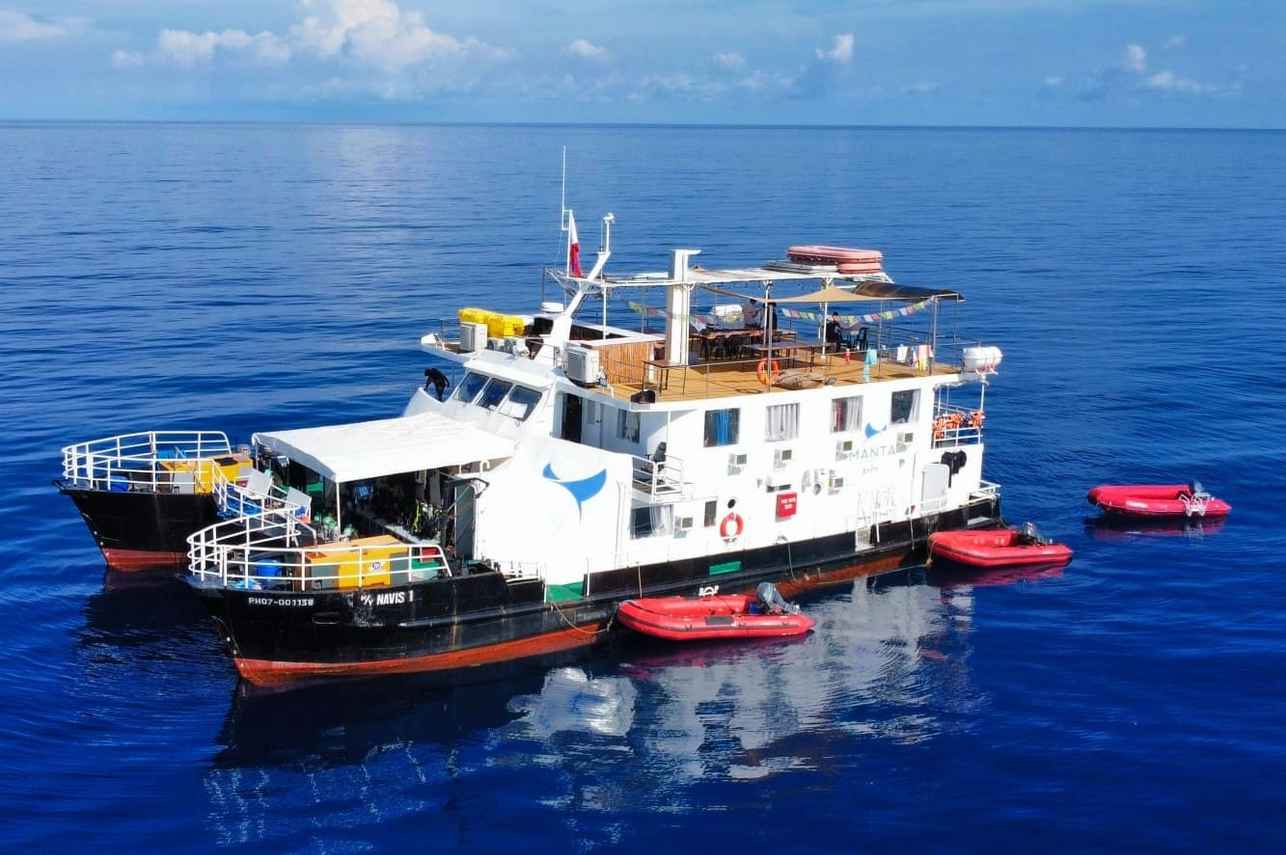
Navis 1
Philippines
22 guests23 m
$250/day
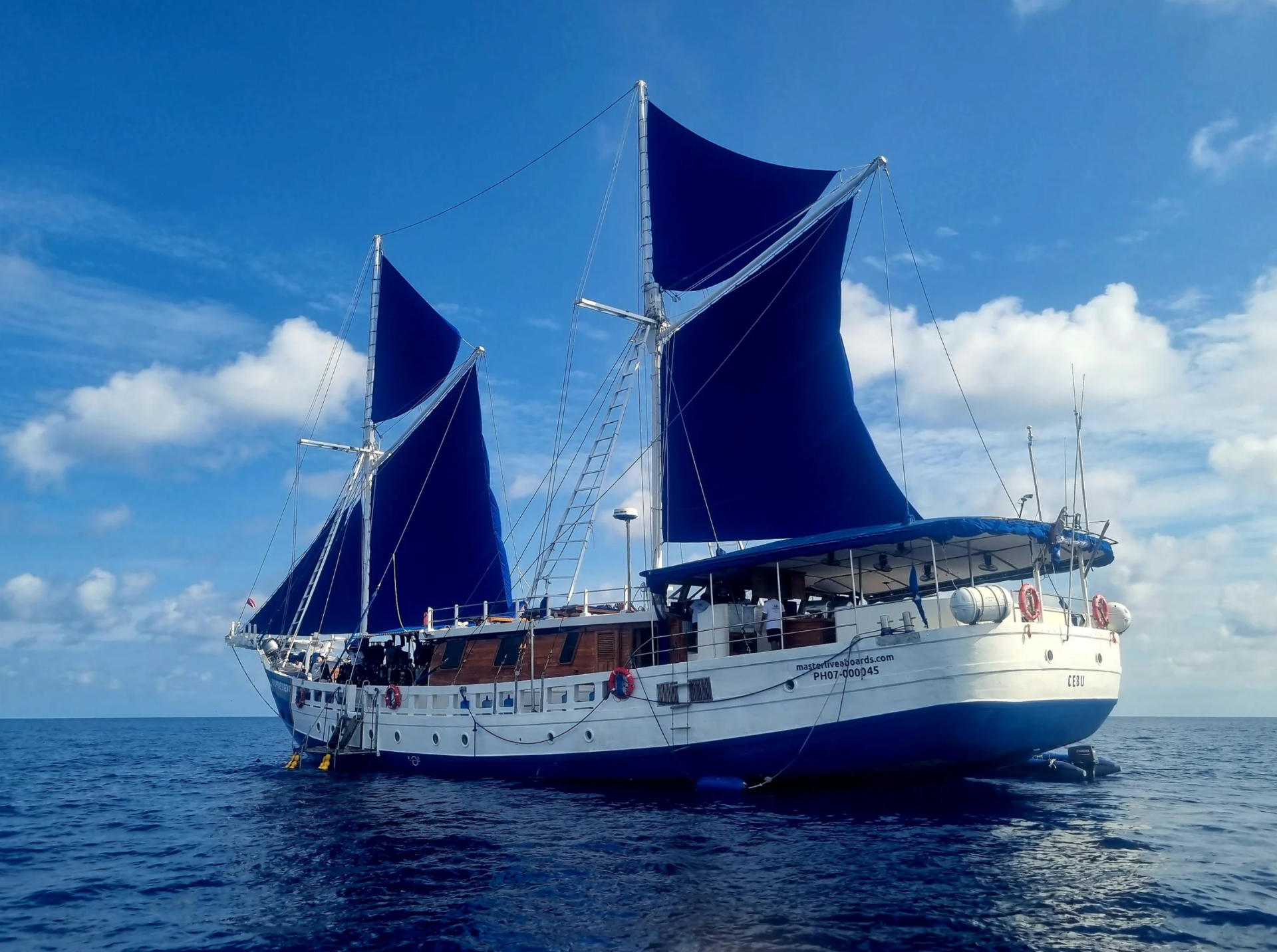
Philippine Siren
Philippines
16 guests
$309/day
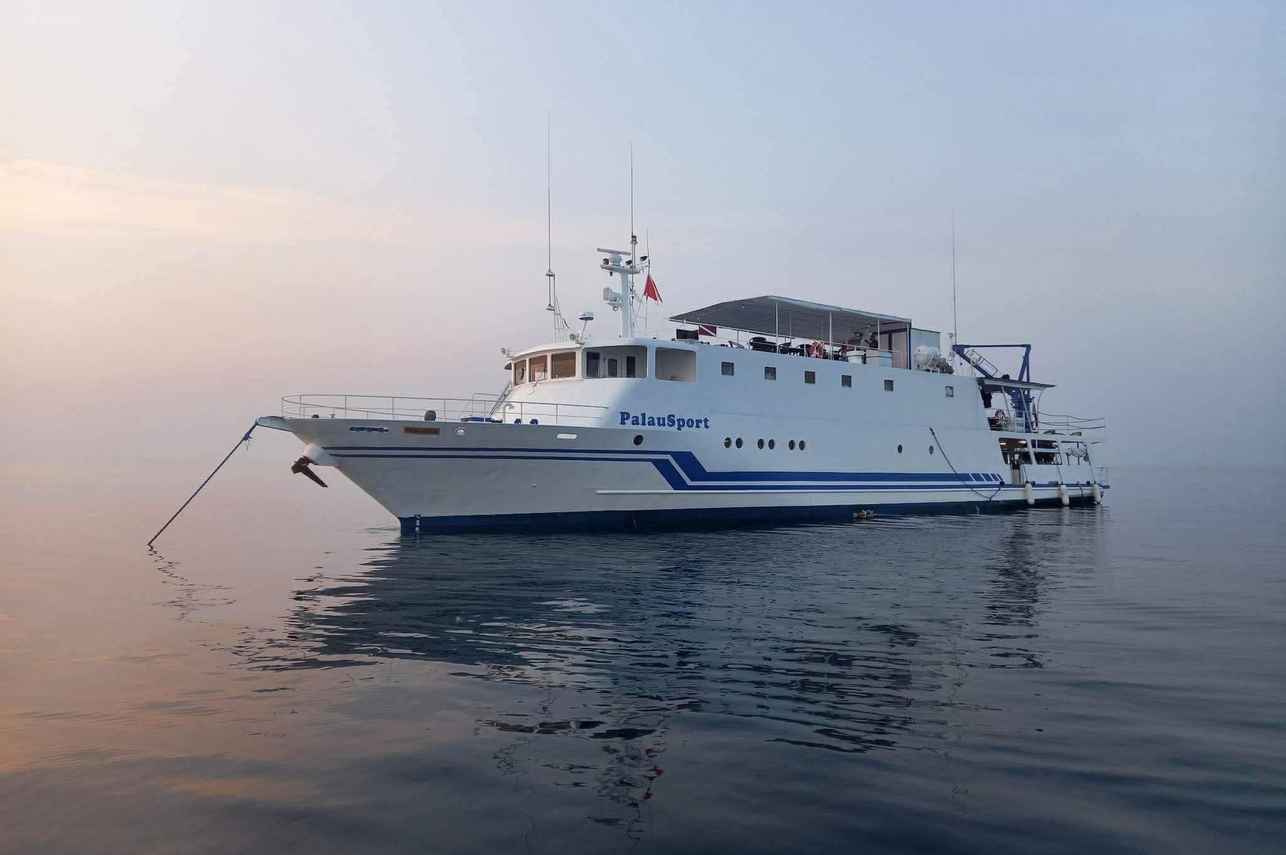
Palau Sport
Philippines
24 guests38.35 m
$215/day
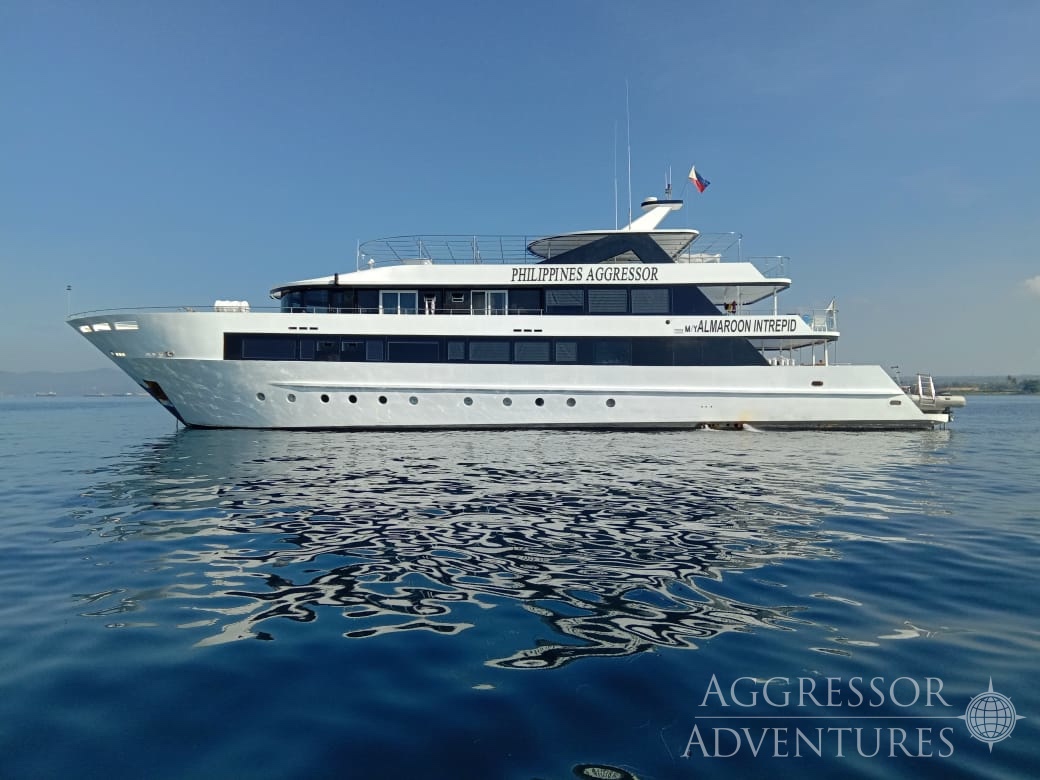
Philippines Aggressor
Philippines
26 guests42.7 m
$381/day
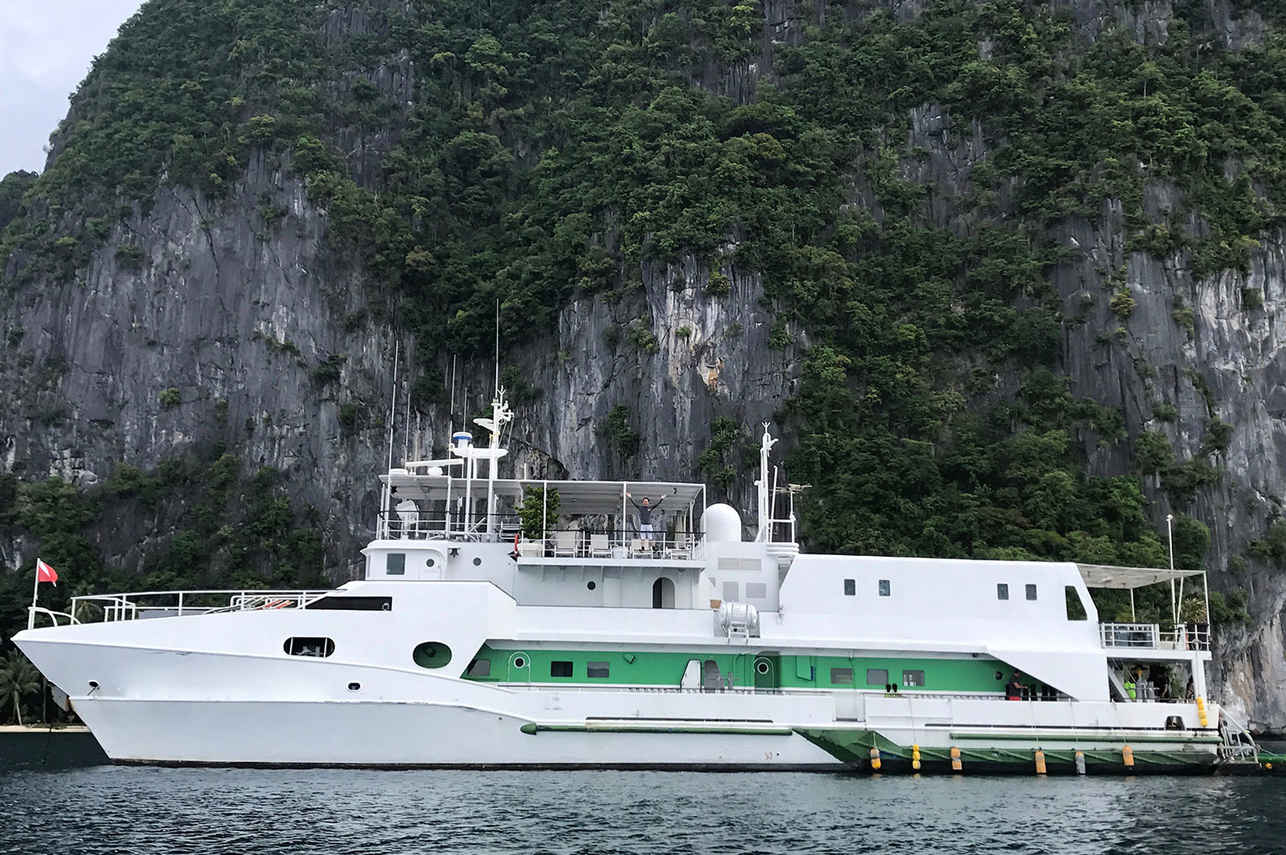
Stella Maris Explorer
Philippines
20 guests33 m
$398/day
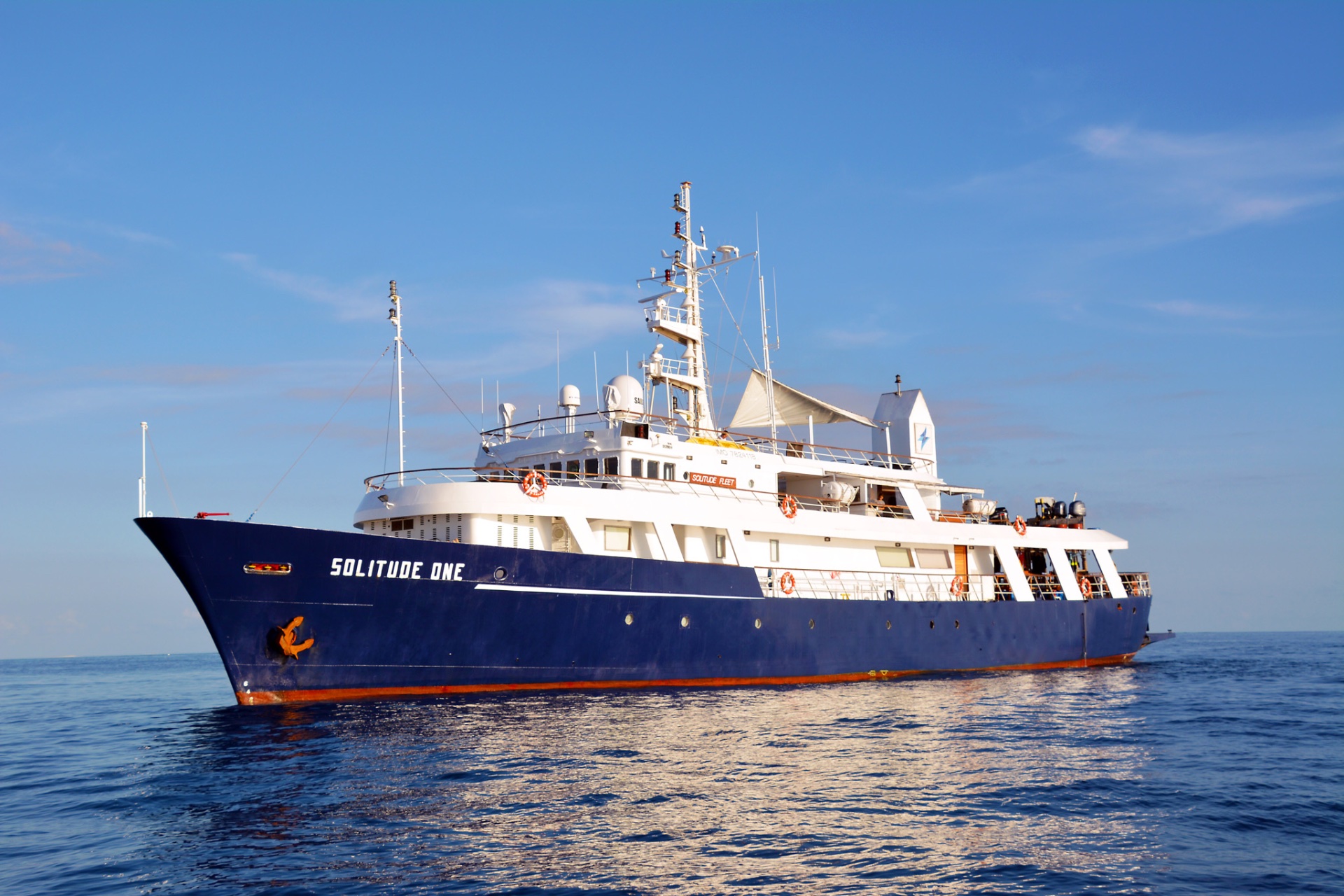
Solitude One
Philippines
24 guests52 m
$460/day
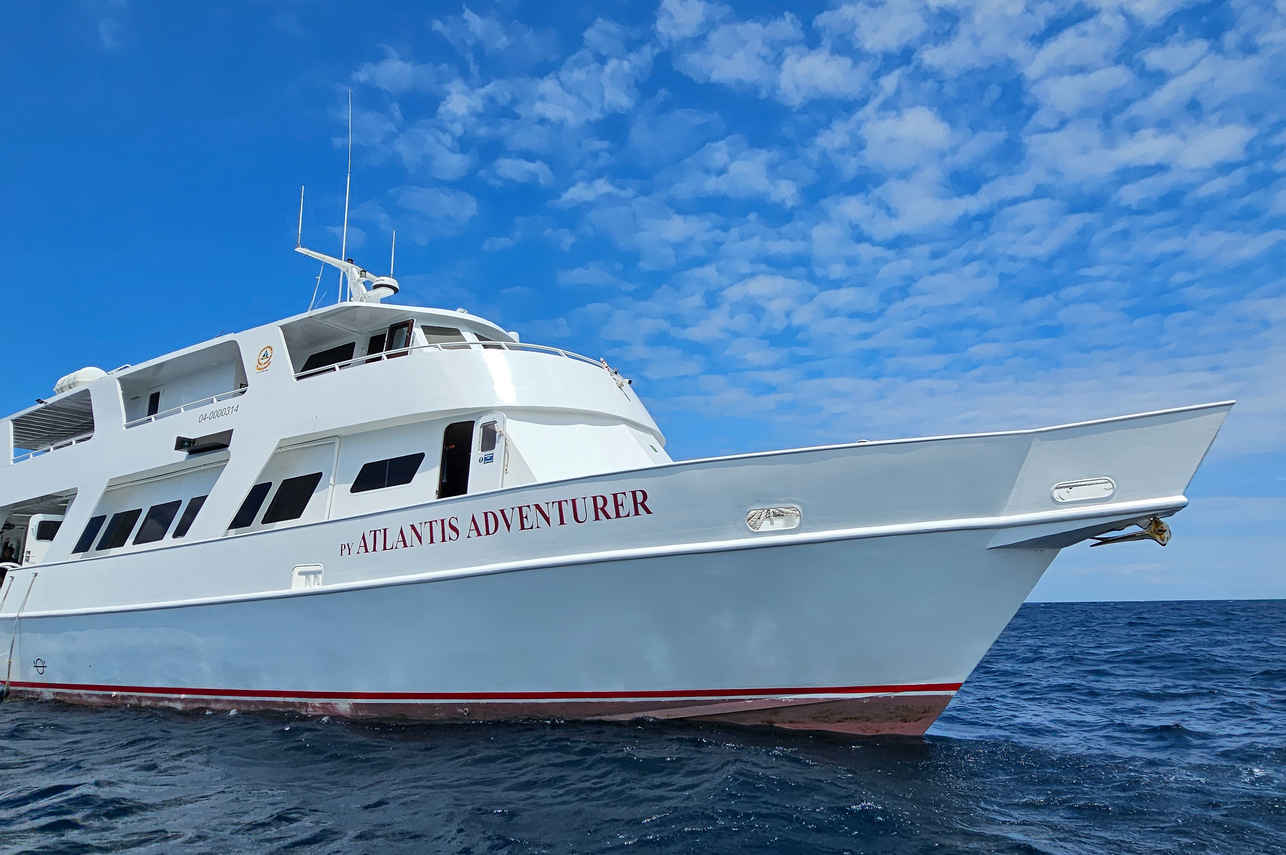
Atlantis Adventurer
Philippines
16 guests32.5 m
$421/day
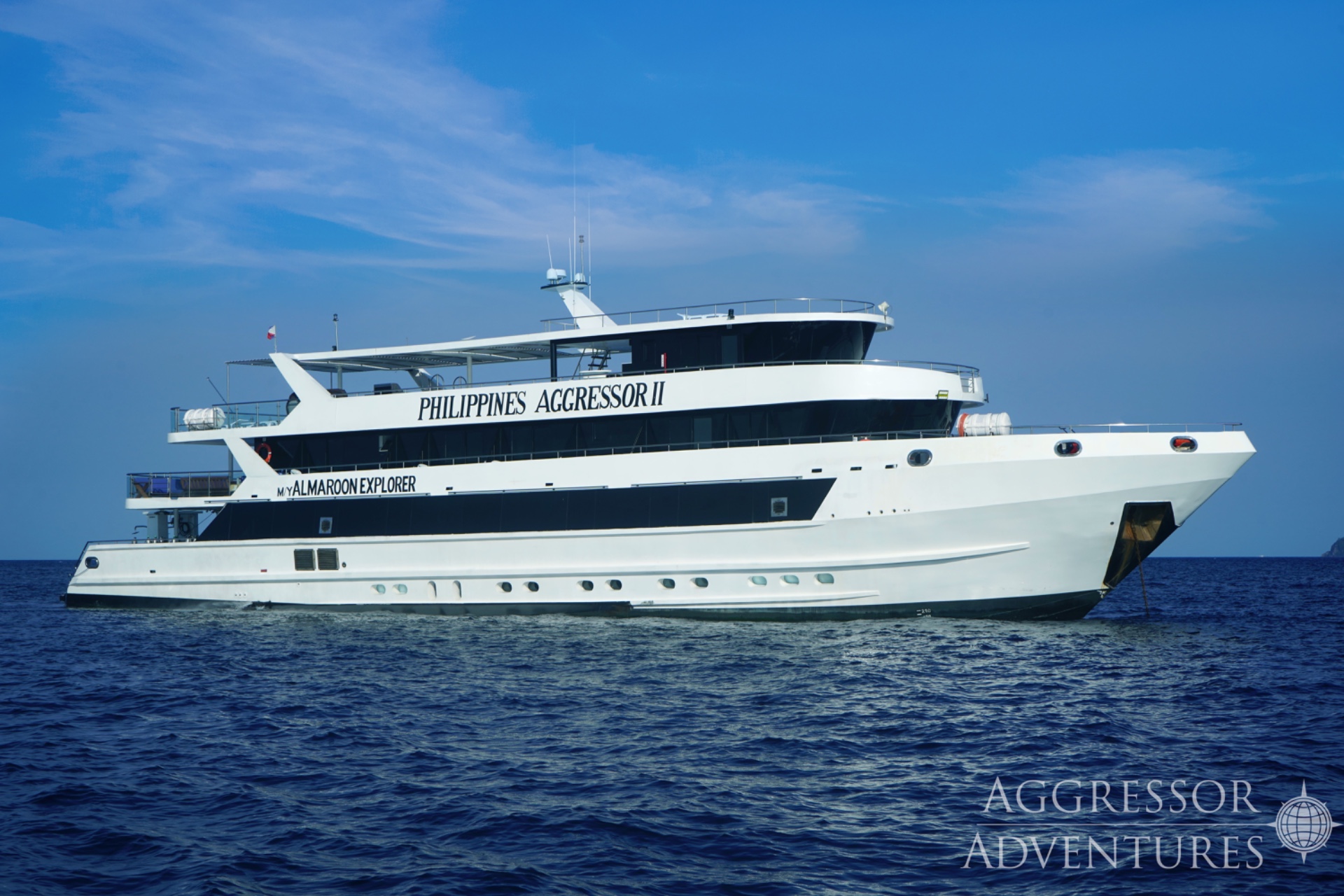
Philippines Aggressor II
Philippines
26 guests42.7 m
$247/day
Dive sites similar to Napaling
Same character, same waters — six more sites divers love for the exact same reasons.Compare seasons, access and liveaboard routes — then pick the site that fits your trip best.
© Esri — Maxar, Earthstar, GIS
Big La Laguna
Philippines
Big La Laguna is a beach community situated on the western edge of the Sabang Peninsula, a popular dive region on Mindoro Island, Philippines.
- Suitable for
- Intermediate
- Current
- Moderate
- Access
- Dayboat
- Depth
- 5–35 m
- Theme
- Reef / Wall
© Esri — Maxar, Earthstar, GIS
Black Forest
Philippines
Black Forest is a premier dive site located off Balicasag Island, renowned for its exceptional marine biodiversity and distinct topography.
- Suitable for
- Intermediate
- Current
- Strong
- Access
- Liveaboard or dayboat
- Depth
- 10–30 m
- Theme
- Drift / Reef
© Esri — Maxar, Earthstar, GIS
Panagsama Beach
Philippines
Panagsama Beach, situated on a peninsula near Moalboal town in Cebu, serves as a central hub for diving activities in the region, boasting over 20 dive sites along its shoreline.
- Suitable for
- Intermediate
- Current
- Moderate
- Access
- Liveaboard or dayboat
- Depth
- ≤ 30 m
- Theme
- Reef / Wall
© Esri — Maxar, Earthstar, GIS
Binangaan Drop Off
Philippines
Binangaan Drop Off is a premier dive site within Apo Reef National Park, located off Occidental Mindoro in the Philippines.
- Suitable for
- Advanced
- Current
- Strong
- Access
- Liveaboard only
- Depth
- 10–40 m
- Theme
- Wall / Drift
© Esri — Maxar, Earthstar, GIS
Olympia Maru
Philippines
The Olympia Maru is a prominent Japanese cargo ship wreck from World War II, located within Coron Bay, Philippines.
- Suitable for
- Intermediate
- Current
- Mild
- Access
- Dayboat
- Depth
- 17–24 m
- Theme
- Wreck / Reef
© Esri — Maxar, Earthstar, GIS
Manta Bowl
Philippines
Manta Bowl is a renowned submerged seamount located in the Ticao Pass, off the northern coast of Ticao Island in Masbate, Philippines.
- Suitable for
- Advanced
- Current
- Ripping
- Access
- Liveaboard or dayboat
- Depth
- 14–50 m
- Theme
- Drift