About Moore Reef
Moore Reef is a prominent outer reef destination located approximately 60 kilometers offshore from Cairns, making it one of the most frequently visited areas of the Great Barrier Reef. This site is celebrated for its robust reef health, showing no signs of coral bleaching stress, and is part of the protected Great Barrier Reef World Heritage Area. Its unique maze-like structure, featuring natural channels and passages, gives the 'Labyrinth' section its name and provides an engaging underwater landscape for divers of various skill levels. The topography of Moore Reef typically involves depths ranging from 5 to 30 meters, characterized by extensive hard coral pinnacles, ledges, and caverns that rise from the ocean floor. These formations create diverse habitats for a wide array of reef fish and sessile marine life. While many areas are shallow and beginner-friendly, deeper sections offer encounters with larger pelagic species. Marine life sightings at Moore Reef include blacktip reef sharks, green turtles, and a variety of colorful reef fish. The site is suitable for diving year-round, with conditions generally favorable across all seasons, although specific visibility and water temperature can vary. The reef's consistent health and biodiversity make it a reliable spot for encountering typical Great Barrier Reef species. Diving at Moore Reef often involves boat access from Cairns, with options for day tours that may include pontoon facilities. Divers can expect professional operators providing equipment, briefings, and the choice of guided or unguided dives. Entry methods are typically giant strides from the boat, leading into generally mild current conditions, making for a relaxed and accessible dive experience.
Highlights
Healthy maze-like coral structuresAbundant reef fish diversityBlacktip reef shark sightingsGreen turtle encountersGreat Barrier Reef World Heritage AreaAccessible from Cairns
Season calendar
Best months to dive here
Jan
Feb
Mar
Apr
May
Jun
Jul
Aug
Sep
Oct
Nov
Dec
Good
Dive site facts: Moore Reef
- Depth
- 5–30 m
- Typical dive
- 12–25 m
- Current
- Mild
- Visibility
- 15–25 m
- Water temperature
- 22–29°C
- Entry
- Boat / Giant stride
- Level
- Beginner to intermediate
- Dive type
- Reef, coral gardens, wall
- Region / port
- Cairns, Outer Great Barrier Reef
- Coordinates
- 16.8758° S, 146.1985° E
Conditions & Currents
Moore Reef generally experiences mild currents, which contributes to its suitability for divers of varying experience levels. As an outer reef site, conditions are influenced by offshore weather, so currents can occasionally intensify with stronger winds or tidal movements, though typically remain manageable. Entry to the water is most commonly a giant stride from a day boat, where divers can expect a relatively calm descent onto the reef. Visibility is generally excellent, often ranging from 15 to 25 meters, but can fluctuate based on weather patterns and plankton blooms. Divers should always heed operator briefings regarding specific site conditions, particularly when planning drift dives in areas where currents might be more pronounced, ensuring appropriate gas planning and buddy procedures are followed.
Marine life & sighting chances
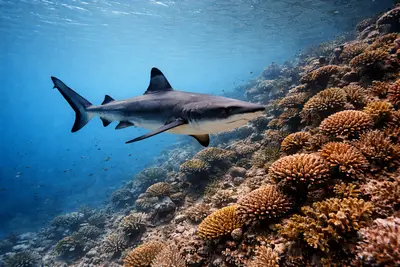
Blacktip reef shark
occasional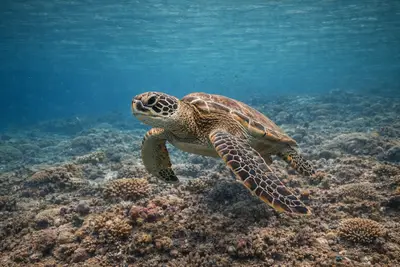
Green Turtle
occasional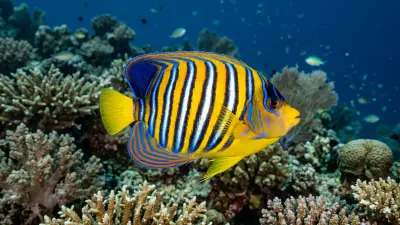
Angelfish
common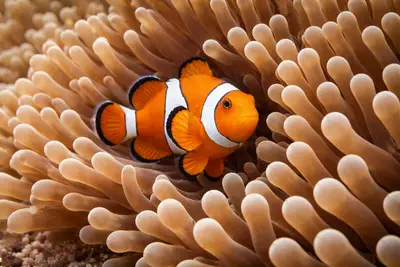
Clownfish
common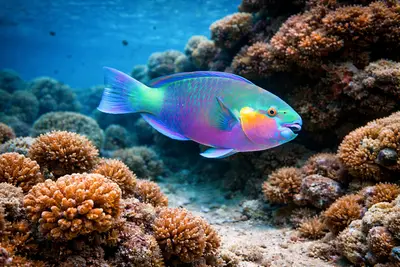
Parrotfish
common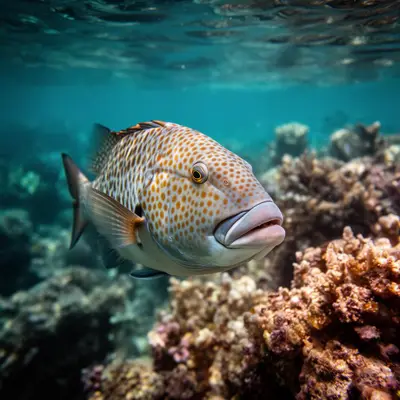
Sweetlips
common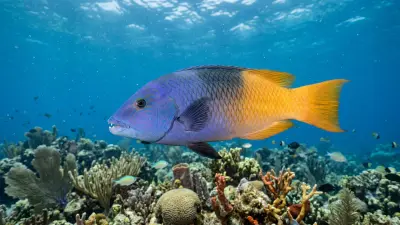
Maori Wrasse
occasional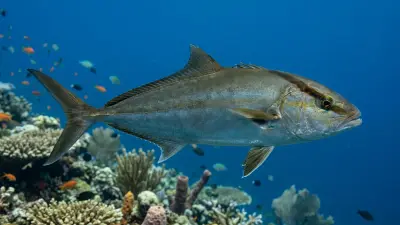
Jacks
occasional
Barracuda
occasional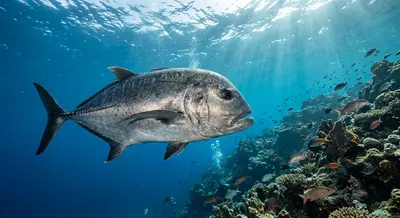
Trevally
occasionalDive profile & how the dive runs
Dives at Moore Reef typically begin with a giant stride entry from the day boat, often near a designated mooring or pontoon. Upon descent, divers usually follow a guide or navigate independently through the reef's maze-like structures, which include channels, bommies, and walls. The dive generally progresses along gentle slopes and over coral gardens, maintaining depths between 10 and 20 meters to maximize bottom time and light penetration. Key features like the 'Labyrinth' offer intricate swim-throughs and sheltered areas teeming with smaller reef fish. The turn point is usually dictated by air consumption or time, with a gradual ascent back towards the boat's location. The safety stop is commonly conducted at 5 meters, often near the mooring line or an accessible shallow reef section, allowing for observation of shallower marine life before surfacing.
Underwater photography
Moore Reef offers excellent opportunities for wide-angle and macro photography due to its diverse topography and abundant marine life. For capturing the expansive coral formations and overall reef structure, a wide-angle lens is ideal. You can highlight the vibrant colors of hard and soft corals, as well as capture the occasional reef shark or green turtle cruising by. For smaller subjects, a macro lens will allow you to focus on the intricate details of nudibranchs, clownfish nestled in anemones, and other cryptic reef dwellers. Natural light is generally good in the shallower sections, but strobes are recommended to bring out true colors and reduce backscatter, especially when shooting into shadowed areas or deeper parts of the reef. Practicing excellent buoyancy control is crucial to avoid damaging delicate corals and to maintain stable shots in potentially light currents.
Combine with nearby dive sites
- Milln Reef
Another popular outer reef site, often visited on day trips from Cairns.
- Pellowe Reef
Known for outer-reef wall dives and pelagic action, further out from Cairns.
- Flynn Reef
A diverse outer reef offering a mix of bommies and channels.
- Hastings Reef
Features extensive coral gardens and abundant fish life.
- Norman Reef
Offers varied dive sites with good chances for larger marine life.
Getting there & logistics
Access to Moore Reef is predominantly via day boat tours departing from Cairns, Queensland. Cairns International Airport (CNS) serves as the main gateway, with numerous domestic and international flights. The journey from Cairns to the outer reef typically takes between 90 minutes to 2 hours by high-speed catamaran. Many operators offer full-day trips that include multiple dives, snorkel opportunities, and sometimes access to a reef pontoon facility. While specific permits are handled by licensed operators as part of their Great Barrier Reef Marine Park permissions, divers are generally not required to obtain individual permits, though park fees may be included in tour costs. Day trips are the standard, often combining Moore Reef with other nearby outer reef sites, allowing divers to experience a variety of reef environments within a single itinerary.
Safety & environment
For diving at Moore Reef, the nearest recompression chamber is located in Cairns. Evacuation in a medical emergency would typically involve rapid boat transfer back to the mainland, followed by ambulance or helicopter transport to a medical facility. Comprehensive dive insurance, including coverage for medical evacuation and recompression treatment, is highly recommended for all divers. Site-specific hazards are generally low due to the mild currents, but divers should always be aware of potential boat traffic near pontoons and mooring areas. Adherence to Great Barrier Reef Marine Park Authority regulations is mandatory, which includes strict no-touch policies for marine life and corals, proper waste disposal, and following all dive briefing instructions to ensure both diver safety and reef protection.
Who it suits — and who it doesn't
Suited for
- Beginner divers seeking gentle reef conditions
- Intermediate divers exploring diverse coral formations
- Photographers aiming for vibrant reef scenes
- Families with mixed diving and snorkeling interests
- Divers looking for year-round accessibility
Less suited for
- Advanced divers seeking strong currents or deep wreck dives
- Divers preferring remote, untouched wilderness sites
- Those seeking extreme pelagic encounters exclusively
- Divers who prefer shore-entry diving
- People averse to day boat trips with multiple passengers
FAQ
Moore Reef FAQ
Can I dive Moore Reef year-round?
Yes, Moore Reef is considered a year-round diving destination. While the dry season from June to November often brings the best visibility and settled weather, the reef is accessible and offers good diving conditions in all months. Water temperatures remain warm throughout the year, making it a comfortable dive at any time.
What kind of marine life can I expect to see at Moore Reef?
Moore Reef hosts a wide variety of Great Barrier Reef marine life. You can commonly encounter numerous species of colorful reef fish like angelfish, parrotfish, and clownfish. Occasional sightings include blacktip reef sharks, green turtles, sweetlips, and larger pelagics like barracuda or trevally. The intricate coral structures also hide smaller macro life.
Is Moore Reef suitable for beginner divers?
Absolutely, Moore Reef is very suitable for beginner divers. Many sections are shallow, with mild currents and excellent visibility, providing a comfortable and safe environment for those new to diving or still building experience. Operators often provide guided dives, which are ideal for less experienced divers.
How do I get to Moore Reef?
Moore Reef is typically accessed via day boat tours departing from Cairns. These tours involve a high-speed catamaran journey that usually takes between 90 minutes and 2 hours to reach the outer reef. Most tour packages include transfers, equipment, and multiple dives or snorkeling sessions.
Are there pontoon facilities at Moore Reef?
Yes, some tour operators have permanent pontoon facilities at Moore Reef. These pontoons offer amenities such as underwater observatories, semi-submersible tours, glass-bottom boat rides, and platforms for easy water entry, making them popular for families and non-divers as well as divers. This provides a comfortable base for reef exploration.
Why dive Moore Reef from a liveaboard?
Moore Reef is one of Australia's signature dive sites. A liveaboard sleeps you on the water and puts you in the water for three to four guided dives per day, including dawn and night dives that day-boat operators rarely offer. You skip the daily commute back to port and reach quieter, less-crowded sites in the same region on a single trip.
Below are the liveaboards that include Moore Reef on their Australia itineraries.
Liveaboards diving Moore Reef
These liveaboards may visit Moore Reef on selected itineraries — the exact dive sites depend on departure, weather and conditions.
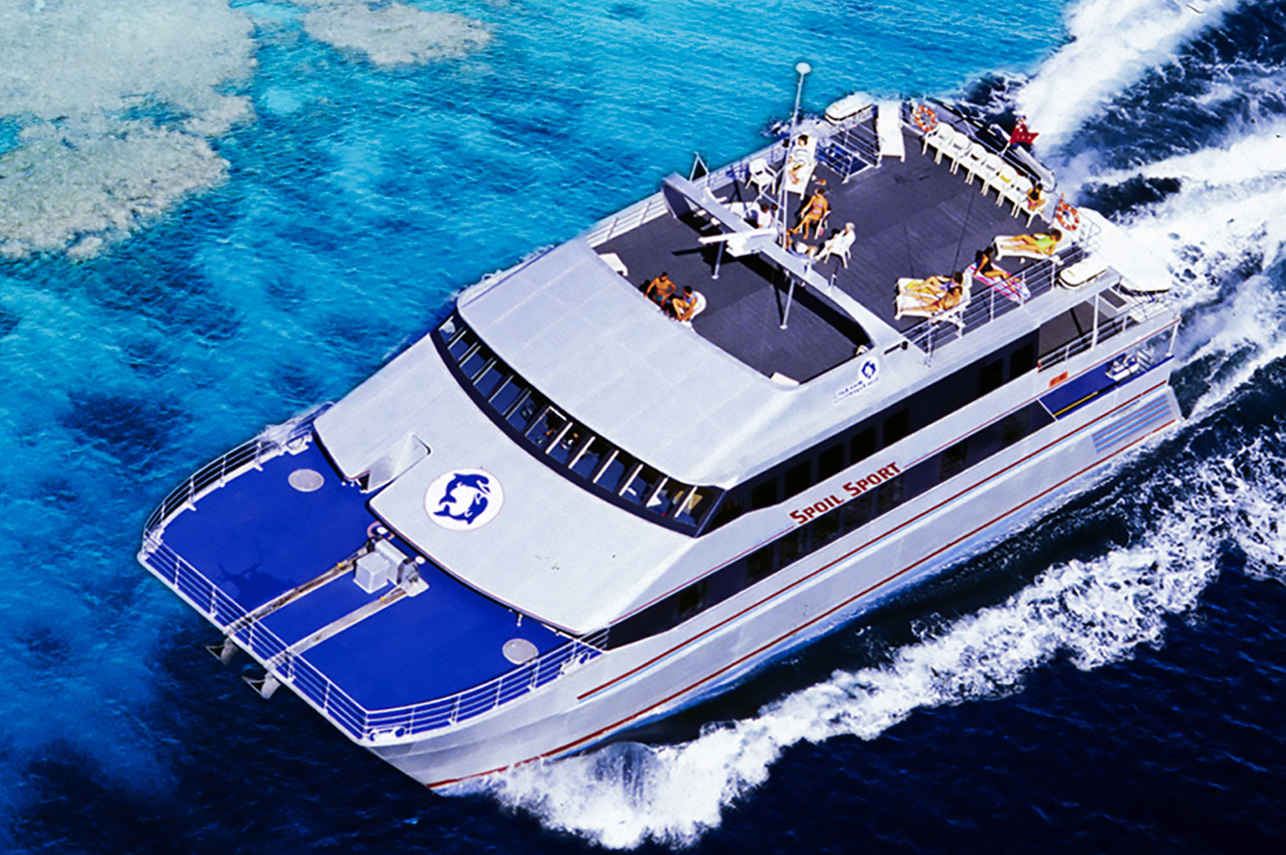
Spoilsport
Australia
28 guests30 m
$406/day
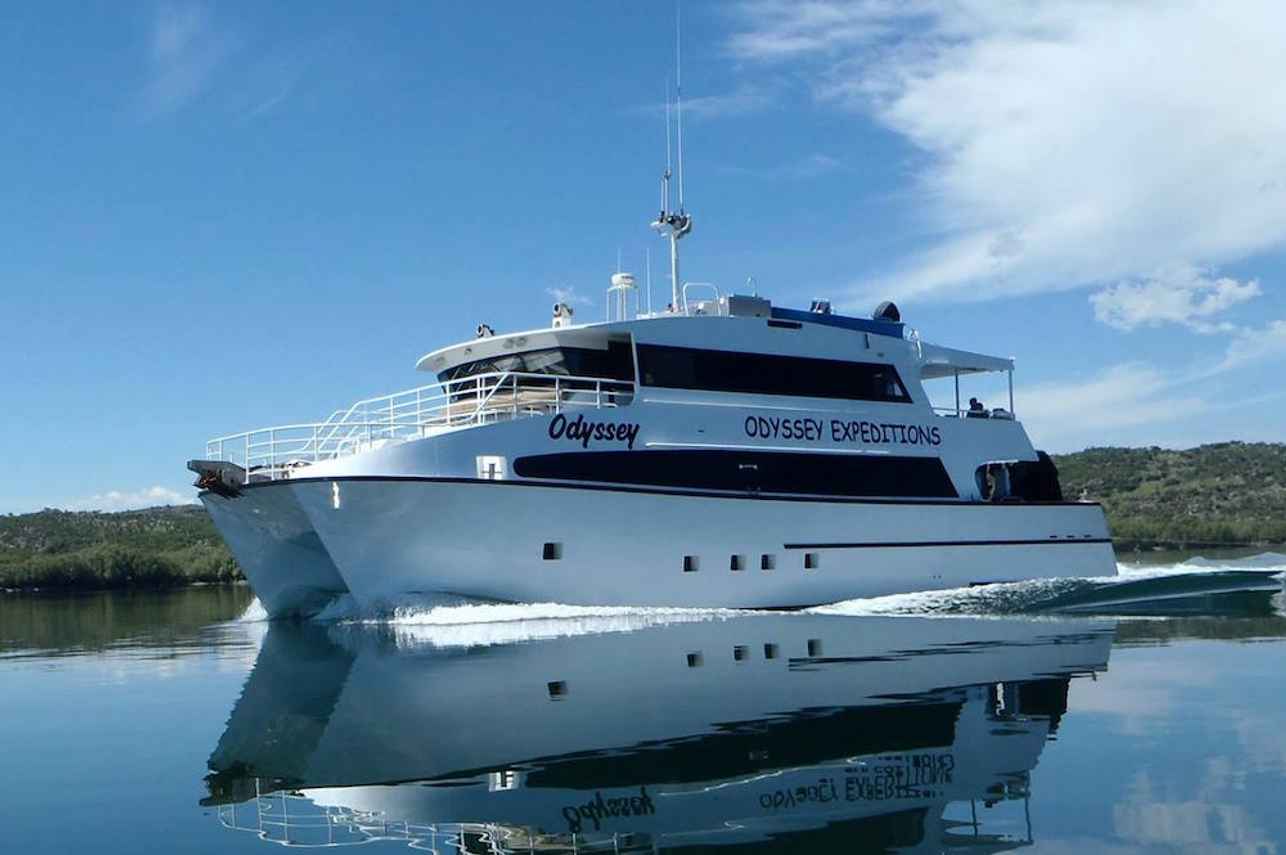
Odyssey Liveaboard
Australia
20 guests24 m
$392/day
Dive sites similar to Moore Reef
Same character, same waters — six more sites divers love for the exact same reasons.Compare seasons, access and liveaboard routes — then pick the site that fits your trip best.
© Esri — Maxar, Earthstar, GIS
Agincourt Reef
Australia
Agincourt Reef sits on the outer edge of the Great Barrier Reef, roughly 60–72 km off Port Douglas in Far North Queensland, at the southern end of the true ribbon reefs that run…
- Suitable for
- Beginner
- Current
- Moderate
- Access
- Dayboat
- Depth
- 2–20 m
- Theme
- Reef / Wall
© Esri — Maxar, Earthstar, GIS
Raine Island
Australia
Raine Island is a pivotal dive site located in the Far Northern Great Barrier Reef, approximately 85 kilometers east-north-east of Cape Grenville and just over 4 nautical miles south of the island itself.
- Suitable for
- Advanced
- Current
- Strong
- Access
- Liveaboard only
- Depth
- 5–40 m
- Theme
- Reef / Wall
© Esri — Maxar, Earthstar, GIS
Jeff’s Edge
Australia
Jeff's Edge is a renowned dive site situated on the outer reef of Lady Musgrave Island, an exquisite part of the Southern Great Barrier Reef in Queensland, Australia.
- Suitable for
- Advanced
- Current
- Strong
- Access
- Dayboat
- Depth
- 6–22 m
- Theme
- Wall / Drift
© Esri — Maxar, Earthstar, GIS
Sutherland Point
Australia
Sutherland Point offers an accessible shore diving experience along the dramatic coastline of Kurnell in Botany Bay, Sydney, New South Wales.
- Suitable for
- Beginner
- Current
- Mild
- Access
- Shore / dayboat
- Depth
- ≤ 12 m
- Theme
- Reef / Wall
© Esri — Maxar, Earthstar, GIS
Cocos Keeling - Enterprise
Australia
Enterprise is a dynamic dive site located in the Cocos (Keeling) Islands, renowned for its dramatic topography and abundant pelagic action.
- Suitable for
- Advanced
- Current
- Strong
- Access
- Dayboat
- Depth
- 15–35 m
- Theme
- Reef / Wall
© Esri — Maxar, Earthstar, GIS
Buchanan's Wall
Australia
Buchanan's Wall is a prominent dive site located on the southwestern flank of South Solitary Island, off the coast of Coffs Harbour in New South Wales, Australia.
- Suitable for
- Intermediate
- Current
- Mild
- Access
- Dayboat
- Depth
- 5–30 m
- Theme
- Wall / Drift