About Hastings Reefs
Hastings Reefs, an integral part of the Outer Great Barrier Reef, is conveniently located approximately 60 km from Cairns, making it a popular and accessible dive destination. This reef system is characterized by a varied underwater topography, including hard coral pinnacles, ledges, and caverns that provide shelter for a wide array of reef fish and sessile marine life. Its position allows for a good mix of both vibrant coral gardens and the chance to encounter larger pelagic species. Divers can expect to explore shallow, sheltered areas perfect for beginners, as well as encounter deeper sections that attract bigger marine creatures. The site is known for its consistent underwater visibility and generally mild currents, contributing to relaxed diving conditions. This consistency ensures a rewarding experience year-round, although specific seasons might enhance encounters with certain migratory species. Trips to Hastings Reefs typically involve liveaboard excursions from Cairns, offering multiple dives daily, including night dives. The dive experiences here range from exploring extensive coral cover and spotting macro critters to encountering larger inhabitants like reef sharks and turtles.
Highlights
Diverse hard coral pinnacles and cavernsGiant clams and abundant reef fishEncounters with turtles and reef sharksVibrant coral formationsAccessible for both day trips and liveaboardsNight diving opportunities
Season calendar
Best months to dive here
Jan
Feb
Mar
Apr
May
Jun
Jul
Aug
Sep
Oct
Nov
Dec
Good
Dive site facts: Hastings Reefs
- Depth
- Shallow to moderate, typically 15–25 m
- Current
- Mild
- Visibility
- 15–25 m
- Water temperature
- 24–30°C
- Entry
- Boat
- Level
- All levels, Open Water Diver friendly
- Dive type
- Reef, coral, macro, pelagic
- Night dive
- Possible
- Region / port
- Cairns, Outer Great Barrier Reef
- Coordinates
- 16.3980° S, 145.9900° E
Conditions & Currents
Hastings Reefs generally experiences mild currents, which is characteristic of many sites within the Outer Great Barrier Reef. This makes it an excellent location for divers of all experience levels, including those new to reef diving. Due to the predominantly calm conditions, entry and exit from dive boats are typically straightforward. Visibility is often consistent, ranging from 15 to 25 meters, providing clear views of the reef's diverse ecosystem. While strong currents are uncommon, divers should always monitor local conditions and follow dive guide instructions, especially when navigating around specific bommies or pinnacles where localized water movement might occur. There are no reported significant thermoclines, and boat traffic is managed to ensure diver safety.
Marine life & sighting chances
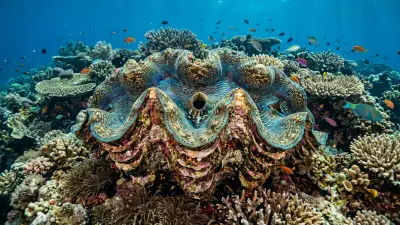
Giant Clams
common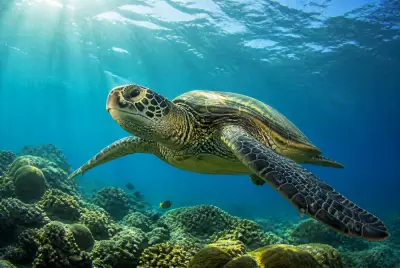
Turtles
common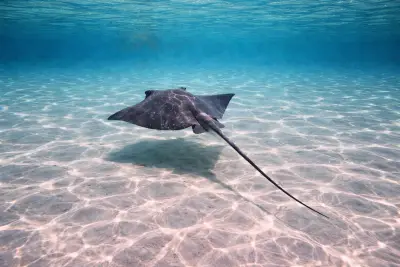
Stingrays
occasional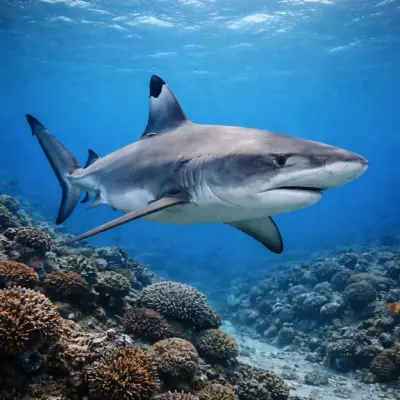
Reef Sharks
common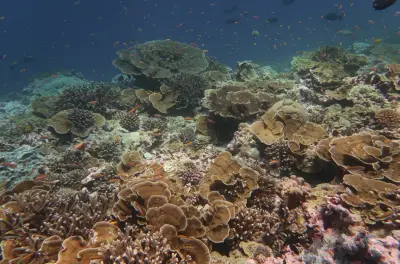
Tropical Fish
common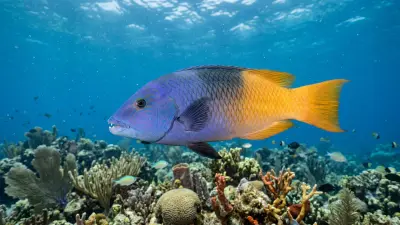
Maori Wrasse
occasional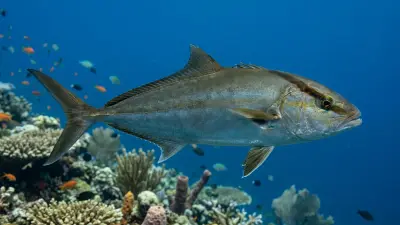
Jacks
occasional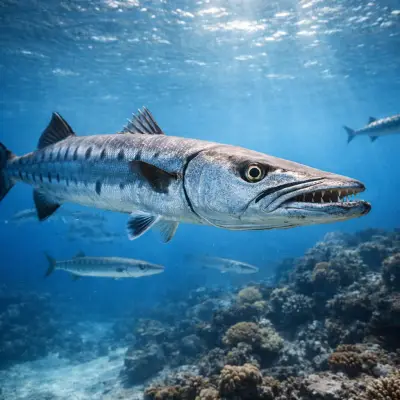
Barracuda
occasional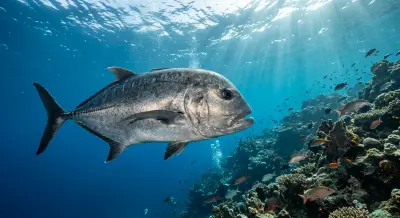
Trevally
occasional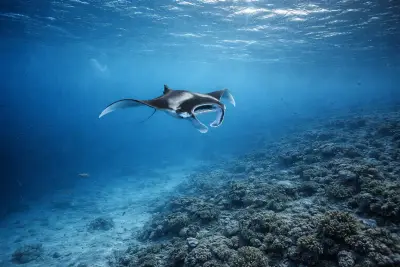
Manta Rays
April to October · occasional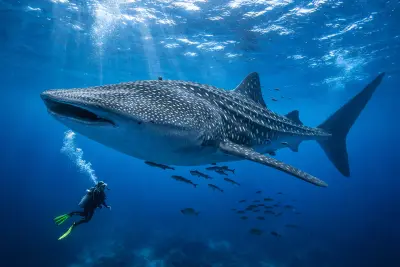
Whale Sharks
Colder months · rareDive profile & how the dive runs
Diving at Hastings Reefs typically begins with a boat entry, often from a liveaboard vessel. Divers descend onto the reef, which features a varied topography of hard coral pinnacles, ledges, and caverns. The typical depth range for exploration is between 15 to 25 meters, allowing for extended bottom times. Routes are generally guided, traversing along coral walls and through swim-throughs, focusing on the vibrant reef life and coral formations. Divers can expect to encounter numerous tropical fish species, giant clams, and occasionally turtles or reef sharks. The dive concludes with a gradual ascent, usually incorporating a safety stop in shallower, sheltered areas before returning to the surface or the liveaboard.
Underwater photography
Hastings Reefs offers excellent opportunities for both wide-angle and macro photography due to its diverse topography and marine life. A wide-angle lens is ideal for capturing the expansive hard coral formations, reef pinnacles, and the possibility of larger pelagics like reef sharks or Maori wrasse. For macro enthusiasts, the intricate coral structures and numerous smaller reef fish, including various invertebrates, provide ample subjects. Good buoyancy control is crucial to avoid damaging delicate corals. Natural light is often sufficient in the shallower sections, but strobes are recommended to enhance color and definition, especially in deeper areas or during night dives. Maintain a respectful distance from marine life, particularly turtles and sharks, to capture natural behavior.
Combine with nearby dive sites
- Milln Reef
Features three enormous bommies and rich pelagic life.
- Moore Reef
Known for resident turtles and diverse coral cover, also hosts a pontoon.
- Norman Reef
Another popular outer reef site accessible from Cairns.
- Flynn Reef
Part of the Cairns outer reef system, offers varied diving.
- Pellowe Reef
Located at the far outskirts of the Outer Great Barrier Reef, accessible by liveaboard.
- Saxon Reef
Often combined with Hastings Reefs on liveaboard itineraries.
Getting there & logistics
Access to Hastings Reefs primarily involves liveaboard trips departing from Cairns, Queensland. Cairns is well-served by Cairns Airport (CNS), offering domestic and international flights. Liveaboard durations to the Outer Great Barrier Reef, including Hastings Reefs, typically range from 1 to 4 nights, allowing for multiple day and night dives. Some day trips may also reach these reefs. There are no specific permits or park fees mentioned for Hastings Reefs itself, as access is usually included in the liveaboard package which covers Great Barrier Reef Marine Park fees. Itineraries often combine Hastings Reefs with other nearby outer reefs like Norman, Saxon, and Flynn Reefs to provide a comprehensive diving experience.
Safety & environment
While Hastings Reefs offers generally safe diving conditions, standard Great Barrier Reef safety protocols apply. Divers should ensure they have comprehensive dive insurance, including coverage for recompression chamber treatments and medical evacuation. The nearest recompression chamber is located in Townsville. Evacuation in a medical emergency typically involves boat transfer to the mainland, followed by road or air transport to medical facilities in Cairns or Townsville. Site-specific hazards are minimal due to mild currents, but divers should always remain aware of their surroundings, maintain proper buoyancy to avoid contact with marine life or corals, and stay within the limits of their training and depth. Always dive with a buddy and follow the instructions of your dive guide.
Who it suits — and who it doesn't
Suited for
- Open Water certified divers
- Beginner divers looking for reef experience
- Divers seeking diverse reef fish and coral
- Photographers interested in wide-angle and macro
- Divers who enjoy night dives
Less suited for
- Divers seeking extreme drift diving
- Divers exclusively interested in large pelagic encounters
- Divers sensitive to boat travel
- Those who prefer shore-based diving
FAQ
Hastings Reefs FAQ
What is the best time of year to dive Hastings Reefs?
The prime diving season for Hastings Reefs is from June to November, which corresponds with the dry season in Tropical North Queensland. During these months, you can expect excellent underwater visibility, generally calm seas, and comfortable air and water temperatures, making for an ideal diving experience.
What kind of marine life can I expect to see at Hastings Reefs?
Hastings Reefs is home to a wide variety of marine life typical of the Outer Great Barrier Reef. Divers frequently encounter numerous species of tropical reef fish, giant clams, and a healthy population of green and hawksbill turtles. You also have good chances of spotting reef sharks, stingrays, and various schooling fish like barracuda and trevally.
Are there night diving opportunities at Hastings Reefs?
Yes, Hastings Reefs is a popular spot for night diving, especially on liveaboard itineraries departing from Cairns. Night dives offer a unique perspective, revealing nocturnal creatures and different behaviors of the reef's inhabitants. It's a fantastic chance to see creatures like sleeping parrotfish, active crabs, and possibly reef sharks hunting.
Is Hastings Reefs suitable for beginner divers?
Absolutely. Hastings Reefs is considered highly suitable for beginner divers, including those who have recently completed their Open Water certification. The dive sites typically feature mild currents and a varied depth profile, with many shallower areas rich in marine life. The generally good visibility also contributes to a comfortable and enjoyable experience for less experienced divers.
How do I get to Hastings Reefs?
Hastings Reefs is primarily accessed via liveaboard dive boats that depart from Cairns, Queensland. Cairns serves as the main hub for trips to the Outer Great Barrier Reef. These liveaboard excursions typically include transfers from your accommodation to the departure point and offer multi-day itineraries to explore Hastings and surrounding reefs.
Why dive Hastings Reefs from a liveaboard?
Hastings Reefs is one of Australia's signature dive sites. A liveaboard sleeps you on the water and puts you in the water for three to four guided dives per day, including dawn and night dives that day-boat operators rarely offer. You skip the daily commute back to port and reach quieter, less-crowded sites in the same region on a single trip.
Below are the liveaboards that include Hastings Reefs on their Australia itineraries.
Liveaboards diving Hastings Reefs
These liveaboards may visit Hastings Reefs on selected itineraries — the exact dive sites depend on departure, weather and conditions.
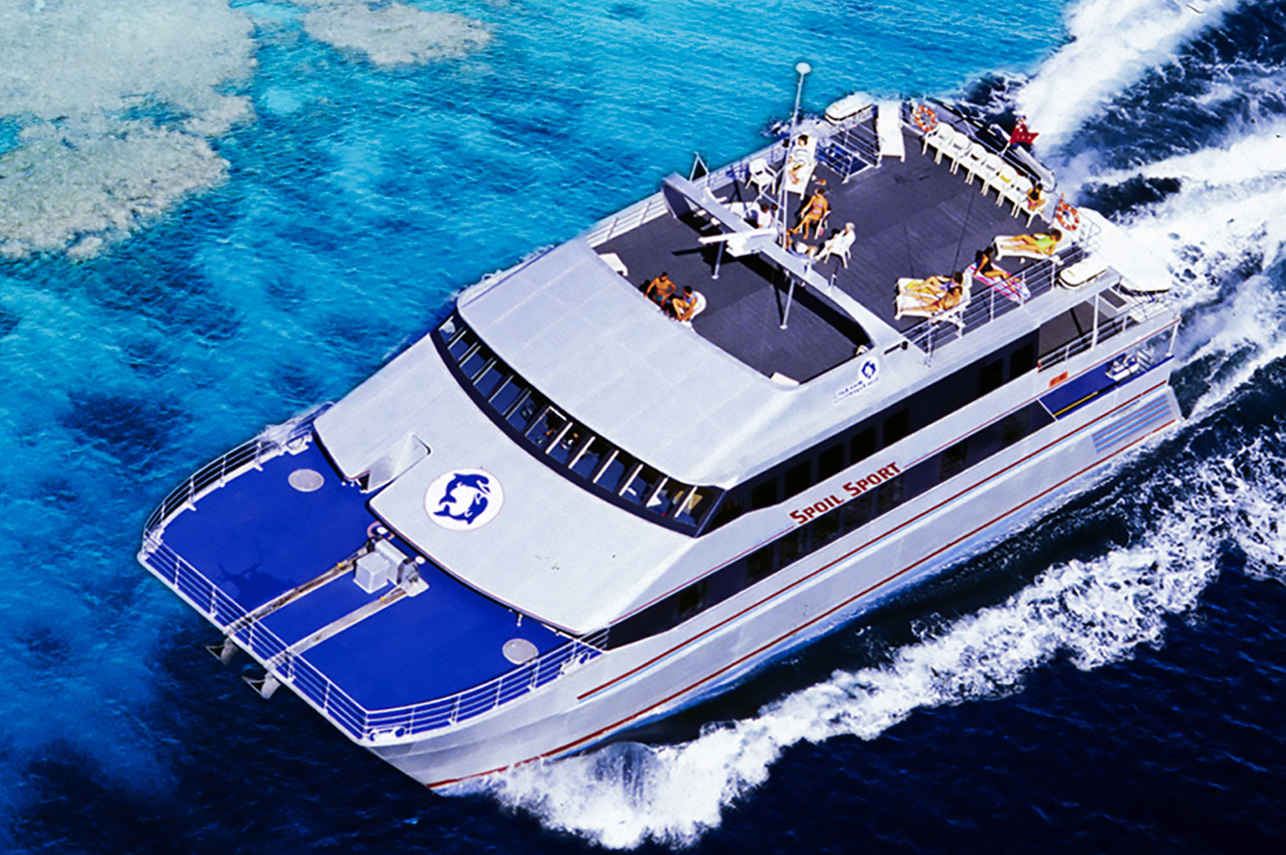
Spoilsport
Australia
28 guests30 m
$408/day
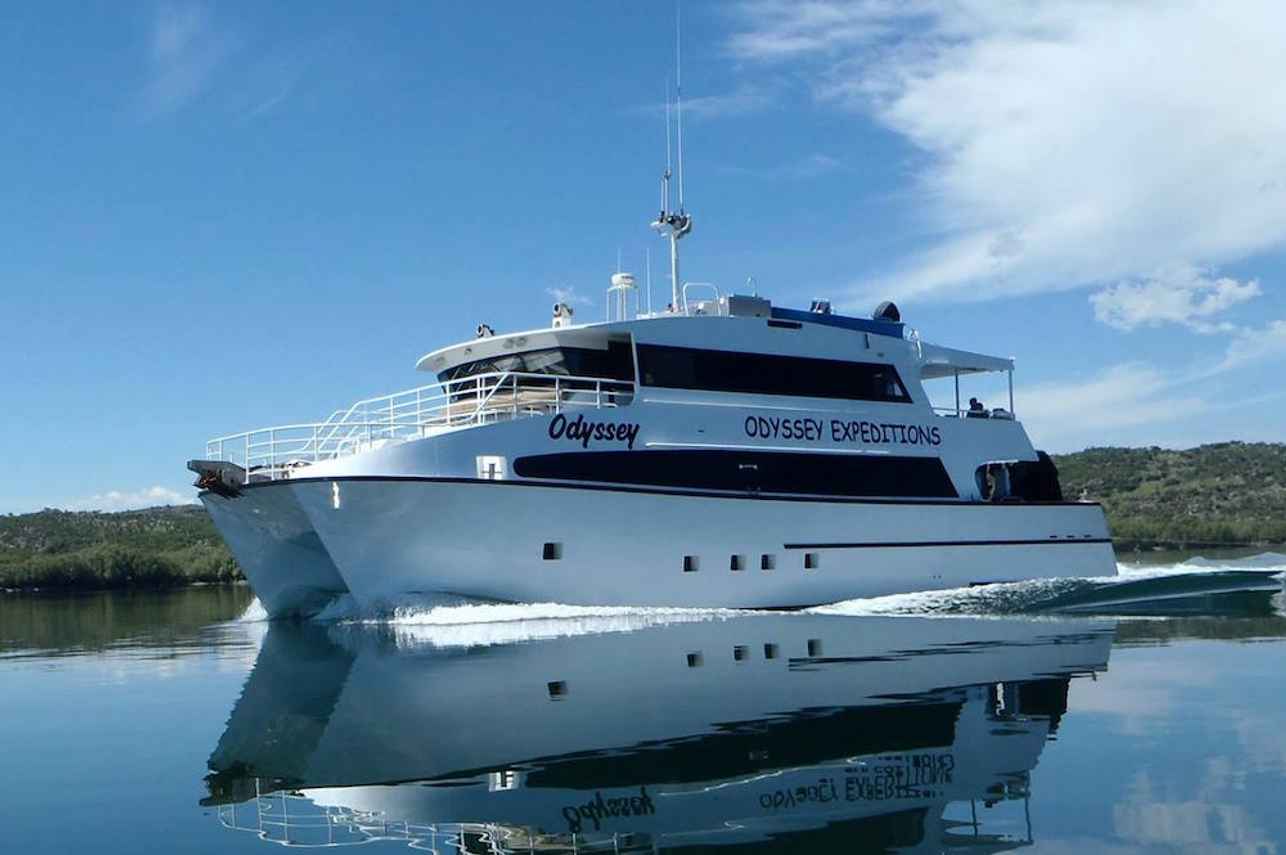
Odyssey Liveaboard
Australia
20 guests24 m
$392/day
Dive sites similar to Hastings Reefs
Same character, same waters — six more sites divers love for the exact same reasons.Compare seasons, access and liveaboard routes — then pick the site that fits your trip best.
© Esri — Maxar, Earthstar, GIS
Agincourt Reef
Australia
Agincourt Reef sits on the outer edge of the Great Barrier Reef, roughly 60–72 km off Port Douglas in Far North Queensland, at the southern end of the true ribbon reefs that run…
- Suitable for
- Beginner
- Current
- Moderate
- Access
- Dayboat
- Depth
- 2–20 m
- Theme
- Reef / Wall
© Esri — Maxar, Earthstar, GIS
Cocos Keeling - Canons
Australia
Cocos Keeling - Canons offers a distinctive dive experience within the Cocos (Keeling) Islands lagoon, making it Australia's most remote dive destination.
- Suitable for
- Beginner
- Current
- Mild
- Access
- Dayboat
- Depth
- 8–12 m
- Theme
- Reef
© Esri — Maxar, Earthstar, GIS
Raine Island
Australia
Raine Island is a pivotal dive site located in the Far Northern Great Barrier Reef, approximately 85 kilometers east-north-east of Cape Grenville and just over 4 nautical miles south of the island itself.
- Suitable for
- Advanced
- Current
- Strong
- Access
- Liveaboard only
- Depth
- 5–40 m
- Theme
- Reef / Wall
© Esri — Maxar, Earthstar, GIS
Bare Island East
Australia
Bare Island East is a highly regarded shore dive in Sydney, celebrated for its diverse and colourful sponge gardens.
- Suitable for
- Intermediate
- Current
- Mild
- Access
- Shore / dayboat
- Depth
- 2–11 m
- Theme
- Reef
© Esri — Maxar, Earthstar, GIS
Cocos Keeling - Broccoli Patch
Australia
Broccoli Patch is a premier dive site nestled within the Cocos (Keeling) Islands lagoon system, offering a gentle yet captivating underwater experience.
- Suitable for
- Beginner
- Current
- Mild
- Access
- Dayboat
- Depth
- 5–10 m
- Theme
- Reef
© Esri — Maxar, Earthstar, GIS
Milln Reef
Australia
Milln Reef, located approximately 60km offshore from Cairns within the Great Barrier Reef, stands out as a highly favored outer reef destination for both divers and snorkelers.
- Suitable for
- Intermediate
- Current
- Moderate
- Access
- Liveaboard or dayboat
- Depth
- 4–22 m
- Theme
- Reef