About Norman Reef
Norman Reef is a prominent Outer Great Barrier Reef dive site, positioned on the continental shelf roughly 70 to 80 kilometers from Cairns. Renowned for its exceptional visibility and diverse underwater topography, it attracts both day boats and liveaboards, offering a classic GBR experience. The reef features shallow coral gardens that gradually descend into dramatic drop-offs, with depths ranging from 5 to 30 meters. Its landscape encompasses colorful coral walls, scattered bommies, sandy channels, and intricate coral canyons. Notable features include exciting caves, swim-throughs, and even a small wreck. Norman Reef is a thriving marine ecosystem, home to majestic green sea turtles, graceful whitetip reef sharks, and the impressive Humphead Wrasse. During the winter months, specifically June and July, dwarf minke whales may be sighted as they migrate through the region, adding a bonus to your dive. Diving here offers a generally relaxed experience due to mild currents, although occasional moderate currents can be found near reef edges during tidal changes. The comfortable tropical water temperatures and extensive reef system provide numerous mooring locations, ensuring a memorable experience for various dive levels.
Highlights
Diverse coral gardens and drop-offsGreen Sea TurtlesWhitetip Reef SharksHumphead Wrasse (Napoleon Wrasse)Caves and swim-throughsOccasional Dwarf Minke Whale sightingsSmall wreck explorationExcellent visibility
Season calendar
Best months to dive here
Jan
Feb
Mar
Apr
May
Jun
Jul
Aug
Sep
Oct
Nov
Dec
Good
Dive site facts: Norman Reef
- Depth
- 5–30 m
- Typical dive
- 13–16 m, 38–40 min
- Current
- Mild, occasionally moderate
- Visibility
- 10–30 m
- Water temperature
- 24–30 °C
- Entry
- Boat
- Level
- Beginner to Advanced
- Dive type
- Reef, Wall, Drift, Wreck, Cavern
- Night dive
- Possible
- Region / port
- Cairns, Great Barrier Reef
- Coordinates
- 16.4470° S, 145.9890° E
Conditions & Currents
Currents at Norman Reef are typically mild, making it comfortable for most certified divers and facilitating generally relaxed drift dives. However, occasional moderate currents can occur, particularly near the reef edges during tidal changes, requiring divers to maintain good buoyancy control. Visibility is usually excellent, often exceeding 30 meters, contributing to enjoyable conditions for exploration. Water temperatures are consistently warm, ranging from 24°C in winter to 30°C in summer, ensuring comfort year-round. Divers should be aware of potential boat traffic given the site's popularity, and occasional surge may be present in the exposed outer reef during the trade-wind season. Entry and exit are typically boat-based, often via tender, supporting the drift diving style.
Marine life & sighting chances
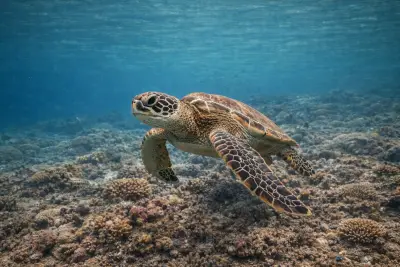
Green Sea Turtle
April-November · common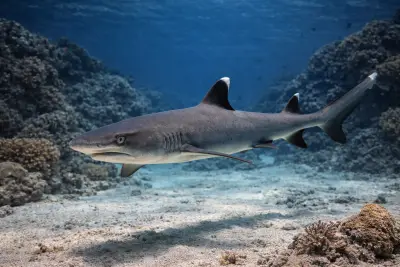
Whitetip Reef Shark
common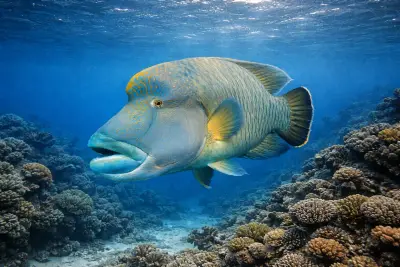
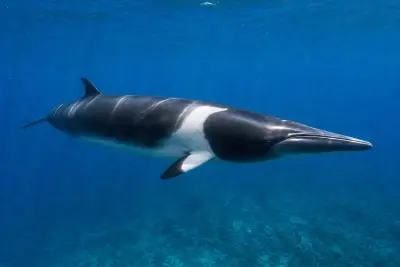
Dwarf Minke Whale
June-July · occasional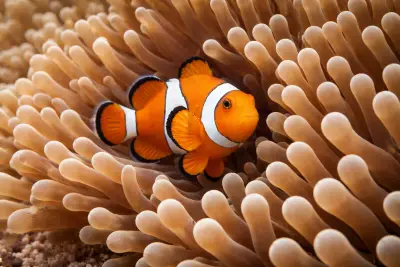
Clownfish
common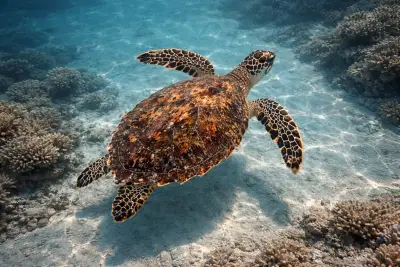
Hawksbill Turtle
common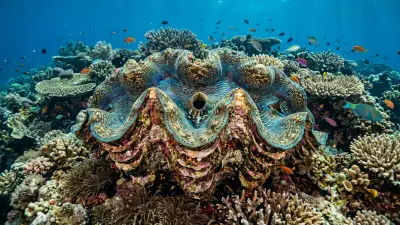
Giant Clam
common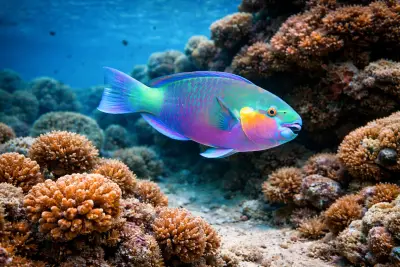
Parrotfish
common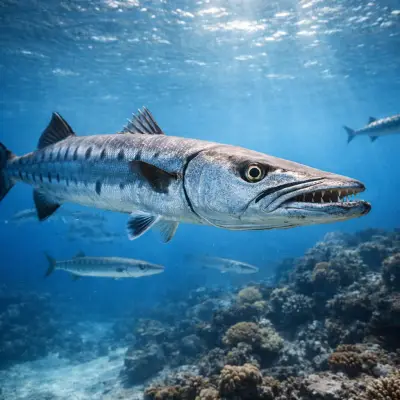
Barracuda
common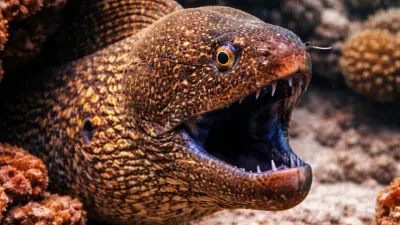
Moray Eel
common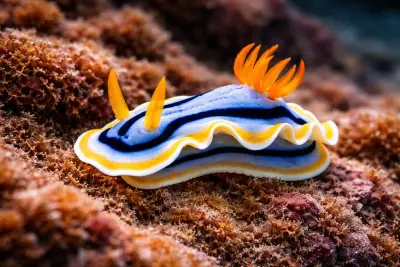
Nudibranch
common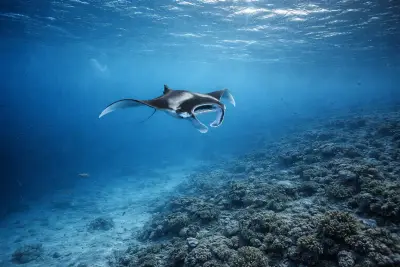
Manta Ray
April-October · occasional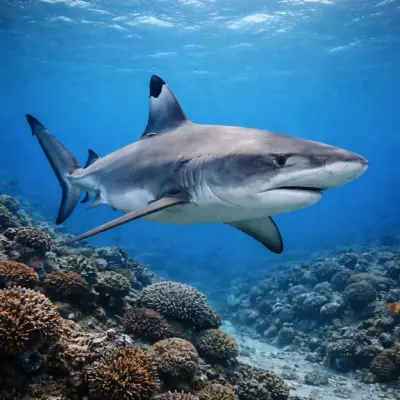
Grey Reef Shark
occasional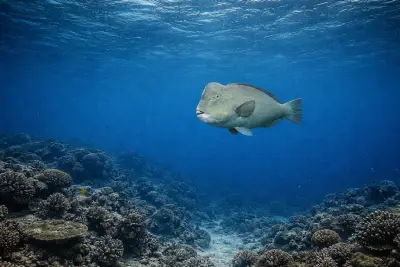
Bumphead Parrotfish
occasionalDive profile & how the dive runs
Dives at Norman Reef typically begin with a boat entry, often via tender, to specific mooring sites such as 'Fingers', 'Playgrounds', or 'Troppos'. For sites like 'Fingers' and 'Troppos', the initial descent leads to shallow coral gardens and sandy lagoons, gradually transitioning to deeper reef walls. Divers explore intricate coral formations, canyons, and bommies. 'Playgrounds' offers a route through coral reefs with a focus on baby reef fish and cuttlefish, while 'Shark Mountain' nearby provides opportunities to see grey reef sharks. A common progression involves traversing along reef walls or through swim-throughs and caves, maintaining a depth between 5 and 20 meters, with maximum depths up to 30 meters at certain points. Due to mild currents, many dives are conducted as relaxed drifts. The turn point is often determined by air consumption or the end of a drift section, with the safety stop conducted in the shallow, protected areas of the reef, rich in colourful fish and anemones.
Underwater photography
Norman Reef offers exceptional opportunities for both wide-angle and macro photography due to its diverse topography and abundant marine life. For capturing the expansive coral gardens, dramatic drop-offs, and larger subjects like green sea turtles, whitetip reef sharks, or the impressive Humphead Wrasse, a wide-angle lens is ideal. Consider using external strobes to bring out the vibrant colours of the corals and fish in the clear water, especially when exploring swim-throughs and under ledges. Macro enthusiasts will find a wealth of subjects among the intricate corals, nudibranchs, and various reef fish; a macro lens will reveal the finer details. Buoyancy control is paramount, particularly in caves and swim-throughs, to avoid disturbing delicate corals and marine life. Patience and respectful distance are key when photographing resident species like the Humphead Wrasse to capture their natural behaviour without causing stress.
Combine with nearby dive sites
- Milln Reef
Shared dive sites with Silverswift, known for exceptional visibility and varied marine life.
- Flynn Reef
Shared dive sites with Silverswift, offering novice to experienced divers memorable experiences.
- Hastings Reef
Also features sites like 'Coral Gardens' and 'Split Bommie', known for corals and resident fish.
Getting there & logistics
Norman Reef is primarily accessed via day boats and liveaboards departing from Cairns, Queensland, which is served by Cairns International Airport (CNS). Day trips typically last a full day, while liveaboard excursions can range from multiple days to explore various sites within the Outer Great Barrier Reef. Most tours include transfers from Cairns accommodation to the marina. While specific permit fees for Norman Reef are usually included in tour packages, divers should confirm this with their operator. The reef is often combined in itineraries with other popular nearby outer reefs such as Flynn Reef, Milln Reef, and Hastings Reef, providing a comprehensive Great Barrier Reef diving experience. Booking in advance is recommended, especially during the peak dry season months.
Safety & environment
Ensuring diver safety at Norman Reef involves being prepared for its conditions and respecting the marine environment. The nearest recompression chamber is located in Cairns. Divers should always have appropriate dive insurance that covers recompression and emergency evacuation, as medical assistance and evacuation from offshore sites can be complex and costly. While currents are generally mild, occasional moderate currents near reef edges during tidal changes necessitate good buoyancy control and attentiveness to dive guides. Occasional surge may also be present on the exposed outer reef, especially during trade-wind season. Divers must adhere to responsible diving practices, such as maintaining proper distance from marine life, avoiding touching corals, and following designated dive plans to prevent disorientation in the extensive reef system. Awareness of boat traffic, especially around popular moorings, is also crucial for surface safety.
Who it suits — and who it doesn't
Suited for
- Open Water certified divers and above
- Divers seeking diverse reef topography
- Underwater photographers
- Marine life enthusiasts (turtles, sharks, wrasse)
- Divers comfortable with drift diving
Less suited for
- Divers uncomfortable with potential boat traffic
- Individuals seeking extreme current dives
- Divers expecting remote, untouched environments only
- Those who prefer shore-based diving
- Beginners without good buoyancy control when currents are present
FAQ
Norman Reef FAQ
What is the average depth at Norman Reef?
Norman Reef offers a diverse depth profile, ranging from shallow coral gardens at approximately 5 meters down to dramatic drop-offs that reach a maximum depth of 30 meters. Many popular dive sites within Norman Reef, such as 'Fingers' and 'Playgrounds', typically have average depths between 13 to 16 meters, suitable for a wide range of diver certifications.
What kind of marine life can I expect to see at Norman Reef?
Norman Reef is a vibrant ecosystem teeming with diverse marine life. You can reliably encounter majestic Green Sea Turtles, graceful Whitetip Reef Sharks, and the impressive Humphead Wrasse. The reef also hosts a kaleidoscope of reef fish including Clownfish, Parrotfish, and Angelfish, alongside Giant Clams, Moray Eels, and various nudibranchs. During winter, there's also a chance to spot Dwarf Minke Whales migrating through the area.
Are the currents strong at Norman Reef?
Currents at Norman Reef are generally mild, contributing to a relaxed diving experience and often facilitating enjoyable drift dives. However, occasional moderate currents can be encountered, particularly along the reef edges during tidal changes. Divers are advised to have good buoyancy control and be prepared for potential shifts in current strength, especially if exploring deeper sections or exposed areas.
Is Norman Reef suitable for beginner divers?
Yes, Norman Reef is suitable for Open Water certified divers and above, including beginners. Many sites within the reef, such as 'Fingers' and 'Playgrounds', feature shallow, protected coral gardens and lagoons that are ideal for less experienced divers. While advanced divers can explore deeper sections and more exposed areas, the generally mild currents and excellent visibility make it accessible for those newer to diving, provided they have good buoyancy skills.
Can I do night dives at Norman Reef?
Yes, night diving is possible at Norman Reef. The diverse topography, including caves, swim-throughs, and bommies, takes on a new character after dark, revealing nocturnal marine life. Specific sites like 'Whale Bommie' at Milln Reef, which is often combined in itineraries, are known for night dives where you can spot sleeping turtles, reef crabs, and painted lobsters.
What are the water temperatures like at Norman Reef?
Water temperatures at Norman Reef are consistently warm, making for comfortable diving year-round. They typically range from around 24°C (75°F) in the winter months (June-August) to a pleasant 30°C (86°F) during the summer (December-February). This tropical climate means wetsuit choices can vary from shorties to 3mm full suits, depending on personal preference and the time of year.
Why dive Norman Reef from a liveaboard?
Norman Reef is one of Australia's signature dive sites. A liveaboard sleeps you on the water and puts you in the water for three to four guided dives per day, including dawn and night dives that day-boat operators rarely offer. You skip the daily commute back to port and reach quieter, less-crowded sites in the same region on a single trip.
Below are the liveaboards that include Norman Reef on their Australia itineraries.
Liveaboards diving Norman Reef
These liveaboards may visit Norman Reef on selected itineraries — the exact dive sites depend on departure, weather and conditions.
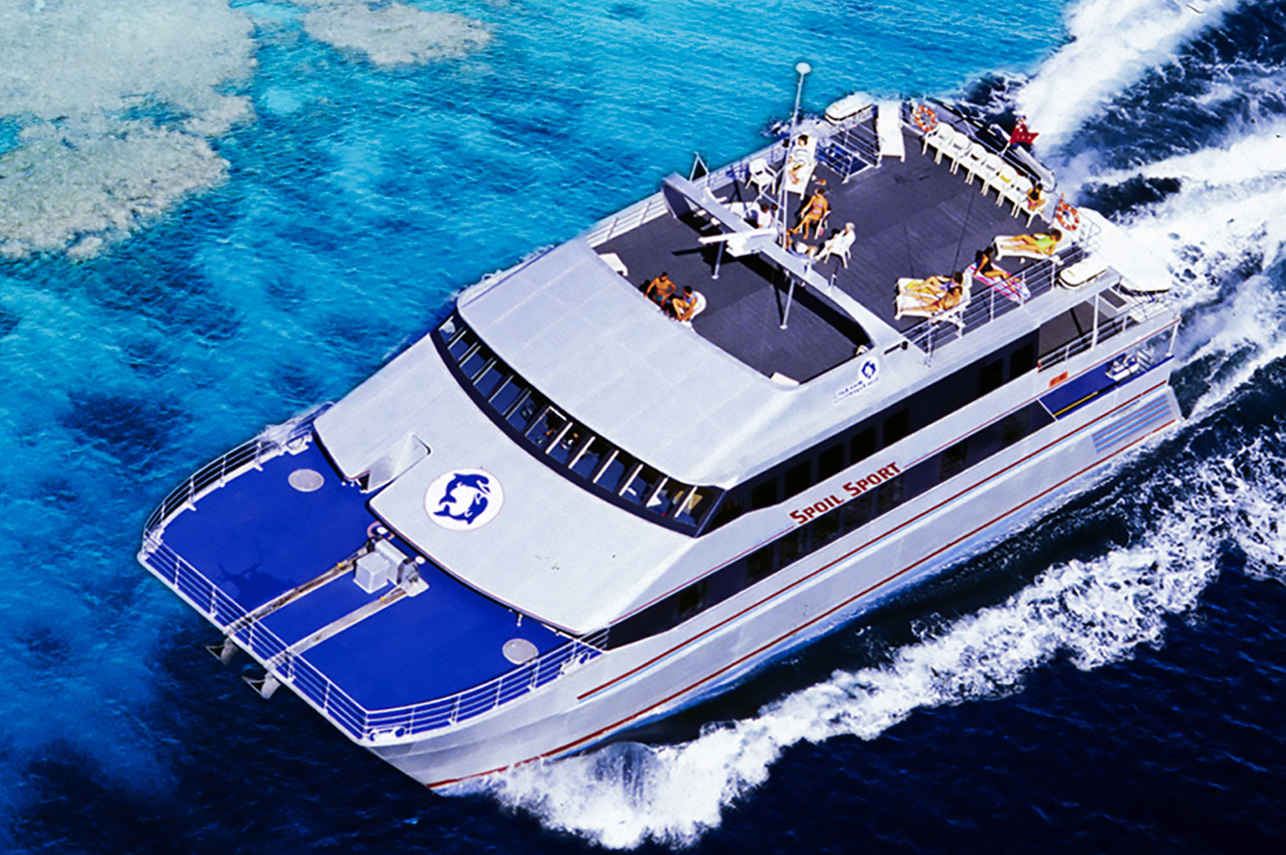
Spoilsport
Australia
28 guests30 m
$408/day
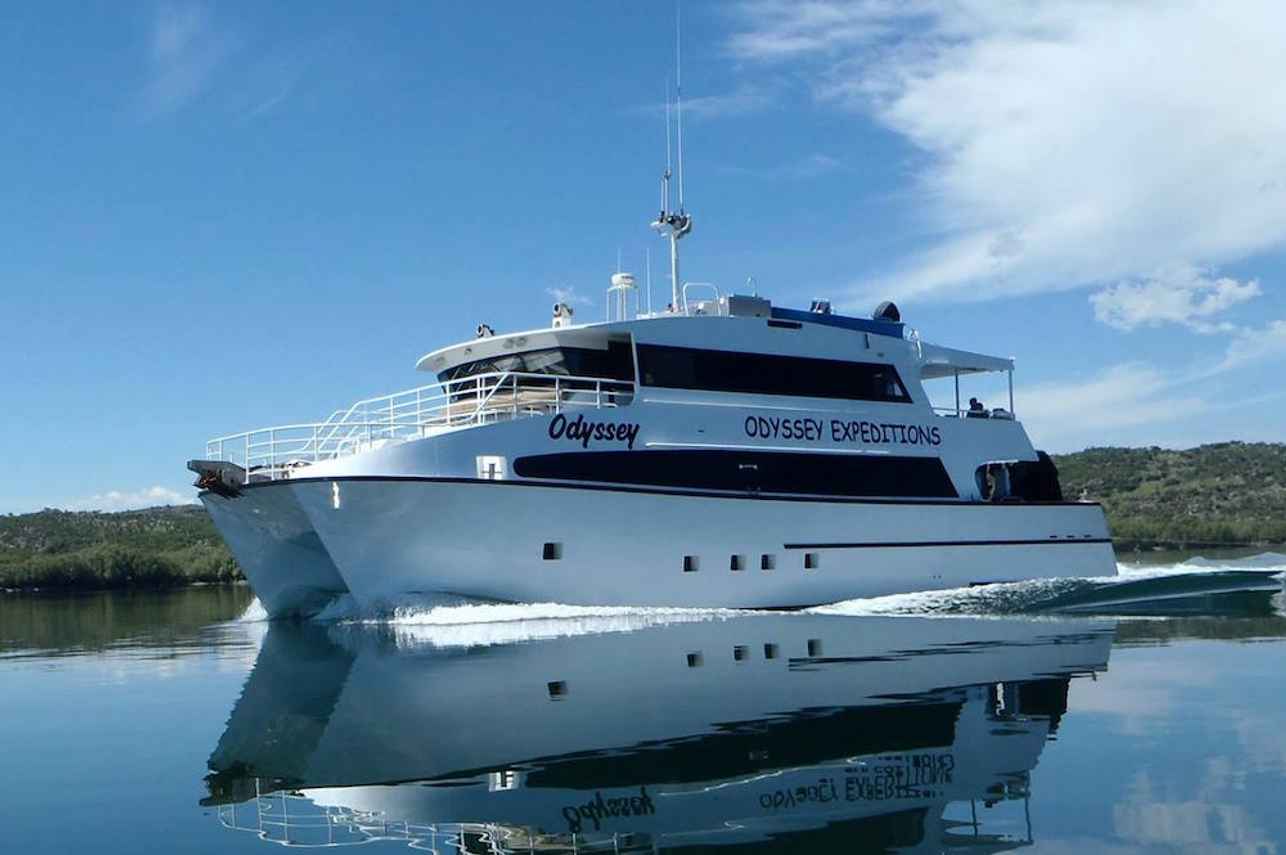
Odyssey Liveaboard
Australia
20 guests24 m
$392/day
Dive sites similar to Norman Reef
Same character, same waters — six more sites divers love for the exact same reasons.Compare seasons, access and liveaboard routes — then pick the site that fits your trip best.
© Esri — Maxar, Earthstar, GIS
Agincourt Reef
Australia
Agincourt Reef sits on the outer edge of the Great Barrier Reef, roughly 60–72 km off Port Douglas in Far North Queensland, at the southern end of the true ribbon reefs that run…
- Suitable for
- Beginner
- Current
- Moderate
- Access
- Dayboat
- Depth
- 2–20 m
- Theme
- Reef / Wall
© Esri — Maxar, Earthstar, GIS
Cocos Keeling - Canons
Australia
Cocos Keeling - Canons offers a distinctive dive experience within the Cocos (Keeling) Islands lagoon, making it Australia's most remote dive destination.
- Suitable for
- Beginner
- Current
- Mild
- Access
- Dayboat
- Depth
- 8–12 m
- Theme
- Reef
© Esri — Maxar, Earthstar, GIS
Raine Island
Australia
Raine Island is a pivotal dive site located in the Far Northern Great Barrier Reef, approximately 85 kilometers east-north-east of Cape Grenville and just over 4 nautical miles south of the island itself.
- Suitable for
- Advanced
- Current
- Strong
- Access
- Liveaboard only
- Depth
- 5–40 m
- Theme
- Reef / Wall
© Esri — Maxar, Earthstar, GIS
Bare Island East
Australia
Bare Island East is a highly regarded shore dive in Sydney, celebrated for its diverse and colourful sponge gardens.
- Suitable for
- Intermediate
- Current
- Mild
- Access
- Shore / dayboat
- Depth
- 2–11 m
- Theme
- Reef
© Esri — Maxar, Earthstar, GIS
Cocos Keeling - Broccoli Patch
Australia
Broccoli Patch is a premier dive site nestled within the Cocos (Keeling) Islands lagoon system, offering a gentle yet captivating underwater experience.
- Suitable for
- Beginner
- Current
- Mild
- Access
- Dayboat
- Depth
- 5–10 m
- Theme
- Reef
© Esri — Maxar, Earthstar, GIS
Milln Reef
Australia
Milln Reef, located approximately 60km offshore from Cairns within the Great Barrier Reef, stands out as a highly favored outer reef destination for both divers and snorkelers.
- Suitable for
- Intermediate
- Current
- Moderate
- Access
- Liveaboard or dayboat
- Depth
- 4–22 m
- Theme
- Reef