
Papua New Guinea Liveaboard Diving
Divers Alert Network (DAN) logoFree dive insuranceincluded with every booking

Liveaboards in Papua New Guinea

from $333 / day

2 of 2 · Papua New Guinea liveaboard routes, seasons & prices

Oceania

Discover the pristine underwater world of Papua New Guinea aboard the luxurious Oceania catamaran.

  • En-Suite bathrooms
  • Aircon Cabins
  • Warm Water Showers

4.8(30 reviews)

16 guestsfrom $333/day
Febrina

Unveiling Papua New Guinea's underwater wonders in boutique comfort.

  • En-Suite bathrooms
  • Aircon Cabins
  • Warm Water Showers

4.7(27 reviews)

12 guestsfrom $389/day

Diving in the Bismarck Sea: wrecks, walls and manta rays

Papua New Guinea sits at the heart of the Coral Triangle and consistently records some of the highest marine biodiversity numbers ever measured — the Milne Bay region alone hosts over 500 reef-building coral species and more than 1,000 fish species. This is one of the planet's last great underwater frontiers, where vast areas of reef have never been formally surveyed and traditional clan ownership of reefs has preserved entire ecosystems for centuries.

Kimbe Bay in West New Britain is one of the most studied reef systems in the world and the headquarters of multiple international marine research programs. Sites like Bradford Shoals, Inglis Shoal, and Susan's Reef rise from 300-meter-deep water as isolated pinnacles. Schooling barracuda, silvertip sharks, and the occasional hammerhead are common, while the shallows host healthy populations of orangutan crabs, pygmy seahorses, and ghost pipefish.

Milne Bay in the country's southeast is the birthplace of muck diving as a recognized discipline. The black volcanic sand at sites like Dinah's Beach and Observation Point hosts an extraordinary density of cryptic species — mimic octopus, hairy frogfish, ornate ghost pipefish, and dozens of nudibranch species. The same region offers world-class reef diving at sites like Tania's Reef and the dramatic walls of Wahoo Point.

Tufi, on the Cape Nelson peninsula, sits among unique drowned rias — flooded volcanic valleys that create deep bays with healthy fringing reefs and unspoiled coral gardens. The region offers some of the best macro photography in the Pacific alongside reef walls hosting reef sharks, manta rays, and dense fish life. The local Tufi resort runs in close cooperation with neighboring villages.

Madang and the Bismarck Sea offer healthy fringing reefs, WWII wrecks, and a remarkable concentration of muck diving sites within sheltered bays. The B-25 Mitchell bomber, the S'Jacob freighter, and several Japanese Zero fighters lie in diveable depths, slowly being absorbed by the reef.

The Witu Islands and Father's Reef in northern Papua are accessible only by liveaboard and represent some of the most remote diving on Earth. Active underwater volcanic vents, fields of stinging hydroids the size of trees, and pristine fish populations make these expeditions unlike anything else in the region. Water temperatures of 27–30°C year-round, visibility above 30 meters in the dry season, and the deep cultural richness of PNG's 850 indigenous languages make this a truly singular destination.

Why dive a liveaboard in Papua New Guinea

From legendary wrecks and thriving reefs to close-up encounters with iconic marine life, this destination offers the experiences divers dream about. Warm, clear waters and well-organized liveaboard routes make it easy to explore the best sites. These are the highlights that keep divers coming back year after year.

Coral Triangle heart

Highest marine biodiversity per square metre on Earth

WWII wrecks

Legendary wartime wrecks at Rabaul and Kavieng

Macro paradise

World-class muck diving in Milne Bay

800+ cultures

The most culturally diverse nation on Earth

Who a liveaboard in the Bismarck Sea suits — and who it doesn't

PNG is a remote, low-traffic Coral Triangle destination: WWII wrecks, barrier reefs and muck bays with few other boats.

Beginners

Open Water, from about 20 dives, sheltered bays

Milne Bay and Kimbe Bay have calm black-sand slopes and shallow reef patches close to the resorts.

Matching areas:Milne BayKimbe BayTawali

Advanced divers

Advanced, seamounts and current

Kimbe Bay’s offshore seamounts such as Bradford Shoals and Witu Islands sites run current with barracuda and shark action.

Matching areas:Bradford ShoalsWitu IslandsFathers Reefs

Deep and technical

Deep, Nitrox, WWII aircraft and wrecks

PNG holds diveable WWII aircraft and ships — the Zero at Kimbe sits shallow, other airframes and hulls lie deeper — but the country is remote with minimal chamber access, so Nitrox and restraint are essential.

Matching areas:Kimbe BayRabaulMadang

Photo and video

Macro and wide-angle in near-empty water

Milne Bay is a birthplace of muck diving; Kimbe delivers pristine hard coral and fish density without crowds.

Matching areas:Milne BayKimbe BayTufi

Best time to dive in Papua New Guinea

Diving in Papua New Guinea is possible year-round in warm waters, but conditions vary between two main seasons. The dry season from May to November generally offers the calmest seas and best visibility, making it the peak period for most liveaboards. Conversely, the wet season from December to April sees nutrient-rich waters that can attract more pelagic life, though visibility may be reduced in some bays.

👆 Click any month for detailed conditions
Excellent
Good
Off-Season

May–October

Dry season with best visibility up to 30m. Calmer seas ideal for liveaboard expeditions.

October–December

Transition with increasing plankton attracting pelagics. Still good diving conditions.

January–April

Wet season with reduced visibility. Some areas remain excellent. Fewer boats and lower prices.

Underwater visibility

32m
(105ft)
23m
(74ft)
13m
(43ft)
Jan
Feb
Mar
Apr
May
Jun
Jul
Aug
Sep
Oct
Nov
Dec

Air & water temperature

33°C 29°C 24°C
29°
31°
29°
31°
29°
31°
29°
30°
28°
29°
27°
28°
26°
27°
26°
27°
27°
28°
28°
29°
29°
30°
29°
31°
Jan
Feb
Mar
Apr
May
Jun
Jul
Aug
Sep
Oct
Nov
Dec
Water
Air (Day)

Recommended wetsuit

3mm
3mm
3mm
3mm
3mm
3mm
5mm
5mm
3mm
3mm
3mm
3mm
Jan
Feb
Mar
Apr
May
Jun
Jul
Aug
Sep
Oct
Nov
Dec
3mm (warm)
5mm (moderate)
Wetsuit Guide

What you'll see diving in the Bismarck Sea

As the epicenter of the Coral Triangle, Papua New Guinea’s waters teem with life, from the large to the bizarre. Divers can encounter schools of barracuda, reef sharks, and dogtooth tuna on outer reefs like Bradford Shoals, while the black sands of Milne Bay hide mimic octopus and hairy frogfish. The reefs are also a haven for macro subjects like pygmy seahorses and countless nudibranch species, with reef manta rays visiting between May and September.

When to See What

Use this calendar as a guide: the highlighted months show when your chances are usually best. Wildlife follows its own rhythm, so sightings are never guaranteed — but we hope this makes planning a little easier. The rhythm of the seasons brings different large animal encounters to Papua New Guinea’s waters. From June to August, curious dwarf minke whales visit the Milne Bay region, while reef manta rays are more commonly seen from May through September.

Species
Jan
Feb
Mar
Apr
May
Jun
Jul
Aug
Sep
Oct
Nov
Dec
Pygmy Seahorse
Pygmy Seahorse
Nudibranch
Nudibranch
Reef Manta Ray
Reef Manta Ray
Walking Shark
Walking Shark
Xenocrab
Xenocrab
Harlequin Shrimp
Harlequin Shrimp
Pipehorse
Pipehorse
Porcupine Ray
Porcupine Ray
Queenfish
Queenfish
Rabbitfish
Rabbitfish
Remora
Remora
Scad
Scad
Sea Hare
Sea Hare
Sea Slug
Sea Slug
Shovelnose Ray
Shovelnose Ray
Peak Season
Present
Rare/Absent

Fathers Reef and Bradford Shoals: the best dive sites in Papua New Guinea

A liveaboard is essential for exploring the full scope of Papua New Guinea's world-class dive sites, many of which are too remote for day trips. Boats reach the isolated seamounts of Kimbe Bay like Bradford Shoals and exclusive destinations such as the Witu Islands and Father's Reef. Itineraries also cover the historic WWII submarine wrecks of Rabaul and the legendary muck diving slopes of Dinah's Beach in Milne Bay.

1

Josie’s Reef

ReefBeginner
1030m / 3398ft-5.4673°, 150.1555°

Josie’s Reef is a notable dive site located in Kimbe Bay, Papua New Guinea. This area, known for its exceptional biodiversity and pristine coral formations, is a major highlight along New Britain's northern coast. Kimbe Bay itself is a definitive biodiversity hotspot, home to over two-thirds of all Indo-Pacific fish species, making Josie's Reef a prime example of the rich marine ecosystems found here. The reef features dramatic topography, including lush coral gardens and walls. It is characterized by an incredibly dense concentration of sponges, sea-whips, and diverse coral species. A particularly striking feature of Josie’s Reef is a giant sea-fan, reportedly larger than a bus, adding to the site's unique visual appeal. The dive offers exploration across a depth range, from relatively shallow areas down to 30 meters, revealing different habitats and marine communities. The marine life at Josie's Reef is abundant and varied, reflecting Kimbe Bay's status as a critical ecosystem. Divers can expect to encounter a myriad of tropical fish and invertebrate life, thriving amongst the vibrant coral and sponge cover. While specific seasonality for species at Josie's Reef isn't detailed, Kimbe Bay generally offers consistent marine life throughout the year due to its stable conditions. Access to Josie's Reef is typically managed through dive excursions from land-based resorts, such as Walindi Plantation Resort, which operates daily trips to explore the bay's reefs. It is suitable for Open Water certified divers and above, offering a rich experience for various skill levels without requiring advanced certifications for general exploration. This allows a broad range of divers to appreciate its unique underwater landscape.

Giant sea-fan larger than a busDense forest of sponges and sea-whipsVibrant coral formationsRich invertebrate lifeKimbe Bay's high biodiversity
2

Coral Garden

ReefBeginner
018m / 059ftBest: May–November, October–March-5.2010°, 145.8350°

Coral Garden in Papua New Guinea is renowned for its exceptional and diverse assemblage of hard and soft corals, creating one of the most visually stunning shallow reef environments within the Coral Triangle. This site offers an unparalleled display of coral species, rivaling botanical gardens in both variety and aesthetic appeal. The reef exhibits natural landscape design, with different coral species occupying specific zones based on light, current, and depth, creating smooth transitions between communities. Shallow areas are home to photophilic species like vivid table corals and branching Acropora, forming intricate three-dimensional canopies. Deeper sections host shade-tolerant corals and spectacular soft corals that unfurl gracefully in gentle currents, resembling flowering plants underwater. This complex coral architecture supports a dense and diverse fish community, providing countless niches for juvenile fish, as well as areas where damselfish defend algae patches, parrotfish audibly graze on coral surfaces, and surgeonfish school like grazing herds. The conditions at Coral Garden are ideal for divers of all experience levels, characterized by gentle currents, comfortable depths, and straightforward navigation across the reef slope. This allows divers to fully concentrate on the incredible marine life. The warm, clear waters typical of Papua New Guinea ensure excellent visibility, offering both wide-angle views of the grand reef scale and intimate macro observation opportunities. The pristine state of Coral Garden reflects minimal human impact, thanks to traditional reef custodianship by local communities and low diver traffic, which helps preserve the coral from damage often seen in more frequented destinations. Every organism behaves naturally, providing authentic encounters that highlight the ocean's creative genius in a living gallery of color, form, and movement.

Extraordinary coral diversityPristine shallow reef environmentVibrant hard and soft coralsGentle currentsDiverse fish communitiesBeginner-friendly conditionsExcellent visibilityMinimal human impact
3

Joelle’s Reef

Intermediate
1630m / 5298ftBest: May–November, May–June-6.3443°, 149.5855°

Joelle's Reef is a renowned seamount located in the pristine Kimbe Bay, Papua New Guinea, named after the daughter of liveaboard skipper Alan Raabe. Positioned close to the open waters of the Bismarck Sea, it is one of three iconic seamounts in the bay that are celebrated for their incredible marine biodiversity. This site features a pinnacle reef rising from considerable depths, its summit reaching around 16 to 20 meters from the surface. The topography is characterized by exceptional hard coral cover, sea whips, gorgonians, and a multitude of reef fish, creating a dense biomass and a visually stunning underwater landscape. The seamount acts as a self-contained ecosystem, attracting both abundant reef life and larger pelagic species. Divers can anticipate encounters with schooling barracuda and bigeye trevally, along with resident species like bumphead parrotfish and Napoleon wrasse. Pygmy seahorses can be found in the sea fans, while a variety of anemones host clownfish, shrimp, and crabs. The reef thrives with an eclectic range of corals and sponges, making it a hotspot for macro and wide-angle subjects alike. Diving Joelle's Reef typically involves exploring the pinnacle, observing the dense reef fish populations, and watching for pelagics in the blue. Conditions often feature clear water with minimal currents, although the site is best dived when conditions allow, due to its exposure to the open sea. It offers a captivating experience for divers seeking vibrant coral gardens and diverse marine encounters.

Pinnacle reefExceptional hard coral coverPygmy seahorses in sea fansSchooling barracuda and trevallyBumphead parrotfish groupsNapoleon wrasse sightingsDense reef fish biomassDiverse anemones with symbionts
4

Stubborn Hellion

WreckIntermediate
012m / 039ftBest: April–June, September–December-2.5925°, 150.7834°

The Stubborn Hellion is a well-documented American B25 Bomber wreck from WWII, located in Papua New Guinea's New Ireland Province. This historical dive site lies near Albatross Passage, one of Kavieng's signature dive locations, which is the first passage between mainland New Ireland and New Hanover island. The area itself is part of the Bismarck Sea, known for its rich marine biodiversity and proximity to Japanese WWII bases where many aircraft and ships were lost. This bomber rests upright in relatively shallow water, making it accessible and an important part of the region's underwater war history. The surrounding waters of Kavieng are famed for current-swept passages that attract diverse pelagic marine life, creating a dynamic environment even around the wreck. While the wreck itself is the primary attraction, the nearby reefs and passages offer a wider experience. Lissenung Island, a popular base for diving, is only 20 minutes away by boat, providing convenient access to Stubborn Hellion and other sites in the Kavieng region. The area's low population density ensures a pristine diving experience, often with no other divers for miles around. Diving the Stubborn Hellion offers wreck enthusiasts a clear view of a significant piece of history. The site's position allows for combination with other dives in the area, from critter-rich muck dives to pelagic-heavy drift dives, ensuring a varied underwater adventure.

WWII B25 Bomber wreckUpright in shallow waterHistorical diveClose to Albatross PassageKavieng's war legacy

Bucket-list dives worth booking early

A trip to Papua New Guinea is defined by experiences found almost nowhere else on Earth. Divers can explore the staggering biodiversity of Kimbe Bay, swim through remarkably preserved WWII warships and aircraft in Rabaul, and search for cryptic critters at the birthplace of muck diving in Milne Bay. These unique encounters, set against a backdrop of pristine reefs, make for an unforgettable expedition.

Underwater view of the dive site Coral Triangle Biodiversity in Papua New Guinea
1
Year-round

Kimbe Bay

Dive in the heart of the Coral Triangle, the global epicenter of marine biodiversity, with more species of coral and fish than anywhere else on Earth.

Read more
Underwater view of the dive site WWII Wreck Diving in Papua New Guinea
2
Year-round

Rabaul

Explore sunken WWII aircraft and warships in pristine condition, draped in colorful coral and sponges – living memorials in crystal-clear tropical waters.

Read more
Underwater view of the dive site Dwarf Minke Whale Encounters in Papua New Guinea
3
June – August

Milne Bay

Snorkel with curious dwarf minke whales during their seasonal visits to PNG waters – these inquisitive whales often approach snorkelers for extended interactions.

Read more

Above water: climate, shore trips and extra costs

Beyond the reefs, Papua New Guinea offers profound cultural and natural encounters that can be paired with a dive trip. Visitors can explore the dramatic volcanic landscape of Rabaul, kayak through the unique Tufi Fjordlands, or witness a traditional Sing-Sing cultural festival. The country’s rich history is also accessible through tours of WWII memorials and above-water wreck sites scattered around regions like Rabaul and Milne Bay.

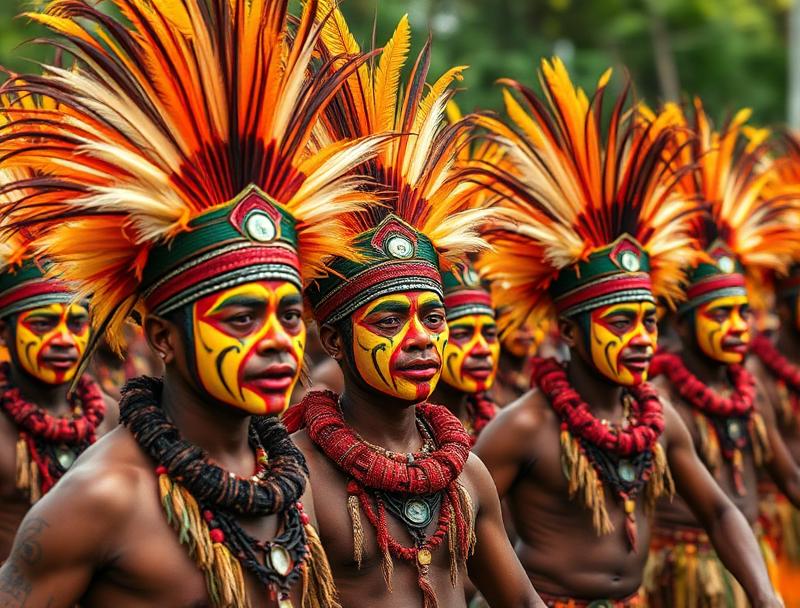
Sing-Sing Cultural Festival

Sing-Sing Cultural Festival

Witness elaborate traditional performances where hundreds of tribes gather in spectacular body paint, feathered headdresses, and ceremonial dress. The Goroka and Mount Hagen shows are world-famous.

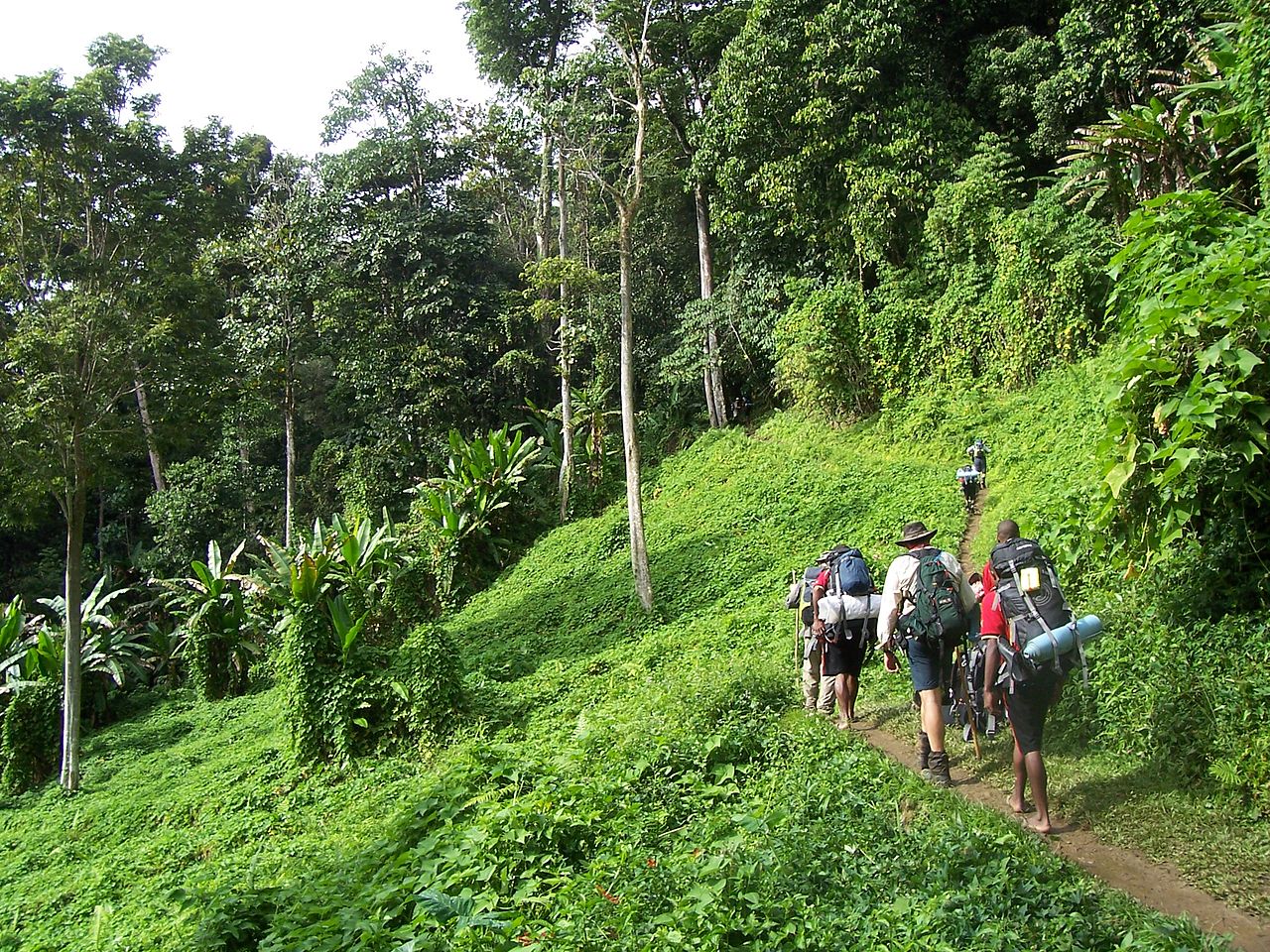
Kokoda Track Trek

Kokoda Track Trek

Follow the legendary WWII Kokoda Track through dense jungle and mountain passes. This challenging multi-day trek follows the path of Australian soldiers and passes through remote highland villages.

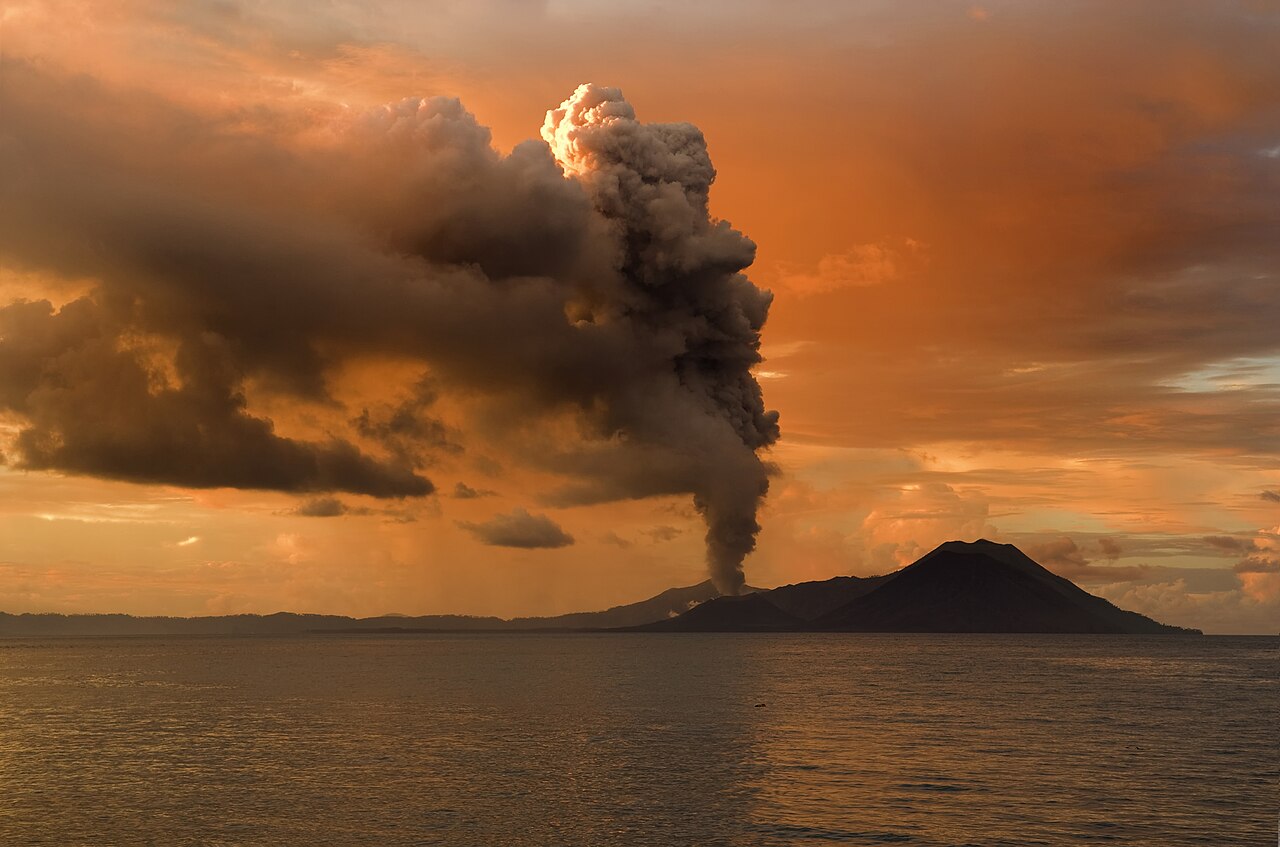
Rabaul Volcanic Landscape

Rabaul Volcanic Landscape

Explore the dramatic volcanic caldera of Rabaul, where the active Tavurvur volcano looms over a harbour buried by eruptions. Visit the underground Japanese tunnels and hot springs.

Sepik River Village Cruise

Sepik River Village Cruise

Navigate the mighty Sepik River by traditional dugout canoe visiting stilt villages and spirit houses. The Sepik region is renowned for producing some of the finest tribal art in the Pacific.

What a liveaboard in Papua New Guinea costs

The calendar below shows how liveaboard prices shift month by month, so you can see exactly when your money goes furthest. We want every diver to get the best possible value, which is why we highlight the seasons that balance great conditions with the fairest rates.

Papua New Guinea is a premium, expedition-style liveaboard destination, with costs reflecting its remote location and complex logistics. Prices are notably higher than in many other regions, driven by the expense of internal flights and the exclusive nature of the diving. Costs can vary with seasonality, as demand is highest during the peak dry season months from May to November.

$333–$389

per day liveaboard

$100–$250

per 2-tank dive trip

$60–$200

hotel per night

Prices reflect typical costs for mid-range to premium options. Budget alternatives may be available.

Getting to Port Moresby and Lae: flights and transfers

Travel to your Papua New Guinea liveaboard begins with an international flight to Port Moresby's Jacksons Airport (POM). From there, a domestic flight on carriers like Air Niugini is required to reach regional hubs like Hoskins (HKN) for Kimbe Bay or Alotau (GUR) for Milne Bay. Most nationalities can get a visa on arrival, and operators arrange the final transfer from the local airport to your vessel.

Insider tips

🍽️

Travel during shoulder season (Apr-May, Oct-Nov) – Same great diving at lower prices and fewer crowds

🚢

Book liveaboard trips early – Limited vessels operate in PNG, early booking secures best rates

✈️

Fly via Cairns or Port Moresby – Compare routes for the most affordable international connections

🏨

Stay at locally-owned guesthouses – Authentic experience at a fraction of resort prices

🤿

Bring all your own dive gear – Equipment rental is limited and expensive in remote areas

🚢

Combine multiple dive regions on one liveaboard – Multi-stop itineraries offer better value per dive day

Getting there

Jacksons International Airport

Port MoresbyPOM

Main gateway with flights from Brisbane, Cairns, Singapore, Manila, and Tokyo

Nadzab Airport

LaeLAE

Domestic hub for Morobe Province diving

Entry requirements

Most nationalities can obtain a 60-day visa on arrival. Valid passport with 6 months validity required.

This information is provided without guarantee. Please visit the official website for the latest entry requirements.

Official Immigration Information →

Frequently asked questions about liveaboards in Papua New Guinea

How much does a Papua New Guinea liveaboard cost in 2026?
Prices for a 2026 Papua New Guinea liveaboard vary based on the vessel and trip duration, reflecting its status as a remote, world-class diving destination. Because it's a frontier location with pristine reefs, it's an investment in a truly unique experience. You can explore a range of options with us to find a trip that fits your budget.
When is the best time for a Papua New Guinea liveaboard?
Diving in PNG is fantastic year-round, but itineraries follow two main seasons. The period from May to November is ideal for exploring Milne Bay and the southern Coral Sea. To dive the incredible sites of Kimbe Bay, the Witu Islands, and Kavieng, you should plan your trip between November and April.
What marine life can I see while diving in Papua New Guinea?
Positioned in the Coral Triangle, PNG offers staggering biodiversity. You'll explore vibrant fringing reefs, historic WWII wrecks teeming with life, and encounter a remarkable concentration of macro critters. Many trips also offer thrilling blackwater dives to witness rare, deep-water species.
Where do liveaboards in Papua New Guinea depart from?
Your departure port depends on your specific itinerary, as boats leave from harbors servicing the major dive regions. Most liveaboards exploring the Bismarck Sea depart from Kimbe Bay or Kavieng, while southern itineraries typically start from Milne Bay. Your booking confirmation will always have the exact departure details.
What diving certification do I need for a Papua New Guinea liveaboard?
An Advanced Open Water certification is highly recommended to get the most out of diving in Papua New Guinea. This ensures you are comfortable with the diverse conditions and can access deeper sites like the famous WWII wrecks. Always check the specific trip requirements, as some may be suitable for Open Water divers.
What should I pack for a liveaboard diving trip in Papua New Guinea?
With water temperatures between 27-30°C, a 3mm wetsuit is perfect for most divers. Be sure to pack a dive torch for wrecks and night dives, and macro photography gear for the amazing small critters. As it's a remote destination, also bring gear spares, any personal medications, and a Type I (Australian) power adapter.
Are there any special health or safety tips for a PNG liveaboard?
Yes, preparation is key for this remote destination. We advise consulting your doctor for travel health recommendations and bringing all necessary prescription medications with you. It's also essential to have comprehensive dive insurance and be prepared for limited or no internet access while at sea.

Papua New Guinea compared with other liveaboard destinations

Honest, in-depth comparisons to help you decide between destinations, certifications, equipment and dive styles.

Liveaboard vs Land-Based Diving: Which Trip Is Right for You?

Choosing between a liveaboard and a land-based dive trip is the most fundamental decision divers face when planning a serious diving holiday. The right answer depends on your priorities: maximum dive count and access to remote sites favor liveaboards; beach time, family flexibility and lower cost favor land-based resorts. Both formats have evolved significantly in the last decade, and the line between them has blurred — luxury dive resorts now offer multi-day expedition trips, while many liveaboards include topside excursions and even spa days. This guide compares the two formats across every meaningful dimension: cost per day, dives per day, marine life access, comfort, social dynamics, family-friendliness, and travel logistics. We'll also cover the hybrid models (resort + day-charter, or 'safari boat' itineraries) that try to capture the best of both worlds. If you're certified, in love with diving and want to maximize bottom time, a liveaboard is almost always the better choice — you can clock 25+ dives in a week and reach sites no day boat can. If you're traveling with non-divers, prefer land-based comfort, or want flexibility to take days off, a resort wins. We'll get into all the nuances below.

Read comparison

Australia vs. Papua New Guinea: Liveaboard Diving Showdown

Australia and Papua New Guinea (PNG) represent two vastly different, yet equally compelling, liveaboard diving frontiers in the Indo-Pacific. Australia, a continent of immense biodiversity, offers iconic experiences from the Great Barrier Reef's vibrant ecosystems to the remote wonders of the Coral Sea and Ningaloo. Its diving infrastructure is well-developed, catering to a broad spectrum of divers with a focus on accessibility and diverse marine encounters. Papua New Guinea, on the other hand, is a land of raw, untamed beauty, both above and below the surface. Renowned for its pristine reefs, incredible biodiversity, and significant WWII wrecks, PNG offers a more adventurous and often less crowded diving experience. This comparison will help you navigate the unique appeals of each destination, considering factors from marine life and dive conditions to logistics and overall experience, ensuring you choose the perfect liveaboard adventure for your preferences.

Read comparison

Micronesia vs. Papua New Guinea: Liveaboard Dive Showdown

Choosing between Micronesia and Papua New Guinea for your next liveaboard adventure presents a delightful dilemma for serious divers. Both regions offer unparalleled underwater experiences, yet they cater to slightly different preferences and dive styles. Micronesia, a vast expanse of islands in the western Pacific, is globally renowned for its exceptional wreck diving, particularly in Truk Lagoon, alongside vibrant coral reefs and pelagic encounters. Papua New Guinea, on the other hand, a land of extraordinary cultural diversity and rugged landscapes, boasts some of the world's most pristine and biodiverse coral reefs, often referred to as the 'Amazon of the Seas.' Its diving is characterized by untouched ecosystems, unique macro life, and dramatic topography. This comparison will delve into the specifics, helping you decide which of these remote and spectacular destinations best aligns with your diving aspirations, from marine life encounters and wreck exploration to logistical considerations and overall liveaboard experience.

Read comparison
Plan your trip

Ready to dive?

Explore our expedition vessels and find your perfect trip to Papua New Guinea

4.8724 Reviews