Cave diving: the best dive sites worldwide
189 dive sites26 countries8 regions20 liveaboard-only sites

Cave diving: the best dive sites worldwide

Cave & cavern diving is overhead lines, halocline and lamplight — from Chandelier Cave to Blue Hole Gozo. Compare the best Cave & cavern dive sites worldwide with depth, current, certification level and best season, plus the liveaboard itineraries that actually dive them.

What makes Cave diving special

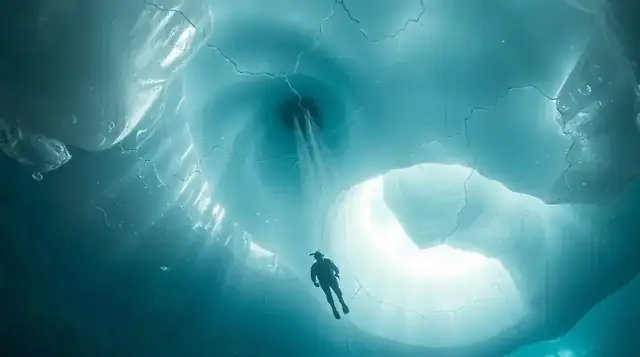
Cave and cavern diving takes you into overhead environments where you cannot ascend directly to the surface. Caverns stay within daylight and are open to certified recreational divers, while true cave dives require specialised training, lines and redundant gear.

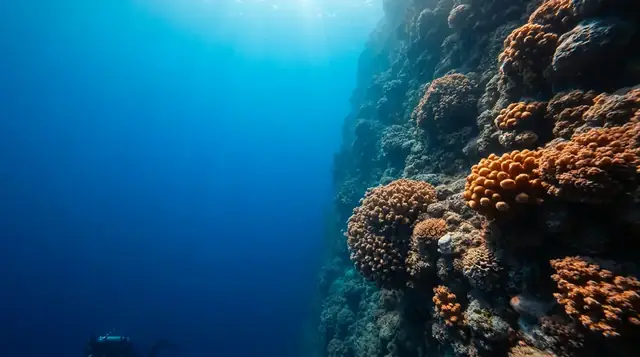
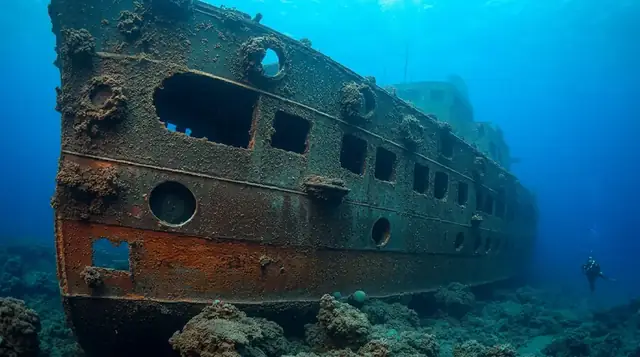
Cave diving is one of the most rewarding ways to read the ocean. Every site layers history, marine life and a unique atmosphere — from shallow, coral-encrusted shore wrecks to deep, current-swept war graves.

Some wrecks are protected museums, others are artificial reefs bursting with schools, predators and macro critters. Depth and current vary widely, so there is usually a wreck for every certification level — as long as you respect its limits.
Signature sites

Iconic caves

The absolute classics every diver has heard of — and the liveaboards that reach them.
© Esri — Maxar, Earthstar, GIS

The Great Blue Hole, a globally renowned marine sinkhole, lies approximately 70 km offshore from Ambergris Caye, situated within the Lighthouse Reef Atoll in Belize.

Suitable for
Advanced
Current
Strong
Access
Liveaboard or dayboat
Depth
10–40 m
Theme
Cave & cavern / Wall
© Esri — Maxar, Earthstar, GIS

Fish Rock Cave, located off South West Rocks in New South Wales, Australia, is renowned as the country's only true ocean cave dive.

Suitable for
Advanced
Current
Strong
Access
Liveaboard or dayboat
Depth
7–35 m
Theme
Cave & cavern / Channel
© Esri — Maxar, Earthstar, GIS

Cocklebiddy Cave, situated beneath the vast, arid Nullarbor Plain in Western Australia, represents one of the world's most significant and extensive water-filled cave systems.

Suitable for
Expert
Current
No current
Access
Shore / dayboat
Depth
10–122 m
Theme
Cave & cavern
© Esri — Maxar, Earthstar, GIS

Moorea - The Canyons

French Polynesia

The Canyons is a notable dive site located off the mythical Ōpūnohu Bay in Moorea, one of French Polynesia's easily accessible Society Islands.

Suitable for
Advanced
Current
Strong
Access
Shore / dayboat
Depth
8–28 m
Theme
Cave & cavern / Channel
© Esri — Maxar, Earthstar, GIS

Misool, situated in the southern reaches of Raja Ampat, Indonesia, stands as a premier liveaboard diving destination, renowned for its exceptionally intact marine ecosystems.

Suitable for
Intermediate
Current
Strong
Access
Liveaboard or dayboat
Depth
3–30 m
Theme
Cave & cavern / Reef
© Esri — Maxar, Earthstar, GIS

Bougainville Reef, situated approximately 150 km south of Osprey Reef in the Coral Sea, is a remote and pristine dive destination off Australia's northeast coast.

Suitable for
Intermediate
Current
Strong
Access
Liveaboard only
Depth
15–1000 m
Theme
Cave & cavern / Reef

Editorial ranking

Top 15 caves worldwide

Our editorial top 15, based on how often each site appears in published best-of rankings, dive guides and operator reports.

From bucket-list classics to lesser-known gems, these sites cover the full range of experience levels and conditions.

Compare depth, current, access and the liveaboards that reach each site to plan your next underwater adventure.

© Esri — Maxar, Earthstar, GIS
1

Cenote Dos Ojos, Spanish for "Two Eyes," is one of the most iconic and visually stunning cenotes in Mexico's Yucatán Peninsula.

Suitable for
Intermediate
Current
No current
Access
Liveaboard or dayboat
Depth
5–10 m
Theme
Cave & cavern / Cenote
© Esri — Maxar, Earthstar, GIS
2

Sac Actun and Ox Bel Ha represent two of the world's longest known underwater cave systems, forming an intricate network beneath the Yucatán Peninsula's jungle floor.

Suitable for
Advanced
Current
No current
Access
Dayboat
Depth
10–40 m
Theme
Cave & cavern / Cavern

Season

Best season for Cave diving

Seasons change by region, but these windows reliably deliver the calmest seas and the best visibility for Cave diving. Compare water temperature, surface conditions and the liveaboard routes that run during each peak season.
Cave diving in the Caribbean

Caribbean

December – April

J
F
M
A
M
J
J
A
S
O
N
D
ExcellentGoodOff-season

Blue holes and cavern systems in Belize, the Bahamas and Cuba are clearest in the dry season.

Water 25–29 °C · visibility 20–40 m · rain events silt coastal cavern entrances.

Cave diving in the Mediterranean & Atlantic

Mediterranean & Atlantic

June – October

J
F
M
A
M
J
J
A
S
O
N
D
ExcellentGoodOff-season

Gozo, Sardinia and the Croatian caverns need calm swell to enter safely.

Water 15–27 °C · visibility 20–35 m · surge at cave mouths after autumn storms.

Cave diving in the Coral Triangle

Coral Triangle

April – November

J
F
M
A
M
J
J
A
S
O
N
D
ExcellentGoodOff-season

Swim-throughs and reef caverns across Indonesia and the Philippines outside the monsoon.

Water 27–30 °C · visibility 15–30 m · torch essential even at midday.

Cave diving in the Indian Ocean

Indian Ocean

January – April

J
F
M
A
M
J
J
A
S
O
N
D
ExcellentGoodOff-season

Overhangs and caves on the atoll thilas are best on the clear northeast monsoon.

Water 27–30 °C · visibility 15–30 m · nurse sharks and rays rest inside the overhangs.

Cave diving in the Red Sea & Arabia

Red Sea & Arabia

March – May & September – November

J
F
M
A
M
J
J
A
S
O
N
D
ExcellentGoodOff-season

Dahab's tunnels and the Sinai cavern systems in the mild shoulder seasons.

Water 22–29 °C · visibility 20–40 m · several systems are strictly technical-only.

Cave diving in the South Pacific

South Pacific

April – November

J
F
M
A
M
J
J
A
S
O
N
D
ExcellentGoodOff-season

Lava tubes and cavern systems around Fiji, Niue and French Polynesia in the drier season.

Water 25–29 °C · visibility 20–40 m · cyclone risk December–March.

Cave diving in the Andaman Sea

Andaman Sea

November – April

J
F
M
A
M
J
J
A
S
O
N
D
ExcellentGoodOff-season

Swim-throughs and cavern chimneys around the Similans need calm surface conditions.

Water 27–30 °C · visibility 15–30 m · torch essential inside the granite tunnels.

Cave diving in the Eastern Pacific

Eastern Pacific

June – November

J
F
M
A
M
J
J
A
S
O
N
D
ExcellentGoodOff-season

Baja and mainland Mexico sea caves are safest in the calm, warm season.

Water 21–29 °C · visibility 10–25 m · surge inside cave mouths after winter swell.

Plan ahead

Good to know

Cave diving mixes unforgettable moments with real planning decisions — depth, current, certification and the right season all matter. Here is what experienced divers check before booking a liveaboard trip.

  1. Overhead environment

    Cave means no direct ascent to the surface. Cavern dives stay inside the daylight zone; true cave diving is a separate discipline with its own training.

  2. Certification

    Cavern diver for daylight-zone dives, full cave certification for anything beyond the light. No operator should take you further without it.

  3. The rule of thirds

    One third of your gas in, one third out, one third in reserve. Turn the dive on pressure, always.

  4. Guideline & reels

    A continuous guideline to open water is non-negotiable in cave, plus a primary reel and safety spools for jumps and gaps.

  5. Lights

    A primary torch and two independent backups per diver. A single light failure must never end the dive early.

  6. Silt management

    Frog kick and helicopter turns only. A single flutter kick can drop visibility to zero for an hour.

  7. Depth & deco

    Many systems sit at 20–40 m with long penetrations, which builds decompression obligation fast. Plan gas and stops before entry.

  8. Marine life

    Sleeping nurse sharks, glassfish clouds, lobsters, cave shrimp and — in freshwater systems — striking haloclines rather than fish.

  9. Buoyancy trim

    Flat, horizontal trim keeps your fins away from the floor and your tanks off the ceiling. It is the core cave skill.

  10. Getting there

    Coastal caverns are shore or day-boat dives; remote reef cave systems are usually part of a liveaboard itinerary.

By country

Find your caves by country

Pick the country you have always dreamed of and see all caves waiting for you there.

Depths, currents, best season and the liveaboards that actually dive them — all in one place.

26 dive sites

Turkey

avg 25 m · level Intermediate · current Mild

20 dive sites

Bahamas

avg 32 m · level Advanced · current Strong

19 dive sites

Indonesia

avg 34 m · level Intermediate · current Strong

15 dive sites

Mexico

avg 27 m · level Advanced · current Strong

14 dive sites

Australia

avg 28 m · level Intermediate · current Strong

11 dive sites

Maldives

avg 31 m · level Advanced · current Strong

11 dive sites

Egypt

avg 38 m · level Advanced · current Strong

9 dive sites

Cuba

avg 39 m · level Beginner · current Moderate

7 dive sites

Thailand

avg 25 m · level Intermediate · current Strong

7 dive sites

Portugal

avg 28 m · level Intermediate · current Strong

6 dive sites

Solomon Islands

avg 20 m · level Intermediate · current Mild

5 dive sites

Belize

avg 34 m · level Advanced · current Strong

5 dive sites

Seychelles

avg 34 m · level Advanced · current Strong

4 dive sites

Djibouti

avg 29 m · level Intermediate · current Strong

4 dive sites

Philippines

avg 36 m · level Intermediate · current Strong

4 dive sites

French Polynesia

avg 26 m · level Advanced · current Strong

By region

Find your caves by region

Pick the region you have always dreamed of and see all caves waiting for you there.

Depths, currents, best season and the liveaboards that actually dive them — all in one place.

Cave diving in the Caribbean54 dive sites

Caribbean

avg 31 m · level Advanced · current Strong

Cave diving in the Mediterranean & Atlantic33 dive sites

Mediterranean & Atlantic

avg 26 m · level Intermediate · current Strong

Cave diving in the Coral Triangle30 dive sites

Coral Triangle

avg 31 m · level Intermediate · current Strong

Cave diving in the Indian Ocean23 dive sites

Indian Ocean

avg 29 m · level Intermediate · current Strong

Cave diving in the South Pacific21 dive sites

South Pacific

avg 28 m · level Intermediate · current Strong

Cave diving in the Red Sea & Arabia16 dive sites

Red Sea & Arabia

avg 35 m · level Advanced · current Strong

Cave diving in the Andaman Sea7 dive sites

Andaman Sea

avg 25 m · level Intermediate · current Strong

Cave diving in the Eastern Pacific5 dive sites

Eastern Pacific

avg 30 m · level Advanced · current Strong

Liveaboards for Cave diving

Search boats built around Cave diving and compare departures.

FAQ

FAQ: Cave diving

What is the difference between cave and cavern diving?
Cavern diving stays within the daylight zone with the exit always in sight. Cave diving goes beyond that into full overhead environment and requires dedicated cave training.
Do I need cave certification?
For guided cavern dives a cavern certification (or in some places Advanced plus a guide) is enough. Anything past the daylight zone requires full cave certification.
What equipment is required?
Primary light plus two backups, a primary reel and spools, redundant gas, a cutting tool and a mask you can clear blind. Sidemount is common in tight systems.
Is cave diving safe for beginners?
Cavern dives with a qualified guide are accessible to experienced recreational divers. True cave diving is not a beginner activity under any circumstances.
What is a silt-out?
Kicking up sediment reduces visibility to zero within seconds. It is the most common cause of serious cave incidents — which is why the frog kick is taught first.
What will I see inside a cave?
Light beams and rock formations rather than dense fish life: stalactites, haloclines, glassfish, lobsters, resting nurse sharks and cave-adapted crustaceans.

Find liveaboards for Cave diving

Search boats built around Cave diving and compare departures.