About Sumilon Island
Sumilon Island, a small volcanic island located off the southeastern coast of Cebu, holds the distinction of being the Philippines' first marine protected area, established in 1974. This early and sustained conservation effort has fostered a thriving marine ecosystem, offering divers an exceptional experience with minimal fishing pressure. The underwater topography around Sumilon features gently sloping reefs, expansive coral gardens, and dramatic walls that descend into deeper waters. Visibility is consistently good, often exceeding 20 meters, revealing healthy populations of both hard and soft corals. This vibrant environment attracts a wide array of marine life, from schooling reef fish to pelagic species. Divers can anticipate encounters with various tropical reef fish, moray eels, and lionfish, while keen eyes will spot an abundance of macro life nestled within the corals. In deeper areas and along the walls, larger species such as giant trevallies, bumphead parrotfish, and frequently, white-tip and black-tip reef sharks make appearances. Green and hawksbill turtles are also common sights. Day trips typically involve two boat dives, departing from nearby hubs like Moalboal via Oslob. While currents can occasionally be strong, many sites are relatively easy to navigate, though good buoyancy control is always beneficial. The island's rich biodiversity and clear waters make it an excellent choice for underwater photography.
Highlights
Philippines' first marine protected areaThriving coral gardens and wall divesFrequent reef shark sightingsExcellent visibility and diverse topographyPelagic encounters, including trevalliesAbundant macro life and reef fishGood conditions for underwater photography
Season calendar
Best months to dive here
Jan
Feb
Mar
Apr
May
Jun
Jul
Aug
Sep
Oct
Nov
Dec
Excellent
Dive site facts: Sumilon Island
- Depth
- 5–35 m
- Typical dive
- 12–30 m, 50–60 min
- Current
- Varies from mild to strong
- Visibility
- 10–30 m
- Water temperature
- 27–30°C
- Entry
- Boat
- Level
- AOWD recommended, experience with currents helpful
- Dive type
- Drift, Reef, Wall, Macro
- Night dive
- Possible
- Region / port
- Cebu, Visayas
- Coordinates
- 9.375, 123.386
Conditions & Currents
Sumilon Island offers a variety of current conditions, ranging from tranquil areas within the marine sanctuary to strong drift dives at sites like Jack Fish Point. Divers should always treat the currents as potentially strong and prepare for drift diving, especially at exposed sites. Entry is typically a boat dive, requiring confirmation of entry, exit, and backup procedures with the guide and captain beforehand. While some sites are relatively sheltered, others can experience significant tidal flows, which can impact visibility and diver effort. Divers should consult with local operators for real-time conditions, as current strength can vary greatly depending on the moon cycle and specific dive site. Good buoyancy control and experience with currents are highly beneficial for maximizing enjoyment and safety.
Marine life & sighting chances
White-tip reef shark
common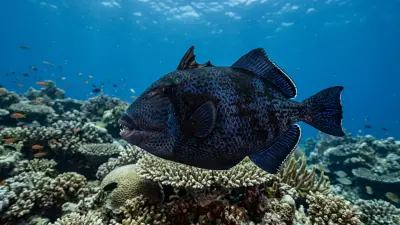
Black-tip reef shark
common
Barracuda
common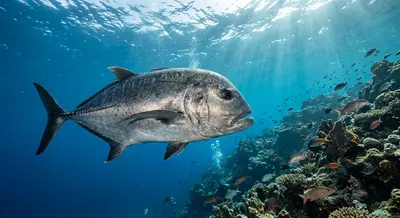
Giant trevally
occasional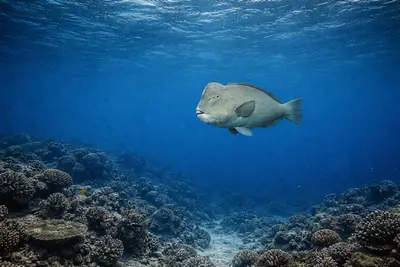
Bumphead parrotfish
occasional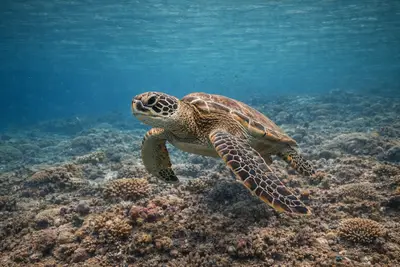
Green sea turtle
common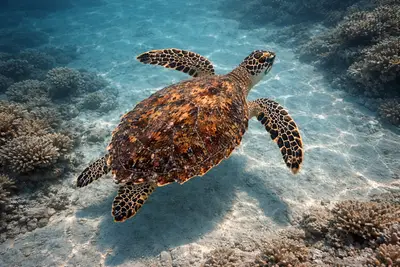
Hawksbill sea turtle
common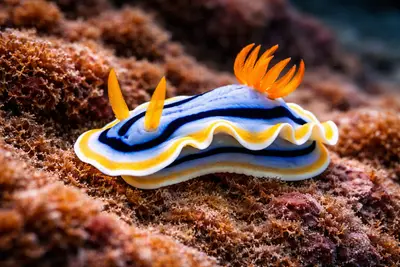
Nudibranch
common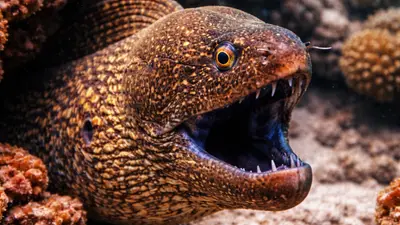
Moray eel
common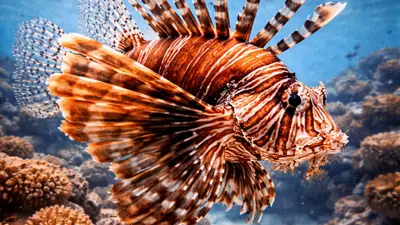
Lionfish
common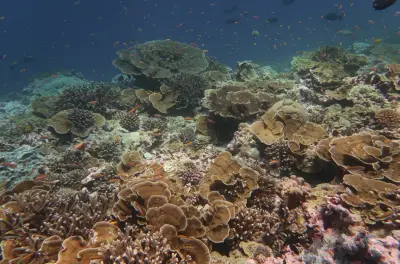
Reef fish
commonDive profile & how the dive runs
Dives at Sumilon Island typically begin with a boat entry to one of the various sites surrounding the island. For a drift dive like Sumilon Manit, divers will enter and descend along the reef wall, allowing the strong currents to carry them. The profile often involves reaching depths of around 30 meters, where impressive barracuda formations and schools of jacks can be observed. In calmer areas like the Marine Sanctuary or Coral Landscape, the dive often starts with a gentle descent onto a sloping reef or coral garden, progressing to depths of 18-25 meters. Divers explore vibrant hard and soft coral formations, with ample time for macro photography. Turn points are usually dictated by air consumption or current changes, with safety stops performed along the shallower sections of the reef or in blue water, depending on the site and current conditions. Ascent is typically made with the boat waiting overhead.
Underwater photography
Sumilon Island is a highly rewarding destination for underwater photographers, particularly given its excellent visibility and diverse marine life. For wide-angle shots, the vibrant coral gardens, dramatic walls, and schooling fish, including jacks and barracudas, make a rectilinear wide-angle or fisheye lens ideal. The frequent sightings of reef sharks and turtles also present compelling wide-angle opportunities. For macro enthusiasts, the healthy reefs teem with nudibranchs, moray eels, lionfish, and various small reef critters, best captured with a macro lens. Dual strobes are recommended to illuminate the colorful reef scenes and minimize backscatter in the clear water. Buoyancy control is paramount to avoid disturbing delicate corals and marine life, especially in current-prone areas. Always maintain respectful distances from subjects and adhere to conservation guidelines within this protected marine area.
Combine with nearby dive sites
- Oslob Whale Sharks
Often combined with Sumilon, but for surface interaction only
- Apo Island
Further south from Dumaguete, known for turtles and vibrant reefs
- Moalboal Sardine Run
Northwest of Sumilon, famous for massive sardine aggregations
- Balicasag Island
Near Panglao, known for schooling jacks and barracuda
Getting there & logistics
Access to Sumilon Island primarily involves flying into Mactan-Cebu International Airport (CEB). From Cebu, travelers can take a van transfer to Oslob, which typically takes about 90 minutes. Traditional Filipino outrigger boats, known as bankas, then transport divers to Sumilon Island in approximately 20 minutes. Most diving experiences are offered as day trips from Moalboal or nearby resorts, often including two guided boat dives, refreshments, and lunch. Liveaboards operating in the Visayas region may also include Sumilon as part of their itinerary. It's advisable to book in advance, especially during peak dry season from December to May, to secure spots. A typical day trip from Moalboal to Sumilon usually lasts from early morning until mid-afternoon.
Safety & environment
Sumilon Island is a protected marine sanctuary, and divers should adhere strictly to local guidelines to preserve its ecosystem. The nearest recompression chamber is located in Cebu City. In case of a dive emergency, evacuation typically involves boat transfer to the mainland, followed by ground transport to the nearest medical facility, and potentially to Cebu for specialized care. Divers are strongly advised to have comprehensive dive insurance that covers medical emergencies, evacuation, and recompression treatment. Site-specific hazards include potentially strong currents, particularly at drift dive sites, requiring careful planning and communication with dive guides. Always dive within your certification limits and plan conservatively, especially when approaching the 30-meter reference depth of some sites. Good buoyancy control is essential to prevent damage to the abundant coral reefs.
Who it suits — and who it doesn't
Suited for
- Advanced Open Water Divers
- Divers comfortable with strong currents
- Underwater photographers (macro and wide-angle)
- Divers seeking vibrant coral reefs and pelagic encounters
- Conservation-minded divers
Less suited for
- Entry-level Open Water Divers without current experience
- Divers with poor buoyancy control
- Divers unwilling to follow marine sanctuary rules
FAQ
Sumilon Island FAQ
What kind of marine life can I expect to see at Sumilon Island?
Sumilon Island boasts a high level of biodiversity. You can expect to encounter white-tip and black-tip reef sharks, barracudas, giant trevallies, and bumphead parrotfish. The reefs are also home to green and hawksbill turtles, various reef fish, moray eels, lionfish, and abundant macro life like nudibranchs.
Are the currents strong at Sumilon Island?
Currents at Sumilon Island can vary from mild to strong, depending on the specific dive site and tidal conditions. Some areas, like Jack Fish Point, are known for strong currents suitable for drift diving, while the Marine Sanctuary offers more tranquil conditions. It is recommended for advanced divers and those comfortable with current.
Is Sumilon Island suitable for beginner divers?
While some sites within Sumilon's marine sanctuary are relatively calm and suitable for Open Water divers, many of the signature dives are better suited for Advanced Open Water Divers or those with experience in currents. Beginners should consult with local dive operators to choose appropriate sites and ensure proper guidance.
What is the best time of year to dive Sumilon Island?
The best time to dive Sumilon Island is generally during the dry season, from December to May. During these months, the seas are calmer, visibility is excellent, and the weather conditions are most favorable for diving and boat transfers. However, diving is possible year-round with consistently warm water temperatures.
How do I get to Sumilon Island for diving?
Most divers access Sumilon Island via day trips from Moalboal or nearby resorts. This typically involves a van transfer to Oslob, followed by a short boat ride to the island. Liveaboards exploring the Visayas region may also include Sumilon in their itineraries, offering a convenient way to experience multiple sites.
Why dive Sumilon Island from a liveaboard?
Sumilon Island is one of Philippines's signature dive sites. A liveaboard sleeps you on the water and puts you in the water for three to four guided dives per day, including dawn and night dives that day-boat operators rarely offer. You skip the daily commute back to port and reach quieter, less-crowded sites in the same region on a single trip.
Below are the liveaboards that include Sumilon Island on their Philippines itineraries.
Liveaboards diving Sumilon Island
These liveaboards may visit Sumilon Island on selected itineraries — the exact dive sites depend on departure, weather and conditions.
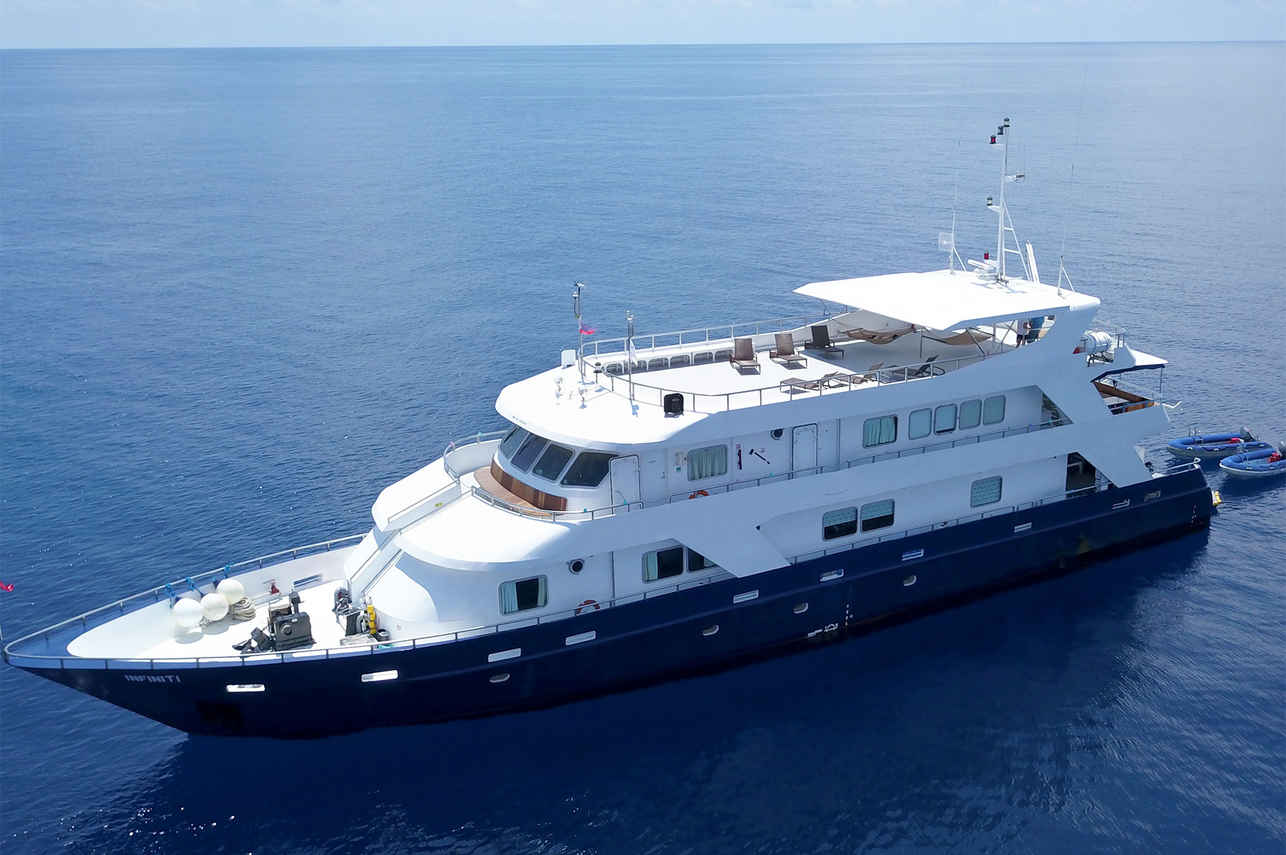
Infiniti
Philippines
25 guests39 m
$280/day
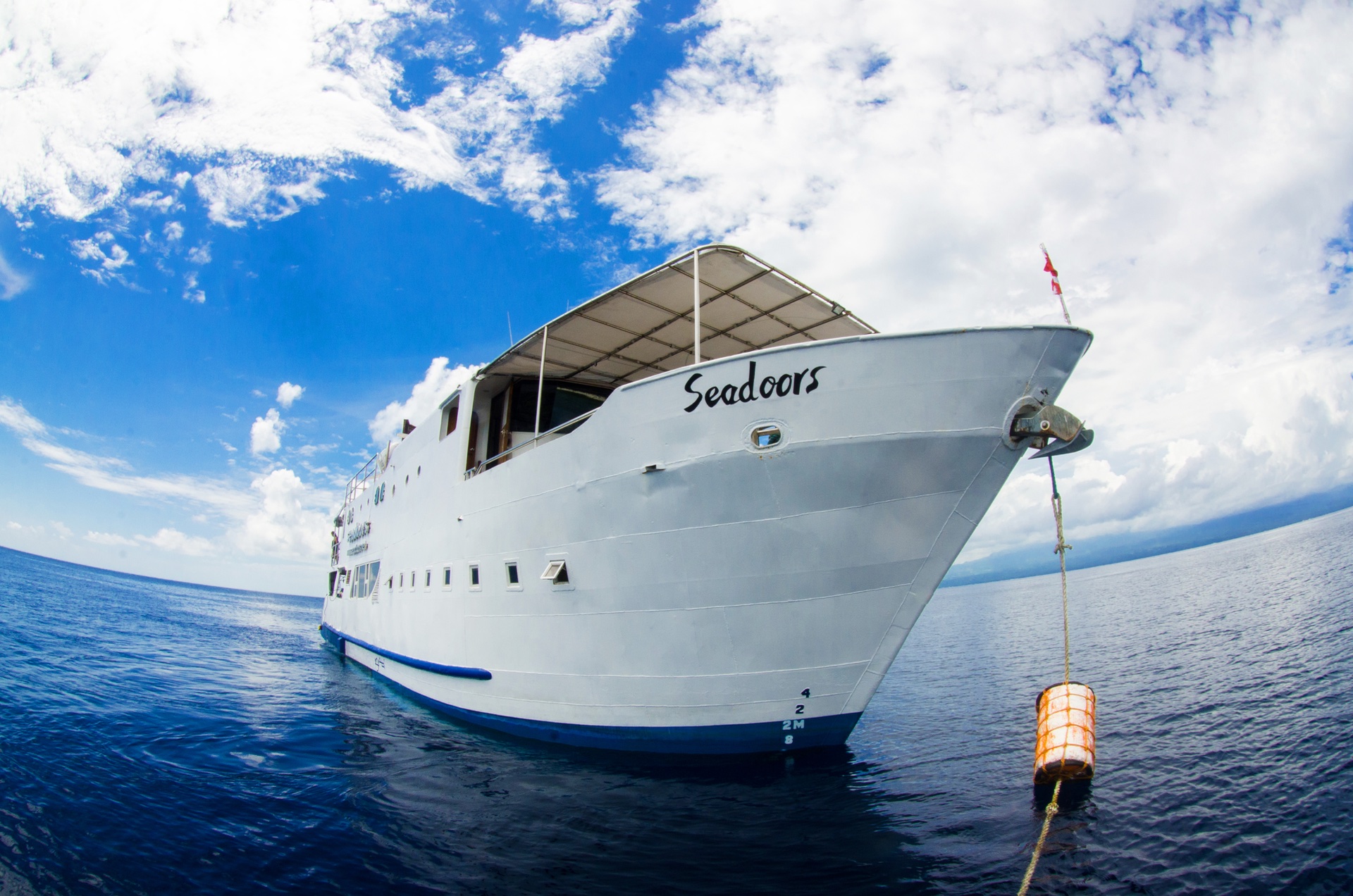
Seadoors
Philippines
16 guests25 m
$335/day
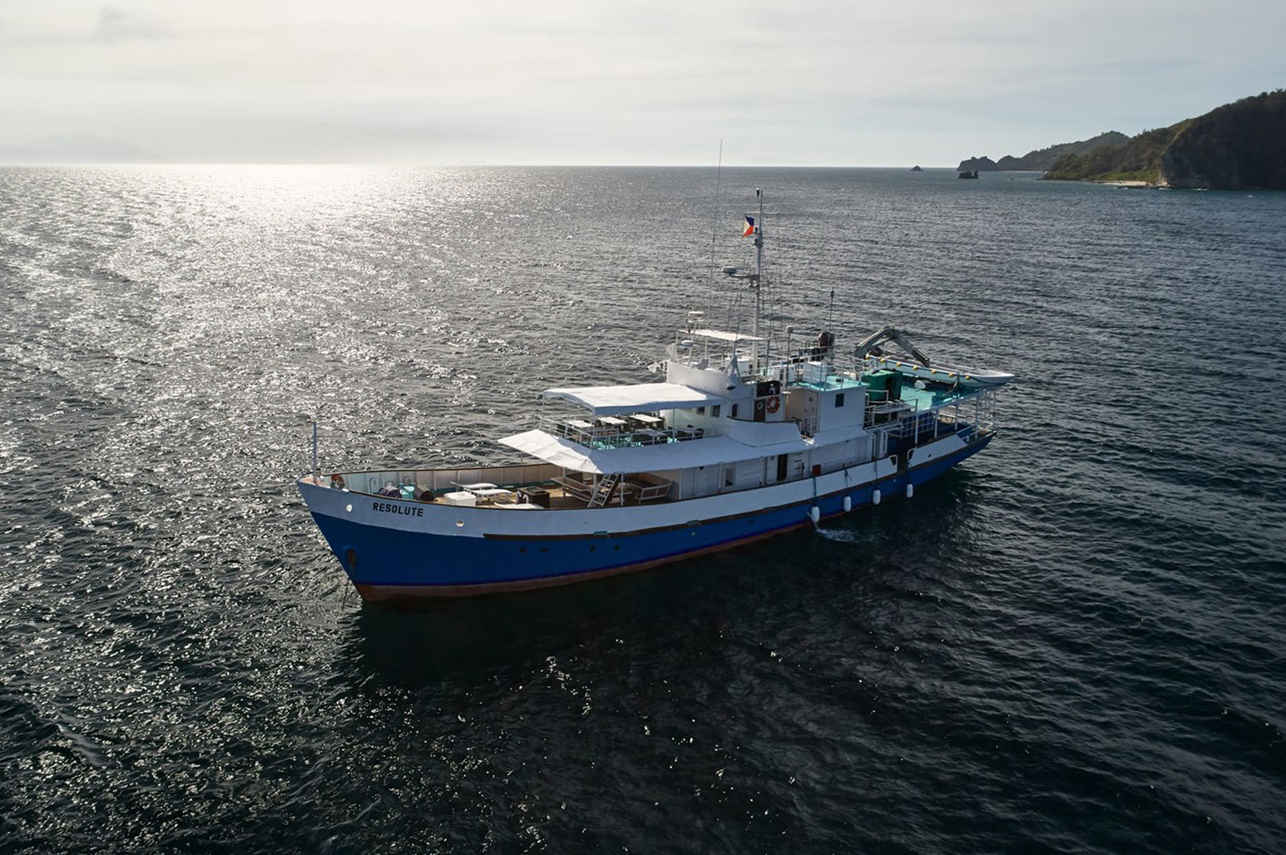
Resolute
Philippines
16 guests34.6 m
$314/day
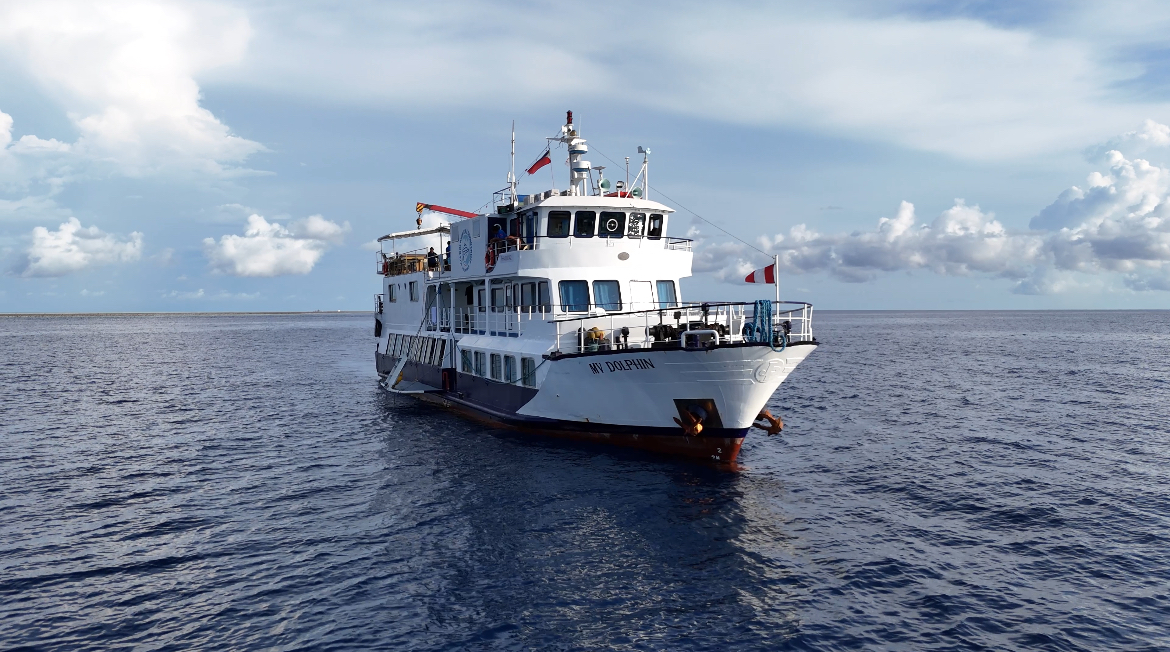
Dolphin
Philippines
18 guests31 m
$326/day
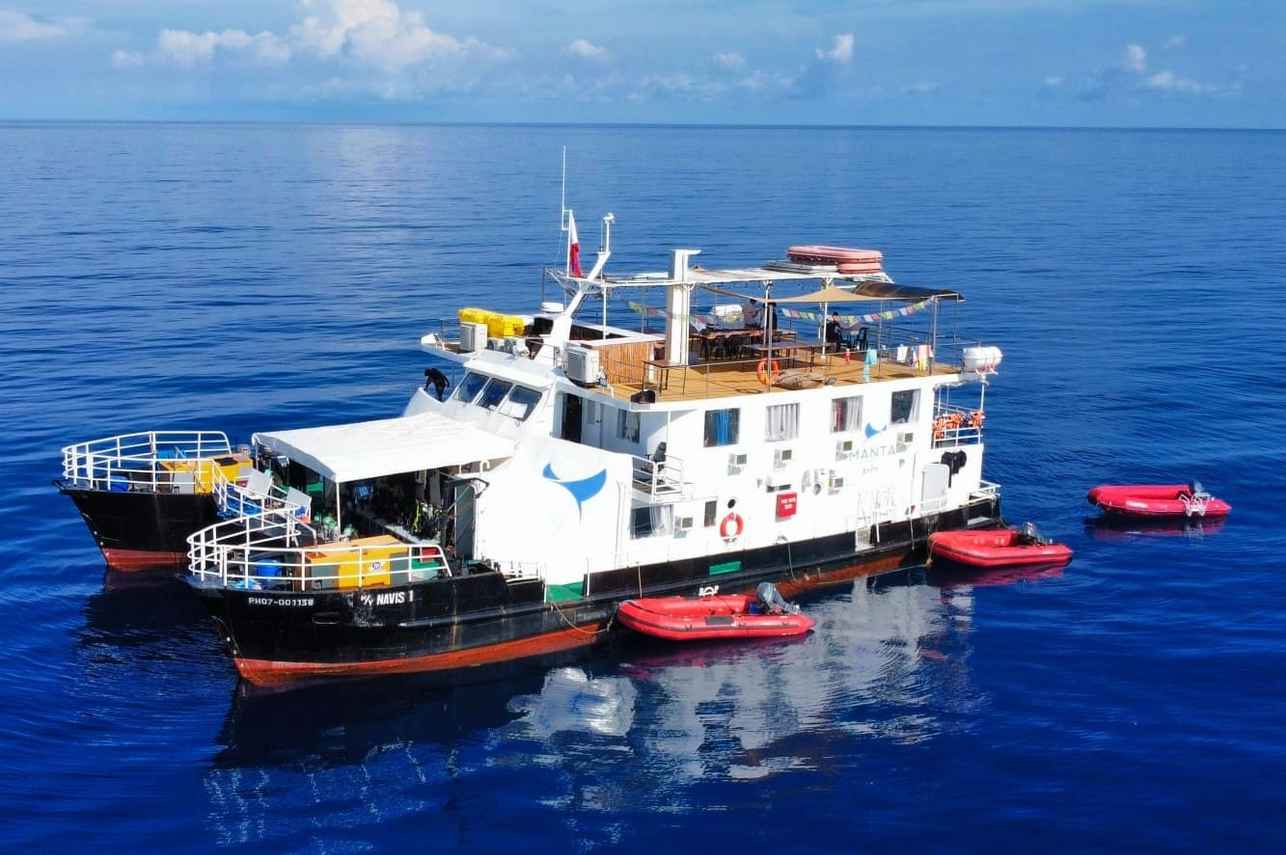
Navis 1
Philippines
22 guests23 m
$250/day
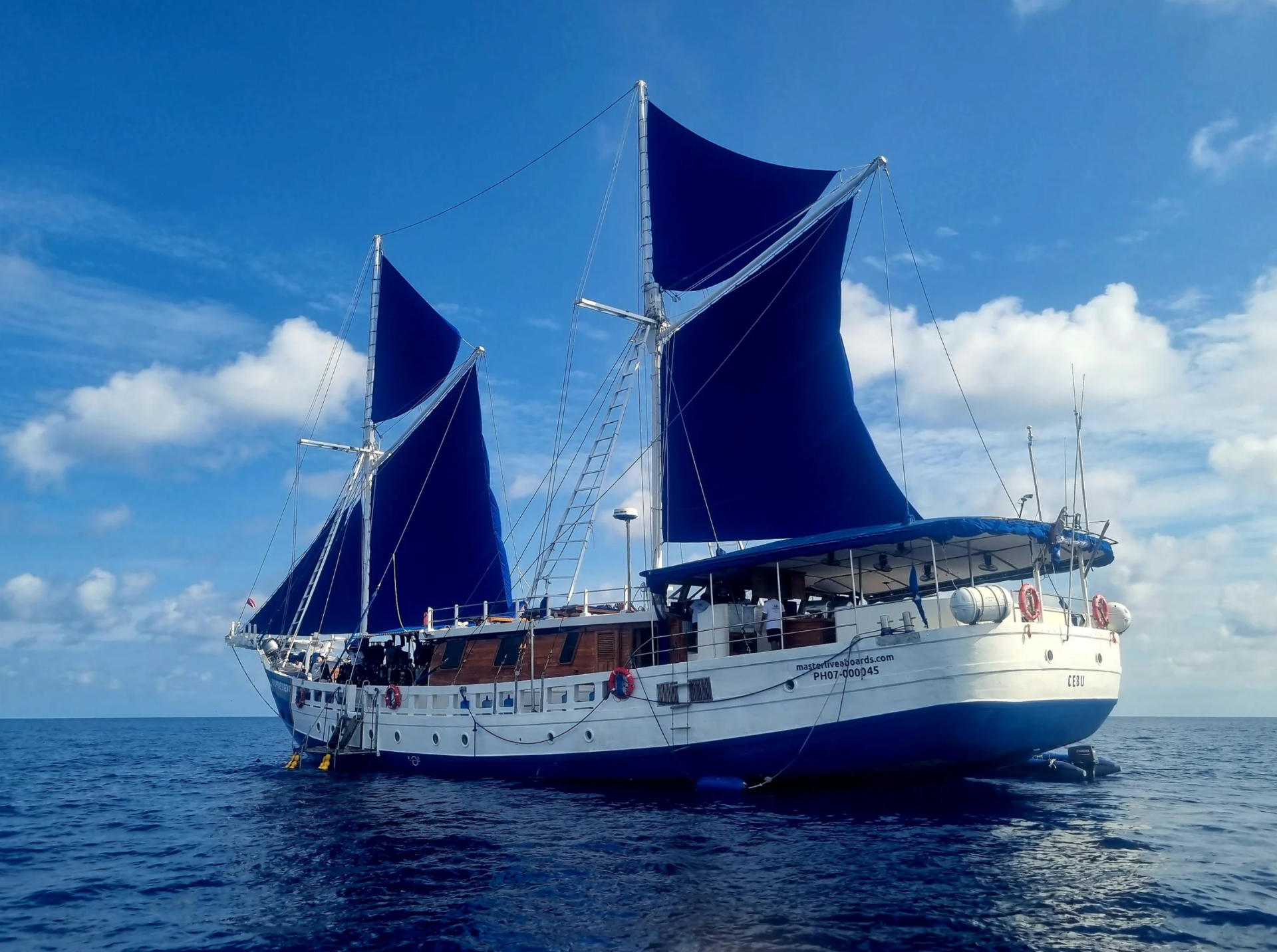
Philippine Siren
Philippines
16 guests
$309/day
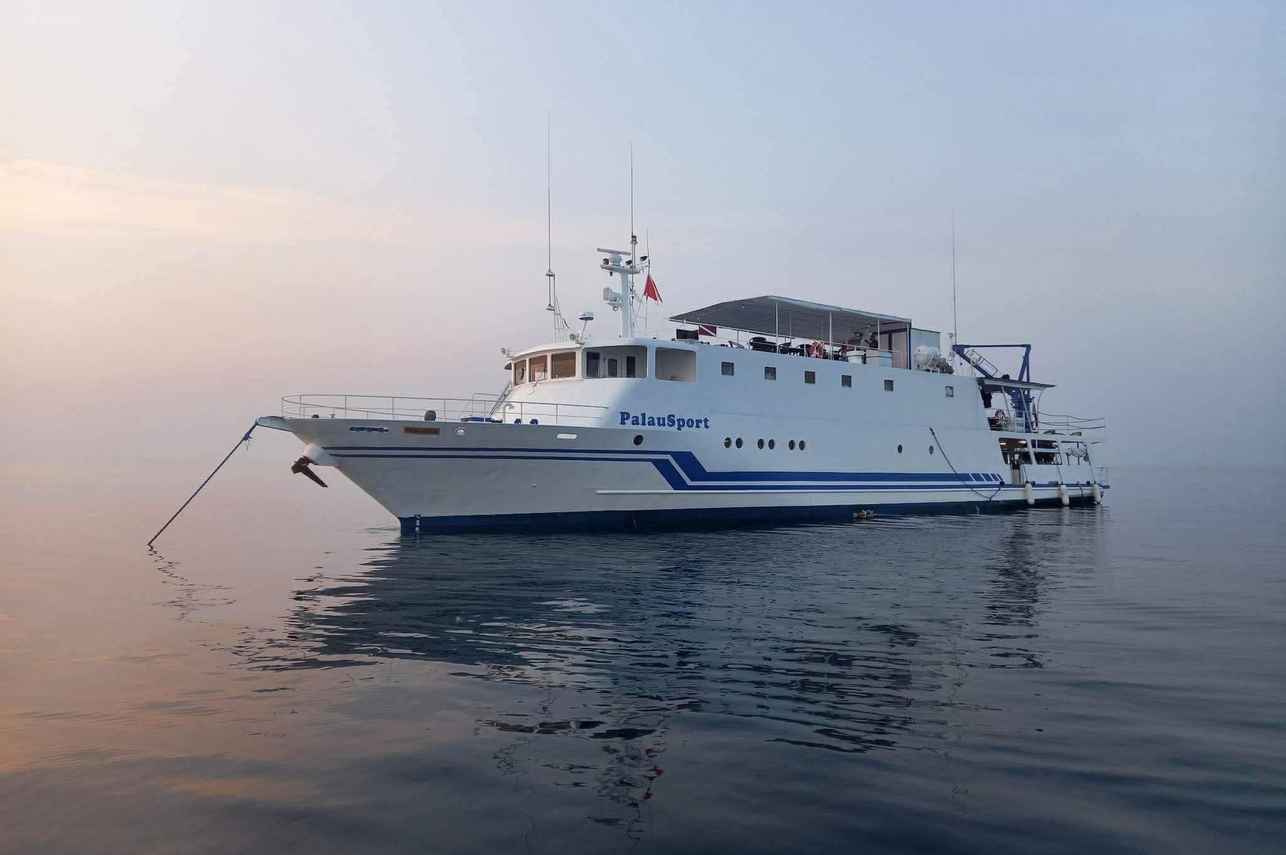
Palau Sport
Philippines
24 guests38.35 m
$215/day
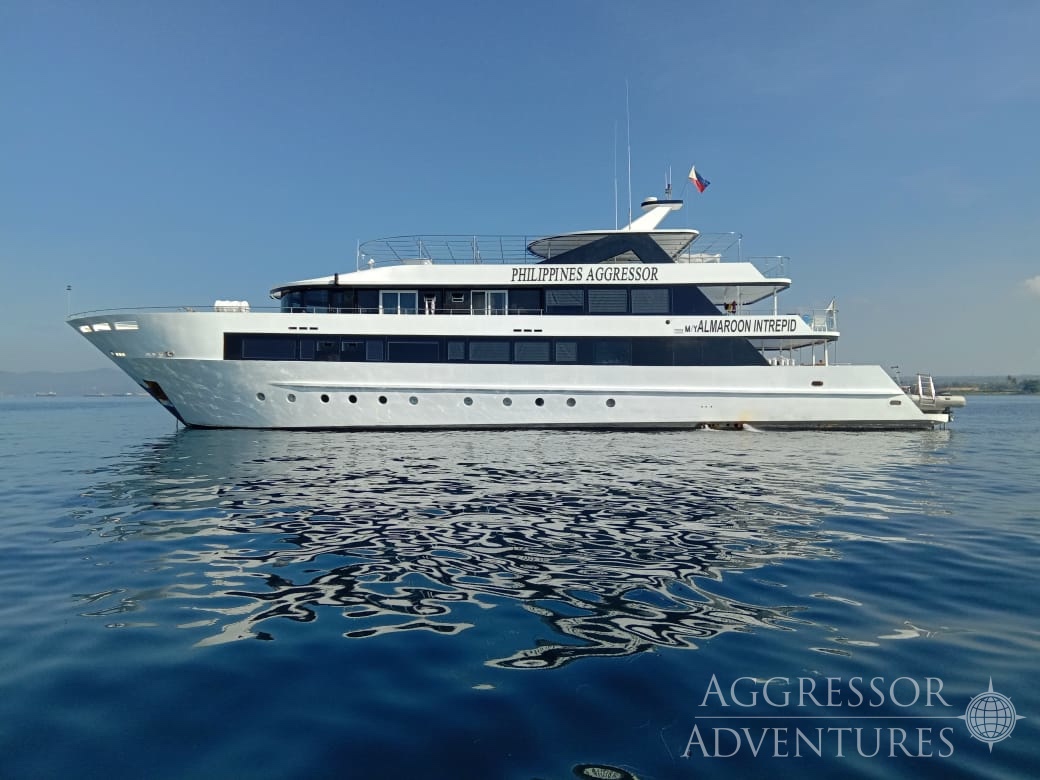
Philippines Aggressor
Philippines
26 guests42.7 m
$381/day
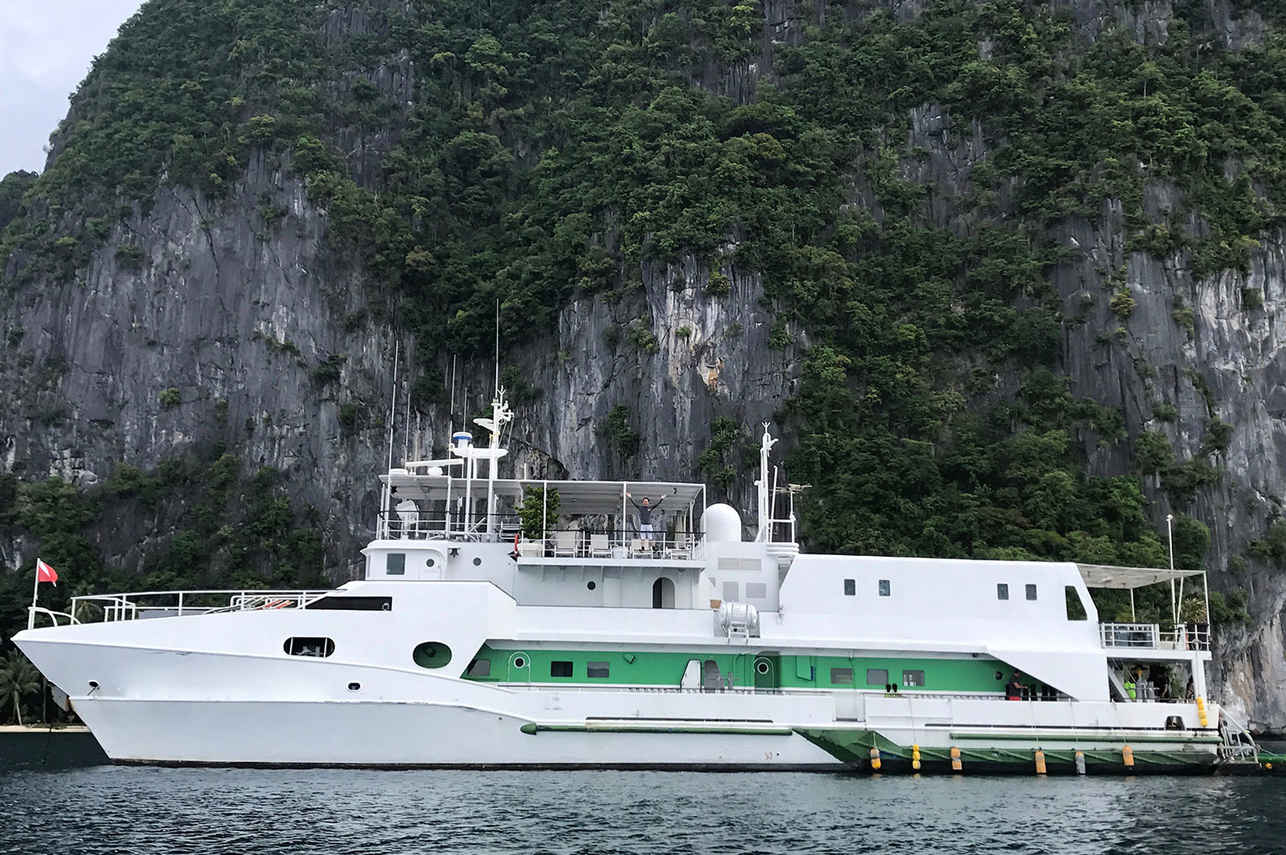
Stella Maris Explorer
Philippines
20 guests33 m
$398/day
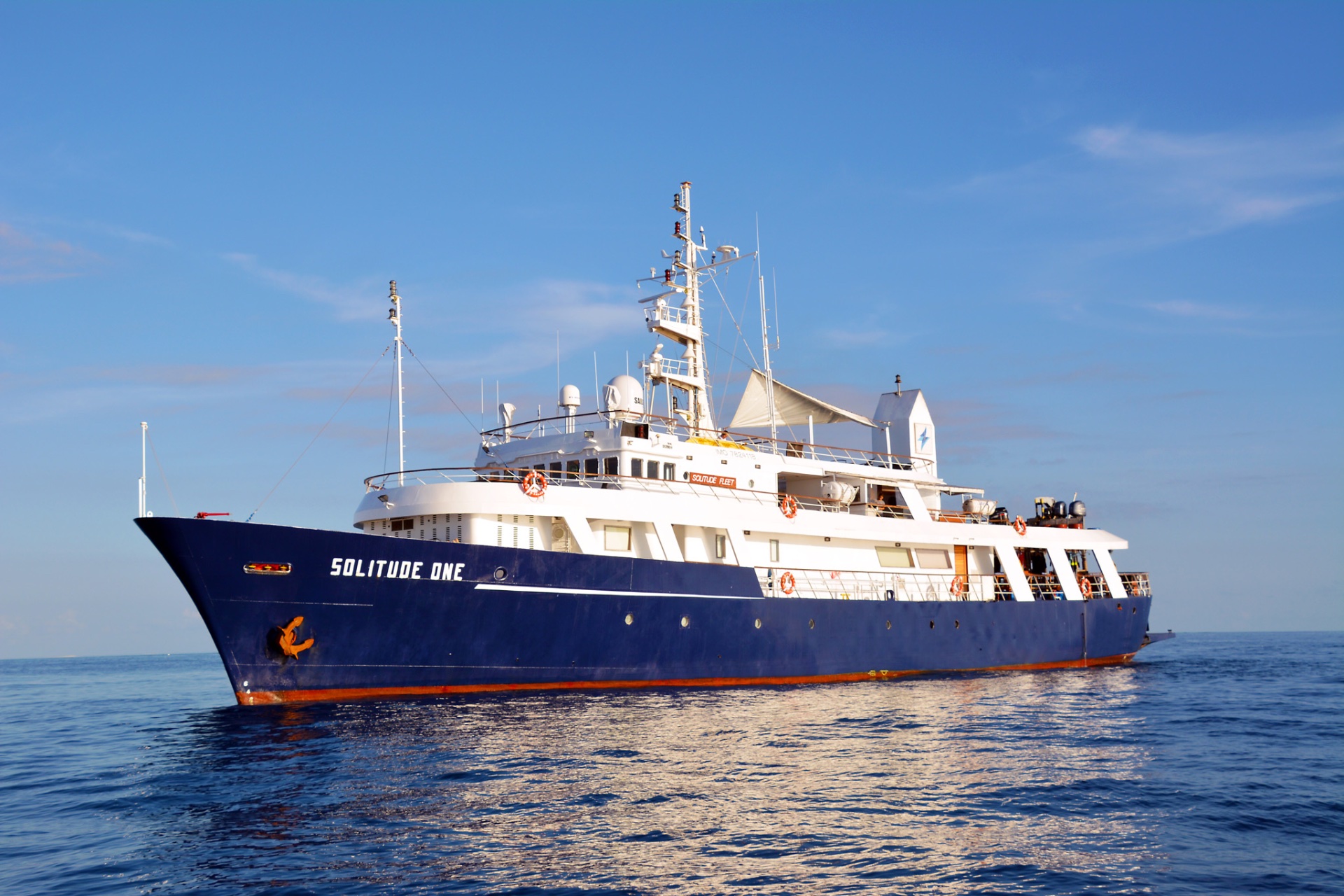
Solitude One
Philippines
24 guests52 m
$460/day
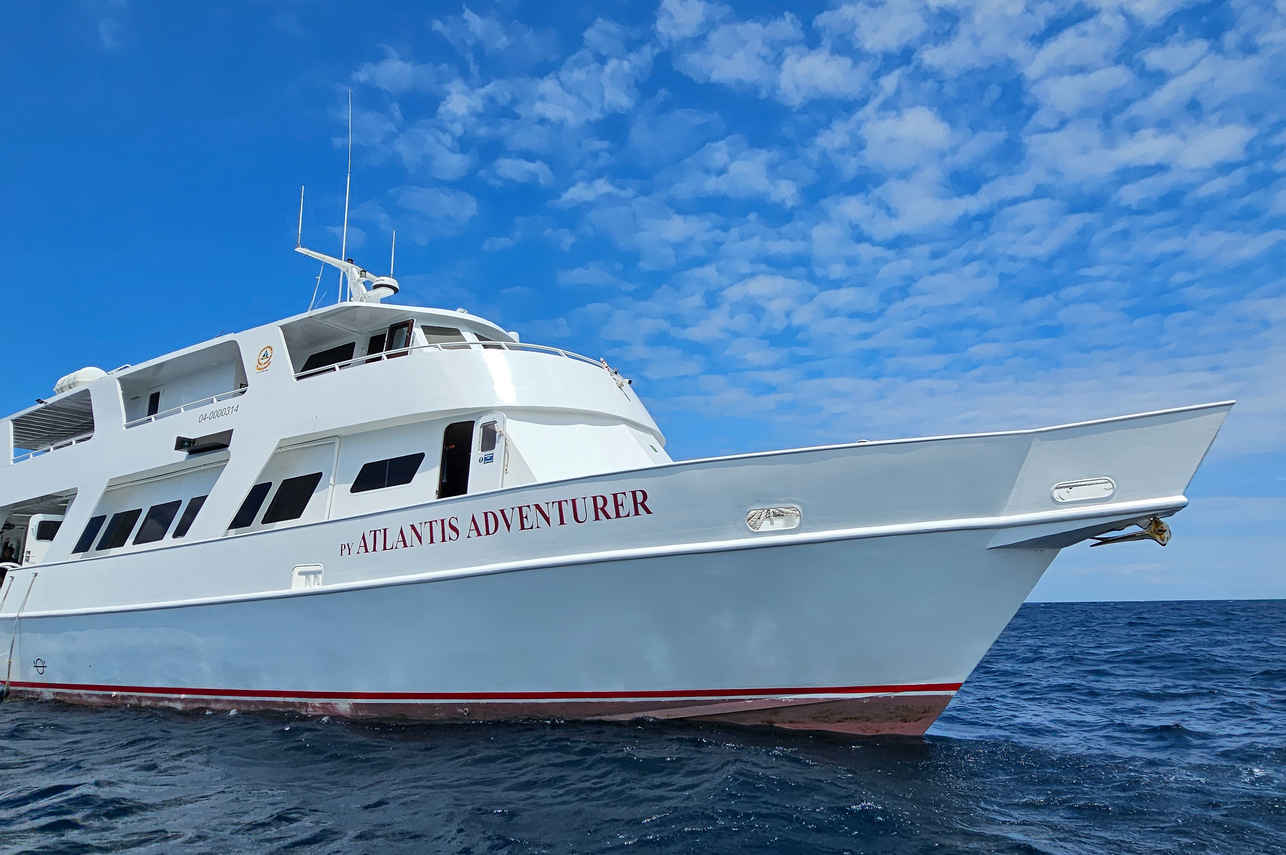
Atlantis Adventurer
Philippines
16 guests32.5 m
$421/day
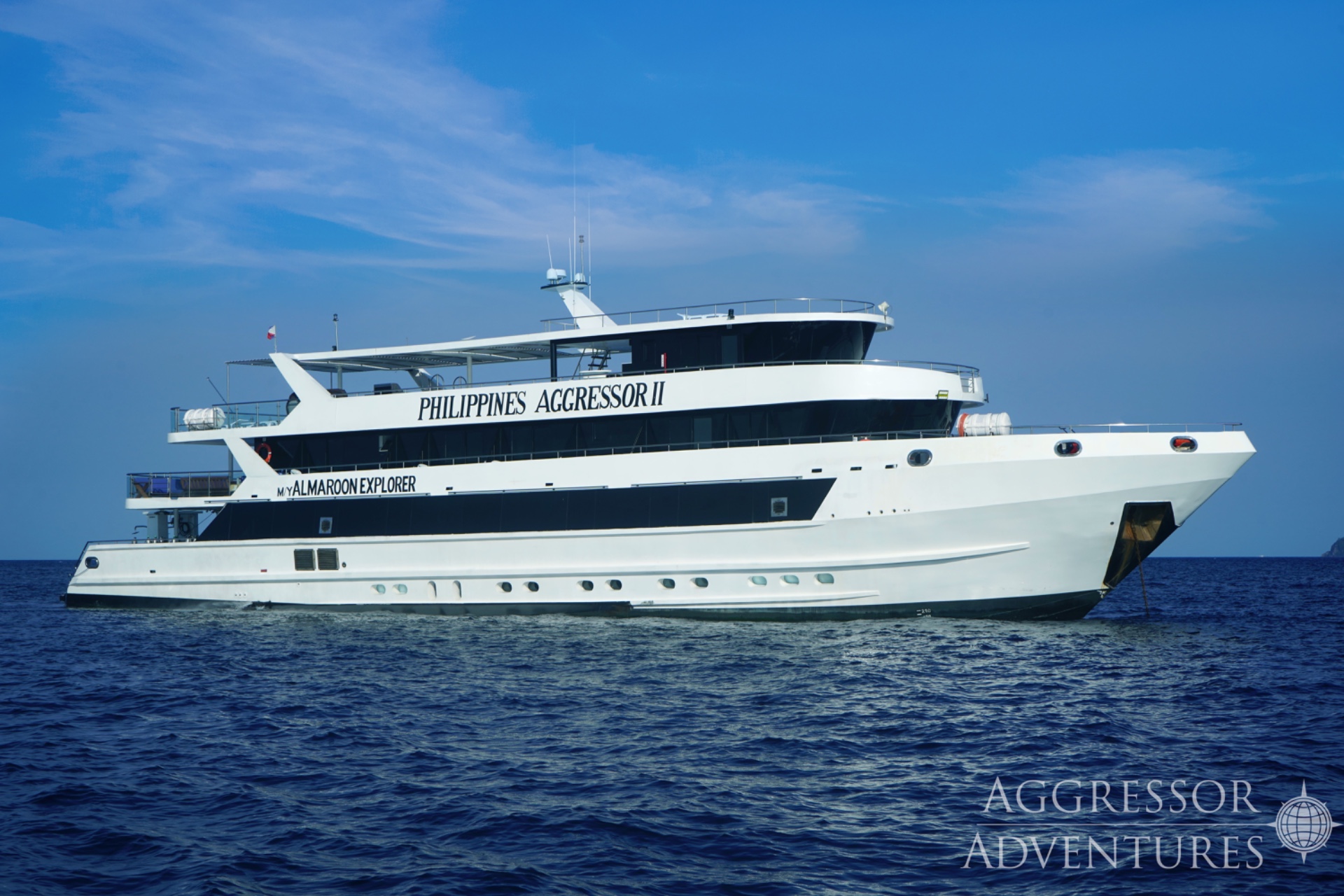
Philippines Aggressor II
Philippines
26 guests42.7 m
$247/day
Dive sites similar to Sumilon Island
Same character, same waters — six more sites divers love for the exact same reasons.Compare seasons, access and liveaboard routes — then pick the site that fits your trip best.
© Esri — Maxar, Earthstar, GIS
Big La Laguna
Philippines
Big La Laguna is a beach community situated on the western edge of the Sabang Peninsula, a popular dive region on Mindoro Island, Philippines.
- Suitable for
- Intermediate
- Current
- Moderate
- Access
- Dayboat
- Depth
- 5–35 m
- Theme
- Reef / Wall
© Esri — Maxar, Earthstar, GIS
Black Forest
Philippines
Black Forest is a premier dive site located off Balicasag Island, renowned for its exceptional marine biodiversity and distinct topography.
- Suitable for
- Intermediate
- Current
- Strong
- Access
- Liveaboard or dayboat
- Depth
- 10–30 m
- Theme
- Drift / Reef
© Esri — Maxar, Earthstar, GIS
Panagsama Beach
Philippines
Panagsama Beach, situated on a peninsula near Moalboal town in Cebu, serves as a central hub for diving activities in the region, boasting over 20 dive sites along its shoreline.
- Suitable for
- Intermediate
- Current
- Moderate
- Access
- Liveaboard or dayboat
- Depth
- ≤ 30 m
- Theme
- Reef / Wall
© Esri — Maxar, Earthstar, GIS
Binangaan Drop Off
Philippines
Binangaan Drop Off is a premier dive site within Apo Reef National Park, located off Occidental Mindoro in the Philippines.
- Suitable for
- Advanced
- Current
- Strong
- Access
- Liveaboard only
- Depth
- 10–40 m
- Theme
- Wall / Drift
© Esri — Maxar, Earthstar, GIS
Olympia Maru
Philippines
The Olympia Maru is a prominent Japanese cargo ship wreck from World War II, located within Coron Bay, Philippines.
- Suitable for
- Intermediate
- Current
- Mild
- Access
- Dayboat
- Depth
- 17–24 m
- Theme
- Wreck / Reef
© Esri — Maxar, Earthstar, GIS
Balinghai Wall
Philippines
Balinghai Wall is a notable dive site located on the northwest side of Boracay, known for its accessible wall and coral slope formations.
- Suitable for
- Intermediate
- Current
- Mild
- Access
- Dayboat
- Depth
- 8–24 m
- Theme
- Wall / Reef