About Danco Island
Danco Island, located in the Errera Channel off the Antarctic Peninsula, presents an unparalleled cold-water diving experience. This destination is renowned for its shallow, ice-laden waters that host a surprisingly biodiverse marine environment. Divers explore beneath ancient ice formations, encounter dynamic wildlife, and witness the raw, untouched beauty of the polar region, often starting from the adventure hub of Ushuaia, Argentina. The underwater topography around Danco Island features gentle slopes and walls, with depths typically ranging from 5 to 20 meters. While the maximum safe diving depth in Antarctica is generally capped at 20 meters, many of the most captivating sights, including prolific macro life and marine mammals, are found in shallower bands, often between 6 to 12 meters. The visibility can be exceptional, offering clear views of the surreal blue light filtering through the ice. The waters here teem with life, attracting various species due to abundant krill. Divers can expect encounters with agile penguins, curious leopard seals, and a vibrant array of invertebrates such as sea spiders, anemones, and starfish. The best time to visit is during the austral summer, from November to March, when wildlife activity is at its peak and conditions are most favorable for diving. Diving at Danco Island requires specialized equipment and advanced cold-water diving skills, as conditions are rigorous. Expeditions typically involve zodiac transfers to dive sites, with careful attention to ice movements and downcurrents. Each dive is an expedition into a world few will ever witness, blending exhilarating discovery with the profound solitude of the Antarctic. Most trips are structured as liveaboard expeditions, providing an immersive experience of this remote continent.
Highlights
Iceberg divesAntarctic marine invertebratesLeopard seal encountersPenguin interactionsPristine cold-water environmentIce formation photographyRemote expedition diving
Season calendar
Best months to dive here
Jan
Feb
Mar
Apr
May
Jun
Jul
Aug
Sep
Oct
Nov
Dec
Excellent
Good
Dive site facts: Danco Island
- Depth
- 5–20 m
- Typical dive
- 6–12 m, 20–40 min
- Current
- Variable, potential downcurrents
- Visibility
- Up to 300 m, depending on plankton blooms
- Water temperature
- -2°C to 2°C
- Entry
- Zodiac / Ice entry
- Level
- Advanced, drysuit experience required
- Dive type
- Iceberg, wall, macro, wildlife
- Region / port
- Antarctic Peninsula
- Coordinates
- S 64°43'30.85", W 62°37'13.32"
Conditions & Currents
Currents at Danco Island can vary and are often influenced by local topography and ice movements. While conditions are generally manageable, divers should be prepared for potential downcurrents, as experienced during an iceberg dive near Danco Island. Ice conditions are constantly monitored, and rapid changes can necessitate careful entry and exit planning. Visibility is usually excellent, often reaching up to 300 meters before plankton blooms, but can fluctuate based on ice pack levels and biological activity. Water temperatures are consistently frigid, averaging between -2°C and 2°C, demanding experienced drysuit diving with specialized, freeze-protected regulators. Safety procedures emphasize staying oriented to potential exit points, as moving ice can alter entry and exit accessibility.
Marine life & sighting chances
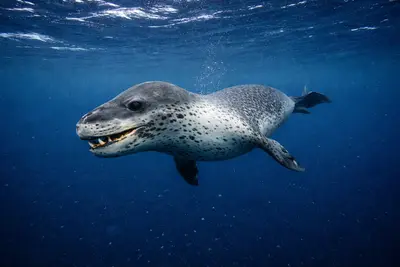
Leopard Seal
February-March · occasional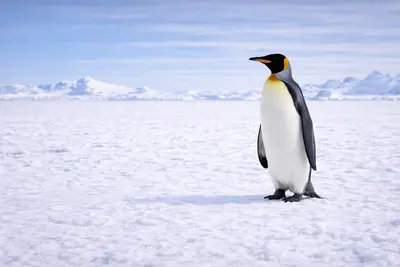
Penguins
November-March · common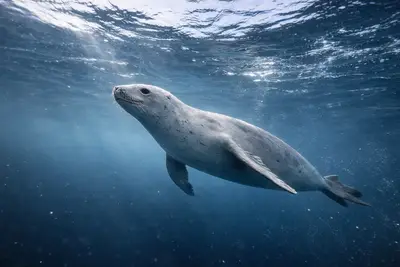
Crabeater Seal
November-December · occasional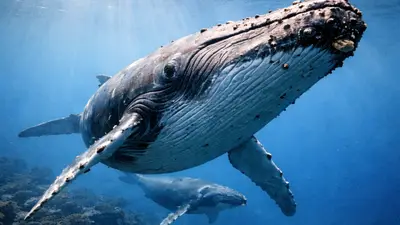
Humpback Whale
November-March · occasional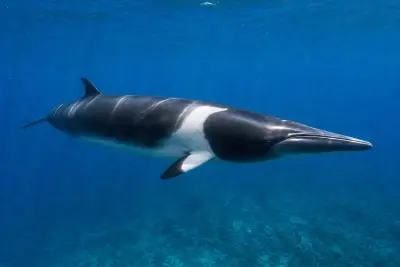
Minke Whale
November-March · occasional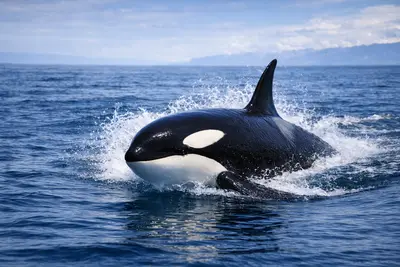
Orca
November-March · occasional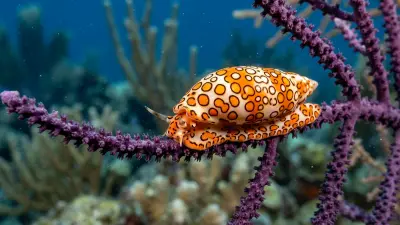
Sea Snail
common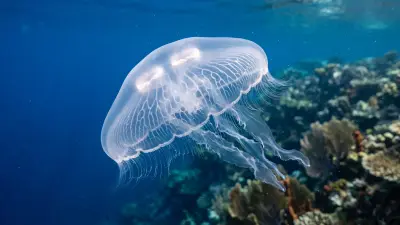
Jellyfish
common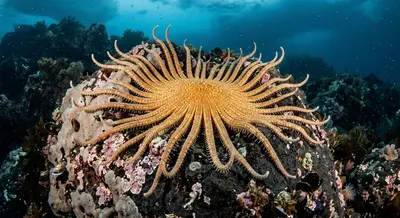
Starfish
common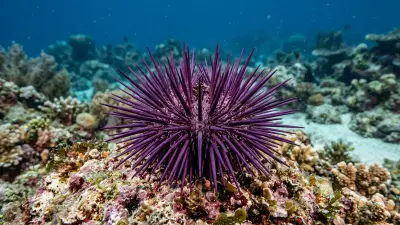
Sea Urchin
common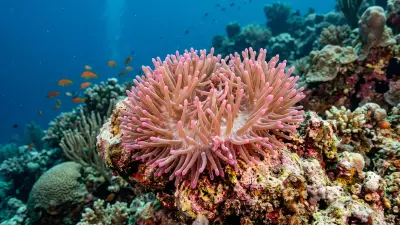
Anemone
common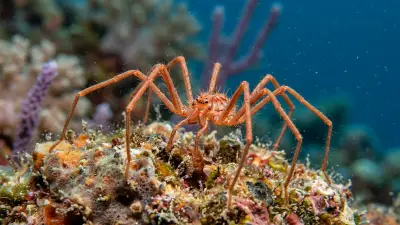
Sea Spider
common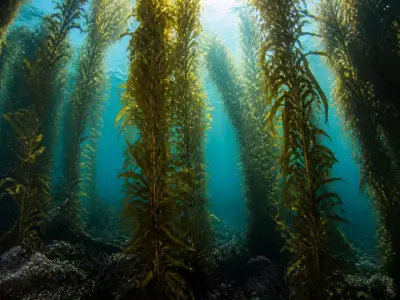
Kelp walls
commonDive profile & how the dive runs
Dives at Danco Island typically begin with a zodiac deployment, often near an iceberg or an ice formation judged safe from movement. Divers usually enter the water with a negative entry due to the cold and drysuit buoyancy. The dive route generally follows the contours of the ice or the shallow seafloor, exploring depths between 6 to 12 meters to observe macro life and light effects, with a maximum depth limit of 20 meters. Divers maintain close proximity to their buddy and the dive guide, who monitors conditions from the surface. Due to the cold and potential for downcurrents, dives are often shorter, lasting between 20 to 40 minutes. The turn point is determined by air consumption, cold tolerance, and monitoring ice stability. Safety stops are conducted in the shallowest safe zone, often near the zodiac, before carefully re-boarding, ensuring no ice movement has compromised the exit point.
Underwater photography
Underwater photography at Danco Island offers unique challenges and rewards. Wide-angle lenses are essential for capturing the majestic scale of ice formations, the ethereal blue light, and large marine life like seals and penguins. Macro lenses can reveal the intricate beauty of the abundant invertebrates on the seafloor and ice. Strong strobes or video lights are crucial for bringing out the vibrant colors of soft corals, anemones, and other macro subjects, which can appear monochrome in ambient light. Due to the extreme cold, battery life is significantly reduced, so multiple charged batteries are highly recommended. Drysuit buoyancy control is paramount to avoid disturbing the fragile environment and for stable shots. Divers should be mindful of approaching marine life calmly and never harassing animals for a shot, prioritizing safety and ethical interaction in this pristine ecosystem.
Combine with nearby dive sites
- Neko Harbour
Neko Harbour, nestled on the Antarctic Peninsula, offers divers a truly immersive experience in a pristine polar environment.
- Lemaire Channel
Lemaire Channel, a narrow passage between the Antarctic mainland and Booth Island, presents a truly majestic and impressive dive experience.
- Enterprise Island - Wreck Gouvernøren
The wreck of the Gouvernøren, nestled at Enterprise Island, stands as Antarctica's most accessible and atmospheric shipwreck.
- Brown Bluff
Brown Bluff is a distinctive dive site located at the tip of the Antarctic Peninsula, renowned for its dramatic reddish-brown cliffs formed…
- Port Lockroy
Port Lockroy, located on Wiencke Island off the Antarctic Peninsula, offers an extraordinary cold-water diving experience amidst historical…
- Deception Island - Whaler's Bay
Deception Island, located in the South Shetland Islands of Antarctica, is an active submerged caldera volcano.
Getting there & logistics
Most Antarctic dive expeditions, including visits to Danco Island, embark from Ushuaia, Argentina, often referred to as "The End of the World." Travelers typically fly into Ushuaia (USH) from major South American hubs like Buenos Aires. Liveaboard trips generally last between 10 to 11 days, with some longer itineraries extending to South Georgia and the Falklands. There are no specific dive permits required for Danco Island beyond those handled by the expedition operator as part of the overall Antarctic voyage. The itinerary often combines diving with zodiac cruises, shore landings to see penguin colonies, and lectures by onboard naturalists. Expedition vessels are ice-strengthened, and the journey across the Drake Passage is a significant part of the experience, offering wildlife viewing and a sense of polar exploration.
Safety & environment
Diving in Antarctica, particularly around Danco Island, demands stringent safety protocols due to the remote and extreme environment. The nearest recompression chamber is thousands of kilometers away, making deep decompression dives strictly prohibited. Evacuation in a medical emergency is complex and time-consuming, necessitating comprehensive dive and travel insurance that covers extreme cold-water diving and medical evacuation from remote polar regions. Site-specific hazards include rapidly changing ice conditions, potential downcurrents, and the extreme cold, which can lead to equipment malfunctions like regulator free-flows. Divers must use two independent first and second-stage regulators. Adherence to buddy system protocols, conservative dive profiles, and strict instructions from dive guides is essential. A check-out dive is mandatory to acclimate to cold water and drysuit weighting before any dives at sites like Danco Island.
Who it suits — and who it doesn't
Suited for
- Experienced drysuit divers
- Advanced cold-water divers
- Underwater photographers seeking unique subjects
- Adventure seekers and polar enthusiasts
- Divers interested in macro life and marine mammals
Less suited for
- Beginner divers
- Divers without extensive drysuit experience
- Those prone to seasickness
- Divers unprepared for extreme cold
- Individuals with limited budget
FAQ
Danco Island FAQ
What kind of marine life can I expect to see at Danco Island?
At Danco Island, you can expect to see a rich variety of marine life, especially invertebrates such as sea spiders, starfish, sea urchins, and colorful anemones. Encounters with larger animals are also common, including various penguin species and the occasional curious leopard seal. The abundant krill in these waters attract a diverse ecosystem.
What is the water temperature like at Danco Island?
The water temperature around Danco Island is consistently frigid, typically ranging between -2°C and 2°C (28°F to 36°F). This extreme cold necessitates specialized drysuit diving equipment, including thick undergarments and freeze-protected regulators, to ensure diver safety and comfort during the short dive times.
Is Danco Island suitable for all levels of divers?
No, Danco Island is not suitable for all levels of divers. It requires significant cold-water and drysuit diving experience, with a minimum of 30 logged drysuit dives often recommended. Divers must also present an internationally recognized dive qualification, dive logs, and a medical clearance. This is an advanced expeditionary diving destination.
What are the typical dive depths and durations at Danco Island?
The typical dive depths at Danco Island are relatively shallow, often between 6 to 12 meters, with a maximum safe depth limit of 20 meters. Due to the extreme cold and the expeditionary nature of the dives, durations are usually shorter, ranging from 20 to 40 minutes per dive. Expedition schedules often allow for one to two dives per day, depending on conditions.
What special equipment is required for diving at Danco Island?
Specialized equipment for Danco Island includes a drysuit with two sets of thick undergarments, dry gloves, two sets of freeze-protected regulators (often on a Y-valve tank), a quick-release BCD, and a full set of dive instruments including a compass and flashlight. Spare parts for regulators and drysuits are also highly recommended due to the remote location and harsh conditions.
Why dive Danco Island from a liveaboard?
Danco Island is one of Antarctica's signature dive sites. A liveaboard sleeps you on the water and puts you in the water for three to four guided dives per day, including dawn and night dives that day-boat operators rarely offer. You skip the daily commute back to port and reach quieter, less-crowded sites in the same region on a single trip.
Below are the liveaboards that include Danco Island on their Antarctica itineraries.
Liveaboards diving Danco Island
These liveaboards may visit Danco Island on selected itineraries — the exact dive sites depend on departure, weather and conditions.
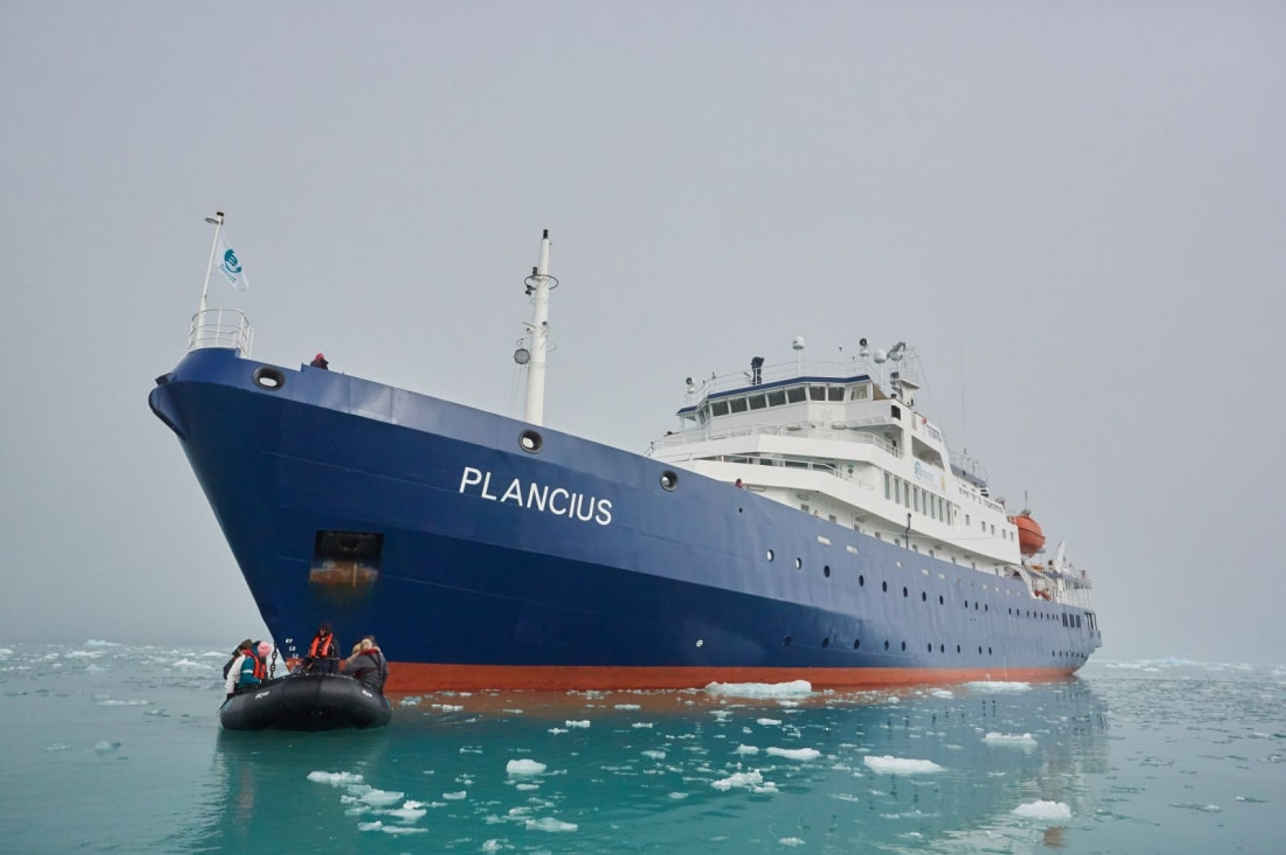
Plancius
Antarctica
108 guests89 m
$770/day
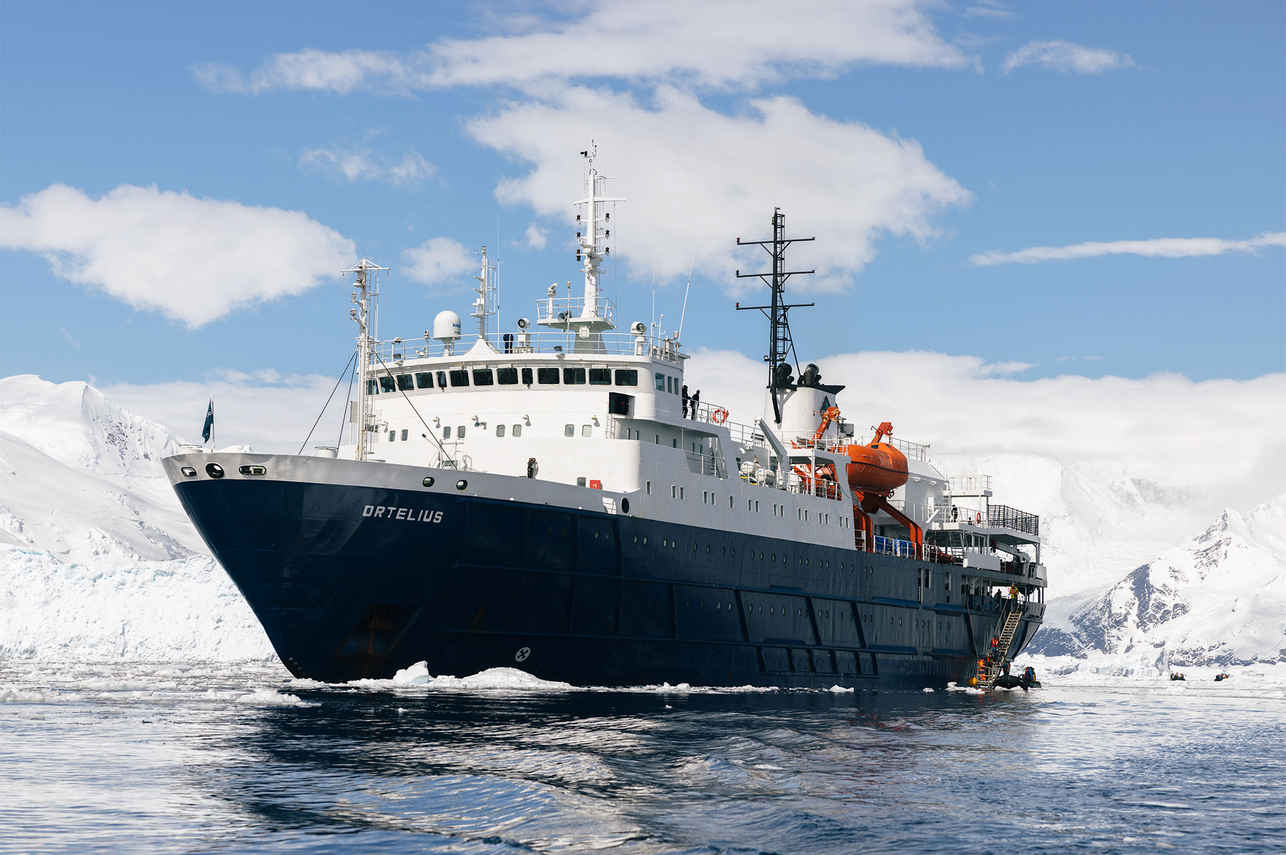
Ortelius
Antarctica
108 guests90.95 m
$660/day
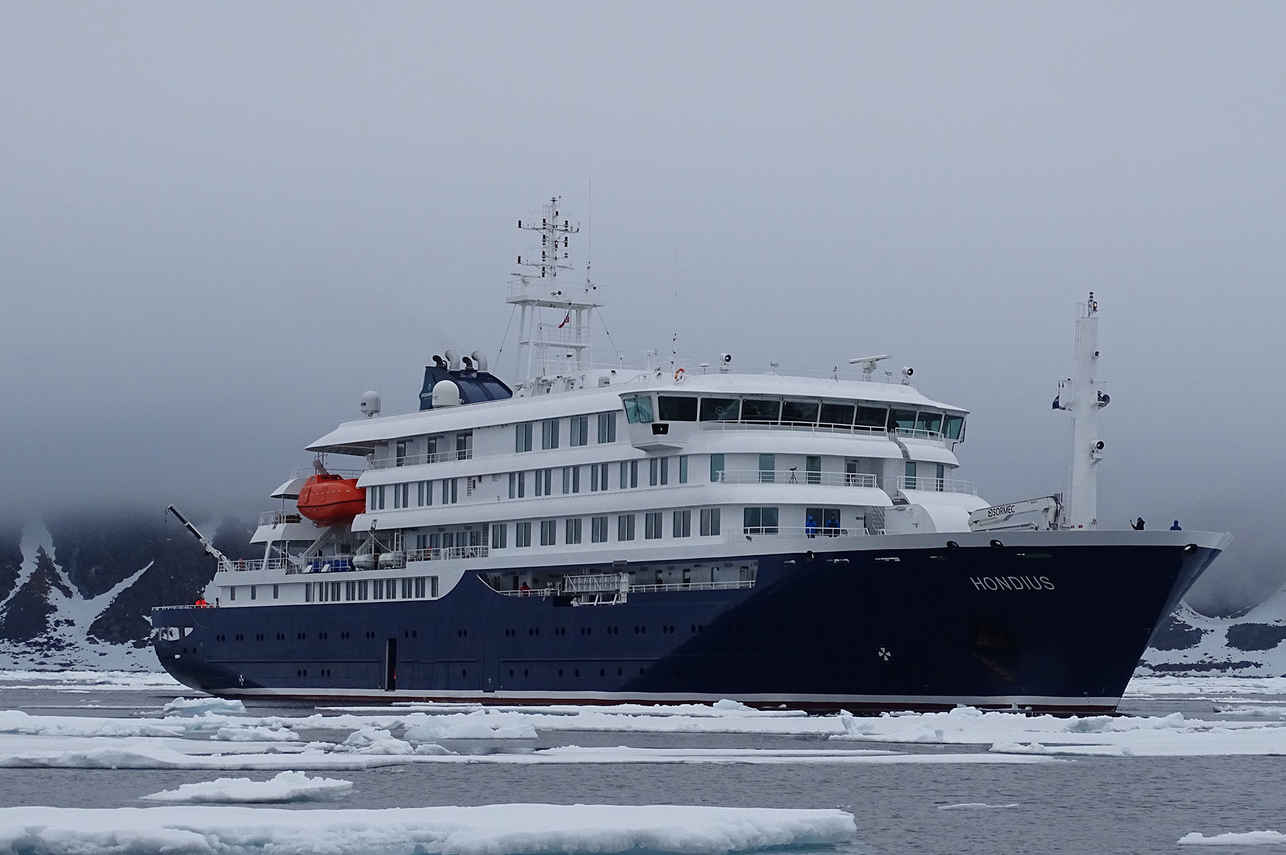
Hondius Antarctica Diving
Antarctica
170 guests107.6 m
$774/day
Dive sites similar to Danco Island
Same character, same waters — six more sites divers love for the exact same reasons.Compare seasons, access and liveaboard routes — then pick the site that fits your trip best.
© Esri — Maxar, Earthstar, GIS
Argentine Islands - Vernadsky
Antarctica
Diving at the Argentine Islands, near the Vernadsky Research Base, offers an exclusive opportunity to explore the underwater world of the Antarctic Peninsula.
- Suitable for
- Advanced
- Current
- Strong
- Access
- Liveaboard only
- Depth
- 3–15 m
- Theme
- Ice / Reef
© Esri — Maxar, Earthstar, GIS
Lemaire Channel
Antarctica
Lemaire Channel, a narrow passage between the Antarctic mainland and Booth Island, presents a truly majestic and impressive dive experience.
- Suitable for
- Advanced
- Current
- Strong
- Access
- Liveaboard only
- Depth
- 5–30 m
- Theme
- Ice / Wall
© Esri — Maxar, Earthstar, GIS
Useful Island
Antarctica
Useful Island, situated in the Western Antarctic Peninsula, presents an extraordinary opportunity for intrepid divers to explore a shallow-water ecosystem brimming with biodiversity.
- Suitable for
- Advanced
- Current
- Strong
- Access
- Liveaboard only
- Depth
- 5–25 m
- Theme
- Ice / Wall
© Esri — Maxar, Earthstar, GIS
Wilhelmina Bay
Antarctica
Wilhelmina Bay, nestled in the Antarctic Peninsula, is renowned as a prime location for observing humpback whales and experiencing the continent's pristine marine environment.
- Suitable for
- Advanced
- Current
- Moderate
- Access
- Liveaboard only
- Depth
- 5–20 m
- Theme
- Ice / Wall
© Esri — Maxar, Earthstar, GIS
under the iceberg scour
Antarctica
Diving in Antarctica offers a unique experience beneath its frigid waters, a stark contrast to typical warm-water destinations.
- Suitable for
- Advanced
- Current
- Moderate
- Access
- Liveaboard only
- Depth
- ≤ 70 m
- Theme
- Reef
© Esri — Maxar, Earthstar, GIS
Enterprise Island - Wreck Gouvernøren
Antarctica
The wreck of the Gouvernøren, nestled at Enterprise Island, stands as Antarctica's most accessible and atmospheric shipwreck.
- Suitable for
- Advanced
- Current
- Mild
- Access
- Liveaboard only
- Depth
- 5–18 m
- Theme
- Ice / Wreck