About HTMS Sattakut Wreck
The HTMS Sattakut Wreck is a 48-meter long, decommissioned U.S. Navy vessel deliberately sunk in 2011 to create an artificial reef near Koh Tao in the Gulf of Thailand. This wreck provides a fascinating dive experience, standing upright on a sandy bottom at depths accessible to Advanced Open Water certified divers. Since its sinking, the wreck has rapidly been colonized by marine life, evolving into a thriving ecosystem. Divers can observe schools of glassfish, batfish, and groupers sheltering around its structure, with occasional barracuda sightings. The wreck's superstructure offers opportunities for penetration for divers with appropriate training and experience. It represents a genuinely impressive dive site, even for those accustomed to wreck diving, combining historical intrigue with abundant marine biodiversity. This site caters to divers seeking adventure and history, offering a chance to explore a significant underwater structure and witness the processes of artificial reef development. Its depth profile makes it a challenging yet rewarding dive within the Koh Tao region.
Highlights
48-meter U.S. Navy wreckDeliberately sunk in 2011Upright on sandy bottomGlassfish and batfish schoolsGroupers and barracudasSuperstructure penetrationsArtificial reef habitat
Season calendar
Best months to dive here
Jan
Feb
Mar
Apr
May
Jun
Jul
Aug
Sep
Oct
Nov
Dec
Excellent
Good
Dive site facts: HTMS Sattakut Wreck
- Depth
- 18–30 m
- Typical dive
- 18–30 m, 50–60 min
- Current
- Mild to occasional
- Visibility
- 15–30 m (peak season)
- Water temperature
- 27–30°C
- Entry
- Boat
- Level
- Advanced Open Water
- Dive type
- Wreck, Artificial Reef
- Night dive
- Possible
- Region / port
- Koh Tao, Gulf of Thailand
- Coordinates
- 10.0789, 99.8234
Conditions & Currents
Currents at the HTMS Sattakut Wreck are generally considered mild, though they can occasionally be present. Visibility often exceeds 20 meters during the peak diving season, offering clear views of the wreck and its marine inhabitants. Entry and exit are typically boat-based, with descents made directly onto the wreck. While surge is usually not a major factor due to the depth, divers should always be prepared for varying conditions, especially during the monsoon transitions. There are no notable thermoclines affecting diver comfort. Good buoyancy control is essential to avoid disturbing the wreck and the surrounding silty bottom, preserving visibility for all divers and protecting the fragile marine life.
Marine life & sighting chances
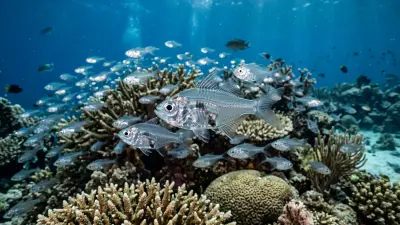
Glassfish
common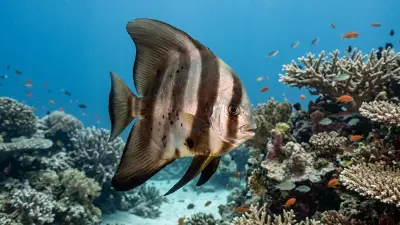
Batfish
common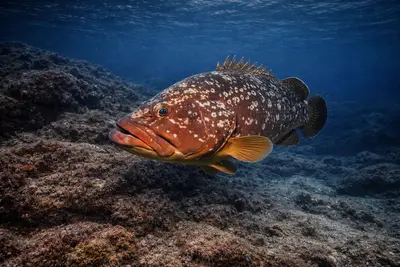
Groupers
common
Barracuda
occasional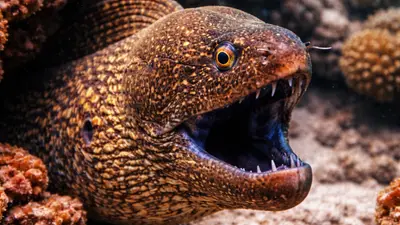
Moray eels
occasional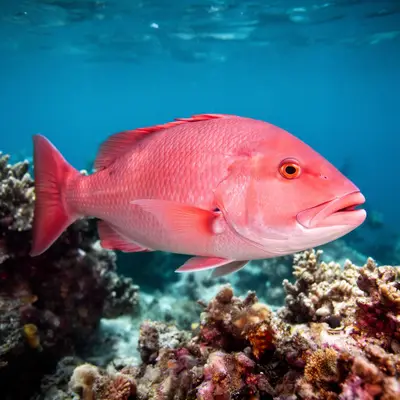
Snappers
occasional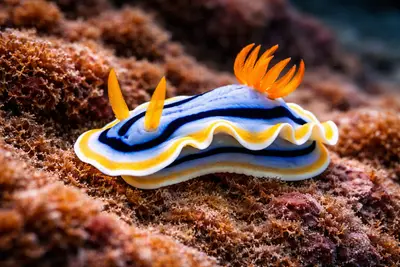
Nudibranchs
occasional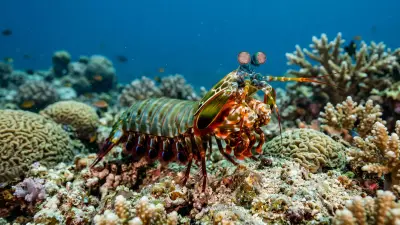
Shrimps
occasional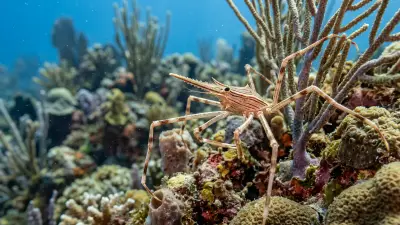
Crabs
occasionalDive profile & how the dive runs
Your dive at HTMS Sattakut typically begins with a descent directly onto the wreck, which sits upright on a sandy seabed. You will generally explore the main deck and superstructure, which ranges from 18 to 24 meters in depth. Advanced divers with wreck training may opt for brief penetrations into the accessible internal sections. The bow and stern areas, along with the mast, offer excellent photographic opportunities and habitats for various fish species. A common route involves circling the wreck to observe both port and starboard sides, then ascending slowly along the mast or a reference line for a controlled safety stop. Dive times are usually kept to 50-60 minutes, considering bottom time limits at depth.
Underwater photography
The HTMS Sattakut Wreck offers fantastic opportunities for wide-angle photography, capturing the entire structure and its schools of fish. A wide-angle lens is ideal for showcasing the scale of the wreck. For macro subjects like nudibranchs and smaller critters hiding in crevices, a macro lens is beneficial. External strobes are highly recommended to bring out the vibrant colors of the marine growth and fish, especially at deeper sections. Maintain excellent buoyancy control to avoid kicking up silt, which can quickly reduce visibility and ruin shots. Be mindful of other divers and avoid disturbing marine life or wreck integrity, especially during penetrations. Patience will be rewarded with compelling images of this thriving artificial reef.
Combine with nearby dive sites
- Chumphon Pinnacle
Iconic deep site with whale shark potential and strong currents
- Sail Rock
Famous for its 'Chimney' swim-through and pelagic encounters
- Koh Tao — Japanese Garden
Shallow coral garden perfect for beginners and snorkelers
- Koh Tao — Twins
Sheltered pinnacles with varied topography, suitable for all levels
- Koh Tao — Green Rock
Known for caves, swim-throughs, and triggerfish
Getting there & logistics
Access to HTMS Sattakut is primarily from Koh Tao, a small island in the Gulf of Thailand. The closest international airport is generally Koh Samui (USM), from which you can take a ferry to Koh Tao. Alternatively, you can fly into Surat Thani (URT) or Chumphon (CJM) on the mainland and connect via ferry. Dive trips are typically day trips from Koh Tao, often combining two dives with surface intervals. No specific permits beyond standard dive tour fees are usually required for this site. Liveaboards operating in the Gulf of Thailand may also include the Sattakut in their itineraries, often alongside other popular sites like Chumphon Pinnacle and Sail Rock.
Safety & environment
Safety at the HTMS Sattakut Wreck is paramount due to its depth and the nature of wreck diving. Divers should be Advanced Open Water certified and ideally have wreck diving specialty training, especially if planning any penetrations. The nearest recompression chamber is located in Koh Samui, necessitating a boat transfer in case of an emergency, which can take several hours. Therefore, comprehensive dive insurance is highly recommended. Always dive with a reputable dive operator and follow your guide's instructions. Maintain strict buoyancy control to avoid entanglement in the wreck or kicking up silt. Never exceed your training limits or carry out unapproved penetrations.
Who it suits — and who it doesn't
Suited for
- Advanced Open Water Divers
- Wreck diving enthusiasts
- Underwater photographers
- Divers seeking artificial reef exploration
- Those interested in historical wrecks
Less suited for
- Open Water Divers
- Beginner divers without deep dive experience
- Divers uncomfortable with limited visibility inside wrecks
- Those with poor buoyancy control
- Divers without proper wreck specialty training
FAQ
HTMS Sattakut Wreck FAQ
What kind of wreck is the HTMS Sattakut?
The HTMS Sattakut is a decommissioned U.S. Navy vessel, specifically a landing craft, that was deliberately sunk in 2011. It now serves as an artificial reef, offering a unique dive site off the coast of Koh Tao, Thailand. The wreck is approximately 48 meters long and rests upright on the seabed.
What depth is the HTMS Sattakut Wreck?
The HTMS Sattakut Wreck sits on a sandy bottom at depths ranging from 28 to 30 meters. The main deck and superstructure are typically found between 18 and 24 meters. This depth profile makes it accessible and enjoyable for Advanced Open Water certified divers.
What marine life can be seen on the HTMS Sattakut?
Since its sinking, the HTMS Sattakut has become a thriving artificial reef. Divers can commonly observe schools of glassfish and batfish, along with various groupers. Occasional sightings of barracuda, moray eels, and smaller macro life like nudibranchs and crabs are also possible around the wreck structure.
Is the HTMS Sattakut Wreck suitable for beginners?
The HTMS Sattakut Wreck is primarily recommended for Advanced Open Water certified divers due to its depth and the nature of wreck diving. While some parts of the wreck are shallower, the overall depth range requires experience in deep diving and strong buoyancy control. Beginners should consider shallower sites around Koh Tao first.
Can you penetrate the HTMS Sattakut Wreck?
Yes, some sections of the HTMS Sattakut's superstructure are penetrable. However, penetration should only be attempted by divers with appropriate wreck diving specialty training and experience. Always dive with a qualified guide and ensure you understand the risks involved before attempting any penetration.
Why dive HTMS Sattakut Wreck from a liveaboard?
HTMS Sattakut Wreck is one of Thailand's signature dive sites. A liveaboard sleeps you on the water and puts you in the water for three to four guided dives per day, including dawn and night dives that day-boat operators rarely offer. You skip the daily commute back to port and reach quieter, less-crowded sites in the same region on a single trip.
Below are the liveaboards that include HTMS Sattakut Wreck on their Thailand itineraries.
Liveaboards diving HTMS Sattakut Wreck
These liveaboards may visit HTMS Sattakut Wreck on selected itineraries — the exact dive sites depend on departure, weather and conditions.
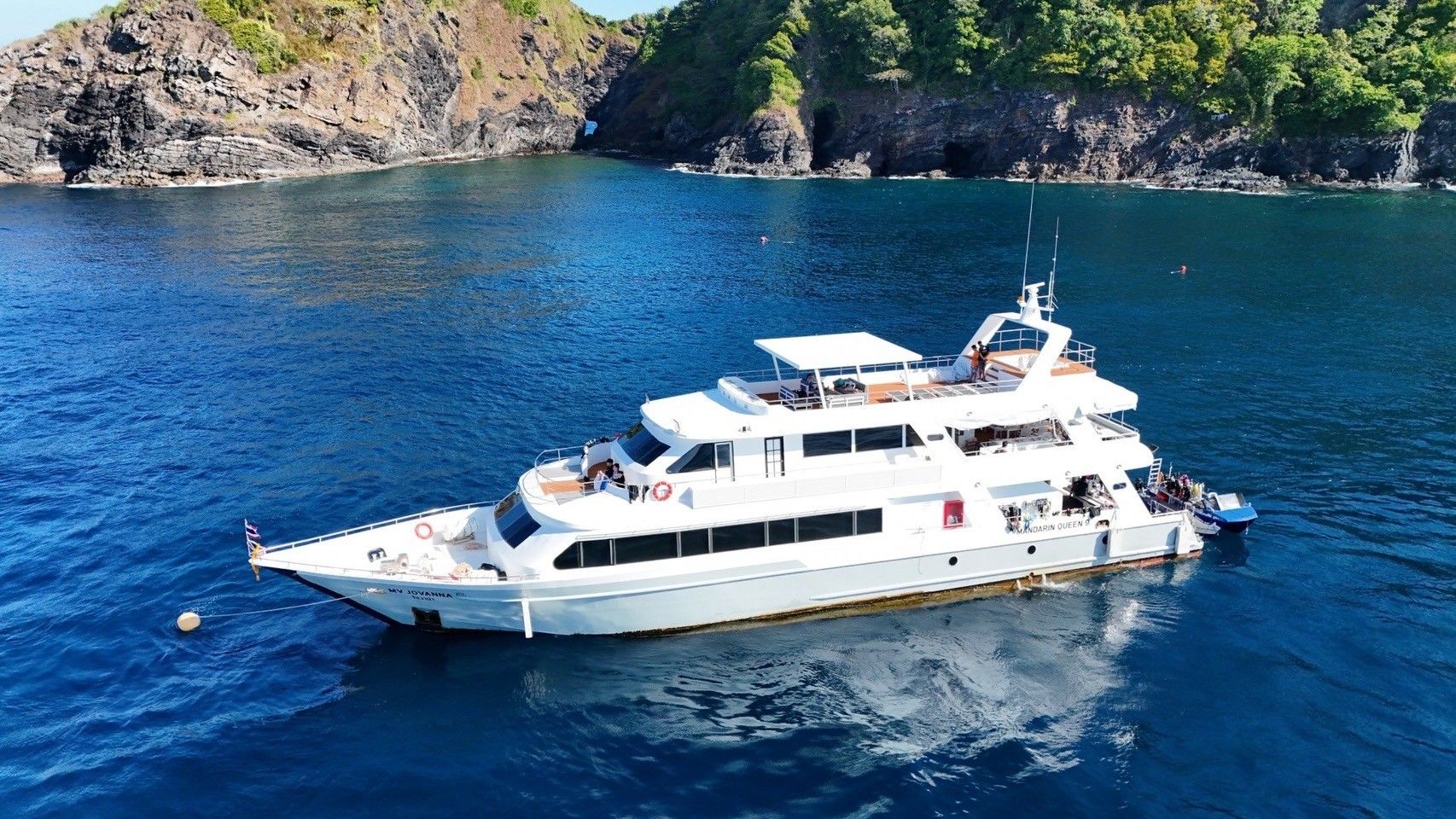
Mandarin Queen 9
Thailand
26 guests37.5 m
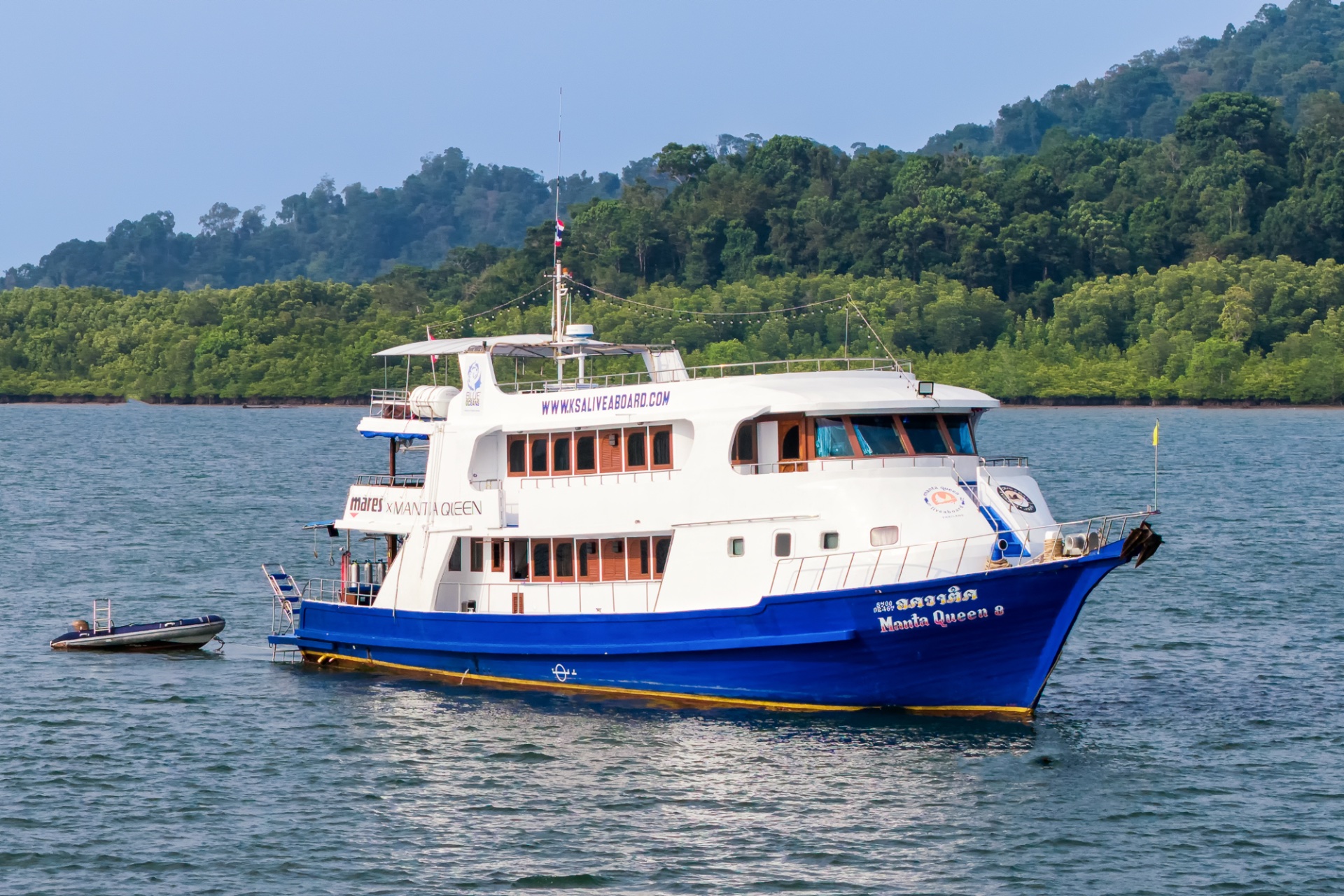
Manta Queen 8
Thailand
24 guests
$127/day
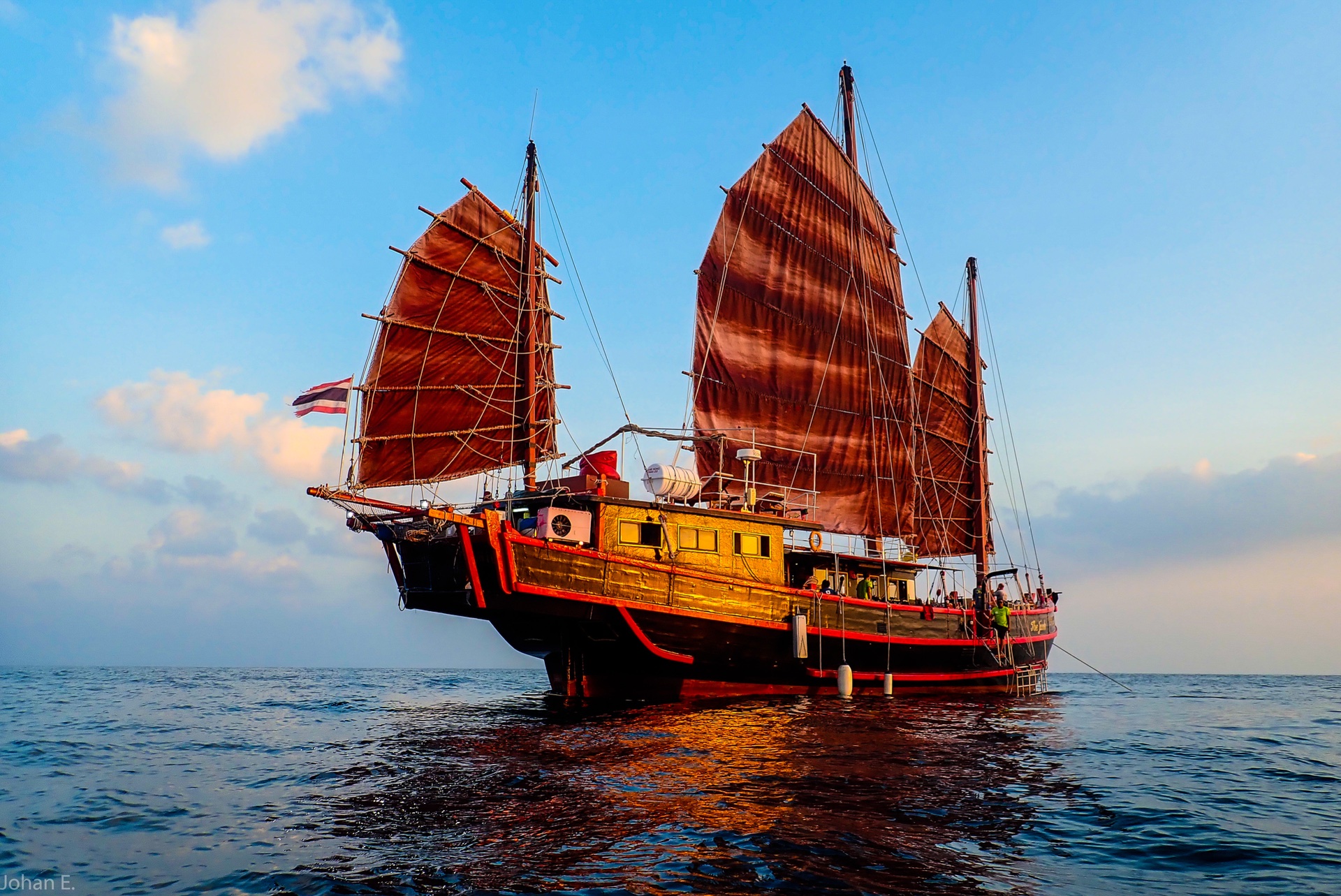
The Junk
Thailand
18 guests33 m
$163/day
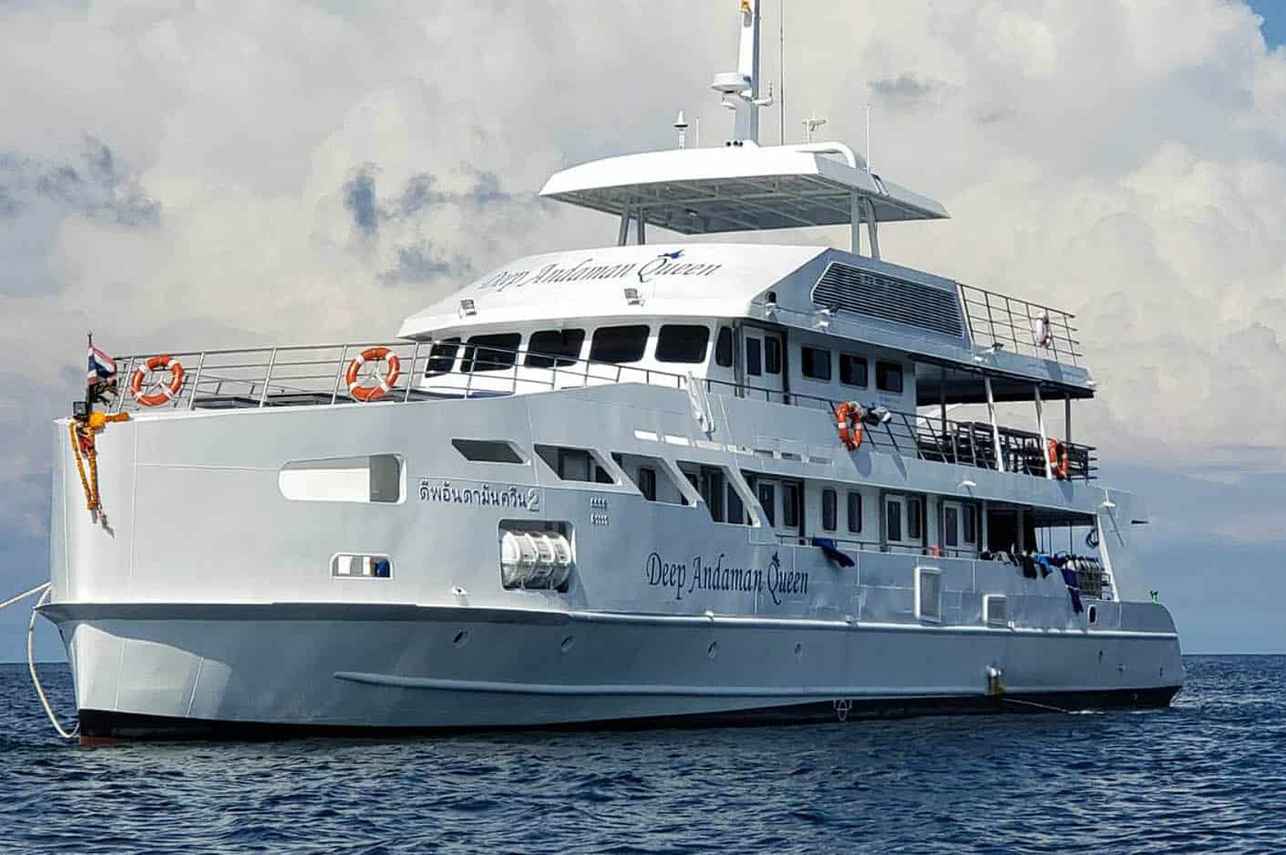
Deep Andaman Queen
Thailand
23 guests30.5 m
$194/day
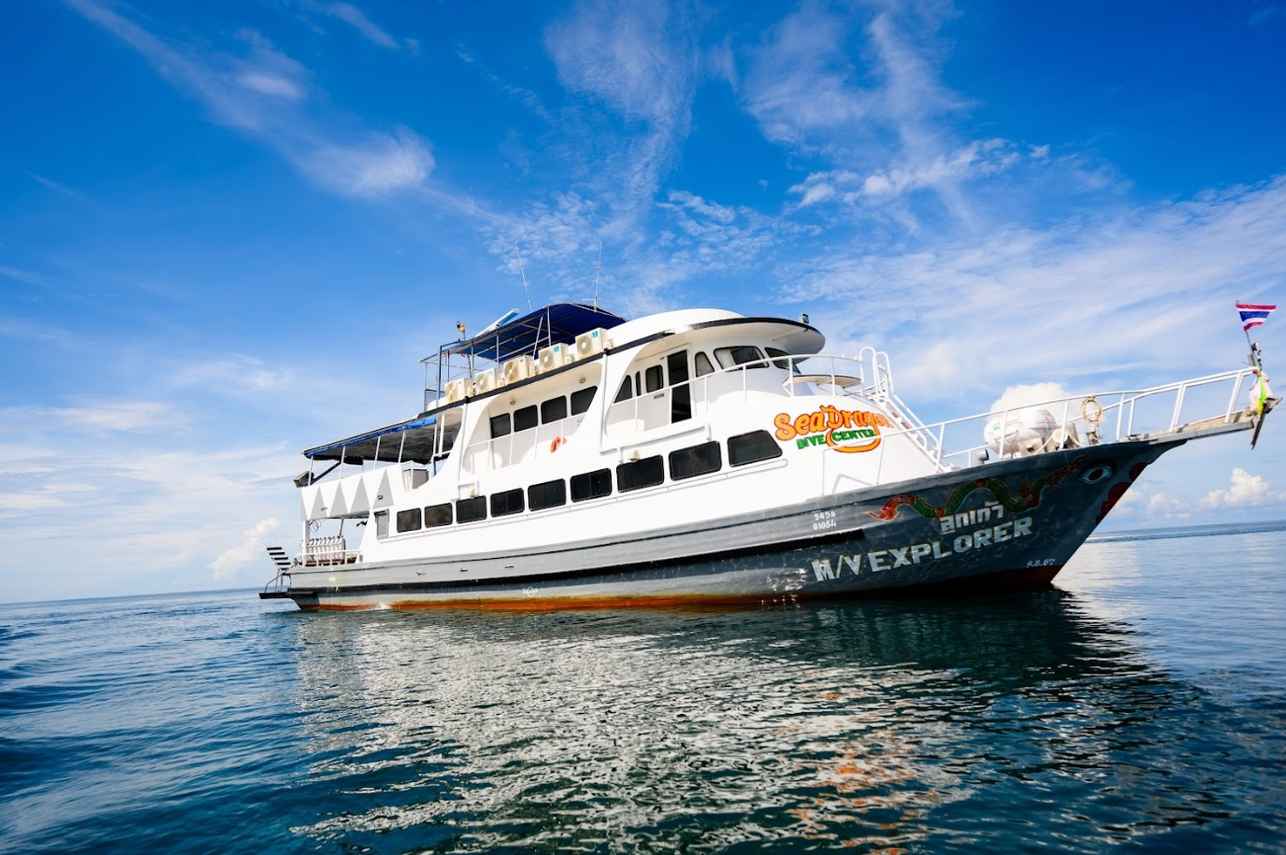
Explorer
Thailand
16 guests25 m
$150/day
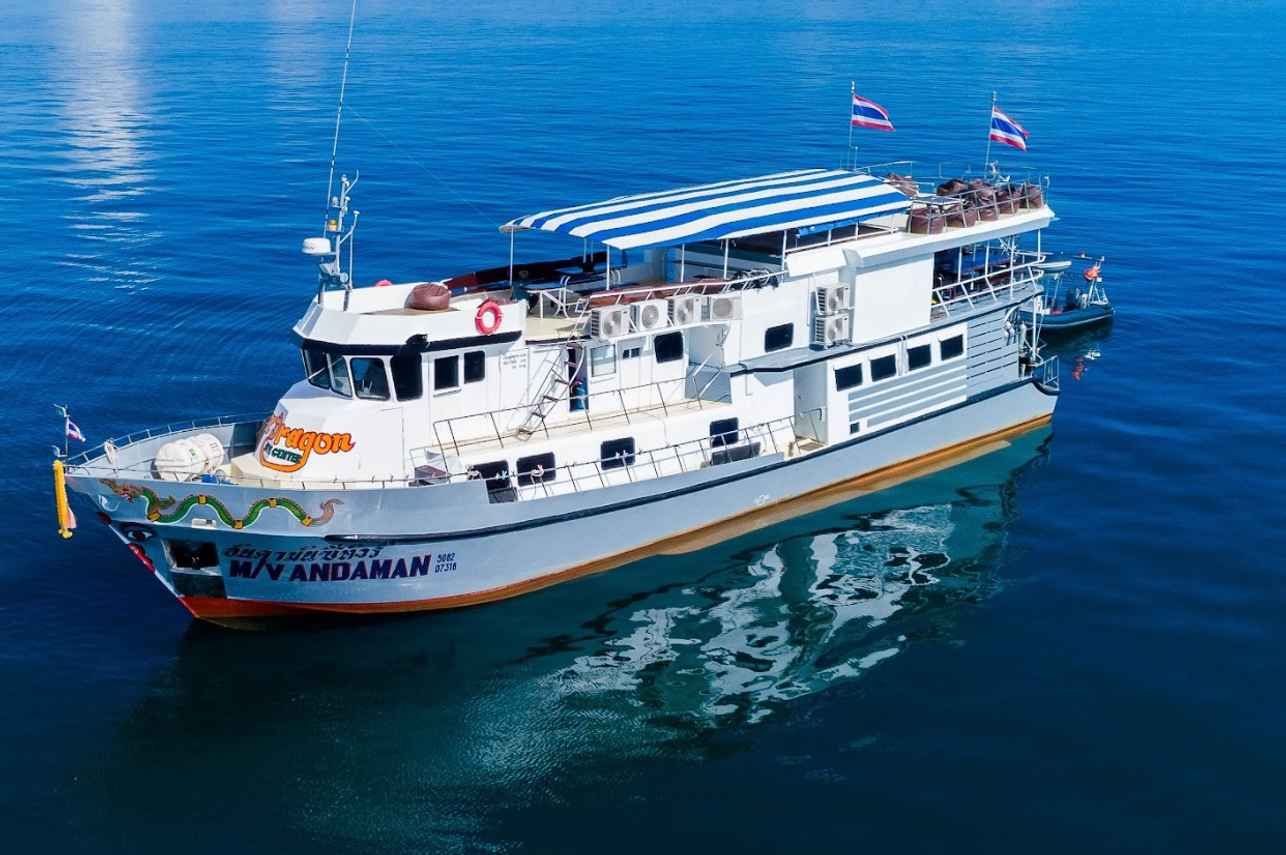
Andaman
Thailand
20 guests26 m
$108/day
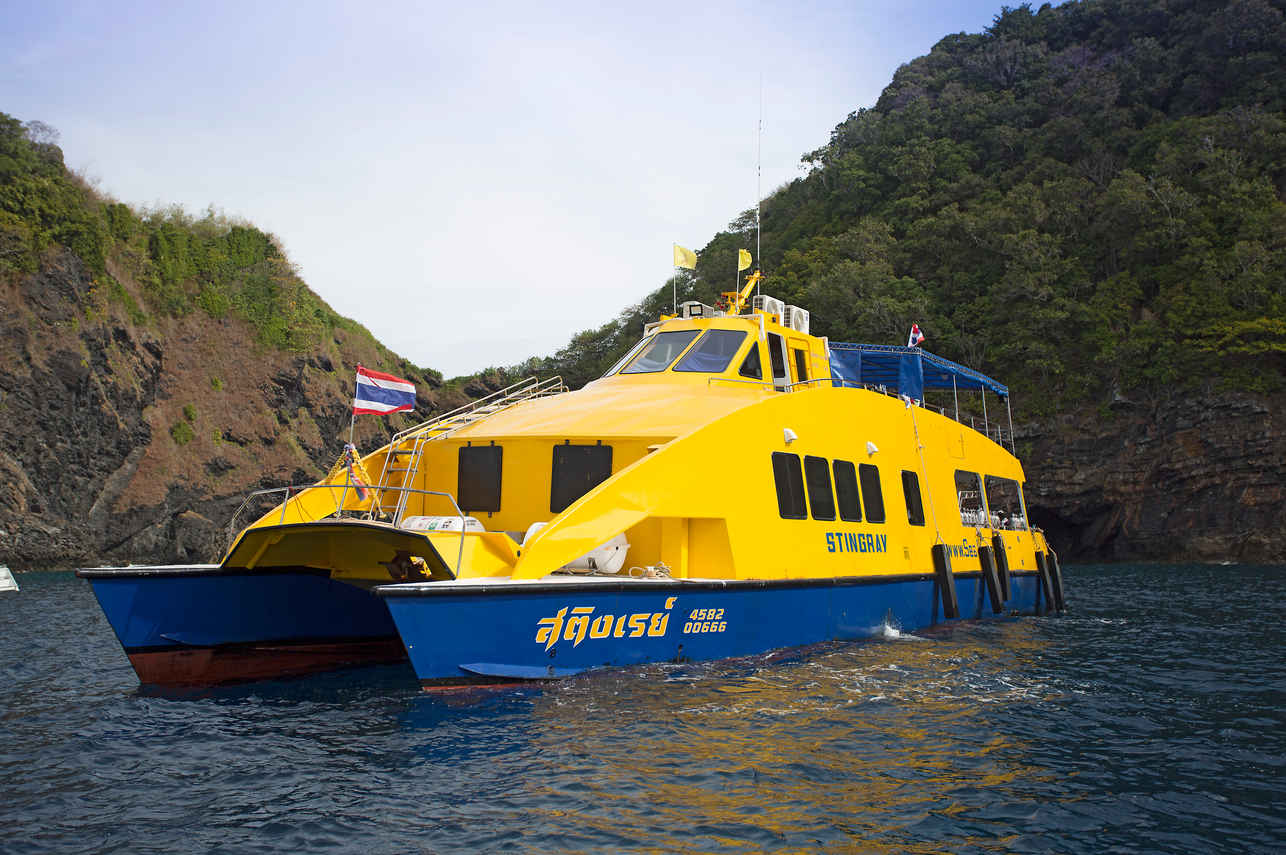
Stingray
Thailand
8 guests24 m
$245/day
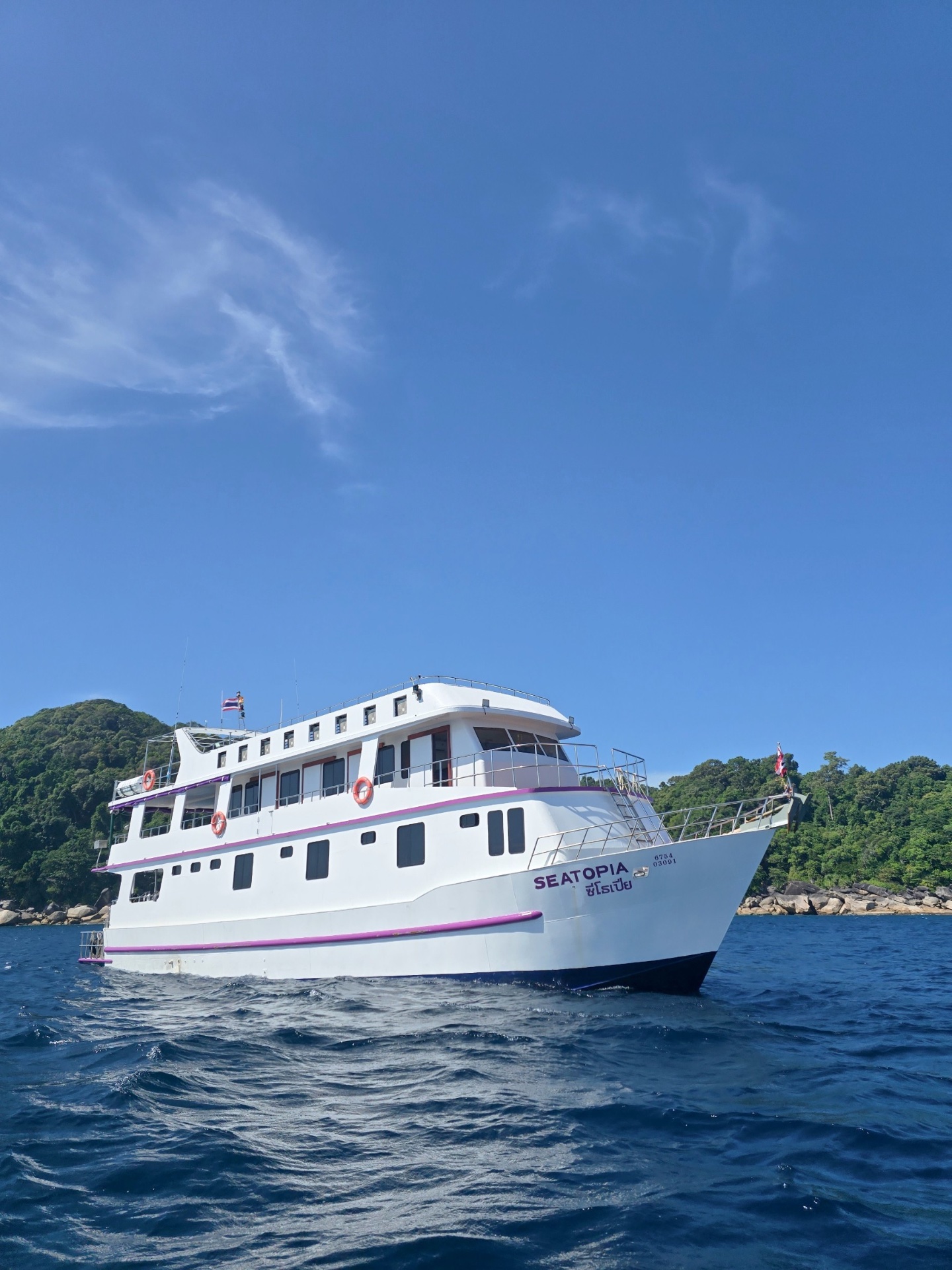
Seatopia
Thailand
24 guests24 m
Dive sites similar to HTMS Sattakut Wreck
Same character, same waters — six more sites divers love for the exact same reasons.Compare seasons, access and liveaboard routes — then pick the site that fits your trip best.
© Esri — Maxar, Earthstar, GIS
Racha Yai — Bay 1
Thailand
Racha Yai Bay 1 is a highly sought-after dive destination located on the northeastern side of Racha Yai Island, south of Phuket.
- Suitable for
- Beginner
- Current
- Strong
- Access
- Liveaboard or dayboat
- Depth
- 5–25 m
- Theme
- Reef / Wreck
© Esri — Maxar, Earthstar, GIS
HTMS Chang Wreck
Thailand
The HTMS Chang Wreck, an impressive artificial reef, is Thailand's largest purpose-sunk vessel, resting off the coast of Koh Chang in the Gulf of Thailand.
- Suitable for
- Advanced
- Current
- Ripping
- Access
- Liveaboard or dayboat
- Depth
- 12–30 m
- Theme
- Wreck
© Esri — Maxar, Earthstar, GIS
Beacon Reef
Thailand
Beacon Reef, sometimes referred to as Beacon Bay or Beacon Point, is a cherished dive site within Thailand's Similan Islands National Park.
- Suitable for
- Beginner
- Current
- Moderate
- Access
- Liveaboard or dayboat
- Depth
- 5–25 m
- Theme
- Reef / Wreck
© Esri — Maxar, Earthstar, GIS
King Cruiser Wreck
Thailand
The King Cruiser Wreck, a former 85-meter car and passenger ferry, transformed into one of Thailand's most celebrated artificial reefs after its unexpected sinking on May 4, 1997.…
- Suitable for
- Intermediate
- Current
- Strong
- Access
- Liveaboard or dayboat
- Depth
- 12–30 m
- Theme
- Wreck
Hin Raab is a prominent dive site located in the eastern Gulf of Thailand, near Koh Chang, offering an exceptional underwater experience with its rich coral biodiversity and thriving marine life.
- Suitable for
- Intermediate
- Current
- Moderate
- Access
- Dayboat
- Depth
- 5–22 m
- Theme
- Reef / Pinnacle
© Esri — Maxar, Earthstar, GIS
Christmas Point
Thailand
Christmas Point, located on Similan Island number 9 (Koh Ba-Ngu), stands out as one of the Similan Islands' most iconic dive sites.
- Suitable for
- Intermediate
- Current
- Strong
- Access
- Liveaboard or dayboat
- Depth
- 2–40 m
- Theme
- Pinnacle