About Anka’s Place
Anka’s Place is a dive site located on Roatan, one of the Bay Islands of Honduras, which forms part of the second largest barrier reef system globally, the Mesoamerican Barrier Reef. This site, like many on Roatan's south shore, is characterized by healthy hard and soft corals that thrive in nutrient-rich waters. The topography typically features a vibrant reef structure that gradually descends, leading to impressive wall sections. Divers can navigate along these formations, observing the intricate details of the reef and its inhabitants. Maximum depths can extend to around 30 meters, with shallower sections providing ample exploration opportunities. Marine life at Anka's Place is consistently abundant, showcasing a wide array of reef fish, various rays, and the occasional sea turtle. During the dry season from March to October, visibility often exceeds 30 meters, enhancing the viewing of these creatures. The wet season, from November to February, can bring larger schools of fish and marine life despite potential rain. Diving at Anka's Place often involves boat access, with options for stationary entries where you return to the mooring line, or drift dives depending on conditions. The site is suitable for divers of various levels, offering both shallow reef exploration and deeper wall sections, ensuring a rich and engaging dive experience.
Highlights
Healthy hard and soft coralsNutrient-rich watersDiverse reef fish populationsPotential for drift divingPart of the Mesoamerican Barrier ReefSouth shore location
Season calendar
Best months to dive here
Jan
Feb
Mar
Apr
May
Jun
Jul
Aug
Sep
Oct
Nov
Dec
Excellent
Good
Dive site facts: Anka’s Place
- Depth
- 3–30 m
- Current
- Gentle to mild
- Visibility
- 18–36 m
- Water temperature
- 22–29 °C
- Entry
- Boat / Live drop
- Level
- Open Water Diver to Advanced
- Dive type
- Reef, wall, drift
- Night dive
- Possible
- Region / port
- Roatan, Bay Islands, Honduras
- Coordinates
- 16.3134° N, 86.5176° W
Conditions & Currents
Currents at Anka's Place, particularly on the south shore of Roatan, are generally gentle, though specific conditions can vary by day and tidal influence. Some sites on Roatan offer the possibility of drift diving, suggesting that currents can be present enough to facilitate this, but are not typically strong or unpredictable. Divers can expect stationary entries at many sites, returning to the mooring line, while others may involve a live drop for a one-way drift. Visibility is consistently good, often ranging from 18 to 30 meters or better year-round, with the dry season bringing even clearer conditions, potentially up to 36 meters. Water temperatures remain warm, between 24-29°C, throughout the year, with a slight drop in January to around 22°C. These conditions make the site accessible to most divers, though good buoyancy control is always essential to protect the fragile reef.
Marine life & sighting chances
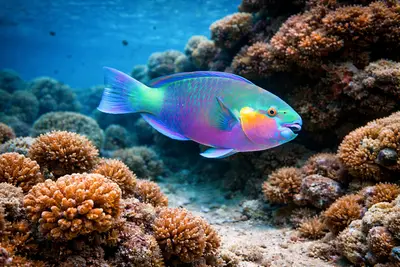
Parrotfish
common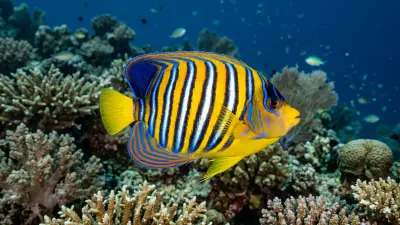
Angelfish
common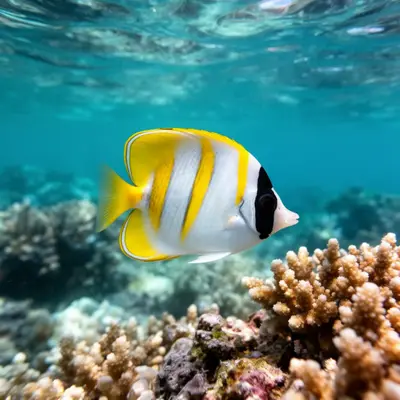
Butterflyfish
common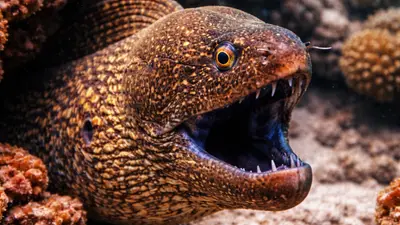
Moray eels
occasionalSea turtles
occasional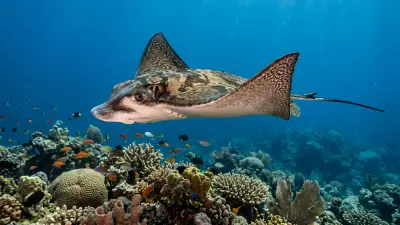
Rays
occasional
Reef sharks
occasional
Barracudas
occasional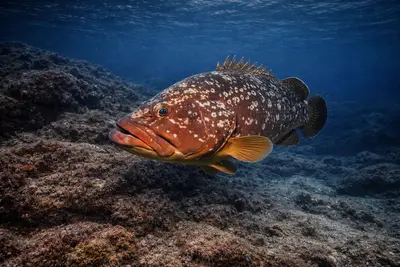
Groupers
occasional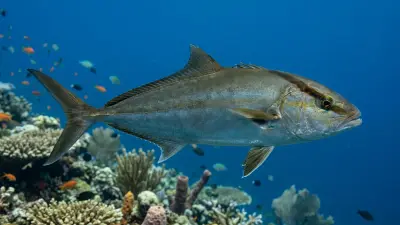
Schools of jacks
occasional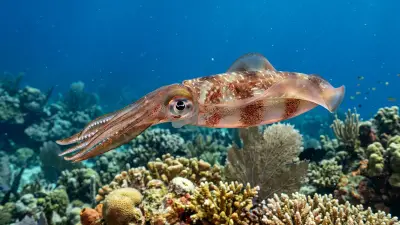
Squid
occasional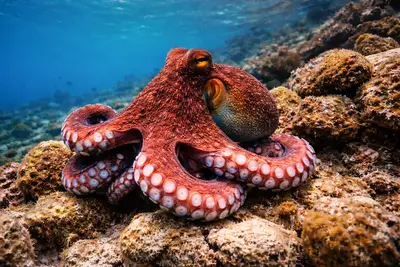
Octopus
occasional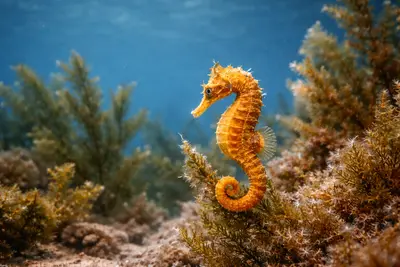
Seahorses
occasional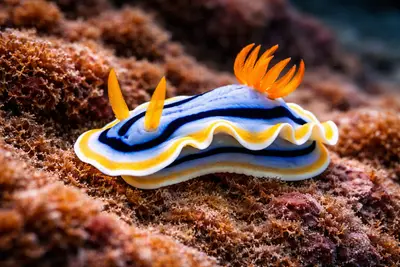
Nudibranchs
occasionalDive profile & how the dive runs
Diving at Anka’s Place typically begins with a boat entry, often close to the main reef structure. The dive typically follows a gentle slope or the edge of a wall, starting in shallower waters around 3 meters and descending to maximum recreational depths of 30 meters. Divers can explore the intricate canyon walls and coral gardens, observing both macro and larger reef life. The dive route allows for navigating in and out of the reef topography. Progression is usually multi-level, aiming to spend more time in shallower, colorful areas. The turn point is determined by air consumption and bottom time limits, with ascent generally beginning once half of the air supply or no-decompression limit is approached. A safety stop of 3 to 5 minutes is conducted at 5 meters before surfacing, often near the boat’s mooring line for sites with stationary entry.
Underwater photography
Anka’s Place offers excellent opportunities for both wide-angle and macro photography due to its diverse topography and abundant marine life. For wide-angle shots, consider capturing the expansive coral walls and canyons, especially with the excellent visibility that often exceeds 30 meters. A wide-angle lens with an external strobe will help illuminate the vibrant colors of the corals and sponges, ensuring your images pop. For macro subjects like nudibranchs, seahorses, and smaller reef creatures, a macro lens is essential. Pay close attention to buoyancy to avoid disturbing the delicate reef. When photographing marine life, maintain a respectful distance and avoid harassing or chasing subjects to capture the perfect shot.
Combine with nearby dive sites
- Hole in the Wall
Hole in the Wall is a celebrated dive site in Roatan, part of the extensive Mesoamerican Barrier Reef System, which is the second-largest…
- Toon Town
Toon Town is a distinctive dive site located within the Cayos Cochinos archipelago, which forms part of Honduras' Bay Islands.
- Black Coral Wall
Black Coral I and II are prominent dive sites within Cuba's renowned Jardines de la Reina marine reserve, an area celebrated for its…
- Odyssey
The Odyssey is a significant artificial reef located off Roatan's northern coast in Honduras, deliberately sunk in 2002 after sustaining…
- Coral Garden
Coral Garden is a significant dive site in the Dominican Republic, featuring an impressive brain coral that has thrived for over 400 years…
- Marie's Kitchen
Marie's Kitchen is a dive site located around the Bay Islands of Honduras.
Getting there & logistics
Access to Anka's Place is typically via dive boats operating from resorts and dive centers on Roatan. The main international airport for Roatan is Juan Manuel Gálvez International Airport (RTB), with direct flights available from cities like Atlanta and Houston. Many dive packages include airport transfers. Dive trips usually involve a short boat ride to the site. Most dive operators in Roatan offer two-tank morning dives, departing around 9:00 AM and returning by midday, with single-tank afternoon dives available around 2:00 PM. Visitors are required to purchase a Roatan Marine Park Fee Bracelet for $10.00 annually, which contributes to reef protection. Liveaboard options are less common in Roatan compared to land-based resort diving, with most itineraries focusing on day trips to various sites.
Safety & environment
Diving in Roatan, including at Anka’s Place, adheres to standard safety protocols with dive professionals guiding groups and tailoring profiles to diver experience. Roatan has a recompression chamber, located in Coxen Hole, which is a critical resource for decompression illness incidents, though specific evacuation realities depend on location on the island and severity. Divers should always carry personal dive insurance covering dive-related medical emergencies and evacuations. Site-specific hazards include potential mild currents, which are generally manageable but require awareness, and the typical marine life that should not be touched. Adherence to the Responsible Diver Code is paramount: practice good buoyancy, avoid touching corals, and do not harass marine life or disturb the sand. Always dive within your certification limits and follow your dive guide's instructions.
Who it suits — and who it doesn't
Suited for
- Divers seeking vibrant coral reefs
- Photographers interested in macro and wide-angle subjects
- Divers who appreciate diverse marine life
- Those comfortable with boat diving
- Divers looking for multi-level dive profiles
Less suited for
- Divers preferring shore-only access
- Those uncomfortable with potential mild currents
- Divers who expect large pelagic encounters every dive
- Individuals not committed to responsible diving practices
FAQ
Anka’s Place FAQ
What kind of marine life can I expect to see at Anka's Place?
At Anka's Place, you can expect to encounter a wide variety of Caribbean reef fish such as parrotfish, angelfish, and butterflyfish. Larger marine life like barracudas, groupers, and schools of jacks are occasionally seen, along with rays and sea turtles. Macro life like seahorses, nudibranchs, and various eels also inhabit the reef.
What are the typical dive depths at Anka's Place?
Anka's Place offers a range of depths suitable for different certification levels. You can explore shallower reef sections starting around 3 meters, gradually descending along slopes and walls to maximum recreational depths of about 30 meters. Dive profiles are often multi-level, allowing for longer bottom times in vibrant shallower areas.
Is Anka's Place suitable for beginner divers?
Yes, Anka's Place can be suitable for open water divers, particularly in its shallower sections with gentle currents. However, its deeper wall components might be more appreciated by advanced open water divers. Dive centers typically provide guides who tailor the dive profile to the group's experience level, ensuring a safe and enjoyable experience for all.
What is the visibility like at Anka's Place?
Visibility at Anka's Place is generally excellent year-round, often ranging from 18 to 30 meters. During the dry season, from March to October, visibility can even extend to 36 meters or more, offering crystal-clear views of the reef. Even during the wet season, visibility remains very good, although it can be slightly reduced by rainfall runoff.
Are there strong currents at this dive site?
Currents at Anka's Place are typically described as gentle to mild, characteristic of many south shore sites in Roatan. While some drift diving is possible in the region, the currents are generally manageable and do not pose a significant challenge for most divers. Dive guides continuously assess conditions and plan dives accordingly to ensure diver safety and comfort.
Why dive Anka’s Place from a liveaboard?
Anka’s Place is one of Honduras's signature dive sites. A liveaboard sleeps you on the water and puts you in the water for three to four guided dives per day, including dawn and night dives that day-boat operators rarely offer. You skip the daily commute back to port and reach quieter, less-crowded sites in the same region on a single trip.
Below are the liveaboards that include Anka’s Place on their Honduras itineraries.
Liveaboards diving Anka’s Place
These liveaboards may visit Anka’s Place on selected itineraries — the exact dive sites depend on departure, weather and conditions.
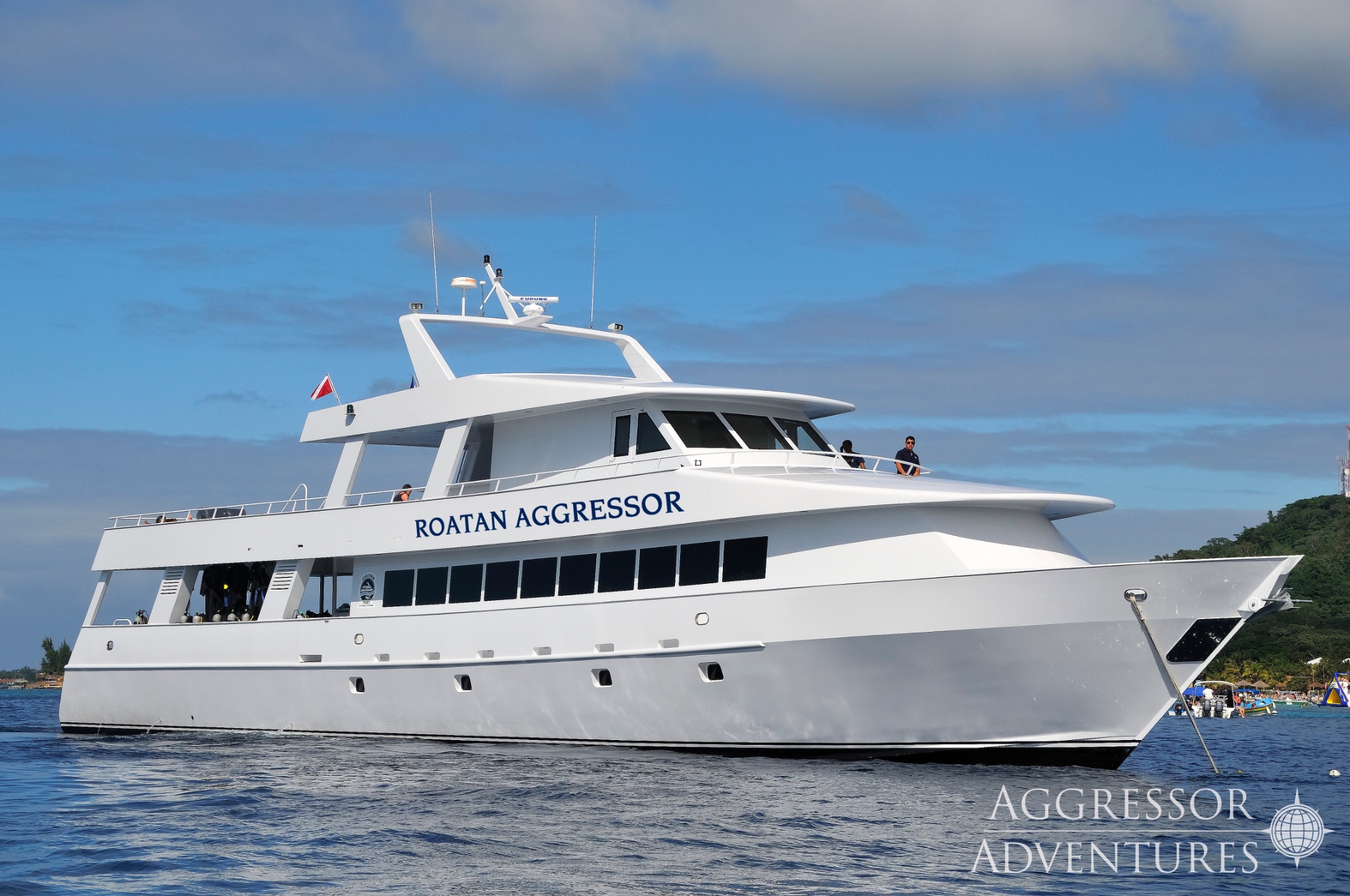
Roatan Aggressor
Honduras
18 guests31.1 m
$309/day
Dive sites similar to Anka’s Place
Same character, same waters — six more sites divers love for the exact same reasons.Compare seasons, access and liveaboard routes — then pick the site that fits your trip best.
© Esri — Maxar, Earthstar, GIS
Blackish Point
Honduras
Blackish Point is a captivating shore-drift wall dive located on the north side of Utila, offering a unique blend of volcanic rock formations, soft corals, and an intricate network of caves, overhangs, and crevices.
- Suitable for
- Intermediate
- Current
- Mild
- Access
- Shore / dayboat
- Depth
- 11–27 m
- Theme
- Cave & cavern / Drift
© Esri — Maxar, Earthstar, GIS
Gold Chain Reef
Honduras
Gold Chain Reef is a celebrated dive site located off the coast of Roatan, Honduras, within the vast Mesoamerican Barrier Reef System, the world's second-largest coral reef.
- Suitable for
- Intermediate
- Current
- Mild
- Access
- Liveaboard only
- Depth
- 3–9 m
- Theme
- Wall
© Esri — Maxar, Earthstar, GIS
Jack Neil Bight
Honduras
Jack Neil Bight is a notable dive site located on the south side of Utila, Honduras, part of the Bay Islands archipelago, known for its calm conditions and diverse underwater scenery.
- Suitable for
- Beginner
- Current
- Mild
- Access
- Dayboat
- Depth
- 2–40 m
- Theme
- Reef / Wall
© Esri — Maxar, Earthstar, GIS
Hole in the Wall
Honduras
Hole in the Wall is a celebrated dive site in Roatan, part of the extensive Mesoamerican Barrier Reef System, which is the second-largest barrier reef globally.
- Suitable for
- Beginner
- Current
- No current
- Access
- Liveaboard only
- Depth
- 33–33 m
- Theme
- Wall / Cavern
© Esri — Maxar, Earthstar, GIS
Green Out House Wall
Honduras
Green Out House Wall is a notable dive site in Roatan, recognized for its distinct wall topography and the potential for drift diving.
- Suitable for
- Intermediate
- Current
- Moderate
- Access
- Dayboat
- Depth
- ≤ 22 m
- Theme
- Wall / Drift
© Esri — Maxar, Earthstar, GIS
Jack Neal Point
Honduras
Jack Neal Point is a captivating dive site located off the western coast of Roatan, Honduras, nestled within the larger Mesoamerican Barrier Reef System, the second-largest barrier reef globally.
- Suitable for
- Beginner
- Current
- Mild
- Access
- Dayboat
- Depth
- 5–30 m
- Theme
- Reef / Wall