About Odyssey
The Odyssey is a significant artificial reef located off Roatan's northern coast in Honduras, deliberately sunk in 2002 after sustaining fire damage during a rebuild. This commercial freighter, measuring 300 feet long, 50 feet wide, and 85 feet tall, was scuttled to create an underwater habitat, and over two decades, its hull has developed into a thriving ecosystem. Its substantial size makes it one of the largest shipwrecks in the Caribbean. The wreck's deepest point lies at 33-34 meters (110 feet), making it an advanced deep dive. It rests on a sandy bottom, close to a reef wall, allowing for a unique combination of wreck and wall diving within a single profile. The vessel's structure is now adorned with soft corals, sponges, and sea fans, providing shelter and sustenance for a diverse array of marine species. While the main attraction is the wreck itself, the surrounding reef provides an opportunity to extend bottom time and observe additional marine life. Divers can explore the exterior of the massive ship, and for those with proper certification, penetration is possible. The site offers a dynamic experience, showcasing the intricate relationship between a man-made structure and natural reef colonization. Visibility here can extend to 30 meters (100 feet) or more, contributing to an exceptional diving experience. The Odyssey is accessed by boat, typically operated by various dive centers in Roatan, offering a challenging yet rewarding dive for experienced individuals.
Highlights
One of Caribbean's largest shipwrecks300-foot commercial freighterDeep artificial reef diveVibrant coral colonizationAdjacent reef wall explorationAdvanced wreck penetrationDiverse marine life habitat
Season calendar
Best months to dive here
Jan
Feb
Mar
Apr
May
Jun
Jul
Aug
Sep
Oct
Nov
Dec
Excellent
Good
Dive site facts: Odyssey
- Depth
- 33–34 m (110 ft)
- Current
- Moderate / Variable
- Visibility
- 18–30 m (60–100 ft)+
- Water temperature
- 24–29°C (75–84°F)
- Entry
- Boat only
- Level
- Advanced, wreck diver certification for penetration
- Dive type
- Wreck, deep, artificial reef
- Region / port
- Roatan, Honduras
- Coordinates
- 16.3505° N, 86.5467° W
Conditions & Currents
Currents at the Odyssey Wreck can be variable, with some diver reviews noting moderate conditions, particularly for advanced divers. While not always strong, their potential presence requires good buoyancy control and careful dive planning, especially considering the depth and the wreck's structure. Entry to the site is typically via boat, and divers descend directly onto the wreck or the adjacent reef. The wreck's position near a reef wall means that currents may interact with topography, potentially creating localized effects. Visibility is generally excellent, often reaching 18 to 30 meters (60 to 100 feet) or more, though rainfall during the wet season can stir up sediments and reduce it. Water temperatures range from 24-29°C (75-84°F) year-round, so thermoclines are not a primary concern but thermal protection is advised for comfort on deeper, longer dives. Dive operators will prov
Marine life & sighting chances
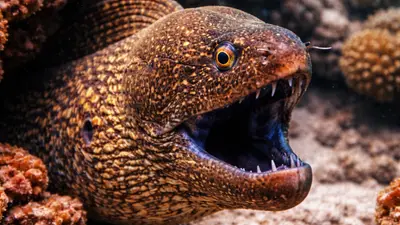
Moray eels
common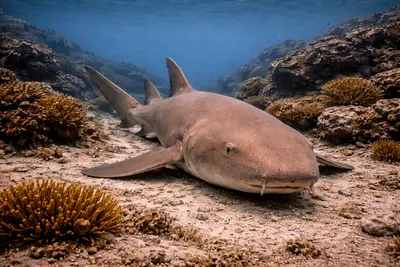
Nurse sharks
common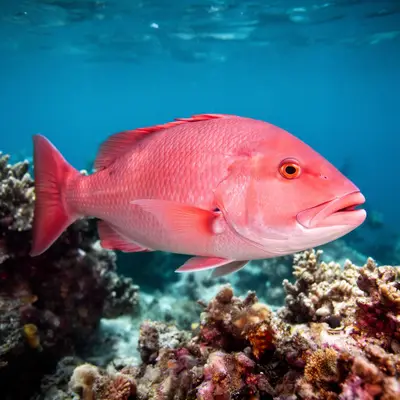
Snapper
common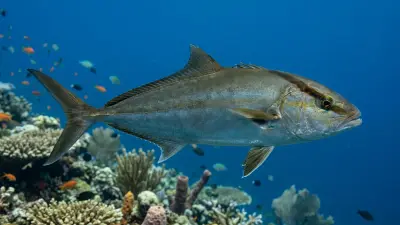
Jacks
commonSea turtles
Year-round · occasional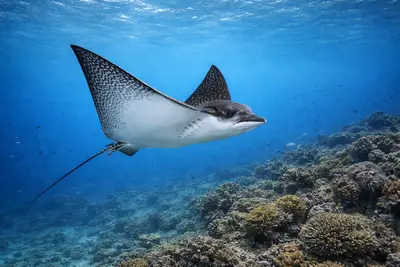
Eagle rays
Year-round · occasional
Reef sharks
Year-round · occasional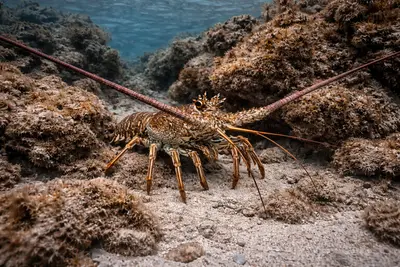
Lobsters
occasional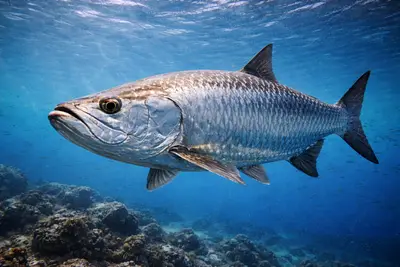
Tarpon
occasional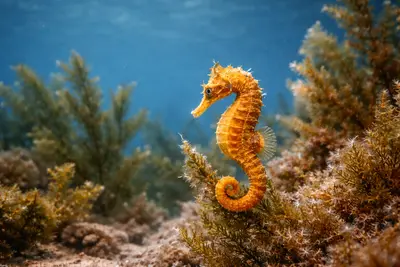
Seahorses
Year-round · occasionalGreen moray eels
common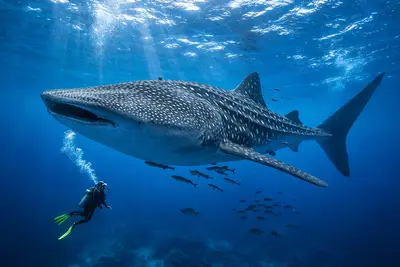
Whale sharks
March-April (peak) · rare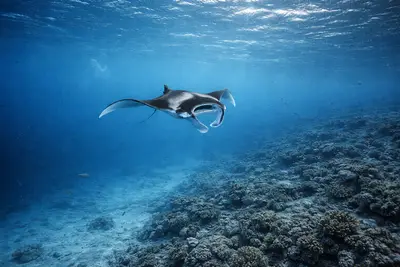
Manta rays
rareDive profile & how the dive runs
Diving the Odyssey wreck typically begins with a boat entry, followed by a descent to the wreck's deck, which sits at approximately 30 meters (100 feet). The deepest point of the wreck is at 33-34 meters (110 feet). Divers generally explore the exterior of the 300-foot-long vessel, observing the expansive hull, cargo holds, and superstructure now heavily encrusted with corals. For divers with appropriate wreck penetration certification, interior exploration is a significant highlight, offering glimpses into the ship's former life. The dive plan often includes a controlled ascent from the wreck to the surrounding reef wall, which is shallower and allows for extended bottom time and further marine life observation. This transition helps manage nitrogen loading on a deep profile. Safety stops are conducted on the shallower sections of the reef or in the open water during the final ascent, ensuring a gradual return to the surface.
Underwater photography
The Odyssey Wreck provides exceptional opportunities for wide-angle photography, capturing the immense scale of the 300-foot freighter and its dramatic transformation into an artificial reef. A wide-angle lens is essential to encompass the entire ship, its large features like the bridge, and the surrounding reef. External strobes are highly recommended to bring out the vibrant colors of the soft corals, sponges, and sea fans that now adorn the hull, counteracting the loss of color at depth. For close-up shots of marine life such as moray eels, nurse sharks, or schooling fish, a macro lens can also be valuable, especially in the shallower sections of the adjacent reef. When venturing into wreck penetration, proper lighting is crucial, and photographers must exercise extreme care to maintain perfect buoyancy to avoid disturbing silt and damaging delicate ecosystems. Always prioritize safety and environmental protection over getting a shot.
Combine with nearby dive sites
Getting there & logistics
The Odyssey Wreck is situated off the coast of Roatan, Honduras, within the Bay Islands. Access to Roatan is typically via Juan Manuel Gálvez International Airport (RTB), with flights available from various international hubs. Divers usually depart for the Odyssey from dive centers located in popular areas like West End or West Bay. Operators such as Anthony's Key Resort and Roatan Divers frequently organize trips to this site. Most dive trips are daily excursions from shore-based resorts, often combining two to three dives per day. Liveaboards operating in the Honduras Bay Islands also include the Odyssey in their itineraries. There are no specific park fees mentioned for this site, but general costs for dive operators and boat access apply. This advanced wreck dive is often combined with other deep or challenging sites, as well as shallower reef dives, to offer a diverse dive vacation.
Safety & environment
Diving the Odyssey Wreck, due to its significant depth of 33-34 meters (110 feet), necessitates strict adherence to advanced diving protocols. Divers should be Advanced Open Water certified, and those wishing to penetrate the wreck must hold a valid Wreck Diver certification; Roatan operators enforce this strictly. Excellent buoyancy control, precise gas management, and a robust understanding of deep diving procedures are critical. The nearest recompression chamber is located on Roatan. Evacuation in a dive emergency would typically involve rapid transport to the chamber or, for severe cases, air evacuation from the island, which underscores the importance of comprehensive dive insurance that covers both medical treatment and emergency evacuation. Site-specific hazards include potential currents, entanglement risks associated with wreck structures, and the possibility of silt-outs during penetration. Always dive with a reputable operator, follow your dive guide's instructions, and never exceed your training or comfort levels.
Who it suits — and who it doesn't
Suited for
- Advanced Open Water certified divers
- Wreck diving enthusiasts
- Divers seeking deep, challenging profiles
- Photographers with wide-angle setups
- Experienced divers with excellent buoyancy
Less suited for
- Open Water certified divers
- Beginner divers with limited experience
- Divers prone to nitrogen narcosis
- Individuals uncomfortable with deep, overhead environments
- Divers with poor air consumption
FAQ
Odyssey FAQ
What is the maximum depth of the Odyssey Wreck?
The Odyssey Wreck's deepest point is approximately 33-34 meters (110 feet). Divers will typically explore sections ranging from the deck's depth to this maximum, making it an advanced deep dive requiring appropriate certification and experience. Always plan your dive within your limits.
Is wreck penetration allowed at the Odyssey?
Yes, wreck penetration is possible at the Odyssey. However, dive operators in Roatan strictly enforce a requirement for a valid Wreck Diver certification before allowing any interior exploration. Without this specialty certification, divers are limited to exploring the wreck's exterior.
What kind of marine life can I expect to see at the Odyssey?
The Odyssey Wreck has developed into a vibrant artificial reef. Divers commonly encounter green moray eels and nurse sharks within the wreck's interior, while schools of snapper and jacks congregate around the deck. Occasional sightings include sea turtles, eagle rays, and reef sharks, especially on the adjacent reef sections.
How long is the Odyssey shipwreck?
The Odyssey is a substantial wreck, measuring 300 feet (91 meters) in length. Its impressive size makes it one of the largest shipwrecks accessible for diving in the Caribbean, offering an extensive area to explore and photograph during a single dive.
What is the best time of year to dive the Odyssey?
The best time to dive the Odyssey, and Roatan in general, is during the dry season, from March through October. This period offers the warmest water temperatures and consistently excellent visibility, often exceeding 30 meters (100 feet), maximizing the wreck diving experience.
Why dive Odyssey from a liveaboard?
Odyssey is one of Honduras's signature dive sites. A liveaboard sleeps you on the water and puts you in the water for three to four guided dives per day, including dawn and night dives that day-boat operators rarely offer. You skip the daily commute back to port and reach quieter, less-crowded sites in the same region on a single trip.
Below are the liveaboards that include Odyssey on their Honduras itineraries.
Liveaboards diving Odyssey
These liveaboards may visit Odyssey on selected itineraries — the exact dive sites depend on departure, weather and conditions.
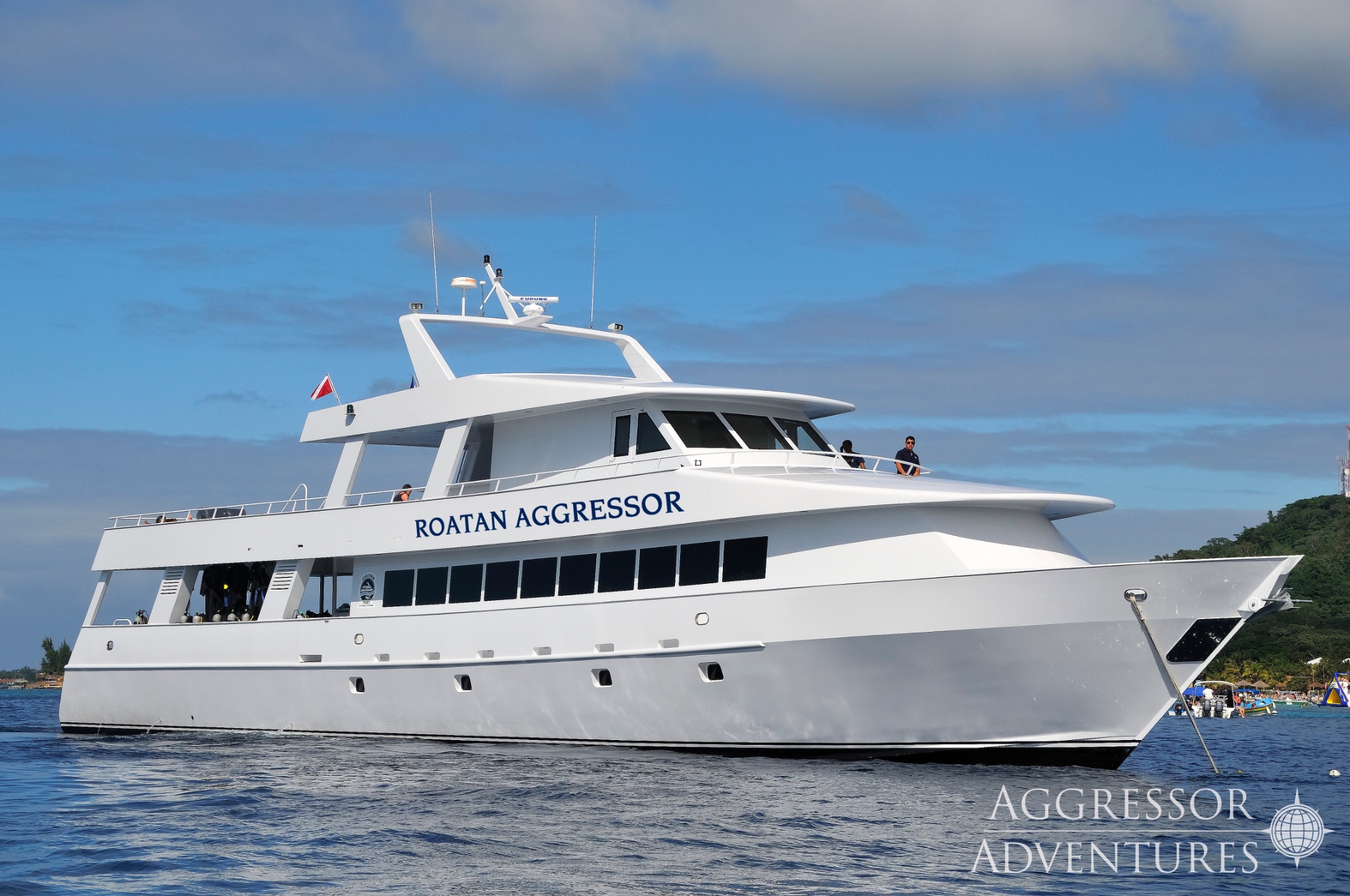
Roatan Aggressor
Honduras
18 guests31.1 m
$309/day
Dive sites similar to Odyssey
Same character, same waters — six more sites divers love for the exact same reasons.Compare seasons, access and liveaboard routes — then pick the site that fits your trip best.
© Esri — Maxar, Earthstar, GIS
Satoshi’s Grave
Honduras
Satoshi’s Grave is a distinctive wreck site located on the southern shore of Roatan, specifically the Wreck of Mr. Bud.
- Suitable for
- Beginner
- Current
- Moderate
- Access
- Liveaboard or dayboat
- Depth
- 18–18 m
- Theme
- Wreck / Reef
© Esri — Maxar, Earthstar, GIS
Wreck of the Aguila
Honduras
The Wreck of the Aguila, affectionately known as 'The Eagle,' is a 60-meter (200-foot) cargo ship purposefully sunk in 1997 to create an artificial reef within recreational diving limits.
- Suitable for
- Intermediate
- Current
- Mild
- Access
- Dayboat
- Depth
- 20–33 m
- Theme
- Wreck / Reef
© Esri — Maxar, Earthstar, GIS
The Odyssey Wreck
Honduras
The Odyssey Wreck, a massive commercial freighter stretching 300 feet long, 50 feet wide, and 85 feet tall, was intentionally scuttled in 2002 to become an artificial reef.
- Suitable for
- Intermediate
- Current
- Moderate
- Access
- Liveaboard or dayboat
- Depth
- 18–30 m
- Theme
- Wall / Wreck
© Esri — Maxar, Earthstar, GIS
El Aguila Wreck
Honduras
El Aguila, meaning "The Eagle," is widely regarded as Roatan's premier wreck dive.
- Suitable for
- Intermediate
- Current
- Mild
- Access
- Liveaboard or dayboat
- Depth
- 15–33 m
- Theme
- Wall / Wreck
Utila, located in Honduras' Bay Islands, is renowned globally as a premier diving destination, largely due to its affordability and exceptional access to the Mesoamerican Barrier Reef System.
- Suitable for
- Intermediate
- Current
- Mild
- Access
- Dayboat
- Depth
- 5–35 m
- Theme
- Reef / Wall
© Esri — Maxar, Earthstar, GIS
Newman's Wall
Honduras
Newman's Wall is a celebrated dive site located off the southern coast of Roatan, specifically accessible from resorts like CoCo View.
- Suitable for
- Beginner
- Current
- Mild
- Access
- Liveaboard or dayboat
- Depth
- 2–20 m
- Theme
- Wall / Wreck