About Marie's Kitchen
Marie's Kitchen is a distinguished dive site located in Roatan, Honduras, forming a crucial part of the Mesoamerican Barrier Reef System, which stands as the world's second-largest coral reef. This area is celebrated for its exceptionally healthy coral formations and rich fish populations, a testament to the effective conservation efforts of the Roatan Marine Park. Divers visiting this site can anticipate a diverse underwater landscape, encompassing lush coral gardens and impressive steep wall drop-offs. The topography at Marie's Kitchen typically commences with shallow reef areas that gradually slope down through sandy patches and coral structures before reaching a main wall that descends into significant depths. The site's proximity to the island ensures short boat rides from dive centers, maximizing actual dive time. The waters around Roatan maintain pleasantly warm temperatures throughout the year, creating ideal conditions for exploration. Year-round, the dive site hosts a variety of marine life. Regular sightings include various species of sea turtles, such as green and hawksbill turtles, alongside numerous reef fish like parrotfish, angelfish, and triggerfish. Encounters with larger animals like southern stingrays and eagle rays are also common in the sandy zones. During specific times of the year, such as the mid-June silversides migration, underwater passages can become dense with shimmering fish, attracting predators like tarpon and barracudas. Diving at Marie's Kitchen offers a straightforward and rewarding experience. Currents are generally gentle, facilitating relaxed exploration. Visibility remains consistently excellent, often exceeding 30 meters, providing superb conditions for observing the intricate reef ecosystem. The short travel time to the site allows for multiple dives per day, often with returns to shore between dives, making it a comfortable and enjoyable experience for many divers.
Highlights
Healthy coral reef formationsDiverse reef fish speciesGreen and hawksbill turtlesSouthern stingrays and eagle raysGentle currentsExcellent visibilityPart of Mesoamerican Barrier Reef
Season calendar
Best months to dive here
Jan
Feb
Mar
Apr
May
Jun
Jul
Aug
Sep
Oct
Nov
Dec
Excellent
Good
Dive site facts: Marie's Kitchen
- Depth
- 5–30+ m
- Typical dive
- 12–18 m, 50–60 min
- Current
- Gentle
- Visibility
- 18–30+ m
- Water temperature
- 24–31°C
- Entry
- Boat entry / Tender
- Level
- All levels
- Dive type
- Reef, wall
- Night dive
- Possible
- Region / port
- Roatan, Bay Islands, Honduras
- Coordinates
- 16.30967° N, 86.584833° W
Conditions & Currents
Currents at Marie's Kitchen, typical of many Roatan dive sites, are generally gentle, ensuring a relaxed diving experience. The island's geographical position provides a degree of protection, mitigating the intensity of currents often found in more exposed locations. While specific tidal or current dependencies for Marie's Kitchen are not extensively detailed, Roatan commonly experiences mild currents that permit comfortable exploration of the reef structure. Entry and exit procedures usually involve simple boat entries, facilitated by the calm conditions. Visibility is consistently excellent, frequently ranging from 18 to over 30 meters, particularly during the dry season. Water temperatures remain warm throughout the year, between 24°C and 31°C, meaning thermoclines are not typically a significant concern and contribute to comfortable dives. Boat traffic near dive sites is managed, wit
Marine life & sighting chances

Green turtle
common
Hawksbill turtle
common
Parrotfish
common
Angelfish
common
Damselfish
common
Hogfish
common
Triggerfish
common
Trunkfish
common
Southern Stingray
common
Eagle Ray
common
Nudibranch
common
Silversides
mid-June · occasional
Tarpon
mid-June · occasional
Barracuda
mid-June · occasionalDive profile & how the dive runs
A typical dive at Marie's Kitchen commences with a boat entry, directly bringing you to the reef. The site's topography facilitates a gradual descent, exploring sand patches and vibrant coral gardens that seamlessly transition into more dramatic wall sections. Divers can navigate along the reef, observing diverse coral structures. The dive often progresses towards deeper areas where the main wall drops off significantly, offering opportunities to spot larger marine life. The turn point is determined by individual air consumption and adherence to no-decompression limits, maintaining a conservative dive profile. The ascent usually follows the natural contour of the reef, allowing for a progressive shallowing. The mandatory safety stop is conducted at 5 meters in the shallower, protected reef areas, offering a chance for further exploration of the abundant fish life.
Underwater photography
Marie's Kitchen offers excellent opportunities for both wide-angle and macro photography due to its diverse topography and rich marine life. For capturing the expansive coral gardens and dramatic wall drop-offs, a wide-angle lens is recommended. The exceptional visibility, often exceeding 30 meters, allows for clear, vibrant reefscapes. Macro enthusiasts will appreciate the healthy coral formations, which host numerous small critters like nudibranchs and various reef fish; a macro lens will highlight these details. When photographing, maintain excellent buoyancy to avoid disturbing the delicate coral ecosystems. Using strobes can enhance colors, especially in deeper sections or for macro subjects, ensuring your images capture the full spectrum of this healthy reef.
Combine with nearby dive sites
- Addie's Garden
Addie's Garden is one of 350 dive and snorkel sites located around Roatan, Honduras, within the Mesoamerican Barrier Reef System.
- Blackish Point
Blackish Point is a captivating shore-drift wall dive located on the north side of Utila, offering a unique blend of volcanic rock…
- Kristi's Cove
Kristi's Cove is a captivating dive site located in Roatan, Honduras, specifically in the West End area, easily accessible from the…
- Butcher's Bank
Butcher's Bank is a celebrated dive site in Roatan, Honduras, widely regarded as one of the island's most enjoyable locations, particularly…
- Al's Garden
Al's Garden is a notable dive site located in Roatan, part of Honduras's Bay Islands, a region renowned for its vibrant underwater…
- Gold Chain Reef
Gold Chain Reef is a celebrated dive site located off the coast of Roatan, Honduras, within the vast Mesoamerican Barrier Reef System, the…
Getting there & logistics
Access to Marie's Kitchen typically involves arriving at Roatan's Juan Manuel Gálvez International Airport (RTB). From there, divers usually transfer to dive resorts or operators located primarily in the West Bay and West End areas, which are popular hubs. Dive sites like Marie's Kitchen are generally reached by day boat, with short travel times from shore, often within 10 minutes. Most dive operations offer packages including two to four boat dives daily, with surface intervals often spent back on shore. A typical dive trip to Roatan might span a week, allowing divers to explore numerous sites. There are no specific permits or fees mentioned for diving Marie's Kitchen beyond standard dive operator costs, which usually include tanks and weights. Roatan's easy logistics, warm water, and gentle currents make it suitable for relaxed multi-dive days.
Safety & environment
While diving at Marie's Kitchen is generally safe due to mild conditions, preparedness is key. The nearest recompression chamber is located in Roatan, typically at the Cornerstone Community Clinic in West End, ensuring medical support for dive-related emergencies. Divers should always have comprehensive dive insurance that covers recompression treatment and emergency evacuation. Site-specific hazards are minimal, but divers should always be aware of potential boat traffic near the surface, though moorings are provided to manage this. Maintain good buoyancy to protect the healthy coral and avoid contact. Currents are typically gentle, but remain aware of your surroundings, especially in areas where slight variations might occur. Always follow your dive guide's instructions and dive within your training limits.
Who it suits — and who it doesn't
Suited for
- New divers seeking gentle conditions
- Underwater photographers desiring clear, warm water
- Families and mixed groups with snorkelers
- Divers preferring relaxed, multi-dive days
- Advanced Open Water Divers interested in wall diving
Less suited for
- Divers seeking extreme current or challenging conditions
- Those looking for shore entry diving
- Divers who prefer cold water diving environments
- Travelers expecting limited marine life diversity
- Budget travelers during peak seasons
FAQ
Marie's Kitchen FAQ
What is the best time of year to dive Marie's Kitchen?
The ideal time to dive Marie's Kitchen is during the dry season, from March to May, when visibility is at its best, extending up to 36 meters, and seas are calm. December also offers excellent conditions with clear waters. While diving is good year-round, the rainy season from June to November may bring reduced visibility, though marine life remains abundant.
What kind of marine life can I expect to see at Marie's Kitchen?
Marie's Kitchen boasts a rich diversity of marine life. You can commonly spot green and hawksbill turtles, various reef fish such as parrotfish, angelfish, hogfish, and triggerfish. Southern stingrays and eagle rays are often seen in sandy areas, and macro enthusiasts can find nudibranchs. During mid-June, silversides migrations attract larger predators like tarpon and barracudas.
Are the currents strong at Marie's Kitchen?
No, currents at Marie's Kitchen are generally gentle. This allows for a relaxed and comfortable diving experience, suitable for divers of all levels. While Roatan experiences mild currents overall, the protected location of many sites, including Marie's Kitchen, minimizes their intensity.
Is Marie's Kitchen suitable for beginner divers?
Yes, Marie's Kitchen is highly suitable for beginner divers. Its gentle currents, excellent visibility, and warm waters provide an ideal environment for those new to diving or completing certifications. Divers of all experience levels will find the site enjoyable, though current experience can be beneficial for added comfort.
What is the typical depth and dive duration for Marie's Kitchen?
A typical dive at Marie's Kitchen usually explores depths between 12 to 18 meters, with a maximum depth extending beyond 30 meters along the wall sections. Dives commonly last between 50 to 60 minutes, depending on air consumption and no-decompression limits. The profile allows for gradual descent through coral gardens to deeper walls.
Why dive Marie's Kitchen from a liveaboard?
Marie's Kitchen is one of Honduras's signature dive sites. A liveaboard sleeps you on the water and puts you in the water for three to four guided dives per day, including dawn and night dives that day-boat operators rarely offer. You skip the daily commute back to port and reach quieter, less-crowded sites in the same region on a single trip.
Below are the liveaboards that include Marie's Kitchen on their Honduras itineraries.
Liveaboards diving Marie's Kitchen
These liveaboards may visit Marie's Kitchen on selected itineraries — the exact dive sites depend on departure, weather and conditions.
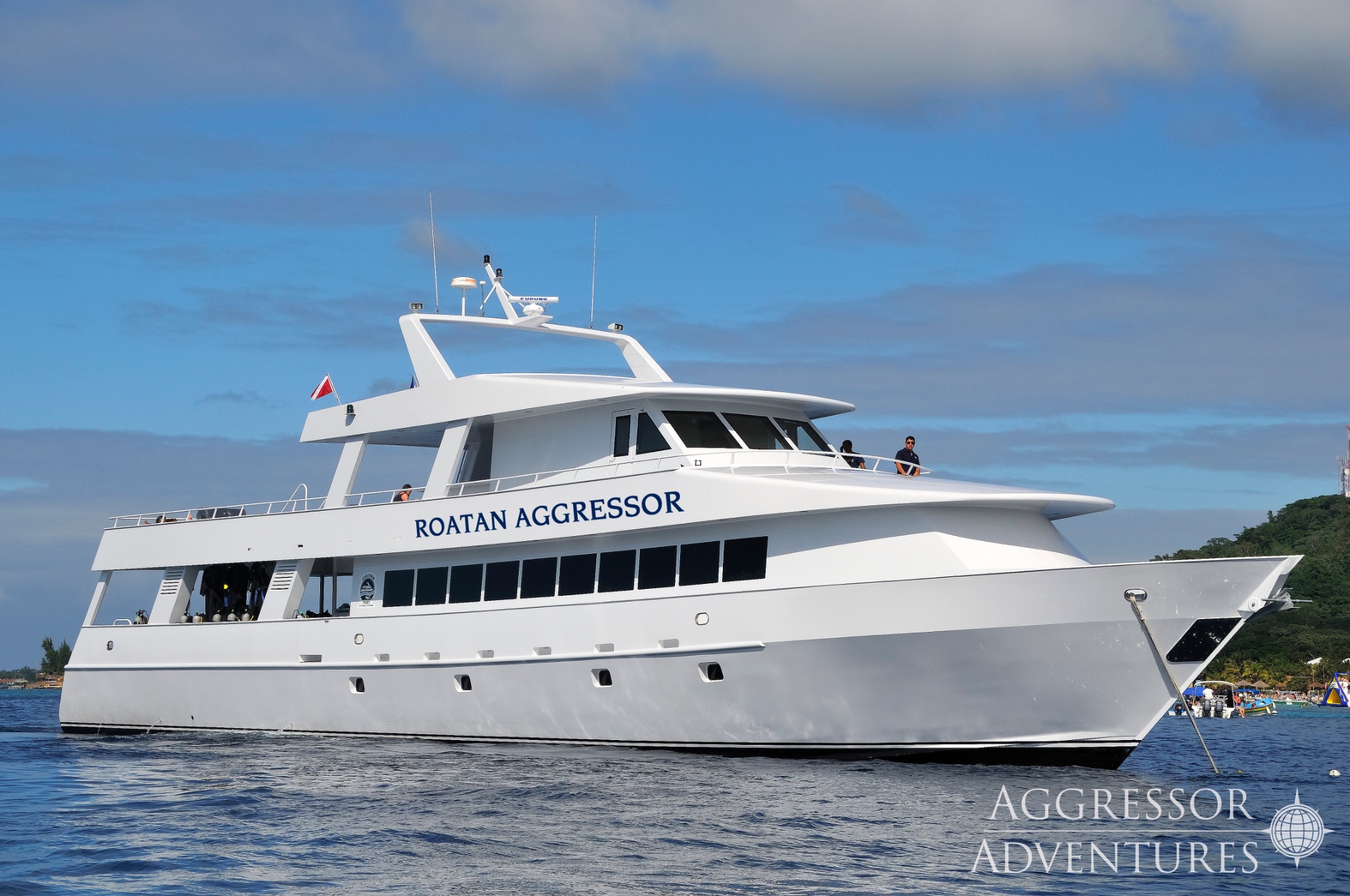
Roatan Aggressor
Honduras
18 guests31.1 m
$309/day
Dive sites similar to Marie's Kitchen
Same character, same waters — six more sites divers love for the exact same reasons.Compare seasons, access and liveaboard routes — then pick the site that fits your trip best.
© Esri — Maxar, Earthstar, GIS
Satoshi’s Grave
Honduras
Satoshi’s Grave is a distinctive wreck site located on the southern shore of Roatan, specifically the Wreck of Mr. Bud.
- Suitable for
- Beginner
- Current
- Moderate
- Access
- Liveaboard or dayboat
- Depth
- 18–18 m
- Theme
- Wreck / Reef
© Esri — Maxar, Earthstar, GIS
Addie's Garden
Honduras
Addie's Garden is one of 350 dive and snorkel sites located around Roatan, Honduras, within the Mesoamerican Barrier Reef System.
- Suitable for
- Intermediate
- Current
- Moderate
- Access
- Liveaboard or dayboat
- Depth
- 5–30 m
- Theme
- Reef
© Esri — Maxar, Earthstar, GIS
Butcher's Bank
Honduras
Butcher's Bank is a celebrated dive site in Roatan, Honduras, widely regarded as one of the island's most enjoyable locations, particularly for novice divers.
- Suitable for
- Beginner
- Current
- Mild
- Access
- Dayboat
- Depth
- 12–18 m
- Theme
- Reef
© Esri — Maxar, Earthstar, GIS
Wreck of the Aguila
Honduras
The Wreck of the Aguila, affectionately known as 'The Eagle,' is a 60-meter (200-foot) cargo ship purposefully sunk in 1997 to create an artificial reef within recreational diving limits.
- Suitable for
- Intermediate
- Current
- Mild
- Access
- Dayboat
- Depth
- 20–33 m
- Theme
- Wreck / Reef
© Esri — Maxar, Earthstar, GIS
Al's Garden
Honduras
Al's Garden is a notable dive site located in Roatan, part of Honduras's Bay Islands, a region renowned for its vibrant underwater topography and diverse marine ecosystems.
- Suitable for
- Intermediate
- Current
- Moderate
- Access
- Liveaboard or dayboat
- Depth
- 9–40 m
- Theme
- Reef
© Esri — Maxar, Earthstar, GIS
Aaron's Backyard
Honduras
Aaron's Backyard is a noted dive site within the Roatan Marine Park in Honduras, part of the extensive Mesoamerican Barrier Reef System.
- Suitable for
- Intermediate
- Current
- Moderate
- Access
- Liveaboard or dayboat
- Depth
- 9–40 m
- Theme
- Reef