Explore the top dive sites in Fiji. Click on any site to view its location on the map.
Jim's Alley is a renowned soft coral garden located off Gau Island in Fiji's Koro Sea, forming part of a multi-stop diving itinerary in the region. This site lives up to Fiji's reputation as the 'Soft Coral Capital of the World,' showcasing an incredibly diverse ecosystem in relatively shallow waters. It is specifically characterized by three distinct bommies that act as anchors for an explosion of marine life. The topography features numerous hard and soft corals, sea fans, and whips, creating a lush underwater landscape. The site's shallow depth band allows for extended bottom times, perfect for observing the intricate details of the reef. Beyond the corals, the area is teeming with a vast array of reef fish species, making it a dynamic and colorful dive experience. A significant highlight of Jim's Alley is the frequent presence of a group of manta rays that regularly 'fly' through the channel close to the reef, offering incredible encounters. The site is also a paradise for macro enthusiasts, with abundant small creatures hiding among the corals and anemones. Visibility at Jim's Alley is typically excellent, especially during the cooler, drier months, enhancing the visual spectacle of its vibrant ecosystem. Diving here usually involves exploring the bommies and surrounding coral gardens, allowing divers to immerse themselves in the rich biodiversity. The dive profile is generally relaxed, suitable for various experience levels, and is often combined with other Koro Sea sites accessible via liveaboard.
Lion's Den is a prominent dive site located on the outer edge of Wakaya Channel, making it a highly requested spot within the Lomaiviti Group of Islands. This area, nestled in the Koro Sea, is known for its remote beauty and diverse marine ecosystems, typically accessed via liveaboard or resort airplane. The site features dramatic steep walls that descend into the deep channel, offering a dynamic topography. These walls are richly covered with a vibrant tapestry of both hard and soft corals, providing a colorful backdrop for an array of marine life. The depths here cater to experienced divers, allowing for exploration along the coral-encrusted formations. Divers frequently encounter schools of barracuda and various reef sharks navigating the currents near the walls. A significant highlight at Lion's Den is the occasional presence of great hammerheads, known to patrol the deeper sections of the barrier reef walls. The consistent currents in this channel bring nutrients that sustain the dense coral growth and attract pelagic species. Lion's Den offers an engaging dive experience characterized by its pelagic encounters and rich coral architecture. The strong currents can make for exciting drift dives, while the possibility of spotting larger shark species adds an element of thrill to every descent. It's a site that rewards attentive and experienced divers with spectacular underwater vistas.
Sam's Point is one of the celebrated patch reefs found within the Somosomo Strait, a narrow channel between Vanua Levu and Taveuni in Fiji. This region is world-renowned for its exceptional biodiversity and breathtaking soft coral diving, earning Fiji the title of the "soft coral capital of the world" by Jacques Cousteau. The Somosomo Strait's unique topography creates strong tidal currents that funnel nutrient-rich water across these reefs, fostering an unparalleled environment for coral growth and a thriving marine ecosystem. As a patch reef, Sam's Point is a submerged volcanic pinnacle, distinct from the strait's extensive fringing or barrier reefs. These isolated structures are dynamic habitats, constantly visited by pelagic species drawn to the abundance of food. The currents here are vital, bringing plankton and nutrients that fuel the entire food chain, resulting in a vibrant underwater spectacle. The site is characterized by an explosion of multi-colored soft corals that blanket its surfaces, creating scenes comparable to those found in dive magazines. Divers can anticipate encountering a wide variety of reef fish and invertebrates, all thriving in the nutrient-rich waters. The constant flow ensures healthy coral gardens and a lively environment. Diving Sam's Point typically involves navigating the currents, which are a defining feature of the Somosomo Strait. Dive operators schedule visits based on tidal conditions to optimize the experience, often allowing for drift dives. The site offers a chance to witness the intricate dance between current and marine life, making it a truly immersive and world-class Fijian dive.
Rainbow's End is a top dive site located in the Somosomo Strait, a channel separating Taveuni and Vanua Levu islands, known as the 'Soft Coral Capital of the World'. The site is celebrated for its extensive and colorful coral gardens, thriving due to the nutrient-rich currents flowing through the strait. Depths at Rainbow's End range from 10 to 30 meters, accommodating various diving experiences. The topography is characterized by stunning coral formations and potential for diverse marine encounters throughout the dive. This location is particularly famous for its spectacular coral ecosystems, making it a focal point for divers visiting Taveuni Island. While vibrant soft corals are a year-round attraction, the site also hosts schools of barracuda and frequent sightings of Napoleon wrasse, especially during morning dives. The constant tidal flow in the Somosomo Strait ensures a continuous supply of food for the thriving marine ecosystem, leading to remarkable biodiversity. Divers typically visit Rainbow's End during morning dives, especially on an incoming tide, to experience optimal conditions and the most vivid coral displays. It is a favored spot for capturing the quintessential beauty of Fijian reefs.
Wilkes Passage is a dive site located within the Malolo Barrier Reef in Fiji's Mamanuca Group, southwest of Nadi on Viti Levu. As a pass in the barrier reef, it serves as a channel that connects the calmer lagoon waters with the open ocean, making it a dynamic environment for marine life and divers. The site primarily features a sandy and hard bottom, ranging in depth from approximately 15 to 20 meters. It is distinguished by substantial colonies of *Tubinaria* coral and a rich presence of soft corals, providing a vibrant underwater landscape. Beyond these coral formations, the passage's open nature can expose divers to a variety of pelagic species drawn to the nutrient-rich currents. Water temperatures in the Mamanucas generally range from 25°C to 30°C throughout the year, supporting a healthy reef ecosystem, though specific bleaching was noted on some deeper bommies inside the lagoon at 27 meters in 2005. Visibility typically ranges from 20 to 40 meters across the Mamanuca Islands, but can vary within passages depending on currents and plankton. Diving Wilkes Passage often involves a drift along the natural flow, offering a different perspective than static reef dives. Its accessibility from resorts on Malolo Lailai, such as Plantation Island Resort and Musket Cove Resort, makes it a frequent inclusion in daily dive itineraries for those exploring the Mamanuca Islands.
Makogai Island, located in Fiji's Lomaiviti Group and visible from Wakaya Island, is home to a significant marine sanctuary. This sanctuary operates a government station dedicated to protecting and repopulating both turtles and giant clams throughout Fiji's waters. The protected lagoon within the sanctuary showcases some of the world's largest giant clams, emphasizing the island's conservation efforts and ecological importance. The dive sites surrounding Makogai feature a series of small coral bommies that rise from the seafloor. These formations typically top out at depths between 3 to 5 meters (10 to 15 feet), while the maximum dive depth generally extends to about 18 meters (60 feet). The pristine condition of these reefs makes Makogai a prime example of a healthy Fijian marine ecosystem. Divers at Makogai can anticipate encounters with a variety of marine species. Common sightings include lionfish, several species of turtles, and white-tip sharks patrolling the reef. The proximity to Wakaya Island also suggests potential for pelagic interactions, although the primary focus here is on the diverse reef life. Access to Makogai's dive sites is convenient, with many located just minutes from the sheltered lagoon. This ease of access, combined with a dive profile that typically remains within recreational limits, contributes to a relaxed yet rewarding dive experience, allowing ample time to observe the rich biodiversity.
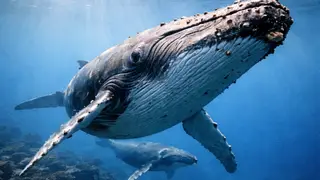
Namena Marine Reserve, nestled in Fiji's Koro Sea, is a crown jewel among the world's elite dive spots, consistently ranked as one of the best global destinations for scuba diving. This extensively protected area, encompassing over 60 square kilometers, is celebrated for its incredibly clear, unspoiled waters teeming with thousands of fish species, diverse invertebrates, and hundreds of coral types. The reserve features a spectacular compendium of coral species, blanketing dramatic bommies, walls, and pinnacles in fiery reds, cerise pinks, and deep purples. Depths vary significantly, from shallow coral gardens near the surface to vertical drop-offs plummeting hundreds of meters, and deep channels that serve as migration paths for megafauna. Dive sites like Grand Central Station and Chimneys showcase varied topographies, from current-swept walls to intricate pinnacles with overhangs and swim-throughs. Namena's rich biodiversity attracts bottlenose and spinner dolphins, pilot whales, and occasionally humpback whales during their migratory season from July to October. Large pelagics such as hammerheads, manta rays, tuna, Spanish mackerel, and grey reef sharks are frequently observed here. The nutrient-rich currents contribute to an explosion of soft corals and draw an impressive array of reef fish and filter feeders, making every dive a dynamic experience. Diving in Namena is typically accessed via liveaboards or resorts, often involving boat rides to reach this somewhat remote sanctuary. The dive experience here ranges from adrenaline-filled drift dives with powerful currents to more sheltered sites perfect for macro photography, always offering a sensory overload of pristine reef beauty and diverse marine encounters.
Shark Fin Point, also known as Shark Point, is located off the northeast coast of Koro Island in Fiji. This dive site is renowned for its dynamic drift diving opportunities, particularly when the tides are running strongly, carrying nutrient-rich waters past its vibrant reefs. Part of the broader Koro Sea region, which is known for its exceptional marine biodiversity and significant pelagic action, Shark Fin Point offers a quintessential Fijian dive experience. The topography features a wall richly adorned with both hard and soft corals, providing a habitat for a diverse array of fish and macro life. Depths vary, with the drift allowing divers to observe different layers of this teeming ecosystem. The site's position within the Koro Sea ensures a constant supply of food for its inhabitants, contributing to exceptionally healthy and colorful coral formations. Key marine encounters include massive schools of barracuda, often numbering around 500 individuals, alongside frequent sightings of whitetip and grey reef sharks. Occasional appearances by larger pelagics like eagle rays, manta rays, and even whale sharks add to the excitement. The dive provides a comprehensive view of Fiji's underwater beauty, from the smallest critters nestled in the reef to powerful apex predators. Diving here typically involves a negative entry into a swift current, with divers drifting along the coral-covered wall. The experience is designed for observing the rich pelagic life that congregates in the current, making it an exhilarating and visually stunning dive for those comfortable with drift conditions.
Dream Maker is a captivating dive site situated on the main reef's point in Fiji, featuring a dynamic topography rich with numerous crevices and swim-throughs. The dive begins in shallow waters at 3 meters and gently slopes down to a maximum depth of 24 meters, making it accessible for most experience levels and even suitable for confident snorkelers. This site boasts a stunning array of soft and hard corals, complemented by large sea fans and sponges, which provide shelter and food for a diverse ecosystem. Divers can expect a wealth of marine life, including various reef sharks and sea turtles, along with numerous smaller, interesting creatures. Dream Maker is celebrated for its excellent photographic opportunities, catering to both wide-angle enthusiasts capturing the expansive reef scenes and macro photographers focusing on the smaller, hidden gems. It is a site that can be enjoyed at any time, promising a rewarding experience with every visit. Located near Rakiraki on Viti Levu, the site is part of Fiji's "Soft Coral Capital of the World" reputation, attributed to nutrient-rich currents that foster thriving coral growth. This makes Dream Maker a prime example of the vibrant and healthy reef systems found in the region.
Three Brothers, also known as Terumbu Tiga, is a renowned dive site in Fiji, celebrated for its excellent visibility and rich biodiversity. The site is characterized by three prominent rock formations, which create an intricate topography of small caves and swim-throughs, ideal for exploration. Its location, further removed from the mainland, contributes to the consistently high water clarity. The dive site typically ranges in depth from 10 to 25 meters, offering diverse environments from shallow reef sections to deeper areas. The rocky seascape provides a foundation for impressive coral formations, including large barrel sponges and sea fans. These structures are often carpeted with vibrant soft corals and hard corals, creating a vivid display. Marine life at Three Brothers is plentiful year-round, with encounters ranging from resident reef fish to pelagic species. Blacktip sharks are commonly sighted patrolling the area, alongside various angelfish, barracuda, and trevally. The site's rich ecosystem supports both large and small marine creatures. Diving Three Brothers offers a dynamic experience. While currents are generally light, they can vary, requiring divers to be attentive to briefings. The abundance of architectural features like caves and swim-throughs makes for an engaging dive, often concluding with a safety stop amidst colorful reef inhabitants.
Gomo is a captivating dive site situated within the Bligh Waters of central Fiji, celebrated for its rich marine biodiversity and the dramatic interplay of currents that sculpt its underwater landscape. This site thrives on a medium current, which is instrumental in attracting vast schools of jacks, barracuda, and queenfish, creating an active and exciting environment for divers. The topography is characterized by flourishing soft corals and impressive reef structures, particularly at its neighbor Coral Corner, implying a similar coral abundance at Gomo. While specific depths for Gomo are not explicitly detailed, it is located in an area renowned for seamounts and pinnacles that rise from significant depths, suggesting a varied depth profile suitable for different dive progressions. The currents, described as medium, are key to the health and vibrancy of the corals and the presence of pelagic species. Marine life sightings at Gomo commonly include significant aggregations of jacks, barracuda, and queenfish, with grey reef sharks also frequenting the area. The site is part of a region praised for its healthy hard and soft coral gardens, promising a colorful backdrop to these pelagic encounters. Liveaboard trips to the Bligh Waters, where Gomo is located, are the preferred way to access and experience this site, allowing for optimal timing with current conditions. The diving experience here is characterized by exhilarating drift dives alongside schools of fish, amidst thriving coral formations, making it a highlight of Fijian diving.
Supermarket is an iconic dive site nestled within the Malolo Barrier Reef in Fiji's Mamanuca Group, celebrated for its extraordinary density and variety of marine life, earning it a name that evokes a bustling underwater market. The site features an extensive reef system characterized by channels, isolated coral bommies, and sandy expanses, providing diverse habitats for countless species. This rich environment, combined with generally consistent visibility, makes it a prime destination for experiencing Fiji's underwater wonders. Topographically, the site starts shallow, around 9 meters (29 feet), and gradually slopes to a maximum depth of 33.5 meters (110 feet). This depth range accommodates different experience levels, though it is particularly known for its intermediate difficulty due to currents. The coral coverage is excellent, showcasing both vibrant hard and soft coral varieties, which are crucial for the thriving ecosystem. The site is most famous for its guaranteed shark sightings, including grey reef, whitetip reef, and blacktip reef sharks, which are common year-round. Beyond sharks, divers frequently encounter dense schools of fusiliers and snappers, along with sea turtles, eagle rays, barracudas, and groupers. Macro enthusiasts will also find a wealth of nudibranchs, pipefish, and mantis shrimp. Diving at Supermarket typically involves a boat entry, leading divers into a dynamic environment. The presence of moderate currents is a defining feature, maintaining the health of the reef and enhancing visibility. While thrilling, these currents do require divers to be attentive to buoyancy and experienced in such conditions. This site consistently delivers an outstanding Fijian diving experience, easily accessible from the Mamanuca Islands.
Breath Taker is a captivating reef wall dive located in Fiji's Bligh Waters, specifically on the Rakiraki side of Viti Levu. It forms part of a larger reef system that includes other notable sites like Golden Dream, offering a comprehensive diving experience in this rich marine area. This site is particularly famous for its consistent shark sightings, making it a thrilling destination for divers seeking encounters with larger marine life. The topography of Breath Taker features a dramatic reef wall adorned with healthy coral formations and accessible swim-throughs, adding an element of exploration to the dive. While specific depths are not detailed for the entire wall, it is characterized as a boat-accessed reef wall that demands attention to strong currents typical of the Bligh Waters, which can influence dive planning and execution. Visibility at the site is generally good, enhancing the appreciation of its vibrant underwater scenery. The Bligh Waters region, where Breath Taker is situated, is globally recognized for its spectacular soft corals, which paint the reefs in hues of pink, purple, and orange. This area is teeming with fish life, including numerous anthias, fusiliers, and various reef fish that contribute to the lively ecosystem. The presence of these abundant prey species likely contributes to the frequent shark visits, a key highlight of diving here. Diving Breath Taker typically involves a boat entry due to its location. Divers should be prepared for potentially strong currents, which often bring out the best in the reef's activity but require good buoyancy control and drift diving techniques. The site is suitable for divers looking for dynamic conditions and opportunities to photograph abundant reef life alongside notable shark species.
The Fish Factory dive site is situated on Taveuni's Vuna Reef, renowned for its rich biodiversity and calm surface conditions, making it an excellent location for divers seeking an immersive experience without challenging currents. This site is celebrated for its abundant and colorful fish life, often found congregating around numerous coral bommies that dot the sandy bottom. The dive begins at approximately 10 meters (32 feet), where divers can explore the upper reef structure. The topography gently slopes down to a maximum depth of 25 meters (82 feet), offering opportunities for multi-level diving. While the upper sections are suitable for newer divers, the deeper areas provide more to discover for those wishing to extend their exploration. Fiji is globally recognized as the soft coral capital, and the Fish Factory exemplifies this reputation with its healthy coral formations and a wide array of reef fish species. Occasional sightings of larger marine animals, such as pilot whales, add to the excitement of the dive. The site thrives on the rising tide, which brings in nutrients supporting the vibrant ecosystem. Diving here typically involves following the gentle current along the reef, allowing divers to leisurely observe the bustling marine activity. It is particularly well-suited for those looking for a relaxing yet visually stunning dive, providing ample opportunities for close-up observations of both macro and medium-sized reef inhabitants.
Filipe's Reef is a dive site located within the renowned Naiqoro Passage, a prominent feature of Fiji's expansive Great Astrolabe Reef in the Kadavu region. This area is celebrated for its dynamic channel diving, offering divers a vibrant experience within a robust marine ecosystem. The passage is characterized by dramatic walls and gently sloping reefs, all richly adorned with prolific soft coral growth. These nutrient-rich waters contribute to the stunning visual appeal of the reef, creating an underwater landscape filled with diverse life. The topography facilitates thrilling drift dives, allowing divers to navigate effortlessly through the channel while observing the bustling environment. Depths at Naiqoro Passage, where Filipe's Reef is situated, typically range from 15 to 30 meters. Marine encounters are abundant year-round, with common sightings of grey reef sharks, barracuda, and various reef species. During the dry season from May to October, visibility often peaks, enhancing views of the soft corals and schooling fish, while the wet season (November to April) can attract larger filter feeders like manta rays due to increased plankton. The site is primarily dived as a drift, leveraging the strong currents that define the passage, offering both exhilarating drifts and opportunities to explore more sheltered areas. Typically, a dive here lasts approximately 45 minutes, reaching depths of around 30 meters. Divers generally enter by boat, often performing a negative entry to manage the currents effectively, and the dive is considered suitable for intermediate to advanced skill levels due to the prevailing conditions.
The Golden Arches dive site is renowned for its stunning underwater topography within the Beqa Lagoon, an area surrounded by a barrier reef just south of Viti Levu, Fiji's main island. This site is characterized by a series of coral bommies that create a dramatic seascape. The most prominent feature is a massive archway adorned with vibrant golden soft corals, through which divers can navigate, leading into a swim-through. While specific depths for Golden Arches are not detailed, the surrounding Beqa Lagoon area typically features dives along coral bommies and gently sloping walls. The channels around the lagoon are known for high-energy currents, which contribute to the rich marine life found here, although general current strength at Golden Arches itself is not specified. Marine life at this site, as part of the broader Beqa Lagoon, includes abundant reef fish and invertebrates, with pelagic species often cruising through. The stunning soft corals are a major draw, providing vibrant colors throughout the dive. This picturesque environment offers ample opportunities for observing diverse marine ecosystems. Golden Arches is generally accessed by dive boats operating from resorts along Viti Levu’s Coral Coast or from Beqa Island itself. The dive experience focuses on exploring the archway and swim-through, surrounded by thriving coral formations. The area's excellent visibility, generally ranging from 15 to 30 meters in Beqa Lagoon, enhances the immersive experience of this unique underwater landscape.
Namalata Reefs are a collection of dive sites situated in the northern part of Kadavu Island, Fiji, specifically north of Vunisea. This region is part of the larger Kadavu archipelago, a destination celebrated for its untouched underwater environment and being off the main tourist paths. The reefs contribute to Kadavu's reputation for world-class scuba diving, offering a pristine example of the rich marine biodiversity found in Fiji. The topography of the Namalata reefs is not explicitly detailed, but generally, dive sites around Kadavu feature extensive barrier reefs and fringing reefs that often include caves, caverns, swim-throughs, and dramatic walls. Depths can vary, with areas accessible for recreational diving and others extending beyond 40 meters, hinting at diverse underwater landscapes. The waters surrounding Kadavu, including Namalata, are known for a healthy population of marine life. Divers can expect to encounter large pelagic species, schooling barracudas, and turtles. Manta rays are also commonly sighted in the general Kadavu area. The entire Fijian archipelago, often called the "Soft Coral Capital of the World," boasts an impressive array of 390 species of soft and hard corals, alongside 1,200 species of fish. While specific current and entry details for Namalata Reefs are not provided, diving in the area is typically accessible from local resorts. These sites are often best explored with a local guide who can ensure optimal timing for the best experience. The dive sites cater to a range of experience levels, from beginner to advanced, making it suitable for many divers.
Tavuki Reef, part of the extensive Great Astrolabe Reef off Kadavu Island, is celebrated for its thriving soft and hard coral ecosystems. This site benefits from consistent, strong currents that channel nutrient-rich waters, creating an ideal environment for diverse marine species. The reef's topography features depths ranging from 5 to 30 meters, with passages where currents carry a continuous supply of food. This attracts a wide array of marine life, including various shark species, tuna, and trevally, alongside the prominent manta rays that frequent the area. The vibrant coral gardens provide shelter and sustenance for countless smaller reef inhabitants, making every dive a visually rich encounter. Divers typically experience Manta Channel as a drift dive, allowing them to effortlessly glide along with the current while observing the underwater spectacle. Encounters with manta rays are particularly common between May and November, though observations are possible year-round, highlighting the site's consistent appeal for large animal encounters. Access to Tavuki Reef is primarily through resort-based operations on Kadavu, as liveaboard options are not yet common for this remote region. Local guides offer expert knowledge of conditions and marine hotspots, ensuring a focused and intimate diving experience within this pristine reef environment.
Beqa Lagoon, often pronounced 'Benga' in Fijian, is a celebrated dive destination located just south of Viti Levu, Fiji's main island. It boasts over 100 square miles of clear blue water, protected by a substantial 30-kilometer barrier reef, making it one of the largest barrier reef systems globally. This unique geography provides a protected environment with generally mild currents, fostering an exceptional variety of marine life. The lagoon is home to more than 100 dive sites, encompassing a diverse underwater landscape of pinnacles, bommies, fringing reefs, and artificial wrecks. Depths typically range from 5 to 30 meters, with some sites descending further. The area is particularly renowned for its dense soft coral formations, featuring species like Melithaeidae and Dendronephthya in striking oranges, purples, and whites, which adorn overhangs and bommies throughout the lagoon. While offering a wide array of reef fish, sharks, and octopus, Beqa Lagoon stands out for its exceptional shark diving opportunities, including a multi-species shark encounter at sites like The Cathedral and The Bistro. Beyond the pelagics, the macro life is also notable, with sightings of blue ribbon eels, leaf scorpionfish, and giant clams. The consistent water temperatures, ranging from 25°C to 29°C year-round, and good visibility, often exceeding 30 meters, contribute to a comfortable and rewarding dive experience.
Caesar's Rocks is a highly acclaimed dive site within Fiji's Beqa Lagoon, a region once dubbed "The Mecca of Pacific Diving." It is easily accessible from Viti Levu, the main island, making it a popular choice for divers seeking quality experiences without domestic flights to outer islands. The site is characterized by an impressive collection of bommies adorned with soft corals, showcasing a spectrum of pinks, reds, and oranges that captivate divers. The topography beneath the surface reveals a network of channels, caverns, and windows carved into these bommies. Every crevice and passage is bursting with vibrant coloration, providing a rich, immersive environment. Divers can explore a notable coral-lined tunnel situated around 15 meters deep, which is a prime location for capturing stunning underwater images. While Beqa Lagoon may not offer the sheer volume of reef fish found in other Fijian sites like Nigali or Namena, Caesar's Rocks presents a healthy variety of reef life. Expect to encounter numerous fish species, along with large gorgonian fans that provide shelter for smaller creatures. The area generally benefits from warm water temperatures averaging around 26°C and mild currents, making for comfortable diving. This site offers a visually spectacular dive experience, particularly for those who appreciate diverse coral structures and the chance to observe marine life in unique geological formations. The combination of colorful soft corals, intricate swim-throughs, and macro life ensures a memorable underwater adventure, suitable for divers keen on exploring Fiji's accessible yet vibrant reefs.
Koro Gardens is a vibrant dive site located off Gau Island, Fiji's fifth-largest island, situated approximately 90 kilometers east of Viti Levu. Gau Island is renowned for its exceptional biodiversity, earning it the nickname 'Amazon of the Seas'. This particular site is characterized by a prominent central coral bommie that ascends from deeper waters to within 4.5 meters of the surface, creating a focal point for marine life. The topography around this bommie varies, with depths ranging from 14 meters to 29 meters in different areas. These depths accommodate a rich ecosystem of hard corals that blanket the structures, attracting a dense population of reef fish. Diving here allows for close encounters with a variety of reef fish, while the surrounding Gau Island waters also host creatures like eagle rays, reef sharks, lobsters, and diverse macro life, although specific seasonality for Koro Gardens is not detailed. The site is a testament to Fiji's reputation as the 'soft coral capital of the world', though Koro Gardens itself is noted for its hard coral abundance. Liveaboard itineraries often include Koro Gardens as part of multi-stop journeys around Gau Island and other remote areas. Divers can expect to explore the bommie and its immediate surroundings, enjoying the vibrant coral ecosystem and the bustling activity of reef inhabitants.
Mini White Wall is a captivating patch reef situated within the renowned Somosomo Strait, a narrow channel between Taveuni and Vanua Levu islands in Fiji. This location is famous for its exceptional soft coral gardens, sustained by the robust tidal currents that funnel nutrient-rich waters through the strait. As a submerged patch reef, Mini White Wall thrives with life, particularly during the ebb and flow of tides. The consistent water movement ensures a continuous supply of food, fostering a spectacular display of diverse corals and attracting a wide array of reef fish. The reef's topography contributes to its visual appeal, featuring intricate formations adorned with vibrant marine organisms. Divers here can expect to encounter reef scenes as vivid and varied as those depicted in prominent diving publications. The site is characterized by an abundance of colorful soft corals and active marine ecosystems. The diving experience often involves drift diving, leveraging the powerful currents that are a hallmark of the Somosomo Strait, creating an engaging and dynamic underwater journey.
Humann Nature in Fiji is renowned for its dynamic drift diving, where divers are carried along by ocean currents past spectacular underwater landscapes. This site is particularly known for its strong currents, which facilitate unique encounters with pelagic species and foster diverse coral growth. The topography often includes wall sections, where marine life congregates. Water temperatures vary throughout the year, influencing both visibility and the types of marine creatures present. Warmer months tend to have slightly reduced visibility due to plankton blooms, which in turn attract a higher density of smaller, interesting critters. Cooler months bring exceptional visibility, making it ideal for observing larger fish aggregations. Diving here requires careful attention to currents and an understanding of drift diving techniques. Divers will experience a sense of flying as they glide effortlessly along the reef, with the boat tracking their progress for a comfortable surface pickup. It's a site that rewards experienced divers with unique perspectives on Fiji's underwater world, offering both thrilling drifts and close-up marine observations.
The Great White Wall, a world-renowned dive site in Fiji, is located within the Somosomo Strait, a narrow channel between Vanua Levu and Taveuni. This strait is pivotal to the region's exceptional marine life, as strong tidal currents funnel nutrient-rich water through it, creating ideal conditions for vibrant coral growth. The site earns its name from the dense coverage of white soft corals, specifically Dendronephthya, that blanket its depths, making it one of the top reef dives globally. Divers typically begin this experience by entering a lava tube, also described as a tubular cave or burrowed hole, starting around 12 to 15 meters. This natural formation, wide enough at 3 meters, is illuminated by numerous openings and hosts marine life like lionfish, squirrelfish, soldierfish, moray eels, and banded shrimps. Exiting the tube at approximately 23 to 25 meters, divers then encounter the majestic Great White Wall, which plunges to depths beyond 30 meters, reaching up to 60 meters. The wall is covered extensively by the iconic white soft corals, interspersed with colorful sponges, hard corals, and crinoids. Beyond the famed white corals, the site boasts a rich diversity of marine species. You can observe reef sharks, turtles, barracuda, tuna, dogtooth tuna, and Spanish mackerel, particularly in the deeper sections. Square-spot anthiases are prevalent against the white backdrop, and smaller creatures like scorpionfish, nudibranchs, mantis shrimp, and longnose hawkfish can be found along the wall. The visibility can vary, but generally offers a clear view of this spectacular underwater landscape. Due to strong, tide-dependent currents and the site's depths, the Great White Wall is considered an advanced dive. Timing is crucial; the site is best dived at low tide when the white soft corals extend their feeders, appearing brilliant and pearly. During other tidal conditions, the corals may retract and appear brownish. Dive operators schedule visits to align with optimal tidal windows to ensure the best viewing conditions and diver safety.
Rainbow Reef, renowned worldwide for its vibrant coral ecosystems, lies within Fiji's Somosomo Strait, a narrow passage separating Vanua Levu and Taveuni islands. This strait is pivotal to the reef's exceptional biodiversity, acting as a natural channel that funnels nutrient-rich tidal currents through its reefs. This constant flow of water sustains an extraordinary abundance of soft corals, earning Fiji the title of the "soft coral capital of the world" from Jacques Cousteau, and creating an ideal environment for over 1,200 species of reef fish, 467 mollusk species, and 298 types of hard coral. The diving experience often includes drift dives along dramatic walls and deep drop-offs. Sites like the Great White Wall feature a lava tube entry at 12 meters, leading to a wall blanketed in white soft corals extending beyond 30 meters. Other areas, such as Jerry's Jelly and the Cabbage Patch, offer extensive coral gardens and large bommies, some with a maximum depth of 25 meters, providing diverse topography for exploration. Many sites are suitable for intermediate divers who enjoy drift diving and focusing on marine life. The reef is home to a wide array of marine life, including giant clams, sharks, groupers, tuna, barracuda, and numerous colorful reef fish like scalefin anthias. Critters and macro life, such as lionfish, banded shrimps, squirrel fish, moray eels, scorpionfish, nudibranchs, and mantis shrimp, are frequently spotted. Pelagic species like Spanish Mackerel, Dogtooth Tuna, and Grey Reef Sharks are also present. Night dives can reveal unique marine life not seen during the day. Conditions in the Somosomo Strait are largely dictated by tidal currents, which can range from mild to strong, offering exhilarating drift dives. Dive operators schedule dives strategically to align with optimal tidal conditions, especially for sites like the Great White Wall, which is best dived when currents are not overly strong. Entry into the water is typically from a boat, and divers are often grouped by skill level to ensure safety and enjoyment. Many dive sites are within a 20-minute boat ride from Taveuni Island resorts.
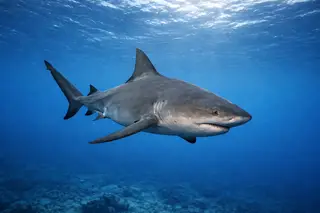
The Shark Reef Marine Reserve, situated in the Beqa Channel off Fiji’s main island of Viti Levu, is a premier global destination for shark encounters. Declared Fiji's first fully protected National Marine Park in 2014, the reserve evolved from a conservation project initiated in 2002. This protected area is notable for its vibrant marine ecosystem, which attracts a diverse array of shark species, benefiting from nutrients carried by strong currents and a meticulously managed feeding program. It offers a unique opportunity for divers to observe various sharks in their natural habitat, contributing to both conservation efforts and local community support through dedicated park fees. The dive site itself is characterized by a deep channel and multiple feeding stations, ranging from 30 meters up to a safety stop at 3 meters, making the experience accessible yet thrilling. Topography includes an 'Arena' at 30 meters where the primary shark feeding occurs, surrounded by a wall of dead corals that provides observation points for divers. Shallower sections feature coral slopes and vibrant reef areas, hosting an abundance of smaller marine life. While bull sharks are a year-round highlight, the reserve is also home to grey reef sharks, whitetip and blacktip reef sharks, tawny nurse sharks, and sicklefin lemon sharks. Occasional sightings of silvertip and even tiger sharks add to the excitement. The marine park's success in increasing shark populations has made it a critical site for understanding shark behavior and promoting their protection. Divers typically engage in two dives per day at Shark Reef, following strict protocols designed to ensure both diver safety and minimal environmental impact. The experience is highly organized, with fixed mooring buoys preventing anchor damage and divers remaining stationary in designated viewing areas. This structured approach allows for unparalleled close encounters while preserving the delicate balance of the marine environment.
E6 stands as one of Fiji's most iconic and frequently photographed dive sites, a colossal pinnacle rising from over 2,000 meters to just beneath the surface at low tide. This remote seamount, nestled in the Vatu-i-ra channel between Viti Levu and Vanua Levu, is a magnet for diverse marine life, making it a highlight of the Bligh Water region. Its unique topography features extensive soft and hard coral formations, sea fans, and numerous swim-throughs. The nutrient-rich currents of Bligh Water fuel an extraordinary ecosystem at E6. The pinnacle is adorned with vibrant pink, purple, orange, and yellow soft corals that sway with the ocean's flow, creating a dynamic and colorful seascape. Hard corals also flourish, forming intricate gardens that support a dense population of reef fish. E6 offers a unique blend of experiences, from exploring fascinating swim-throughs and admiring the intricate coralscapes to encountering large pelagic species that patrol the open water. Schooling barracuda, reef sharks, and trevally are common, with sightings of hammerhead sharks and eagle rays adding to the thrill. The sheer biodiversity makes each dive an adventure, promising varied encounters depending on the season and currents. Diving E6 typically involves a liveaboard trip, given its remote location. Divers navigate around the pinnacle, exploring its various faces and depths. The dive profile often includes descending to deeper sections to observe larger animals before gradually ascending along the coral-laden walls, culminating in a safety stop amidst clouds of reef fish. This site is particularly appealing for those seeking both vibrant reef life and exciting pelagic action.
Nigali Passage stands as a premier dive site near Gau Island, recognized globally for its exceptional pelagic encounters and powerful currents. Often incorporated into multi-stop liveaboard itineraries, this passage offers a unique drift diving experience through a cut in the reef that opens into a serene lagoon. Gau Island itself, the fifth largest in the Fijian archipelago and dubbed the "Amazon of the Seas," is a biodiversity hotspot situated 90 kilometers east of Viti Levu. The dive navigates a sandy-bottomed channel approximately 20 meters long, flanked by steep walls adorned with a rich tapestry of hard and soft corals. The consistent flow of water attracts an impressive array of marine life, making it a prime location for observing larger species. After drifting through the exhilarating current, divers transition into a more sheltered lagoon area where a vast field of healthy green cabbage corals provides a contrasting, calmer exploration. Optimal diving conditions are limited to a narrow three-hour window daily, coinciding with favorable tidal currents. Outside this period, currents can exceed four knots, significantly reducing visibility and making diving impractical. This specific timing ensures divers can safely experience the exhilarating drift and the vibrant ecosystem within the passage. The site is celebrated for its diverse shark population, including numerous whitetip and grey reef sharks, with occasional hammerhead sightings. Schools of barracuda, jacks, and snappers are also common, contributing to the passage's reputation as a thrilling and action-packed dive.
The Zoo is a captivating dive site situated near Taveuni, Fiji, celebrated for its rich marine life and intricate coral ecosystems. It offers a unique underwater experience characterized by a high abundance of reef fish, making it a favorite for divers seeking lively reef encounters. The site's topography features colorful coral gardens, walls, and slopes that descend from shallow to deeper areas. This site is particularly known for its diverse hard and soft coral formations, providing shelter and sustenance for a myriad of tropical fish species. While specific pelagic sightings can vary, the overall health and vibrancy of the reef ensure a dynamic dive experience. The site's depth range and varied features accommodate different skill levels, offering something for everyone from intermediate divers to those with more experience. Diving at The Zoo is often recommended in the afternoons, allowing for optimal light conditions to appreciate the vibrant hues of the corals and the bustling activity of reef fish. Visibility generally remains good, enhancing photographic opportunities and overall enjoyment of the site's extensive biodiversity. Accessibility is typically by boat, and the moderate currents present an engaging yet manageable dive. The site is a testament to the pristine marine environments found in Fiji, offering a glimpse into the thriving underwater world of the Taveuni region.
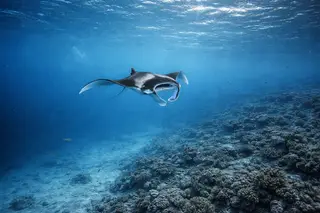
Manta Channel, situated off Kadavu Island in Fiji, is a world-class dive destination primarily celebrated for its frequent sightings of manta rays. As part of the expansive Great Astrolabe Reef, the fourth largest barrier reef globally, this site benefits from strong currents that funnel nutrient-rich water, creating an ideal feeding and cleaning station for these magnificent creatures. The channel’s unique topography and location contribute to a thriving ecosystem, supporting both large pelagics and a dazzling display of reef fish. Diving here means navigating through passages where currents bring in a continuous supply of food, attracting not only manta rays but also various shark species, tuna, and trevally. The reef itself boasts an impressive diversity of both hard and soft corals, forming colorful underwater landscapes that are home to countless smaller reef inhabitants. These vibrant coral gardens provide shelter and sustenance, making every dive a dynamic and visually rich experience. The typical dive profile at Manta Channel involves a drift, allowing divers to effortlessly glide along with the current while observing the marine spectacle. Optimal manta ray encounters are particularly high between May and November, when they congregate for cleaning and feeding. However, sightings are possible year-round, underscoring the channel's consistent appeal. The site promises an exhilarating experience for divers keen on big animal encounters and exploring a pristine reef environment. Accessibility to Manta Channel and other Kadavu dive sites is predominantly through resort-based operations, as liveaboards have not yet become a common option for this remote region. This setup ensures a focused and often intimate diving experience, with local guides providing expertise on current conditions and marine life hotspots.
Purple Wall is a renowned dive site located off the coast of Taveuni, Fiji, celebrated for its vibrant coral formations and diverse marine life. This site is particularly known for its stunning vertical wall, which plunges dramatically and is richly adorned with a kaleidoscope of soft corals, especially prominent purple varieties that give the site its name. It is a key highlight within the famous Somosomo Strait, an area globally recognized as the 'Soft Coral Capital of the World'. The topography of Purple Wall features a steep drop-off, with the main action concentrated between 10 to 35 meters. Divers navigate along this vertical face, encountering a breathtaking display of colorful soft corals, sponges, and diverse reef fish. The unique conditions of the Somosomo Strait, where strong tidal currents funnel nutrient-rich water through a narrow passage, create an ideal environment for the lush growth of these soft corals, which are at their most vibrant during incoming tides. Marine life at Purple Wall includes an abundance of reef fish, pelagics, and various macro creatures nestled within the coral architecture. Expect to see schools of barracuda and fusiliers, along with occasional sightings of reef sharks and turtles. The site offers an exhilarating experience as the currents, which can be mild to moderate, carry nutrients past the filter-feeding corals, making them 'bloom' with extended polyps. Early morning dives and incoming tides are often recommended for the most spectacular displays. Accessibility is typically via boat, and while mild currents are common, moderate surge can also be present. The visibility is generally very good, ranging from 15 to 30 meters, making it an excellent spot for both wide-angle photography and observing the intricate details of the reef. The site is suitable for intermediate divers due to its depth and potential currents, promising an unforgettable journey through Fiji's underwater beauty.
Coral Corner is a distinguished dive site nestled within the Vatu-i-Ra Passage, a region renowned for its breathtaking soft coral displays and abundant marine life. This site is particularly celebrated for its profusion of vibrant corals, forming an underwater landscape that reburns the retinas with its intense colors and healthy growth. The topography features a prominent pinnacle that serves as a focal point for much of the site's beauty, adorned with a stunning variety of hard and soft corals. The Vatu-i-Ra Passage benefits from brisk currents that bring nutrient-rich waters, fueling the spectacular coral gardens and attracting a diverse array of fish life. Divers can expect to encounter large schools of fish, barracuda, and reef sharks, with the site sometimes experiencing a feeding frenzy of queenfish. The dive experience at Coral Corner is dynamic, offering both vibrant reef scenes and opportunities for pelagic sightings in the blue. While diving is possible year-round in Fiji, the dry season from May to October typically offers the best conditions for Coral Corner, with improved visibility and more predictable currents. These months showcase the corals in their full bloom and intensify the chromatic explosion that has earned Fiji its reputation as the "Soft Coral Capital of the World." Exploring Coral Corner typically involves boat dives, often as part of a liveaboard itinerary through the Bligh Waters, allowing divers to immerse themselves in this rich ecosystem. The site promises a captivating dive for those seeking healthy coral ecosystems and diverse marine encounters.
Cat's Meow is a renowned dive site nestled within the Bligh Water region of Fiji, an area frequently explored by liveaboards. It stands out for its vibrant soft coral gardens and the abundance of unique critters that hide within its intricate reef structure. This site forms part of the Vatu-i-Ra Passage, an ecologically rich zone between Fiji's two largest islands, Viti Levu and Vanua Levu. The topography features a diverse underwater landscape, including caves at its base where specialized macro life, such as the elusive Pontoh's pygmy seahorse, can be discovered. The site's diverse habitats support an impressive array of marine species, from tiny scorpionfish camouflaged on the reef to schools of pelagic fish. Divers can anticipate a lively marine environment year-round, with warmer months (November to April) bringing increased critter activity and cooler, drier months (May to October) offering superior visibility for wide-angle views of the flourishing corals. The consistent currents in this area contribute to the health and vibrancy of the soft corals, making it a spectacular experience. Access to Cat's Meow is primarily via liveaboard, which typically includes it in itineraries exploring the Bligh Water and surrounding areas like the Vuya reef complex. Divers often split into smaller groups, allowing for a more intimate experience and dedicated searching for the site's hidden treasures, guided by experienced dive leaders.
Instant Replay is a renowned dive site located within the rich waters of the Bligh Water, often celebrated as the 'soft coral capital of the world.' This expansive deep-water channel separates Fiji's two largest islands, Viti Levu and Vanua Levu, and is characterized by strong oceanic currents that feed its incredibly healthy and diverse reef systems. The site itself is a striking coral pinnacle, rising dramatically from the depths to just below the surface. Divers at Instant Replay will discover a kaleidoscope of soft corals, unfurling and swaying with the currents in brilliant shades of pinks, yellows, and purples. The topography includes steep walls and dramatic drop-offs, providing a habitat for an abundance of reef fish and schooling pelagics. This site exemplifies the nutrient-rich environment of Bligh Water, which fosters a vibrant ecosystem. Marine life encounters here are consistently rewarding. Expect to see blizzards of neon-colored reef fish, schooling barracuda, and various shark species patrolling the reef edges. The currents, while providing sustenance for the corals and marine inhabitants, dictate a drift diving style, offering a dynamic and engaging underwater experience. Visibility at Instant Replay is typically excellent, particularly during the dry season, enhancing the visual spectacle of its thriving coral gardens. The dive offers varied experiences, from exploring overhangs and canyons to observing the macro life nestled within the corals. The site's health and biodiversity make it a highlight for divers exploring the Bligh Water, showcasing Fiji's reputation as a premier dive destination for both wide-angle enthusiasts and macro photographers.
Frigates Passage is a renowned channel located south of Beqa Lagoon in Fiji, famous for being a superhighway for large pelagic species. This site is a crucial aggregation point where nutrient-rich currents attract an abundance of marine life, making it a premier destination for divers seeking thrilling encounters with big animals. It is also recognized as one of Fiji's signature dive locations, often included on liveaboard itineraries that depart from the main island of Viti Levu. Diving at Frigates Passage typically involves exploring depths ranging from 25 to 35 meters within the channel. The topography is characterized by a vibrant reef with beautiful corals along its walls, descending into the deep blue water of the passage. The strong currents here play a vital role in sustaining the diverse ecosystem, bringing in clear water and attracting schooling fish and apex predators. Marine life sightings are a major draw, with regular encounters including grey reef sharks, silvertip sharks, and large schools of barracuda, tuna, and trevally. During the cooler months from June to September, there is an increased chance of observing schools of scalloped hammerhead sharks. Additionally, some lucky divers have reported seeing great hammerheads and even superpods of pilot whales, underscoring the site's rich biodiversity. Due to the sometimes unpredictable and strong currents, Frigates Passage is best suited for advanced divers with excellent buoyancy control and drift diving experience. Most dives are conducted as drift dives, allowing divers to glide with the current and observe the pelagic action. Liveaboards often visit this site, offering multiple dives daily and providing access to its remote location.
Jerry's Jelly is a captivating dive site situated on the renowned Rainbow Reef, specifically within the Somosomo Strait between Taveuni and Vanua Levu islands. This region is globally celebrated as the "Soft Coral Capital of the World," a title it earns from the nutrient-rich currents funnelling through the strait, fostering an explosion of coral growth and marine biodiversity. The site itself features a prominent coral bommie, described as an "overgrown hobbit house" or "giant's head," which slopes down to depths of 18 meters. The topography includes a striking peek-through arch, brilliantly covered in white soft corals, reminiscent of the famous Great White Wall. Surrounding this are vibrant displays of yellow, red, green, and purple corals, interspersed with sea fans, crinoids, and sponges. The deeper sections of the bommie reveal a "power doughnut" fringe of soft corals, creating a rich habitat for a multitude of reef dwellers. Even areas of less dramatic topography, like the "gravel of the bottom of the sea," are surprisingly alive with colourful fish and corals. Marine life at Jerry's Jelly is abundant and diverse, ranging from schooling snappers, fusiliers, and anthias to larger pelagics such as Spanish mackerel, dogtooth tuna, and whitetip reef sharks. Macro enthusiasts will also find plenty to observe, including garden eels, various colourful coral fish, and occasionally leaf scorpionfish and blue ribbon eels. The site offers opportunities for both wide-angle and macro photography, catering to a broad range of diving interests. While diving is possible year-round, the dry season from May to October generally offers the best visibility and conditions, enhancing the vibrant display of soft corals. Typical dives at Jerry's Jelly often involve exploring the main bommie and then cruising along the reef to other points of interest. Divers can expect a relatively shallow profile, with maximum depths around 18 meters, making it accessible to a wide range of skil
Wakaya Island, a private retreat within Fiji's Lomaiviti Group, offers exceptional diving opportunities less than 10 minutes from its marina. The island is encircled by a protective coral reef, featuring clear lagoons, dramatic cliffs, and pristine beaches, and operates as a protected marine reserve with dedicated fish wardens ensuring reef and marine life conservation. Dive sites typically involve spectacular wall dives, starting around 10 meters and descending to depths of 30 to 43 meters, often sloping into the deeper Koro Sea. These walls are adorned with both hard and soft corals and feature swim-throughs, catering to both macro enthusiasts and those seeking pelagic encounters. Key sites include Blue Ridge, Gem Stone, Golden Rock, and Wakaya Pass, each presenting unique topographical features. Marine life is diverse and abundant, ranging from colorful reef fish like angelfish, anemone fish, and anthias to larger pelagic species. Divers frequently encounter manta rays at cleaning stations, and there are good chances of spotting hammerhead sharks, white-tip sharks, nurse sharks, marble rays, eagle rays, barracudas, and turtles. Macro life, such as leaf fish, ribbon eels, fire gobies, and dartfish, is also prolific. The dive experience is generally considered intermediate in difficulty. With numerous dive spots easily accessible, certified PADI instructors offer safe, comfortable training and guided dives, ensuring divers of various experience levels can enjoy the underwater world. Unlimited diving opportunities are often available for guests.
Blue Ribbon Eel Reef is a renowned dive site nestled within Fiji's Somosomo Strait, an area celebrated globally for its spectacular soft corals and diverse marine ecosystems. This strait, separating Taveuni and Vanua Levu islands, is frequently referred to as "good water" due to its swift tidal currents, which act as a vital conveyor belt for nutrients. These currents nourish an astonishing array of marine life, from vibrant soft corals to a multitude of fish species and elusive creatures like sea slugs and manta rays. The site exemplifies the rich biodiversity of the Rainbow Reef complex, an underwater wonderland Jacques Cousteau famously dubbed the "soft coral capital of the world." The reef's topography supports a rich variety of habitats, ranging from coral bommies and rubble areas to shallow reef tops. Depths typically range from 12 to 18 meters, making it accessible for various dive levels. While the entire Rainbow Reef is famous for its soft corals, Blue Ribbon Eel Reef particularly shines for its namesake inhabitants and other macro subjects. Diving here offers an exceptional opportunity to encounter specialized species. Beyond the striking blue ribbon eels, you can expect to find fascinating leaf scorpionfish in various color morphs and vibrant palette surgeonfish in the shallower areas. The currents, though dynamic, contribute significantly to the health and vibrancy of the reef, ensuring a constant supply of nutrients that sustain the dense coral gardens and the prolific fish life. Accessibility to Blue Ribbon Eel Reef is convenient, with many dive operators from Taveuni, particularly resorts like Garden Island Resort, offering short boat trips to the site. Dives are often planned in conjunction with nearby sites like Jerry's Jelly, allowing photographers and divers to experience both wide-angle soft coral spectacles and detailed macro opportunities within a single outing.
The Vatu-I-Ra Passage, nestled within Fiji's Bligh Waters between Viti Levu and Vanua Levu, stands as a premier dive destination, celebrated for its astonishing soft coral gardens and prolific marine biodiversity. Jacques Cousteau himself coined Fiji the "Soft Coral Capital of the World," a title vividly brought to life in this dynamic passage, where strong currents cultivate an ecosystem teeming with vibrant life. Divers here encounter dramatic underwater landscapes, including pinnacles adorned with corals, plummeting walls, and fields of sand punctuated by large bommies. This area is characterized by powerful currents that funnel nutrient-rich ocean waters, supporting an incredible density of marine species. Visibility can be exceptional, often exceeding 30 meters, particularly during the drier, cooler months. The topography ranges from shallow coral gardens to deep, current-swept channels, catering to a spectrum of diving preferences. Marine life sightings are consistently rewarding, encompassing schools of pelagic fish such as barracuda and tuna, various shark species, and seasonal manta rays. Even at a macro level, the corals teem with smaller creatures like nudibranchs, pygmy seahorses, and frogfish, showcasing the passage's rich ecological tapestry. The constant flow of water ensures a healthy and thriving reef system, making every dive a dynamic exploration. Diving the Vatu-I-Ra Passage typically involves drift dives, often explored via liveaboard due to its somewhat remote location. These dives offer exhilarating experiences through current-swept environments, showcasing some of Fiji's most pristine and untouched underwater beauty. The region provides a perfect balance of exhilarating conditions and breathtaking scenery for experienced divers.
Samu Reef, located near Fiji's Mamanuca Islands, offers a compelling dive experience despite initial reports of poor conditions during some check-out dives. While one account noted dead reef and low visibility, other sources highlight its reputation as a signature dive site, characterized by vibrant coral bommies and clear waters. The site's allure comes from its topography, which features large coral bommies intricately connected by natural swim-throughs and overhangs, forming an engaging underwater maze. Diving here typically involves navigating these bommies and exploring the surrounding reef structures. The reef top, often as shallow as 5 meters, provides an excellent area for safety stops, adorned with colorful hard corals and various tropical fish. Depths can extend further, allowing for exploration of the bommie bases and ledges where marine life finds shelter. Notably, green turtles are frequently observed resting on these ledges. While specific seasonality for marine life isn't detailed, the site is known for its clear water, often exceeding 25 meters of visibility, making it an exceptional location for underwater photography. The varied structure supports a good range of reef fish, although larger pelagic encounters are not a primary feature of this specific site. The site is generally considered suitable for all experience levels, suggesting that while currents can be present, they are typically manageable. Liveaboards frequently include Samu Reef on their itineraries, offering multiple dives per day, including night dives. Divers on liveaboards can expect guided dives but are often given the freedom to explore based on their experience and air consumption, without strict time or depth limits. The site's protected location makes it a viable option for check-out dives, though conditions can vary based on weather.
Jack's Place is a beloved dive site nestled within the legendary Rainbow Reef in Fiji's Somosomo Strait, known globally as the "Soft Coral Capital of the World." This site, located between Taveuni and Vanua Levu, benefits from strong tidal currents that funnel nutrient-rich waters through the strait, fostering an unparalleled growth of vibrant soft corals and attracting diverse marine life. The constant flow of nutrients creates a spectacular underwater tapestry where soft corals display a kaleidoscope of colors, justifying the reef's "Rainbow" moniker. The topography at Jack's Place is characterized by healthy hard and soft coral formations that carpet the reef, providing a habitat for numerous species. While Taveuni's dive sites are generally not known for large pelagics due to their location within a strait, divers can still encounter a variety of reef sharks and other larger species. The site offers depths suitable for different skill levels, with strong currents ensuring the corals remain healthy and vibrant. Marine life at Jack's Place includes a wide array of reef fish, from schooling anthias to various species of anemonefish and butterflyfish. Smaller creatures like nudibranchs and ribbon eels also thrive here, offering excellent macro photography opportunities. The visibility is typically excellent, especially during the dry season, showcasing the intricate details of the coral gardens and the bustling activity of the reef. Diving at Jack's Place typically involves navigating the currents, which, while beneficial for the corals, require comfortable buoyancy control. Operators are skilled at dropping divers into the current to ensure a smooth drift, allowing you to fully appreciate the stunning ecosystem without fighting the flow. It's a site that appeals to divers seeking rich biodiversity and breathtaking coral scenery.
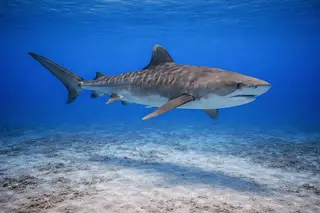
The Cathedral, located in Fiji's Beqa Lagoon, is world-renowned for its thrilling shark encounters. This dive site sits within a protected marine sanctuary, just a short boat ride from Beqa Lagoon Resort. Divers descend along safety ropes to a depth of approximately 65 feet, positioning themselves behind a chest-high stone wall on a rubble-strewn seafloor. From this secure vantage point, observers witness a carefully orchestrated shark feeding event. The site is characterized by excellent visibility, often exceeding 80 feet, allowing for clear views of the abundant marine life and the dramatic shark action. The dive experience at The Cathedral is unique, designed to bring divers face-to-face with numerous shark species in a controlled environment. Feeders place fish in a large, rounded metal box, attracting a wide variety of sharks without hand-feeding. Divers often see a procession of tawny nurse sharks (averaging 9-13 feet), followed by grey and blacktip reef sharks, then massive bull sharks (up to 9 feet long and 500 pounds). Lemon sharks, around 8 feet, also make appearances. The highlight for many is the majestic tiger shark, with several individuals (ranging from 8 to over 13 feet) frequenting the site. While currents can be present, the structured nature of the dive behind the safety wall helps manage the experience. The dive often includes a second immersion after a surface interval, following a similar pattern. This site boasts an exceptional diversity of sharks, with up to nine species frequently observed, including tiger, bull, silvertip, tawny nurse, blacktip reef, whitetip reef, grey reef, and lemon sharks. Beyond the sharks, the area is also home to colorful reefs, and divers may spot small reef fish, turtles, and Napoleon wrasse during their safety stop or ascent. The dive operates multiple times a week, attracting both seasoned and newly certified divers seeking an unforgettable interaction with these apex predators.
Dream House is a prominent seamount near Savusavu, known for its significant pelagic action. This site is a large, football-field-sized underwater structure featuring a dramatic northern edge that plunges to considerable depths. Its location and topography create strong currents, which act as a magnet for a diverse array of large marine species, making it a premier destination for advanced divers seeking thrilling encounters. The seamount's unique current patterns are responsible for both nourishing vibrant coral growth and drawing in pelagic predators. While not primarily a shallow reef walk, the site rewards careful planning with sightings of hammerhead sharks, various tuna species, barracuda, and reef sharks. The dynamic environment means each dive can offer a different spectacle of marine life, from schools of fish swirling around the seamount to larger hunters patrolling the drop-offs. Water temperatures in this region generally range from 24-29°C (75-84°F) year-round, with visibility often exceeding 25 meters, especially during the drier, cooler months. While the currents are a defining feature of Dream House, they are also what make the site so rich in marine biodiversity. Divers should expect boat access and careful timing to maximize their experience at this exceptional site. Dream House is best suited for divers with experience in current, as the conditions can be very strong. The rewards are substantial, offering a glimpse into the raw, powerful marine ecosystems that thrive in Fiji's nutrient-rich waters. It stands out as a site for those who appreciate adrenaline-fueled dives and interactions with significant pelagic life.
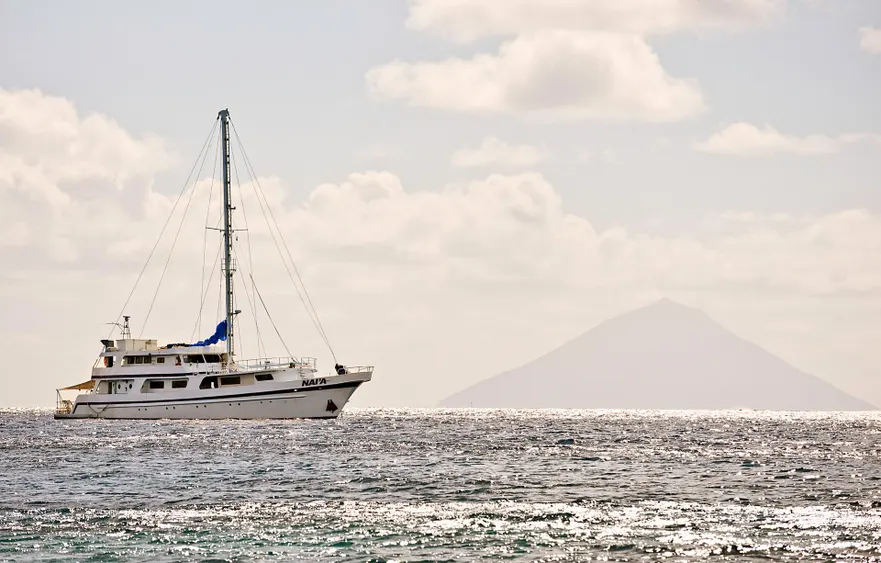
Mount Mutiny is a spectacular volcanic seamount located in Fiji's Bligh Water, an area famous for its nutrient-rich currents and vibrant marine ecosystems. This pinnacle rises dramatically from depths exceeding 1000 meters to an astonishing six meters below the surface, making it a truly unique dive site. Its upper reaches are celebrated for what many divers consider the most breathtaking soft coral gardens in the South Pacific. The seamount's flanks are blanketed in an incredible variety of Dendronephthya soft corals, showcasing every color imaginable from crimson and orange to lemon yellow, magenta, and pure white. These delicate colonies grow with such density on current-facing surfaces that the underlying rock is completely obscured. Large sea fans, whip corals, and sponges intersperse among the soft corals, adding intricate structural complexity. Between 6 and 15 meters, the seamount's summit offers a contrasting view where hard corals thrive, providing shelter for various reef fish. Surrounding the seamount, pelagic action is consistent, with large schools of chevron barracuda, rainbow runners, and bigeye trevally. Aggressive giant trevally patrol these schools, while grey reef sharks are often seen cruising the deeper flanks below 25 meters. Access to Mount Mutiny is almost exclusively via liveaboard vessels, typically departing from Viti Levu ports like Lautoka or Rakiraki. The remote open-water location means day trips are impractical. Liveaboards like Nai'a and Aggressor frequently feature Mount Mutiny as a highlight, making it a premier destination for experienced divers seeking both stunning coral photography and exciting big-animal encounters.
UndeNAIA-ble is a celebrated dive site in Fiji, renowned for its spectacular displays of soft corals and an abundance of marine life. Located in Fiji's rich waters, often lauded as the "soft coral capital of the world," this site exemplifies the region's vibrant underwater ecosystem. Divers can expect to navigate through varied topography, including sloping reefs and walls adorned with an impressive array of coral species. The site's depths range from shallow coral gardens to deeper sections, providing habitat for over 390 types of coral and an incredible 1,200 species of fish. The kaleidoscope of colors is created by fan, soft, hard, and plated corals, complemented by anemones hosting various clownfish. This rich environment supports both macro life and larger pelagic species. Marine encounters at UndeNAIA-ble are diverse, from schools of fusiliers and jacks to potential sightings of Napoleon wrasse, reef sharks, and occasional manta rays. Macro enthusiasts will delight in discovering ribbon eels, seahorses, mantis shrimp, and numerous nudibranchs among the intricate reef structures. The site offers a dynamic diving experience, where the interplay of current and marine life creates ever-changing scenes. Diving here typically involves drift techniques, allowing divers to effortlessly glide along the reef and observe the dense coral formations and active marine community. The site is best enjoyed when currents are mild to moderate, ensuring excellent visibility and optimal conditions for coral polyps to feed. Proper buoyancy control is essential to fully appreciate the delicate soft corals.
Mellow Yellow is a renowned dive site in Fiji’s Bligh Water, often hailed as a prime example of the region's nickname, the "Soft Coral Capital of the World." This site features two prominent pinnacles, the larger one starting as shallow as 3 meters and the smaller at 12 meters, both descending to depths of 40 meters. These pinnacles are densely adorned with a spectacular array of soft corals in shades of yellow, gold, red, and purple, creating an otherworldly, vibrant landscape. The site is famous for its stunning coral formations and the abundant marine life they attract. Divers can expect to encounter a diverse ecosystem, from macro critters like pygmy seahorses and leaf scorpionfish nestled within the corals, to schools of anthias, fusiliers, and various reef sharks circling the structures. The presence of currents, which can range from mild to strong, plays a crucial role in enhancing the dive experience, as brisk currents bring out the full splendor and feeding activity of the soft corals and draw in larger pelagic species. While good visibility is typical, it can fluctuate with the seasons, with the dry season generally offering clearer conditions. Diving Mellow Yellow offers a dynamic experience where the topography, combined with the rich soft coral growth and diverse fish populations, ensures a memorable encounter with Fiji's underwater beauty, especially when currents are active.
The Whole Shebang is a vibrant dive site located in Fiji's Bligh Waters, renowned for its colorful marine life and dynamic underwater topography. This site is especially celebrated for its stunning Chironephthya corals, which display a dazzling array of yellow, orange, pink, and purple hues, often growing side-by-side. The topography includes extensive coral formations and is home to a rich variety of tropical fish, alongside impressive soft coral trees. It forms part of the region known for its healthy reefs and abundant marine life. Diving at The Whole Shebang offers encounters with a diverse ecosystem. While the focus is heavily on the spectacular soft corals, the site thrives with countless anthias and fusiliers that form the heartbeat of the reef. Given the dynamic waters of the Bligh region, strong currents are common, positively affecting visibility by bringing in clear, nutrient-rich water. These currents also facilitate the growth of the spectacular soft corals, making for an exhilarating drift dive experience. This site is best explored by intermediate to advanced divers comfortable with currents, typically as part of a liveaboard itinerary. Dives are generally conducted from skiffs, allowing easy access to the dive site shortly after suiting up. The currents contribute to excellent visibility, allowing divers to fully appreciate the vivid colors and diverse inhabitants of this spectacular coral garden, including potential encounters with larger pelagic species or interesting macro life, although the corals themselves are the main draw.
Maytag is a jewel within Fiji's renowned Bligh Water, famous for its exceptionally colorful soft corals and abundant marine life. This site derives its name from the sometimes vigorous currents that sweep through, requiring precise timing to experience its full splendor. When conditions are right, Maytag transforms into an electrifying spectacle, showcasing an explosion of soft corals in every hue and dense schools of fish. The dive site typically features a ridge connecting to Coral Corner, adorned with soft corals, whip corals, and populated by various pelagic species. Depths can extend to allow for exploration along the drop-off, offering encounters with larger marine life like gray reef sharks, Spanish mackerel, and massive schools of jacks and fusiliers. The topography includes corallimorpharians and coral formations that provide ample habitat for smaller creatures. Marine life at Maytag is diverse, ranging from impressive pelagics to intricate macro subjects. Divers frequently observe gray reef sharks, schooling big-eye jacks, yellowtail and lunar fusiliers, and hawksbill turtles. The site is also a haven for macro enthusiasts, with numerous nudibranchs, NAI'A pipefish, and a dense carpet of anthias and chromis in the shallower areas. The combination of strong currents, vibrant corals, and a rich ecosystem makes Maytag an unforgettable dive, best experienced with a liveaboard that can accurately time the conditions.
Coral Gardens is a renowned dive site near Beqa Island, celebrated for its rich and colorful soft coral formations that thrive in the nutrient-rich waters of Fiji. This site presents a striking contrast to the more famous shark dives of Beqa Lagoon, offering a tranquil and visually stunning experience focused on reef biodiversity and macro life. The topography typically features gentle slopes adorned with a profusion of hard and soft corals, punctuated by small bommies and crevices that provide shelter for countless marine species. Depths at Coral Gardens generally range from 5 to 30 meters, accommodating divers of various experience levels. The currents here are usually mild, contributing to excellent visibility and a relaxed diving pace, allowing ample time to appreciate the intricate details of the reef. Water temperatures consistently hover between 26°C and 29°C, making for comfortable diving year-round. While Beqa Lagoon is globally recognized for its shark encounters, Coral Gardens shines with its vibrant reef fish populations, nudibranchs, and other fascinating critters. Seasonal variations influence the density of schooling fish and the prominence of certain invertebrates, with the dry season (May to October) often bringing the clearest waters for optimal viewing and photography. Expect to see a kaleidoscope of colors from healthy corals and a bustling reef ecosystem. Diving Coral Gardens typically involves a boat entry, followed by a leisurely exploration of the coral slopes and bommies. The site's relatively shallow profile allows for extended bottom times, making it ideal for photographers and those who enjoy a more contemplative dive. The calm conditions and consistent visibility ensure a rewarding experience for all who visit.
Side Streets offers a captivating dive experience within the southern lagoon off Viti Levu, distinguished by its complex topography of coral bommies, overhangs, tunnels, and caves. This site is a visual feast, boasting an abundance of massive sea fans and delicate feather stars. Divers can expect to encounter a vibrant array of marine life, from graceful lionfish and curious batfish to impressive schools of jacks navigating the intricate passageways. The unique geological features provide a dynamic environment for exploration, making every dive an adventure into a hidden underwater world. While Fiji's waters maintain warm temperatures year-round, ranging from 25 to 29°C, currents can be significant, influencing visibility and the overall dive experience. The dry season, from May to October, typically offers the best visibility and more predictable currents, ideal for appreciating the site's detailed architecture and diverse coral growth. The wet season, November to April, brings warmer waters and potential for reduced visibility, though it can also attract plankton feeders and macro life. The dive site's intricate layout encourages careful navigation and an appreciation for its rich biodiversity. The presence of large pelagics alongside the macro life and coral formations creates a comprehensive diving experience suitable for those who enjoy exploration and discovery. Its location within a broader region known for world-class diving means it's often part of itineraries that combine various reef types and marine encounters.
Black Magic is a prominent coral stack situated in the open waters of Vatu-i-ra, Fiji, a region renowned for its vibrant marine life. This site is part of the Bligh Waters, an area named after Captain William Bligh of the HMS Bounty, and is celebrated for its abundant ecosystems. The stack itself is a vibrant hub of activity, densely covered with a spectacular array of corals that thrive in the nutrient-rich currents of the Koro Sea. The dive begins at the top of the stack, which crests at a depth of 5 meters, before plunging down to a maximum depth of 26 meters. Divers often explore a ridge behind the main stack at 22 meters, which slopes gently and acts as a natural current break, attracting a diverse range of marine species. However, the most captivating part of the dive is generally considered to be above 18 meters, where the coral growth is densest and fish activity is most concentrated. Divers are encouraged to zigzag up the stack to fully appreciate its numerous crevices and colorful inhabitants. Black Magic is teeming with life, from small anthias and fusiliers that form swirling masses around the stack to larger pelagic species. You can expect to encounter huge schools of big-eye jacks, pick-handle barracudas, and surgeonfish. The site is also known for clown triggerfish, various species of sharks, and eagle rays, making every dive a dynamic experience. The flourishing soft corals, a hallmark of Fiji's diving, provide a kaleidoscope of pink, purple, and yellow hues. Due to its open-water location, Black Magic experiences currents that can range from mild to strong. While not exclusively for advanced divers, understanding current management is beneficial. The typical dive involves descending onto the vibrant stack, exploring its different depth bands, and observing the rich marine biodiversity, often with multiple encounters with large schools of fish. Visibility is usually excellent, offering clear views of this lively underwater mountain.
Naiqoro Passage is a celebrated dive site in the Kadavu region of Fiji, offering an exciting exploration of both shallow reefs and deeper channels. This renowned passage is part of the Great Astrolabe Reef, a vast barrier reef system surrounding Kadavu, making it a prime location for energetic channel diving. Divers here can expect a dynamic experience, characterized by strong currents that sweep through the channel, bringing with them a rich display of marine biodiversity. The topography of Naiqoro Passage features dramatic walls and gently sloping reefs, adorned with stunning coral formations. The site is particularly famous for its prolific soft corals, which thrive in the nutrient-rich currents. These vibrant corals create a kaleidoscopic underwater landscape, attracting a wide array of reef fish and pelagic species. Marine life in Naiqoro Passage is abundant year-round, but specific seasons enhance certain encounters. During the drier months from May to October, visibility is at its peak, offering clearer views of the vibrant soft corals and schooling fish. The wet season, from November to April, brings warmer waters and increased plankton, which can attract larger filter feeders like manta rays. Encounters with grey reef sharks, barracuda, and various reef species are common. Diving Naiqoro Passage typically involves a drift, leveraging the strong currents to navigate the channel. This allows divers to effortlessly observe the bustling marine ecosystem. The dive offers both thrilling drift opportunities and more sheltered areas, providing a comprehensive Fijian diving experience that showcases the unique beauty of its reef systems.
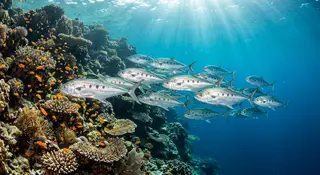
Plantation Pinnacle is a prominent dive site in Fiji's Mamanuca Islands, celebrated for its classic coral pinnacle structure. This site features three distinct deep-water pinnacles, creating a dynamic underwater landscape that caters to both novice and experienced divers. It is especially noted for its unique swim-throughs and an impressive clownfish garden adorning its shallower top. The dive site offers a diverse marine environment, with pristine, vibrant coral covering the bommie's slopes, complemented by beautiful anemone gardens. Depths range from around 6 meters at the pinnacle's summit, making it accessible for beginners, to approximately 35 meters at its base for more advanced exploration. The area is known for its clean vertical relief, providing a feeling of suspension as you explore the feature dropping away into the open blue on all sides. Marine life at Plantation Pinnacle is abundant, frequently featuring schools of barracuda and various reef sharks, including blacktips and whitetips, circling the deeper edges. Divers can also expect to encounter green sea turtles, eagle rays, and a variety of colorful reef fish. While strong currents can be a feature, particularly around the bommie, these also contribute to the site's rich biodiversity, attracting larger pelagic species. Access is exclusively by boat, typically a short ride from surrounding resorts, emphasizing its slightly offshore, exposed location.
Annie's Bommie is a celebrated dive site located on the Rainbow Reef in Fiji's Somosomo Strait, nestled between the islands of Taveuni and Vanua Levu. This region is internationally recognized as the "soft coral capital of the world" due to the nutrient-rich currents that funnel through the strait, fostering an explosion of marine life and brilliantly colored soft corals. As one of the many submerged patch reefs in the area, Annie's Bommie is characterized by its isolated volcanic pinnacle structure. These pinnacles burst with life, drawing in both schooling reef fish and pelagic visitors. The strong tidal currents deliver plankton and essential nutrients, driving a complex food chain that supports an incredibly diverse ecosystem. Diving Annie's Bommie provides an opportunity to experience the Somosomo Strait's unique conditions, which create an ideal environment for over 390 species of corals and nearly 1,500 kinds of fish. The site showcases the vibrant soft coral blooms that thrive in these waters, alongside a rich variety of smaller reef inhabitants. The experience here is a testament to Fiji's reputation for world-class diving, offering scenes as vivid and varied as those found in top dive publications.
Kansas is a distinguished dive site within Fiji's renowned Bligh Waters, celebrated for its spectacular display of soft corals. Situated in a region famous for its diverse marine topography, this site showcases a thriving ecosystem across various depth bands, from shallow coral gardens to more profound reef structures. The strong, nutrient-rich currents that sweep through Bligh Water contribute to the extraordinary health and vibrant hues of the soft corals, making them appear to bloom in a riot of orange, pink, purple, and yellow. This constant flow also attracts a rich array of marine life, including large schools of reef fish, pelagics, and numerous macro creatures. Throughout the year, Kansas offers a dynamic underwater experience. During the dry season (May to October), visibility is exceptional, enhancing the already stunning visual appeal of the coral formations. The wet season (November to April) brings warmer waters and increased plankton, which, while slightly reducing visibility, attracts filter feeders and provides a different kind of photographic opportunity, especially for macro life. Divers can expect to encounter a wide variety of species, from tiny nudibranchs to larger fish species, making every dive a unique exploration. The dive experience at Kansas is characterized by its reliance on currents, which are crucial for the soft corals to unfurl. This often translates into drift dives, allowing divers to effortlessly glide along the reef while observing the marine spectacle. The site's varied topography, including pinnacles and bommies, offers diverse habitats for its inhabitants and provides captivating backdrops for underwater photography. Given its location in Bligh Water, Kansas is typically accessed via liveaboard, allowing for multiple dives and a comprehensive exploration of this rich marine environment. This site is part of the larger Lomaiviti Group, an area of central Fiji consistently recognized for some of the nation's best and most di
Alacrity Shoal is a premier dive site in Fiji, renowned for its spectacular drift diving opportunities and rich marine biodiversity. Situated in the nutrient-rich waters between Fiji's main islands, this shoal experiences consistent currents that fuel an explosion of soft coral growth and attract a diverse array of pelagic species. Divers can expect a high-energy experience, gliding along dramatic reef walls and encountering large schools of fish drawn to the abundant food supply. The topography features vibrant coral gardens, impressive pinnacles, and dynamic reef structures that provide shelter and hunting grounds for a wide variety of marine life. While the soft corals here may not reach the same density as some other Fijian sites, their health and coloration are exceptional, thriving in the current-swept environment. The site is a magnet for reef sharks, barracuda, and trevally, offering thrilling encounters for experienced divers. Visibility is generally excellent, often exceeding 30 meters, particularly during the dry season when plankton levels are lower. However, strong currents are a defining feature, making it a site best suited for confident divers comfortable with drift techniques. Liveaboard itineraries frequently include Alacrity Shoal due to its remote location and the consistent quality of its diving. The site typically involves blue-water entries and exits, with precise boat support essential for safety and enjoyment. The ever-present current means that each dive can offer a unique experience, revealing different sections of the reef and varying marine life interactions depending on the flow.
Golden Dream, part of a larger reef system including Breath Taker, is a captivating dive site located at the point of the main reef in Fiji. It boasts an intricate series of coral heads and pinnacles, rising from a sandy base at 36 meters up to a shallow 3 meters. This site is renowned for its diverse topography, featuring stunning swim-throughs and intriguing undercuts that invite thorough exploration by divers of various experience levels. While Fiji is globally celebrated for its kaleidoscopic soft corals, Golden Dream showcases a rich tapestry of both soft and hard corals, complemented by expansive sea fans and sponges. The site's robust ecosystem supports a healthy population of reef fish and provides frequent sightings of larger pelagics, making each dive an exciting venture into Fiji's famed underwater biodiversity. Optimal diving conditions at Golden Dream allow for visits at any time of year, with currents generally ranging from light to strong, which contribute to exceptional marine life activity. Visibility typically ranges from 16 to 20 meters, offering clear views of the vibrant reef structure and its inhabitants. The water temperature is consistently warm, ideal for comfortable diving throughout the seasons. Access to Golden Dream is exclusively by boat, typically as part of a liveaboard itinerary or day trip from nearby resorts. Its varied features and abundant life make it a highly regarded site for both wide-angle and macro photography, offering subjects from delicate nudibranchs to majestic eagle rays and an array of reef sharks.
Humpback Highway, located in Fiji's Bligh Water and Koro Sea regions, is a significant seasonal migration route for humpback whales, making it a premier destination for divers seeking large marine mammal encounters. While primarily known for these majestic visitors, the area also boasts diverse topography including deep channels and seamounts that attract a variety of pelagic species. The underwater landscape is characterized by its dramatic depth changes, with seamounts rising from over 900 meters and deep channels facilitating strong currents. These conditions contribute to exceptional visibility, especially during the cooler months, and support vibrant soft coral ecosystems, though less dense than some shallower reefs. The deep-water environment creates opportunities for sightings of sharks, manta rays, and various schooling fish, alongside the migrating whales. The prime season for whale sightings aligns with the cooler, drier months from May to October, with peak activity for humpbacks specifically in September and October for calving and breeding. Even outside the whale season, the nutrient-rich currents in these channels attract a consistent presence of pelagic fish and other large marine life, ensuring dynamic dive experiences year-round. Divers here should be prepared for varying current conditions, which are often a feature of these productive waters. Access to Humpback Highway is exclusively via liveaboard, due to its remote location. The dive experience typically involves drift dives along the channels and around seamounts, allowing divers to be carried by the current while observing the rich marine biodiversity. The combination of pelagic action, impressive topography, and the seasonal spectacle of whale migration makes Humpback Highway a truly unique Fijian dive adventure.
Cabbage Patch, located in Fiji, is distinguished by an extraordinary and expansive colony of cabbage coral, a formation globally rare in its sheer scale. This site features wide, layered coral plates that stack akin to a giant underwater cabbage, creating an otherworldly, sculptured landscape. As divers glide over the formations, the intricate patterns can resemble swirling roses or vast fans, providing a continuously evolving visual experience. The dive typically commences around an average depth of 12 meters, allowing for generous bottom time to explore the vibrant garden. The site gradually slopes to a maximum depth of approximately 25 meters, accommodating both new and experienced divers. Its consistently clear waters and minimal currents make it an ideal location for refining buoyancy skills or simply immersing oneself in a tranquil, visually rich environment. Underwater photographers find the stable conditions and stunning coralscapes highly rewarding for capturing detailed compositions, unhindered by strong currents or poor visibility. This extensive living structure nurtures countless micro-habitats, inviting a closer look at the smaller reef inhabitants. The sheer magnitude of the coral formations commands attention, serving as a powerful reminder of the reef's resilience and intricate beauty, particularly within the Somosomo Strait where nutrient-rich waters foster such prolific growth. Fiji boasts only three known locations with such extensive cabbage coral patches: one near Taveuni, another in Kadavu, and this remarkable site in the Mamanucas. The Somosomo Strait's unique tidal flows, funneling nutrient-rich water, are critical to the unparalleled growth of soft corals and overall marine biodiversity in the region, including the exceptional formations found at Cabbage Patch.
Sailstone Reef, located in Fiji's Bligh Water region, offers an exceptional dive experience characterized by its stunning coral diversity and abundant marine life. This area is celebrated for some of the South Pacific's richest and most colourful reefs, a stark contrast to Lieutenant William Bligh's hurried passage in 1789. The reef is easily accessible from Rakiraki, serving as a primary dive destination for local resorts. Diving at Sailstone reveals a topography of large coral heads that ascend from depths of 25 meters to as shallow as 6 meters. These structures are adorned with a breathtaking array of gorgonians, spiky soft corals, sponges, ascidians, whip corals, and black coral trees, creating an intense spectacle of color. Channels within the reef system can introduce varying current strengths, adding an element of dynamic drift to some sections of the dive. While the Bligh Water is generally known for its strong, unpredictable currents, areas closer to shore, like Sailstone Reef, typically experience more benign surface conditions and minimal current, making them suitable for a broader range of divers. Visibility can fluctuate, sometimes affected by heavy rains, but generally offers clear viewing of the vibrant coral gardens and the myriad species inhabiting them. The dry season, from May to October, usually brings the best visibility and more predictable currents. The marine ecosystem here is thriving, featuring dense schools of basslets, damsels, and fusiliers, alongside an impressive array of macro subjects such as nudibranchs, gobies, and commensal shrimps. Unique sightings like ghost pipefish further enrich the dive experience. Sailstone Reef truly encapsulates the vibrant essence of Fijian diving, combining healthy coral ecosystems with plentiful and diverse marine inhabitants.
Dreadlocks is a captivating dive site situated near Savusavu, on Fiji's second-largest island, Vanua Levu. Jacques Cousteau famously dubbed Fiji the "Soft Coral Capital of the World," and Dreadlocks lives up to this reputation with its stunning displays. The site features intricate wall formations, caves, and overhangs, all densely covered in a spectacular array of hard and soft corals. This vibrant underwater landscape supports an abundance of reef fish and provides opportunities for encounters with larger pelagic species. Unlike some of Fiji's more exposed sites, Dreadlocks offers a varied diving experience suitable for different skill levels, balancing accessible areas with more challenging sections influenced by currents. The combination of nutrient-rich waters and diverse topography fosters an ecosystem where soft corals thrive, showcasing extraordinary size and intense coloration. Diving here allows you to immerse yourself in an underwater world bursting with life. From colorful nudibranchs and flatworms among the corals to schools of fusiliers and occasional pelagic visitors, the site offers a comprehensive glimpse into Fiji's rich marine biodiversity. The typically warm water temperatures and good visibility further enhance the diving experience, making it a memorable location for both macro enthusiasts and those seeking vibrant reefscapes.
Yellow Mellow Reef, situated within Fiji's Lomaiviti Group, is a renowned coral stack in open water, celebrated for its spectacular display of vibrant yellow soft corals. It rests on Midway Reef, near Vatu-i-ra, off Rakiraki on northern Viti Levu, making it a signature dive site in Fiji's Bligh Waters, an area often dubbed the "Soft Coral Capital of the World" by figures like Jacques Cousteau. This designation stems from the strong, nutrient-rich currents that allow these coral gardens to flourish, creating an unmatched spectrum of colors. The dive typically unfolds around a pinnacle wall, where the currents dictate the most colorful side of the reef. The top of the stack is around 5 meters, sloping down to a sandy bottom at 22 meters. Divers can expect to traverse around the vibrant wall, exploring its many cracks and crevices. While the yellow soft corals are the main attraction, the site also boasts a rich array of marine life. Resident green turtles graze on nearby seagrass, while schools of scalefin and bi-colored anthias are so dense they can obscure views of the reef. Look closer into the reef's hiding spots to discover smaller critters like mantis shrimp, colorful flatworms, and various nudibranchs. Angelfish, butterflyfish, and even large yellow frogfish are commonly spotted amidst the sponges and soft corals. Yellow Mellow Reef is generally considered an accessible dive, often integrated into liveaboard itineraries that offer multiple guided dives daily. The experience is often described as "mellow" despite the presence of currents, suggesting a relaxed yet visually stunning dive suitable for various certification levels. Visibility at this site can range from 9 to 30 meters, with average water temperatures around 80°F.
Vatu Vai, locally known as "Manta Rock," stands as a premier dive site nestled near Wakaya Island in Fiji. It gained its reputation as an active cleaning station, attracting numerous manta rays, making it a focal point for divers eager to witness these majestic creatures up close. The site is part of the extensive reef system off Wakaya's west side, an area noted for its vibrant hard and soft coral formations and pelagic encounters. Diving at Vatu Vai typically involves exploring the outer reef walls where mantas patrol. Beyond the headline attractions, the site supports a rich ecosystem of reef sharks, diverse fish schools, and intriguing macro life. The topography often features gentle slopes and walls, providing ample opportunity to observe both large pelagics and smaller invertebrates. It's a site that rewards attentive divers with a broad spectrum of marine biodiversity. While manta ray sightings are a significant draw, Vatu Vai consistently offers excellent conditions for underwater photography and general reef exploration. The health of the coral structures contributes to the site's overall appeal, ensuring a visually stimulating dive experience. Its location, remote from the main islands, contributes to a pristine environment, primarily accessed via liveaboards or exclusive resort transfers. Water temperatures remain warm year-round, ranging from 25–29°C (77–84°F), maintaining comfort for extended dives. Visibility is generally good, especially during the dry season, enhancing the clarity of the vibrant underwater landscape. Vatu Vai embodies Fiji's reputation as a world-class diving destination, blending thrilling encounters with serene reef exploration.