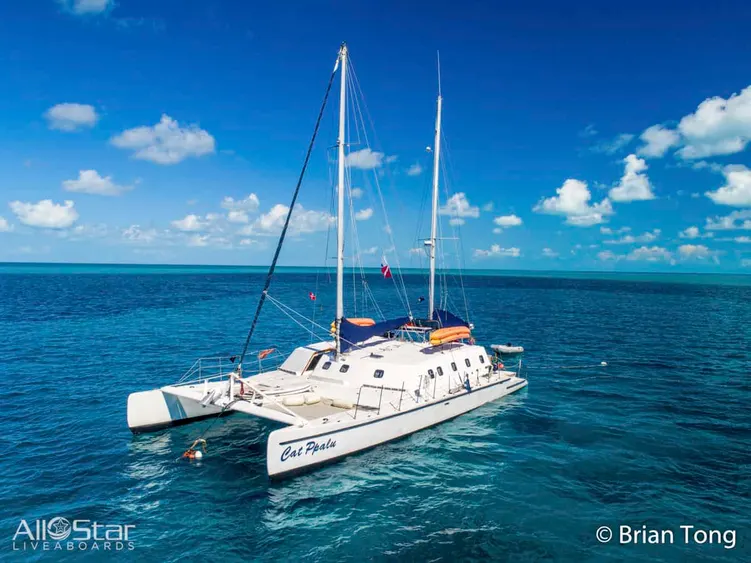
Tiger Beach sharks, blue holes and Caribbean reef encounters
The Bahamas is a 700-island archipelago strung across 800 kilometers of warm Atlantic water, just an hour's flight from Miami. It is a destination defined by sharks: nowhere else in the Caribbean offers such reliable, accessible and well-managed shark encounters, from the legendary tiger shark dives at Tiger Beach in the west to the great hammerhead aggregations off Bimini in winter, the oceanic whitetip dives at Cat Island in spring, and the long-running Caribbean reef shark feeds at Stuart Cove's. Beyond sharks, the Bahamas delivers some of the clearest water on Earth (60+ meter visibility is common on the Exuma walls), stunning blue holes, untouched coral on the Andros Barrier Reef (the world's third largest), and a topside culture of warm Bahamian hospitality and pastel colonial towns. A Bahamian liveaboard is the only practical way to combine the country's far-flung sites — Tiger Beach, Bimini, the Exumas and Cat Island — in a single trip.
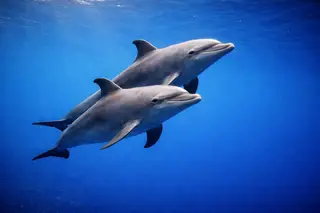
The Bahamas dives well year-round, but each season has a focus. November to May is the cooler, drier high season — water 24-26°C, calmer seas, peak visibility, and the best window for the legendary great hammerhead aggregations off Bimini (December to March, with peak in February). June to October is warmer (water 28-30°C, air sometimes humid and stormy) and the time for oceanic whitetip dives at Cat Island (typically late April to mid-June), tiger shark action year-round at Tiger Beach (the iconic interactions photograph best in calm winter conditions), and the chance of Atlantic spotted dolphin encounters on the Little Bahama Bank. Hurricane season (June to November) means trips can be cancelled or rerouted — book trip insurance and be flexible with dates. The shoulder months (April-May, October-November) often offer the best balance of weather, water clarity and animal activity.
Most Bahamian liveaboards embark at Nassau (NAS) on New Providence Island or West End on Grand Bahama (GBI), both reached by direct flights from a wide range of US East Coast cities (Miami, Fort Lauderdale, New York, Atlanta, Charlotte typically 1-3 hours), Toronto, London Gatwick and a handful of European hubs. From mainland Europe or Asia connect via the US (and clear US immigration en route). Bahamian visas are not required for most Western nationalities for stays up to 90 days — you simply present a passport and a return ticket. Some Tiger Beach itineraries embark at Old Bahama Bay (West End, Grand Bahama) reached via small charter from Florida — an 80-minute flight from Fort Lauderdale. Confirm your specific port before booking onward connections.
Nassau (Paradise Island marina or downtown harbor) is the main embarkation point for Exuma and southern itineraries. West End / Old Bahama Bay (Grand Bahama) is the standard Tiger Beach departure port, reached from Florida by short charter or by ferry from Freeport. Bimini is itself a destination, with some hammerhead-focused itineraries running short trips out of Bimini Cove, reached by small plane or fast ferry from Miami.
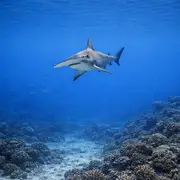
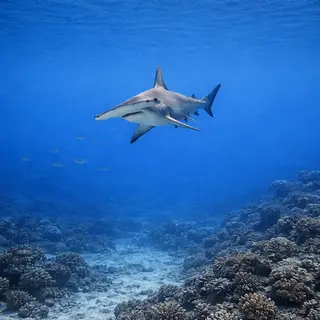
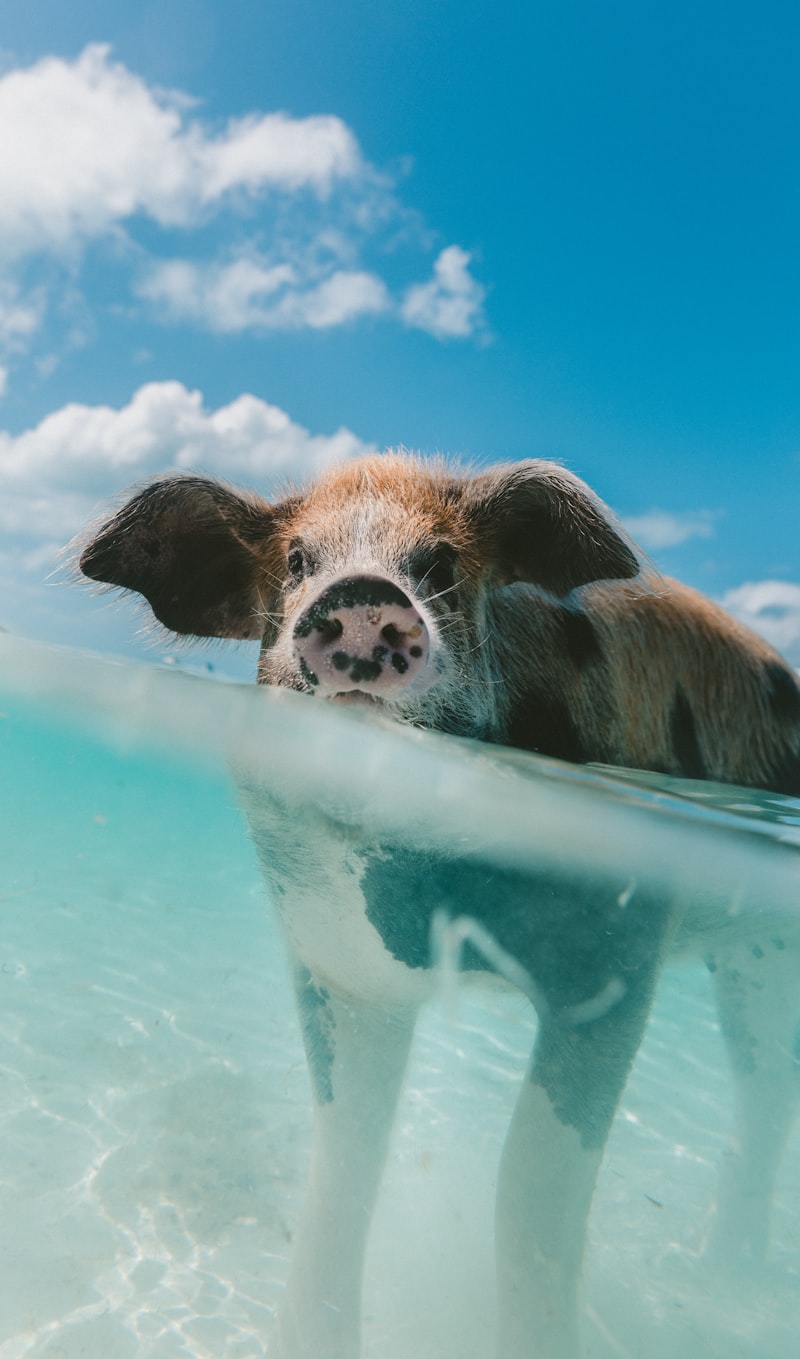
Tiger Beach (off the Little Bahama Bank, west of Grand Bahama) is the world's most reliable site for close encounters with tiger sharks in shallow, sandy, sun-lit water — a baited interaction managed by experienced operators where 3-meter tigers cruise within arm's length of kneeling divers. Bimini hosts winter great hammerhead aggregations (some of the largest individuals on the planet, 4 meters and up), Caribbean reef sharks year-round at Honeymoon Harbor, and bull sharks in season. Cat Island delivers oceanic whitetip dives in open blue water in late spring — an unforgettable encounter with one of the most charismatic open-ocean sharks. The Exumas offer crystalline walls, swim-throughs and the famous swimming pigs at Big Major Cay topside. Andros, with the world's third-longest barrier reef, has spectacular blue holes, coral gardens and untouched walls. New Providence offers reef sharks, wrecks (Vulcan Bomber, Tears of Allah from a James Bond film) and shark feeds at Stuart Cove's.
Water temperatures are warm but Atlantic crossings can feel cool — a 3 mm full wetsuit is plenty November-April, a shorty or skin suit suffices May-October. Tipping is significant in the Bahamas service economy: 15% of the trip price or $250-400 per guest per week is standard, paid in cash USD at the end of the trip. The US dollar is accepted everywhere alongside the Bahamian dollar (1:1). Bring small bills for crew tips, port fees and bar tabs (most boats charge $4-7 per beer or wine). Photography: Tiger Beach and the hammerhead dives are wide-angle paradise — bring your widest lens, dual strobes and a backup camera. For shark dives without bait or chum, bring a bright torch for negative-space ocean shots. Most boats include nitrox or charge $80-120 per week.
Bahamian shark encounters are heavily regulated and conducted by experienced shark handlers in chain mail; passive observation from a kneeling position is the standard protocol. There is no chase, no chum drift, and no contact with the animals. Hyperbaric chambers are available in Nassau and Freeport. Boats typically include all meals, soft drinks and modest amounts of beer/wine; premium drinks are charged extra. Phone signal is good around populated islands and patchy at remote sites. Wi-Fi is increasingly common (often Starlink). Hurricane-season trips are sometimes shortened, rerouted or cancelled — buy trip insurance with weather coverage. American electrical outlets and 110V are standard.
Bahamian shark dives are baited interactions — they are demonstrably safe (the operators have run them for decades without serious incident) but they are not for everyone, and a small number of divers find the experience uncomfortable. Read the briefings carefully and be honest about your comfort level. Tiger Beach is shallow (5-8 m), so depth and time are not an issue, but the dives can be long and cold — bring layers. Open-ocean dives at Cat Island for oceanic whitetips and the great hammerheads of Bimini take place in deep blue water with no reference points; novice divers can experience disorientation. Most operators require Advanced Open Water plus 30-50 logged dives, with shark briefings on day one. The Bahamas is generally safe; basic urban precautions in Nassau apply.
Compare every liveaboard, every itinerary, every cabin — book direct with the operator at the best price.