Wall diving: the best dive sites worldwide
739 dive sites29 countries9 regions93 liveaboard-only sites

Wall diving: the best dive sites worldwide

Wall diving is vertical drop-offs falling into the blue — from Bloody Bay Wall to Blue Corner. Compare the best Wall dive sites worldwide with depth, current, certification level and best season, plus the liveaboard itineraries that actually dive them.

What makes Wall diving special

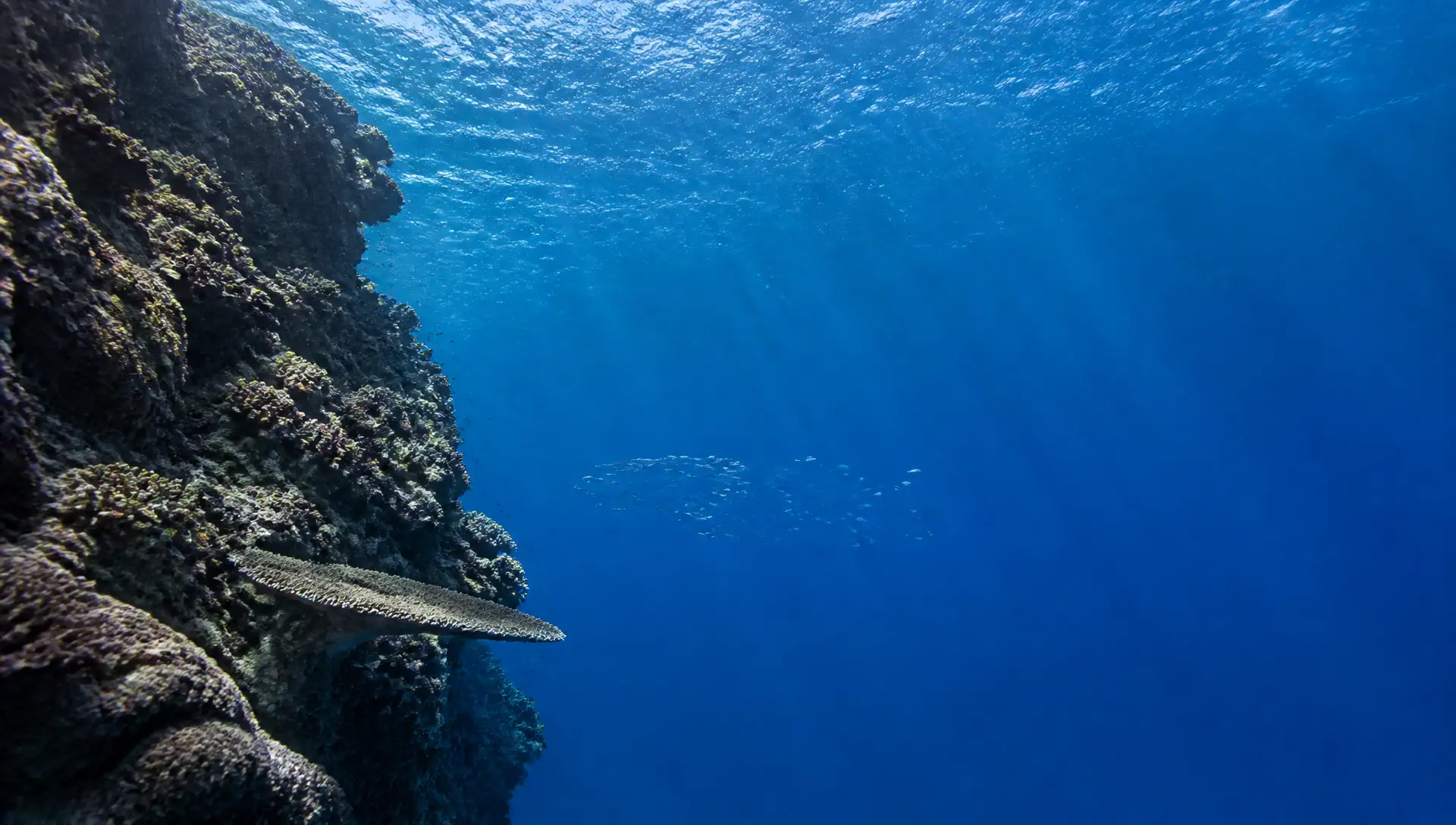
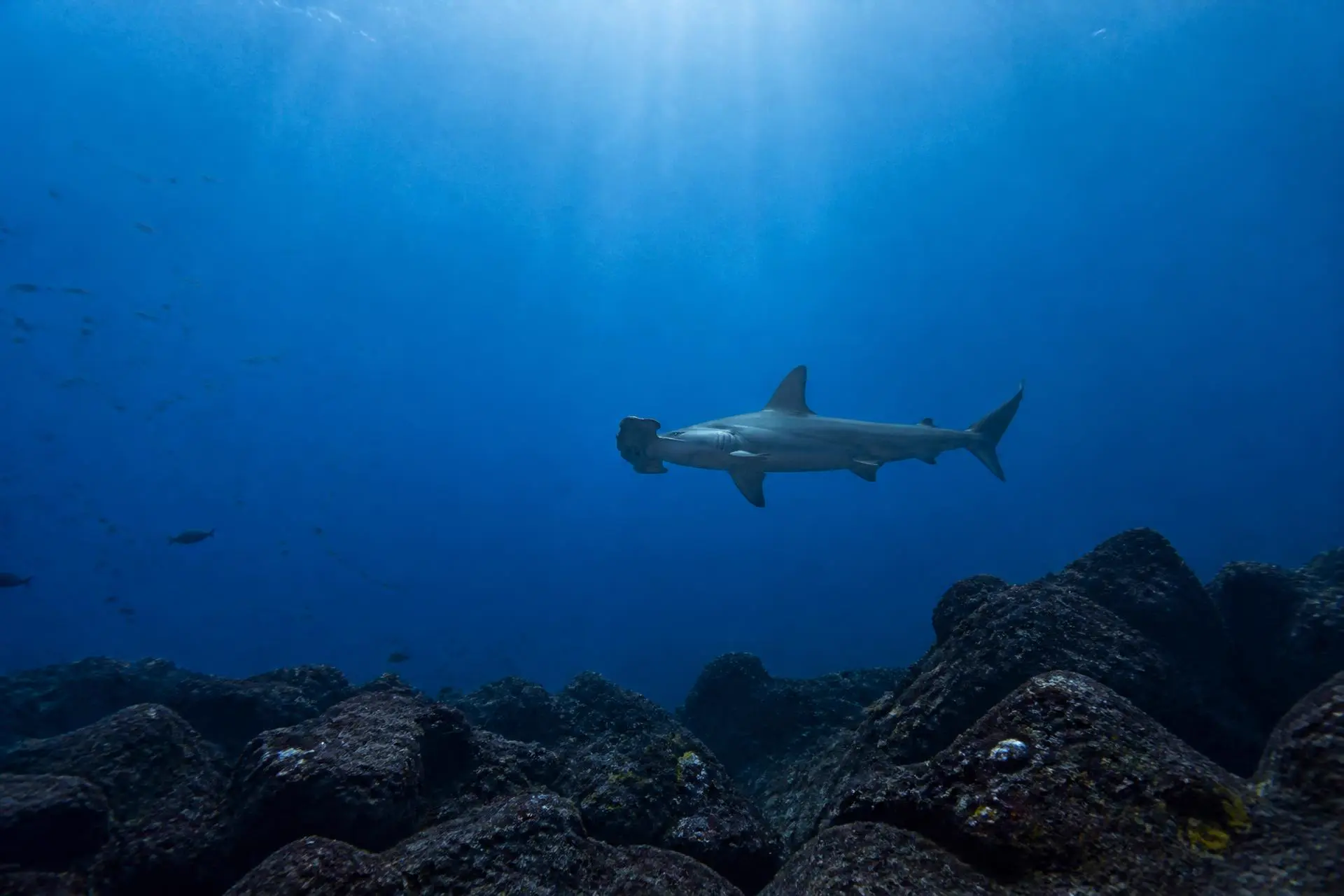
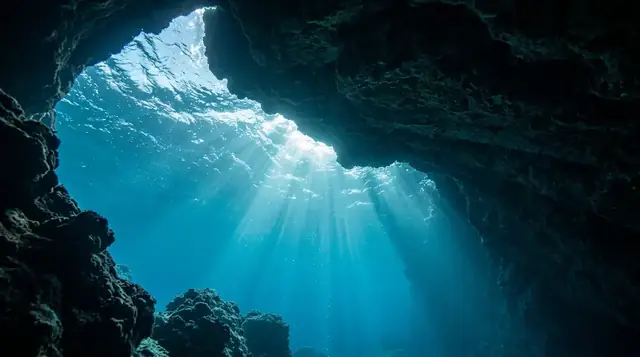
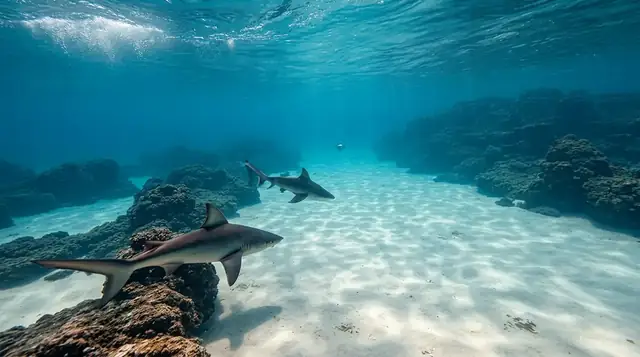
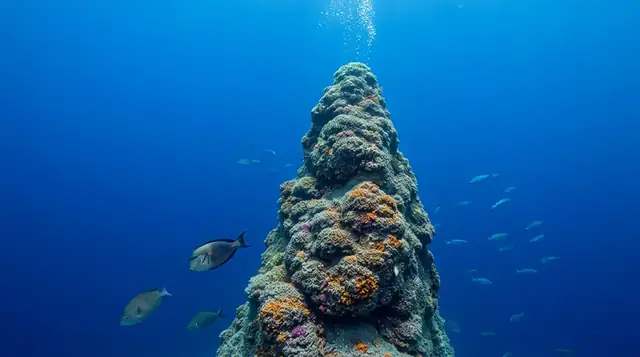
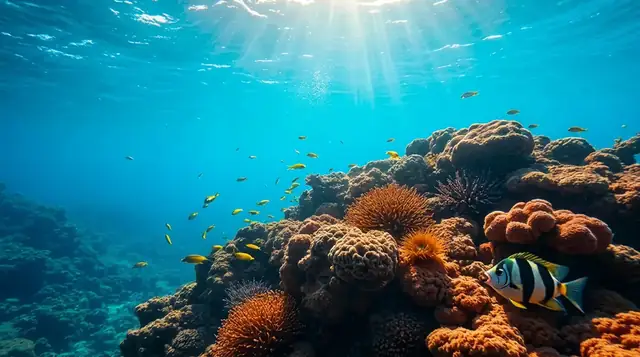
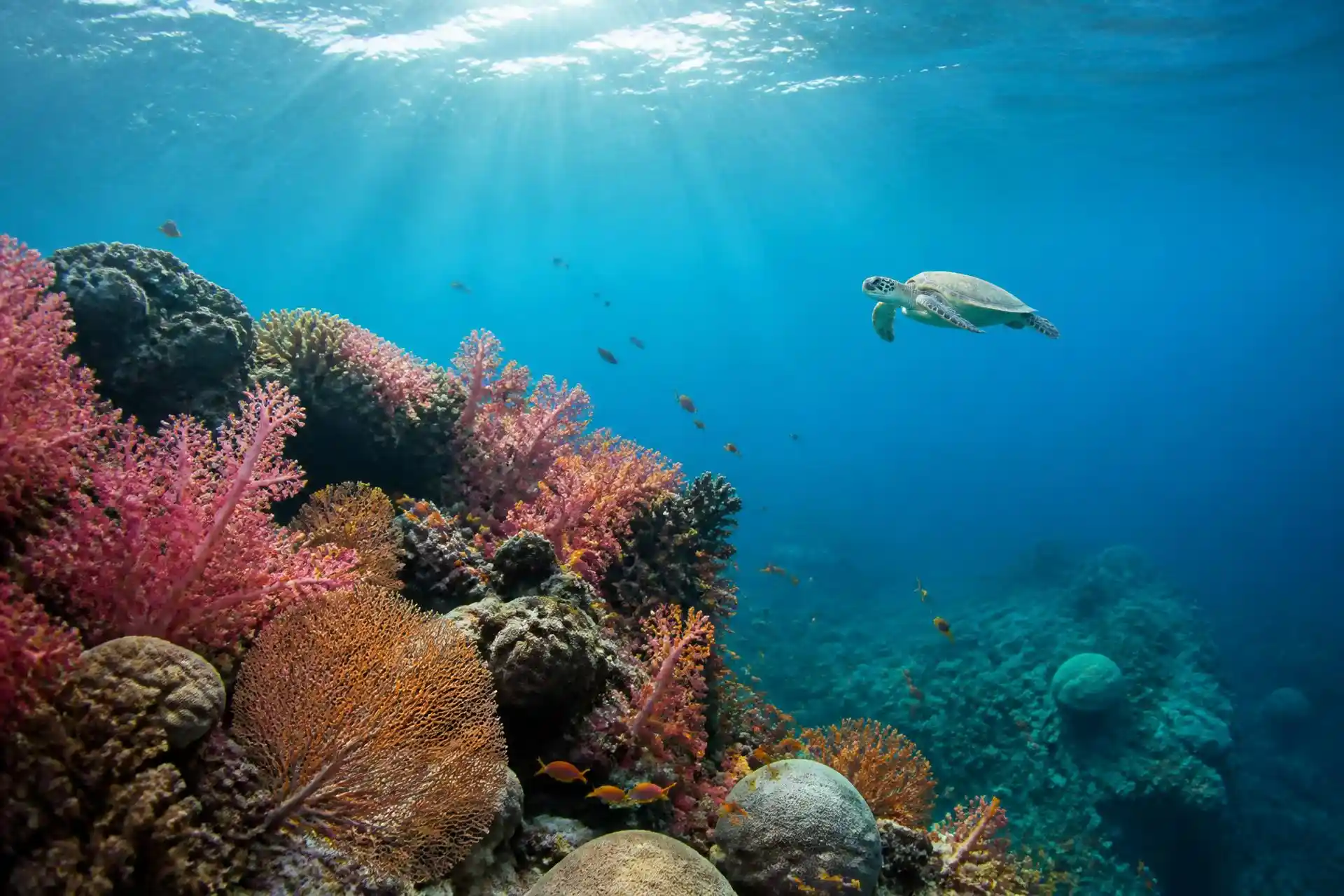
Wall diving takes place along a steep reef face that drops vertically into the blue. You simply glide along the wall at your chosen depth, with corals and sponges on one side and open water on the other.

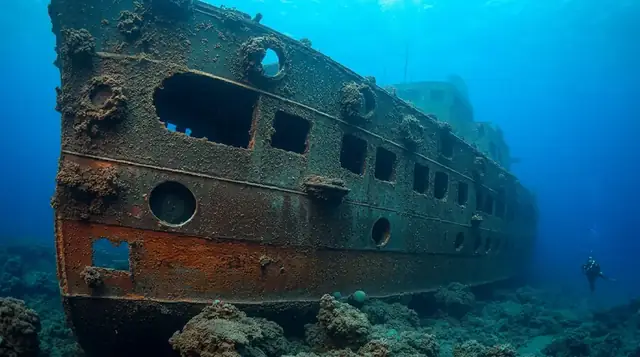
Wall diving is one of the most rewarding ways to read the ocean. Every site layers history, marine life and a unique atmosphere — from shallow, coral-encrusted shore wrecks to deep, current-swept war graves.

Some wrecks are protected museums, others are artificial reefs bursting with schools, predators and macro critters. Depth and current vary widely, so there is usually a wreck for every certification level — as long as you respect its limits.
Signature sites

Iconic walls

The absolute classics every diver has heard of — and the liveaboards that reach them.
© Esri — Maxar, Earthstar, GIS

The Great Blue Hole, a globally renowned marine sinkhole, lies approximately 70 km offshore from Ambergris Caye, situated within the Lighthouse Reef Atoll in Belize.

Suitable for
Advanced
Current
Strong
Access
Liveaboard or dayboat
Depth
10–40 m
Theme
Cave & cavern / Wall
© Esri — Maxar, Earthstar, GIS

Stuart Cove's Wall dive site, located on the southwest side of New Providence Island in the Bahamas, provides dramatic underwater topography where the Tongue-of-the-Ocean trench meets the shallow reefs.

Suitable for
Intermediate
Current
Mild
Access
Liveaboard or dayboat
Depth
12–40 m
Theme
Wall
© Esri — Maxar, Earthstar, GIS

Misool, situated in the southern reaches of Raja Ampat, Indonesia, stands as a premier liveaboard diving destination, renowned for its exceptionally intact marine ecosystems.

Suitable for
Intermediate
Current
Strong
Access
Liveaboard or dayboat
Depth
3–30 m
Theme
Cave & cavern / Reef
© Esri — Maxar, Earthstar, GIS

Bougainville Reef, situated approximately 150 km south of Osprey Reef in the Coral Sea, is a remote and pristine dive destination off Australia's northeast coast.

Suitable for
Intermediate
Current
Strong
Access
Liveaboard only
Depth
15–1000 m
Theme
Cave & cavern / Reef
© Esri — Maxar, Earthstar, GIS

Adonara Wall

Indonesia

Adonara is an Indonesian island dive site, renowned for its vibrant underwater topography characterized by submerged seamounts.

Suitable for
Intermediate
Current
Strong
Access
Liveaboard or dayboat
Depth
5–35 m
Theme
Seamount / Wall
© Esri — Maxar, Earthstar, GIS

Duba Coral Forest

Saudi Arabia

Duba Coral Forest is a spectacular dive site located along Saudi Arabia's Red Sea coastline, an area recently opened to international divers.

Suitable for
Intermediate
Current
Strong
Access
Liveaboard or dayboat
Depth
8–28 m
Theme
Reef / Wall

Editorial ranking

Top 14 walls worldwide

Our editorial top 14, based on how often each site appears in published best-of rankings, dive guides and operator reports.

From bucket-list classics to lesser-known gems, these sites cover the full range of experience levels and conditions.

Compare depth, current, access and the liveaboards that reach each site to plan your next underwater adventure.

© Esri — Maxar, Earthstar, GIS
1

Bloody Bay Wall

Cayman Islands

Bloody Bay Wall, located within the protected Bloody Bay Marine Park on Little Cayman, is celebrated globally as a premier dive destination.

Suitable for
Intermediate
Current
Strong
Access
Liveaboard or dayboat
Depth
6–2000 m
Theme
Wall
© Esri — Maxar, Earthstar, GIS
2

Grand Cayman Wall

Cayman Islands

The Grand Cayman Wall stands out as one of the world's premier wall diving destinations, encompassing numerous sites around the island.

Suitable for
Intermediate
Current
Moderate
Access
Dayboat
Depth
12–35 m
Theme
Wall / Reef

Season

Best season for Wall diving

Seasons change by region, but these windows reliably deliver the calmest seas and the best visibility for Wall diving. Compare water temperature, surface conditions and the liveaboard routes that run during each peak season.
Wall diving in the Caribbean

Caribbean

December – April

J
F
M
A
M
J
J
A
S
O
N
D
ExcellentGoodOff-season

Flat seas over the Cayman, Bahamas and Belize drop-offs, with the deep blue at its clearest.

Water 26–29 °C · visibility 30–45 m · walls plunge from 12 m to well beyond 300 m.

Wall diving in the Coral Triangle

Coral Triangle

April – November

J
F
M
A
M
J
J
A
S
O
N
D
ExcellentGoodOff-season

Bunaken, Misool and the Banda walls need the calm, clear inter-monsoon window.

Water 27–30 °C · visibility 15–35 m · sheer vertical faces with strong along-wall current.

Wall diving in the Red Sea & Arabia

Red Sea & Arabia

March – May & September – November

J
F
M
A
M
J
J
A
S
O
N
D
ExcellentGoodOff-season

Elphinstone-style offshore walls are only comfortable outside the windy winter months.

Water 22–29 °C · visibility 25–40 m · plateau tops at 20 m, wall drops past 70 m.

Wall diving in the South Pacific

South Pacific

May – October

J
F
M
A
M
J
J
A
S
O
N
D
ExcellentGoodOff-season

Palau's Big Drop-Off and the Fijian walls sit in the dry, settled season.

Water 27–30 °C · visibility 20–40 m · soft coral cover densest on the current-facing side.

Wall diving in the Mediterranean & Atlantic

Mediterranean & Atlantic

June – October

J
F
M
A
M
J
J
A
S
O
N
D
ExcellentGoodOff-season

Gozo and the Azores drop-offs need warm water and settled swell.

Water 15–27 °C · visibility 25–40 m · gorgonians from 25 m downward.

Wall diving in the Indian Ocean

Indian Ocean

January – April & September – November

J
F
M
A
M
J
J
A
S
O
N
D
ExcellentGoodOff-season

Maldivian and Andaman-side atoll walls in the flat monsoon shoulder.

Water 27–30 °C · visibility 20–30 m · southwest monsoon adds swell and plankton May–July.

Wall diving in the Eastern Pacific

Eastern Pacific

June – November

J
F
M
A
M
J
J
A
S
O
N
D
ExcellentGoodOff-season

Cocos, Malpelo and Baja drop-offs in the warm, clear season.

Water 21–29 °C · visibility 15–30 m · thermoclines below 25 m stay cold year-round.

Wall diving in the Andaman Sea

Andaman Sea

November – April

J
F
M
A
M
J
J
A
S
O
N
D
ExcellentGoodOff-season

Richelieu and the Burma Banks walls are only reliably calm outside the monsoon.

Water 27–30 °C · visibility 15–30 m · currents pick up on the full moon.

Wall diving in the polar regions

Polar

November – March (Antarctic) & June – September (Arctic)

J
F
M
A
M
J
J
A
S
O
N
D
ExcellentGoodOff-season

Vertical ice and rock walls with extraordinary clarity in the polar summer.

Water −1 to 6 °C · visibility 20–40 m · drysuit diving only.

Plan ahead

Good to know

Wall diving mixes unforgettable moments with real planning decisions — depth, current, certification and the right season all matter. Here is what experienced divers check before booking a liveaboard trip.

  1. Depth control

    With no bottom reference, depth creep is the number-one wall-diving mistake. Fix a hard maximum before you drop in and check your computer every few minutes.

  2. Certification

    Advanced Open Water is the sensible minimum; deep specialty and Nitrox make wall profiles far more comfortable.

  3. Buoyancy

    Blue-water walls remove all visual cues. Practise mid-water hovering and use your wing in small increments — a runaway ascent is the real risk.

  4. Current

    Walls channel current along the face. Enter upcurrent, drift the wall and always carry a delayed SMB for blue-water pickups.

  5. Visibility

    Often 30–45 m — among the clearest diving anywhere, which makes depth feel deceptively shallow.

  6. Marine life

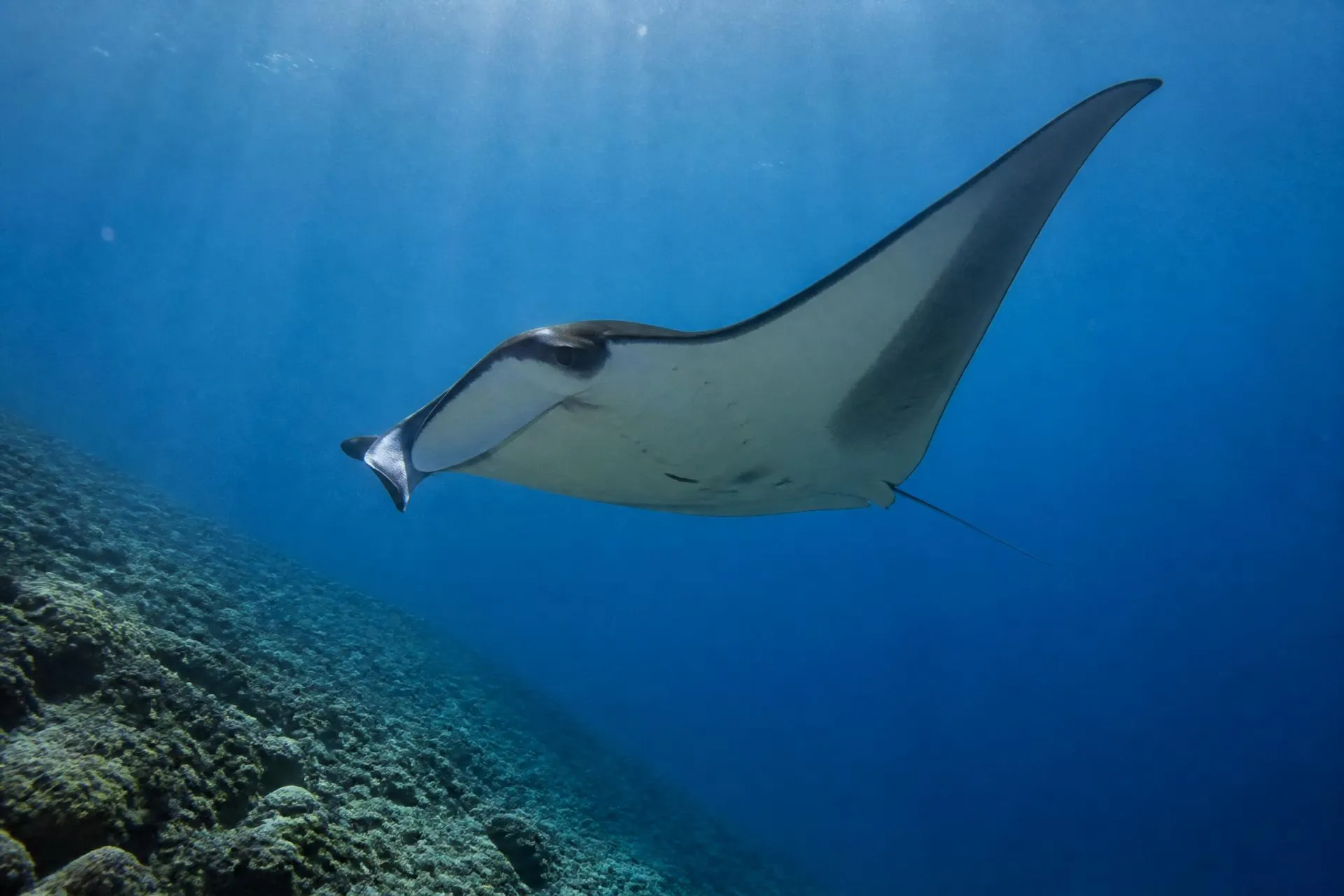
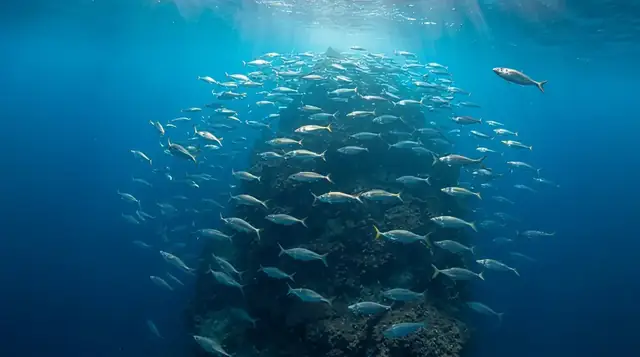
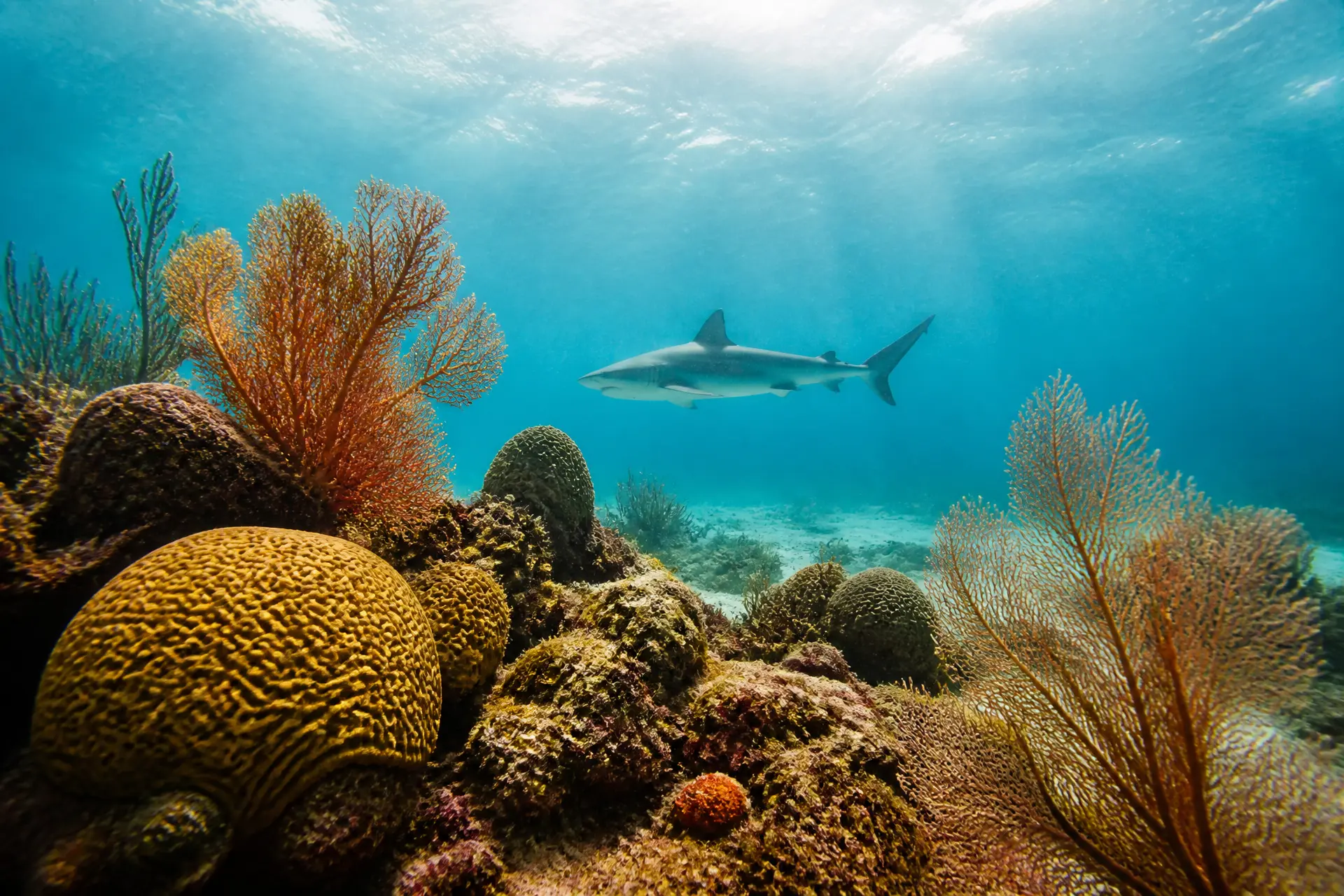
    Gorgonian fans, barrel sponges and black coral on the face; sharks, eagle rays, tuna and occasional pelagics patrolling the blue.

  7. Gas planning

    Nitrox 32 pays off on 25–35 m wall profiles. Watch your no-deco time — it disappears quickly at depth.

  8. Torch

    Overhangs, crevices and swim-throughs hide the best macro. A small torch reveals colour that depth strips away.

  9. Safety stop

    Plan a mid-water hang against the wall or on a line — many walls have no shallow shelf to stop on.

  10. Getting there

    Many icons are day-boat reachable; remote wall clusters like Misool or the Bandas realistically need a liveaboard.

By country

Find your walls by country

Pick the country you have always dreamed of and see all walls waiting for you there.

Depths, currents, best season and the liveaboards that actually dive them — all in one place.

65 dive sites

Indonesia

avg 36 m · level Advanced · current Strong

28 dive sites

Turkey

avg 32 m · level Intermediate · current Strong

21 dive sites

Turks & Caicos

avg 35 m · level Intermediate · current Mild

20 dive sites

Honduras

avg 30 m · level Intermediate · current Moderate

19 dive sites

Fiji

avg 29 m · level Intermediate · current Strong

18 dive sites

Maldives

avg 30 m · level Advanced · current Strong

17 dive sites

Australia

avg 30 m · level Advanced · current Strong

17 dive sites

Cuba

avg 35 m · level Intermediate · current Mild

16 dive sites

Egypt

avg 47 m · level Advanced · current Strong

16 dive sites

Saudi Arabia

avg 36 m · level Advanced · current Moderate

15 dive sites

Philippines

avg 38 m · level Intermediate · current Strong

15 dive sites

Mexico

avg 34 m · level Advanced · current Strong

15 dive sites

Bahamas

avg 30 m · level Intermediate · current Strong

13 dive sites

Cayman Islands

avg 28 m · level Intermediate · current Mild

13 dive sites

Papua New Guinea

avg 30 m · level Intermediate · current Moderate

12 dive sites

Thailand

avg 32 m · level Intermediate · current Strong

By region

Find your walls by region

Pick the region you have always dreamed of and see all walls waiting for you there.

Depths, currents, best season and the liveaboards that actually dive them — all in one place.

Wall diving in the Caribbean108 dive sites

Caribbean

avg 32 m · level Intermediate · current Mild

Wall diving in the Coral Triangle99 dive sites

Coral Triangle

avg 35 m · level Advanced · current Strong

Wall diving in the South Pacific51 dive sites

South Pacific

avg 28 m · level Intermediate · current Strong

Wall diving in the Red Sea & Arabia36 dive sites

Red Sea & Arabia

avg 40 m · level Advanced · current Strong

Wall diving in the Mediterranean & Atlantic35 dive sites

Mediterranean & Atlantic

avg 32 m · level Intermediate · current Strong

Wall diving in the Indian Ocean32 dive sites

Indian Ocean

avg 32 m · level Advanced · current Strong

Wall diving in the Eastern Pacific20 dive sites

Eastern Pacific

avg 33 m · level Intermediate · current Strong

Wall diving in the Andaman Sea12 dive sites

Andaman Sea

avg 32 m · level Intermediate · current Strong

Wall diving in the polar regions7 dive sites

Polar

avg 21 m · level Advanced · current Strong

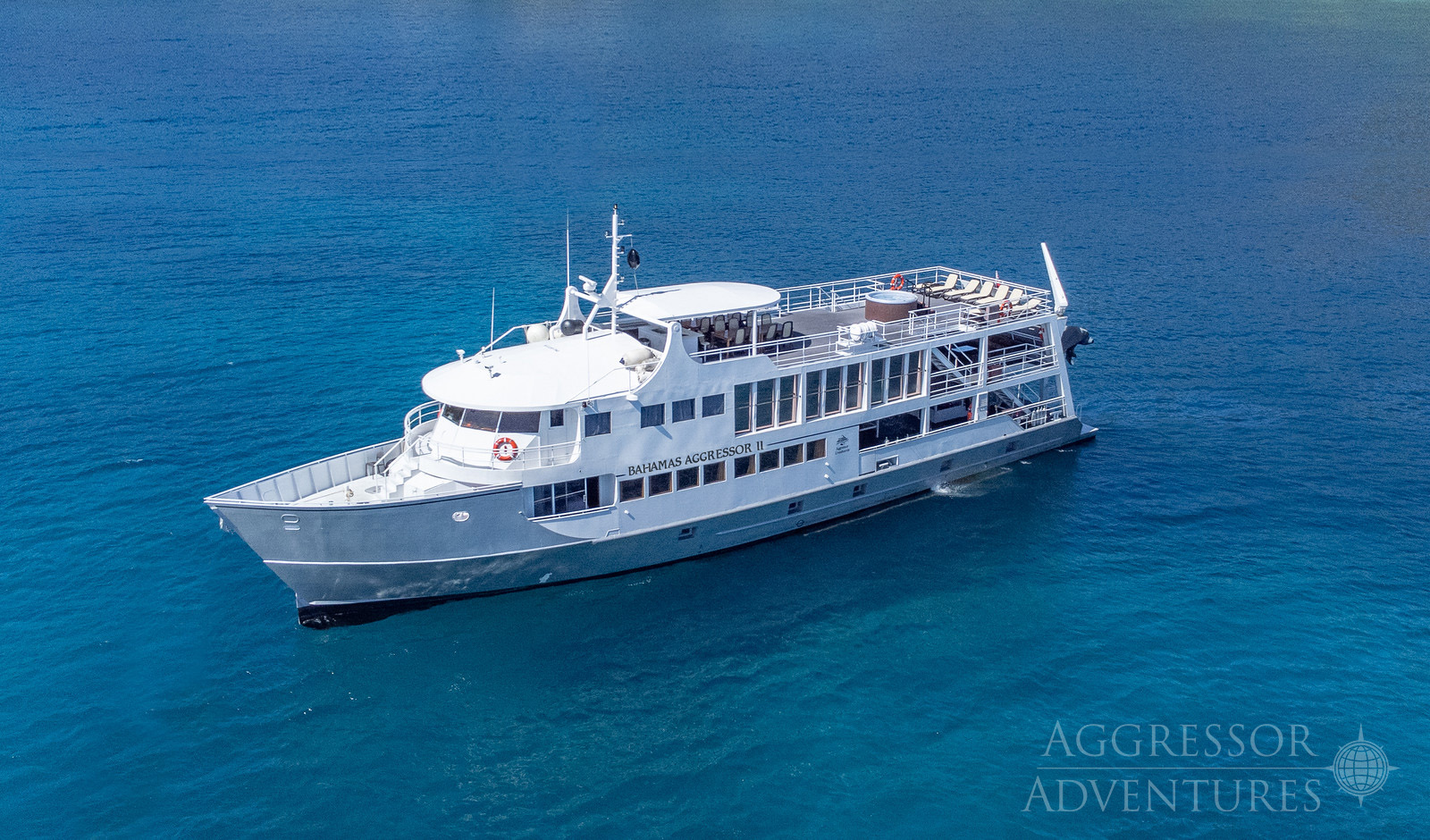
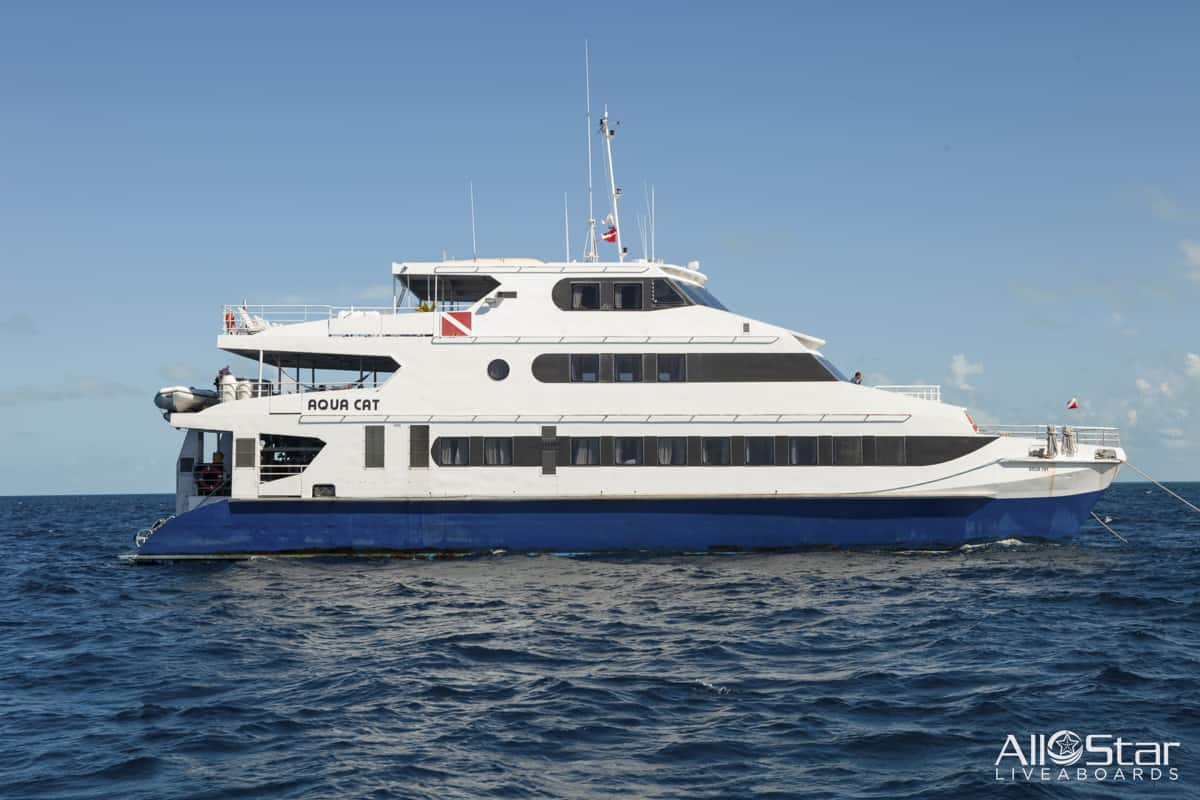
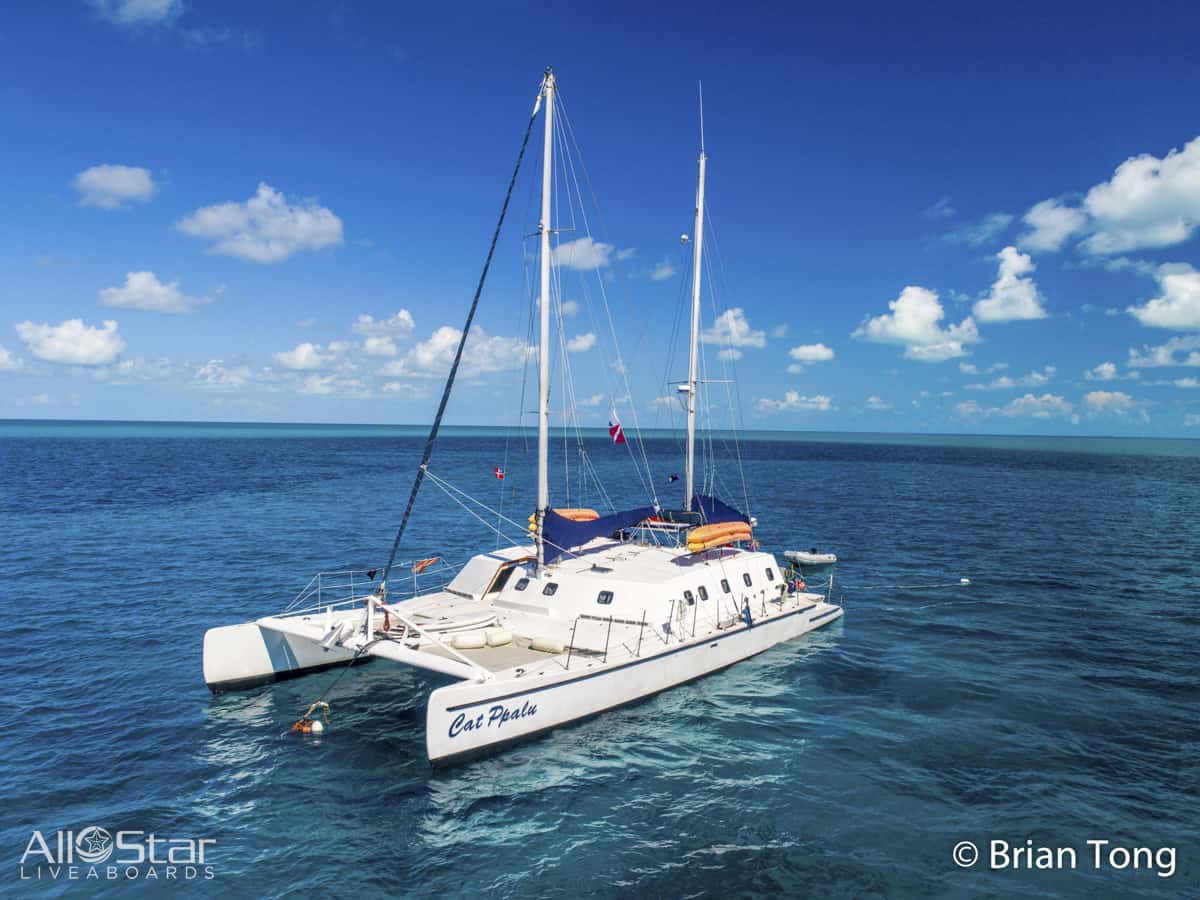
Liveaboards for Wall diving

Search boats built around Wall diving and compare departures.

FAQ

FAQ: Wall diving

What makes a good wall dive?
A vertical or overhanging reef face dropping into deep water, ideally with clear water, coral and sponge cover and pelagic traffic in the blue alongside.
How deep should I go on a wall?
Set your limit before entering — most divers get the best of a wall between 15 and 30 m. Depth creep with no bottom reference is the classic hazard.
Do I need Advanced certification?
It is strongly recommended. Wall dives combine depth, current and mid-water buoyancy, and most operators expect Advanced Open Water plus good trim.
What will I see on a wall dive?
Gorgonian sea fans, barrel sponges and black coral on the face, with sharks, eagle rays, tuna and passing pelagics out in the blue.
Are walls suitable for beginners?
Shallow-topped walls with mild current can be dived by newer divers who stay along the top edge, but strong buoyancy control is essential.
Why is a torch useful in daylight?
Water strips colour with depth. A torch brings back the reds and oranges of the sponges and reveals macro life hidden in the wall's cracks.

Find liveaboards for Wall diving

Search boats built around Wall diving and compare departures.