About Punta Sur Reef
Punta Sur sits at the exposed southern tip of Cozumel, requiring the longest boat ride from the marina, signaling its advanced nature. This site is a system of deep walls, enormous coral formations, and large passages at depth, with the signature feature being the entrance to the Devil’s Throat cave system. It offers some of the most dramatic and challenging diving in the region, ideal for experienced divers. The site is generally divided into two main areas. The northern section encompasses the main Punta Sur reef, characterized by large passages and the spectacular Cathedral cavern. Further south, at the very tip of the island, lies the famous Devil's Throat. A typical dive here often covers both sections sequentially, allowing divers to experience the full range of its unique topography. Marine life encounters are frequent, with Caribbean reef sharks observed at depth, though not routinely, and graceful eagle rays common, especially between December and March. The deep wall sections are home to vibrant black coral and enormous barrel sponges, creating rich habitats. After the deep sections, the dive typically ascends into shallower areas, where stingrays forage in the sand and nurse sharks rest, providing a contrasting experience of calm, light-filled waters. Due to strong, sometimes unpredictable currents and significant depths, Punta Sur is strictly an advanced dive. Divers require an Advanced Open Water certification and operators often mandate a prior skills-assessment dive to ensure proficiency in Cozumel's demanding conditions. This ensures divers can safely navigate the complex passages and deep sections, making it a rewarding experience for those prepared for its challenges.
Highlights
Devil's Throat cave systemCathedral cavernDeep vertical wallsStrong drift currentsEnormous coral formationsEagle ray sightingsBlack coral and barrel sponges
Season calendar
Best months to dive here
Jan
Feb
Mar
Apr
May
Jun
Jul
Aug
Sep
Oct
Nov
Dec
Good
Dive site facts: Punta Sur Reef
- Depth
- 60–135 ft (18–41 m)
- Current
- Strong, unpredictable
- Visibility
- 80–120 ft (24–37 m)
- Water temperature
- 75–85°F (24–29°C)
- Entry
- Negative entry
- Level
- Advanced Open Water; prior skills assessment required
- Dive type
- Wall, cavern, cave, drift
- Night dive
- Not specified
- Region / port
- Cozumel, Mexico
- Coordinates
- 20.285, -87.03
Conditions & Currents
Punta Sur is known for its strong and sometimes unpredictable currents, characteristic of its exposed southern location on Cozumel. These currents make it an advanced drift dive, where divers must be comfortable moving with the flow rather than fighting against it. Visibility is consistently excellent, ranging from 80 to 120 feet, which significantly aids in navigation and spacing despite the swift currents. Entry is typically a negative entry to quickly descend and join the current flow, and divers must be proficient in buoyancy control to avoid impacting the reef while moving. The presence of strong currents necessitates careful gas planning and the ability to manage rapid descents and ascents, especially when navigating through tunnels and passages. Boat traffic can be present, and divers should be aware of surface conditions when planning their safety stops and surfacing.
Marine life & sighting chances

Caribbean reef shark
occasional
Eagle ray
December–March · common
Black coral
common
Barrel sponge
common
Stingray
common
Nurse shark
occasional
Turtle
occasionalDive profile & how the dive runs
The dive typically begins with a negative entry into the main reef system, allowing a quick descent to about 100 feet. Divers then drift south with the current, navigating through large coral passages towards the spectacular Cathedral cavern, where natural light illuminates the impressive coral walls. Following this, the route leads to the Devil's Throat, with its entry point around 80-90 feet. This confined passage descends at a 45-degree angle, lined with red coral sponges, exiting onto the open wall at approximately 130-135 feet. After exploring the deeper sections, the dive gradually ascends through a series of shallower tunnels and passages, moving north over a sandy slope towards the Columbia Reef area. The safety stop is conducted in these shallower, lighter-filled waters, often accompanied by observations of stingrays and nurse sharks.
Underwater photography
Punta Sur offers exceptional opportunities for wide-angle photography, especially within the Cathedral cavern and the Devil's Throat, where the scale of the formations and the dramatic light entry can be captured effectively. A fisheye or wide-angle lens is essential for these expansive scenes. Due to the deep sections and potential for low light inside passages, powerful strobes are recommended to bring out the vibrant colors of the red coral sponges and black corals. Divers should maintain impeccable buoyancy, especially when navigating confined spaces like the Devil's Throat, to avoid stirring sediment or damaging delicate coral structures. Capturing eagle rays and sharks in the deeper blue requires quick reflexes and familiarity with your camera system to adjust for varying light conditions.
Combine with nearby dive sites
- Maracaibo Wall
Maracaibo Wall is a deep, vertical dive site located off the southwest coast of Cozumel, Mexico, renowned for its dramatic drop-offs and…
- Santa Rosa Wall
The Santa Rosa Wall is a legendary dive site located on the southwest side of Cozumel, Mexico, forming part of the Great Mayan Reef.
- Palancar Gardens
Palancar Gardens, situated off the eastern coast of Mexico near Cozumel Island, is a celebrated dive site within the Mesoamerican Barrier…
- Columbia Deep
Columbia Deep is a renowned dive site within the Cozumel Reefs National Marine Park, celebrated for its spectacular underwater topography…
- Chankanaab Reef
Chankanaab Reef, located off Cozumel's coast, is a celebrated dive site within the Mesoamerican Reef, the second-largest barrier reef…
Getting there & logistics
Cozumel is served by Cozumel International Airport (CZM). Alternatively, travelers can fly into Cancun International Airport (CUN) and take a transfer to Playa del Carmen, followed by a ferry ride to Cozumel. Punta Sur is located at the southernmost tip of Cozumel and requires the longest boat ride from the marinas, typically departing from San Miguel. Dive trips to Punta Sur are generally full-day excursions due to the travel time and the depth profile of the dive. Most operators require an Advanced Open Water certification and often a prior skills-assessment dive with their team before taking divers to this challenging site. Park fees for the Cozumel Marine Park apply.
Safety & environment
The nearest recompression chamber is located in San Miguel de Cozumel. Due to the site's advanced nature, with deep walls and strong, unpredictable currents, divers must prioritize personal safety and carry appropriate dive insurance that covers dive accidents and potential evacuation. Standard safety protocols include meticulous pre-dive checks, conservative dive planning to stay within no-decompression limits, and maintaining contact with your dive guide. Surge can be present at the surface due to the southern exposure, and sea conditions can make the site inaccessible during rough weather. Divers should be proficient in drift diving techniques and comfortable in confined overhead environments before attempting Devil's Throat. Always dive within your certification limits.
Who it suits — and who it doesn't
Suited for
- Experienced Advanced Open Water divers
- Divers comfortable with strong currents and deep diving
- Cavern and cave-certified divers
- Underwater photographers seeking dramatic topography
- Divers looking for challenging drift dives
Less suited for
- Beginner divers or Open Water certified divers
- Divers with limited experience in strong currents
- Those uncomfortable with deep profiles or confined spaces
- Divers prone to seasickness on long boat rides
- Anyone without proper dive insurance for advanced diving
FAQ
Punta Sur Reef FAQ
What makes Punta Sur an advanced dive site?
Punta Sur is considered advanced due to its significant depths, reaching up to 135 feet, and the presence of strong, often unpredictable currents. Additionally, it features complex overhead environments like the Cathedral cavern and the narrow, deep Devil's Throat tunnel, requiring proficient buoyancy control and advanced diving skills.
What is the 'Devil's Throat'?
The Devil's Throat is a renowned tunnel system within Punta Sur that begins around 80-90 feet and descends to 130-135 feet, exiting onto an open wall. It's characterized by its sloped passage lined with red coral sponges, offering a dramatic transition from a confined space to the expansive open ocean, and is considered a signature feature of Cozumel diving.
What kind of marine life can I expect to see at Punta Sur?
While exploring Punta Sur, you may encounter Caribbean reef sharks and, notably, eagle rays, particularly between December and March. The deeper sections are home to thriving black coral and enormous barrel sponges. Shallower areas offer sightings of stingrays foraging in the sand and nurse sharks resting.
Is a special certification required to dive Punta Sur?
Yes, an Advanced Open Water certification is strictly required to dive Punta Sur due to its depth and challenging conditions. Many dive operators also mandate a prior skills-assessment dive with their team to ensure divers are comfortable and competent in Cozumel's drift diving environment before venturing to this site.
What is the best time of year to dive Punta Sur?
Punta Sur can be dived year-round, but the period from December to March is often highlighted as a prime time due to slightly cooler water temperatures and increased chances of spotting eagle rays. However, the site's southern exposure means access can be limited during rough sea conditions, regardless of the season.
How long is the boat ride to Punta Sur?
Punta Sur is located at the southernmost tip of Cozumel, making it the dive site requiring the longest boat ride from the main marinas, typically from San Miguel. The travel time can vary depending on sea conditions and the type of boat, but it is generally a significant journey, making it a full-day excursion.
Why dive Punta Sur Reef from a liveaboard?
Punta Sur Reef is one of Mexico's signature dive sites. A liveaboard sleeps you on the water and puts you in the water for three to four guided dives per day, including dawn and night dives that day-boat operators rarely offer. You skip the daily commute back to port and reach quieter, less-crowded sites in the same region on a single trip.
Below are the liveaboards that include Punta Sur Reef on their Mexico itineraries.
Liveaboards diving Punta Sur Reef
These liveaboards may visit Punta Sur Reef on selected itineraries — the exact dive sites depend on departure, weather and conditions.
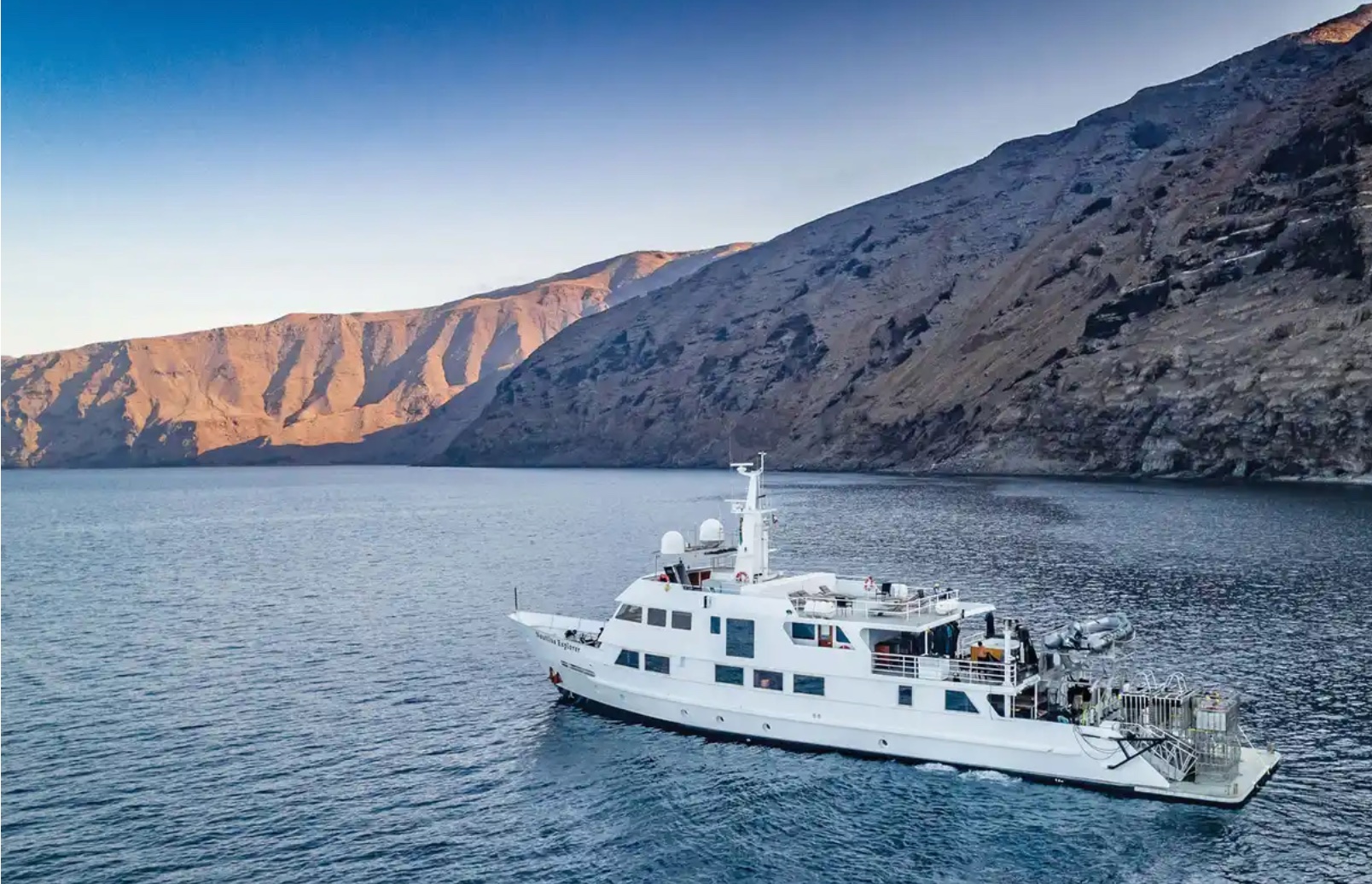
Nautilus Explorer
Mexico
25 guests44.8 m
$230/day
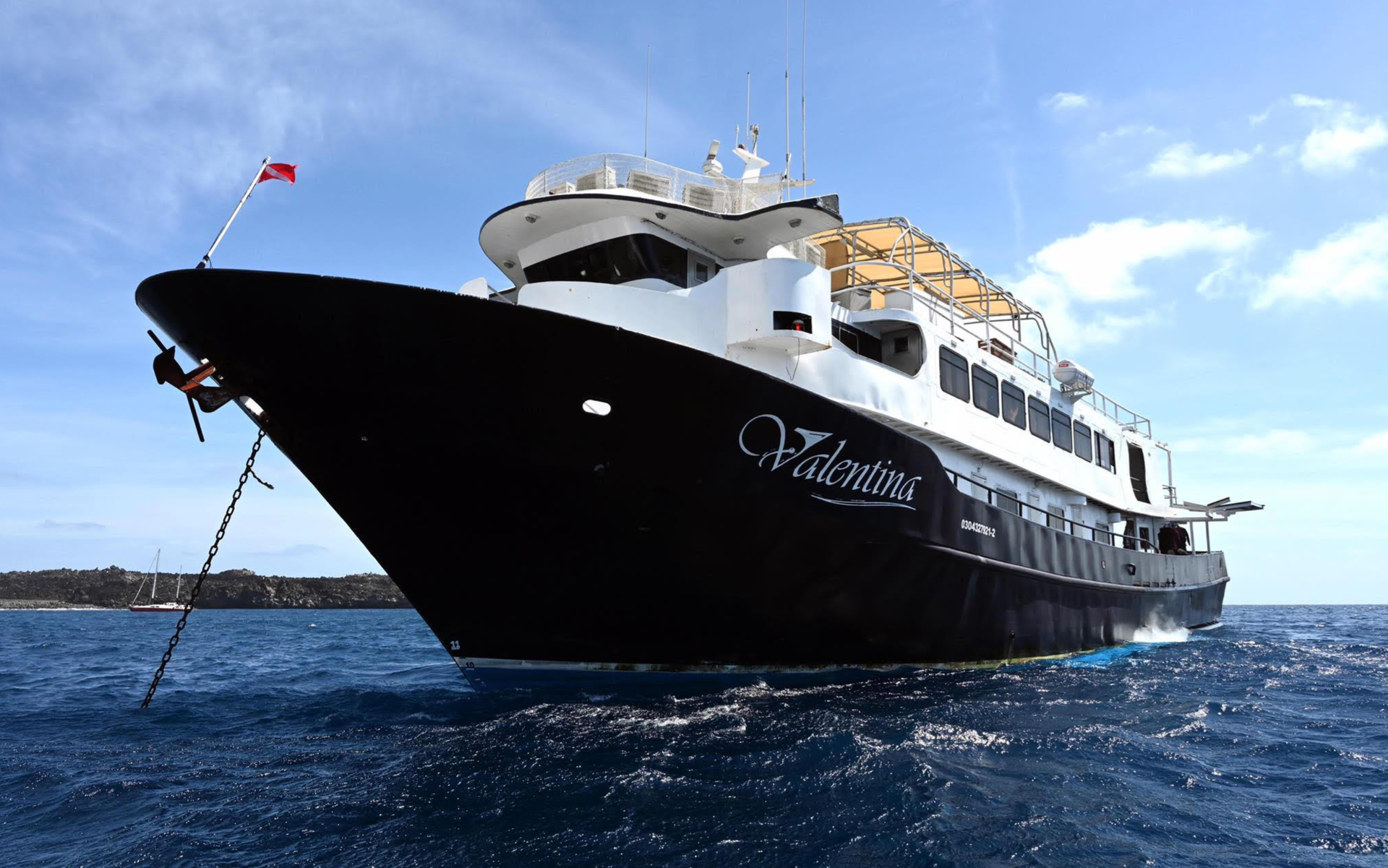
Valentina
Mexico
20 guests38.1 m
$430/day
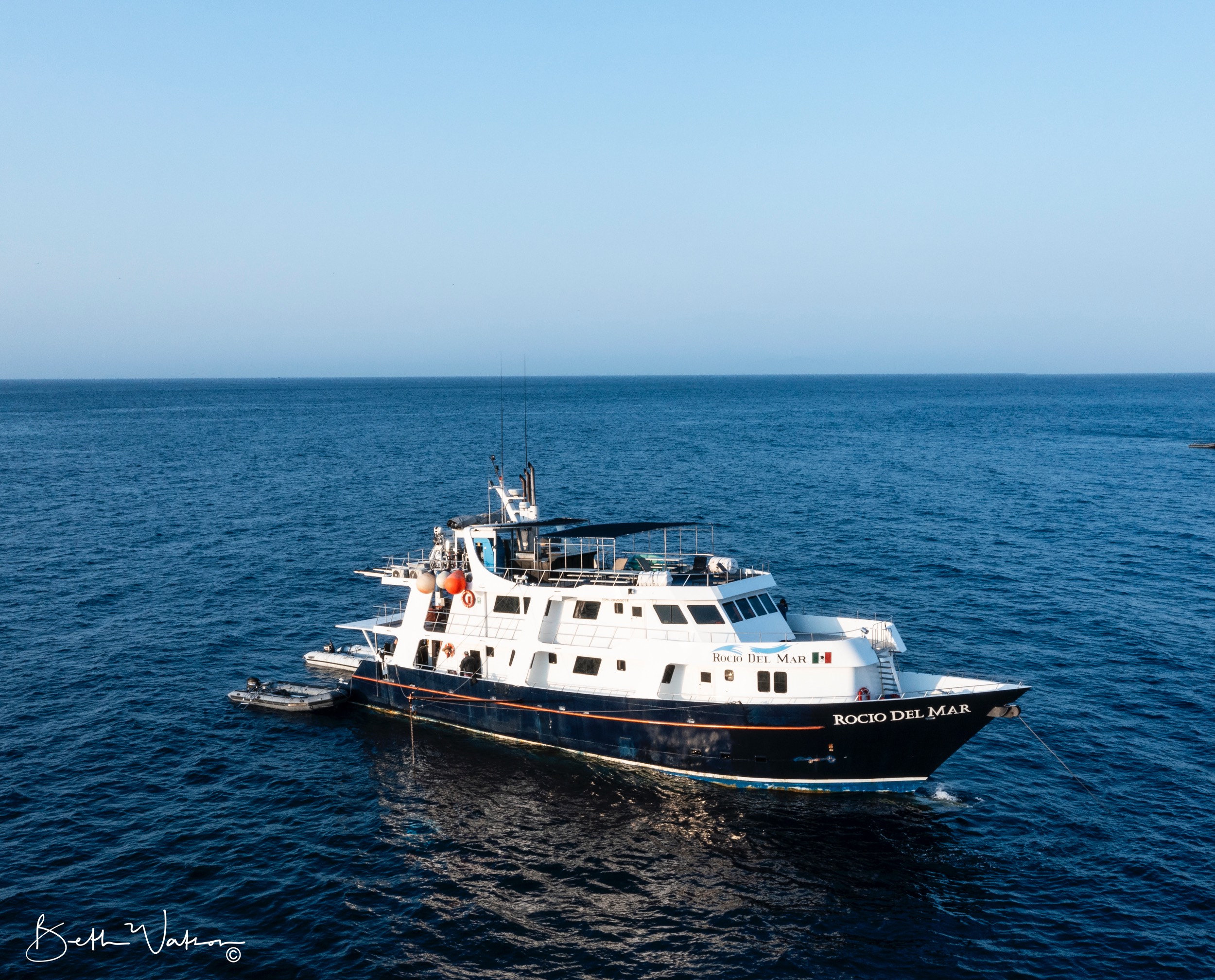
Rocio del Mar
Mexico
20 guests33.5 m
$392/day
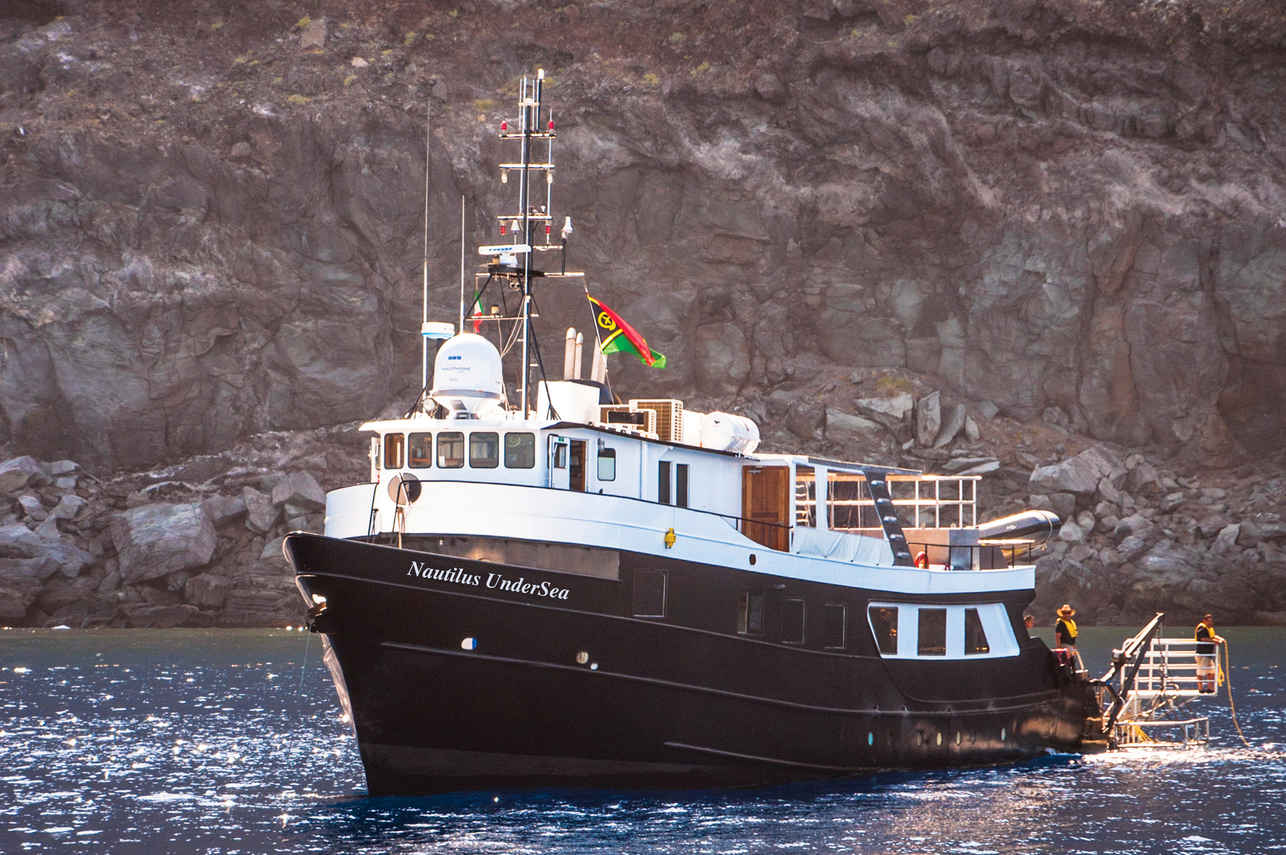
Nautilus Under Sea
Mexico
19 guests32 m
$261/day
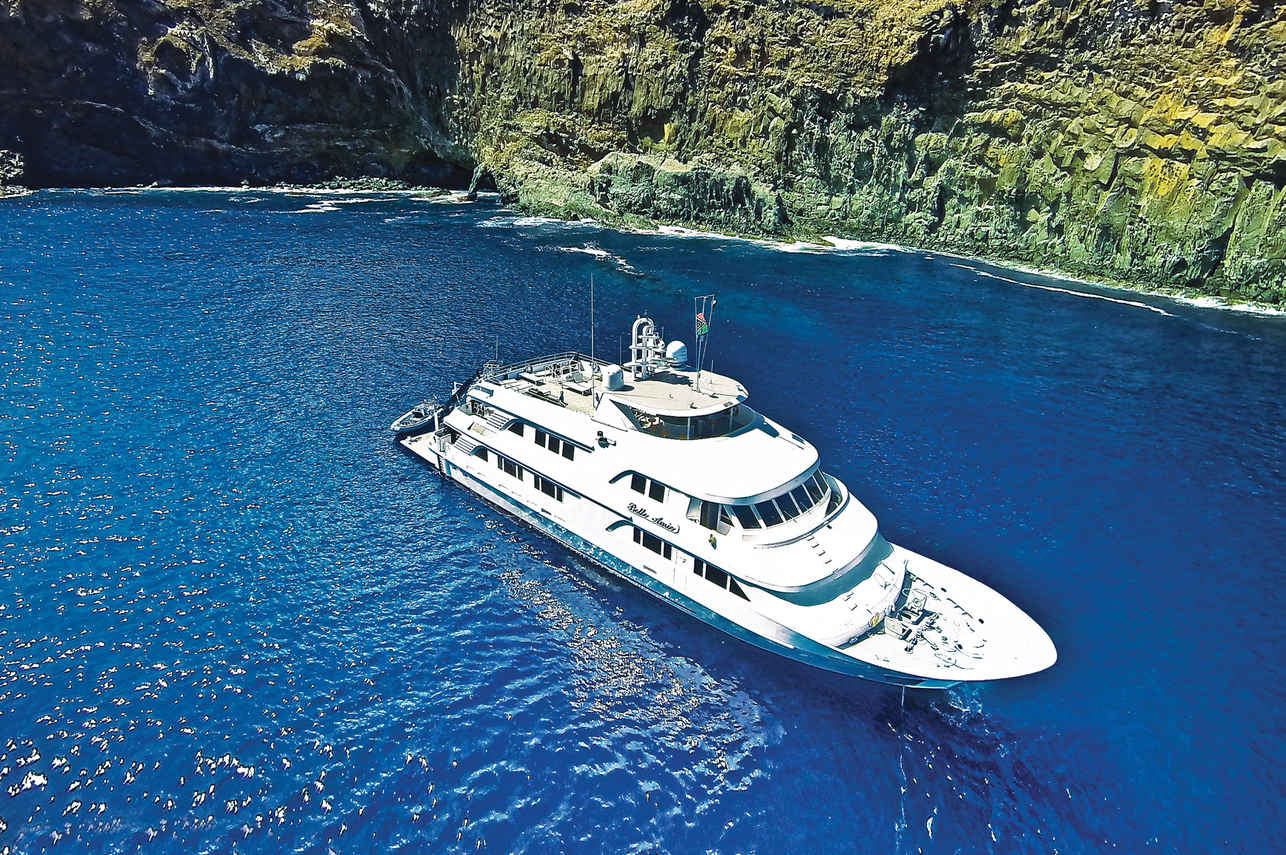
Nautilus Belle Amie
Mexico
32 guests44.8 m
$323/day
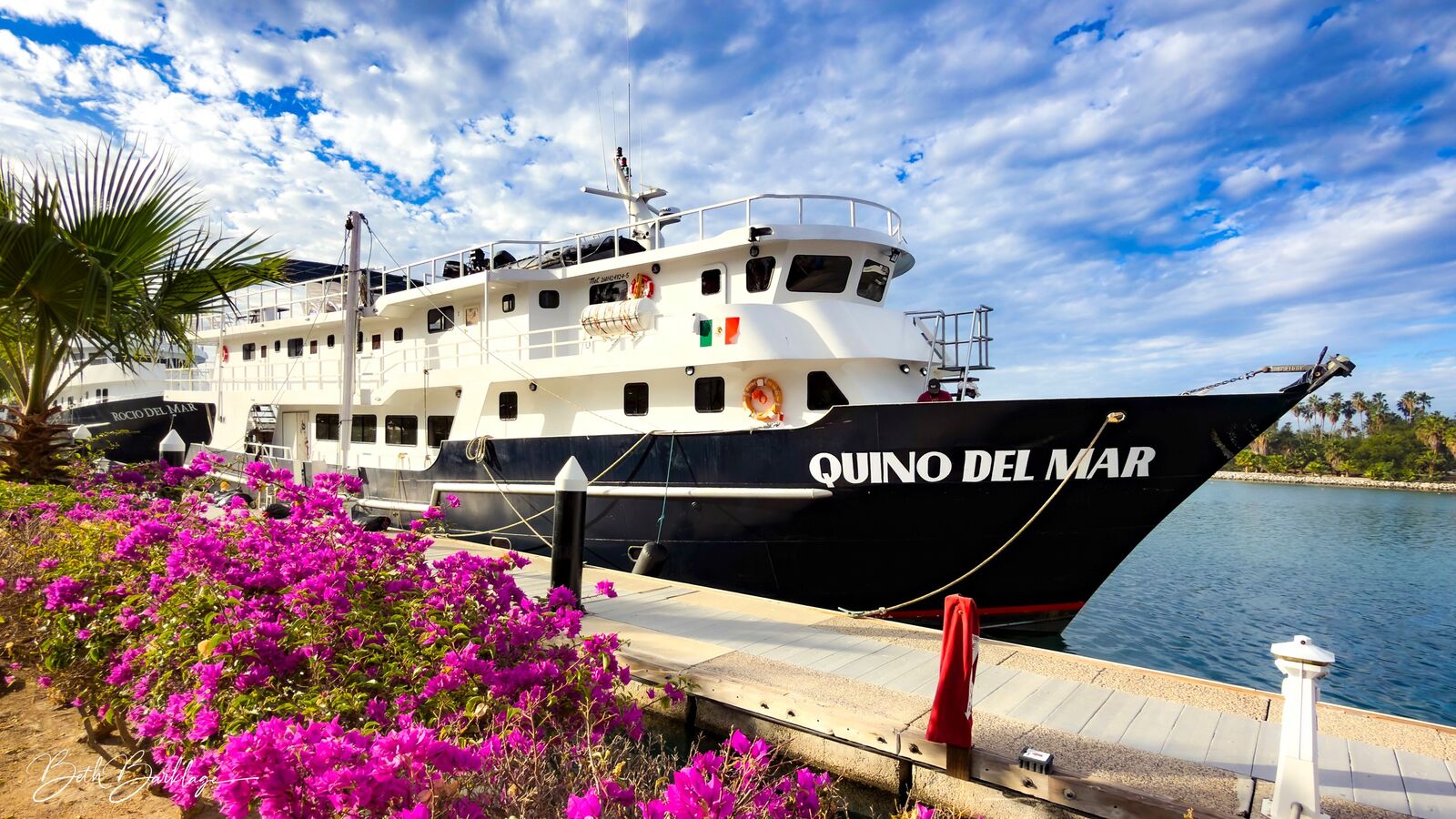
Quino del Mar
Mexico
20 guests36 m
$392/day
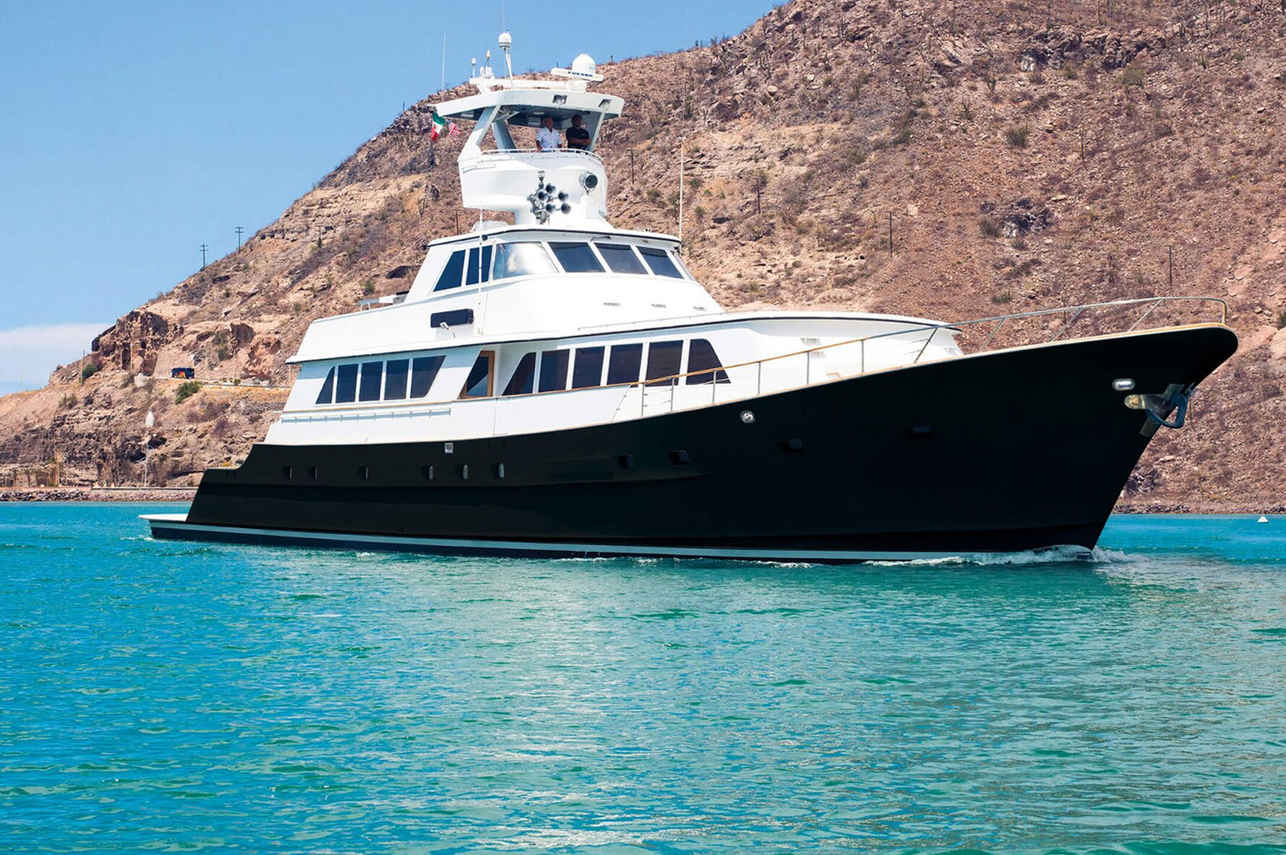
Nautilus Gallant Lady
Mexico
12 guests35.36 m
$332/day
Dive sites similar to Punta Sur Reef
Same character, same waters — six more sites divers love for the exact same reasons.Compare seasons, access and liveaboard routes — then pick the site that fits your trip best.
© Esri — Maxar, Earthstar, GIS
Pelican Rock
Mexico
Pelican Rock is a renowned dive site located within the Cabo San Lucas Marine Park in Baja California Sur, Mexico, just a few minutes by boat from the marina.
- Suitable for
- Beginner
- Current
- Mild
- Access
- Liveaboard or dayboat
- Depth
- 5–40 m
- Theme
- Wall
© Esri — Maxar, Earthstar, GIS
Isla Montserrat
Mexico
Isla Montserrat is one of the five major islands within the Bahía de Loreto National Park, offering a diverse range of diving opportunities.
- Suitable for
- Intermediate
- Current
- Mild
- Access
- Liveaboard only
- Depth
- —
- Theme
- Reef / Wall
© Esri — Maxar, Earthstar, GIS
Cenote Kukulkan, often referred to as Chikin Ha, is a captivating underwater cavern system located in the heart of the Yucatán Peninsula, approximately 25 kilometers (15 miles) from Playa del Carmen.
- Suitable for
- Intermediate
- Current
- No current
- Access
- Dayboat
- Depth
- 10–15 m
- Theme
- Cavern / Pinnacle
© Esri — Maxar, Earthstar, GIS
The Ramparts of Coronados Island, located in Mexican waters just over 17-20 miles south of San Diego, offers an exhilarating wall dive experience characterized by spectacular granite cliffs and rich marine biodiversity.
- Suitable for
- Intermediate
- Current
- Mild
- Access
- Liveaboard only
- Depth
- 5–30 m
- Theme
- Wall / Reef
El Morro is acclaimed as one of the best diving locations in the Puerto Vallarta area, situated just beyond the sheltered waters of Banderas Bay.
- Suitable for
- Advanced
- Current
- Strong
- Access
- Dayboat
- Depth
- 18–37 m
- Theme
- Reef / Wall
© Esri — Maxar, Earthstar, GIS
Cabo San Lucas
Mexico
Cabo San Lucas, situated at the southern tip of Mexico's Baja California Peninsula, offers a surprisingly rich underwater environment despite its popular tourism.
- Suitable for
- Beginner
- Current
- Mild
- Access
- Dayboat
- Depth
- 8–40 m
- Theme
- Reef / Wall