About Frigates Passage
Frigates Passage is a renowned channel located south of Beqa Lagoon in Fiji, famous for being a superhighway for large pelagic species. This site is a crucial aggregation point where nutrient-rich currents attract an abundance of marine life, making it a premier destination for divers seeking thrilling encounters with big animals. It is also recognized as one of Fiji's signature dive locations, often included on liveaboard itineraries that depart from the main island of Viti Levu. Diving at Frigates Passage typically involves exploring depths ranging from 25 to 35 meters within the channel. The topography is characterized by a vibrant reef with beautiful corals along its walls, descending into the deep blue water of the passage. The strong currents here play a vital role in sustaining the diverse ecosystem, bringing in clear water and attracting schooling fish and apex predators. Marine life sightings are a major draw, with regular encounters including grey reef sharks, silvertip sharks, and large schools of barracuda, tuna, and trevally. During the cooler months from June to September, there is an increased chance of observing schools of scalloped hammerhead sharks. Additionally, some lucky divers have reported seeing great hammerheads and even superpods of pilot whales, underscoring the site's rich biodiversity. Due to the sometimes unpredictable and strong currents, Frigates Passage is best suited for advanced divers with excellent buoyancy control and drift diving experience. Most dives are conducted as drift dives, allowing divers to glide with the current and observe the pelagic action. Liveaboards often visit this site, offering multiple dives daily and providing access to its remote location.
Highlights
Grey reef sharksSilvertip sharksScalloped hammerhead schoolsLarge barracuda schoolsTuna and trevallyVibrant coral walls
Season calendar
Best months to dive here
Jan
Feb
Mar
Apr
May
Jun
Jul
Aug
Sep
Oct
Nov
Dec
Good
Dive site facts: Frigates Passage
- Depth
- 5–30 m
- Typical dive
- 15–25 m, 45–60 min
- Current
- Strong, variable
- Visibility
- 20–40 m
- Water temperature
- 23–29°C
- Entry
- Negative entry from tender
- Level
- Advanced Open Water, current experience required
- Dive type
- Drift dive, pelagic encounters, soft coral
- Night dive
- Not typical due to currents
- Region / port
- Viti Levu, South Pacific
- Coordinates
- -18.3, 177.9667
Conditions & Currents
Frigates Passage is characterized by strong, often unpredictable currents that are integral to its rich marine ecosystem. These currents act as a marine highway, attracting large pelagic species and maintaining excellent visibility by constantly refreshing the water. Divers should expect drift diving conditions and must possess advanced diving skills, including robust buoyancy control and experience in current-swept environments. Entry methods often involve negative entries, and divers typically drift along the channel. While these currents contribute to the positive visibility, they also demand careful dive planning and make the site less suitable for beginner divers. Thermoclines are generally not a primary concern, but surge can be present depending on surface conditions. Visibility is usually very good, ranging from 15 to 40 meters, thanks to the constant water movement.
Marine life & sighting chances

Grey Reef Shark
commonWhite-tip Reef Shark
common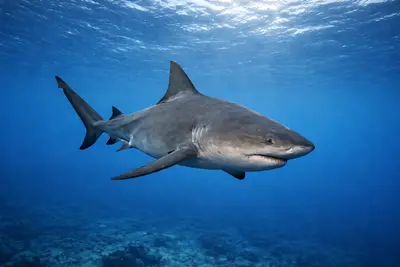
Bull Shark
occasional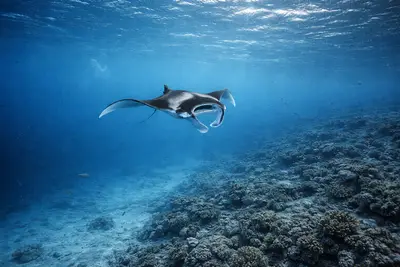
Manta Ray
May to October · occasional
Barracuda
common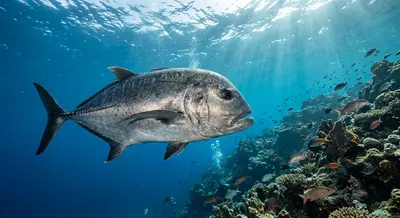
Giant Trevally
common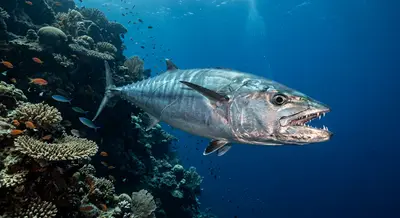
Tuna
occasional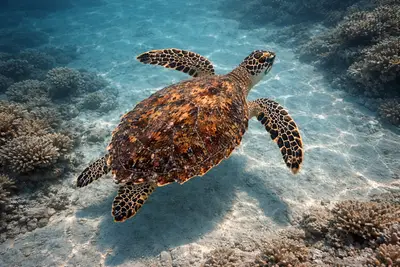
Hawksbill Turtle
October to April · occasional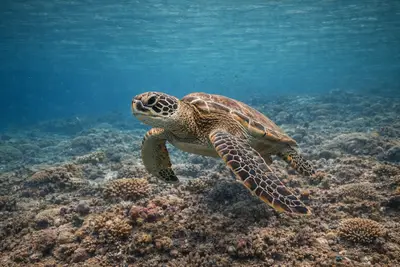
Green Turtle
October to April · occasional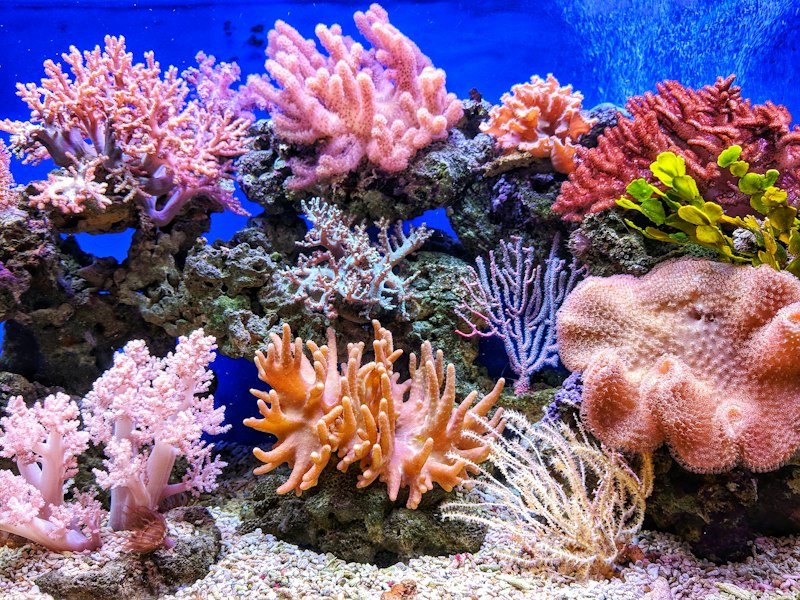
Soft Corals
common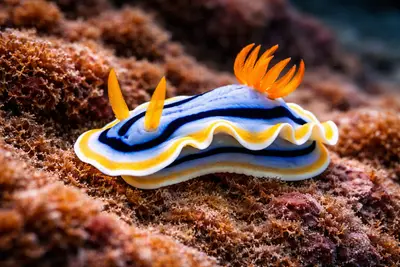
Nudibranchs
occasional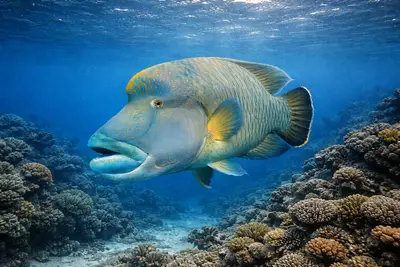
Napoleon Wrasse
occasionalDive profile & how the dive runs
A dive at Frigates Passage typically begins with a negative entry from the tender boat to quickly descend and avoid being swept away by the surface current. Divers will then drift along the reef wall or channel, maintaining a depth of 15-25 meters to observe the vibrant soft corals and pelagic activity. The current dictates the pace and direction, so staying streamlined and close to the reef is important. The dive leader will manage the route, often guiding divers to areas where the current creates unique feeding opportunities for marine life. Towards the end of the dive, divers will gradually ascend, completing a safety stop while still drifting, and then surface as a group, deploying an SMB for the boat to easily locate and pick them up. The entire dive is a dynamic, continuous drift from entry to exit.
Underwater photography
Frigates Passage is a photographer's dream, especially for wide-angle shots during the dry season's clear visibility. The vast expanses of soft corals demand a wide-angle lens to capture their full glory and the dramatic underwater landscapes. Strobes are essential to bring out the true fluorescent hues of the corals and enhance contrast, especially when shooting into the current. For capturing the numerous sharks, schooling fish, and potential manta rays, a fast shutter speed and good focus tracking are beneficial. Buoyancy control is paramount in the strong currents to avoid accidental contact with the delicate corals while maneuvering for shots. Macro opportunities exist for the keen-eyed, but the primary focus here is on the larger scenes and pelagic encounters.
Combine with nearby dive sites
- Shark Reef Marine Reserve
The Shark Reef Marine Reserve, situated in the Beqa Channel off Fiji’s main island of Viti Levu, is a premier global destination for shark…
- Beqa Lagoon
Beqa Lagoon, often pronounced 'Benga' in Fijian, is a celebrated dive destination located just south of Viti Levu, Fiji's main island.
- Coral Gardens - Beqa
Coral Gardens is a renowned dive site near Beqa Island, celebrated for its rich and colorful soft coral formations that thrive in the…
- Naiqoro Passage
Naiqoro Passage is a celebrated dive site in the Kadavu region of Fiji, offering an exciting exploration of both shallow reefs and deeper…
- Manta Channel - Kadavu
Manta Channel, situated off Kadavu Island in Fiji, is a world-class dive destination primarily celebrated for its frequent sightings of…
Getting there & logistics
Access to Frigates Passage is primarily through liveaboard trips that ply Fiji's remote waters, or day trips from resorts on Viti Levu, particularly around Pacific Harbour. International flights typically arrive at Nadi International Airport (NAN) on Viti Levu. From Nadi, transfers to departure ports for liveaboards or specific resort areas are arranged. Liveaboard itineraries typically range from 7 to 10 days, offering the best opportunity to experience this and other remote sites like Namena and Wakaya. Day trips from local resorts are also available, often combining Frigates Passage with other dive sites in the region. Marine park fees and permits are generally handled by the dive operators or liveaboard companies.
Safety & environment
Diving at Frigates Passage requires strict adherence to safety protocols due to the strong currents. Divers must have excellent buoyancy control and comfort with drift diving techniques. Always stay close to your dive guide and buddy, and be prepared to deploy your surface marker buoy (SMB) promptly upon ascent. The nearest recompression chamber is located in Suva, on Viti Levu, which is a significant distance and involves complex evacuation logistics. Therefore, comprehensive dive insurance covering emergency medical treatment and evacuation is absolutely mandatory. Listen carefully to all dive briefings, follow instructions, and maintain strong situational awareness throughout the dive to ensure a safe and enjoyable experience.
Who it suits — and who it doesn't
Suited for
- Experienced drift divers
- Advanced Open Water divers
- Underwater photographers seeking pelagic action
- Divers comfortable with strong currents
- Those seeking high-adrenaline dive experiences
Less suited for
- Novice divers or Open Water certified
- Divers uncomfortable with strong currents
- Those prone to seasickness
- Divers with poor buoyancy control
- Individuals seeking calm, sedentary dives
FAQ
Frigates Passage FAQ
What kind of currents can I expect at Frigates Passage?
Frigates Passage is known for its strong and often unpredictable currents. Divers should be prepared for exhilarating drift dives, where the current propels you along the reef. Experience with drift diving and excellent buoyancy control are essential for safely enjoying this site.
What marine life is commonly seen at Frigates Passage?
The passage is a hotspot for pelagic encounters, with frequent sightings of grey reef sharks, white-tip reef sharks, and sometimes bull sharks. You can also expect to see large schools of barracuda and trevally, and occasional manta rays, particularly during the drier months.
Is Frigates Passage suitable for beginners?
No, Frigates Passage is generally not recommended for beginner divers. The strong currents and drift diving profile require advanced skills, including excellent buoyancy control and comfort in dynamic underwater conditions. It is best suited for experienced divers with prior current diving experience.
What is the visibility like at Frigates Passage?
Visibility at Frigates Passage is typically very good, often ranging from 20 to 40 meters, especially during the dry season from May to October. This excellent clarity provides stunning views of the vibrant soft corals and abundant marine life as you drift along.
How do divers enter and exit the water at Frigates Passage?
Divers usually perform a negative entry from a tender boat to quickly descend below the surface current. The dive is a continuous drift, with the dive boat following the divers. Upon surfacing, divers deploy an SMB, and the boat picks them up downcurrent.
Why dive Frigates Passage from a liveaboard?
Frigates Passage is one of Fiji's signature dive sites. A liveaboard sleeps you on the water and puts you in the water for three to four guided dives per day, including dawn and night dives that day-boat operators rarely offer. You skip the daily commute back to port and reach quieter, less-crowded sites in the same region on a single trip.
Below are the liveaboards that include Frigates Passage on their Fiji itineraries.
Liveaboards diving Frigates Passage
These liveaboards may visit Frigates Passage on selected itineraries — the exact dive sites depend on departure, weather and conditions.
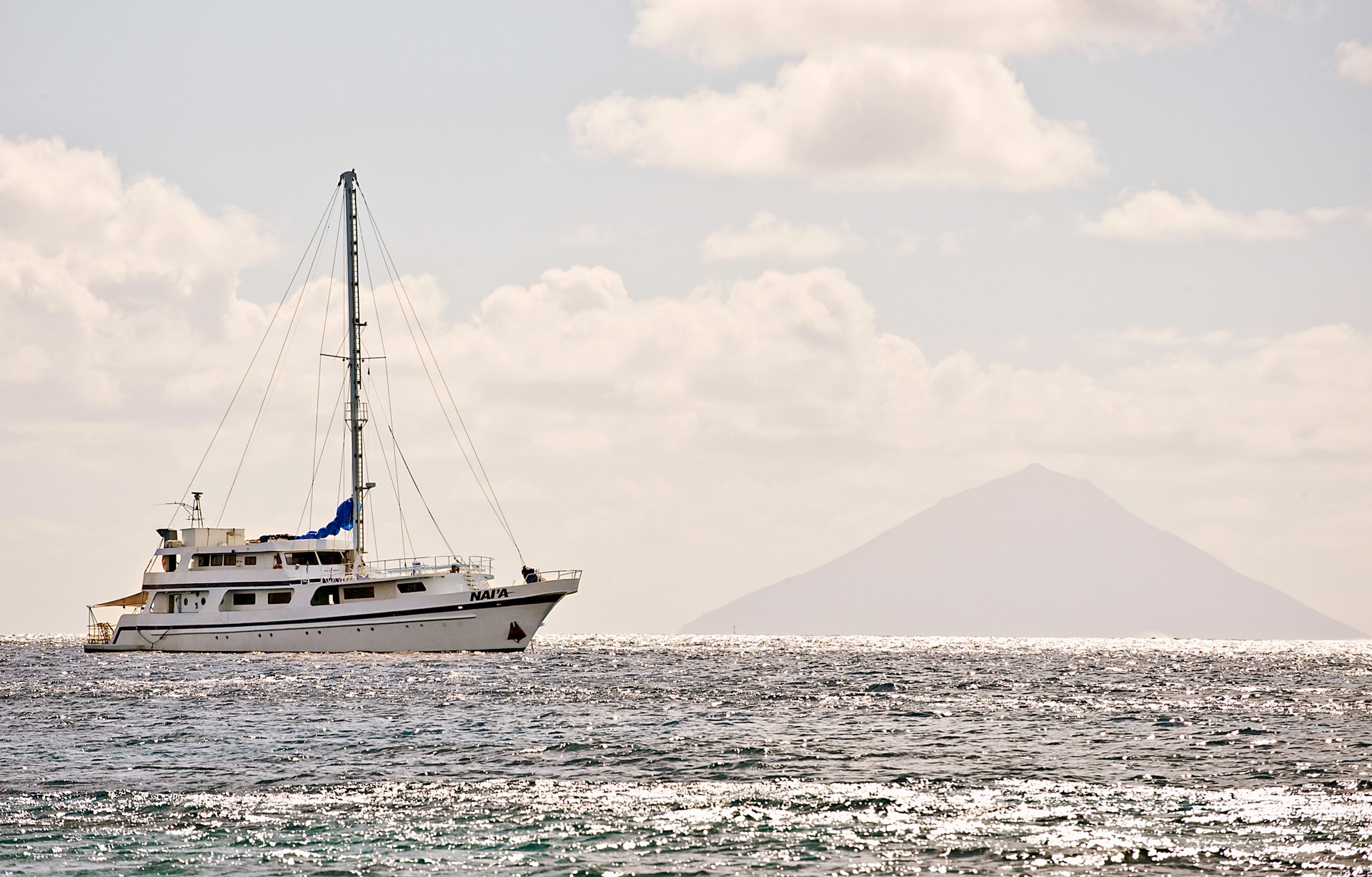
Nai'a
Fiji
16 guests36.576 m
$547/day
Dive sites similar to Frigates Passage
Same character, same waters — six more sites divers love for the exact same reasons.Compare seasons, access and liveaboard routes — then pick the site that fits your trip best.
© Esri — Maxar, Earthstar, GIS
Manta Channel, situated off Kadavu Island in Fiji, is a world-class dive destination primarily celebrated for its frequent sightings of manta rays.
- Suitable for
- Advanced
- Current
- Strong
- Access
- Liveaboard or dayboat
- Depth
- 8–20 m
- Theme
- Channel / Drift
© Esri — Maxar, Earthstar, GIS
Sam's Point
Fiji
Sam's Point is one of the celebrated patch reefs found within the Somosomo Strait, a narrow channel between Vanua Levu and Taveuni in Fiji.
- Suitable for
- Advanced
- Current
- Strong
- Access
- Dayboat
- Depth
- 8–27 m
- Theme
- Reef / Drift
© Esri — Maxar, Earthstar, GIS
Rainbow's End
Fiji
Rainbow's End is a top dive site located in the Somosomo Strait, a channel separating Taveuni and Vanua Levu islands, known as the 'Soft Coral Capital of the World'.
- Suitable for
- Intermediate
- Current
- Moderate
- Access
- Liveaboard or dayboat
- Depth
- 10–30 m
- Theme
- Reef / Drift
© Esri — Maxar, Earthstar, GIS
Wilkes Passage
Fiji
Wilkes Passage is a dive site located within the Malolo Barrier Reef in Fiji's Mamanuca Group, southwest of Nadi on Viti Levu.
- Suitable for
- Intermediate
- Current
- Moderate
- Access
- Dayboat
- Depth
- 15–20 m
- Theme
- Reef / Drift
© Esri — Maxar, Earthstar, GIS
Namena Marine Reserve, nestled in Fiji's Koro Sea, is a crown jewel among the world's elite dive spots, consistently ranked as one of the best global destinations for scuba diving.
- Suitable for
- Advanced
- Current
- Moderate
- Access
- Liveaboard only
- Depth
- 5–40 m
- Theme
- Reef / Wall
© Esri — Maxar, Earthstar, GIS
Shark Fin Point
Fiji
Shark Fin Point, also known as Shark Point, is located off the northeast coast of Koro Island in Fiji.
- Suitable for
- Advanced
- Current
- Strong
- Access
- Liveaboard only
- Depth
- 5–29 m
- Theme
- Drift / Reef