About Shark Reef Marine Reserve
The Shark Reef Marine Reserve, situated in the Beqa Channel off Fiji’s main island of Viti Levu, is a premier global destination for shark encounters. Declared Fiji's first fully protected National Marine Park in 2014, the reserve evolved from a conservation project initiated in 2002. This protected area is notable for its vibrant marine ecosystem, which attracts a diverse array of shark species, benefiting from nutrients carried by strong currents and a meticulously managed feeding program. It offers a unique opportunity for divers to observe various sharks in their natural habitat, contributing to both conservation efforts and local community support through dedicated park fees. The dive site itself is characterized by a deep channel and multiple feeding stations, ranging from 30 meters up to a safety stop at 3 meters, making the experience accessible yet thrilling. Topography includes an 'Arena' at 30 meters where the primary shark feeding occurs, surrounded by a wall of dead corals that provides observation points for divers. Shallower sections feature coral slopes and vibrant reef areas, hosting an abundance of smaller marine life. While bull sharks are a year-round highlight, the reserve is also home to grey reef sharks, whitetip and blacktip reef sharks, tawny nurse sharks, and sicklefin lemon sharks. Occasional sightings of silvertip and even tiger sharks add to the excitement. The marine park's success in increasing shark populations has made it a critical site for understanding shark behavior and promoting their protection. Divers typically engage in two dives per day at Shark Reef, following strict protocols designed to ensure both diver safety and minimal environmental impact. The experience is highly organized, with fixed mooring buoys preventing anchor damage and divers remaining stationary in designated viewing areas. This structured approach allows for unparalleled close encounters while preserving the delicate balance of the marine environment.
Highlights
Eight shark species in one diveBull shark encounters year-roundDedicated shark feeding stationsVibrant coral reef ecosystemProtected National Marine ParkCommunity-supported conservation model
Season calendar
Best months to dive here
Jan
Feb
Mar
Apr
May
Jun
Jul
Aug
Sep
Oct
Nov
Dec
Excellent
Good
Dive site facts: Shark Reef Marine Reserve
- Depth
- 3–30 m
- Typical dive
- 15–30 m, 45–60 min
- Current
- Weak to moderate (1–2 knots)
- Visibility
- 10–40 m
- Water temperature
- 24–29 °C
- Entry
- Giant stride from boat, descent line
- Level
- Advanced Open Water Diver recommended, current experience helpful
- Dive type
- Shark feeding, coral reef
- Night dive
- Not permitted
- Region / port
- Beqa Channel, Viti Levu
- Coordinates
- -18.25, 177.95
Conditions & Currents
Currents at Shark Reef Marine Reserve can range from weak to moderate, typically 1-2 knots, and are influenced by the deep Beqa Channel. Divers position themselves behind a low wall of dead corals in 'The Arena' at 30 meters, using it to anchor against the flow. Although generally manageable, the current is strong enough to require divers to hold onto fixed points, especially when focusing on photography or observing the sharks. The dive profiles are structured to accommodate these conditions, with specific entry and exit procedures using fixed mooring buoys and descent lines to guide divers safely to the feeding stations. While surge is generally minimal in the deeper areas, careful buoyancy control is always essential. Visibility is usually excellent, ranging from 10-40 meters, but can be affected by plankton blooms during the warmer wet season. Divers should be prepared for varying cu
Marine life & sighting chances

Bull Shark
Year-round · common
Grey Reef Shark
Year-round · common
Whitetip Reef Shark
Year-round · common
Blacktip Reef Shark
Year-round · common
Tawny Nurse Shark
Year-round · common
Sicklefin Lemon Shark
Year-round · common
Silvertip Shark
Occasional · occasional
Tiger Shark
Occasional · occasional
Convict Surgeonfish
common
Sergeant Major Fish
common
Anemonefish
commonDive profile & how the dive runs
The Shark Reef dive typically involves two dives, each meticulously structured. The first dive begins with a descent to 30 meters (100 feet) into an area known as 'The Arena.' Here, divers position themselves behind a low wall of dead corals, often kneeling, to observe the main shark feeding event for 10-12 minutes. Bull sharks are the primary attraction, accompanied by tawny nurse, sicklefin lemon, and silvertip sharks. Following this, the group ascends to 10 meters (33 feet) for 10-15 minutes, where grey reef and whitetip reef sharks are hand-fed. The final stage is a safety stop at 3-4 meters (13 feet), surrounded by whitetip and blacktip reef sharks, offering an active and memorable conclusion. The second dive might start at 25 meters (82 feet) or 15 meters (50 feet), depending on conditions, focusing on further bull shark encounters for 18-30 minutes before ascending for a group safety stop. Divers remain in fixed positions, maintaining strict procedures for safety and observation.
Underwater photography
Shark Reef Marine Reserve offers exceptional opportunities for wide-angle photography, particularly with the impressive numbers of large shark species. Clear visibility, especially during the dry season, enhances light penetration for vibrant images. A wide-angle lens is essential to capture the scale of bull sharks and the dynamic interaction during feeding. Strobes are highly recommended to bring out the natural colors of the sharks and surrounding reef, combating the blue cast at depth. Given the structured nature of the dive, with divers remaining stationary behind a low wall, focus on anticipating shark movements and framing your shots in advance. Be mindful of ethical behavior; avoid sudden movements or attempts to interact with the sharks. Maintain excellent buoyancy to prevent disturbing the bottom or other divers, ensuring a stable platform for your shots in the often-present currents. While macro subjects exist, the primary photographic draw is undeniably the large pelagic action.
Combine with nearby dive sites
- Coral Gardens - Beqa
Coral Gardens is a renowned dive site near Beqa Island, celebrated for its rich and colorful soft coral formations that thrive in the…
- Kansas
Kansas is a distinguished dive site within Fiji's renowned Bligh Waters, celebrated for its spectacular display of soft corals.
- Yellow Mellow Reef
Yellow Mellow Reef, situated within Fiji's Lomaiviti Group, is a renowned coral stack in open water, celebrated for its spectacular display…
- Annie's Bommie
Annie's Bommie is a celebrated dive site located on the Rainbow Reef in Fiji's Somosomo Strait, nestled between the islands of Taveuni and…
- Plantation Pinnacle
Plantation Pinnacle is a prominent dive site in Fiji's Mamanuca Islands, celebrated for its classic coral pinnacle structure.
Getting there & logistics
Access to Shark Reef Marine Reserve is typically arranged through dive operators based in Pacific Harbour on Viti Levu, such as Beqa Adventure Divers or Aqua-Trek. Boats depart from Pacific Harbour, reaching the site in approximately 15-20 minutes. Dive packages usually include two dives at Shark Reef. Visitors typically fly into Nadi International Airport (NAN), then travel by road to Pacific Harbour, which takes around 2.5-3 hours. A mandatory marine park access fee of FJ$25 (approximately US$11.80) is charged per day, paid directly to the local communities who have relinquished fishing rights, supporting the reserve's conservation efforts. It's common for Shark Reef dives to be part of a broader dive itinerary in the Beqa Lagoon or combined with other Viti Levu-based diving excursions.
Safety & environment
Diving at Shark Reef Marine Reserve adheres to stringent safety protocols due to the presence of large pelagic sharks. All divers receive comprehensive briefings on site procedures, expected shark behavior, and emergency plans. Dive masters closely supervise all divers, especially those with fewer than 30 logged dives. Divers are required to wear dark, full-body wetsuits and black gloves, with bright colors or shiny gear strictly prohibited. In the unlikely event of an incident, the nearest recompression chamber is located at the Colonial War Memorial Hospital in Suva, approximately 1-1.5 hours' drive from Pacific Harbour. Divers must carry adequate dive insurance covering hyperbaric treatment and emergency evacuation. Compliance with dive operator instructions is paramount; staff are authorized to remove any diver failing to adhere to the established safety guidelines.
Who it suits — and who it doesn't
Suited for
- Experienced divers seeking big animal encounters
- Advanced Open Water Divers comfortable with currents
- Underwater photographers focusing on wide-angle subjects
- Divers interested in shark conservation
- Those seeking adrenaline-pumping dive experiences
Less suited for
- Beginner divers or those with less than 30 dives (unless under direct supervision)
- Divers uncomfortable with large sharks in close proximity
- Divers with bright or shiny dive gear
- Those prone to seasickness in potentially choppy conditions
- Divers seeking purely macro or coral-focused dives
FAQ
Shark Reef Marine Reserve FAQ
Is diving with so many sharks safe?
Yes, diving at Shark Reef Marine Reserve is considered very safe due to strict protocols developed over two decades. Divers remain in designated, fixed positions behind a coral wall, and highly experienced dive masters and feeders manage the interactions. Bright gear is prohibited, and divers are thoroughly briefed to ensure a controlled and safe environment for both humans and sharks.
How many shark species can I expect to see?
You can expect to see up to eight different species of sharks during a typical dive day. Common sightings include bull sharks, grey reef sharks, whitetip reef sharks, blacktip reef sharks, tawny nurse sharks, and sicklefin lemon sharks. Occasionally, lucky divers may also spot silvertip or even tiger sharks, adding to the thrill of the experience.
Do they really feed the sharks?
Yes, a controlled feeding program is part of the experience at Shark Reef Marine Reserve. Tuna heads are used as bait, hand-fed by experienced staff at specific feeding stations at various depths. This practice has been in place for many years and is part of the reserve's management strategy, contributing to the consistent presence of sharks and supporting conservation efforts.
Is Shark Reef a Marine Protected Area?
Yes, Shark Reef was officially declared Fiji's first fully protected National Marine Park in November 2014. The establishment of the reserve involved an agreement with local communities to cease fishing in the area. This protection is vital for the conservation of shark populations and the wider marine ecosystem, funded in part by diver access fees that support the local villages.
What kind of gear do I need for this dive?
Divers are required to wear dark, full-body wetsuits (3mm is typically sufficient given the water temperatures) and black gloves. Brightly colored wetsuits or shiny equipment are not permitted, as they can attract unwanted attention from the sharks. Your dive operator can provide suitable gear if you don't have your own.
Why dive Shark Reef Marine Reserve from a liveaboard?
Shark Reef Marine Reserve is one of Fiji's signature dive sites. A liveaboard sleeps you on the water and puts you in the water for three to four guided dives per day, including dawn and night dives that day-boat operators rarely offer. You skip the daily commute back to port and reach quieter, less-crowded sites in the same region on a single trip.
Below are the liveaboards that include Shark Reef Marine Reserve on their Fiji itineraries.
Liveaboards diving Shark Reef Marine Reserve
These liveaboards may visit Shark Reef Marine Reserve on selected itineraries — the exact dive sites depend on departure, weather and conditions.
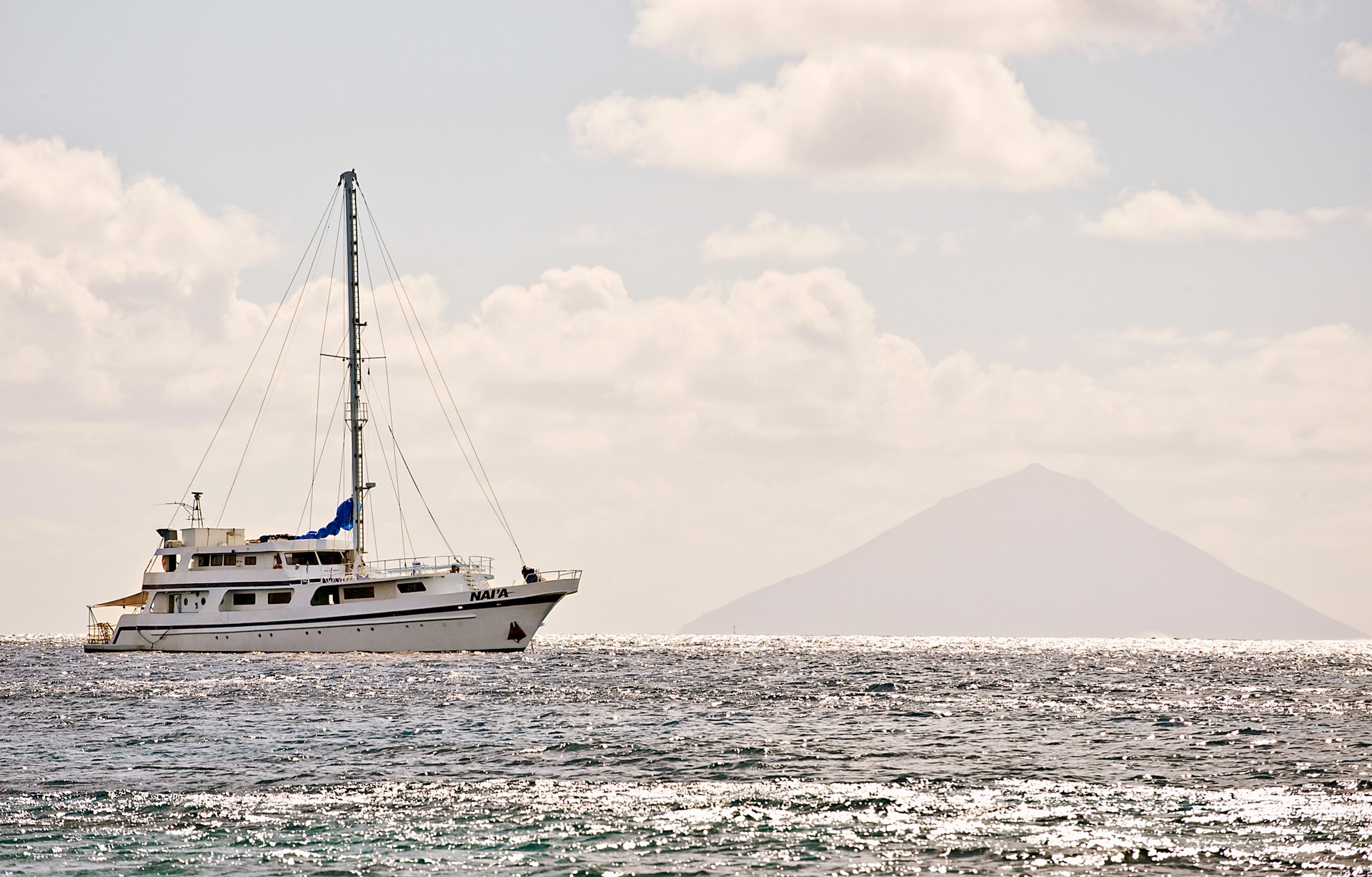
Nai'a
Fiji
16 guests36.576 m
$547/day
Dive sites similar to Shark Reef Marine Reserve
Same character, same waters — six more sites divers love for the exact same reasons.Compare seasons, access and liveaboard routes — then pick the site that fits your trip best.
© Esri — Maxar, Earthstar, GIS
Challenger Bay
Australia
Challenger Bay, nestled on Ribbon Reef #10, approximately 176 kilometers north of Port Douglas, is a renowned dive site on the remote northern Great Barrier Reef.
- Suitable for
- Advanced
- Current
- Moderate
- Access
- Liveaboard only
- Depth
- 5–30 m
- Theme
- Reef
© Esri — Maxar, Earthstar, GIS
Trochus Sanctuary
Micronesia
Trochus Sanctuary is a distinctive dive site located north of the mid-point of Kosrae, southwest of the island's airport.
- Suitable for
- Beginner
- Current
- Mild
- Access
- Dayboat
- Depth
- 5–13 m
- Theme
- Reef
© Esri — Maxar, Earthstar, GIS
Bare Island East
Australia
Bare Island East is a highly regarded shore dive in Sydney, celebrated for its diverse and colourful sponge gardens.
- Suitable for
- Intermediate
- Current
- Mild
- Access
- Shore / dayboat
- Depth
- 2–11 m
- Theme
- Reef
© Esri — Maxar, Earthstar, GIS
Raine Island
Australia
Raine Island is a pivotal dive site located in the Far Northern Great Barrier Reef, approximately 85 kilometers east-north-east of Cape Grenville and just over 4 nautical miles south of the island itself.
- Suitable for
- Advanced
- Current
- Strong
- Access
- Liveaboard only
- Depth
- 5–40 m
- Theme
- Reef / Wall
© Esri — Maxar, Earthstar, GIS
Neptune Islands
Australia
The Neptune Islands, nestled at the mouth of South Australia's Spencer Gulf, offer an unparalleled opportunity to encounter great white sharks.
- Suitable for
- Advanced
- Current
- Strong
- Access
- Liveaboard or dayboat
- Depth
- 5–15 m
- Theme
- Drift
© Esri — Maxar, Earthstar, GIS
Walung Drop-Off
Micronesia
Walung Drop-Off is a well-known dive site situated off the southwest coast of Kosrae in the Federated States of Micronesia.
- Suitable for
- Intermediate
- Current
- Moderate
- Access
- Dayboat
- Depth
- ≤ 30 m
- Theme
- Wall / Reef