About Kansas
Kansas is a distinguished dive site within Fiji's renowned Bligh Waters, celebrated for its spectacular display of soft corals. Situated in a region famous for its diverse marine topography, this site showcases a thriving ecosystem across various depth bands, from shallow coral gardens to more profound reef structures. The strong, nutrient-rich currents that sweep through Bligh Water contribute to the extraordinary health and vibrant hues of the soft corals, making them appear to bloom in a riot of orange, pink, purple, and yellow. This constant flow also attracts a rich array of marine life, including large schools of reef fish, pelagics, and numerous macro creatures. Throughout the year, Kansas offers a dynamic underwater experience. During the dry season (May to October), visibility is exceptional, enhancing the already stunning visual appeal of the coral formations. The wet season (November to April) brings warmer waters and increased plankton, which, while slightly reducing visibility, attracts filter feeders and provides a different kind of photographic opportunity, especially for macro life. Divers can expect to encounter a wide variety of species, from tiny nudibranchs to larger fish species, making every dive a unique exploration. The dive experience at Kansas is characterized by its reliance on currents, which are crucial for the soft corals to unfurl. This often translates into drift dives, allowing divers to effortlessly glide along the reef while observing the marine spectacle. The site's varied topography, including pinnacles and bommies, offers diverse habitats for its inhabitants and provides captivating backdrops for underwater photography. Given its location in Bligh Water, Kansas is typically accessed via liveaboard, allowing for multiple dives and a comprehensive exploration of this rich marine environment. This site is part of the larger Lomaiviti Group, an area of central Fiji consistently recognized for some of the nation's best and most di
Highlights
Vibrant soft coral gardensSchools of anthias and fusiliersDiverse reef fish speciesNutrient-rich currentsExceptional underwater visibilityPristine bommie structures
Season calendar
Best months to dive here
Jan
Feb
Mar
Apr
May
Jun
Jul
Aug
Sep
Oct
Nov
Dec
Excellent
Good
Dive site facts: Kansas
- Depth
- 5–40 m
- Typical dive
- 15–30 m, 45–60 min
- Current
- Moderate to strong
- Visibility
- 20–40 m
- Water temperature
- 23–29°C
- Entry
- Tender / negative entry
- Level
- Advanced recommended, drift experience essential
- Dive type
- Coral reef, drift, wide-angle
- Night dive
- Possible
- Region / port
- Bligh Water / Lomaiviti Group
- Coordinates
- -17.37, 178.15
Conditions & Currents
Kansas, like many sites in Bligh Water, is subject to strong, nutrient-rich currents which are essential for the health and unfurling of its famous soft corals. Divers should anticipate drift diving conditions, where currents can be moderate to strong, particularly along reef edges and pinnacles. These currents bring vital nutrients to the corals and attract schooling fish, creating dynamic underwater scenes. Entry often involves a negative descent to quickly reach the desired depth and avoid being swept away from the target area. Divers will typically use reef hooks to maintain position and observe the vibrant soft coral displays and abundant marine life without expending excessive energy. Visibility generally ranges from 20 to 40 meters, though plankton blooms during the wet season can cause temporary reductions. Safety sausages are a crucial piece of equipment for surfacing divers, en
Marine life & sighting chances
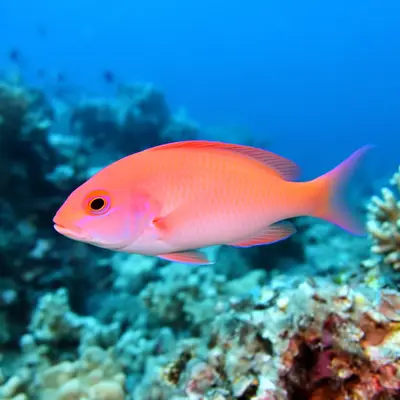
Anthias
common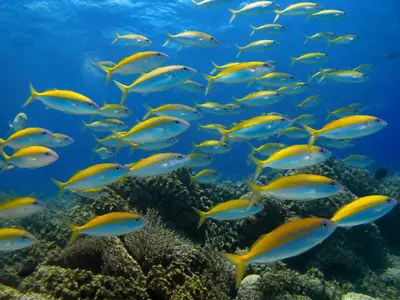
Fusiliers
common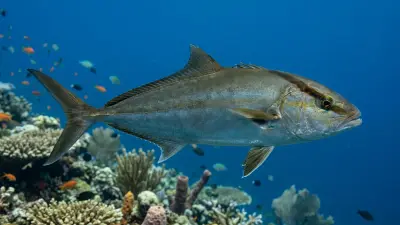
Jacks
occasional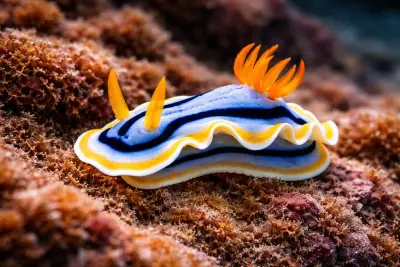
Nudibranchs
wet season · occasional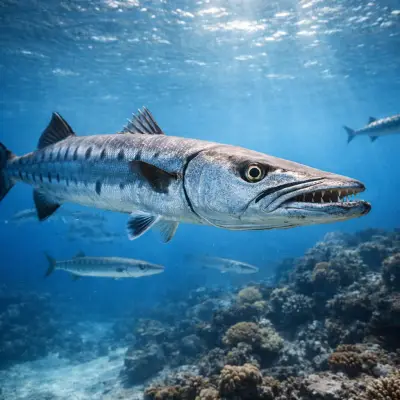
Barracuda
occasional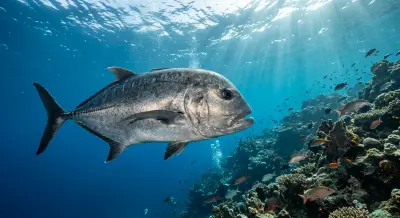
Trevally
occasional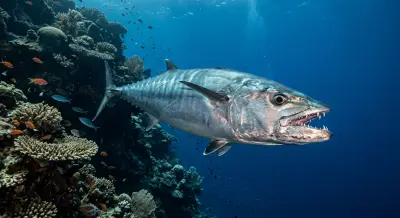
Tuna
rare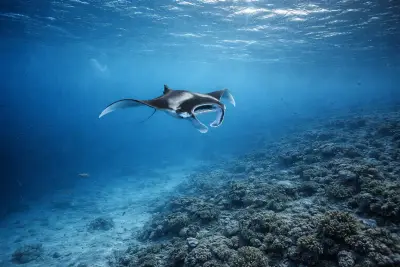
Manta rays
wet season · rare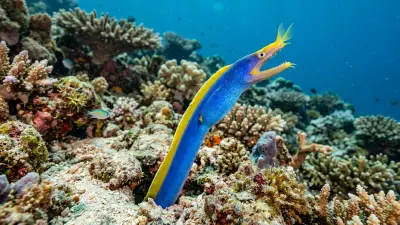
Ribbon eels
occasional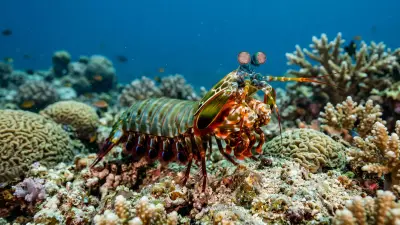
Emperor shrimps
occasional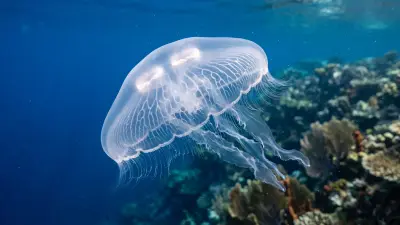
Crown jellyfish
occasional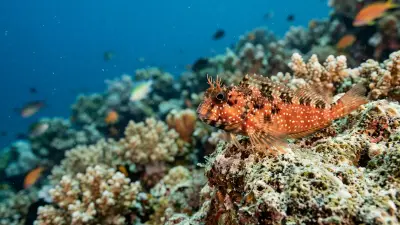
Fang blennies
common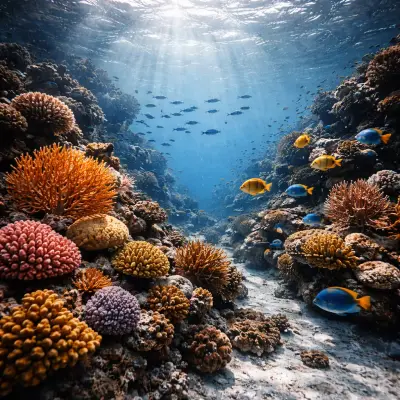
Soft coral polyps
wet season · commonDive profile & how the dive runs
Diving Kansas typically begins with a negative entry from the tender boat, allowing divers to quickly descend to the top of the reef at around 15-20 meters and avoid surface currents. The dive then becomes a drift along the richly decorated coral wall or pinnacle, following the current's flow. Divers should aim to stay at depths between 15-30 meters to fully appreciate the vibrant soft corals that thrive in this zone. The route often involves navigating around bommies and exploring coral-encrusted arches, observing the schools of anthias and fusiliers that congregate in the current. Turnaround is usually determined by air consumption, allowing for a gradual ascent towards shallower depths. The safety stop is performed while drifting, with divers deploying a safety sausage to signal their position to the dive boat, which follows the group's progress.
Underwater photography
Kansas presents exceptional opportunities for wide-angle photography, particularly during the dry season when visibility is at its best and sunlight penetrates deeply. To capture the full splendor of the vibrant soft coral walls and schooling fish, a wide-angle lens is essential. External strobes are highly recommended to bring out the true fluorescent hues of the corals and add definition to your subjects, especially when shooting into the blue. Due to the prevalent currents, practicing excellent buoyancy control is crucial to avoid damaging the delicate corals. Consider using a reef hook to stabilize yourself and compose shots without exhausting yourself. For macro enthusiasts, a dedicated macro lens can reveal the intricate details of nudibranchs, emperor shrimps, and fang blennies often found tucked within the hard corals or on the soft coral polyps.
Combine with nearby dive sites
- E6
A Bligh Water site known for its large swim-throughs and gorgonian corals.
- Nigali Passage
Famous for its shark sightings and impressive cabbage coral formations.
- Yellow Mellow Reef
Another Bligh Water site renowned for its colorful soft corals and abundant anthias.
- Humpback Highway
Known for potential encounters with humpback whales during their migration season.
- Purple Wall
Characterized by stunning purple soft corals and vibrant reef ecosystems.
Getting there & logistics
Access to Kansas typically involves flying into Nadi International Airport (NAN) in Fiji. From Nadi, liveaboard departures, primarily catering to the Bligh Water and Lomaiviti Group, offer the most comprehensive way to dive this remote site. Liveaboard trips usually range from 7 to 10 days, providing multiple opportunities to explore Kansas and other world-class sites in the region. Some resorts in Rakiraki also offer access to Bligh Water. Marine park fees and conservation charges are often included in liveaboard packages, ensuring compliance with local regulations. The relative remoteness of Kansas means that itineraries are carefully planned to maximize diving time while navigating the unique conditions of this area.
Safety & environment
Diving Kansas requires adherence to strict safety protocols due to the presence of strong currents. Divers must be proficient in drift diving techniques and comfortable with negative entries. Always dive with a surface marker buoy (SMB) and a reef hook, as these are essential tools for signaling to the dive boat and managing currents. The nearest recompression chamber is located at the Colonial War Memorial Hospital in Suva on Viti Levu, which can be several hours away by boat and road depending on your exact location in Bligh Water. Divers should ensure they have comprehensive dive accident insurance that covers emergency evacuation and medical treatment, as transfers can be complex and costly. Always follow your dive guide's instructions, stay within designated depth limits, and monitor your air consumption closely, especially during strong current dives.
Who it suits — and who it doesn't
Suited for
- Experienced divers with drift diving proficiency
- Underwater photographers seeking vibrant soft corals
- Divers interested in pelagic encounters
- Liveaboard enthusiasts
- Those seeking pristine, remote reef experiences
Less suited for
- Beginner divers or those without current experience
- Divers uncomfortable with negative entries
- Individuals prone to seasickness on liveaboards
- Those preferring very calm, shallow dives
FAQ
Kansas FAQ
What kind of currents can I expect at Kansas?
Kansas is known for its moderate to strong currents, which are crucial for the health and vibrancy of its soft corals. Divers should be prepared for drift diving conditions and comfortable with negative entries. These currents also attract a rich variety of marine life, making for dynamic and exciting dives.
Is Kansas suitable for underwater photography?
Absolutely, Kansas is a paradise for underwater photographers, especially those focusing on wide-angle shots. The vibrant soft coral walls, schooling fish, and excellent visibility provide stunning backdrops. Using external strobes will enhance the colors, and a reef hook can help stabilize your position in the currents.
What marine life is most commonly seen at Kansas?
Divers at Kansas frequently encounter dense aggregations of Dendronephthya soft corals, creating an explosion of color. You'll also see large schools of anthias and fusiliers hovering above the reef. Occasional sightings include jacks, barracuda, and various macro critters like nudibranchs and fang blennies.
How do I typically access the Kansas dive site?
Kansas is primarily accessed via liveaboard trips operating in Fiji's Bligh Water and Lomaiviti Group. These multi-day excursions allow divers to reach more remote and pristine sites like Kansas. Some specialized dive resorts in the Rakiraki area may also offer day trips, though liveaboards are the most common way to experience this site.
What is the best time of year to dive Kansas for optimal conditions?
The ideal time to dive Kansas is during Fiji's dry season, from May to October. During these months, you can expect the best visibility, often exceeding 30 meters, and cooler water temperatures that contribute to the most vibrant soft coral displays. This period offers predictable currents and clearer water.
Why dive Kansas from a liveaboard?
Kansas is one of Fiji's signature dive sites. A liveaboard sleeps you on the water and puts you in the water for three to four guided dives per day, including dawn and night dives that day-boat operators rarely offer. You skip the daily commute back to port and reach quieter, less-crowded sites in the same region on a single trip.
Below are the liveaboards that include Kansas on their Fiji itineraries.
Liveaboards diving Kansas
These liveaboards may visit Kansas on selected itineraries — the exact dive sites depend on departure, weather and conditions.
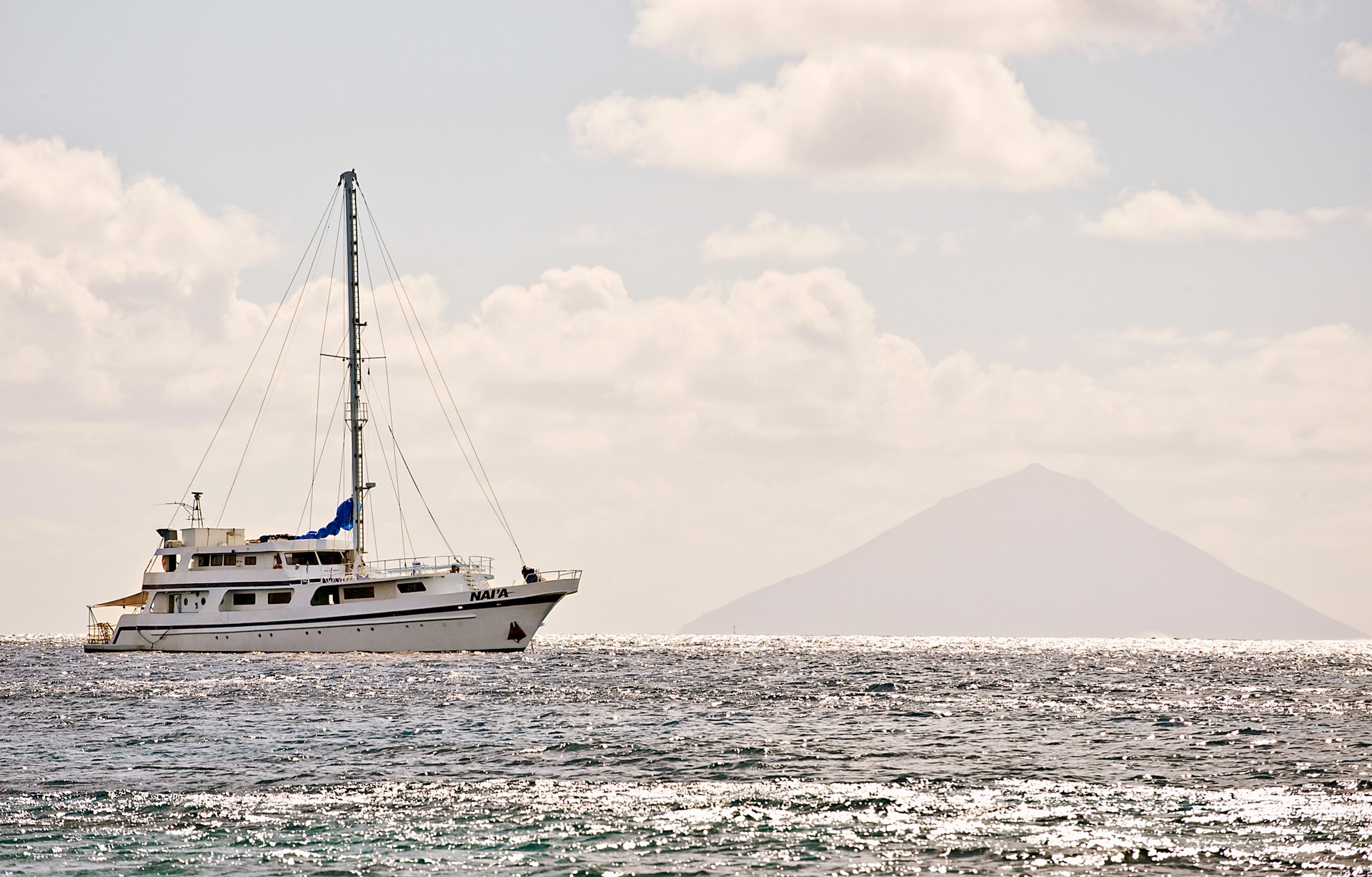
Nai'a
Fiji
16 guests36.576 m
$547/day
Dive sites similar to Kansas
Same character, same waters — six more sites divers love for the exact same reasons.Compare seasons, access and liveaboard routes — then pick the site that fits your trip best.
© Esri — Maxar, Earthstar, GIS
Manta Channel, situated off Kadavu Island in Fiji, is a world-class dive destination primarily celebrated for its frequent sightings of manta rays.
- Suitable for
- Advanced
- Current
- Strong
- Access
- Liveaboard or dayboat
- Depth
- 8–20 m
- Theme
- Channel / Drift
© Esri — Maxar, Earthstar, GIS
Sam's Point
Fiji
Sam's Point is one of the celebrated patch reefs found within the Somosomo Strait, a narrow channel between Vanua Levu and Taveuni in Fiji.
- Suitable for
- Advanced
- Current
- Strong
- Access
- Dayboat
- Depth
- 8–27 m
- Theme
- Reef / Drift
© Esri — Maxar, Earthstar, GIS
Rainbow's End
Fiji
Rainbow's End is a top dive site located in the Somosomo Strait, a channel separating Taveuni and Vanua Levu islands, known as the 'Soft Coral Capital of the World'.
- Suitable for
- Intermediate
- Current
- Moderate
- Access
- Liveaboard or dayboat
- Depth
- 10–30 m
- Theme
- Reef / Drift
© Esri — Maxar, Earthstar, GIS
Wilkes Passage
Fiji
Wilkes Passage is a dive site located within the Malolo Barrier Reef in Fiji's Mamanuca Group, southwest of Nadi on Viti Levu.
- Suitable for
- Intermediate
- Current
- Moderate
- Access
- Dayboat
- Depth
- 15–20 m
- Theme
- Reef / Drift
© Esri — Maxar, Earthstar, GIS
Namena Marine Reserve, nestled in Fiji's Koro Sea, is a crown jewel among the world's elite dive spots, consistently ranked as one of the best global destinations for scuba diving.
- Suitable for
- Advanced
- Current
- Moderate
- Access
- Liveaboard only
- Depth
- 5–40 m
- Theme
- Reef / Wall
© Esri — Maxar, Earthstar, GIS
Shark Fin Point
Fiji
Shark Fin Point, also known as Shark Point, is located off the northeast coast of Koro Island in Fiji.
- Suitable for
- Advanced
- Current
- Strong
- Access
- Liveaboard only
- Depth
- 5–29 m
- Theme
- Drift / Reef