About Humpback Highway
Humpback Highway, located in Fiji's Bligh Water and Koro Sea regions, is a significant seasonal migration route for humpback whales, making it a premier destination for divers seeking large marine mammal encounters. While primarily known for these majestic visitors, the area also boasts diverse topography including deep channels and seamounts that attract a variety of pelagic species. The underwater landscape is characterized by its dramatic depth changes, with seamounts rising from over 900 meters and deep channels facilitating strong currents. These conditions contribute to exceptional visibility, especially during the cooler months, and support vibrant soft coral ecosystems, though less dense than some shallower reefs. The deep-water environment creates opportunities for sightings of sharks, manta rays, and various schooling fish, alongside the migrating whales. The prime season for whale sightings aligns with the cooler, drier months from May to October, with peak activity for humpbacks specifically in September and October for calving and breeding. Even outside the whale season, the nutrient-rich currents in these channels attract a consistent presence of pelagic fish and other large marine life, ensuring dynamic dive experiences year-round. Divers here should be prepared for varying current conditions, which are often a feature of these productive waters. Access to Humpback Highway is exclusively via liveaboard, due to its remote location. The dive experience typically involves drift dives along the channels and around seamounts, allowing divers to be carried by the current while observing the rich marine biodiversity. The combination of pelagic action, impressive topography, and the seasonal spectacle of whale migration makes Humpback Highway a truly unique Fijian dive adventure.
Highlights
Humpback whale migration routeDeep channels, seamountsExceptional pelagic encountersDrift diving experiencesGood visibilityRemote, liveaboard accessRich marine biodiversity
Season calendar
Best months to dive here
Jan
Feb
Mar
Apr
May
Jun
Jul
Aug
Sep
Oct
Nov
Dec
Excellent
Good
Dive site facts: Humpback Highway
- Depth
- 5–40 m
- Typical dive
- 15–30 m, 45–60 min
- Current
- Moderate to strong
- Visibility
- 20–50 m
- Water temperature
- 24–28°C
- Entry
- Negative entry / liveaboard tender
- Level
- Advanced Open Water Diver, drift experience
- Dive type
- Drift, pelagic, deep, channels
- Night dive
- Possible (site-dependent)
- Region / port
- Bligh Water / Koro Sea (Fiji)
- Coordinates
- -18.65, 178.1
Conditions & Currents
Diving at Humpback Highway often involves moderate to strong currents, which are a defining characteristic of this pelagic-rich environment. These currents are beneficial, as they bring in nutrients that support the diverse marine life and ensure spectacular drift dives. Divers should anticipate negative or rapid descent entries to quickly reach the desired depth and avoid being swept away from the target area before descending. Underwater, divers will move with the current, requiring excellent buoyancy control and spatial awareness to navigate along the reef or seamount. Exits typically involve the dive boat tracking divers from the surface, picking them up after they deploy a surface marker buoy. The consistent current also contributes to the generally excellent visibility in these waters, though it demands that divers are proficient in drift diving techniques and comfortable with dyna
Marine life & sighting chances
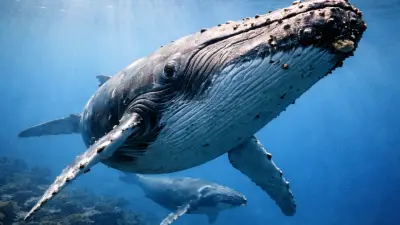
Humpback whale
September-October · occasional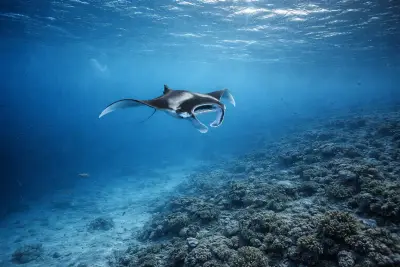
Manta ray
Wet season · occasional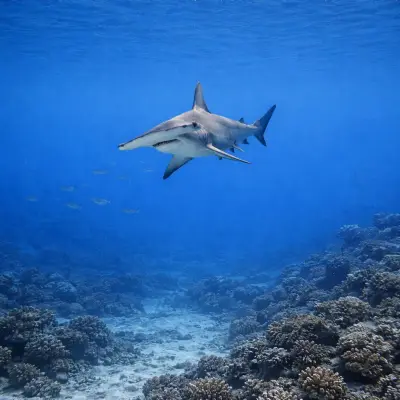
Hammerhead shark
Winter months · occasional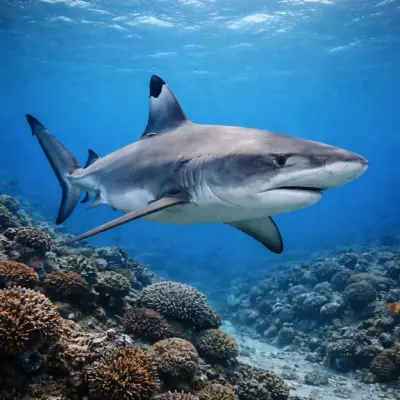
Grey reef shark
common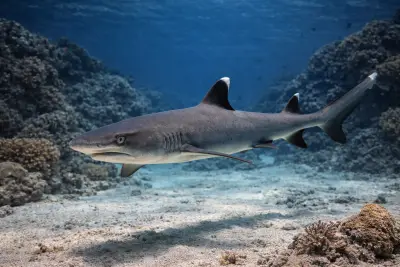
Whitetip reef shark
common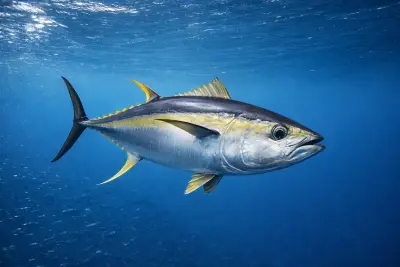
Yellowfin tuna
common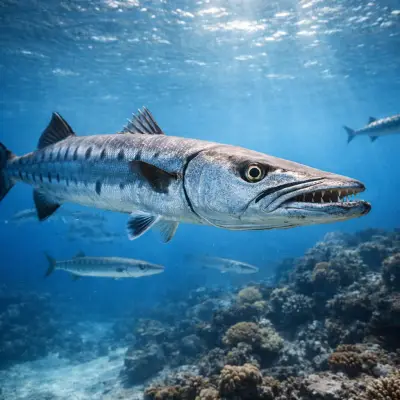
Barracuda
common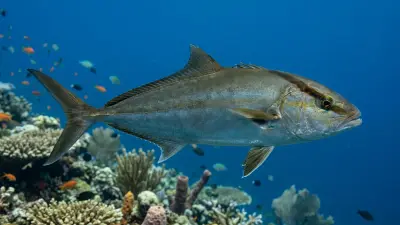
Trevally jack
common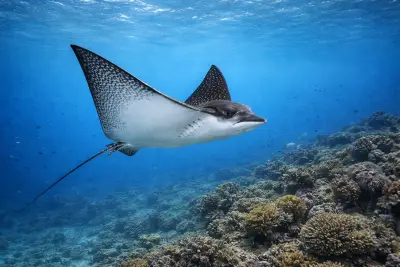
Eagle ray
occasional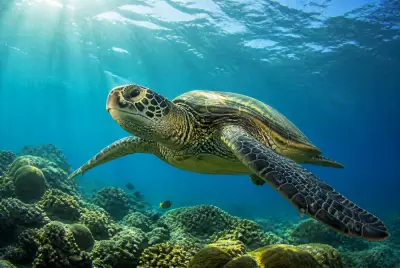
Sea turtle
common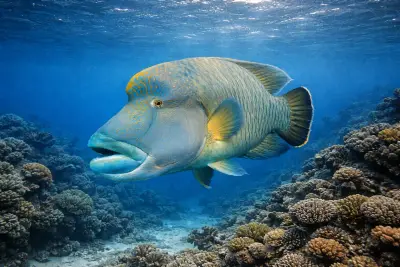
Napoleon wrasse
occasional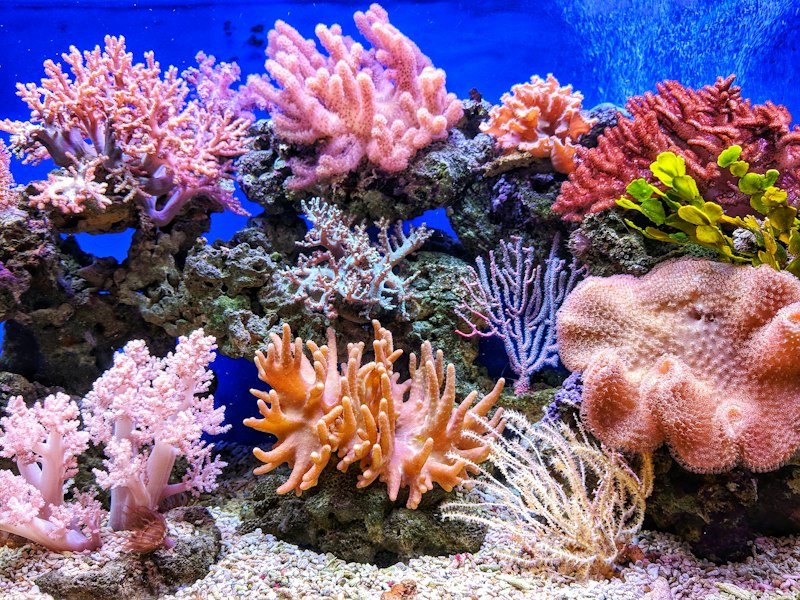
Soft coral
commonDive profile & how the dive runs
Dives at Humpback Highway are typically drift dives, beginning with a negative entry from the liveaboard tender to quickly descend into the current. Divers stay streamlined and at a controlled depth, often ranging between 15-30 meters, following the dive guide along the channel walls or around seamounts. The route is dictated by the current, allowing for observation of pelagic life. Divers should maintain awareness of their depth and air consumption, as the current can make it challenging to return to an exact spot. The turn point is flexible, determined by air limits and the drift's progression. A safety stop is conducted as divers ascend, maintaining proper buoyancy while drifting, before deploying a surface marker buoy for boat pickup, which tracks the divers' drift throughout the dive.
Underwater photography
For photography at Humpback Highway, wide-angle lenses are essential, particularly during the dry season when visibility is exceptional, to capture the extensive soft coral formations and large pelagic species like sharks and rays. Strobes are highly recommended to bring out the vibrant colors of the soft corals and to properly light subjects in deeper waters or against the often-dark backdrop of the open ocean. When humpback whales are present, a wide-angle lens becomes even more critical to capture their immense size. Buoyancy control is paramount, especially during drift dives, to maintain position and avoid contact with the environment while focusing on subjects. Patience is key, as pelagic encounters can be unpredictable; be ready to capture fleeting moments.
Combine with nearby dive sites
- E6
A seamount in Bligh Water, known for pelagic species and soft corals.
- Samu Reef
Offers diverse dive conditions and marine life, accessible by liveaboard.
- Wakaya Island
Features deep channels and is known for manta rays and seasonal whale sightings.
- Jim's Alley
Soft coral gardens and macro life, often combined with mantas.
- Naiqoro Passage
Offers strong currents and diverse marine encounters.
Getting there & logistics
Access to Humpback Highway is exclusively via liveaboard, typically departing from ports accessible after flying into Nadi International Airport (NAN). Nadi serves as Fiji's main international gateway with direct flights from major hubs in Asia, Australia, New Zealand, and the USA. Liveaboard itineraries for this region generally span 7 to 10 nights, often combining dives in Bligh Water, Namena Marine Reserve, and the Koro Sea. Travelers should book liveaboard trips well in advance, especially for the peak season. Marine park fees and permits are usually handled by the liveaboard operators, but it's advisable to confirm this detail. These remote locations offer an immersive diving experience away from the main island crowds.
Safety & environment
Diving at Humpback Highway demands a high level of diver proficiency due to strong currents and remote locations. All divers should have comprehensive dive insurance covering emergency medical treatment, evacuation, and hyperbaric chamber costs, as the nearest recompression chamber is located in Suva, Viti Levu, requiring significant travel time from these remote sites. Evacuation in an emergency would involve boat transfer to a land-based facility, followed by air transport, underscoring the need for robust insurance. Divers must strictly adhere to dive guide instructions, especially concerning entry and exit procedures for drift dives. Maintaining excellent buoyancy control, monitoring air consumption, and staying close to your buddy are critical. Always carry a surface marker buoy (SMB) for safety in case of separation from the group.
Who it suits — and who it doesn't
Suited for
- Advanced Open Water Divers
- Divers with drift diving experience
- Pelagic enthusiasts
- Underwater photographers (wide-angle)
- Liveaboard adventurers
- Divers seeking whale encounters
Less suited for
- Beginner Open Water Divers
- Divers uncomfortable with strong currents
- Divers prone to seasickness
- Strict macro photographers
- Budget-conscious travelers
FAQ
Humpback Highway FAQ
What is the best time to see humpback whales at Humpback Highway?
The peak season for observing humpback whales at Humpback Highway is during September and October. This period aligns with their calving and breeding migration through Fiji's waters, offering the highest chance of encounters. However, whales can occasionally be sighted from May through December.
What kind of currents can I expect when diving Humpback Highway?
Humpback Highway is known for moderate to strong currents, which are a key factor in attracting the rich pelagic life. Dives here are primarily drift dives, where divers are carried by the current. Good buoyancy control and experience with drift diving are essential for a safe and enjoyable experience.
Is Humpback Highway suitable for beginner divers?
No, Humpback Highway is generally not suitable for beginner divers. The presence of strong currents and the nature of drift diving require advanced open water certification and prior experience with similar conditions. Divers should be comfortable with dynamic underwater environments.
How do I get to Humpback Highway?
Access to Humpback Highway is exclusively via liveaboard. You would typically fly into Nadi International Airport (NAN) and then board a liveaboard vessel, which operates itineraries in the Bligh Water and Koro Sea regions. These trips usually last between 7 and 10 nights.
What marine life, besides whales, can I see at Humpback Highway?
Beyond the seasonal humpback whales, Humpback Highway boasts a rich array of pelagic life. You can expect to encounter various shark species, manta rays, eagle rays, barracudas, and large schools of tuna and trevally jacks. Sea turtles and vibrant soft corals also adorn the deeper channels and seamounts.
Why dive Humpback Highway from a liveaboard?
Humpback Highway is one of Fiji's signature dive sites. A liveaboard sleeps you on the water and puts you in the water for three to four guided dives per day, including dawn and night dives that day-boat operators rarely offer. You skip the daily commute back to port and reach quieter, less-crowded sites in the same region on a single trip.
Below are the liveaboards that include Humpback Highway on their Fiji itineraries.
Liveaboards diving Humpback Highway
These liveaboards may visit Humpback Highway on selected itineraries — the exact dive sites depend on departure, weather and conditions.
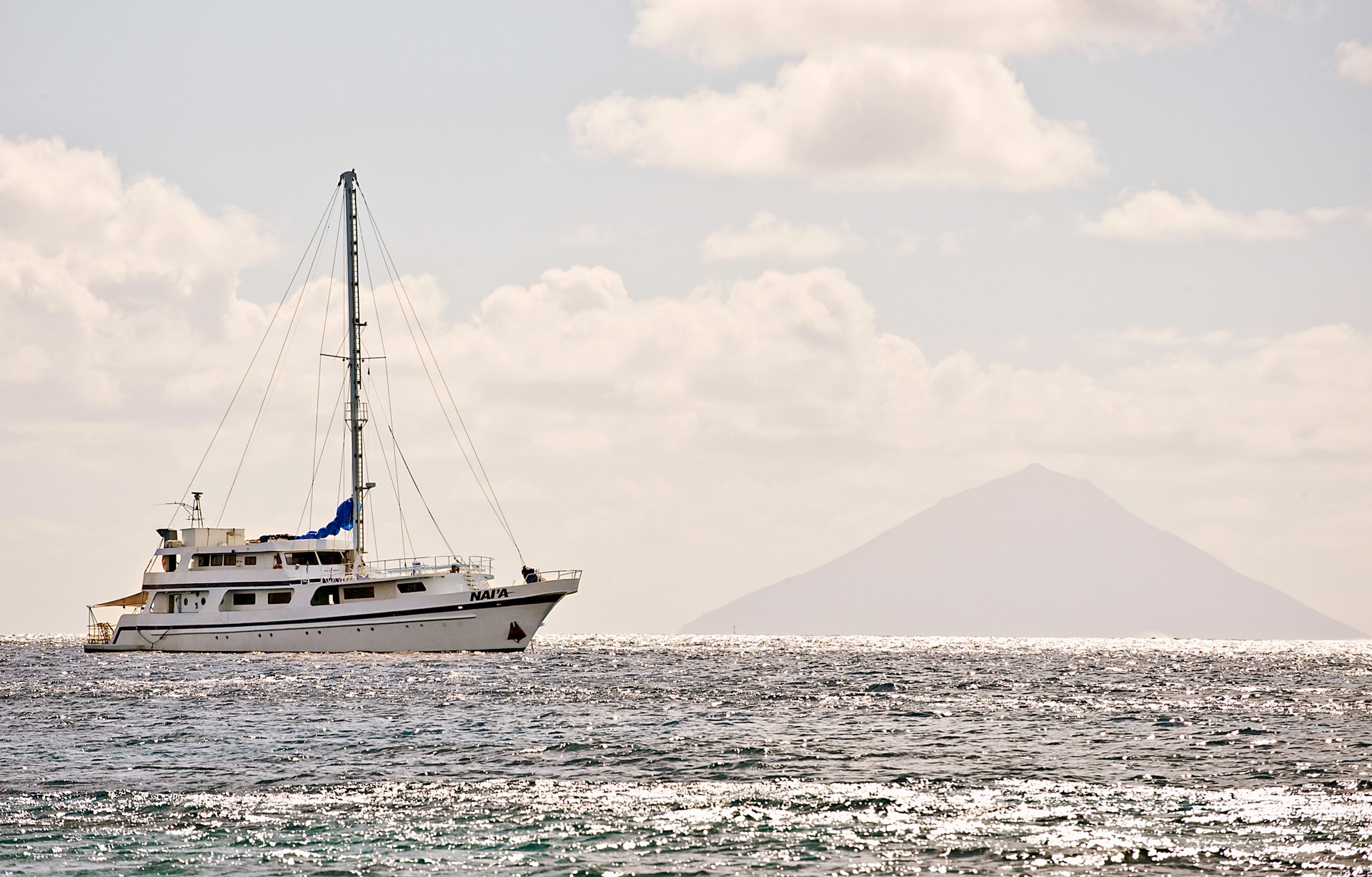
Nai'a
Fiji
16 guests36.576 m
$547/day
Dive sites similar to Humpback Highway
Same character, same waters — six more sites divers love for the exact same reasons.Compare seasons, access and liveaboard routes — then pick the site that fits your trip best.
© Esri — Maxar, Earthstar, GIS
Manta Channel, situated off Kadavu Island in Fiji, is a world-class dive destination primarily celebrated for its frequent sightings of manta rays.
- Suitable for
- Advanced
- Current
- Strong
- Access
- Liveaboard or dayboat
- Depth
- 8–20 m
- Theme
- Channel / Drift
© Esri — Maxar, Earthstar, GIS
Sam's Point
Fiji
Sam's Point is one of the celebrated patch reefs found within the Somosomo Strait, a narrow channel between Vanua Levu and Taveuni in Fiji.
- Suitable for
- Advanced
- Current
- Strong
- Access
- Dayboat
- Depth
- 8–27 m
- Theme
- Reef / Drift
© Esri — Maxar, Earthstar, GIS
Rainbow's End
Fiji
Rainbow's End is a top dive site located in the Somosomo Strait, a channel separating Taveuni and Vanua Levu islands, known as the 'Soft Coral Capital of the World'.
- Suitable for
- Intermediate
- Current
- Moderate
- Access
- Liveaboard or dayboat
- Depth
- 10–30 m
- Theme
- Reef / Drift
© Esri — Maxar, Earthstar, GIS
Wilkes Passage
Fiji
Wilkes Passage is a dive site located within the Malolo Barrier Reef in Fiji's Mamanuca Group, southwest of Nadi on Viti Levu.
- Suitable for
- Intermediate
- Current
- Moderate
- Access
- Dayboat
- Depth
- 15–20 m
- Theme
- Reef / Drift
© Esri — Maxar, Earthstar, GIS
Namena Marine Reserve, nestled in Fiji's Koro Sea, is a crown jewel among the world's elite dive spots, consistently ranked as one of the best global destinations for scuba diving.
- Suitable for
- Advanced
- Current
- Moderate
- Access
- Liveaboard only
- Depth
- 5–40 m
- Theme
- Reef / Wall
© Esri — Maxar, Earthstar, GIS
Shark Fin Point
Fiji
Shark Fin Point, also known as Shark Point, is located off the northeast coast of Koro Island in Fiji.
- Suitable for
- Advanced
- Current
- Strong
- Access
- Liveaboard only
- Depth
- 5–29 m
- Theme
- Drift / Reef