About Samu Reef
Samu Reef, located near Fiji's Mamanuca Islands, offers a compelling dive experience despite initial reports of poor conditions during some check-out dives. While one account noted dead reef and low visibility, other sources highlight its reputation as a signature dive site, characterized by vibrant coral bommies and clear waters. The site's allure comes from its topography, which features large coral bommies intricately connected by natural swim-throughs and overhangs, forming an engaging underwater maze. Diving here typically involves navigating these bommies and exploring the surrounding reef structures. The reef top, often as shallow as 5 meters, provides an excellent area for safety stops, adorned with colorful hard corals and various tropical fish. Depths can extend further, allowing for exploration of the bommie bases and ledges where marine life finds shelter. Notably, green turtles are frequently observed resting on these ledges. While specific seasonality for marine life isn't detailed, the site is known for its clear water, often exceeding 25 meters of visibility, making it an exceptional location for underwater photography. The varied structure supports a good range of reef fish, although larger pelagic encounters are not a primary feature of this specific site. The site is generally considered suitable for all experience levels, suggesting that while currents can be present, they are typically manageable. Liveaboards frequently include Samu Reef on their itineraries, offering multiple dives per day, including night dives. Divers on liveaboards can expect guided dives but are often given the freedom to explore based on their experience and air consumption, without strict time or depth limits. The site's protected location makes it a viable option for check-out dives, though conditions can vary based on weather.
Highlights
Large coral bommiesExtensive swim-throughsOverhangs for explorationGreen sea turtle sightingsCrystal-clear water visibilityShallow hard coral gardens
Best Season
The main diving season at Samu Reef runs Year–round. Inside this window you will find the most departures, the widest choice of liveaboards and the most settled sea state, so it is the period most crews plan their itineraries around. Outside it fewer boats operate, weather and visibility become less predictable, and last-minute cancellations are more common — book early if your dates are fixed.
Dive site facts: Samu Reef
- Depth
- 5–20 m
- Current
- Mild
- Visibility
- Variable, sometimes low
- Entry
- Skiff
- Level
- Beginner friendly
- Dive type
- Macro, check-out
- Region / port
- Viti Levu, Lautoka
- Coordinates
- -17.75, 177.1333
Conditions & Currents
Conditions at Samu Reef can vary, with some experiences noting strong currents that require divers to stay close to the reef. However, other reports describe gentle conditions suitable for all experience levels, suggesting that site selection or timing by dive operators accounts for these variations. During initial check-out dives, the currents have been observed to be minimal, allowing divers to adjust weighting and equipment. Visibility is often exceptional, frequently exceeding 25 meters, which enhances the diving experience. Entry is typically a backroll from skiffs, which are rigid hulled inflatable boats (RHIBs). The dive crew provides support with gear handling, transferring assembled equipment to and from the skiffs. Liveaboard operations often allow divers flexibility in dive times and depths, based on individual experience and air consumption, rather than imposing strict limits, although guides are always present.
Marine life & sighting chances
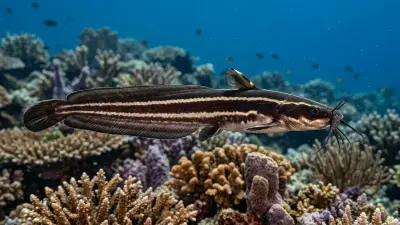
Catfish eels
occasional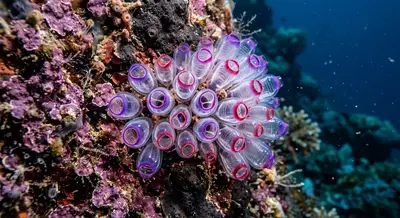
Painted lobster
occasional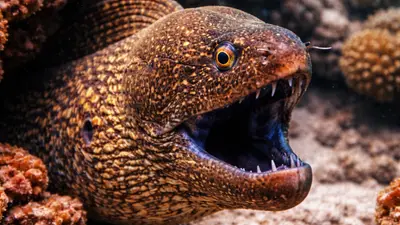
Green moray eel
rare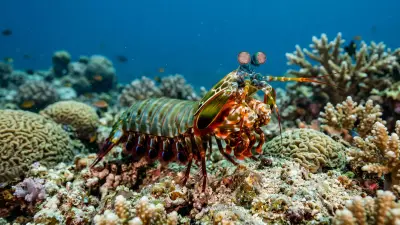
Tiny translucent shrimp
occasional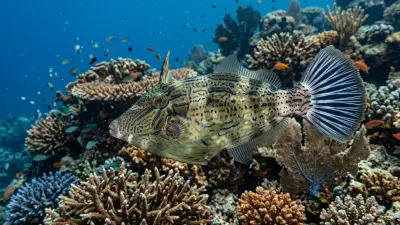
Longnose filefish
occasional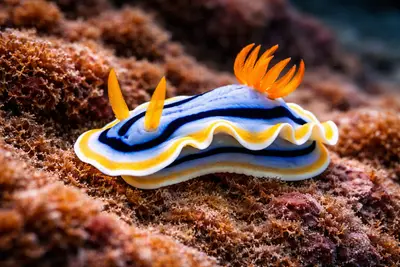
Nudibranchs
occasionalDive profile & how the dive runs
Dives at Samu Reef typically begin with a skiff drop, designed for divers to fine-tune weighting and get comfortable with boat operations. Due to the generally mild currents, there isn't a strict route, allowing for exploration of the reef. Divers often spend time in shallower areas to observe macro life and practice buoyancy. The dive usually progresses to moderate depths, allowing for a good air consumption check. Turn points are flexible, often determined by air supply and personal comfort, with safety stops conducted in the calm, shallower waters near the skiff pick-up point.
Underwater photography
For Samu Reef, macro photography is generally the most rewarding, given the potential for unique small creature sightings. A macro lens will be beneficial to capture details of any found catfish eels, painted lobsters, or nudibranchs. Due to possible lower visibility, especially with wide-angle setups, focusing on smaller subjects will yield better results. Consider using external strobes to bring out colors and add definition in murky conditions. Patience and good buoyancy are essential to avoid stirring up sediment and to approach shy subjects without disturbing them. Since it's often a check-out dive, ensure your camera housing is properly sealed and functioning before more challenging dives.
Combine with nearby dive sites
- Coral Corner
Coral Corner is a distinguished dive site nestled within the Vatu-i-Ra Passage, a region renowned for its breathtaking soft coral displays…
- Alacrity Shoal
Alacrity Shoal is a premier dive site in Fiji, renowned for its spectacular drift diving opportunities and rich marine biodiversity.
- Maytag
Maytag is a jewel within Fiji's renowned Bligh Water, famous for its exceptionally colorful soft corals and abundant marine life.
- Mellow Yellow
Mellow Yellow is a renowned dive site in Fiji’s Bligh Water, often hailed as a prime example of the region's nickname, the "Soft Coral…
Getting there & logistics
Access to Samu Reef is primarily via liveaboards departing from Lautoka, which is about a 30-minute drive from Nadi International Airport (NAN). Divers typically arrive at Nadi, transfer to Lautoka, and board their liveaboard vessel. Samu Reef often serves as the initial check-out dive on itineraries that then proceed to more remote and renowned dive areas like Bligh Water, Namena, or Wakaya. Trip lengths for these liveaboards are commonly 7 to 10 days, with Samu Reef being one of the first sites visited to ensure divers are accustomed to their gear and the boat's diving procedures before venturing further.
Safety & environment
For Samu Reef, as with any Fijian dive site, comprehensive dive insurance covering medical evacuation and recompression treatment is strongly advised. The nearest recompression chamber is located in Suva, requiring potentially significant travel time in an emergency. Being a check-out dive site, divers should use the opportunity to ensure correct weighting and comfortable gear operation. Always follow your dive guide's instructions, especially regarding group separation and meeting points, as initial dives can sometimes be chaotic with multiple divers adjusting. Maintain good buoyancy to avoid contact with the reef and to prevent stirring up sediment, which can further reduce visibility.
Who it suits — and who it doesn't
Suited for
- Beginner divers establishing buoyancy
- Divers needing a check-out dive
- Macro photography enthusiasts
- Those seeking sheltered, calm dive conditions
- Divers looking for unique critter sightings
Less suited for
- Divers seeking vibrant soft coral gardens
- Those expecting large pelagic encounters
- Photographers prioritizing wide-angle scenic shots
- Divers looking for consistently high visibility
- Experienced divers seeking challenging currents
FAQ
Samu Reef FAQ
What is Samu Reef known for?
Samu Reef is primarily known as a check-out dive site for liveaboards departing from Lautoka, Fiji. It offers sheltered conditions for divers to get comfortable with their equipment and weighting before heading to more challenging sites. While sometimes having variable visibility, it can surprise with interesting macro marine life.
What kind of marine life can be seen at Samu Reef?
While not teeming with large pelagics or extensive soft corals, Samu Reef can be a good spot for macro enthusiasts. Divers have reported sightings of creatures such as baby catfish eels, painted lobsters, and various nudibranchs. Occasionally, green moray eels, tiny translucent shrimps, and longnose filefish are also spotted.
Is Samu Reef suitable for beginner divers?
Yes, Samu Reef is quite suitable for beginner divers. Its sheltered location and generally mild currents provide a calm environment to practice skills and adjust to the dive gear. It's an ideal first dive for those new to Fiji's waters or those who haven't dived recently.
How is the visibility at Samu Reef?
The visibility at Samu Reef can be variable, sometimes being murkier compared to more remote offshore sites. This is partly due to its proximity to Lautoka Harbor and the influence of Nadi Bay waters. However, conditions can improve, and even with reduced visibility, focusing on macro life can be rewarding.
Why do liveaboards often start their trip at Samu Reef?
Liveaboards often start at Samu Reef because its sheltered location and calm conditions make it an excellent check-out dive site. This allows divers to ensure their weighting is correct, test their gear, and get accustomed to skiff diving procedures in a relaxed environment before the vessel moves on to more challenging and renowned dive sites across Fiji.
Why dive Samu Reef from a liveaboard?
Samu Reef is one of Fiji's signature dive sites. A liveaboard sleeps you on the water and puts you in the water for three to four guided dives per day, including dawn and night dives that day-boat operators rarely offer. You skip the daily commute back to port and reach quieter, less-crowded sites in the same region on a single trip.
Below are the liveaboards that include Samu Reef on their Fiji itineraries.
Liveaboards diving Samu Reef
These liveaboards may visit Samu Reef on selected itineraries — the exact dive sites depend on departure, weather and conditions.
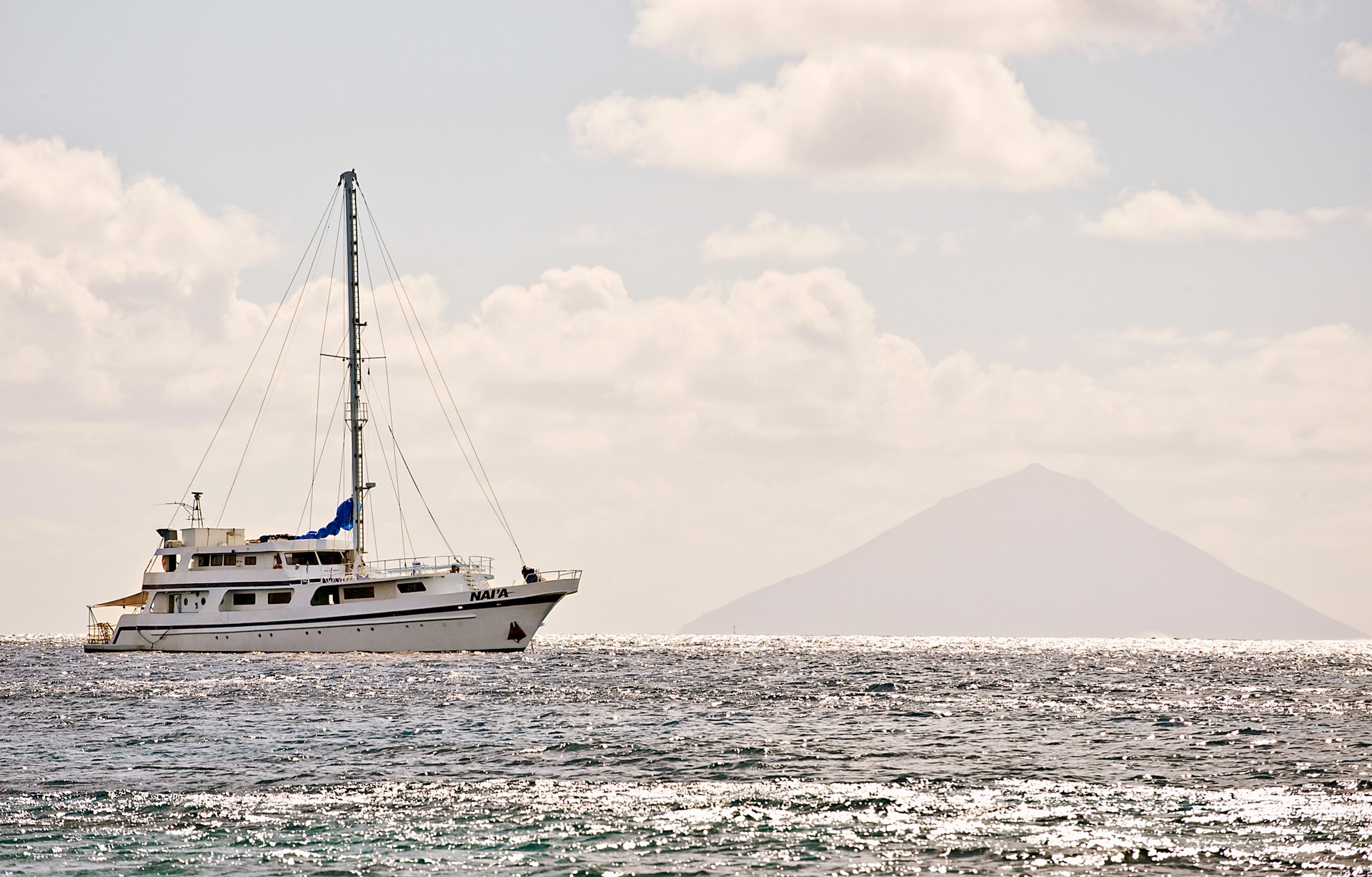
Nai'a
Fiji
16 guests36.576 m
$547/day
Dive sites similar to Samu Reef
Same character, same waters — six more sites divers love for the exact same reasons.Compare seasons, access and liveaboard routes — then pick the site that fits your trip best.
© Esri — Maxar, Earthstar, GIS
Jim's Alley
Fiji
Jim's Alley is a renowned soft coral garden located off Gau Island in Fiji's Koro Sea, forming part of a multi-stop diving itinerary in the region.
- Suitable for
- Beginner
- Current
- Mild
- Access
- Liveaboard only
- Depth
- ≤ 21 m
- Theme
- Reef
© Esri — Maxar, Earthstar, GIS
Sam's Point
Fiji
Sam's Point is one of the celebrated patch reefs found within the Somosomo Strait, a narrow channel between Vanua Levu and Taveuni in Fiji.
- Suitable for
- Advanced
- Current
- Strong
- Access
- Dayboat
- Depth
- 8–27 m
- Theme
- Reef / Drift
© Esri — Maxar, Earthstar, GIS
Rainbow's End
Fiji
Rainbow's End is a top dive site located in the Somosomo Strait, a channel separating Taveuni and Vanua Levu islands, known as the 'Soft Coral Capital of the World'.
- Suitable for
- Intermediate
- Current
- Moderate
- Access
- Liveaboard or dayboat
- Depth
- 10–30 m
- Theme
- Reef / Drift
© Esri — Maxar, Earthstar, GIS
Wilkes Passage
Fiji
Wilkes Passage is a dive site located within the Malolo Barrier Reef in Fiji's Mamanuca Group, southwest of Nadi on Viti Levu.
- Suitable for
- Intermediate
- Current
- Moderate
- Access
- Dayboat
- Depth
- 15–20 m
- Theme
- Reef / Drift
© Esri — Maxar, Earthstar, GIS
Makogai Island
Fiji
Makogai Island, located in Fiji's Lomaiviti Group and visible from Wakaya Island, is home to a significant marine sanctuary.
- Suitable for
- Intermediate
- Current
- Moderate
- Access
- Liveaboard only
- Depth
- 3–18 m
- Theme
- Reef
© Esri — Maxar, Earthstar, GIS
Namena Marine Reserve, nestled in Fiji's Koro Sea, is a crown jewel among the world's elite dive spots, consistently ranked as one of the best global destinations for scuba diving.
- Suitable for
- Advanced
- Current
- Moderate
- Access
- Liveaboard only
- Depth
- 5–40 m
- Theme
- Reef / Wall