About Mbili Passage
Mbili Passage is a captivating dive site located within the New Georgia Island group in the Western Province of the Solomon Islands. This region is celebrated for its pristine marine environments, making Mbili Passage a prime example of the rich biodiversity found in the Coral Triangle. The site presents a diverse underwater topography, ranging from healthy coral gardens to deeper reef sections, and is occasionally influenced by currents that attract larger marine life. Its unique position offers a mix of experiences, from exploring vibrant reef ecosystems to uncovering remnants of historical events. The topography of Mbili Passage typically features a channel or cut through reef structures, where the flow of water nurtures extensive hard and soft coral growth. Depths can vary significantly, accommodating different dive profiles, but the most biodiverse areas are generally found along the reef edges and where currents bring in nutrients. While the passage itself is a highlight, the surrounding areas contribute to the overall richness, with opportunities to encounter diverse reef fish, invertebrates, and occasional pelagic species. Marine life at Mbili Passage is abundant and varied, characteristic of the Solomon Islands' reputation as a marine biodiversity hotspot. Divers frequently observe colorful reef fish, various invertebrate species, and hard corals, which are notably healthy. The currents present can attract larger pelagic species, adding an exciting dimension to the dive. The conditions, including warm water temperatures and generally good visibility, make for comfortable diving throughout the year. Diving Mbili Passage often involves drift diving, leveraging the currents to explore the expansive reef systems. The practical dive experience is enhanced by the remote and untouched nature of the area, ensuring a sense of exclusivity. Liveaboard operators frequently visit Mbili Passage as part of broader itineraries exploring the Western Province, allowing di
Highlights
Healthy hard coral gardensDiverse reef fish populationsPotential for pelagic sightingsUnique reef topographySerene, remote diving experience
Season calendar
Best months to dive here
Jan
Feb
Mar
Apr
May
Jun
Jul
Aug
Sep
Oct
Nov
Dec
Excellent
Good
Dive site facts: Mbili Passage
- Depth
- 5–30 m
- Typical dive
- 15–25 m, 50–60 min
- Current
- Mild to moderate
- Visibility
- 12–36 m
- Water temperature
- 28–30°C
- Entry
- Tender / boat entry
- Level
- Open Water Diver, current experience helpful
- Dive type
- Reef, drift, pelagic
- Night dive
- Possible
- Region / port
- Western Province, New Georgia
- Coordinates
- -8.4, 157.4333
Conditions & Currents
Currents at Mbili Passage are typically mild to moderate, characteristic of many passages in the Solomon Islands where water movement nurtures rich coral growth. Dive operators plan excursions to align with the tides, often conducting drift dives to maximize the experience and minimize strenuous swimming against the current. While stronger currents can occur, especially in more exposed areas or during specific tidal phases, inside the passage, divers can generally expect a manageable flow that enhances marine life viewing. Visibility in the region is consistently excellent, usually ranging from 12 to 36 meters (40-120 feet), with minimal impact from currents. Water temperatures remain warm throughout the year, removing concerns about thermoclines. Entry and exit strategies are typically facilitated by tenders, ensuring smooth transitions even in the presence of mild currents, and the gen
Marine life & sighting chances
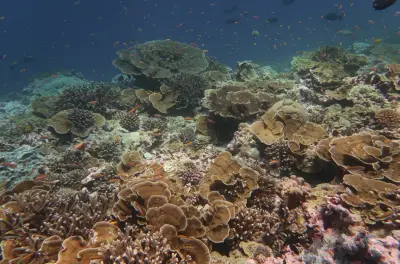
Reef fish
common
Hard corals
common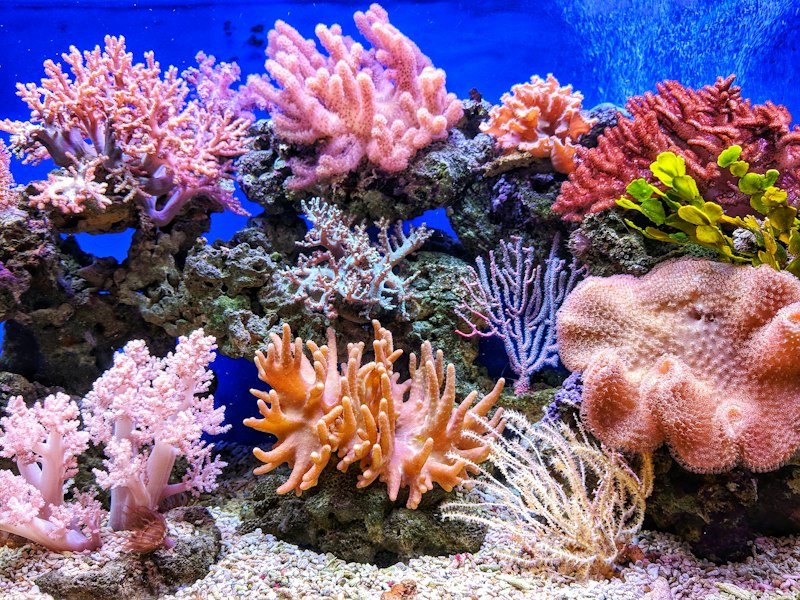
Soft corals
common
Barracuda
occasional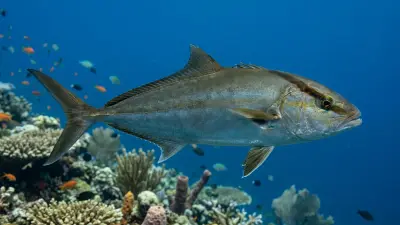
Jacks
occasional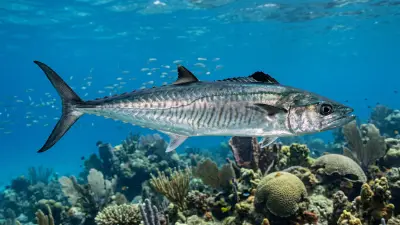
Mackerel
occasional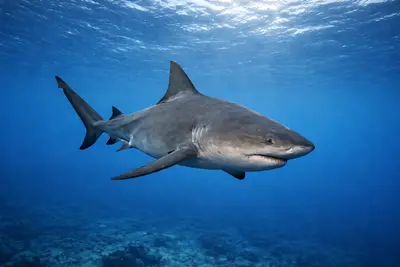
Sharks
occasional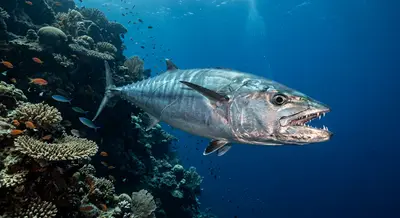
Tunas
occasional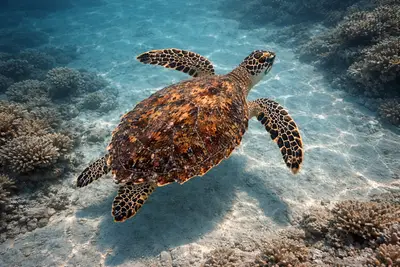
Hawksbill turtle
occasional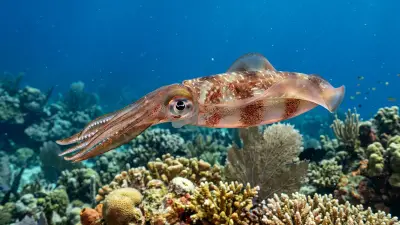
Reef squid
occasional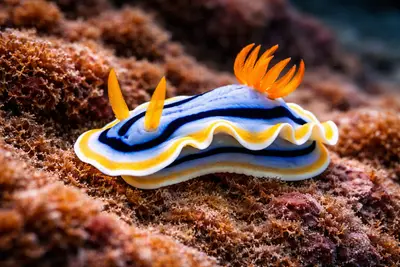
Nudibranchs
occasional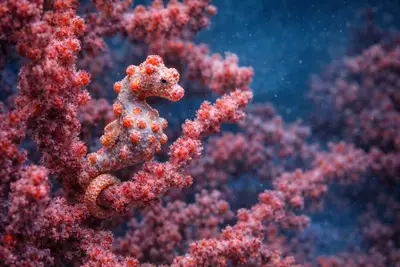
Pygmy seahorses
occasionalDive profile & how the dive runs
A typical dive at Mbili Passage often begins with a boat entry, allowing divers to descend directly into the main channel or along a prominent reef wall. You will usually drift with the current, which carries you along vibrant coral gardens and past various reef formations. The depth can range from shallow reef tops at 5-10 meters to deeper sections reaching 25-30 meters, where larger pelagic species might be encountered. Keep an eye out for schools of fish and the occasional shark or barracuda that cruise through the passage. The dive progresses, allowing for leisurely exploration of the diverse marine life thriving in the current-rich environment. Towards the end of the dive, you will typically ascend gradually along a coral slope, making your safety stop in the shallower, light-filled areas of the reef. The dive boat will then pick you up at your exit point, providing a comfortable return.
Underwater photography
Mbili Passage offers excellent opportunities for both wide-angle and macro photography, depending on your focus. For wide-angle shots, consider capturing the expansive coral formations, schools of fish, and the general reef landscape, especially when currents bring in pelagics. A wide-angle lens would be ideal here. For macro enthusiasts, the healthy corals and diverse invertebrate life warrant a macro lens to capture nudibranchs, pygmy seahorses, and various reef critters. Due to potential currents, precise buoyancy control is crucial to avoid stirring up sediment and to maintain stable shots. While natural light is often sufficient in the excellent visibility, strobes can enhance colors, particularly in deeper sections or for highlighting macro subjects. Be mindful of your finning to protect the delicate coral ecosystems.
Combine with nearby dive sites
Getting there & logistics
Diving Mbili Passage is primarily facilitated through liveaboard operations, as it is located in the remote Western Province of the Solomon Islands. The main international airport for arrival is Honiara International Airport (HIR) on Guadalcanal. From Honiara, divers typically transfer to a liveaboard vessel, which serves as the primary mode of transportation and accommodation for the duration of the trip. Liveaboard itineraries exploring the Western Province often range from 7 to 14 days, combining Mbili Passage with other renowned sites like Leru Cut and Mirror Pond. There are no specific entry fees for Mbili Passage itself, but national park fees or community levies may be incorporated into liveaboard package costs. It is advisable to book liveaboard trips well in advance due to limited availability.
Safety & environment
Diving in the Solomon Islands, including Mbili Passage, requires careful planning due to its remote location. The nearest recompression chamber is in Honiara, but evacuation from the Western Province can be complex and time-consuming, potentially involving multiple stages of transport. Therefore, comprehensive dive insurance that covers emergency medical treatment and evacuation is essential for all divers. Site-specific hazards at Mbili Passage include currents, which, while usually manageable, can occasionally be strong; divers should have appropriate experience or be guided by experienced professionals. Always follow your dive guide's instructions, maintain good buoyancy, and avoid touching or disturbing marine life to preserve the pristine environment. Pre-dive briefings will cover specific entry and exit procedures and any immediate environmental considerations.
Who it suits — and who it doesn't
Suited for
- Experienced open water divers comfortable with currents
- Photographers seeking diverse marine life and healthy corals
- Divers interested in remote, pristine reef environments
- Liveaboard enthusiasts looking for comprehensive itineraries
- Divers seeking pelagic encounters
Less suited for
- Brand new divers without current experience
- Divers uncomfortable with drift diving
- Those preferring extensive wreck diving only
- Divers seeking shore-based diving options
FAQ
Mbili Passage FAQ
What kind of marine life can I expect at Mbili Passage?
Mbili Passage is teeming with diverse marine life. You can anticipate seeing a wide array of colorful reef fish, healthy hard and soft corals, and various invertebrates. The currents occasionally attract larger pelagic species such as barracuda, jacks, tunas, and even sharks, offering exciting encounters.
Are there strong currents at Mbili Passage?
Currents at Mbili Passage are generally mild to moderate. Dive operators plan dives to utilize these currents for enjoyable drift diving, minimizing the need to swim against them. While occasional stronger currents can occur, experienced guides ensure a safe and comfortable diving experience.
What is the visibility like at Mbili Passage?
The visibility at Mbili Passage is consistently excellent, often ranging from 12 to 36 meters (40 to 120 feet). This superb clarity provides optimal conditions for appreciating the vibrant coral reefs and spotting marine life from a distance.
How do I get to Mbili Passage?
Mbili Passage is typically accessed via liveaboard vessels operating out of Honiara. You would fly into Honiara International Airport (HIR) on Guadalcanal, then transfer to your liveaboard. The dive site is part of itineraries exploring the Western Province, combining it with other remote and spectacular dive locations.
Is Mbili Passage suitable for beginners?
Mbili Passage is generally recommended for experienced Open Water divers who are comfortable with mild to moderate currents. While conditions are often favorable, the presence of currents makes it less ideal for absolute beginners. Divers with some current experience will best enjoy this site.
What are the water temperatures like?
The water temperatures at Mbili Passage are consistently warm year-round, typically ranging between 28-30°C (80-86°F). This allows for comfortable diving in lighter exposure suits, such as 3mm wetsuits or even shorties, making for pleasant underwater exploration.
Why dive Mbili Passage from a liveaboard?
Mbili Passage is one of Solomon Islands's signature dive sites. A liveaboard sleeps you on the water and puts you in the water for three to four guided dives per day, including dawn and night dives that day-boat operators rarely offer. You skip the daily commute back to port and reach quieter, less-crowded sites in the same region on a single trip.
Below are the liveaboards that include Mbili Passage on their Solomon Islands itineraries.
Liveaboards diving Mbili Passage
These liveaboards may visit Mbili Passage on selected itineraries — the exact dive sites depend on departure, weather and conditions.
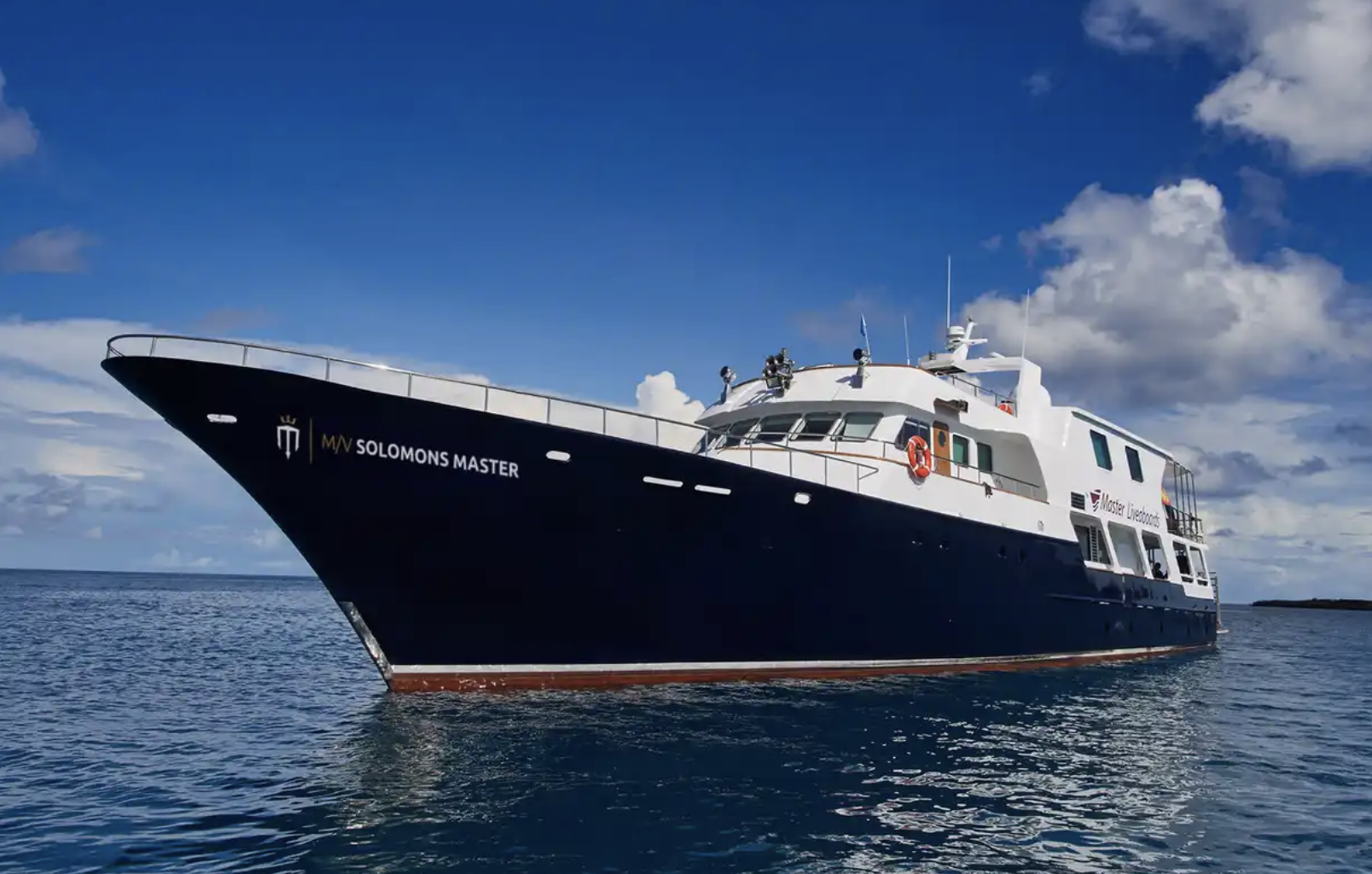
Solomons Master
Solomon Islands
16 guests
$401/day
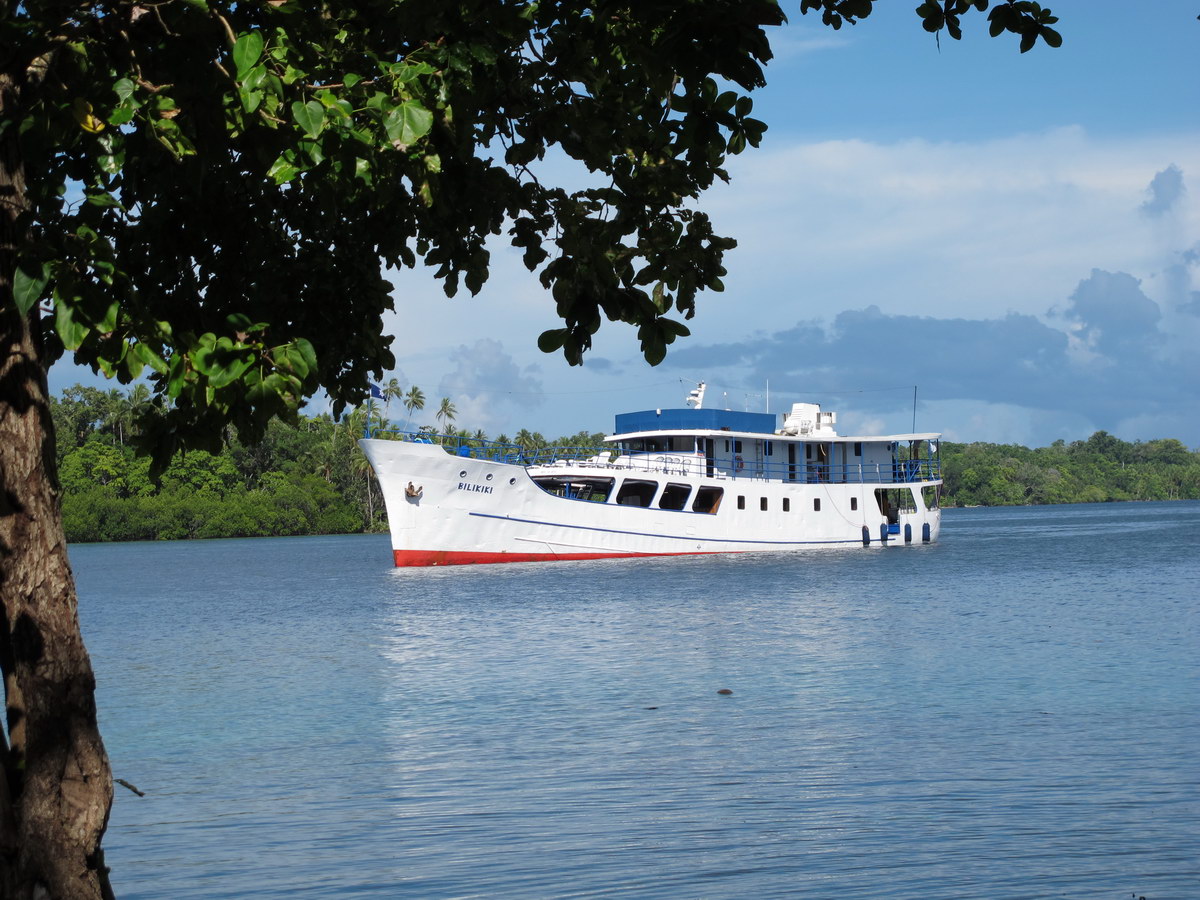
Emperor Bilikiki
Solomon Islands
20 guests38 m
$569/day
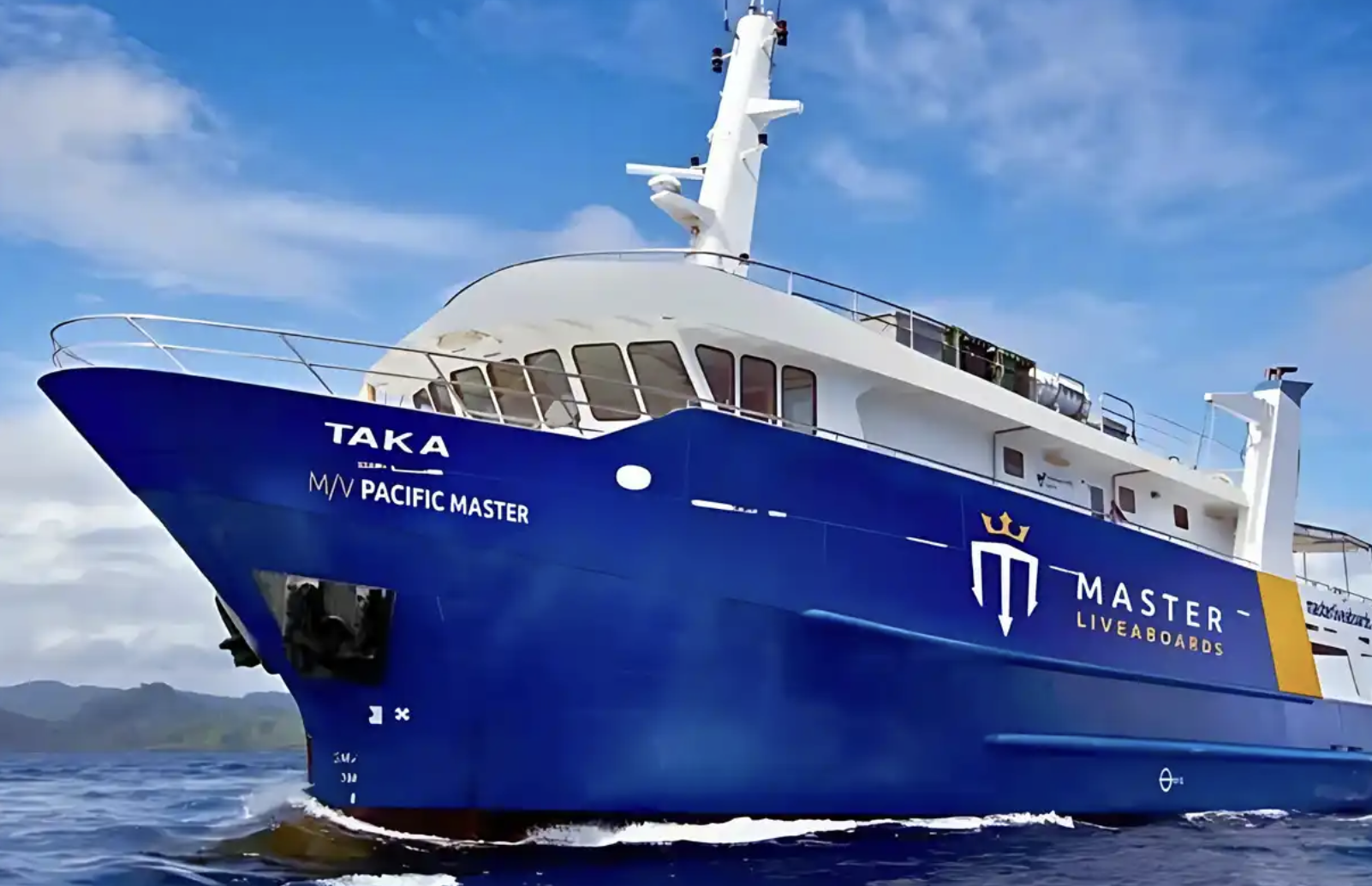
Pacific Master
Solomon Islands
20 guests30 m
$268/day
Dive sites similar to Mbili Passage
Same character, same waters — six more sites divers love for the exact same reasons.Compare seasons, access and liveaboard routes — then pick the site that fits your trip best.
© Esri — Maxar, Earthstar, GIS
Sandfly Passage
Solomon Islands
Sandfly Passage, located near the Florida Islands, is a dynamic dive site renowned for its exhilarating drift dives and incredible coral diversity.
- Suitable for
- Advanced
- Current
- Strong
- Access
- Liveaboard only
- Depth
- 10–35 m
- Theme
- Drift / Wall
© Esri — Maxar, Earthstar, GIS
Njari Island - Manta Point
Solomon Islands
Njari Island's Manta Point is a renowned dive site within the Solomon Islands, celebrated for its consistent manta ray sightings.
- Suitable for
- Intermediate
- Current
- Strong
- Access
- Liveaboard only
- Depth
- 10–25 m
- Theme
- Drift
© Esri — Maxar, Earthstar, GIS
Mborokua (Devil's Island)
Solomon Islands
Mborokua, commonly known as Mary Island or Devil's Island, stands as a remote and thrilling dive destination within the Solomon Islands archipelago.
- Suitable for
- Advanced
- Current
- Strong
- Access
- Liveaboard only
- Depth
- 10–40 m
- Theme
- Drift / Wall
© Esri — Maxar, Earthstar, GIS
Karumolun Point
Solomon Islands
Karumolun Point, nestled in the Russell Islands, stands as a prime example of the Solomon Islands' untouched marine beauty.
- Suitable for
- Advanced
- Current
- Strong
- Access
- Liveaboard only
- Depth
- 8–35 m
- Theme
- Pinnacle / Wall
© Esri — Maxar, Earthstar, GIS
Mary Island
Solomon Islands
Mary Island, often referred to as Mary's Island, is a celebrated dive destination in the Solomon Islands, renowned for its pristine marine environment and abundant large marine life.
- Suitable for
- Intermediate
- Current
- Mild
- Access
- Liveaboard only
- Depth
- 5–35 m
- Theme
- Wall
© Esri — Maxar, Earthstar, GIS
Marovo Lagoon - Coral Gardens
Solomon Islands
Marovo Lagoon, a UNESCO World Heritage site and the planet's largest saltwater lagoon, is a crown jewel of diving in the Solomon Islands.
- Suitable for
- Beginner
- Current
- Moderate
- Access
- Liveaboard only
- Depth
- 3–15 m
- Theme
- Reef