About Sandfly Passage
Sandfly Passage, located near the Florida Islands, is a dynamic dive site renowned for its exhilarating drift dives and incredible coral diversity. The passage is a narrow channel between islands, creating strong currents that sweep nutrients through, supporting a rich ecosystem. This makes it a prime location for encountering schooling fish and pelagic species attracted by the abundant food source. The topography features steep reef slopes, vibrant walls, and occasional pinnacles. Depths can vary, offering opportunities for both shallower, colorful reef exploration and deeper drifts depending on the specific dive plan and current conditions. Simon's Nature Reserve, an area within the passage, is particularly notable for its protected and thriving coral gardens. While specific marine life varies with the currents, common sightings include various reef fish, schools of barracuda, and occasionally sharks. The health and variety of corals, both hard and soft, are exceptional throughout the passage. This site exemplifies the pristine nature of Solomon Islands diving, where untouched reefs flourish. Diving here typically involves liveaboard trips, utilizing tenders for entry and exit due to the currents. Divers should be comfortable with drift diving and managing buoyancy in dynamic environments. The remote location ensures an uncrowded experience, allowing divers to immerse themselves fully in this spectacular underwater world.
Highlights
Exhilarating drift divingSimon's Nature Reserve coral gardensStrong currentsSchooling fish encountersPelagic marine life
Season calendar
Best months to dive here
Jan
Feb
Mar
Apr
May
Jun
Jul
Aug
Sep
Oct
Nov
Dec
Excellent
Good
Dive site facts: Sandfly Passage
- Depth
- 10–35 m
- Current
- Strong
- Visibility
- 20–30 m
- Water temperature
- 28–30 °C
- Entry
- Tender / negative entry
- Level
- Advanced, current experience essential
- Dive type
- Drift, reef, pelagic, coral gardens
- Night dive
- Possible
- Region / port
- Florida Islands
- Coordinates
- -9.1667, 160.1167
Conditions & Currents
Sandfly Passage is characterized by strong, often unpredictable currents due to its narrow channel location between islands. These currents, while challenging, are precisely what make the dive so vibrant, bringing in a constant supply of nutrients and attracting large schools of fish and pelagic species. Divers should expect drift dives and be prepared for negative entries to quickly reach the reef. Exit strategies rely on tenders picking up divers down-current. Visibility can be excellent, though strong currents sometimes stir up sediment. Divers must possess good buoyancy control and experience with current diving; a reef hook is highly recommended for stable observation points.
Marine life & sighting chances

Barracuda
common
Reef sharks
occasional
Clownfish
common
Tuna
occasional
Butterflyfish
common
Damselfish
common
Anthias
common
Gorgonian fans
common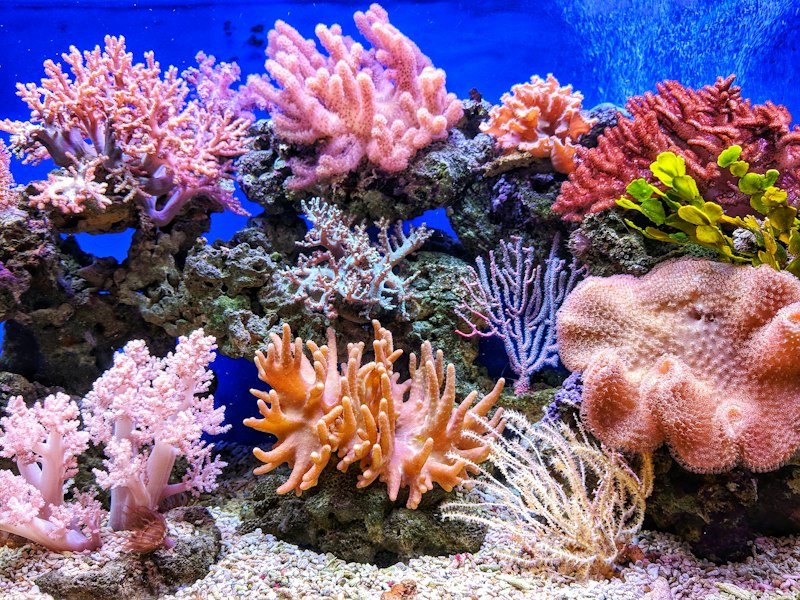
Soft corals
common
Hard corals
commonWhip corals
common
Sponges
commonDive profile & how the dive runs
Dives in Sandfly Passage are typically drift dives initiated from a tender boat. Upon entry, divers descend quickly to the main reef slope or wall, often using a negative entry to get below the surface current. The dive then proceeds along the reef, with the current guiding the route. Depths can range, but most of the vibrant coral action and fish life is concentrated along the walls and shallower slopes, allowing for longer bottom times. Pay close attention to your dive guide, who will navigate the best path to maximize sightings of schooling fish and pelagic encounters. The turning point is dictated by air consumption and the current's direction, with the safety stop usually conducted as a suspended drift before signaling the tender for pickup.
Underwater photography
Sandfly Passage presents excellent opportunities for both wide-angle and macro photography. For wide-angle shots, capitalize on the healthy, diverse coral formations and schooling fish in the current-swept areas. The vibrant reefs of Simon's Nature Reserve are particularly photogenic. When currents are strong, a reef hook can be invaluable for stable shooting positions. For macro enthusiasts, explore crevices and sheltered areas for smaller critters, but be mindful of the current. Buoyancy control is paramount to avoid damaging delicate corals during drifts. Consider bringing powerful strobes to bring out the true colors of the reef and ensure your camera gear is securely handled during tender transfers.
Combine with nearby dive sites
Getting there & logistics
Access to Sandfly Passage is primarily via liveaboard vessels departing from Honiara, the capital of the Solomon Islands. Honiara International Airport (HIR) serves as the main gateway, with flights available from Brisbane, Nadi (Fiji), Port Moresby, and Auckland. Typical liveaboard trips range from 7 to 10 nights, often combining Sandfly Passage with other sites in the Florida Islands, Russell Islands, and Mary Island. There are no specific park fees mentioned for this site, but liveaboard packages generally include all diving and permits. Ensure you factor in international travel and potential domestic transfers if your itinerary includes other remote island groups.
Safety & environment
Diving Sandfly Passage requires careful attention to safety protocols due to the strong currents. Always follow your dive guide's instructions regarding entry, route, and exit procedures. A reef hook is recommended for maintaining position in strong flow. The nearest recompression chamber is in Honiara, but evacuation from remote dive sites can be challenging and time-consuming. It is essential to have comprehensive dive insurance that covers remote evacuation and recompression treatment. Be mindful of boat traffic if diving near populated areas. Malaria is present in the Solomon Islands, so consult with your doctor about appropriate prophylaxis before your trip.
Who it suits — and who it doesn't
Suited for
- Experienced drift divers
- Divers seeking strong currents and pelagic action
- Underwater photographers (both wide-angle and macro)
- Liveaboard enthusiasts
- Divers interested in pristine, remote reefs
Less suited for
- Beginner divers
- Divers uncomfortable with strong currents
- Those without good buoyancy control
- Divers prone to seasickness
- Individuals with limited mobility for tender entries/exits
FAQ
Sandfly Passage FAQ
What kind of currents can I expect at Sandfly Passage?
Sandfly Passage is known for its strong and often unpredictable currents. These currents are a defining feature of the dive, bringing in nutrient-rich water that supports an abundance of marine life. Divers should be prepared for exhilarating drift dives and maintain excellent buoyancy control.
Is Sandfly Passage suitable for beginner divers?
Sandfly Passage is generally not recommended for beginner divers due to the strong currents. It is best suited for experienced divers who are comfortable with drift diving and have good buoyancy control. Prior experience in challenging current conditions is highly beneficial.
What marine life can I expect to see?
The strong currents attract a variety of marine life, including large schools of barracuda and various reef fish. You can also expect to see reef sharks and a spectacular array of hard and soft corals. The nearby Simon's Nature Reserve boasts exceptional coral gardens.
How is Sandfly Passage typically accessed for diving?
Sandfly Passage is primarily accessed via liveaboard diving trips that operate in the Solomon Islands. Divers are usually transported to the dive site by tender boats, which are also used for pickup after the drift dive. Negative entries are common to get below surface currents efficiently.
What photography equipment is recommended for this site?
For Sandfly Passage, both wide-angle and macro setups can yield excellent results. Wide-angle lenses are ideal for capturing the vast coral landscapes and schooling fish, while macro lenses can explore the rich invertebrate life in sheltered areas. Consider powerful strobes and a reef hook for stability in currents.
Why dive Sandfly Passage from a liveaboard?
Sandfly Passage is one of Solomon Islands's signature dive sites. A liveaboard sleeps you on the water and puts you in the water for three to four guided dives per day, including dawn and night dives that day-boat operators rarely offer. You skip the daily commute back to port and reach quieter, less-crowded sites in the same region on a single trip.
Below are the liveaboards that include Sandfly Passage on their Solomon Islands itineraries.
Liveaboards diving Sandfly Passage
These liveaboards may visit Sandfly Passage on selected itineraries — the exact dive sites depend on departure, weather and conditions.
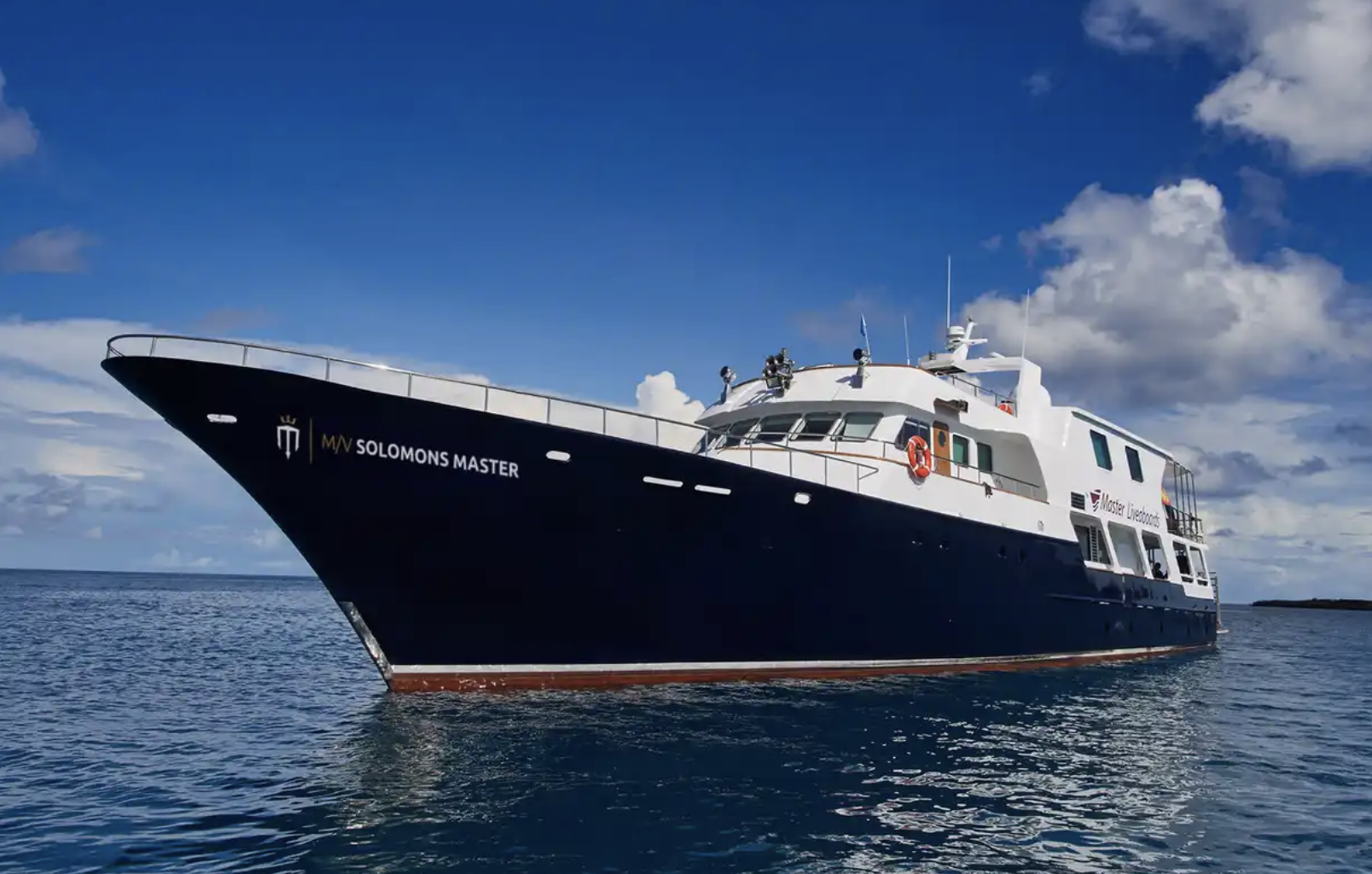
Solomons Master
Solomon Islands
16 guests
$401/day
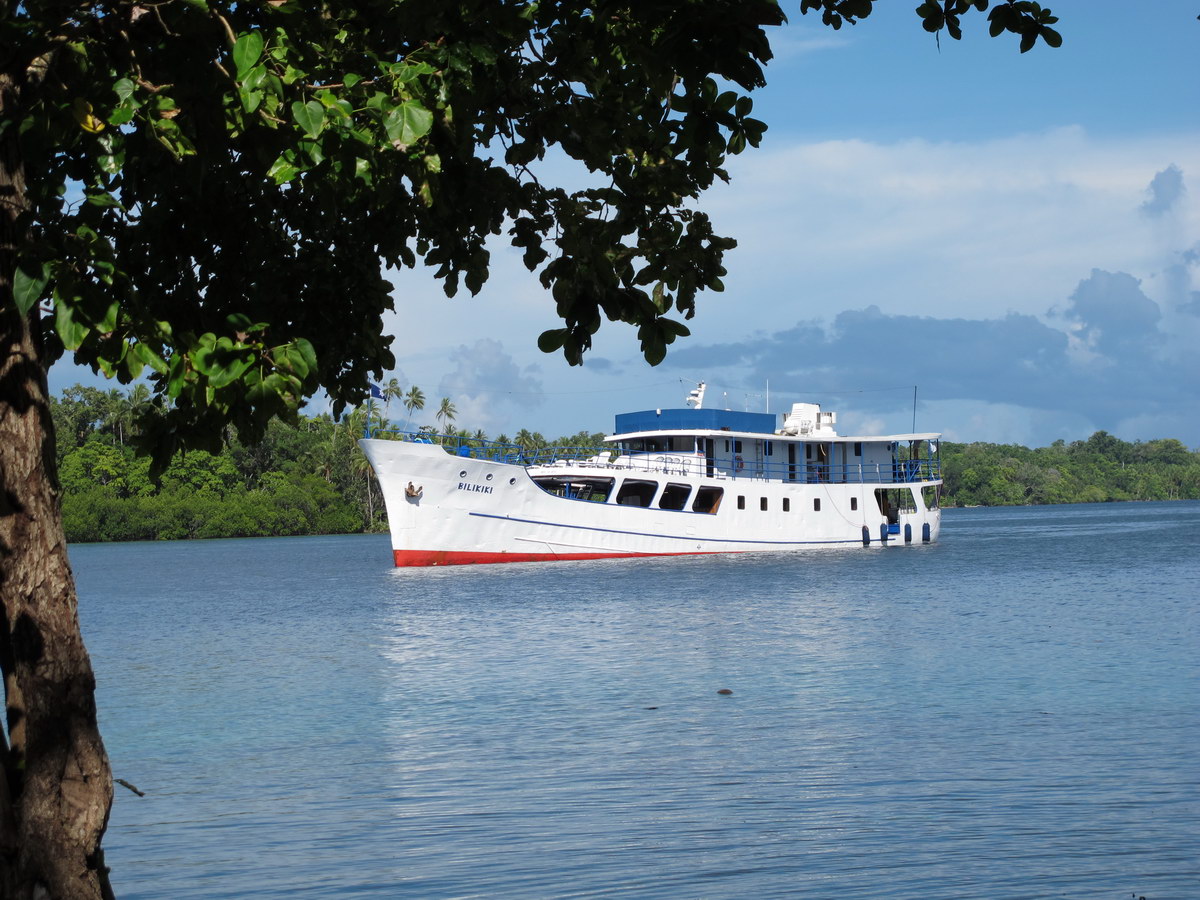
Emperor Bilikiki
Solomon Islands
20 guests38 m
$569/day
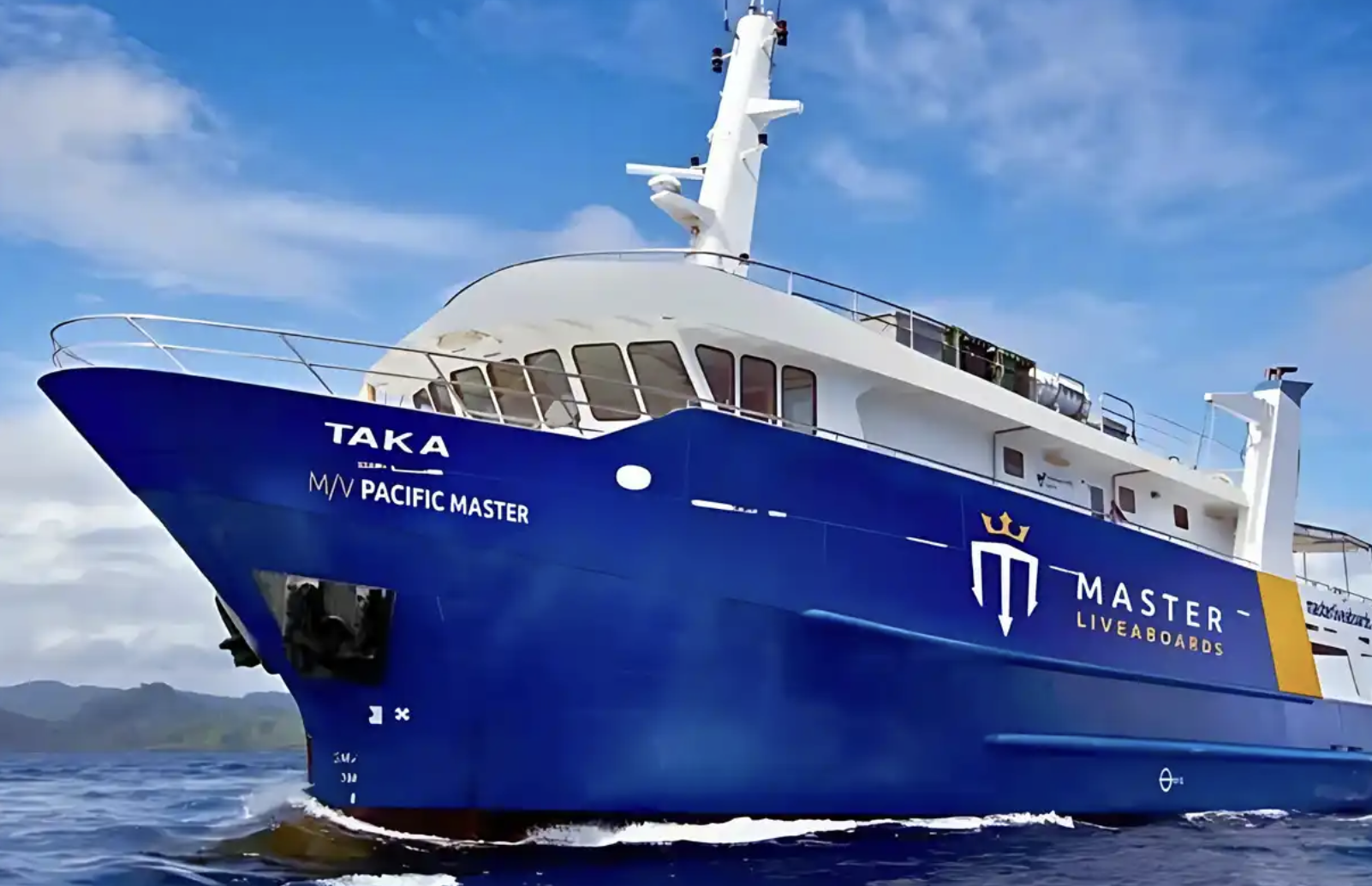
Pacific Master
Solomon Islands
20 guests30 m
$268/day
Dive sites similar to Sandfly Passage
Same character, same waters — six more sites divers love for the exact same reasons.Compare seasons, access and liveaboard routes — then pick the site that fits your trip best.
© Esri — Maxar, Earthstar, GIS
Big La Laguna
Philippines
Big La Laguna is a beach community situated on the western edge of the Sabang Peninsula, a popular dive region on Mindoro Island, Philippines.
- Suitable for
- Intermediate
- Current
- Moderate
- Access
- Dayboat
- Depth
- 5–35 m
- Theme
- Reef / Wall
© Esri — Maxar, Earthstar, GIS
Rusa Pinnacle
Alor
Rusa Pinnacle is a challenging yet highly rewarding dive site situated in the Alor archipelago, part of Indonesia's East Nusa Tenggara.
- Suitable for
- Advanced
- Current
- Strong
- Access
- Liveaboard only
- Depth
- 6–30 m
- Theme
- Reef
Lipah Bay is situated on Bali's northeast coast within the Amed area, nestled against the dramatic backdrop of Gunung Agung.
- Suitable for
- Beginner
- Current
- Mild
- Access
- Liveaboard or dayboat
- Depth
- 5–30 m
- Theme
- Reef / Drift
© Esri — Maxar, Earthstar, GIS
Tangked Cave
Bali
Tangked Cave, sometimes referred to as Tangked Taked Shark Cave, is an advanced dive site situated in the open ocean off Bali's southeastern coast.
- Suitable for
- Advanced
- Current
- Moderate
- Access
- Liveaboard or dayboat
- Depth
- 15–40 m
- Theme
- Cave & cavern / Reef
© Esri — Maxar, Earthstar, GIS
Schools Out
Alor
Schools Out in Alor offers divers an exceptional encounter with healthy coral reefs and a rich variety of marine species.
- Suitable for
- Intermediate
- Current
- Mild
- Access
- Liveaboard only
- Depth
- 20–30 m
- Theme
- Reef
© Esri — Maxar, Earthstar, GIS
Batununggul
Bali
Batununggul, also known as Suana or Batumulapan by some operators, is a dynamic wall and sloping reef dive site situated on the eastern side of Nusa Penida, Bali.
- Suitable for
- Advanced
- Current
- Strong
- Access
- Liveaboard or dayboat
- Depth
- 10–40 m
- Theme
- Wall