About Mike's Point
Mike's Point is an exceptional dive site located in the Dampier Strait of Raja Ampat, positioned between Gam and Mansuar islands. This site features a distinctive pinnacle, an uninhabited island with small trees and birdlife, rumored to have been bombed during WWII due to its resemblance to a warship or damaged by past dynamite fishing. The island's topography, both above and below the surface, reveals massive crevasses and overhangs, creating a unique underwater landscape. The dive unfolds around this pinnacle, which is surrounded by an enormous reef plateau. On the south-facing side, a massive reef wall extends beyond 40 meters, adorned with vibrant soft corals and teeming with macro life. Divers can find shelter from the strong currents within huge overhangs, which also host schools of yellow-striped sweetlips and various other fish species. As you circle the island, the wall transitions into gentle slopes that reach the seafloor, eventually flattening into an 8-meter plateau along the northern and eastern edges, offering numerous overhangs and natural swim-throughs. These slopes and plateaus boast an incredible array of hard coral formations, vibrant and diverse as far as the eye can see. The strategic location in the Dampier Strait means that powerful currents sweep through the area, attracting large schools of marine life to the site. While the peak current periods bring abundant life, diving during slack tide allows for a more relaxed exploration of the entire site. Due to the strong currents, Mike's Point is generally recommended for experienced divers, especially during peak current times. However, diving during slack tide makes the site accessible for most divers. Many choose to complete their safety stop on the shallow plateau, where sunlight filters through the rock and coral formations, creating a truly spectacular end to the dive.
Highlights
Pinnacle with distinctive rock formationsMassive crevasses and overhangsReef wall over 40m deepVibrant soft coral growthSchools of yellow-striped sweetlipsEnormous reef plateauColorful hard coral formationsNatural swim-throughs
Season calendar
Best months to dive here
Jan
Feb
Mar
Apr
May
Jun
Jul
Aug
Sep
Oct
Nov
Dec
Excellent
Good
Dive site facts: Mike's Point
- Depth
- 8–40 m
- Current
- Strong
- Entry
- Negative entry / tender
- Level
- Advanced, current experience helpful
- Dive type
- Wall, drift, reef
- Region / port
- Dampier Strait, Central Raja Ampat
- Coordinates
- -0.548, 130.685
Conditions & Currents
Mike's Point is known for its strong, nutrient-rich currents, which are a defining characteristic of the Dampier Strait. These currents can range from mild to challenging depending on the tidal phase, making it essential for divers to have good buoyancy control and experience with drift diving. Entry to the water is often a negative entry, descending quickly to the reef to avoid being swept away by surface currents. Reef hooks are frequently used to allow divers to observe the rich marine life without exerting excessive effort against the flow. Visibility can fluctuate with these currents; while they bring abundant nutrients that attract marine life, plankton blooms can occasionally reduce clarity. Divers should be prepared for varying conditions and follow their guide's instructions closely, as current direction and strength can change rapidly.
Marine life & sighting chances
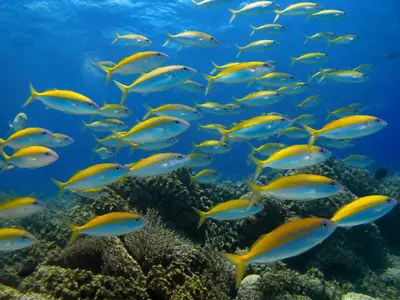
Fusiliers
October to May · common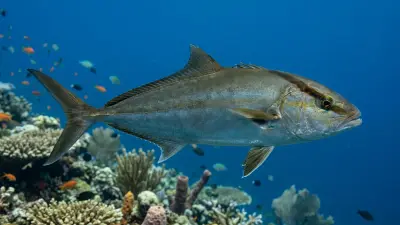
Jacks
October to May · common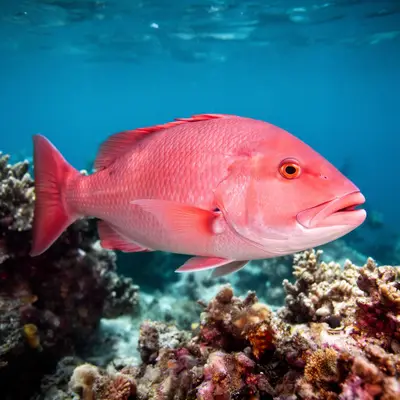
Snapper
October to May · common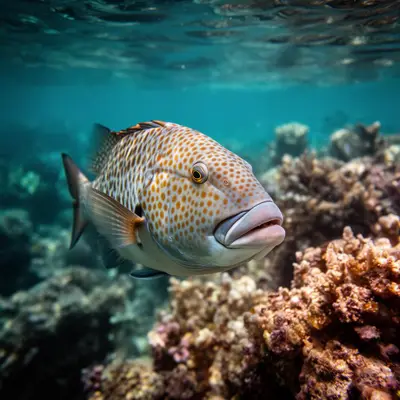
Sweetlips
October to May · common
Barracuda
October to May · common
Grey reef sharks
October to May · occasional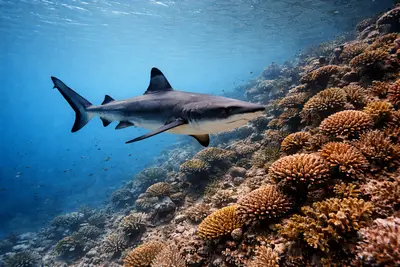
Blacktip reef sharks
October to May · occasional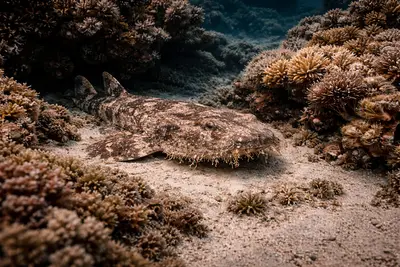
Wobbegong sharks
October to May · occasional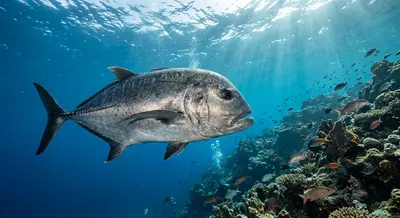
Giant trevally
October to May · occasional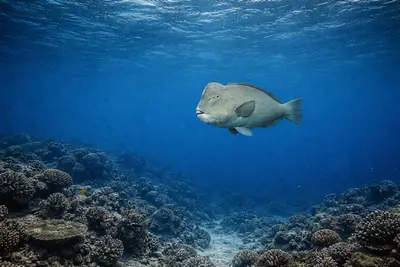
Bumphead parrotfish
October to May · rareDive profile & how the dive runs
Diving at Mike's Point typically begins with a negative entry due to potentially strong surface currents, quickly descending to the reef wall. The dive usually follows the contours of the dramatic wall, exploring its rich coral formations and diverse marine life. Guides often lead divers through the iconic swim-throughs, adding an adventurous element to the dive. Depending on the current, divers might drift along the wall, observing schools of fish and passing pelagics. The dive will progress along the reef, with the turn point determined by air consumption and current direction. Safety stops are performed in more sheltered areas or by using reef hooks if currents are still strong, ensuring a controlled ascent and decompression before surfacing to the tender.
Underwater photography
Mike's Point offers incredible opportunities for both wide-angle and macro photography, though strong currents can present a challenge. For wide-angle shots, consider capturing the dramatic reef walls and the schools of fusiliers, jacks, and barracuda that often congregate. A fisheye or wide-angle rectilinear lens is ideal here, paired with strobes to bring out the vibrant colors of the corals. For macro subjects, search for smaller critters nestled within the coral formations during periods of milder current; focus on stable buoyancy to avoid disturbing the reef. Patience is key when shooting in current-swept areas, as subjects can move quickly. Consider using a reef hook for stability to compose your shots without kicking, allowing for clearer images of the abundant life.
Combine with nearby dive sites
- Cape Kri
Known for record-breaking fish biodiversity and strong currents.
- Sardine Reef
Famous for dense schools of fish and powerful currents.
- Mioskon
Diverse reef with schools of fish and wobbegong sharks.
- Friwin Wall
Sheltered wall dive with rich coral gardens, suitable for various levels.
- Arborek Jetty
Excellent macro and sheltered site for relaxed dives.
Getting there & logistics
Access to Mike's Point, like most of Raja Ampat, typically involves flying into Sorong (SOQ) airport, usually via major Indonesian hubs like Jakarta or Makassar. From Sorong, liveaboards or resort tenders transport divers to the dive sites, with Mike's Point being easily reachable within the Dampier Strait. Liveaboard trips often range from 7 to 12 days, covering multiple regions of Raja Ampat, including central areas where Mike's Point is located. Divers are required to purchase a Raja Ampat Marine Park Entry Permit, valid for one calendar year, which supports local conservation efforts. Shorter resort-based stays are also possible, often focusing on sites within the Dampier Strait, offering daily boat dives.
Safety & environment
Diving at Mike's Point demands a high level of situational awareness due to potentially strong and unpredictable currents. Divers should maintain excellent buoyancy control and be proficient in drift diving techniques. The nearest recompression chamber is located in Sorong, which can be several hours away by boat depending on the dive site's exact location. Therefore, comprehensive dive insurance covering emergency evacuation and medical treatment, including hyperbaric therapy, is not just recommended but essential. Always dive with a qualified local guide who understands the currents and conditions. Divers should carry an SMB (Surface Marker Buoy) and know how to deploy it, especially given the potential for drift and boat traffic in the area. Listen carefully to dive briefings and adhere to all safety protocols.
Who it suits — and who it doesn't
Suited for
- Advanced divers comfortable with strong currents
- Experienced drift divers
- Underwater photographers seeking pelagic action
- Divers interested in diverse reef ecosystems
- Those looking for dramatic underwater topography
Less suited for
- Beginner divers
- Divers with limited experience in currents
- Those prone to seasickness
- Divers seeking purely calm, current-free dives
FAQ
Mike's Point FAQ
What kind of currents can I expect at Mike's Point?
Mike's Point is situated in the Dampier Strait, known for its strong, nutrient-rich currents. These can vary from moderate to very powerful depending on the tidal phase. Divers should be prepared for drift diving and may need to use reef hooks to hold position and observe the marine life comfortably.
What marine life is commonly seen at Mike's Point?
This site is teeming with life due to the currents. You can expect to see large schools of fusiliers, jacks, snapper, and barracuda. Pelagic species like grey reef sharks and blacktip reef sharks are often sighted, and wobbegong sharks can sometimes be found resting under coral overhangs.
Is Mike's Point suitable for all diver levels?
Mike's Point is generally recommended for advanced divers who are comfortable with strong currents and have good buoyancy control. The dynamic conditions require experience in drift diving and potentially negative entries. Beginner divers might find the currents challenging and overwhelming.
When is the best time of year to dive Mike's Point?
The prime diving season for Mike's Point, and Raja Ampat in general, runs from October to May. During these months, the seas are typically calmer, visibility is more stable, and water temperatures are consistently warm, providing the best conditions for an enjoyable dive.
Are there any specific safety considerations for diving Mike's Point?
Due to the strong currents, carrying a surface marker buoy (SMB) and knowing how to deploy it is crucial. Always dive with a knowledgeable local guide who can assess the current conditions. Comprehensive dive insurance, covering emergency evacuation and hyperbaric treatment in Sorong, is highly recommended for all divers.
Why dive Mike's Point from a liveaboard?
Mike's Point is one of Raja Ampat, Indonesia's signature dive sites. A liveaboard sleeps you on the water and puts you in the water for three to four guided dives per day, including dawn and night dives that day-boat operators rarely offer. You skip the daily commute back to port and reach quieter, less-crowded sites in the same region on a single trip.
Below are the liveaboards that include Mike's Point on their Raja Ampat, Indonesia itineraries.
Liveaboards diving Mike's Point
These liveaboards may visit Mike's Point on selected itineraries — the exact dive sites depend on departure, weather and conditions.
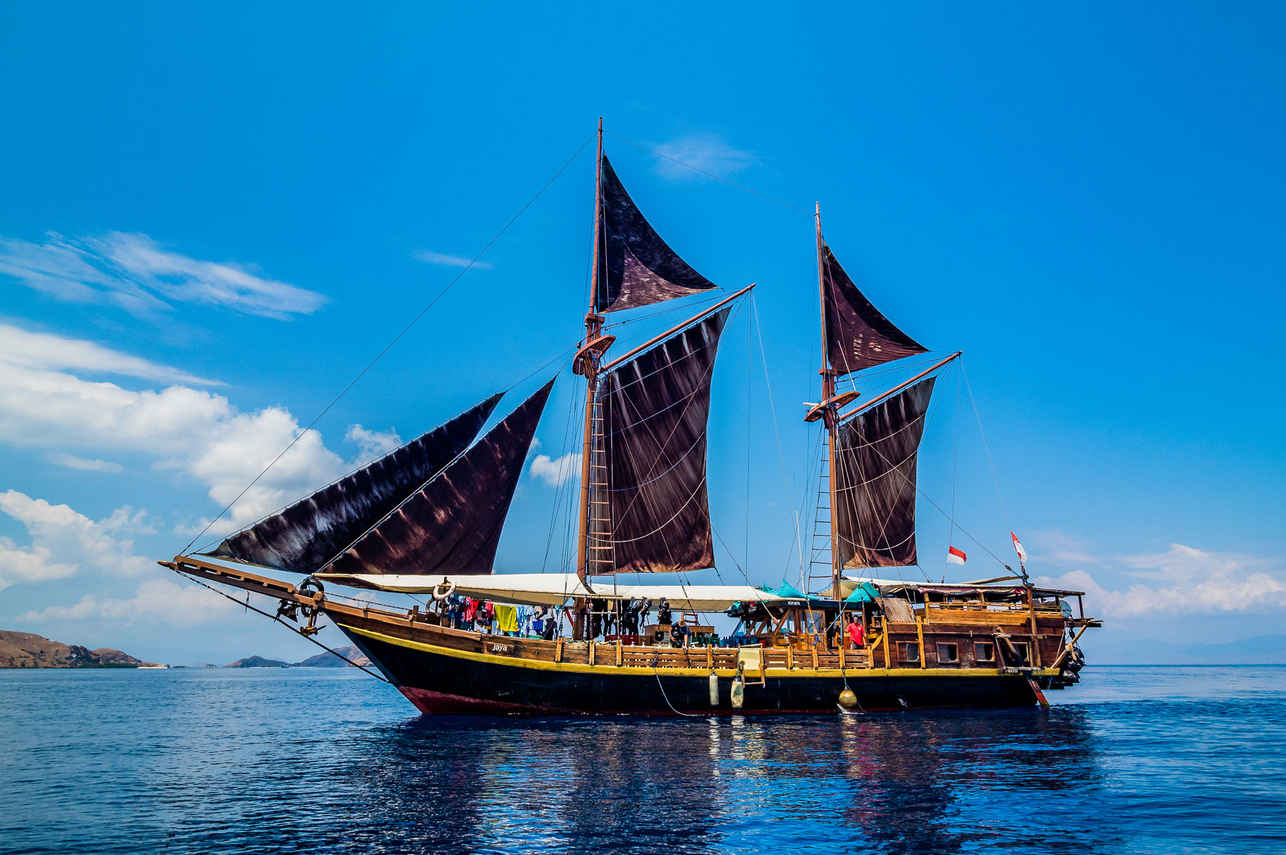
Jaya
Indonesia
14 guests23 m
$280/day
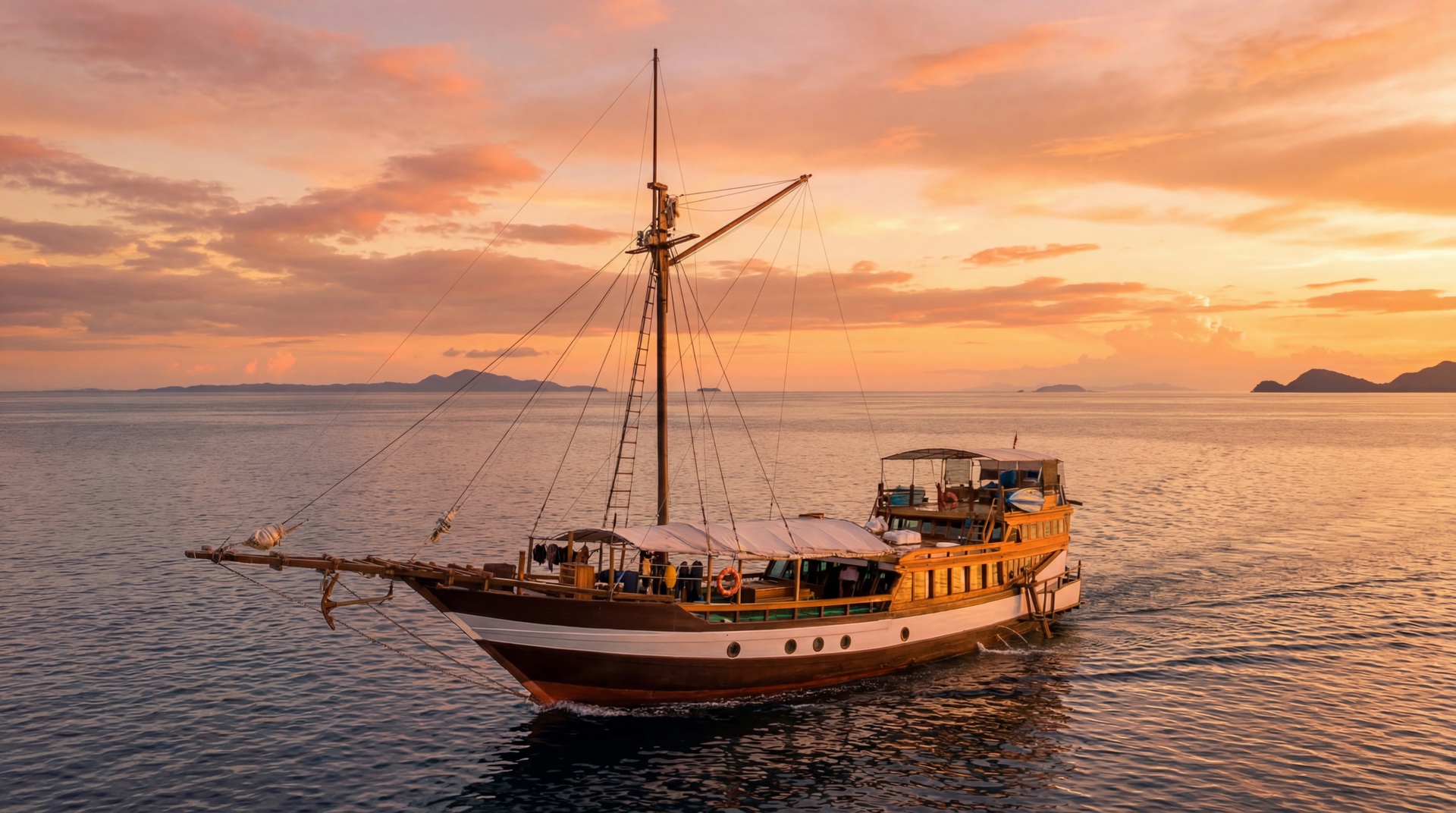
Wellenreng
Indonesia
9 guests25 m
$426/day
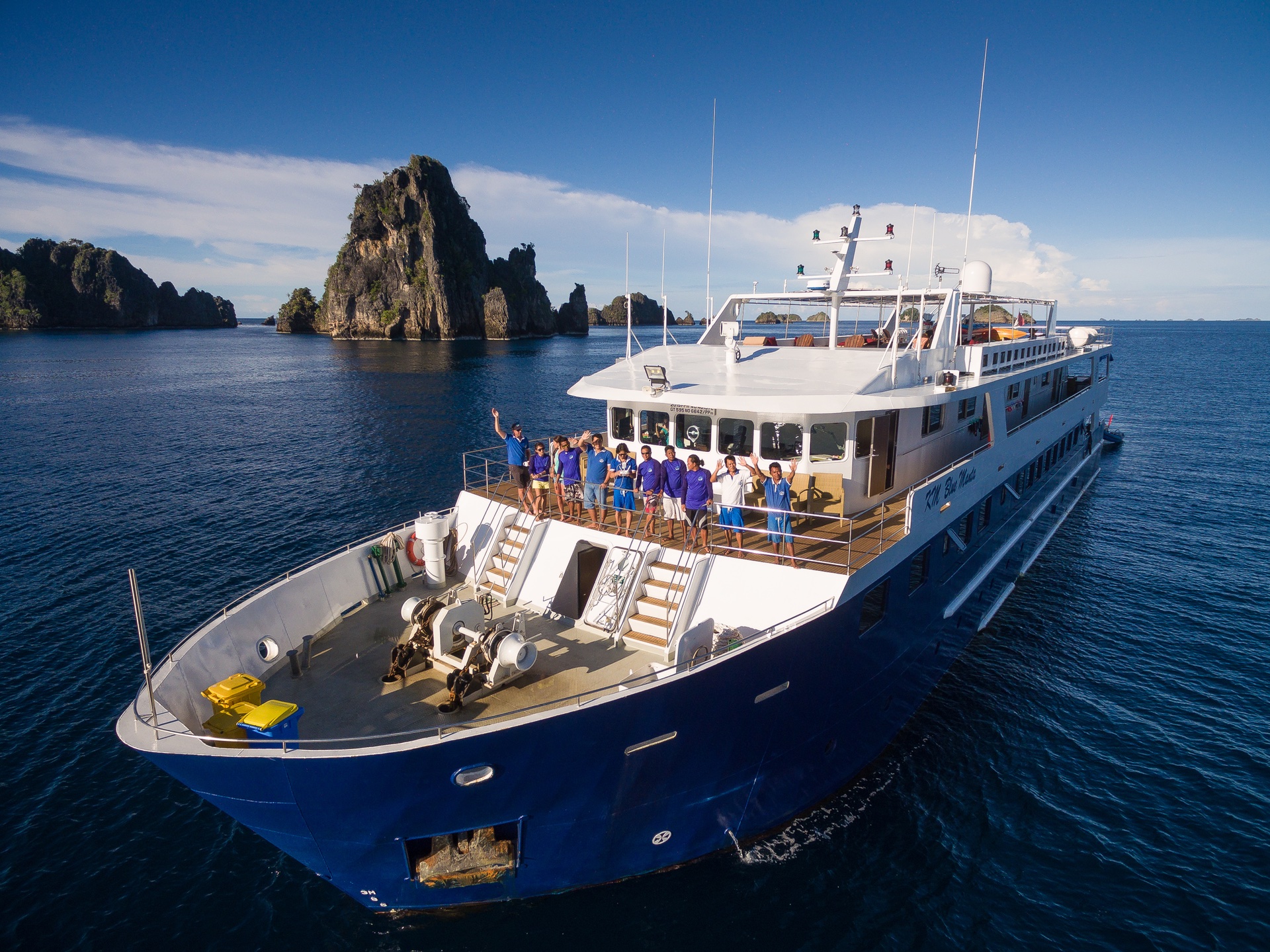
Blue Manta
Indonesia
20 guests45 m
$488/day
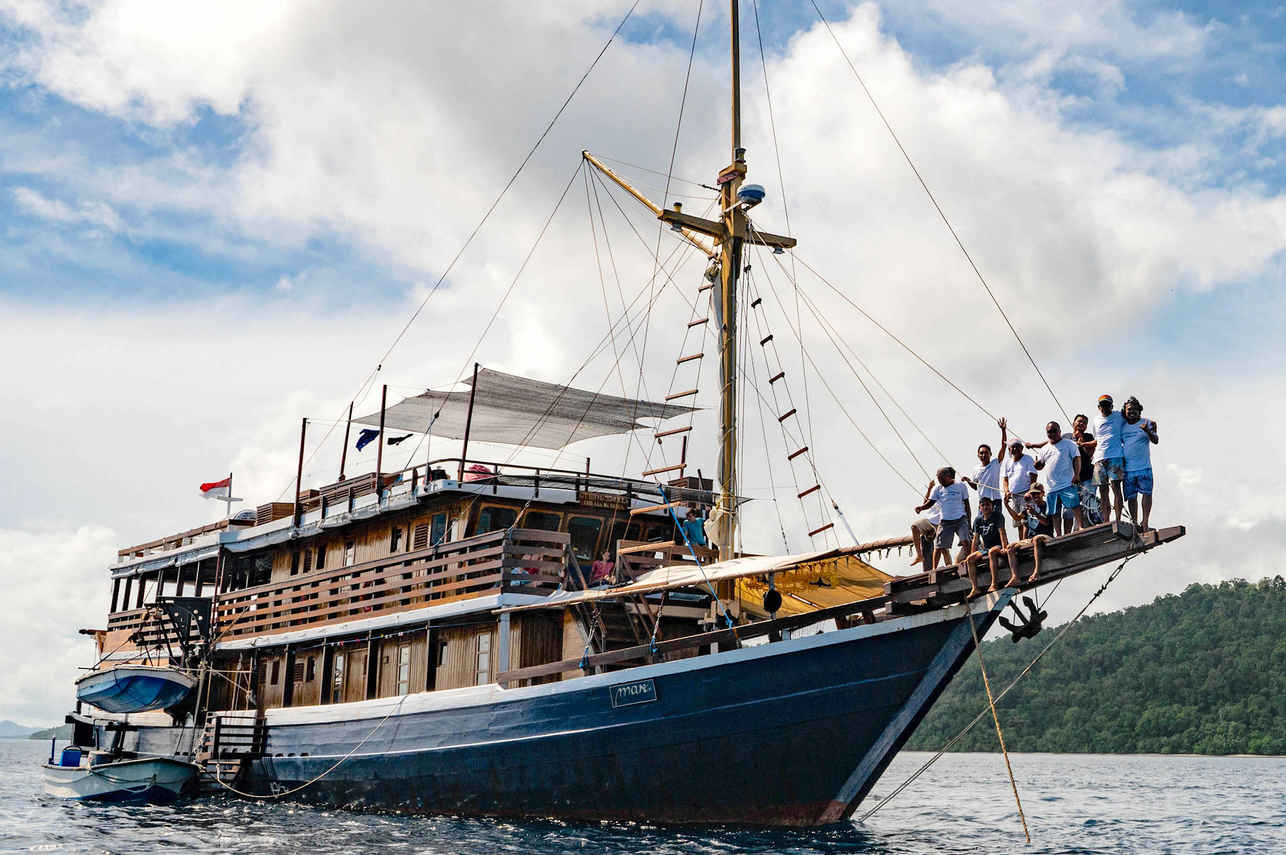
Mari
Indonesia
14 guests32.2 m
$327/day
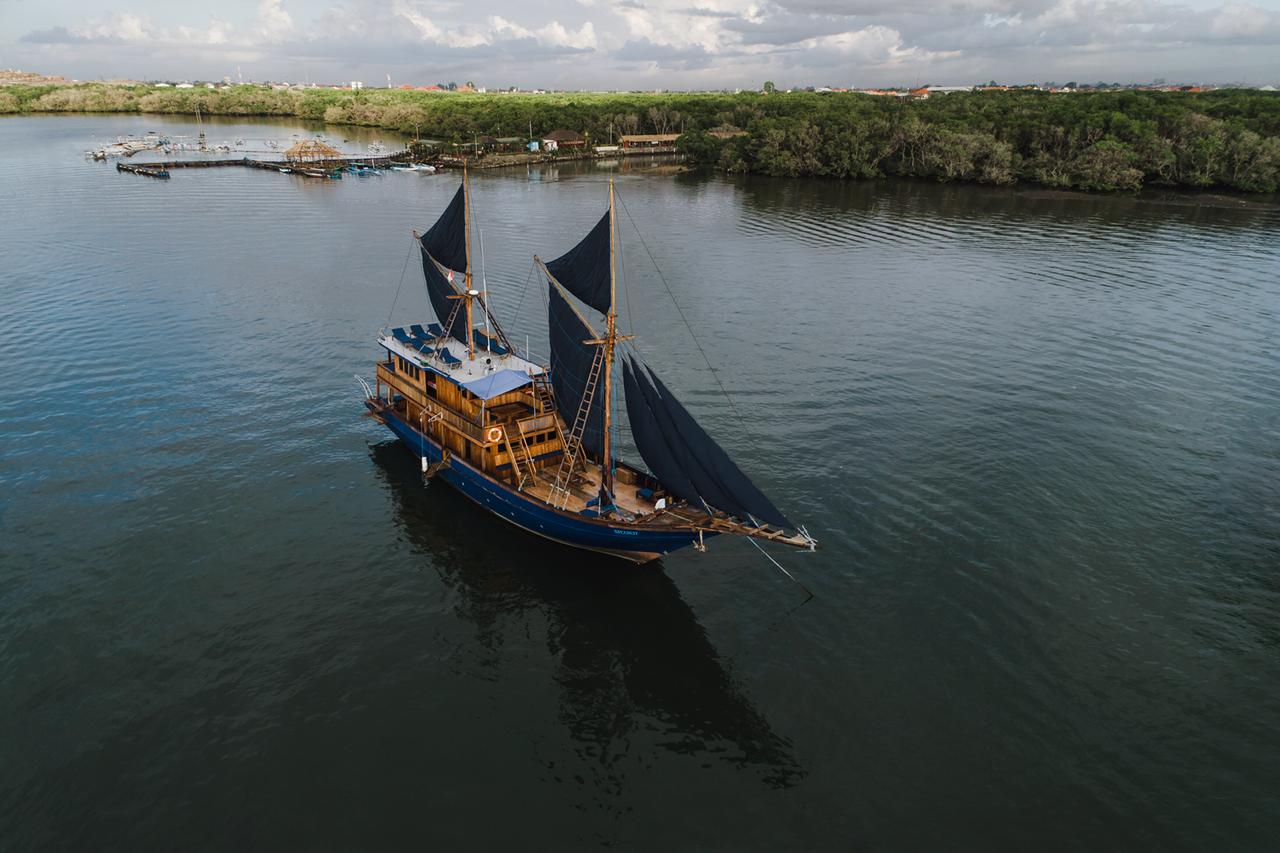
Situju7
Komodo, Indonesia
10 guests32.7 m
$362/day
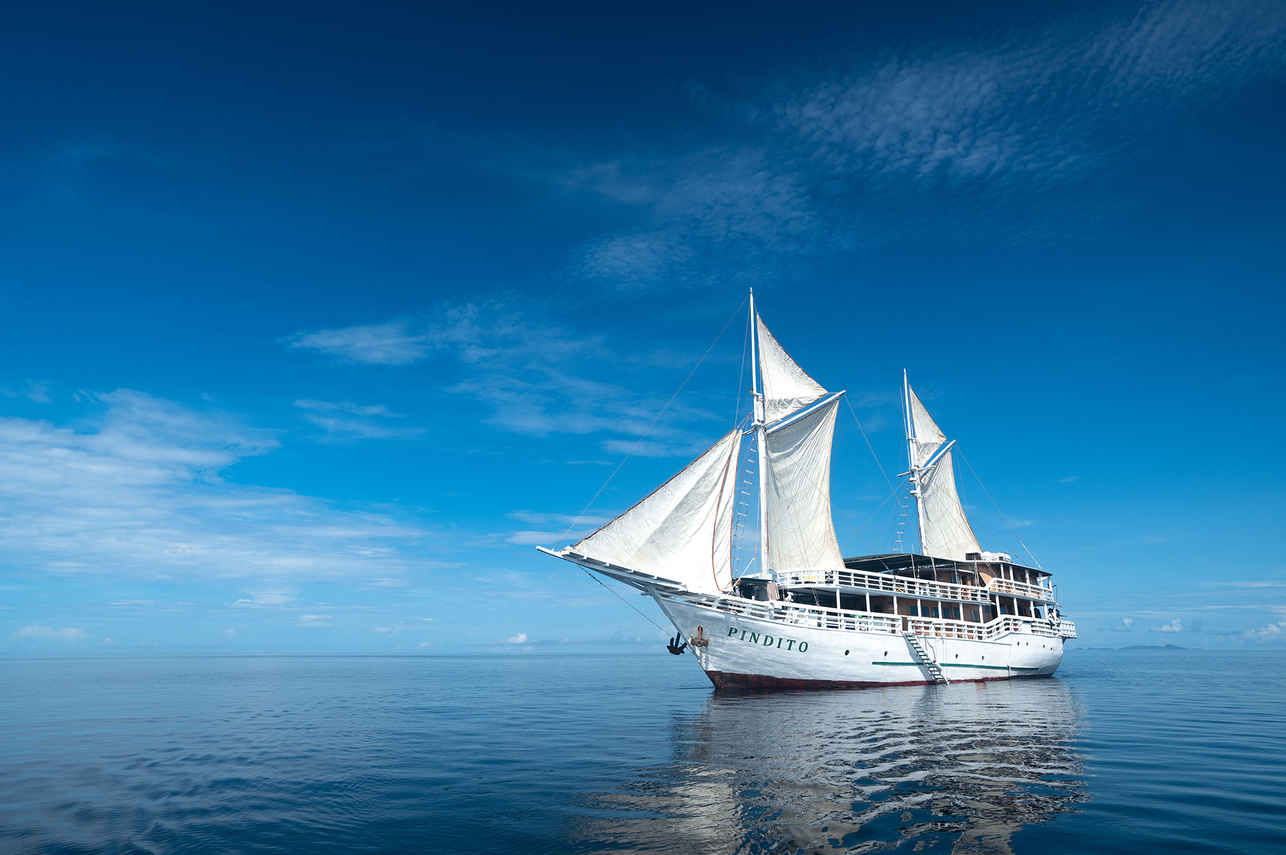
Pindito
Indonesia
16 guests37.79 m
$533/day
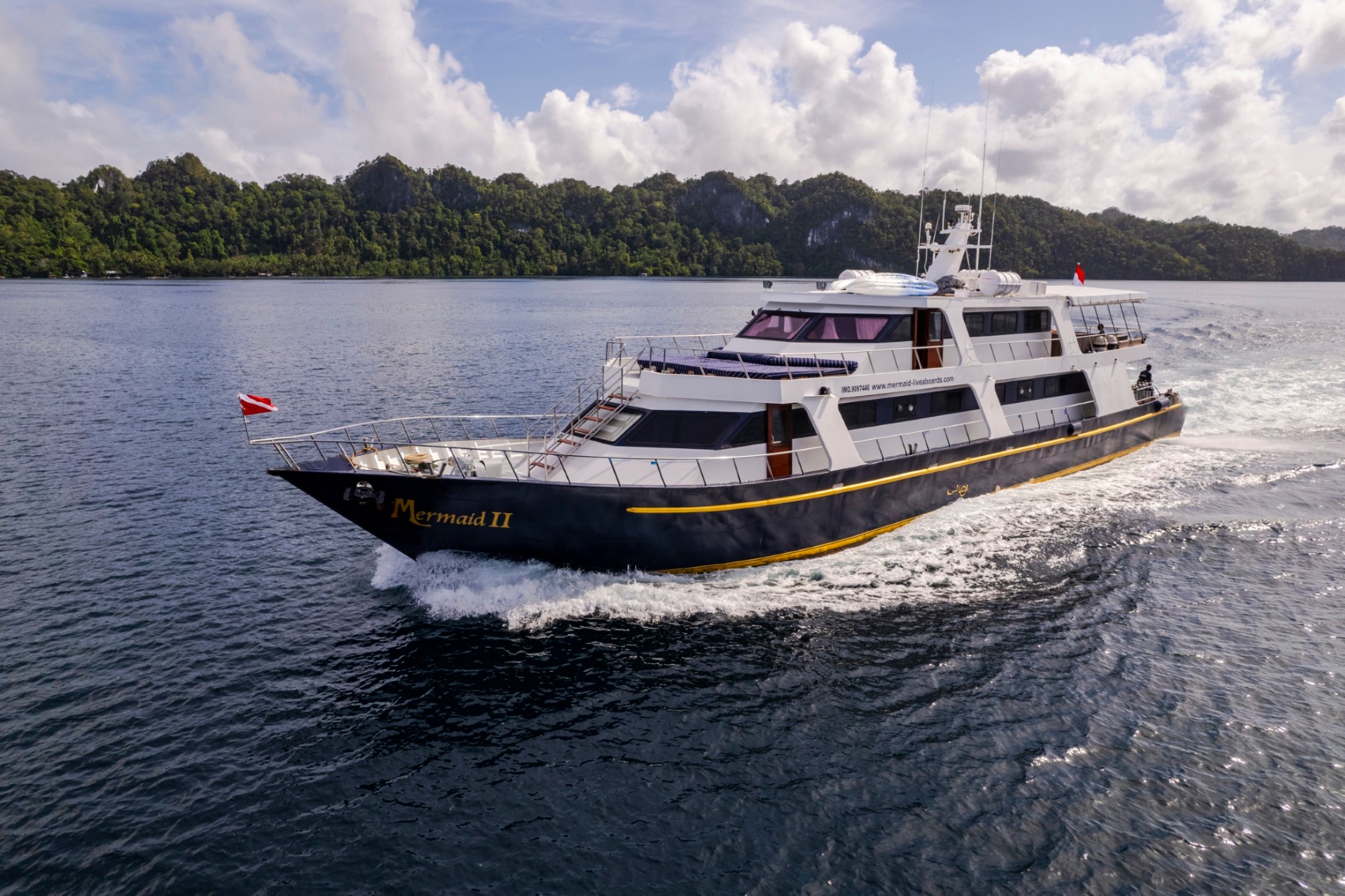
Mermaid II
Komodo, Indonesia
18 guests
$354/day
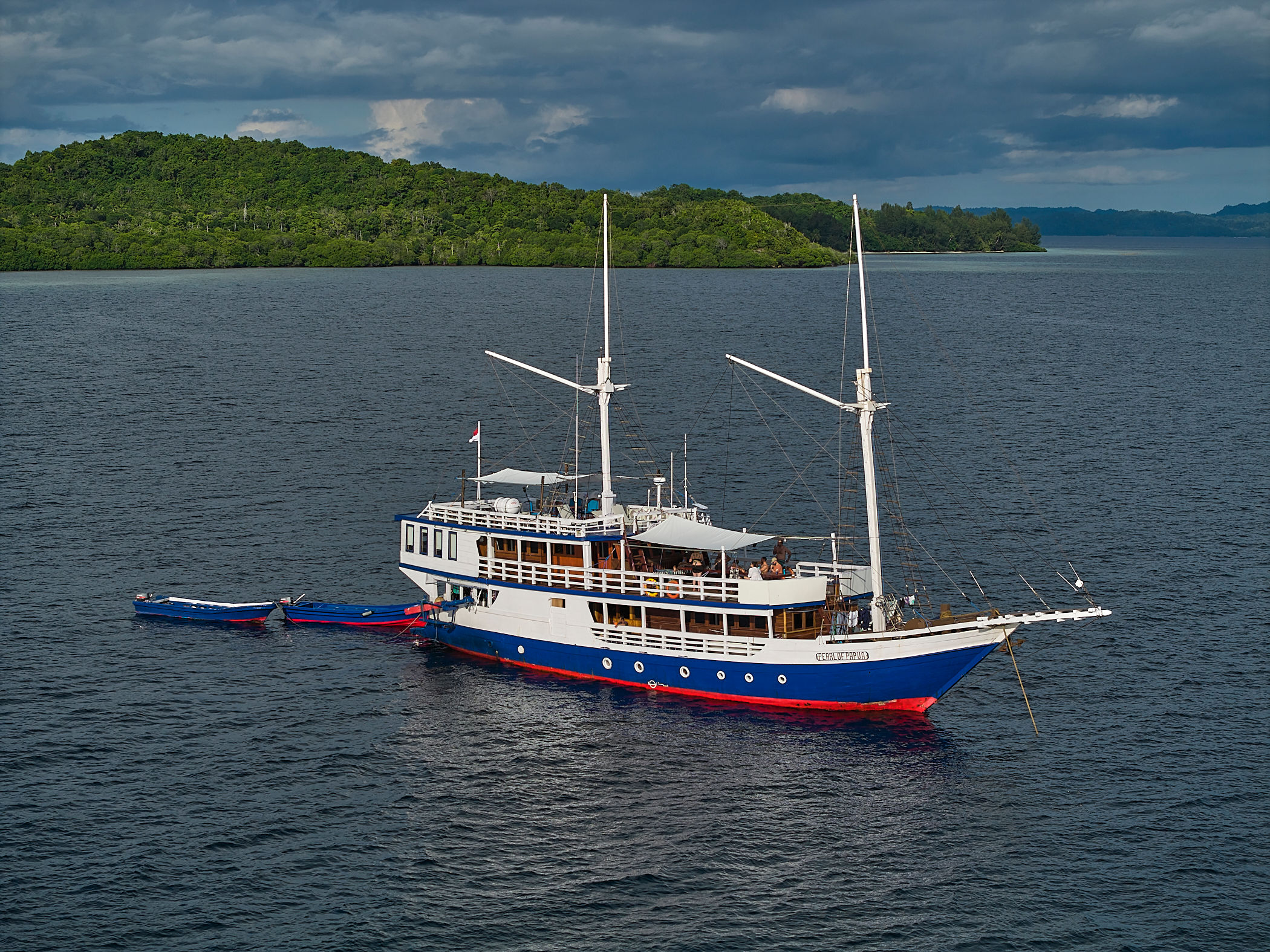
Pearl of Papua
Raja Ampat, Indonesia
14 guests30 m
$303/day
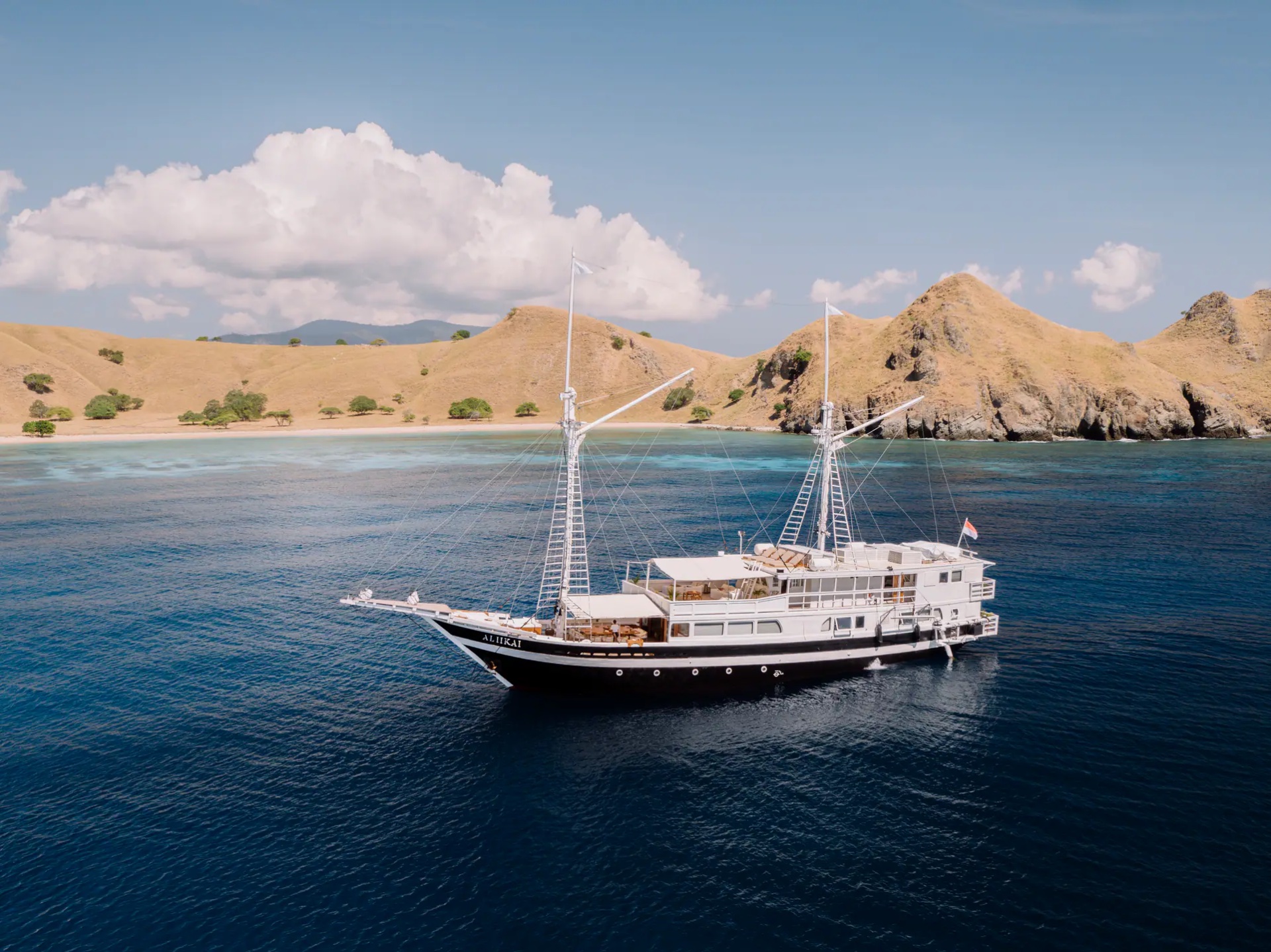
Aliikai Voyage
Indonesia
15 guests40 m
$658/day
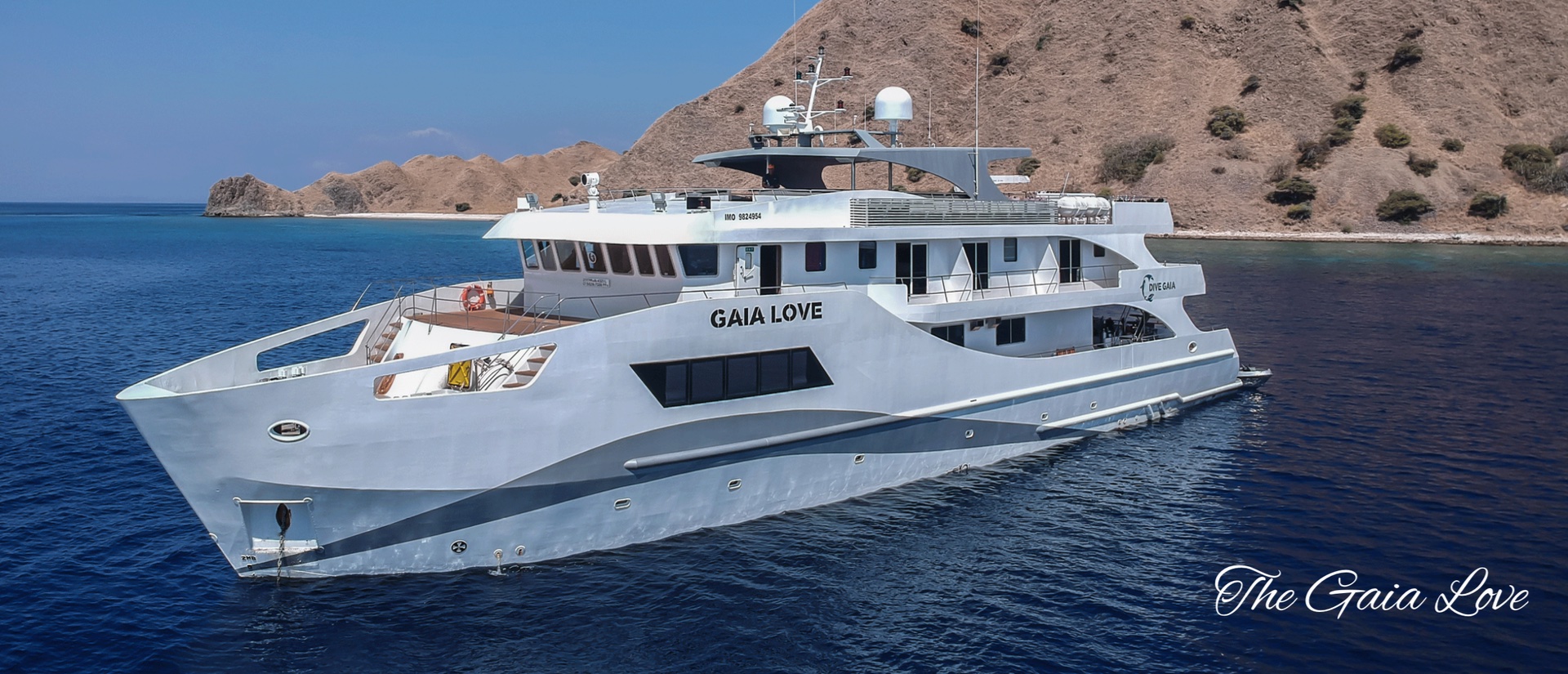
Gaia Love
Alor
20 guests
$554/day
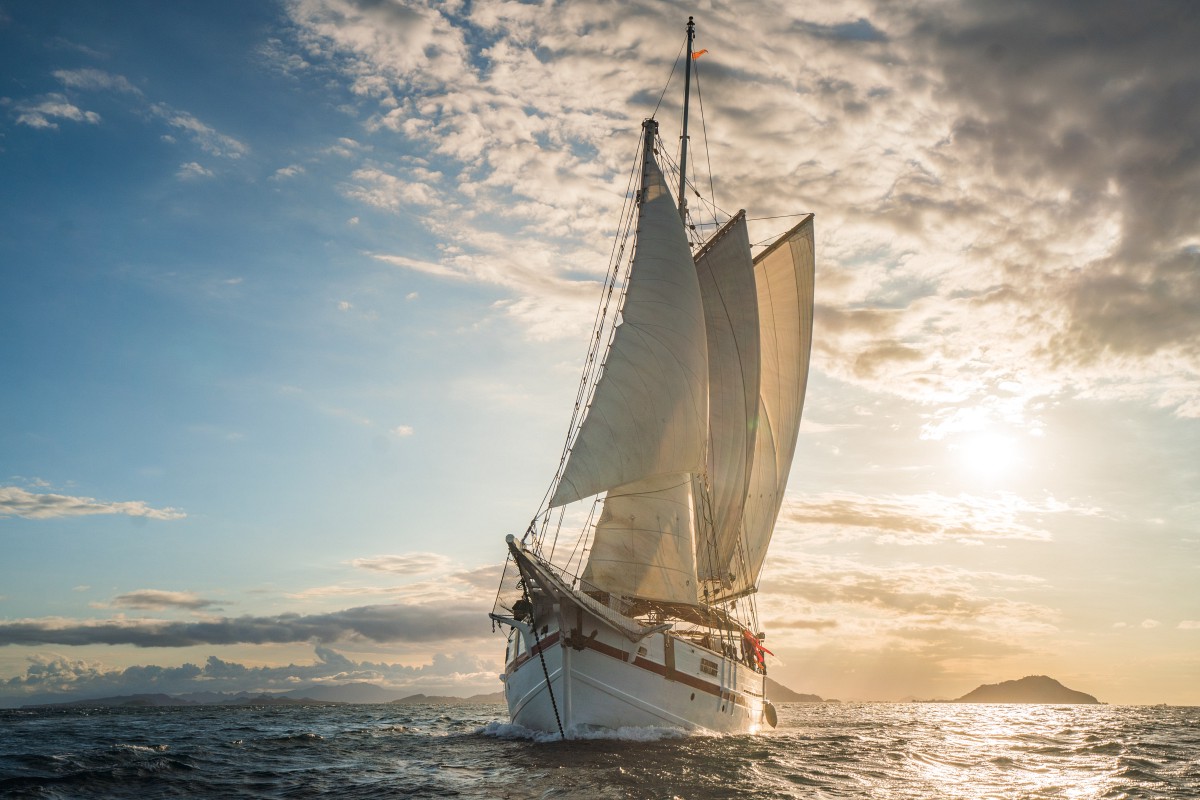
Emperor Raja Laut
Raja Ampat, Indonesia
12 guests31 m
$413/day
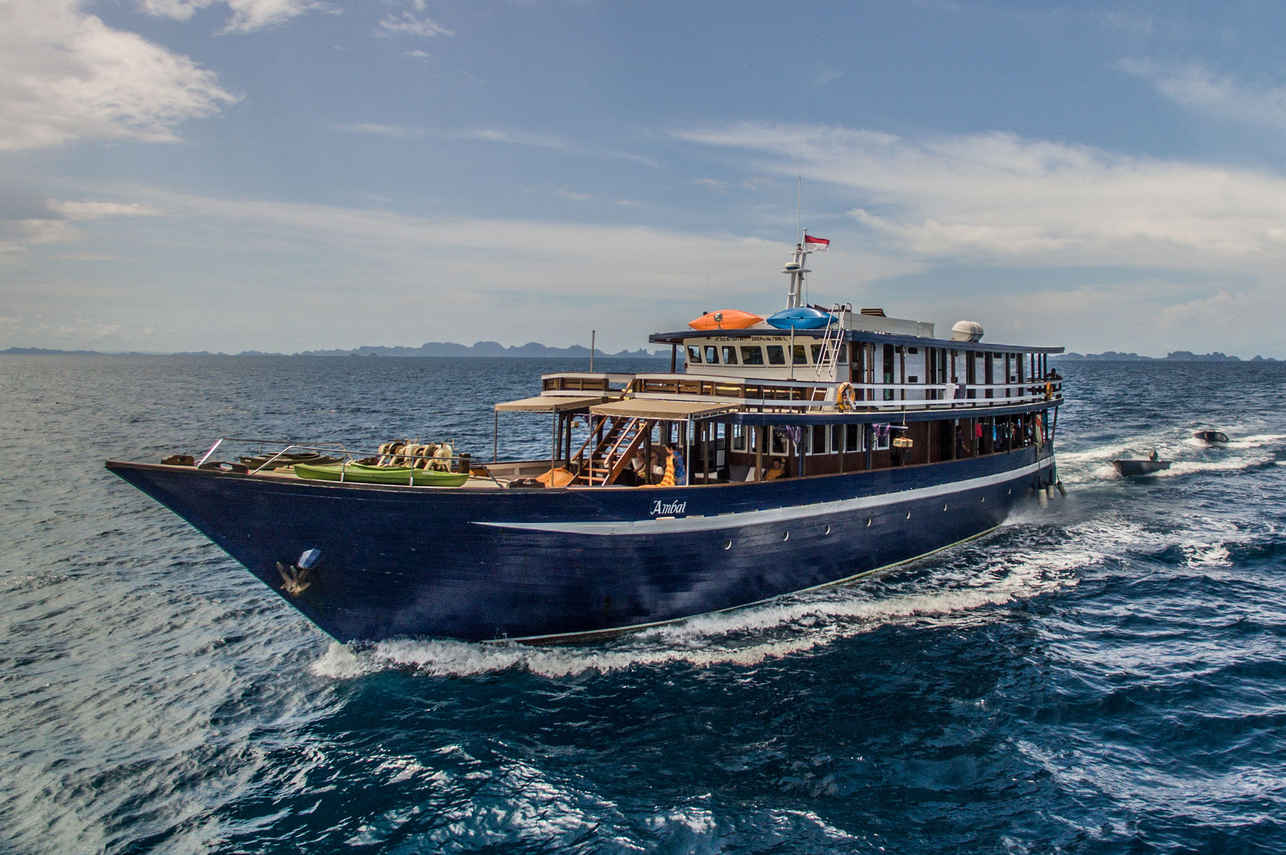
Ambai
Indonesia
16 guests32 m
$452/day
Dive sites similar to Mike's Point
Same character, same waters — six more sites divers love for the exact same reasons.Compare seasons, access and liveaboard routes — then pick the site that fits your trip best.
© Esri — Maxar, Earthstar, GIS
Penemu Wall
Raja Ampat, Indonesia
Penemu Wall is a captivating dive site nestled within Raja Ampat, a region renowned as the epicenter of global marine biodiversity.
- Suitable for
- Intermediate
- Current
- Strong
- Access
- Liveaboard only
- Depth
- 5–35 m
- Theme
- Wall
© Esri — Maxar, Earthstar, GIS
Friwin Wall
Raja Ampat, Indonesia
Friwin Wall, nestled in the heart of Raja Ampat's Dampier Strait, is a premier dive site renowned for its vibrant reef wall and rich biodiversity.
- Suitable for
- Intermediate
- Current
- Strong
- Access
- Liveaboard only
- Depth
- 1–25 m
- Theme
- Cave & cavern / Drift
© Esri — Maxar, Earthstar, GIS
Boo Windows
Raja Ampat, Indonesia
Boo Windows, located at the eastern edge of Raja Ampat's Misool region, is an iconic dive site renowned for its unique underwater topography, particularly its famous "windows" or archways.
- Suitable for
- Intermediate
- Current
- Strong
- Access
- Liveaboard only
- Depth
- 5–30 m
- Theme
- Drift / Reef
Nudi Rock, situated in the Misool area of Raja Ampat, gains its distinctive name from a prominent rock formation above the waterline that bears a striking resemblance to a nudibranch.
- Suitable for
- Intermediate
- Current
- Strong
- Access
- Liveaboard only
- Depth
- 5–28 m
- Theme
- Reef / Wall
© Esri — Maxar, Earthstar, GIS
Chicken Reef
Raja Ampat, Indonesia
Chicken Reef, located in the Dampier Straits of Raja Ampat, Indonesia, stands as a captivating dive site renowned for its vibrant marine biodiversity and stunning underwater landscapes.
- Suitable for
- Beginner
- Current
- Strong
- Access
- Liveaboard only
- Depth
- 5–20 m
- Theme
- Reef / Wall