About The Passage Raja Ampat
The Passage in Raja Ampat offers a truly unique diving experience, resembling an underwater river flowing between Gam and Waigeo islands. This narrow, 25-meter-wide channel is flanked by towering limestone karst cliffs and lush mangroves, creating an environment where jungle meets ocean. Tidal currents rush through, delivering a constant supply of nutrients that fuel an extraordinarily rich and diverse ecosystem, unlike any other dive site in the region. The underwater topography of The Passage is complex and fascinating, featuring caves, tunnels, grottos, and mini-passages. Its walls are adorned with colorful coral formations, extending from just beneath the surface down to depths of 35 meters. The freshwater runoff from the jungle influences the upper water column, leading to reduced salinity and unique brackish-water organisms alongside typical marine species, creating a truly distinct ecological zone. Divers here encounter a wide array of marine life drawn by the nutrient-rich waters, including large pelagics like tuna and barracuda, alongside reef sharks, manta rays, and various schooling fish. Macro enthusiasts will be delighted by pygmy seahorses, nudibranchs, and various crustaceans thriving on the vibrant coral walls. The constantly flowing currents provide a dynamic and thrilling drift diving experience, best suited for those comfortable with strong water movement. The unique conditions, including limited light after midday due to the narrow channel and steep walls, require divers to be proficient in buoyancy control and comfortable with drift diving. Entering at one end and exiting at the other, this site promises an atmospheric adventure that transcends typical reef diving, offering an immersive journey through a hidden waterway.
Highlights
Underwater river environmentMangrove-lined channelVibrant soft coral wallsUnique brackish water ecosystemWobbegong sharksPygmy seahorsesStrong drift divesAtmospheric light play
Season calendar
Best months to dive here
Jan
Feb
Mar
Apr
May
Jun
Jul
Aug
Sep
Oct
Nov
Dec
Good
Dive site facts: The Passage Raja Ampat
- Depth
- 5–35 m
- Typical dive
- 5–15 m, ~60 min
- Current
- Moderate to strong
- Visibility
- 8–30 m
- Water temperature
- 27–30°C
- Entry
- Liveaboard / Tender
- Level
- Intermediate to Advanced
- Dive type
- Drift, wall, macro, unique topography
- Night dive
- Possible
- Region / port
- Raja Ampat, West Papua
- Coordinates
- -0.5167, 130.6912
Conditions & Currents
Currents in The Passage are a defining feature, ranging from moderate to strong, making timing critical for safe and enjoyable dives. The tidal flow rushes through the narrow channel, creating powerful drift opportunities. Divers should expect to enter at one end and exit at the other, utilizing the current to propel them through the site. While challenging, these nutrient-rich currents are responsible for the site's prolific marine life and dense coral growth. Experienced divers with excellent buoyancy control are best suited to navigate these conditions. Rock formations sometimes offer sheltered nooks for temporary rest. Visibility can vary, with incoming tides often bringing clearer water, while plankton blooms, though attracting large marine life, can reduce clarity.
Marine life & sighting chances
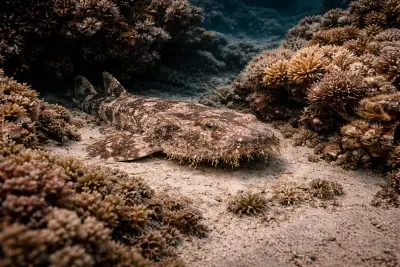
Wobbegong shark
occasional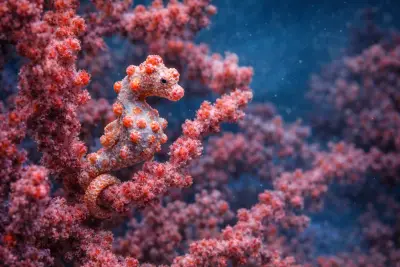
Pygmy seahorse
common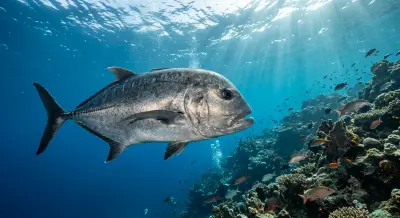
Giant trevally
occasional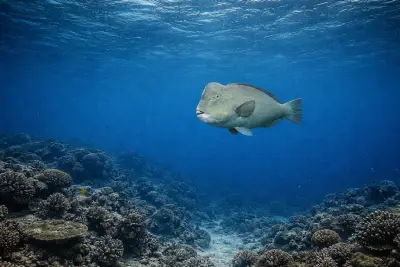
Bumphead parrotfish
occasional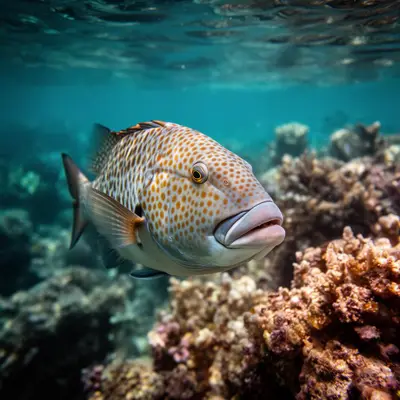
Oriental sweetlips
common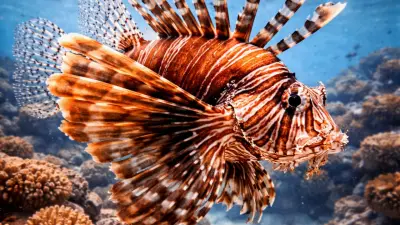
Lionfish
common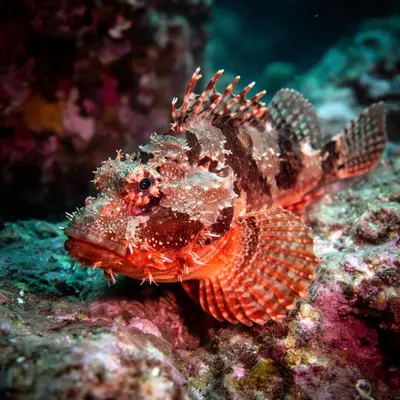
Scorpionfish
common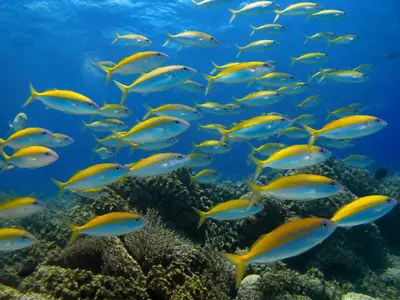
Fusiliers
common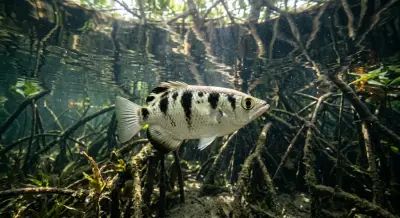
Archerfish
occasional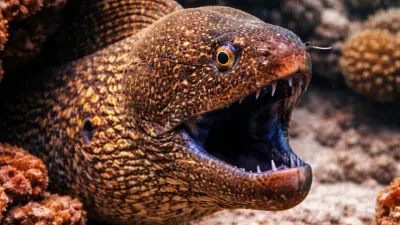
Moray eels
common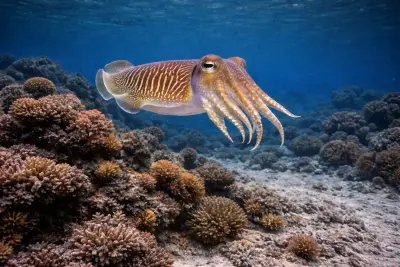
Cuttlefish
occasional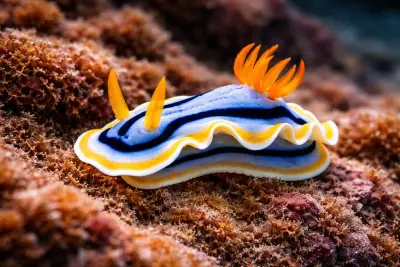
Nudibranchs
common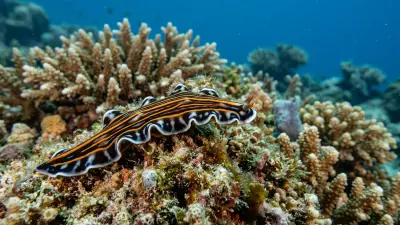
Flatworms
common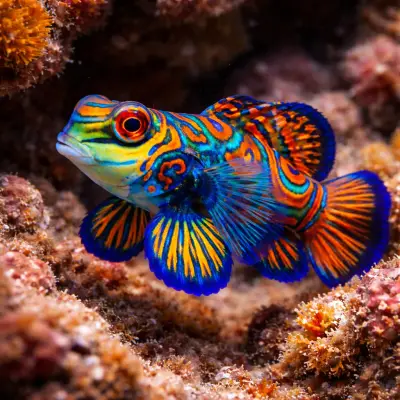
Mandarin fish
occasionalDive profile & how the dive runs
Diving The Passage typically involves a drift dive, starting at one end of the channel, usually between Waigeo and Gam islands. Divers perform a negative entry and descend quickly to avoid being swept past the intended entry point. The route follows the current along the vibrant coral-encrusted walls, which are particularly spectacular between 5 and 15 meters. Divers explore the numerous small caves, tunnels, and overhangs, keeping an eye out for macro life and wobbegong sharks tucked away in crevices. The dive progresses with the current, allowing for observation of pelagic species in the open water and archerfish near the surface mangroves. The turning point is dictated by air consumption and current strength, with the safety stop conducted while drifting or by utilizing sheltered areas on the wall.
Underwater photography
The Passage offers diverse photographic opportunities, demanding versatility from photographers. For wide-angle shots, lenses around 16-35mm are ideal to capture the dramatic limestone walls, overhanging mangroves, and dense soft coral gardens, especially in the shallower, well-lit sections (5-12m). The unique atmospheric lighting, dappled through the jungle canopy, creates magical effects; external strobes are essential to bring out the vibrant colors of the corals and marine life, compensating for the reduced natural light deeper in the channel. For macro subjects like pygmy seahorses, nudibranchs, and crustaceans, a 60mm or 100mm lens with a snoot can isolate subjects against the colorful backdrop. Buoyancy control is paramount due to strong currents, ensuring steady shots and preventing damage to the delicate corals. Be mindful of the limited light after midday, planning wide-angle dives for earlier in the day if possible.
Combine with nearby dive sites
- SD Point
SD Point is a renowned dive site located on the northern coast of Nusa Penida, Indonesia, celebrated for its spectacular drift dives and…
- Cape Kri
Cape Kri, situated off the northern tip of Kri Island in Raja Ampat's Dampier Strait, is a legendary dive site renowned for its exceptional…
- Manta Sandy
Manta Sandy, situated in the Dampier Strait southeast of Arborek Island, is a celebrated dive site in Raja Ampat, globally recognised for…
- Melissa Garden
Melissa Garden stands out as one of Raja Ampat's most spectacular dive sites, celebrated for its expansive and pristine coral gardens.
- Arborek Jetty
Arborek Jetty, situated off the north coast of Arborek Island in Raja Ampat's Dampier Strait, offers a unique and accessible dive…
Getting there & logistics
Access to Raja Ampat typically begins with international flights to Sorong (SOQ) in West Papua, Indonesia. From Sorong, liveaboards are the primary mode of transport to dive sites like The Passage, offering comprehensive itineraries that often last 7 to 10 days. These cruises allow exploration of remote areas, including Waigeo, Misool, and the Dampier Strait, usually combining The Passage with Kabui Bay. Alternatively, some dive resorts in the Dampier Strait region can arrange day trips to The Passage. All divers must obtain a Raja Ampat Marine Park Entry Permit, valid for one year, which contributes to conservation efforts.
Safety & environment
Diving The Passage requires careful attention to safety protocols due to strong and variable currents. Divers must possess good buoyancy control and experience with drift diving. It is crucial to always dive with a guide familiar with local conditions and tidal patterns to ensure correct entry and exit points. Recompression chambers are limited in the remote Raja Ampat region, with the nearest significant medical facilities and chambers usually in Sorong. Therefore, comprehensive dive insurance covering emergency medical evacuation is non-negotiable. Always carry an SMB, whistle, and reef hook. Maintaining a safe distance from the coral walls is important to avoid damaging the fragile ecosystem and to prevent accidental contact with venomous species.
Who it suits — and who it doesn't
Suited for
- Experienced drift divers
- Macro photography enthusiasts
- Divers seeking unique topographies
- Liveaboard guests exploring Raja Ampat's diversity
- Intermediate divers comfortable with currents
Less suited for
- Beginner divers
- Divers uncomfortable with strong currents
- Those prone to seasickness (during rougher seasons)
- Individuals with poor buoyancy control
- Divers expecting only wide-open reefscapes
FAQ
The Passage Raja Ampat FAQ
What makes The Passage unique compared to other Raja Ampat dive sites?
The Passage is distinctive because it's a narrow channel resembling an underwater river, flowing between Gam and Waigeo islands. It features overhanging mangroves, limestone karst cliffs, and a mix of freshwater runoff with marine conditions. This creates a unique ecosystem with dense soft corals at shallow depths and a blend of marine and brackish-water species not typically found together in other parts of Raja Ampat.
What kind of marine life can I expect to see in The Passage?
The nutrient-rich currents attract a wide variety of marine life. You can anticipate seeing schools of fusiliers, giant trevally, and bumphead parrotfish. For macro enthusiasts, pygmy seahorses, nudibranchs, and various crustaceans are common, while wobbegong sharks are often found hiding along the fringes. You might also spot archerfish near the surface and even manta rays or stingrays on occasion.
Are the currents in The Passage always strong?
The currents in The Passage are highly dependent on tidal movements and can range from moderate to very strong. The site is known for its drift diving experiences, where divers are carried along by the flow. Dive operators typically time their dives to coincide with the most favorable conditions for the group's experience level, but a comfort with currents is always recommended.
What is the best time of year to dive The Passage?
The best time to dive The Passage, like much of Raja Ampat, is during the dry season from October to May. This period generally offers calmer seas, better visibility, and more predictable conditions. While diving is possible year-round, the wet season (June to September) can bring stronger winds, rougher seas, and reduced visibility.
What level of diving experience is required for The Passage?
Due to the potential for strong currents and the need for excellent buoyancy control, The Passage is best suited for intermediate to advanced divers. Experience with drift diving is highly recommended. Beginners may find the conditions challenging, and it's essential to dive with an experienced guide who understands the local tidal patterns.
Why dive The Passage Raja Ampat from a liveaboard?
The Passage Raja Ampat is one of Indonesia's signature dive sites. A liveaboard sleeps you on the water and puts you in the water for three to four guided dives per day, including dawn and night dives that day-boat operators rarely offer. You skip the daily commute back to port and reach quieter, less-crowded sites in the same region on a single trip.
Below are the liveaboards that include The Passage Raja Ampat on their Indonesia itineraries.
Liveaboards diving The Passage Raja Ampat
These liveaboards may visit The Passage Raja Ampat on selected itineraries — the exact dive sites depend on departure, weather and conditions.
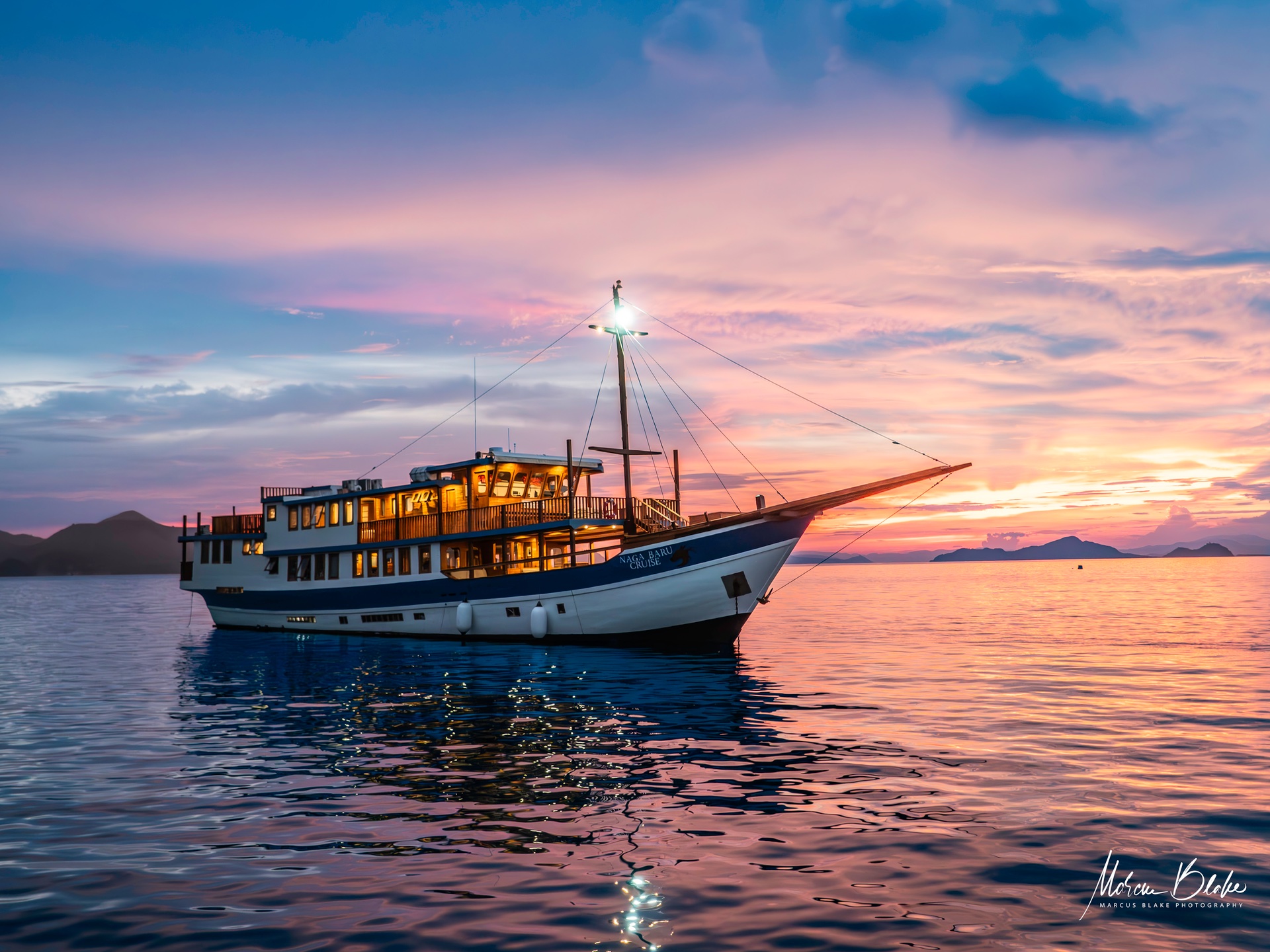
Naga Biru
Indonesia
12 guests40 m
$274/day
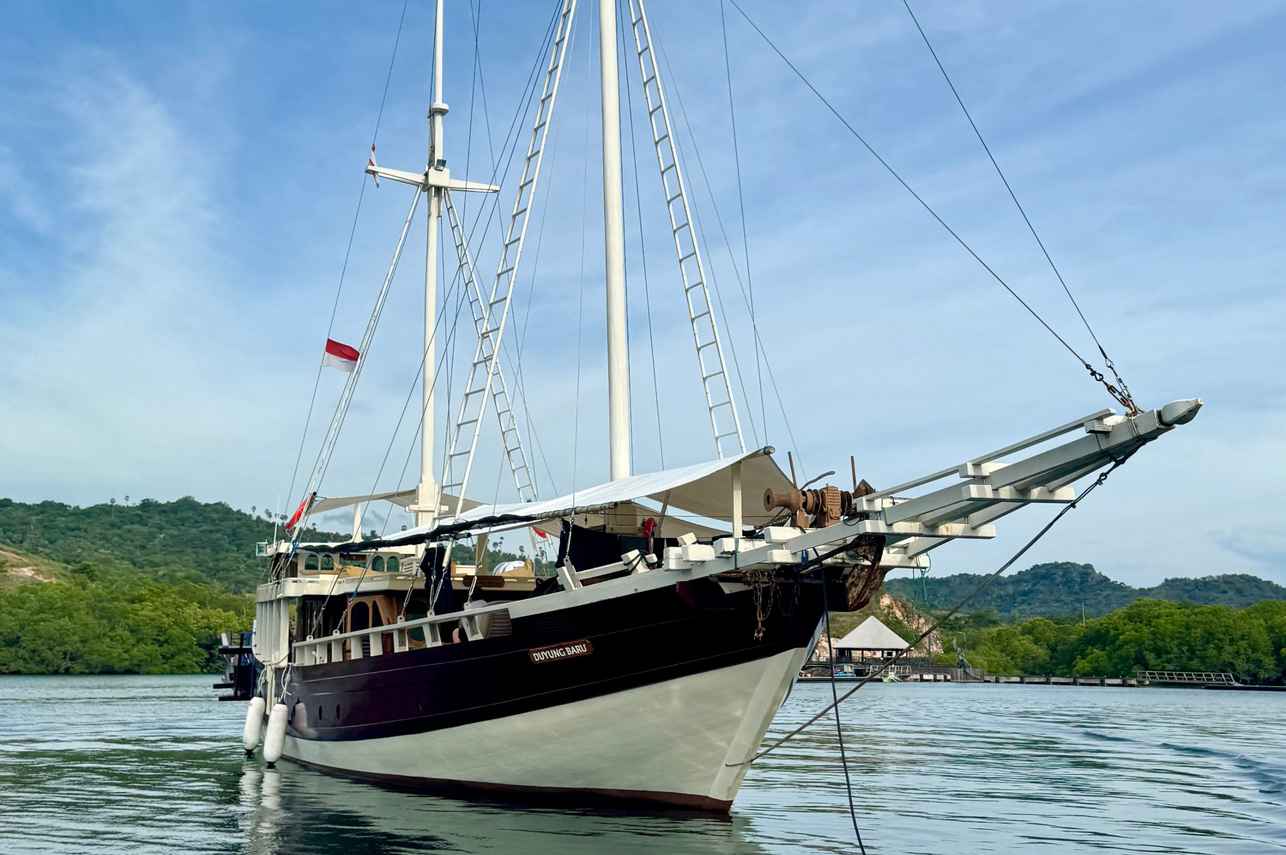
Ecopro Duyung Baru
Indonesia
6 guests27 m
$361/day
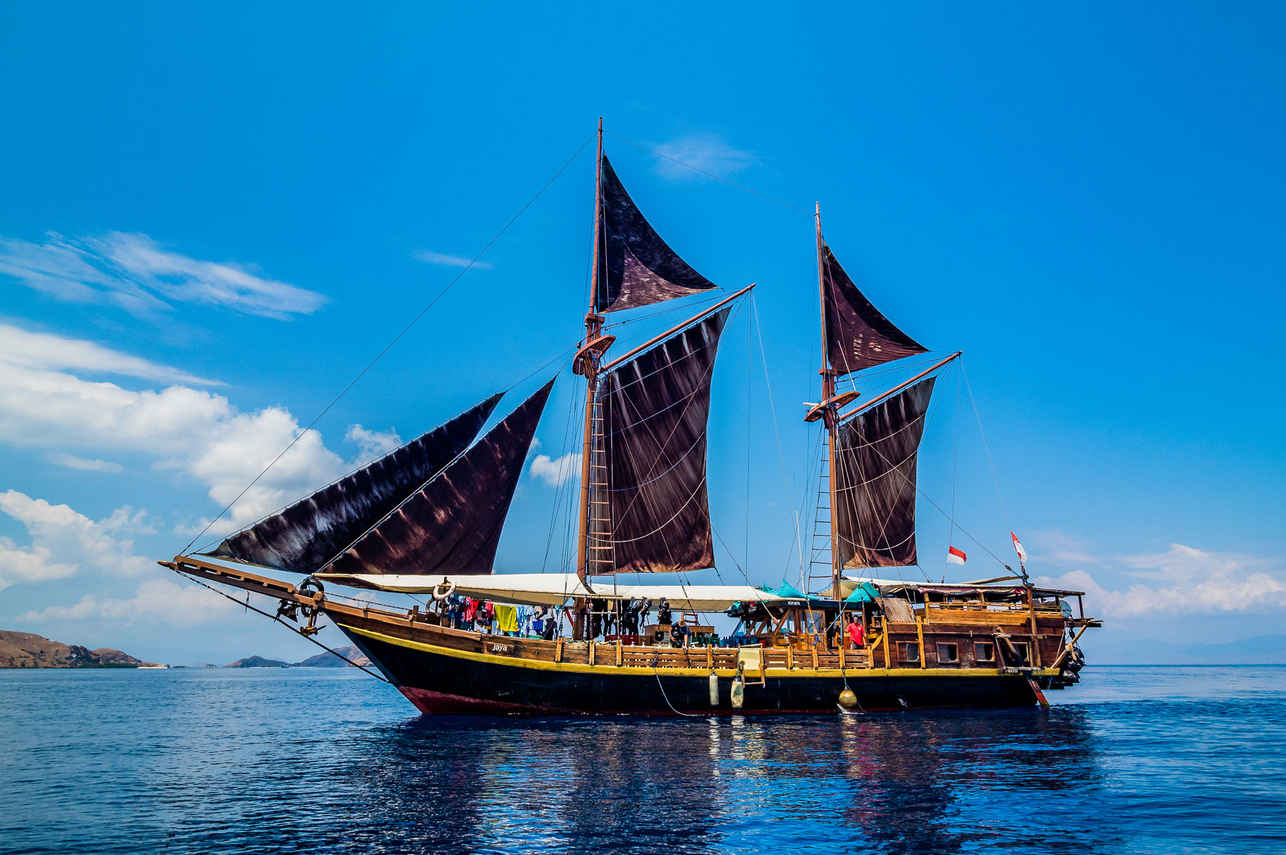
Jaya
Indonesia
14 guests23 m
$280/day
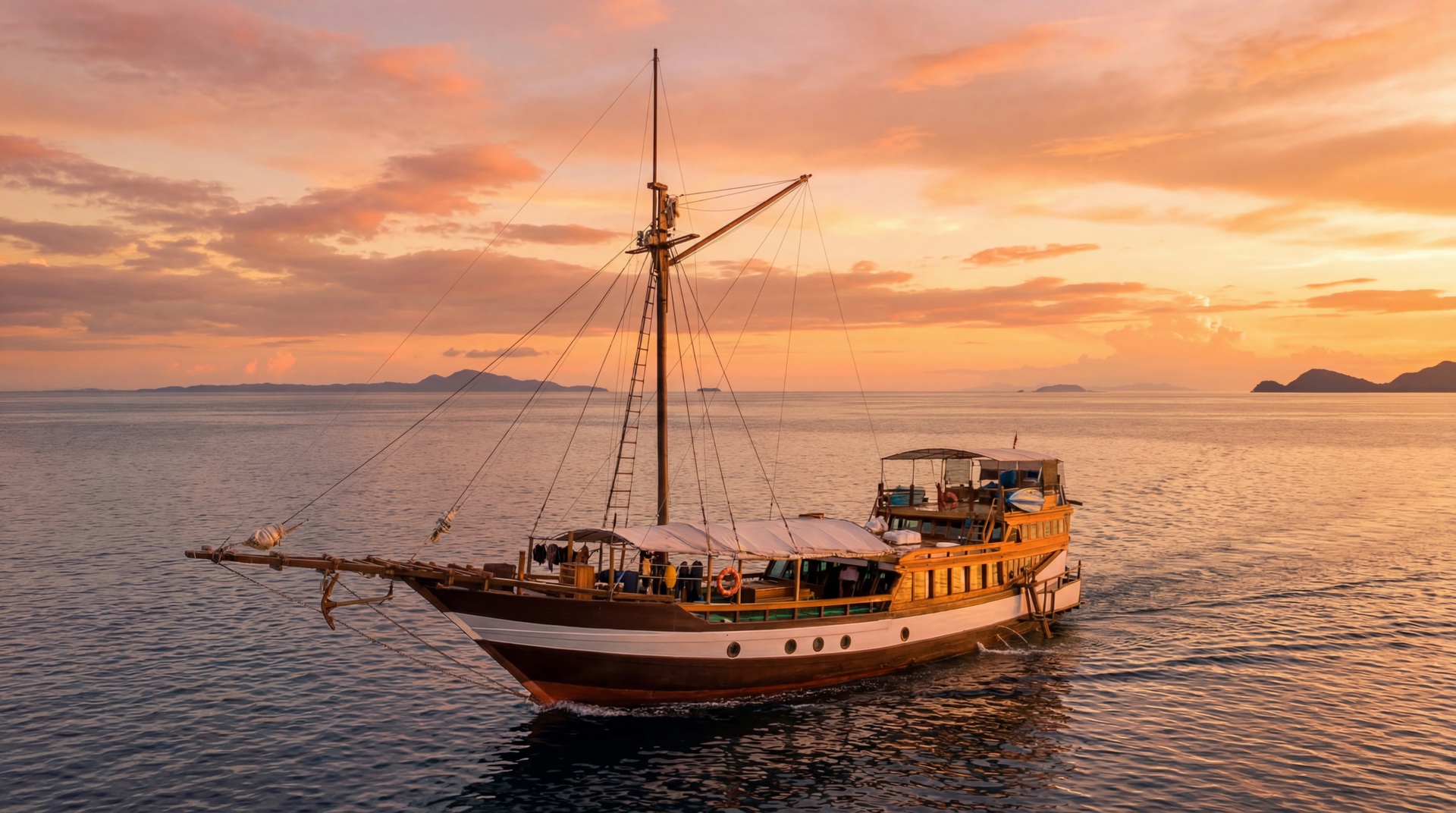
Wellenreng
Indonesia
9 guests25 m
$427/day
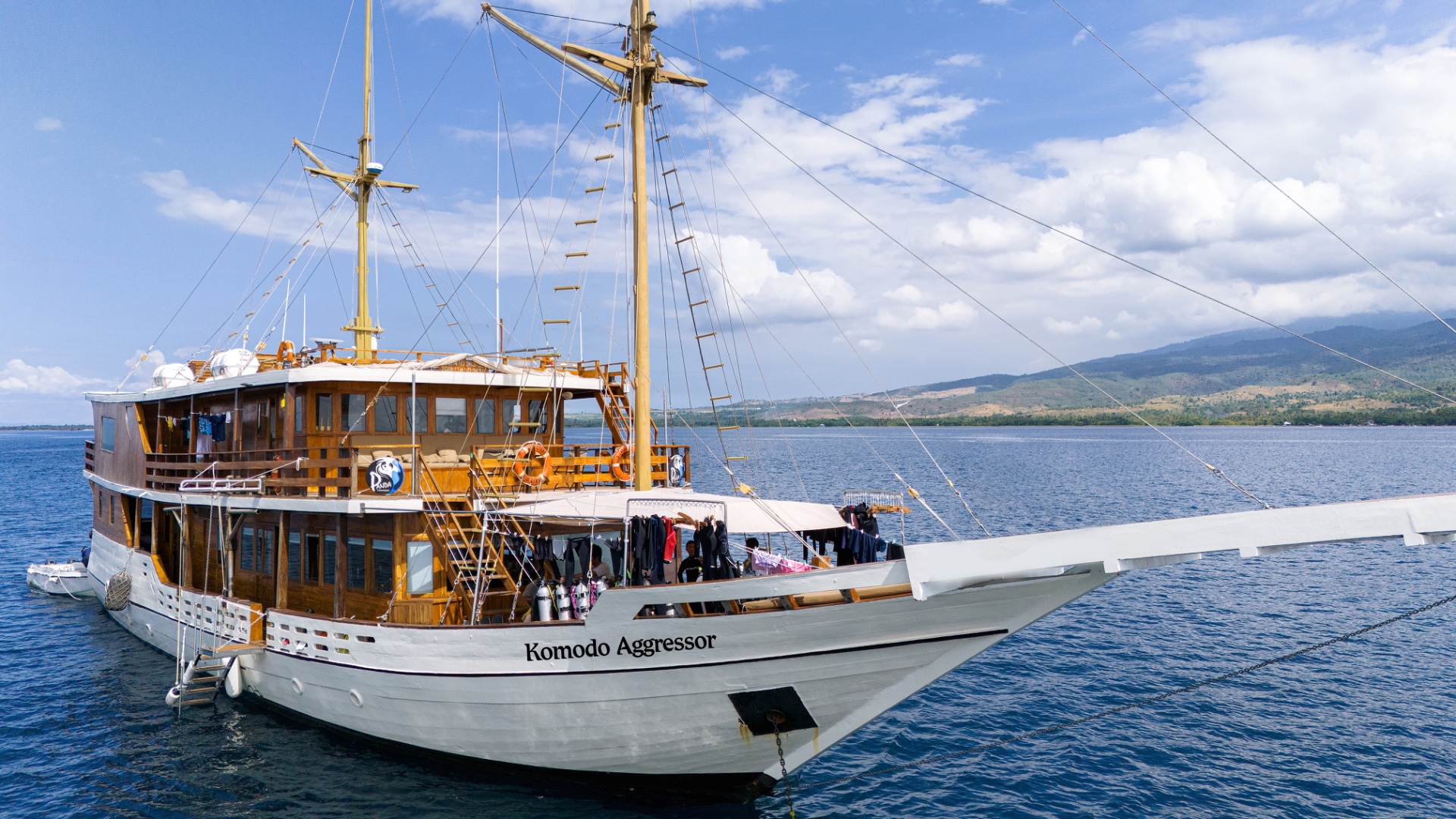
Komodo Aggressor
Komodo, Indonesia
16 guests29 m
$312/day
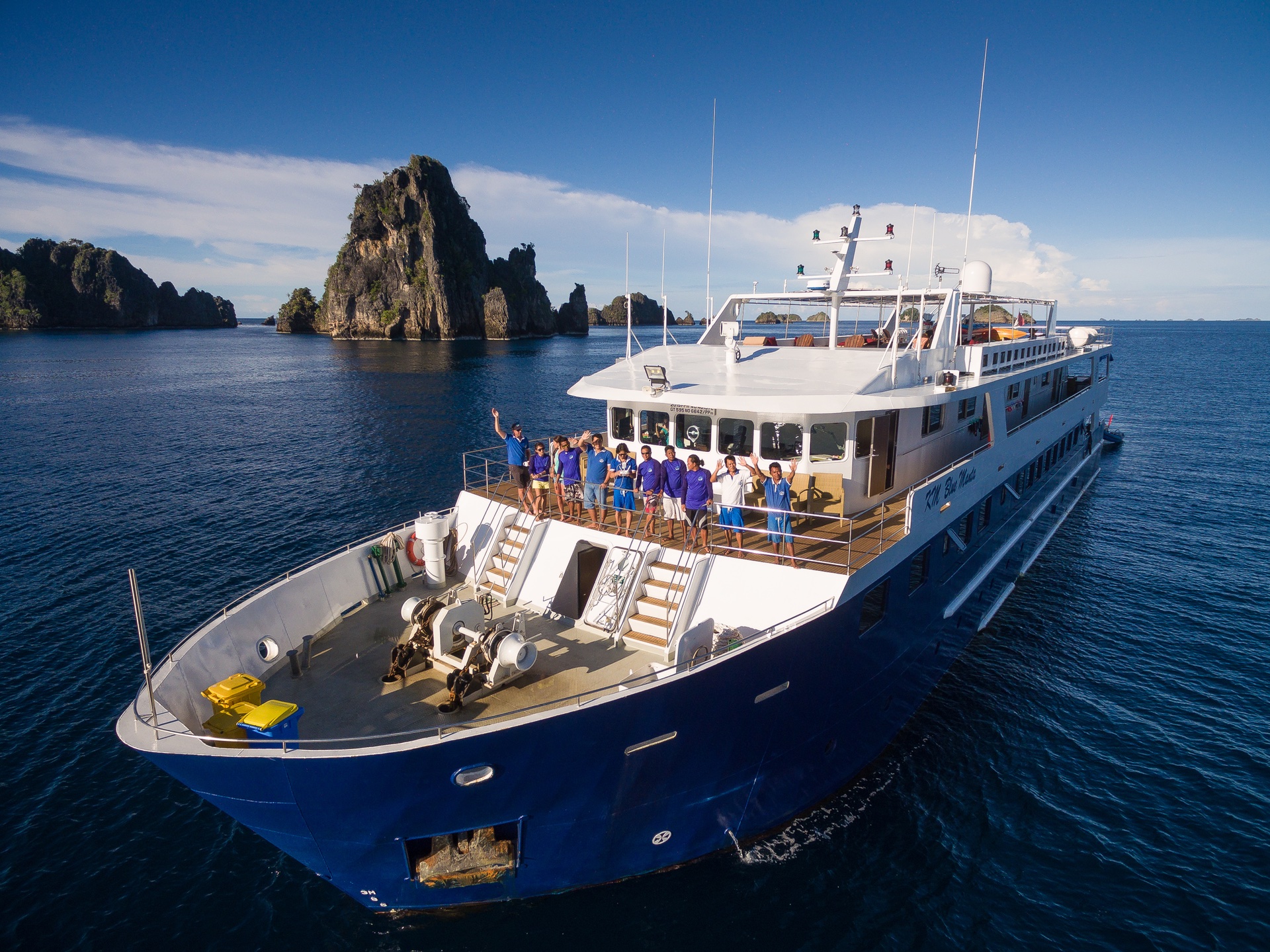
Blue Manta
Indonesia
20 guests45 m
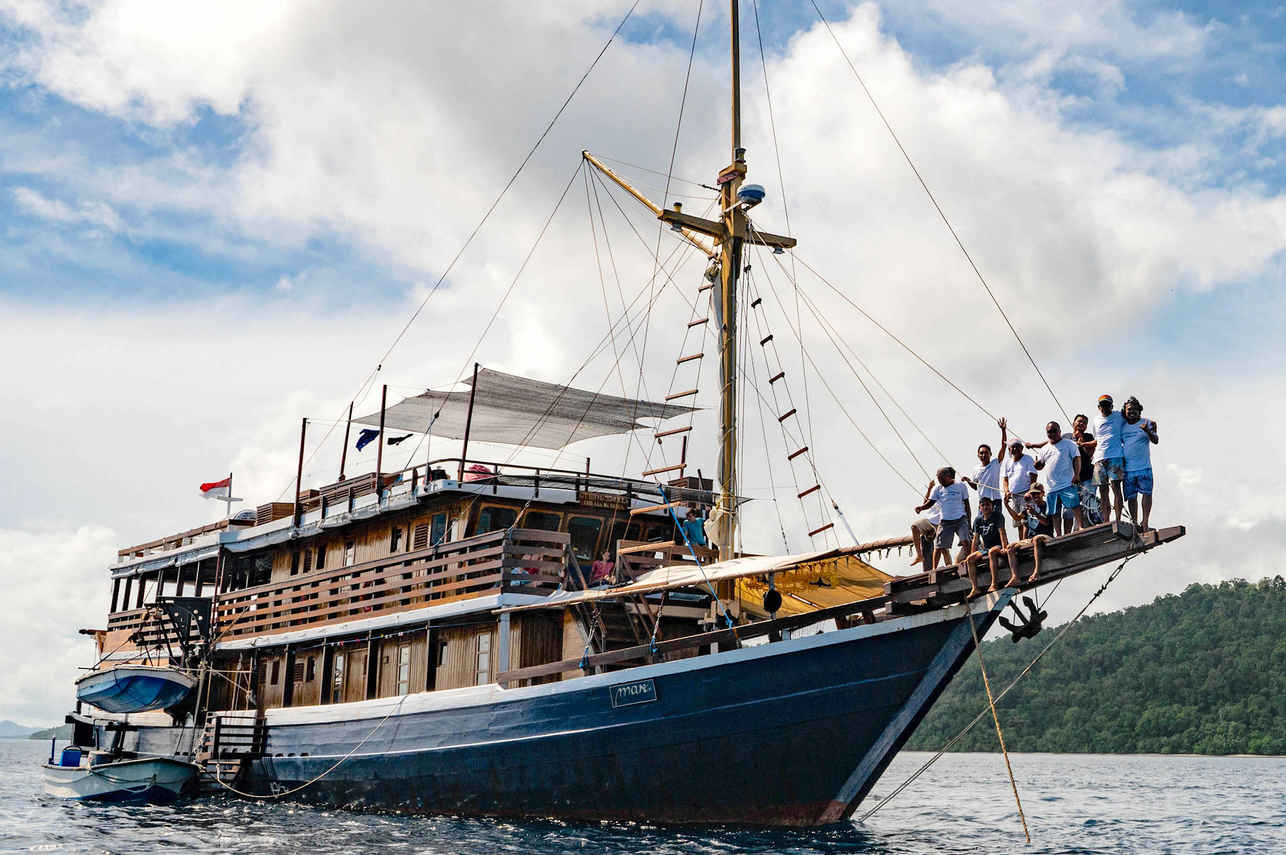
Mari
Indonesia
14 guests32.2 m
$328/day
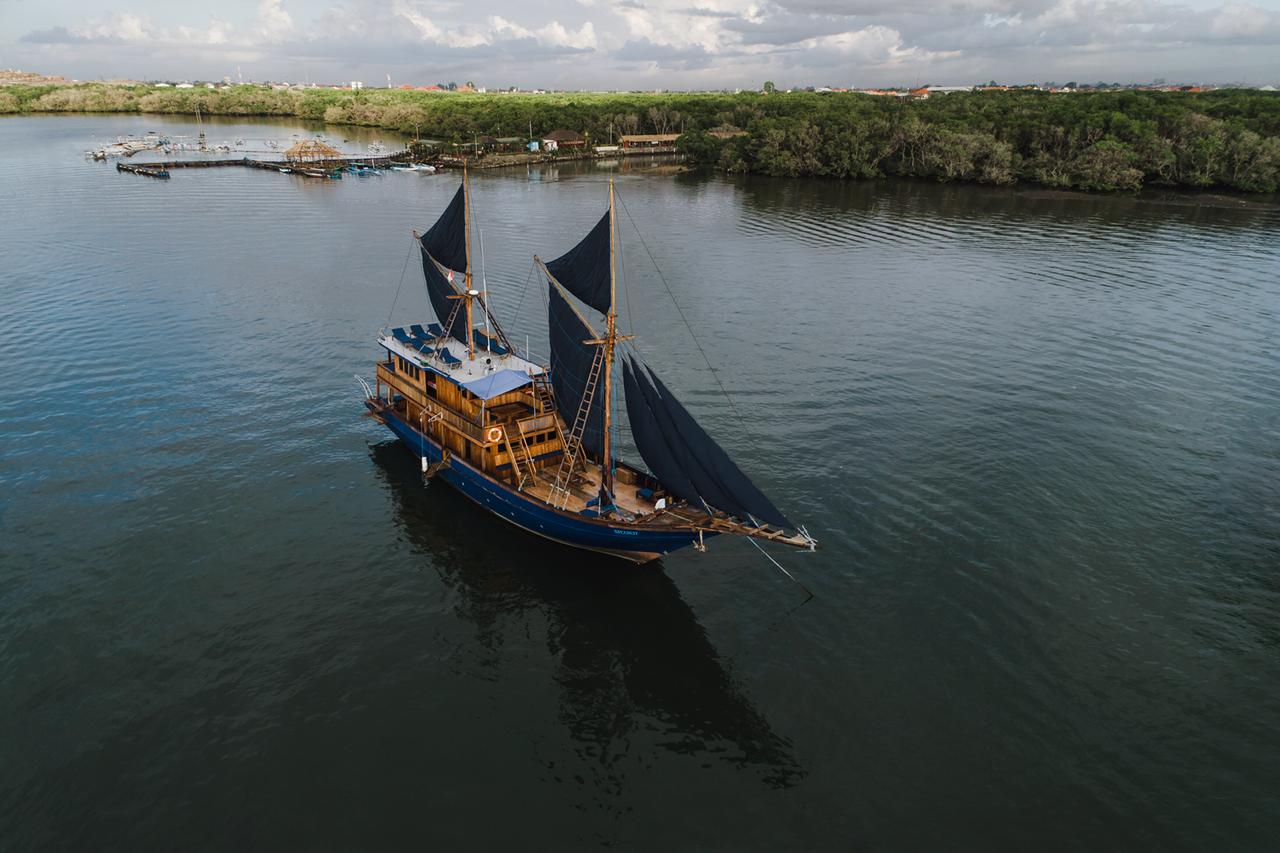
Situju7
Komodo, Indonesia
10 guests32.7 m
$362/day
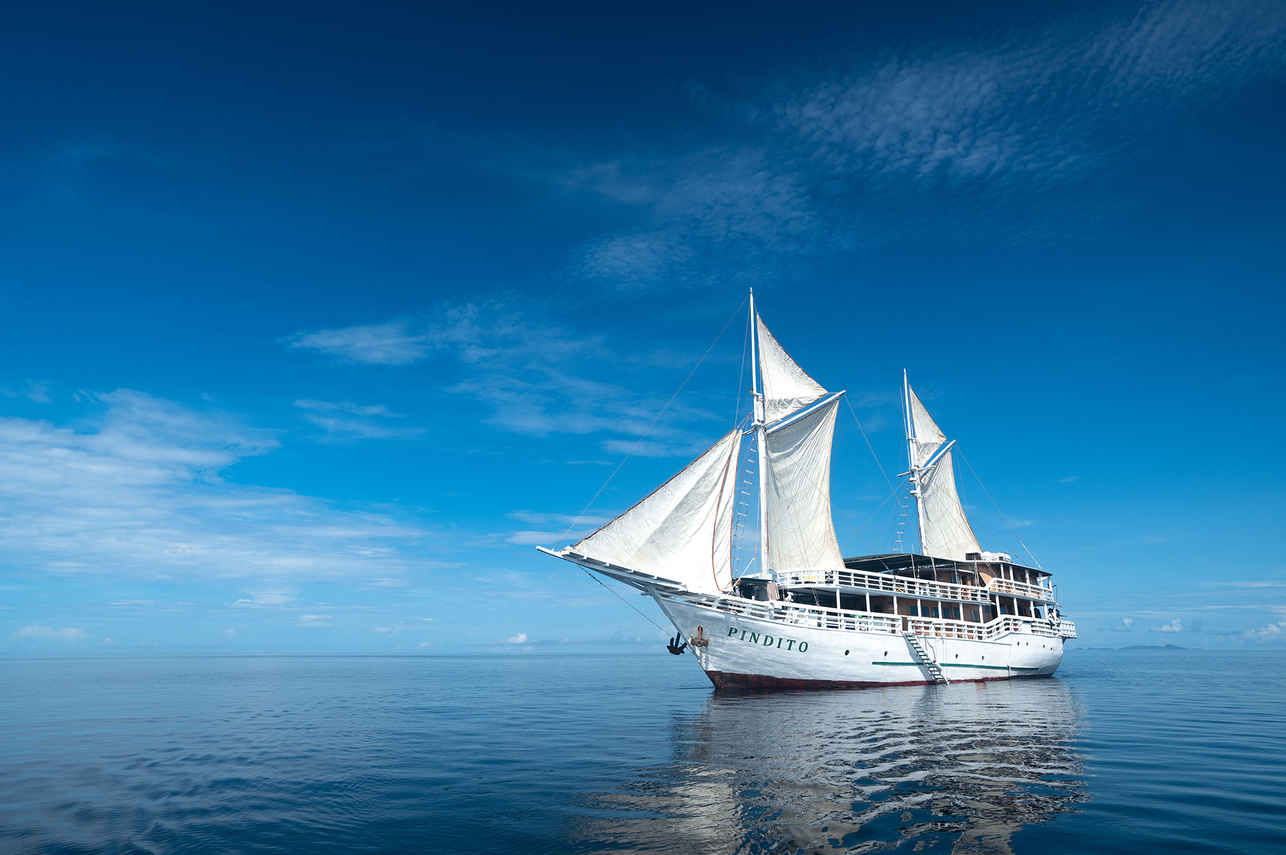
Pindito
Indonesia
16 guests37.79 m
$533/day
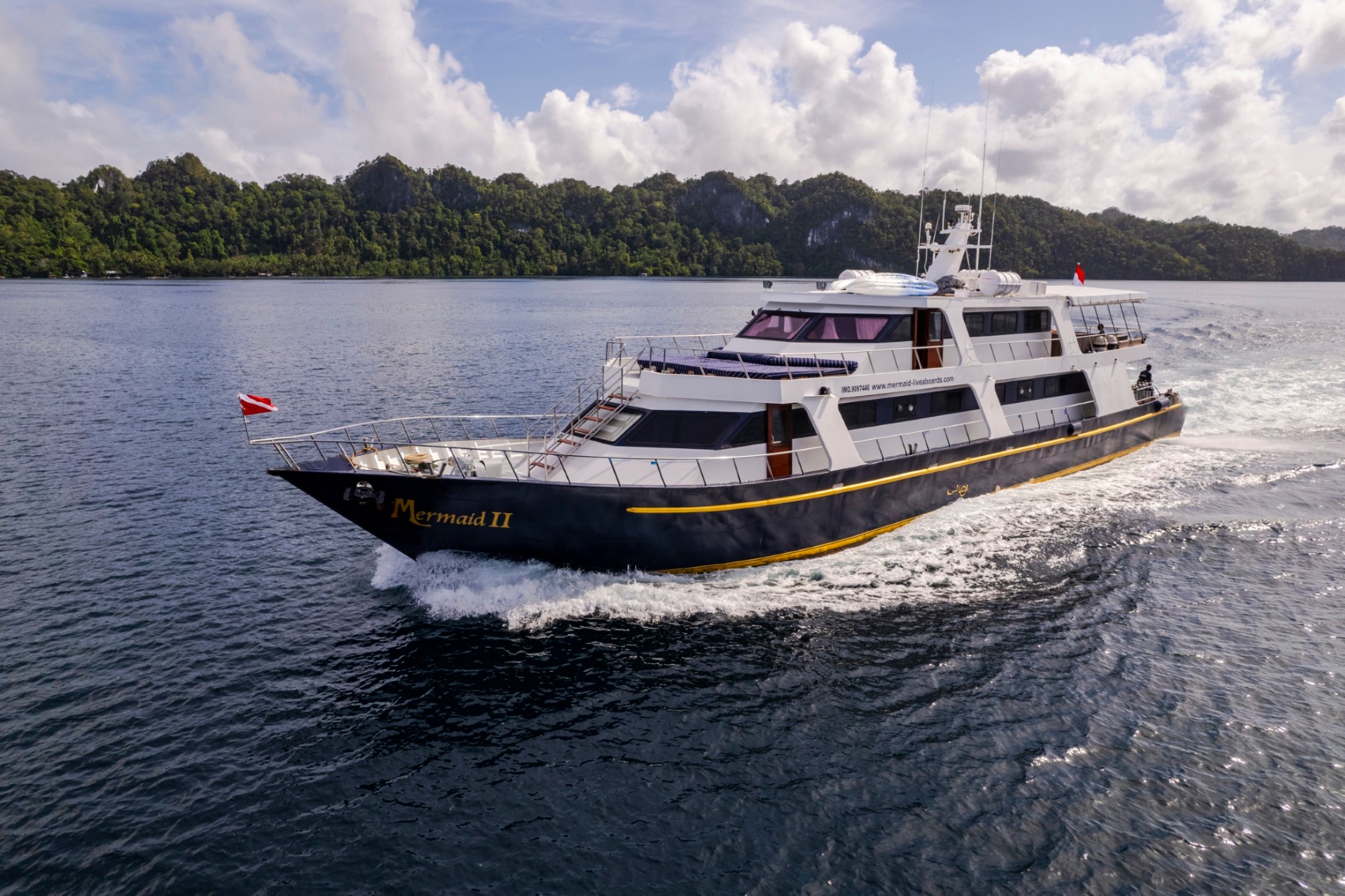
Mermaid II
Komodo, Indonesia
18 guests
$355/day
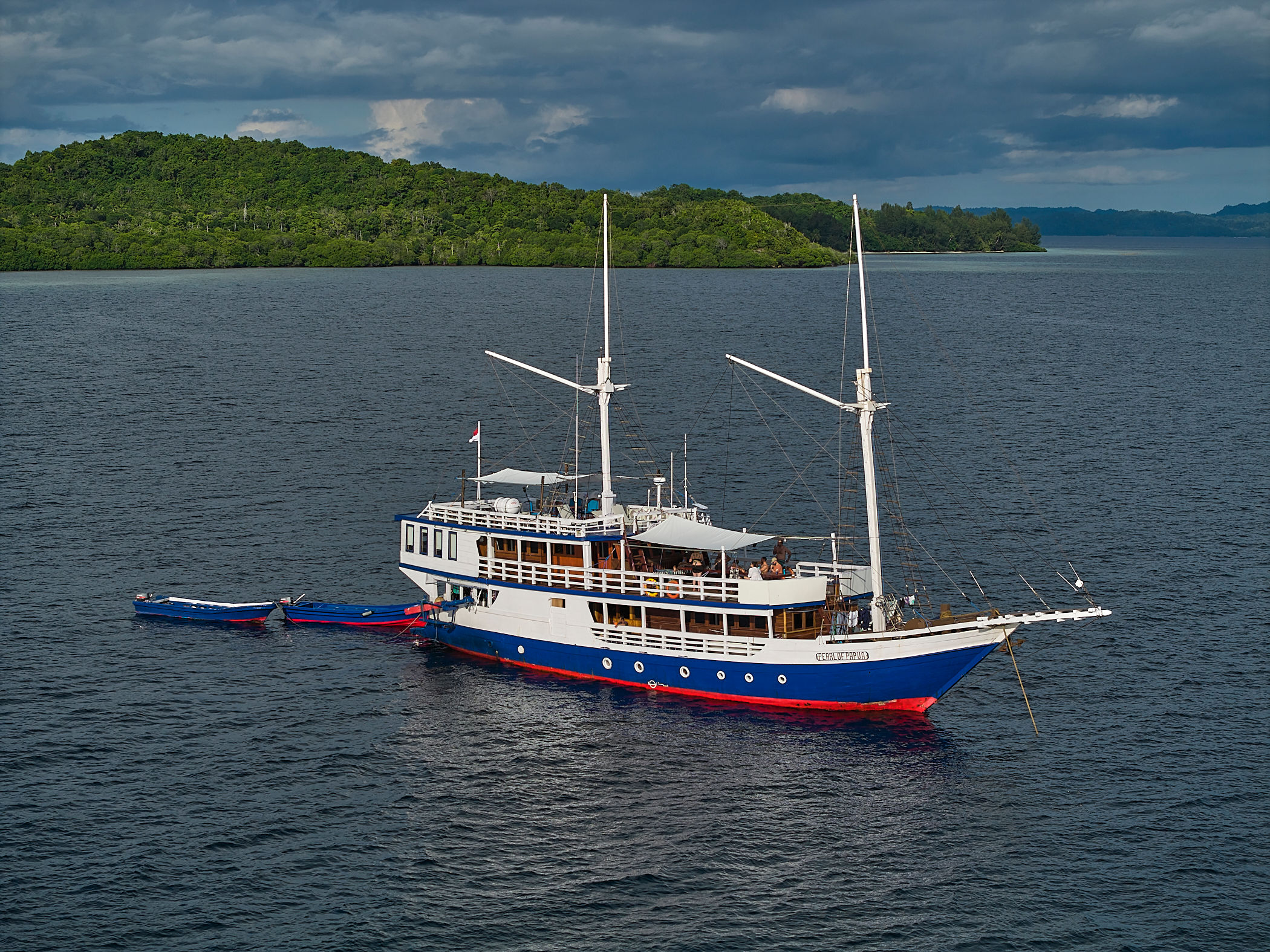
Pearl of Papua
Raja Ampat, Indonesia
14 guests30 m
$303/day
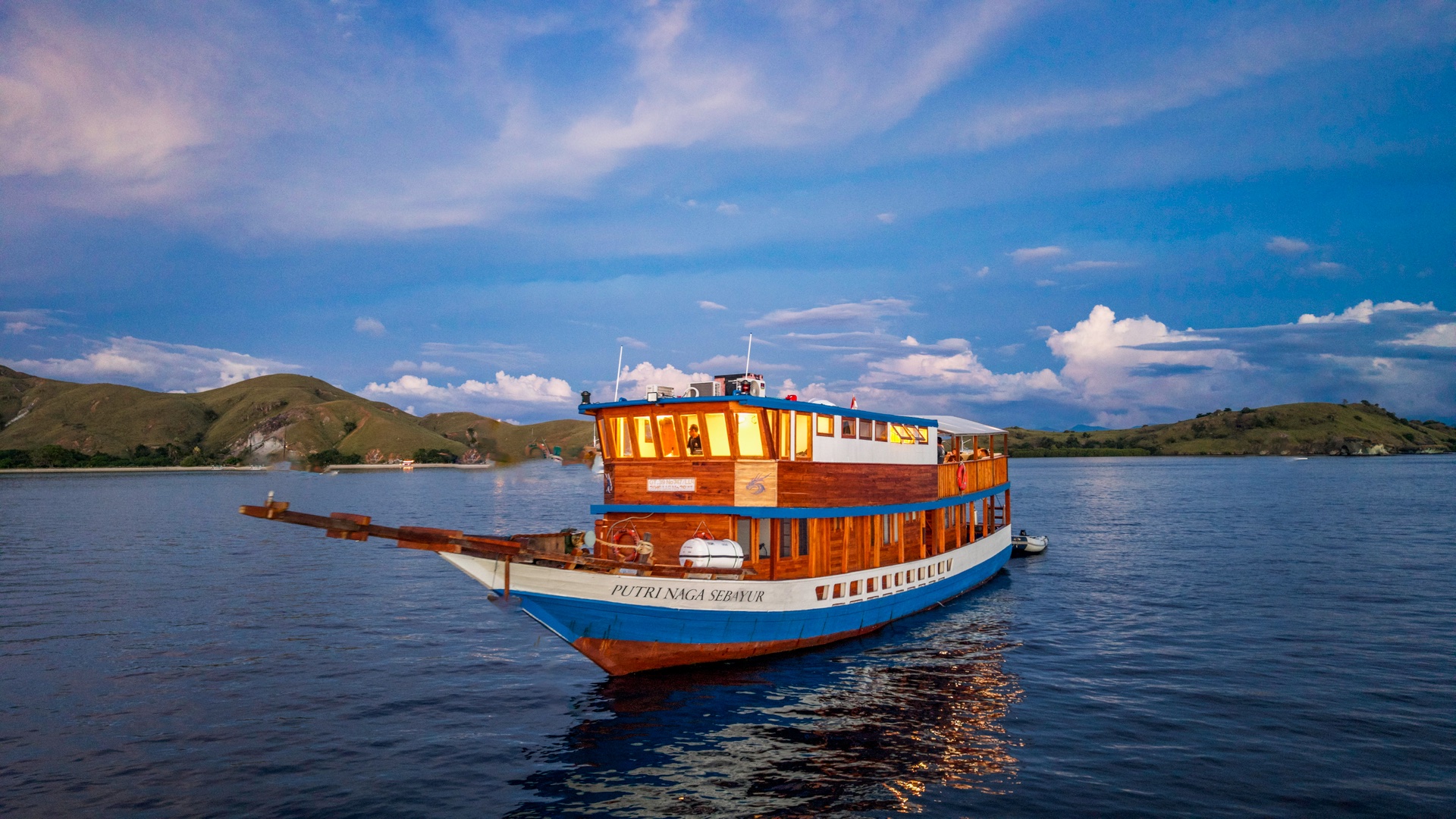
Putri Naga
Komodo, Indonesia
6 guests25 m
Dive sites similar to The Passage Raja Ampat
Same character, same waters — six more sites divers love for the exact same reasons.Compare seasons, access and liveaboard routes — then pick the site that fits your trip best.
© Esri — Maxar, Earthstar, GIS
Adonara Wall
Indonesia
Adonara is an Indonesian island dive site, renowned for its vibrant underwater topography characterized by submerged seamounts.
- Suitable for
- Intermediate
- Current
- Strong
- Access
- Liveaboard or dayboat
- Depth
- 5–35 m
- Theme
- Seamount / Wall
Babylon is a captivating dive site located in the Alor Sea, renowned for its exceptional visibility and vibrant marine ecosystem.
- Suitable for
- Intermediate
- Current
- Strong
- Access
- Liveaboard or dayboat
- Depth
- 3–20 m
- Theme
- Reef / Wall
© Esri — Maxar, Earthstar, GIS
Shark Close
Indonesia
Shark Close is an exhilarating dive site in the Indonesian portion of Borneo, renowned for its strong currents and abundant marine life.
- Suitable for
- Advanced
- Current
- Strong
- Access
- Liveaboard or dayboat
- Depth
- 5–25 m
- Theme
- Channel / Drift
Wakatobi, an acronym for the islands of Wangi-Wangi, Kaledupa, Tomia, and Binongko, lies in Southeast Sulawesi, Indonesia, at the heart of the Coral Triangle.
- Suitable for
- Beginner
- Current
- No current
- Access
- Liveaboard only
- Depth
- 5–30 m
- Theme
- Wall / Reef
© Esri — Maxar, Earthstar, GIS
Raymond’s Point
Indonesia
Raymond's Point is a distinguished dive site located south of Mike's Point within the Bunaken National Marine Park, renowned for its dramatic vertical wall.
- Suitable for
- Advanced
- Current
- Strong
- Access
- Dayboat
- Depth
- 5–35 m
- Theme
- Reef / Wall
© Esri — Maxar, Earthstar, GIS
Manado Tua
Indonesia
Manado Tua, or 'Old Manado,' is one of five islands that form the Bunaken Marine Park, a celebrated marine protected area in North Sulawesi, Indonesia.
- Suitable for
- Intermediate
- Current
- Moderate
- Access
- Dayboat
- Depth
- 5–80 m
- Theme
- Wall / Drift