About Melissa Garden
Melissa Garden stands out as one of Raja Ampat's most spectacular dive sites, celebrated for its expansive and pristine coral gardens. Situated within the highly biodiverse Coral Triangle, this site boasts an exceptional concentration of marine life and well-preserved reef structures. Its unique topography features a broad, shallow reef top transitioning into gently sloping sides, creating an ideal habitat for countless hard and soft coral species, alongside a bustling community of reef fish. The dive experience typically begins with an exploration of the illuminated shallow reef, where natural light enhances the visual splendor of the diverse coral formations. As divers descend, the reef maintains its healthy coral coverage into moderate depths, attracting a wide array of reef inhabitants. This harmonious blend of intricate coral landscapes and active fish life makes Melissa Garden a prime location for both macro and wide-angle underwater photography. While Raja Ampat offers excellent diving year-round, Melissa Garden is particularly vibrant during the dry season, from October to May. During these months, calmer seas, peak visibility, and warm water temperatures (28–30°C) create optimal conditions to fully appreciate the site's rich colors and diverse inhabitants, from schooling fish to smaller reef creatures. Divers can expect a captivating experience, balancing the beauty of a lush coral environment with the dynamic activity of a thriving ecosystem. Manageable currents contribute to an engaging drift dive.
Highlights
Signature coral garden siteColor-rich shallow reef topNatural-light wide-angle photographyBalanced coral and fish activityGentle drift diving structureExceptional marine biodiversity
Season calendar
Best months to dive here
Jan
Feb
Mar
Apr
May
Jun
Jul
Aug
Sep
Oct
Nov
Dec
Excellent
Good
Dive site facts: Melissa Garden
- Depth
- 5–25 m
- Typical dive
- 14 m average depth
- Current
- Medium
- Visibility
- 15–30 m
- Water temperature
- 28–30°C
- Entry
- Boat / Negative entry
- Level
- AOWD recommended
- Dive type
- Reef, Drift, Coral Garden
- Region / port
- Raja Ampat, West Papua
- Coordinates
- -0.5715, 130.4218
Conditions & Currents
Melissa Garden experiences medium currents that require careful dive planning, although it is not considered one of Raja Ampat's strongest current sites. The precise direction and strength of the current are heavily influenced by tidal movements, necessitating divers to pay close attention to pre-dive briefings for entry points and routes. Entry is typically by boat, often involving a negative descent to efficiently reach the reef. Divers must be proficient in buoyancy control, especially when navigating the shallow reef platform, to avoid rapid depth changes and maintain group cohesion. While visibility generally ranges from 15 to 30 meters, occasional plankton blooms can temporarily reduce clarity, though these events sometimes attract pelagic species. Overall, the currents facilitate a gentle drift, enhancing the exploration of the site's extensive coral gardens.
Marine life & sighting chances

Coral
common
Turtle
occasional
Bumphead Parrotfish
occasional
Manta Ray
December-April · occasional
Wobbegong Shark
occasional
Pygmy Seahorse
occasional
Schooling Fish
common
Barracuda
occasional
Reef Shark
occasional
Nudibranch
occasional
Ornate Ghost Pipefish
occasional
Sweetlips
occasionalDive profile & how the dive runs
A typical dive at Melissa Garden begins with a boat entry, often involving a negative descent, led by the dive guide. The specific route is heavily influenced by tidal conditions, which determine the optimal approach to the reef. Divers usually spend the initial part of the dive exploring the expansive, shallow reef top, which is adorned with vibrant hard and soft corals and is ideal for wide-angle photography. As the dive progresses, the path follows the gentle slope of the reef, maintaining an average depth of around 14 meters, though the maximum depth can reach 25 meters. The dive typically unfolds as a gentle drift, facilitating effortless observation of the rich marine life. The turn point is determined by air consumption and current direction, ensuring a comfortable return. Safety stops are generally conducted in the shallower, calmer areas of the reef, allowing divers a final opportunity to enjoy the colorful coral gardens.
Underwater photography
Melissa Garden is an exceptional site for underwater photography, particularly for wide-angle shots due to its expansive and vibrant coral gardens in shallow, well-lit areas. The natural sunlight beautifully illuminates the hard and soft coral formations, making it ideal for capturing dynamic reefscapes without excessive artificial light. For macro photographers, the site's rich biodiversity offers opportunities to find smaller reef creatures like pygmy seahorses and nudibranchs, often requiring patience and good buoyancy control. When currents are present, managing your position to compose shots can be challenging, so practice drift photography techniques. Using external strobes will help bring out the true colors of the corals and fish. Early morning dives often provide soft, natural light, which is excellent for capturing the delicate textures and patterns of the reef.
Combine with nearby dive sites
- Misool Island Reefs
Iconic dive sites are accessible from liveaboards that often combine Melissa Garden with Misool's remote reefs.
- Wofoh
A well-known Raja Ampat site, sometimes combined on liveaboard itineraries.
- Four Kings
Another prominent Raja Ampat site, often visited alongside Melissa Garden by liveaboards.
- Arborek Jetty
A celebrated site for macro life and schooling fish, frequently part of Raja Ampat itineraries.
- Manta Sandy
Famous for manta ray sightings, it's a common inclusion in Raja Ampat dive trips, especially during manta season.
Getting there & logistics
Access to Melissa Garden, located in Raja Ampat, Indonesia, is primarily via liveaboard vessels or resorts concentrated around the Dampier Strait and Misool. The main gateway airport is Sorong (SOQ), typically reached by domestic flights from major Indonesian hubs like Jakarta (CGK) or Makassar (UPG). From Sorong, divers transfer to their liveaboard or resort boat. Liveaboards are recommended for comprehensive exploration of Raja Ampat's remote regions, including Melissa Garden. Trips typically range from 7 to 12 days. All divers must purchase a Raja Ampat Marine Park Entry Permit, which costs approximately USD $100 and is valid for one calendar year. Booking liveaboards 6–12 months in advance is advisable, especially for peak season travel between December and March.
Safety & environment
Diving at Melissa Garden requires adherence to standard dive safety protocols. The nearest recompression chamber is located in Sorong, emphasizing the importance of conservative dive planning and maintaining adequate insurance coverage that includes dive accidents and emergency evacuation. While currents at Melissa Garden are manageable, divers must be proficient in buoyancy control, particularly during negative entries and when navigating the shallow reef, to avoid uncontrolled ascents or contact with corals. Always stay with your dive group and follow your guide's instructions, especially regarding current patterns. Be aware that the remote nature of Raja Ampat means emergency medical services and evacuation can be complex and time-consuming, highlighting the critical role of comprehensive travel and dive insurance.
Who it suits — and who it doesn't
Suited for
- Advanced Open Water divers with good buoyancy
- Underwater photographers seeking vibrant coralscapes
- Divers comfortable with mild to medium drift conditions
- Liveaboard enthusiasts exploring diverse Raja Ampat sites
- Those interested in pristine reef environments
Less suited for
- Beginner divers without sufficient experience
- Divers uncomfortable with negative entries
- Individuals with poor buoyancy control
- Those preferring entirely current-free conditions
- Divers seeking exclusively large pelagic encounters
FAQ
Melissa Garden FAQ
What kind of marine life can I expect to see at Melissa Garden?
Melissa Garden is renowned for its incredible coral diversity, featuring vast healthy hard and soft coral gardens. You can expect to see numerous reef fish species, occasional turtles, and bumphead parrotfish. While not primarily a pelagic site, Raja Ampat overall is home to manta rays, wobbegong sharks, and pygmy seahorses, which might also be sighted here.
Is Melissa Garden suitable for beginner divers?
Melissa Garden is generally recommended for Advanced Open Water divers or those with equivalent experience. While currents are manageable, a good level of buoyancy control is essential, especially when navigating the shallow reef and performing negative entries. Less experienced divers may find the conditions challenging.
What are the best times of year to dive Melissa Garden?
The optimal time to dive Melissa Garden is during Raja Ampat's high season, from October to May. These months offer the calmest seas, best visibility (15-30 meters), and consistent water temperatures of 28-30°C. December to April is particularly good for manta ray sightings across the region.
What kind of photography is best at Melissa Garden?
Melissa Garden is exceptional for wide-angle photography, especially in its shallow, well-lit coral gardens. The abundant hard and soft corals create stunning reefscapes under natural light. Macro photographers can also find pygmy seahorses, nudibranchs, and other small critters, though it may require patient searching.
How do currents affect diving at Melissa Garden?
Melissa Garden experiences medium currents, which contribute to a gentle drift diving experience. The strength and direction depend on tidal movements, so your dive guide will brief you on the best entry point and route. Divers should be comfortable with currents and maintain good buoyancy control.
Is Melissa Garden only accessible by liveaboard?
While liveaboards are the most popular way to explore Raja Ampat's diverse sites, including Melissa Garden, some resorts in the region may also offer day trips to this site. Liveaboards provide comprehensive access to remote reefs and allow for a broader exploration of the archipelago.
Why dive Melissa Garden from a liveaboard?
Melissa Garden is one of Indonesia's signature dive sites. A liveaboard sleeps you on the water and puts you in the water for three to four guided dives per day, including dawn and night dives that day-boat operators rarely offer. You skip the daily commute back to port and reach quieter, less-crowded sites in the same region on a single trip.
Below are the liveaboards that include Melissa Garden on their Indonesia itineraries.
Liveaboards diving Melissa Garden
These liveaboards may visit Melissa Garden on selected itineraries — the exact dive sites depend on departure, weather and conditions.
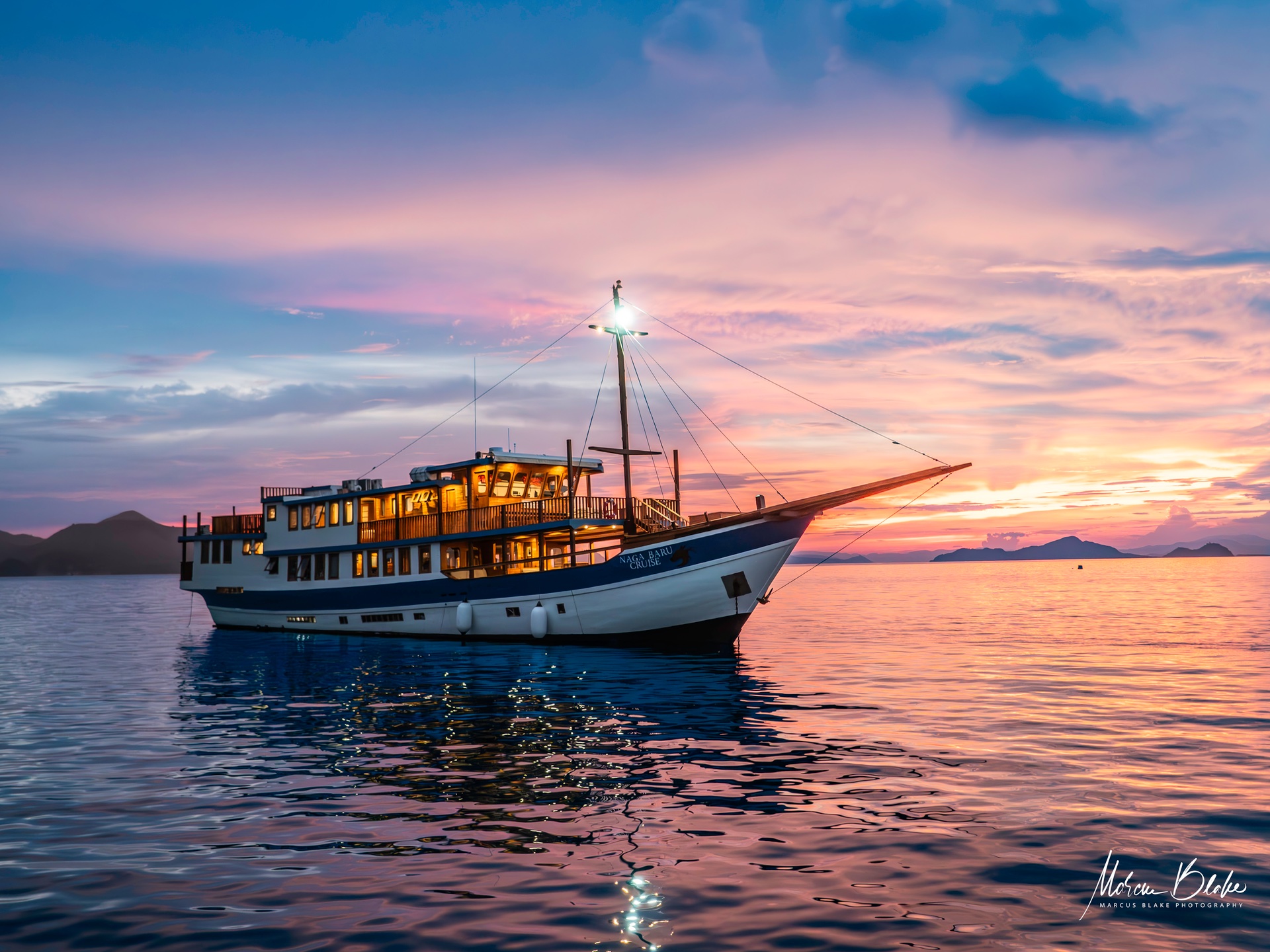
Naga Biru
Indonesia
12 guests40 m
$273/day
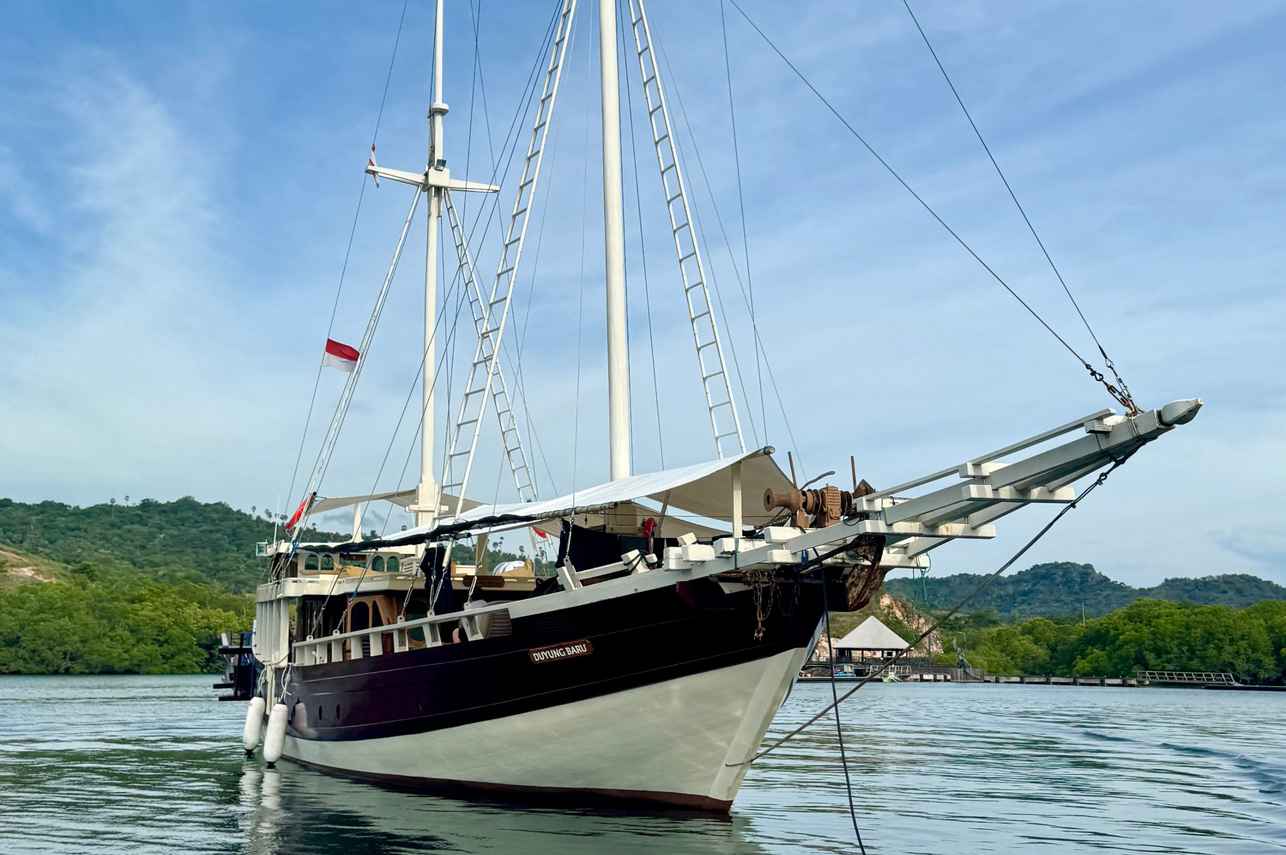
Ecopro Duyung Baru
Indonesia
6 guests27 m
$361/day
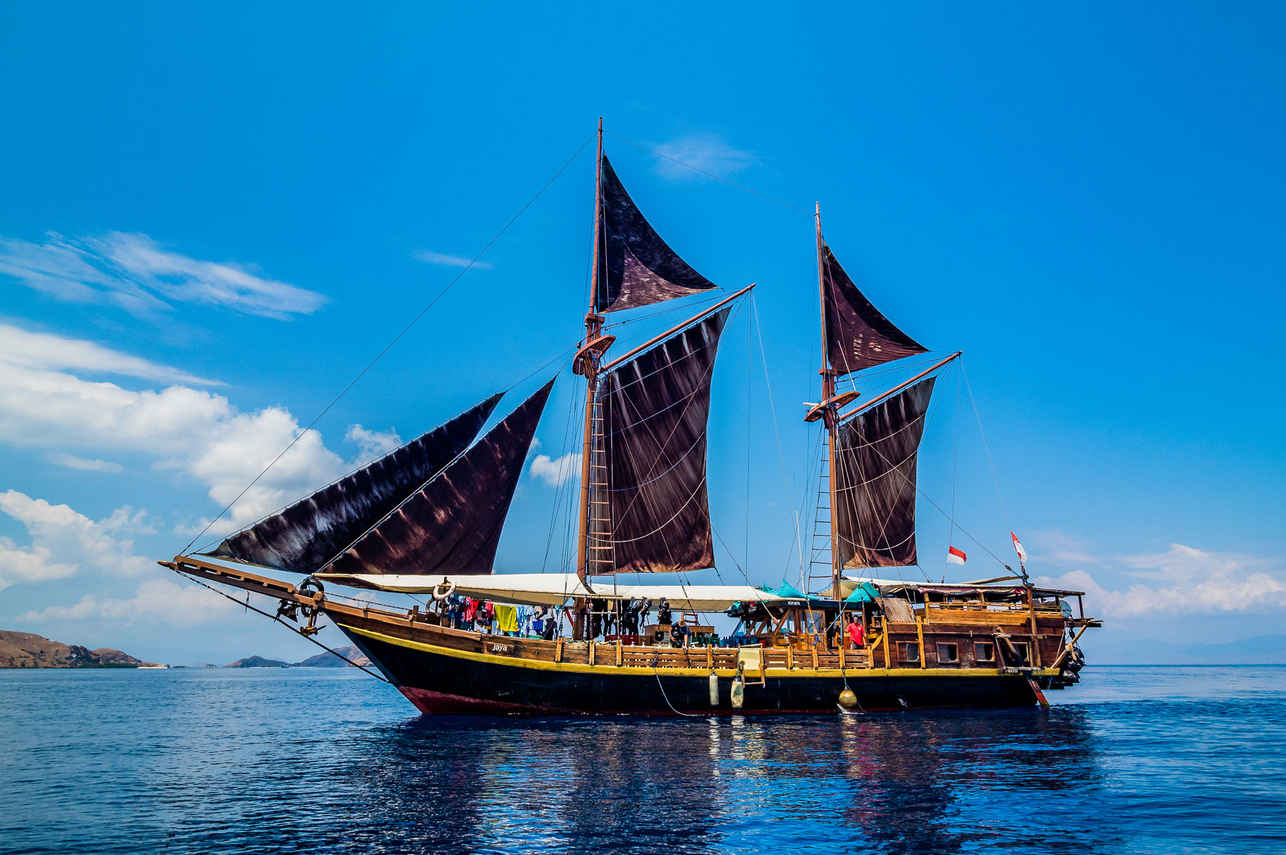
Jaya
Indonesia
14 guests23 m
$280/day
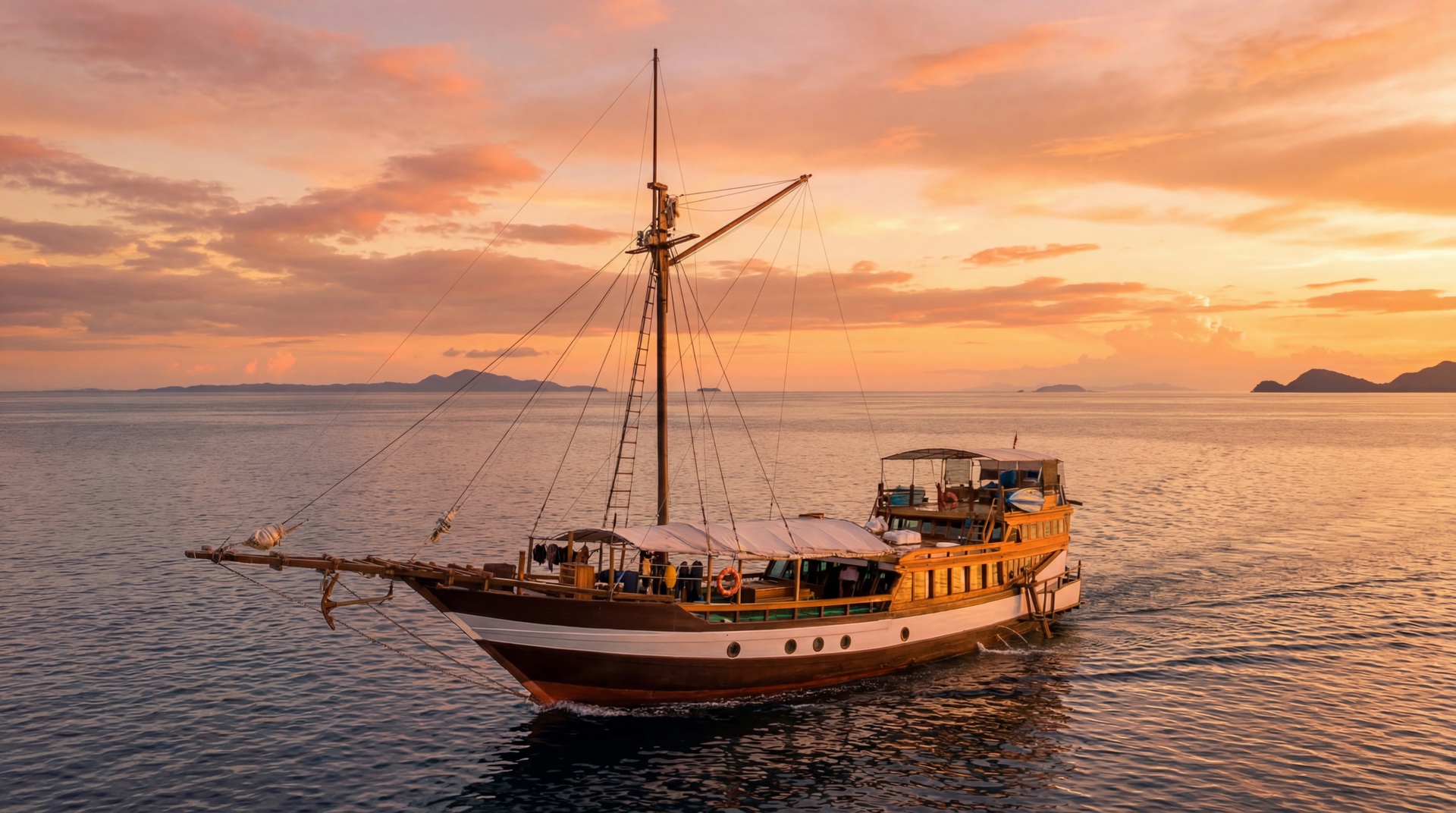
Wellenreng
Indonesia
9 guests25 m
$427/day
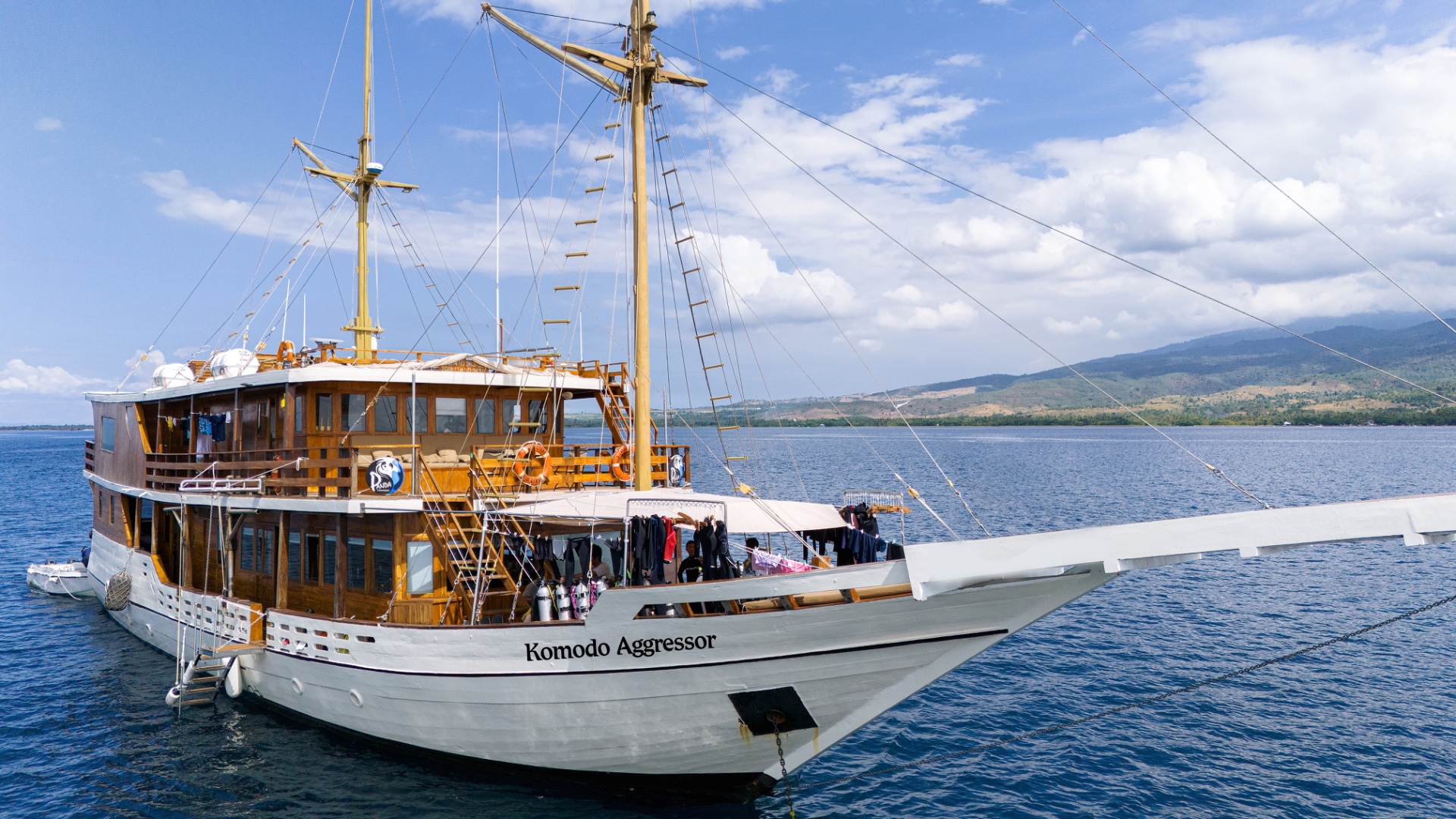
Komodo Aggressor
Komodo, Indonesia
16 guests29 m
$312/day
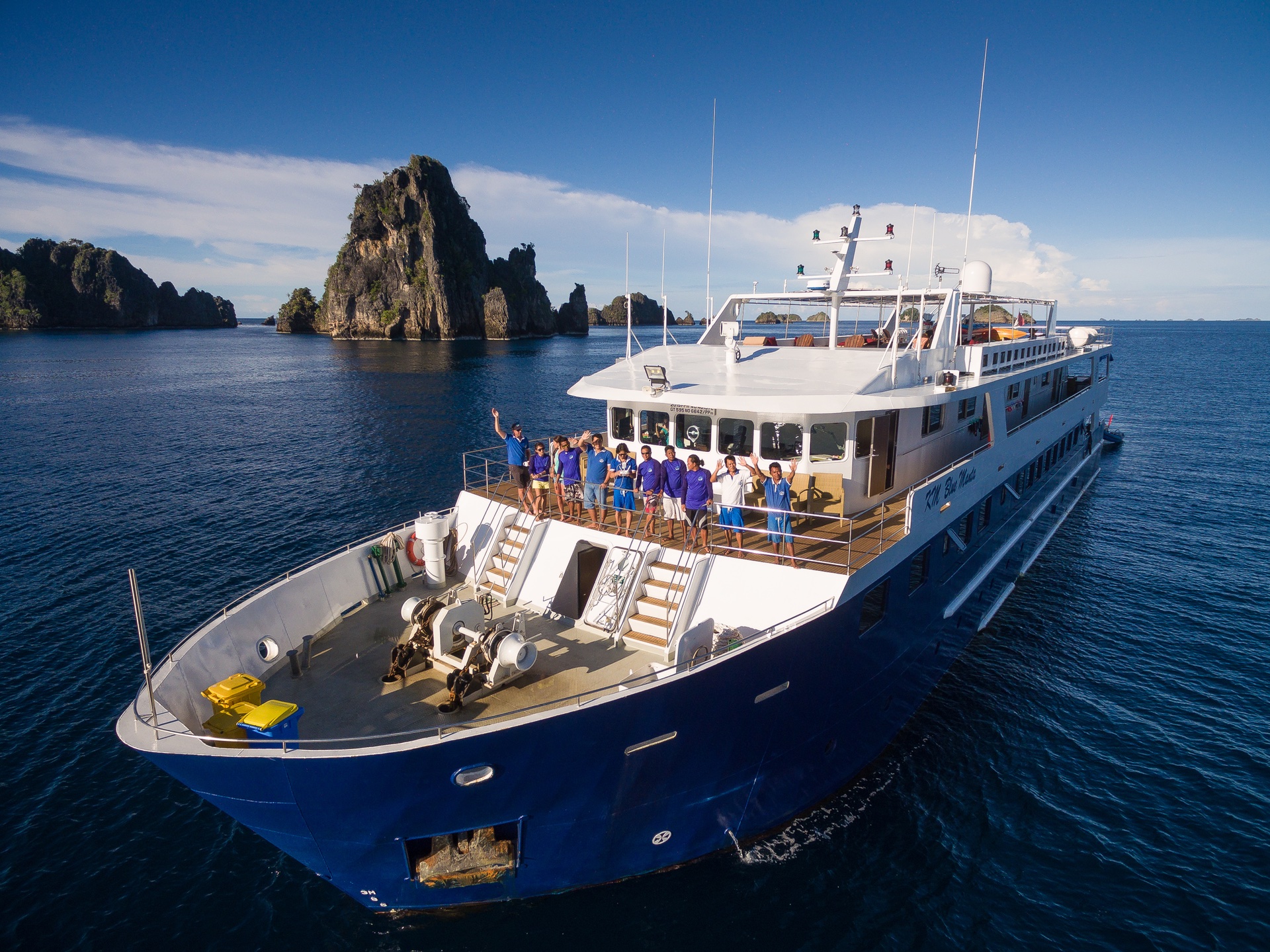
Blue Manta
Indonesia
20 guests45 m
$482/day
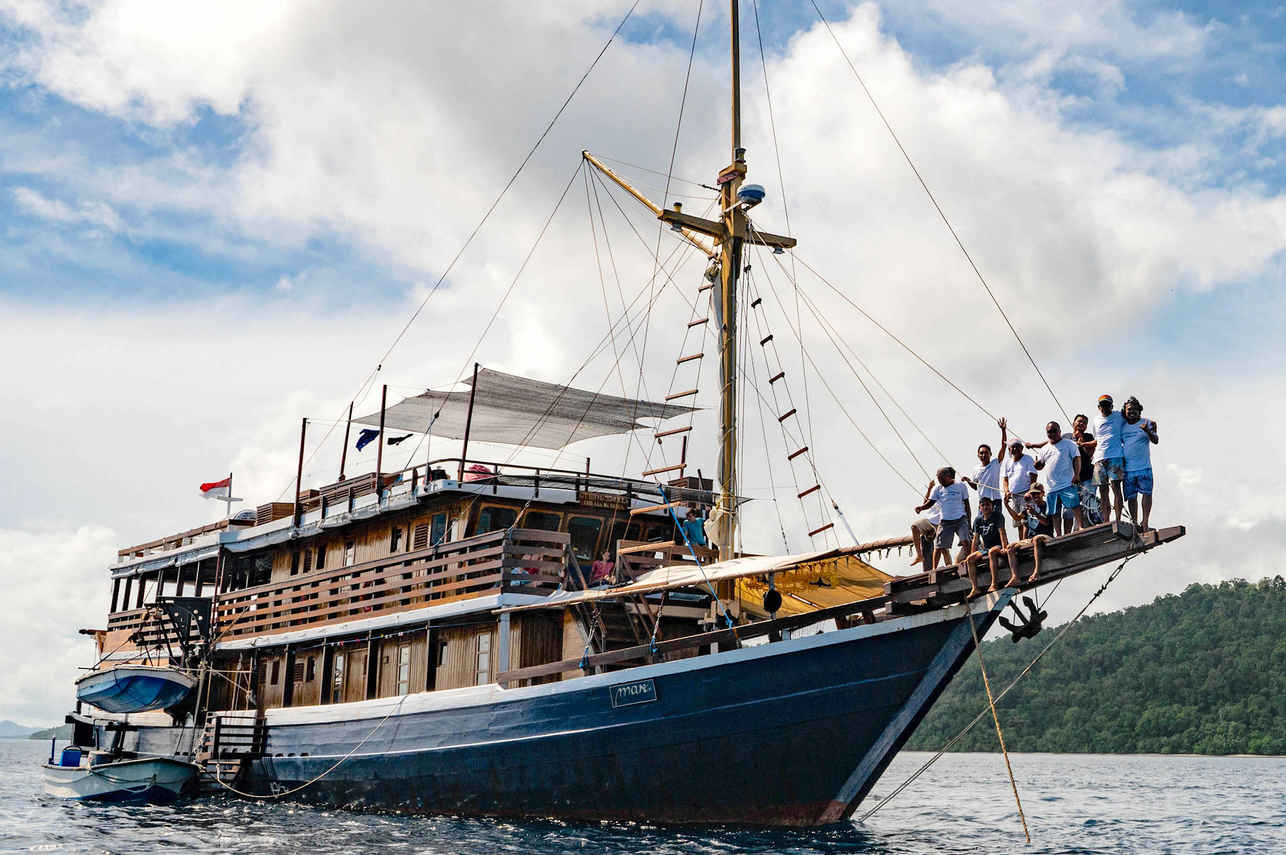
Mari
Indonesia
14 guests32.2 m
$328/day
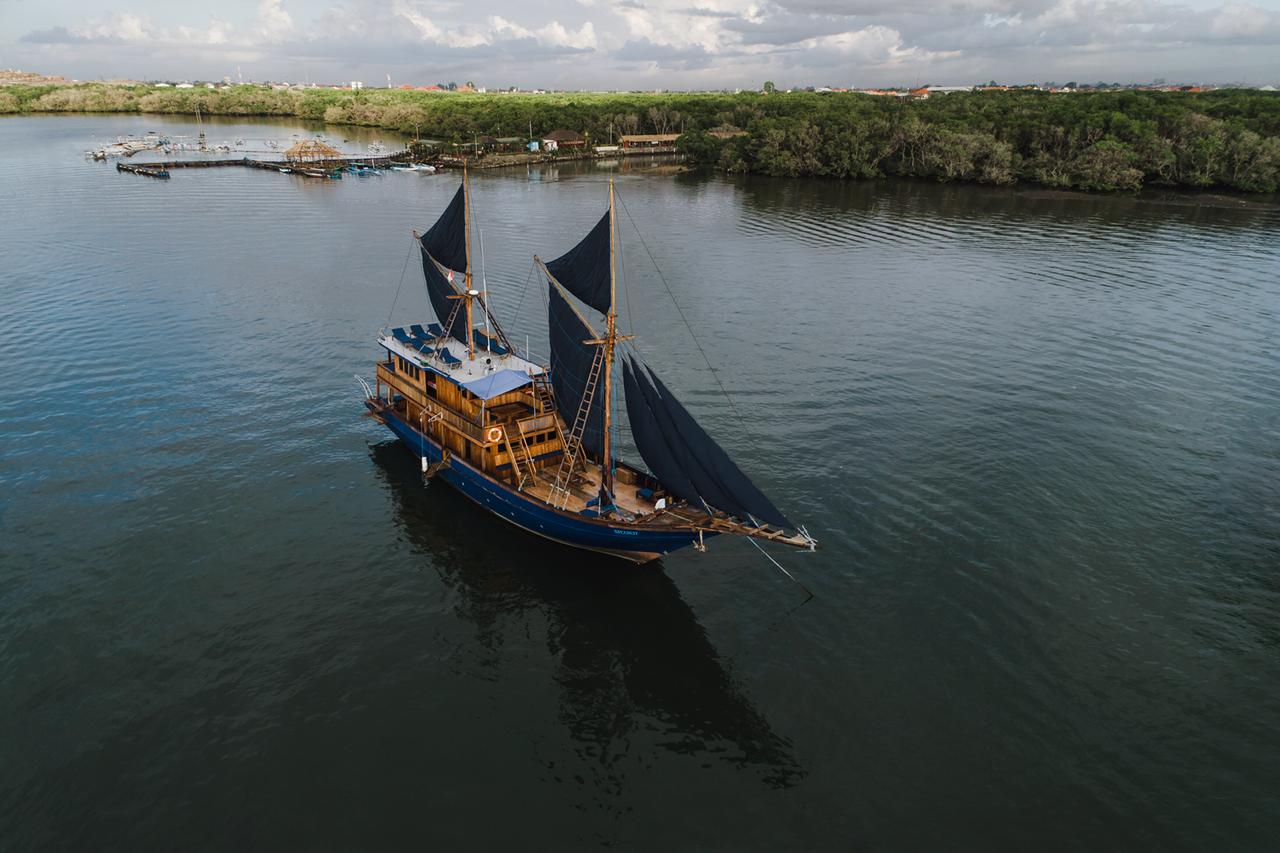
Situju7
Komodo, Indonesia
10 guests32.7 m
$362/day
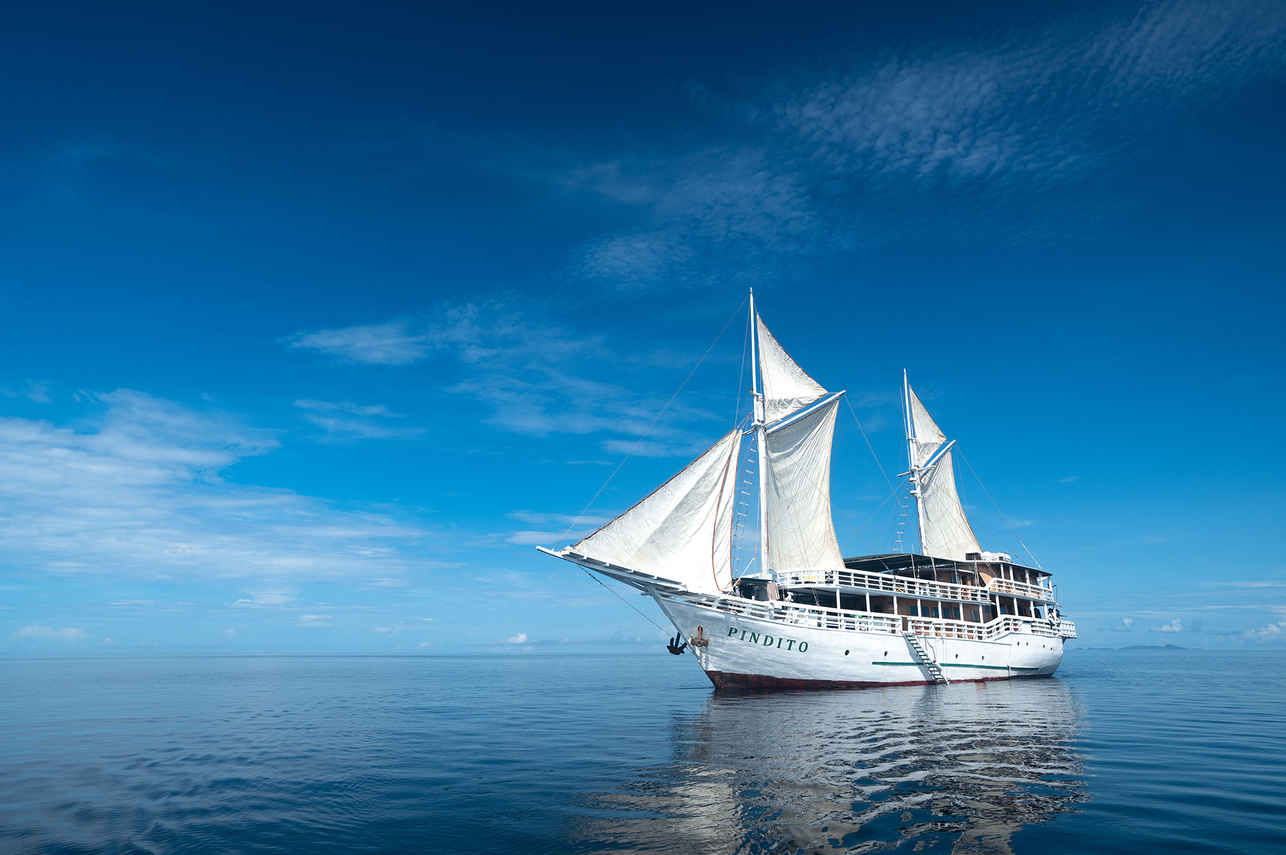
Pindito
Indonesia
16 guests37.79 m
$533/day
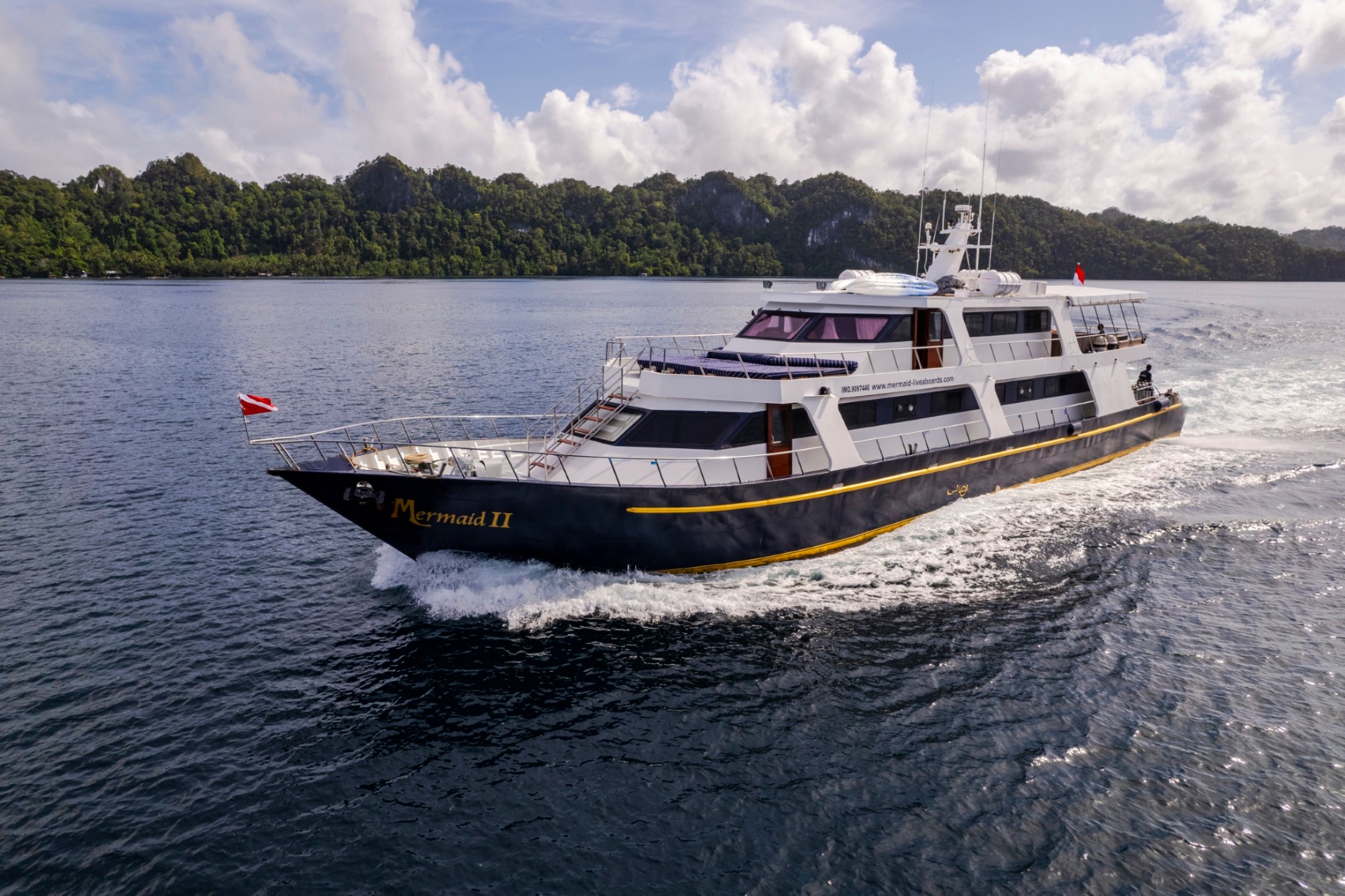
Mermaid II
Komodo, Indonesia
18 guests
$355/day
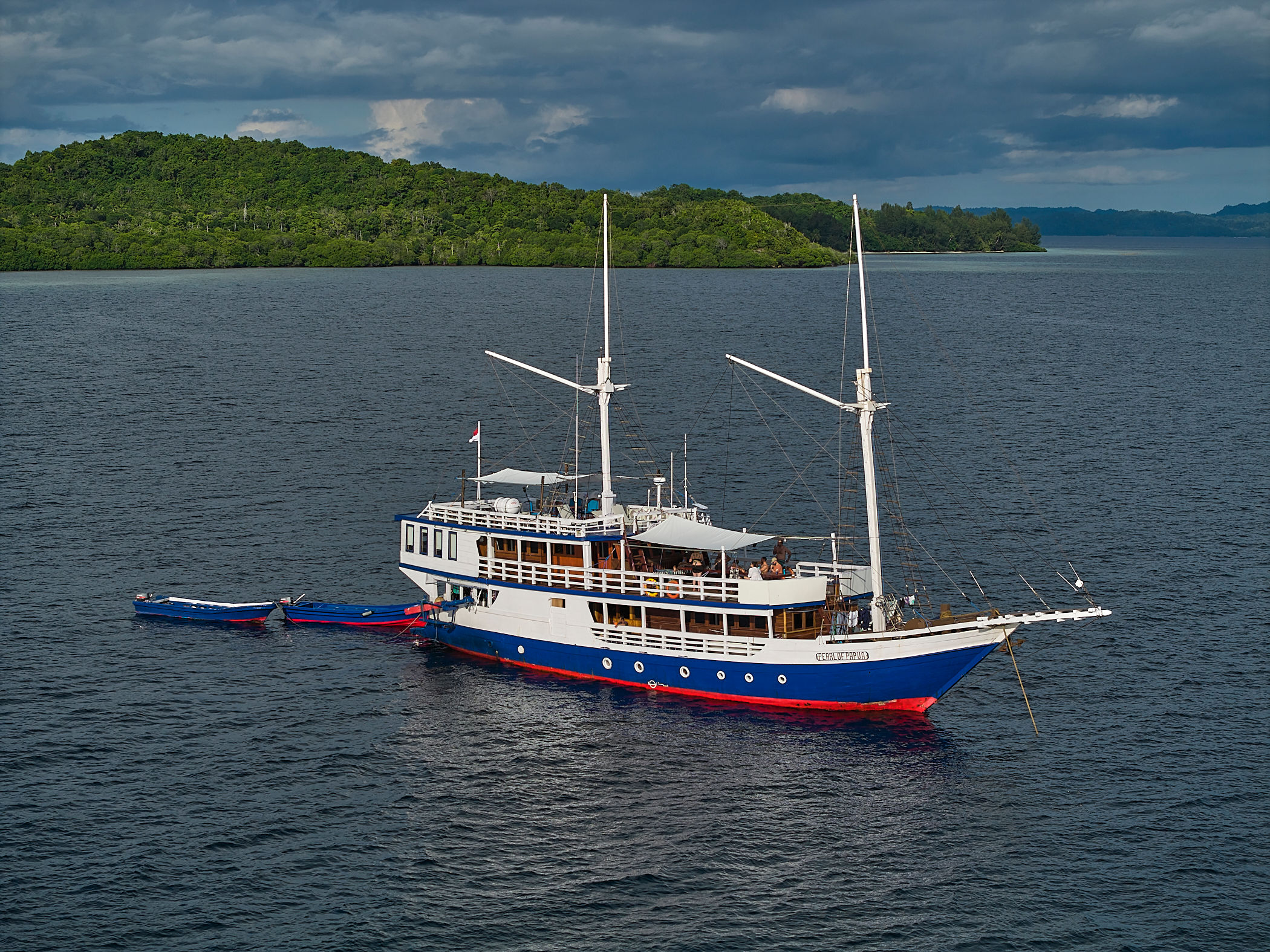
Pearl of Papua
Raja Ampat, Indonesia
14 guests30 m
$303/day
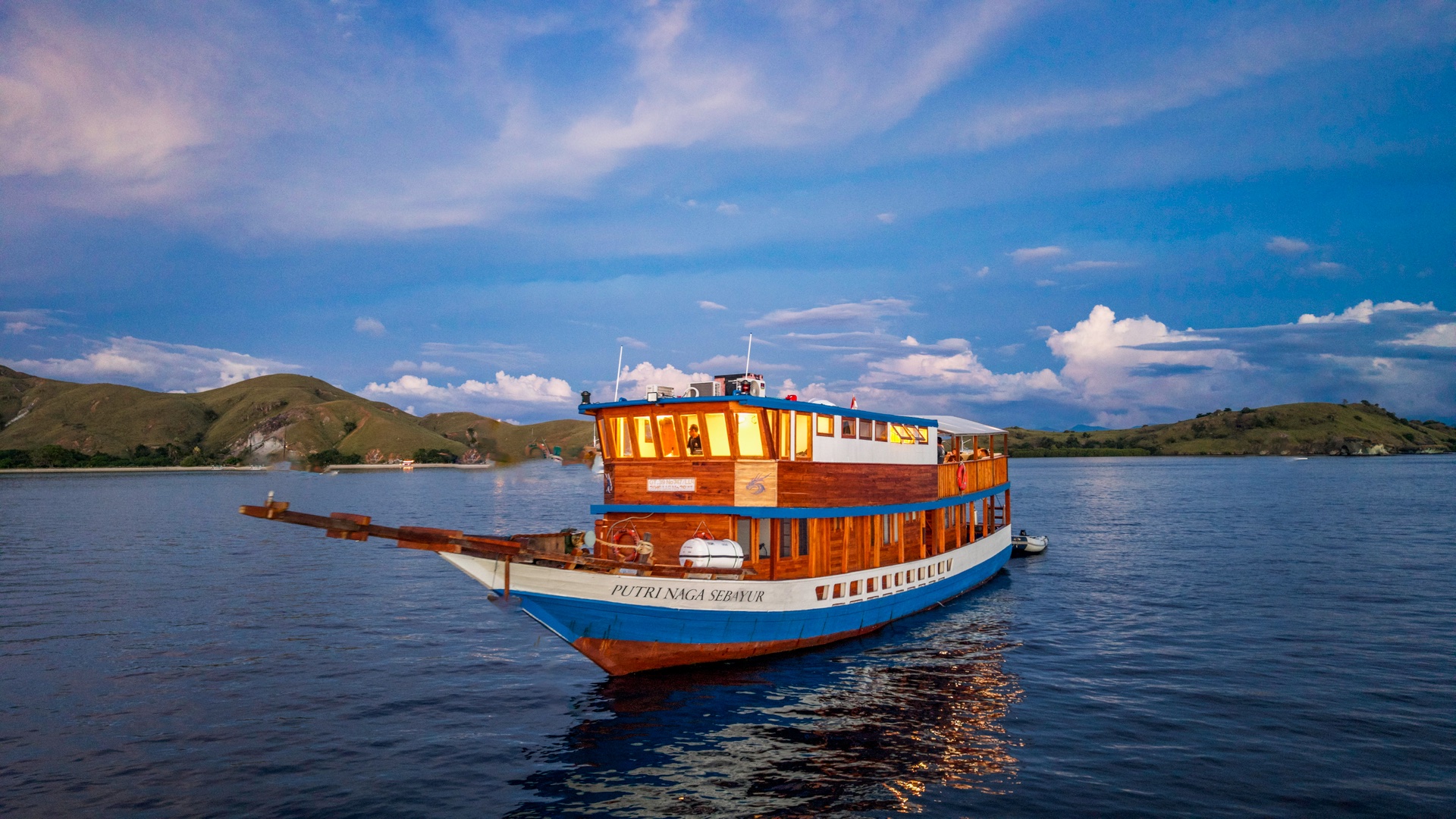
Putri Naga
Komodo, Indonesia
6 guests25 m
Dive sites similar to Melissa Garden
Same character, same waters — six more sites divers love for the exact same reasons.Compare seasons, access and liveaboard routes — then pick the site that fits your trip best.
© Esri — Maxar, Earthstar, GIS
Mawali Wreck
Indonesia
The Mawali Wreck, a Japanese cargo ship, rests on its side in the Lembeh Strait, off the northern coast of Sulawesi.
- Suitable for
- Advanced
- Current
- Mild
- Access
- Liveaboard only
- Depth
- 25–40 m
- Theme
- Wreck / Reef
Aljui Bay, located in Raja Ampat's remote northern reaches, was discovered as a premier snorkeling and diving destination by chance in 2011. This bay, situated within the broader…
- Suitable for
- Beginner
- Current
- Mild
- Access
- Liveaboard only
- Depth
- ≤ 20 m
- Theme
- Reef
Babylon is a captivating dive site located in the Alor Sea, renowned for its exceptional visibility and vibrant marine ecosystem.
- Suitable for
- Intermediate
- Current
- Strong
- Access
- Liveaboard or dayboat
- Depth
- 3–20 m
- Theme
- Reef / Wall
© Esri — Maxar, Earthstar, GIS
Shark Close
Indonesia
Shark Close is an exhilarating dive site in the Indonesian portion of Borneo, renowned for its strong currents and abundant marine life.
- Suitable for
- Advanced
- Current
- Strong
- Access
- Liveaboard or dayboat
- Depth
- 5–25 m
- Theme
- Channel / Drift
Wakatobi, an acronym for the islands of Wangi-Wangi, Kaledupa, Tomia, and Binongko, lies in Southeast Sulawesi, Indonesia, at the heart of the Coral Triangle.
- Suitable for
- Beginner
- Current
- No current
- Access
- Liveaboard only
- Depth
- 5–30 m
- Theme
- Wall / Reef
© Esri — Maxar, Earthstar, GIS
Cornucopia
Indonesia
Cornucopia, aptly named the 'horn of plenty,' is celebrated as Wakatobi's most spectacular wall dive, offering a diverse and nutrient-rich underwater environment.
- Suitable for
- Intermediate
- Current
- Mild
- Access
- Liveaboard only
- Depth
- 5–40 m
- Theme
- Reef