About Formigas Islets (Azores)
The Formigas Islets are a chain of small, low-lying rocky outcrops and submerged pinnacles situated approximately 40 kilometers east of São Miguel, the largest island in the Azores. This remote location in the Atlantic anchors a significant submarine reef system that serves as a vital biological magnet, drawing a remarkable concentration of pelagic species to its nutrient-rich waters. The diving experience focuses on these submerged pinnacles and seamounts, which rise from considerable depths to within eight meters of the surface. These geological formations create a unique environment where schools of yellowmouth barracuda spiral around the peaks, and large dusky groupers find refuge in the rocky crevices. The isolation and protected status of the Formigas marine reserve, established in 1988, contribute to a thriving ecosystem with significantly higher fish biomass compared to many other Azorean dive sites. The highlight for many divers visiting Formigas is the seasonal aggregation of mobula rays. From July through September, hundreds of Mobula tarapacana gather here, forming one of the largest known schools in the North Atlantic. Beyond the rays, encounters with blue sharks and occasional shortfin mako sharks are possible, underscoring the health and productivity of this mid-ocean environment. Loggerhead turtles and common dolphins are also frequently sighted during the two-hour boat journey to the site. Formigas Islets offer an advanced diving experience, often characterized by strong currents and exposed conditions. The two-hour boat crossing from either Vila Franca do Campo or Ponta Delgada on São Miguel emphasizes the site's remoteness. However, for those prepared for the challenging logistics and conditions, Formigas provides unparalleled big animal encounters, rivaling some of the world's most renowned pelagic hotspots.
Highlights
Massive mobula ray aggregationsBlue and mako shark encountersLarge dusky groupersSchools of yellowmouth barracudaRemote oceanic seamount divingRich pelagic ecosystemVolcanic topography
Season calendar
Best months to dive here
Jan
Feb
Mar
Apr
May
Jun
Jul
Aug
Sep
Oct
Nov
Dec
Excellent
Good
Dive site facts: Formigas Islets (Azores)
- Depth
- 8–40 m
- Typical dive
- 15–25 m, 50–60 min
- Current
- Strong
- Visibility
- 15–40 m
- Water temperature
- 17–24°C
- Entry
- Tender / negative entry
- Level
- Advanced, current experience required
- Dive type
- Pelagic, seamount, drift
- Night dive
- Not typical due to remoteness
- Region / port
- Azores, Portugal
- Coordinates
- 37.2667, -24.7833
Conditions & Currents
Currents at Formigas Islets can be very strong and unpredictable, particularly around the pinnacles. Divers should be prepared for drift diving conditions and potential surge, which demands experience in open-water and current environments. Negative entries are often employed to manage the currents, and divers should maintain excellent buoyancy control.
Marine life & sighting chances
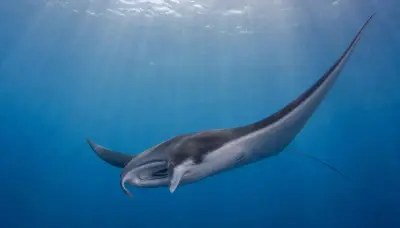
Mobula ray
July–September · common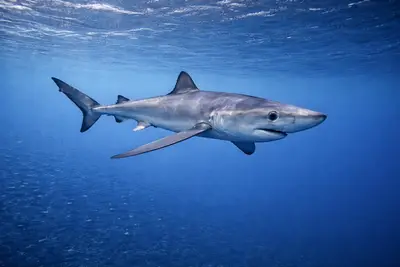
Blue shark
July–October · occasional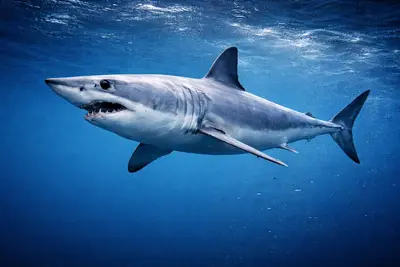

Yellowmouth barracuda
common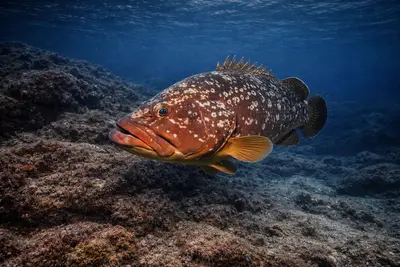
Dusky grouper
common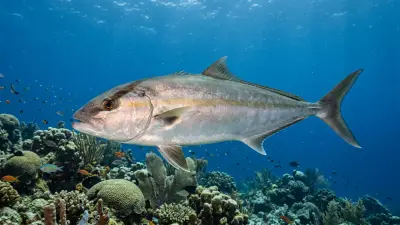
Amberjack
common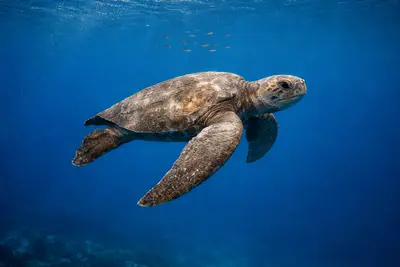
Loggerhead turtle
occasional
Common dolphin
common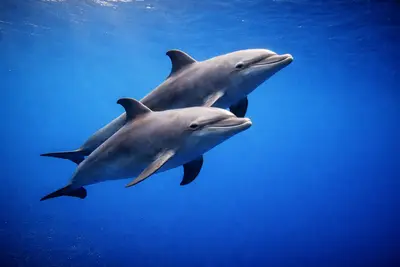
Bottlenose dolphin
occasional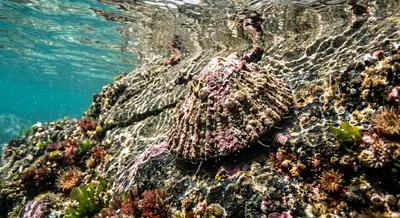
Azorean limpet
commonDive profile & how the dive runs
Diving at Formigas Islets typically begins with a descent directly onto the top of a submerged pinnacle, often requiring a negative entry due to strong currents. The shallowest points of these pinnacles are around 8-15 meters, where schools of barracuda frequently congregate. Divers then circumnavigate the pinnacle, exploring its walls and crevices, which house large dusky groupers. The dive progresses along the slopes to a deep base at around 25-40 meters, where the nutrient-rich waters attract pelagic species such as mobula rays and sharks. The exact route and depth profile are highly dependent on current conditions and the specific pinnacle being explored. The safety stop is conducted in the blue, usually around 5 meters, before ascent, often as a drift. Dives are typically limited to 50-60 minutes.
Underwater photography
Formigas Islets provide outstanding opportunities for wide-angle photography, especially during the peak season from July to September when mobula rays aggregate in large numbers. A wide-angle lens (e.g., fisheye or 16-35mm equivalent) is essential to capture entire schools of rays or sharks against the clear blue water. Given the depths and potential for overcast days, strobes are recommended to bring out color and reduce backscatter, particularly when photographing fast-moving pelagics. Excellent buoyancy control is critical due to strong currents and to avoid disturbing marine life around the pinnacles. Be patient and anticipate animal movements for the best shots. During early and late seasons, macro photography can be rewarding for smaller reef inhabitants, but the primary draw here is wide-angle pelagic action.
Combine with nearby dive sites
- Dollabarat
Often combined with Formigas Islets as part of a multi-day trip for pelagic encounters.
- Princess Alice Bank (Azores)
Another renowned offshore seamount for mobula rays and other pelagics, typically accessed from Pico or Faial.
- Banco D. João de Castro
A submerged seamount between Terceira and São Miguel, known for its unique volcanic activity and marine life.
- Ilhéu de Vila Franca
A protected islet near São Miguel, offering varied coastal dive spots with different depth ranges.
Getting there & logistics
Access to Formigas Islets is exclusively by boat, typically a two-hour crossing from Vila Franca do Campo or Ponta Delgada on São Miguel, the main island of the Azores. International visitors usually fly into João Paulo II Airport (PDL) on São Miguel, which has direct flights from Lisbon, Porto, London, Paris, Boston, and Toronto. Day trips to Formigas are weather-dependent and usually operate only from June through October. Booking in advance (3-6 months) is highly recommended, especially for peak season, as boat capacity is limited. Trips are often run by dive operators on São Miguel. No special permits are generally required for diving, but operators will manage any necessary access for the marine reserve.
Safety & environment
Diving at Formigas Islets requires advanced certification and significant experience with strong currents and open-ocean conditions. The nearest recompression chamber is located in Ponta Delgada on São Miguel, approximately two hours away by boat. Divers must carry comprehensive dive insurance that covers emergency evacuation and recompression treatment. Sea sickness medication is often advisable due to potentially rough crossings. Weather conditions can change rapidly, and trips may be cancelled or altered at short notice for safety. Always follow your dive guide's instructions, maintain excellent buoyancy, and stay within designated depths and times, especially given the remote nature of the site and the challenges of evacuation.
Who it suits — and who it doesn't
Suited for
- Advanced divers with current experience
- Divers seeking large pelagic encounters
- Underwater photographers with wide-angle setups
- Marine life enthusiasts
- Those comfortable with remote, exposed diving
Less suited for
- Beginner divers or those without current experience
- Divers prone to severe seasickness
- Those seeking calm, shallow reef dives
- Divers who prefer macro-focused photography
- Individuals with limited bottom time tolerance
FAQ
Formigas Islets (Azores) FAQ
How do I get to the Formigas Islets?
The Formigas Islets are located approximately 40 kilometers east-northeast of São Miguel, the main island of the Azores. Access is primarily by boat from Vila Franca do Campo or Ponta Delgada. The boat crossing typically takes around two hours, depending on sea conditions. Due to its exposure to the Atlantic, trips are heavily weather-dependent and mainly run from June through October when conditions are most favorable.
What makes the Formigas marine reserve special?
The Formigas Islets and the adjacent Dollabarat Reef were designated a nature reserve in 1988, making it one of the oldest marine protected areas in the Azores. Its mid-Atlantic location provides nutrient-rich waters that support exceptional pelagic life, including one of the largest seasonal aggregations of mobula rays in the North Atlantic. This isolation and protected status lead to a significantly higher biomass of fish on the submerged reefs compared to many other dive sites.
What diving experience is required for Formigas Islets?
Formigas Islets are recommended for advanced divers who possess experience in open-water and current diving. Conditions can be challenging, featuring strong currents, potential surge near the pinnacles, and limited shelter if weather deteriorates. Most operators require a minimum of Advanced Open Water certification, with a preference for divers who have logged experience in current and blue water environments due to the depths and exposure.
When is the best time to see mobula rays at Formigas Islets?
The best time to witness the spectacular aggregations of mobula rays at Formigas Islets is during the summer months, specifically from July through September. During this period, hundreds of Mobula tarapacana gather around the seamount, offering incredible opportunities for divers to observe them. This timeframe also coincides with the warmest water temperatures and calmer sea conditions, making boat trips more reliable.
What marine life can I expect to see beyond mobula rays?
Beyond the impressive mobula rays, Formigas Islets host a diverse array of marine life. You can frequently encounter large schools of yellowmouth barracuda and majestic dusky groupers inhabiting the rocky crevices. Blue sharks and occasionally shortfin mako sharks are also sighted in the surrounding waters. During the boat journey, common dolphins and loggerhead turtles are often seen, adding to the pelagic experience.
Why dive Formigas Islets (Azores) from a liveaboard?
Formigas Islets (Azores) is one of Portugal's signature dive sites. A liveaboard sleeps you on the water and puts you in the water for three to four guided dives per day, including dawn and night dives that day-boat operators rarely offer. You skip the daily commute back to port and reach quieter, less-crowded sites in the same region on a single trip.
Below are the liveaboards that include Formigas Islets (Azores) on their Portugal itineraries.
Liveaboards diving Formigas Islets (Azores)
These liveaboards may visit Formigas Islets (Azores) on selected itineraries — the exact dive sites depend on departure, weather and conditions.
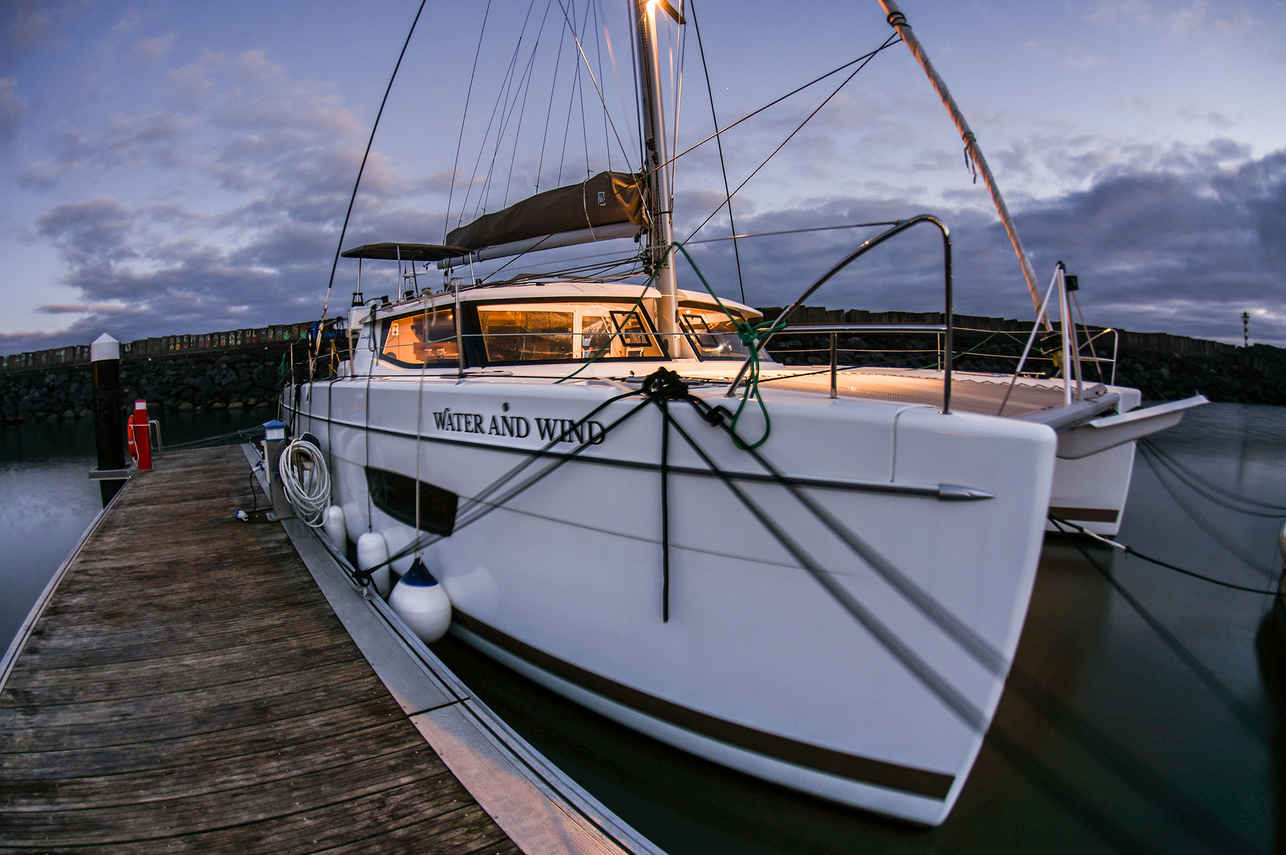
Water And Wind
Portugal
8 guests13.41 m
Dive sites similar to Formigas Islets (Azores)
Same character, same waters — six more sites divers love for the exact same reasons.Compare seasons, access and liveaboard routes — then pick the site that fits your trip best.
Silveira is a welcoming beginner-friendly dive site located off Terceira Island in the Azores archipelago, Portugal.
- Suitable for
- Beginner
- Current
- Mild
- Access
- Dayboat
- Depth
- 2–15 m
- Theme
- Reef / Pinnacle
Pedrinha, meaning 'Little Rock,' is a highly regarded advanced dive site located off Santa Maria Island in the eastern Azores.
- Suitable for
- Advanced
- Current
- Strong
- Access
- Dayboat
- Depth
- 6–40 m
- Theme
- Reef / Wall
© Esri — Maxar, Earthstar, GIS
Baixa do Ilheu do Frade
Portugal
Baixa do Ilheu do Frade is an advanced dive site situated off Santa Maria Island in the Azores archipelago.
- Suitable for
- Advanced
- Current
- Moderate
- Access
- Dayboat
- Depth
- ≤ 25 m
- Theme
- Reef / Pinnacle
© Esri — Maxar, Earthstar, GIS
Baixa do Ambrósio
Portugal
Baixa do Ambrósio is a world-class advanced dive site located off Santa Maria Island in the eastern Azores.
- Suitable for
- Advanced
- Current
- Ripping
- Access
- Liveaboard or dayboat
- Depth
- 18–40 m
- Theme
- Seamount
© Esri — Maxar, Earthstar, GIS
Banco D. João de Castro
Portugal
Banco D. João de Castro is a spectacular active submarine volcano nestled in the Atlantic Ocean, between the Azorean islands of São Miguel and Terceira.
- Suitable for
- Advanced
- Current
- Strong
- Access
- Liveaboard or dayboat
- Depth
- 12–60 m
- Theme
- Seamount
© Esri — Maxar, Earthstar, GIS
Dollabarat
Portugal
Dollabarat is a celebrated offshore seamount rising from the deep Atlantic, located near Santa Maria in the Azores archipelago.
- Suitable for
- Advanced
- Current
- Strong
- Access
- Liveaboard or dayboat
- Depth
- 12–35 m
- Theme
- Reef / Seamount