About Elephant Island
Elephant Island, an isolated landmass in the outer South Shetland Islands, holds a significant place in Antarctic history, most notably as a survival point for Shackleton's expedition. The diving experience here offers a unique glimpse into an otherworldly underwater landscape shaped by ice and cold. The topography beneath the waves features dramatic ice formations, including ice walls and the undersides of icebergs, alongside rocky seafloors and occasional kelp forests. Depths typically range shallow, with most dives occurring at around 20 meters, making the vibrant macro life accessible. The extreme cold, with water temperatures hovering just above freezing, necessitates specialized equipment and experience. The abundant krill in these waters supports a diverse ecosystem, attracting various marine mammals and seabirds. Divers frequently encounter a rich macro-life, including sea spiders, nudibranchs, colorful sponges, and various crustaceans. Larger animals such as seals and penguins are also common sights, often curiously approaching divers. Whale sightings are possible, particularly during the peak season. Due to its remote location and challenging conditions, diving at Elephant Island is an expeditionary endeavor. Dives are typically conducted from Zodiac boats, with a strong emphasis on safety protocols and experienced guides. The ever-changing ice and weather conditions dictate the dive schedule, ensuring that every underwater excursion is both safe and memorable.
Highlights
Historic Shackleton expedition siteUnderbellies of icebergsPolar macro-lifeCurious seals and penguinsUnique ice formationsRemote, pristine environment
Season calendar
Best months to dive here
Jan
Feb
Mar
Apr
May
Jun
Jul
Aug
Sep
Oct
Nov
Dec
Excellent
Good
Dive site facts: Elephant Island
- Depth
- 5–20 m
- Typical dive
- 12–20 m, 45–60 min
- Current
- Variable, can be strong
- Visibility
- 40–300 m
- Water temperature
- -2–2°C (28–36°F)
- Entry
- Zodiac / negative entry
- Level
- Advanced, drysuit experience required
- Dive type
- Ice diving, wall diving, macro, wide-angle
- Night dive
- Not typical
- Region / port
- Antarctic Peninsula
- Coordinates
- -61.08, -55.23
Conditions & Currents
Currents around Elephant Island can be highly variable and are significantly influenced by weather and ice conditions, which can change rapidly. Divers must be prepared for potentially strong katabatic winds and swell, as conditions can deteriorate very quickly, necessitating swift returns to the tender boats. Visibility is generally excellent, often reaching hundreds of feet, especially earlier in the season before plankton blooms become extensive. Water temperatures are consistently frigid, ranging from -2 to 2°C (28 to 36°F), requiring robust drysuit experience and redundant thermal protection. Dive operations from Zodiacs require careful entries and exits, with guides acting as vigilant spotters for ice movement and surface conditions.
Marine life & sighting chances
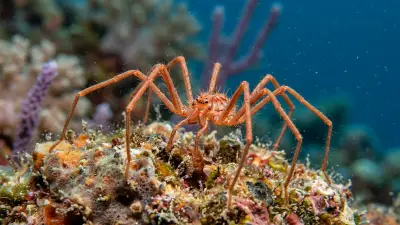
Sea spiders
November-March · common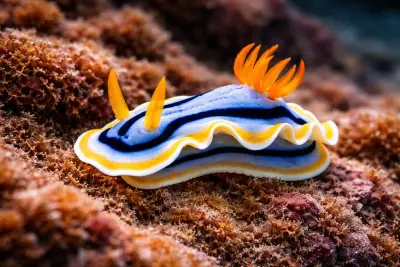
Nudibranchs
November-March · common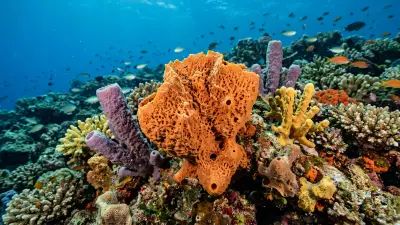
Colorful sponges
November-March · common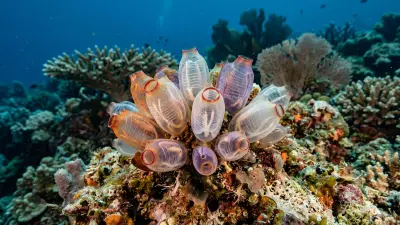
Sea squirts
November-March · common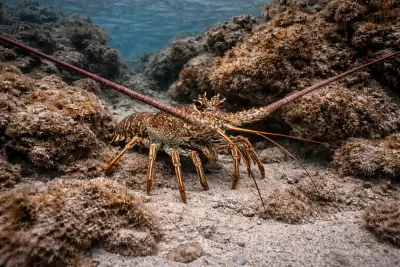
Squat lobsters
November-March · occasional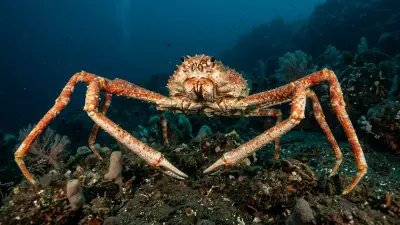
Spider crabs
November-March · occasional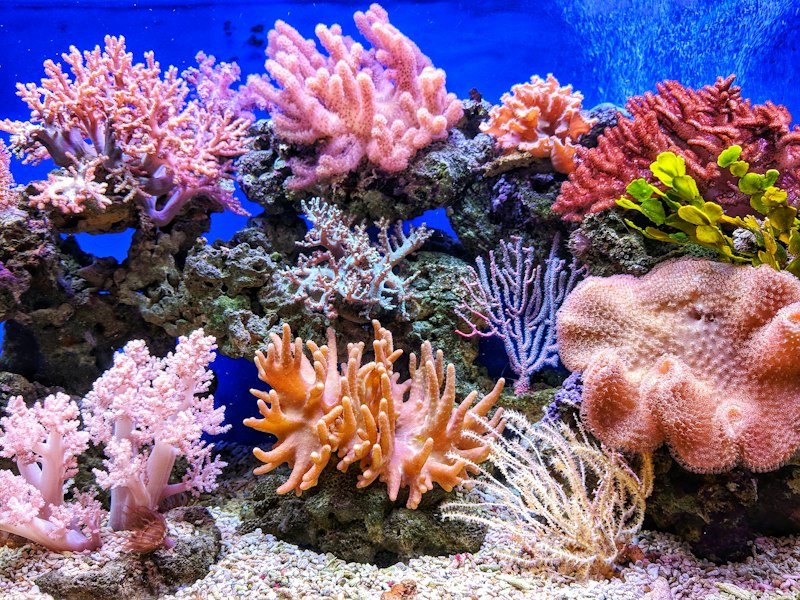
Soft corals
November-March · occasional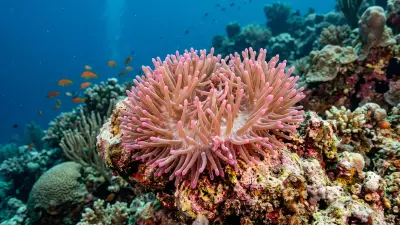
Anemones
November-March · common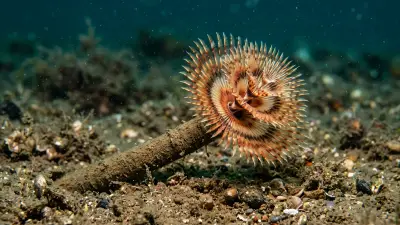
Peacock worms
November-March · common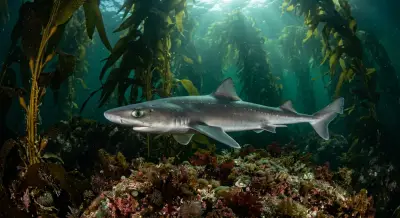
Dogfish
November-March · rare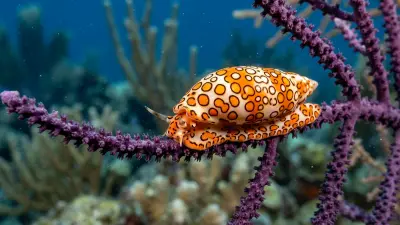
Sea snails
November-March · common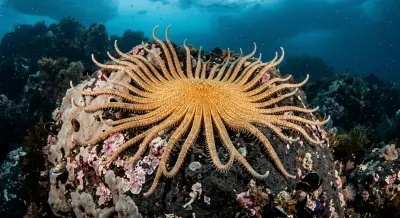
Various starfish
November-March · common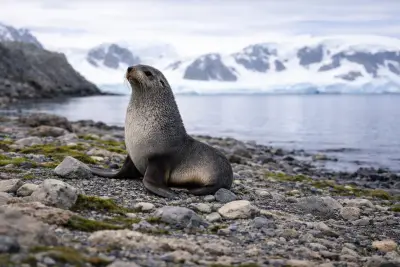
Fur seals
February-March · common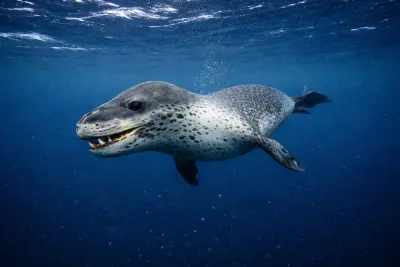
Leopard seals
February-March · occasionalDive profile & how the dive runs
Dives at Elephant Island typically begin with a backward roll from a Zodiac into the water, often near an ice formation or a sheltered rocky area. After ensuring proper weighting and equipment function, you will descend to shallow depths, generally between 5 and 20 meters. The route often follows ice walls, revealing intricate ice structures and prolific macro-life. Divers should maintain awareness of ice movements, as conditions can change. The turnaround point is usually dictated by air consumption or bottom time, with typical dives lasting 45 to 60 minutes. Safety stops are conducted in the clear, shallow water, often observing marine life near the surface before surfacing near the Zodiac for easy re-entry.
Underwater photography
Underwater photography at Elephant Island requires careful planning due to the extreme cold and dynamic conditions. Wide-angle lenses are essential for capturing the grandeur of ice formations, such as the undersides of icebergs and ice walls, as well as marine mammals like seals and penguins. For macro life, such as nudibranchs, sea spiders, and colorful sponges, a macro lens with powerful strobes or video lights is necessary to bring out the vibrant colors in the dimly lit environment. Buoyancy control is paramount to avoid contact with delicate ecosystems and to stabilize shots in potentially surging waters. Protecting camera gear from extreme cold and moisture during transfers between the ship and Zodiac is critical. Given the sensitive environment, maintain a respectful distance from wildlife and avoid any actions that could disturb them.
Combine with nearby dive sites
- Deception Island - Whaler's Bay
Deception Island, located in the South Shetland Islands of Antarctica, is an active submerged caldera volcano.
- Neko Harbour
Neko Harbour, nestled on the Antarctic Peninsula, offers divers a truly immersive experience in a pristine polar environment.
- Lemaire Channel
Lemaire Channel, a narrow passage between the Antarctic mainland and Booth Island, presents a truly majestic and impressive dive experience.
- Danco Island
Danco Island, located in the Errera Channel off the Antarctic Peninsula, presents an unparalleled cold-water diving experience.
- South Shetland Islands - Half Moon
Half Moon Island, nestled in the South Shetland Islands of Antarctica, offers a distinctive polar diving experience.
Getting there & logistics
Access to Elephant Island is exclusively via expedition cruise ships departing from Ushuaia, Argentina, the southernmost city in the world. Travelers typically fly into Buenos Aires and then take a connecting flight to Ushuaia. It is advisable to allow a few days in Ushuaia before departure for baggage and acclimatization. Trips usually last between 10 to 20 days, often combining Elephant Island with other Antarctic Peninsula sites or extending to the Falkland Islands and South Georgia. There are no direct permits or fees for divers at Elephant Island beyond the expedition cost, which includes all diving activities, but national park regulations and environmental guidelines must be strictly adhered to.
Safety & environment
Diving at Elephant Island presents significant safety considerations due to its remote location and extreme conditions. The nearest recompression chambers are thousands of miles away, making deep diving strongly discouraged. Divers must have comprehensive travel insurance that includes emergency evacuation and specialized dive accident coverage. Key hazards include rapidly changing weather and ice conditions, katabatic winds, and the extreme cold. Divers must be drysuit certified, highly experienced in cold water, and comfortable in challenging environments. Buddy systems are mandatory, and dive guides, though experienced, primarily act as surface spotters. Adherence to strict safety briefings, conservative dive profiles, and constant vigilance for potential dangers like moving ice is crucial.
Who it suits — and who it doesn't
Suited for
- Experienced drysuit divers
- Cold water diving enthusiasts
- Adventure seekers
- Underwater photographers
- Divers interested in unique marine ecosystems
Less suited for
- Beginner divers
- Divers without drysuit experience
- Those sensitive to extreme cold
- Divers prone to seasickness
- Individuals seeking warm water diving
FAQ
Elephant Island FAQ
What kind of marine life can I expect to see while diving at Elephant Island?
You can expect to encounter a vibrant array of macro-life, including sea spiders, nudibranchs, and colorful sponges. Larger animals such as various species of seals and penguins are also common, often displaying curiosity towards divers. While whales are less frequent underwater sightings, they are often seen from the surface.
What is the water temperature like at Elephant Island?
The water temperatures at Elephant Island are consistently cold, typically ranging from -2 to 2°C (28 to 36°F). This requires divers to be properly equipped with a drysuit, thick undergarments, and specialized cold-water gear to ensure thermal protection throughout the dive.
Do I need special certifications to dive at Elephant Island?
Yes, diving at Elephant Island is not for beginners. You must be an experienced diver with extensive cold-water and drysuit diving experience. A minimum of 30 logged drysuit dives is often a prerequisite, along with an internationally recognized advanced certification and a medical clearance.
How clear is the visibility?
Visibility at Elephant Island can be exceptionally clear, often reaching up to 300 meters (985 feet), particularly early in the season before significant plankton blooms. However, conditions can vary depending on ice melt and local currents.
What are the common dive depths at this site?
Dives at Elephant Island are generally shallow, with average maximum depths around 20 meters (65 feet). This ensures conservative dive profiles given the remote location and the lack of nearby recompression chambers.
How do weather conditions affect diving at Elephant Island?
Weather and ice conditions can change very rapidly in Antarctica, significantly impacting dive operations. Strong winds, sudden swells, and shifting ice can lead to dive cancellations or necessitate swift changes to plans. Expedition leaders prioritize diver safety above all else, and flexibility is essential.
Is it safe to dive with seals and penguins?
Yes, it is generally safe to dive near seals and penguins, as they are often curious and can be observed from a respectful distance. However, some larger animals, like leopard seals, should be approached with caution, and diving with potentially aggressive species like walruses is advised against. Dive guides provide specific instructions on wildlife interaction.
Why dive Elephant Island from a liveaboard?
Elephant Island is one of Antarctica's signature dive sites. A liveaboard sleeps you on the water and puts you in the water for three to four guided dives per day, including dawn and night dives that day-boat operators rarely offer. You skip the daily commute back to port and reach quieter, less-crowded sites in the same region on a single trip.
Below are the liveaboards that include Elephant Island on their Antarctica itineraries.
Liveaboards diving Elephant Island
These liveaboards may visit Elephant Island on selected itineraries — the exact dive sites depend on departure, weather and conditions.
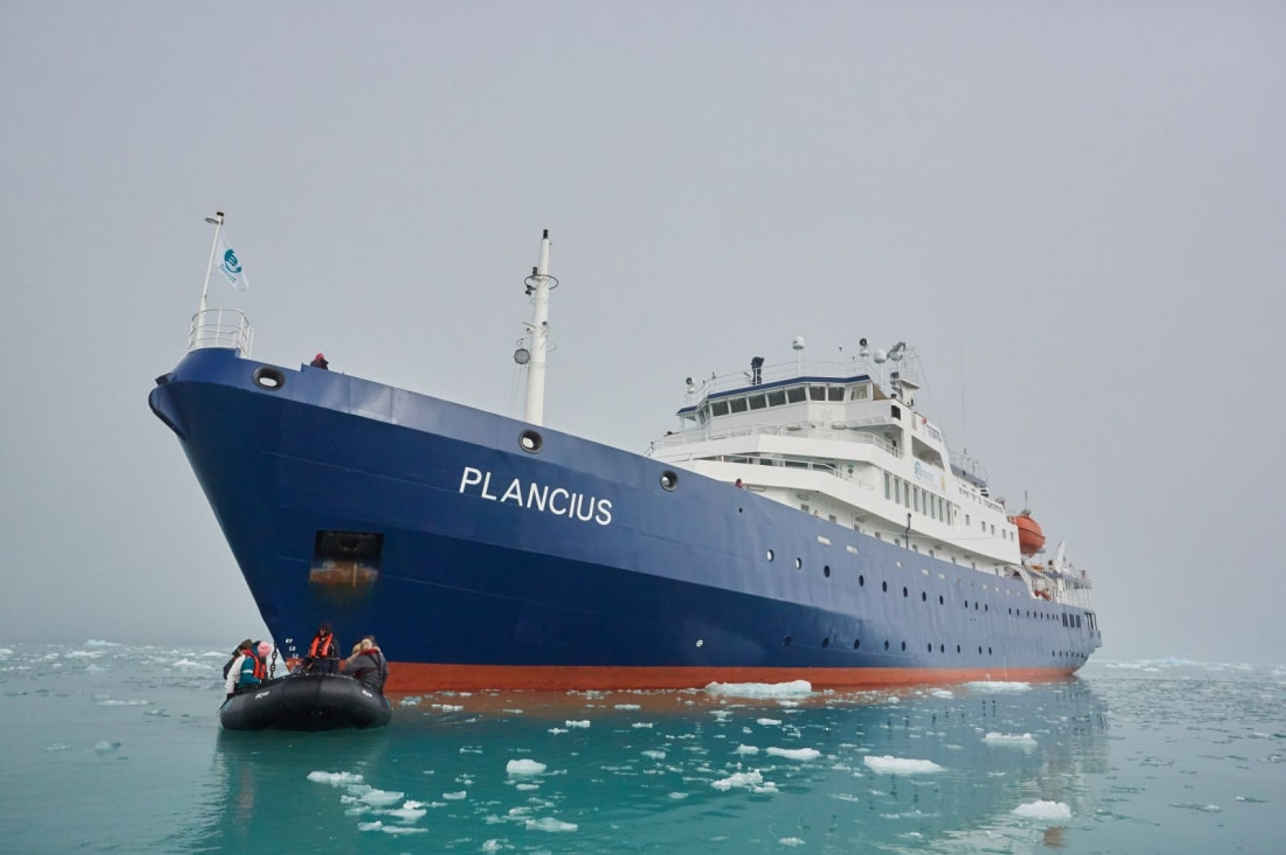
Plancius
Antarctica
108 guests89 m
$772/day
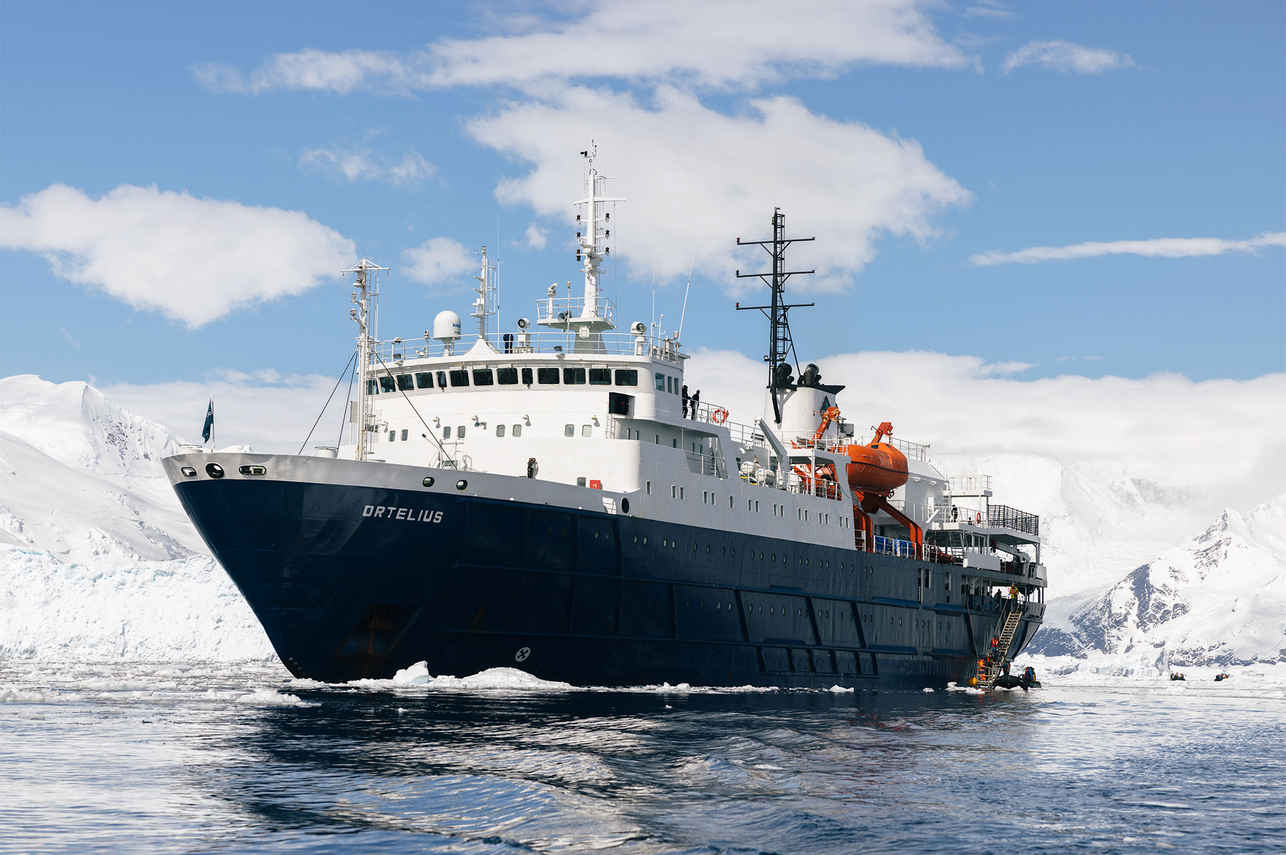
Ortelius
Antarctica
108 guests90.95 m
$662/day
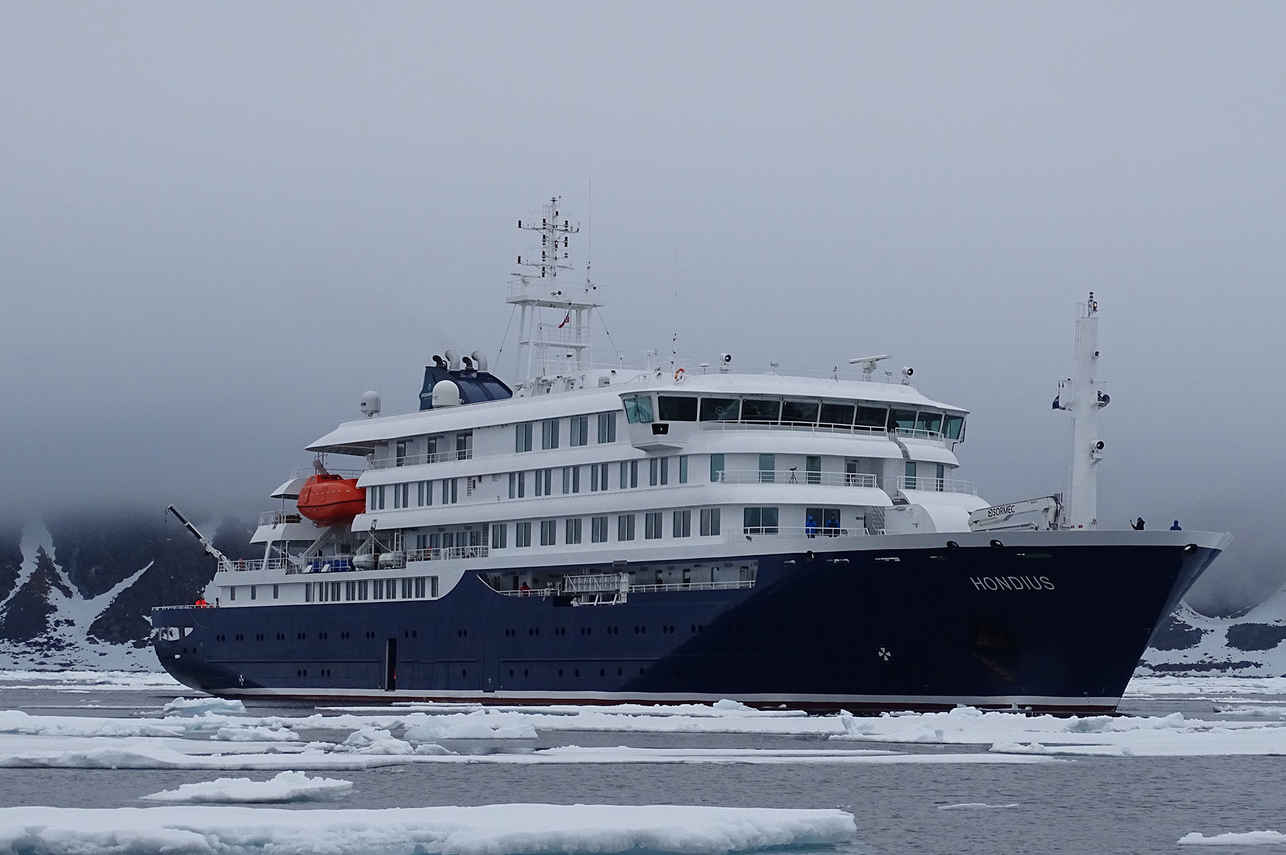
Hondius Antarctica Diving
Antarctica
170 guests107.6 m
$776/day
Dive sites similar to Elephant Island
Same character, same waters — six more sites divers love for the exact same reasons.Compare seasons, access and liveaboard routes — then pick the site that fits your trip best.
© Esri — Maxar, Earthstar, GIS
Argentine Islands - Vernadsky
Antarctica
Diving at the Argentine Islands, near the Vernadsky Research Base, offers an exclusive opportunity to explore the underwater world of the Antarctic Peninsula.
- Suitable for
- Advanced
- Current
- Strong
- Access
- Liveaboard only
- Depth
- 3–15 m
- Theme
- Ice / Reef
© Esri — Maxar, Earthstar, GIS
Lemaire Channel
Antarctica
Lemaire Channel, a narrow passage between the Antarctic mainland and Booth Island, presents a truly majestic and impressive dive experience.
- Suitable for
- Advanced
- Current
- Strong
- Access
- Liveaboard only
- Depth
- 5–30 m
- Theme
- Ice / Wall
© Esri — Maxar, Earthstar, GIS
Useful Island
Antarctica
Useful Island, situated in the Western Antarctic Peninsula, presents an extraordinary opportunity for intrepid divers to explore a shallow-water ecosystem brimming with biodiversity.
- Suitable for
- Advanced
- Current
- Strong
- Access
- Liveaboard only
- Depth
- 5–25 m
- Theme
- Ice / Wall
© Esri — Maxar, Earthstar, GIS
Wilhelmina Bay
Antarctica
Wilhelmina Bay, nestled in the Antarctic Peninsula, is renowned as a prime location for observing humpback whales and experiencing the continent's pristine marine environment.
- Suitable for
- Advanced
- Current
- Moderate
- Access
- Liveaboard only
- Depth
- 5–20 m
- Theme
- Ice / Wall
© Esri — Maxar, Earthstar, GIS
Enterprise Island - Wreck Gouvernøren
Antarctica
The wreck of the Gouvernøren, nestled at Enterprise Island, stands as Antarctica's most accessible and atmospheric shipwreck.
- Suitable for
- Advanced
- Current
- Mild
- Access
- Liveaboard only
- Depth
- 5–18 m
- Theme
- Ice / Wreck
© Esri — Maxar, Earthstar, GIS
Foyn Harbour
Antarctica
Foyn Harbour, situated off the coast of the Antarctic Peninsula, offers a truly unique underwater experience, primarily centered around the wreck of the 'Gouvernøren'.
- Suitable for
- Advanced
- Current
- Mild
- Access
- Liveaboard only
- Depth
- 5–15 m
- Theme
- Ice / Wreck