About Donsol — Whale Shark Interaction
Donsol, situated in the southernmost province of Sorsogon on Luzon Island, Philippines, has earned its reputation as the "Whale Shark Capital of the World." This designation stems from its unique community-based whale shark ecotourism program, where interactions are entirely natural and ethical, unlike other destinations that resort to feeding. These gentle giants, locally known as _butanding_, are drawn to Donsol Bay by the abundant plankton and algae flowing from the Donsol River. Encounters with whale sharks in Donsol are exclusively snorkeling-based; scuba diving is not permitted in the interaction areas. Swimmers are encouraged to maintain a respectful distance, though some visitors have reported instances of other tourists getting too close or even touching the animals. Water visibility in the interaction zone can be limited to 2-3 meters due to the plankton-rich waters that attract the whale sharks. For scuba enthusiasts, nearby Ticao Island, a 1-2 hour boat ride away, offers legitimate diving opportunities at sites like Manta Bowl, known for manta ray sightings and occasional sharks, and San Miguel Island, which provides walls and slopes perfect for macro photography, comparable to Anilao. Whale sharks frequent Donsol waters from November to June, with peak season generally occurring from February to April. Encounters can be frequent, with reports of seeing 10-15 whale sharks in a typical 3-4 hour session. The whale sharks here typically range from 7 to 11 meters in length. While the whale sharks themselves are docile filter feeders and pose no threat, the interaction site is monitored by Butanding Interaction Officers (BIOs) who act as guides, although enforcement of interaction rules can vary.
Highlights
Wild whale sharksEthical encountersSnorkelingSeasonal
Season calendar
Best months to dive here
Jan
Feb
Mar
Apr
May
Jun
Jul
Aug
Sep
Oct
Nov
Dec
Excellent
Good
Dive site facts: Donsol — Whale Shark Interaction
- Depth
- 12-25 m (scuba at Ticao)
- Typical dive
- 3-4 hours (whale shark interaction), 50-60 min (scuba)
- Current
- Mild to strong
- Visibility
- 2-3 m (Donsol Bay), 20-25 m (Ticao Island)
- Water temperature
- 25-30°C
- Entry
- Boat
- Level
- Open Water for Ticao, Snorkeler for whale sharks
- Dive type
- Snorkeling, Pelagic, Macro, Coral slope
- Region / port
- Bicol Region, Sorsogon Province
- Coordinates
- 12.764, 123.592
Conditions & Currents
In Donsol Bay, where whale shark interactions occur, the currents are primarily influenced by the movement of plankton, which attracts the whale sharks. While snorkeling with whale sharks, you might experience gentle pushes from the water, but strong, unpredictable currents are not typical. For scuba diving at sites like Manta Bowl in Ticao Pass, conditions can be more dynamic. Manta Bowl is a seamount rising from 200 meters, and as such, it can experience moderate to strong currents, especially around cleaning stations, which requires divers to be comfortable with drift diving techniques. Visibility in Donsol Bay can be limited to 2-3 meters due to the plankton that draws the whale sharks, whereas Ticao Island dive sites generally offer better visibility, often reaching 20-25 meters, suitable for spotting larger pelagics and appreciating soft corals.
Marine life & sighting chances
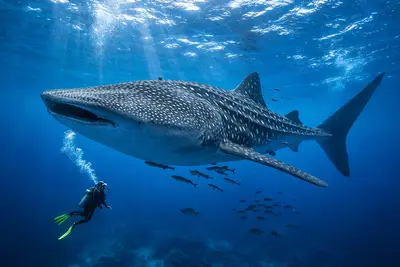
Whale Shark
November - June (peak Feb - Apr) · common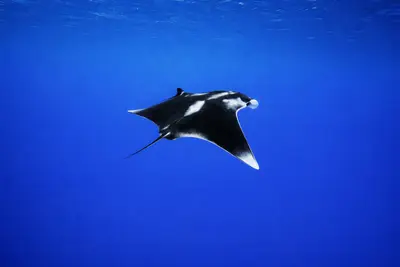
Oceanic Manta Ray
occasional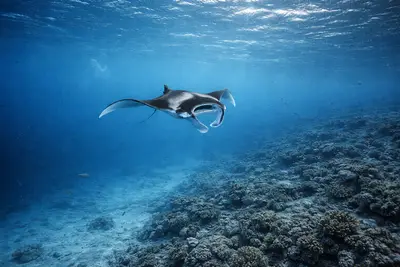
Reef Manta Ray
occasional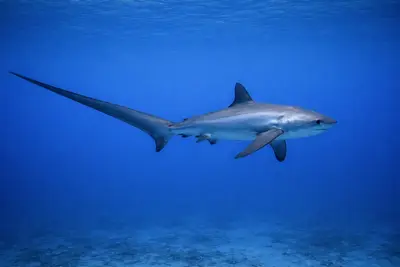
Thresher Shark
rare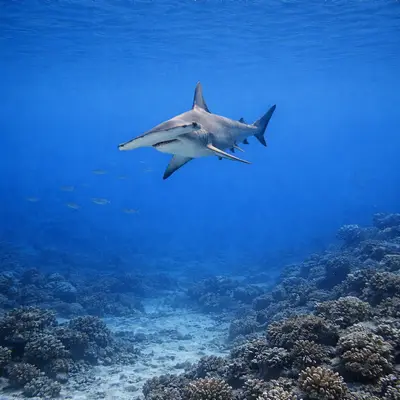
Hammerhead Shark
rare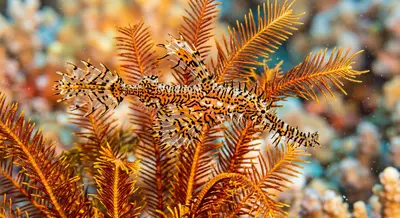
Ghost Pipefish
occasional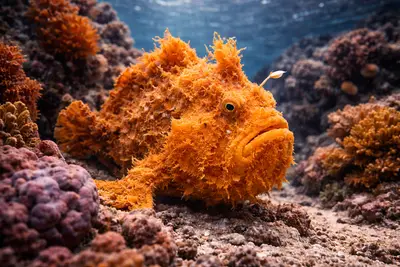
Frogfish
occasional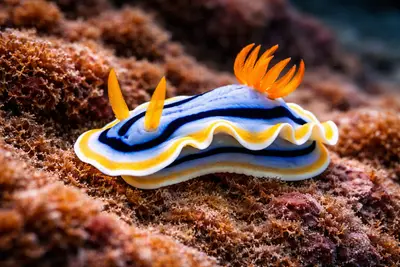
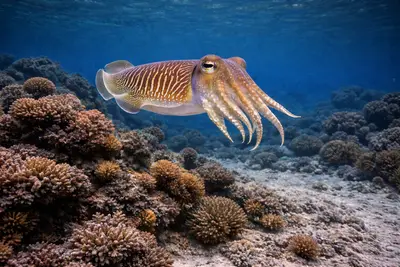
Cuttlefish
occasional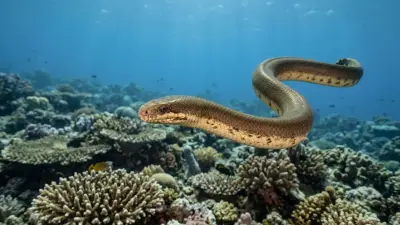
Sea Snake
commonDive profile & how the dive runs
For whale shark interactions, the experience begins with a mandatory briefing at the Donsol Tourist Center. Boats, each with a Butanding Interaction Officer (BIO), then head out into Donsol Bay. Spotters on the boat locate whale sharks, and when one is sighted, participants are instructed to quietly enter the water with snorkel gear. The interaction is focused on observing the whale shark from a respectful distance as it feeds on plankton near the surface, typically maintaining a position alongside the moving animal. These are snorkeling-only encounters, generally lasting around 3-4 hours on the water, with multiple opportunities for in-water observation. Scuba diving, separate from whale shark interactions, primarily occurs at Ticao Island. Dives at Manta Bowl, for instance, begin from a boat, descending to cleaning stations at depths up to 25 meters, often involving drift diving with currents. San Miguel Island offers wall and slope dives, allowing for exploration of soft corals and macro life at similar depths, with safety stops typically conducted during ascent along the reef.
Underwater photography
Capturing the ethical whale shark interactions in Donsol Bay requires swift action and readiness for variable visibility. A wide-angle lens is essential for documenting these large pelagics, but be prepared for water clarity that can range from clear to turbid due to plankton. For underwater photography with whale sharks, natural light is often sufficient, but a video light can help if shooting video. When scuba diving at Ticao Island, particularly at macro-rich sites like San Miguel Island, a macro lens will be invaluable for subjects such as nudibranchs, frogfish, and ghost pipefish. For cleaning stations at Manta Bowl, a wide-angle lens is again preferred for manta rays and other large animals. Always prioritize maintaining respectful distances from marine life, especially whale sharks, and avoid using flash during interactions to minimize disturbance. Buoyancy control is paramount to avoid damaging delicate corals and silting up the environment, ensuring clear shots and preserving the ecosystem.
Combine with nearby dive sites
- Manta Bowl
Famous seamount for manta rays, whale sharks, and thresher sharks.
- San Miguel Island
Offers vibrant walls and slopes with excellent macro life.
- Monad Shoal
Known for thresher shark encounters, accessible from Malapascua.
- Apo Island
A marine sanctuary known for healthy corals and abundant sea turtles.
Getting there & logistics
To reach Donsol, you typically fly into Legazpi (Legazpi City Domestic Airport, LGP) on Luzon Island. From Legazpi, Donsol is approximately a 1 to 1.5-hour drive by van or taxi. Many tour operators and resorts can arrange transfers from the airport. Whale shark interaction sessions usually last 3-4 hours, and daily operations are between 8:00 AM and 4:00 PM. Registration fees apply, which are PHP 300 for foreigners and PHP 100 for Filipinos, plus a boat fee of PHP 3500 per boat (maximum 6 people), all payable in cash. It is highly recommended to book accommodation and transfers in advance, especially during peak season (February to April). Donsol is often combined with dive trips to nearby Ticao Island for extended underwater exploration, offering a mix of pelagic and macro experiences.
Safety & environment
Donsol prioritizes ethical interactions with whale sharks, and stringent rules are in place, enforced by Butanding Interaction Officers (BIOs) on every boat. These rules include maintaining a minimum distance from whale sharks, not touching them, and avoiding flash photography. Participants are required to attend a mandatory briefing prior to going out. While snorkeling with whale sharks, a basic level of swimming proficiency is beneficial; however, life jackets are available. For scuba diving activities at Ticao Island, standard dive safety protocols apply, including proper certification and adherence to depth limits. The nearest recompression chamber would likely be in Manila, emphasizing the need for comprehensive dive insurance that covers emergency medical evacuation. Always ensure your gear is well-maintained and follow all instructions from your BIOs and dive guides. Be aware that the plankton that attracts whale sharks can also reduce visibility in Donsol Bay, requiring vigilance.
Who it suits — and who it doesn't
Suited for
- Ethical wildlife enthusiasts
- Snorkelers seeking megafauna encounters
- Divers interested in both pelagic and macro life
- Conservation-minded travelers
- Those looking for uncrowded dive experiences
Less suited for
- Divers expecting to scuba dive with whale sharks
- Individuals uncomfortable with limited visibility for whale shark encounters
- Those who prefer resort-style, mass-tourism interactions
- Travelers expecting guaranteed whale shark sightings every day
FAQ
Donsol — Whale Shark Interaction FAQ
Can I scuba dive with whale sharks in Donsol?
No, interactions with whale sharks in Donsol are strictly limited to snorkeling only. This regulation is part of Donsol's commitment to ethical and conservation-focused ecotourism, ensuring minimal disturbance to these magnificent creatures in their natural habitat. Scuba diving is available at nearby Ticao Island, where you can explore other diverse marine life.
What is the best time of year to see whale sharks in Donsol?
The peak season for whale shark sightings in Donsol runs from February to April. However, whale sharks are generally present in the waters of Donsol Bay from November to June, drawn by the abundance of plankton and algae. Outside of these months, sightings become less frequent.
How ethical are the whale shark interactions in Donsol compared to other places?
Donsol is widely regarded as offering the most ethical whale shark encounters in the Philippines. Unlike some other destinations where whale sharks are fed, Donsol's program relies on observing the animals in their natural feeding grounds without any human intervention like baiting. Strict guidelines, enforced by Butanding Interaction Officers, ensure respectful distances and behavior from visitors.
What kind of marine life can I expect to see apart from whale sharks?
Beyond the incredible whale sharks, the scuba diving sites around Ticao Island, a short boat ride from Donsol, offer a rich diversity of marine life. At sites like Manta Bowl, you may encounter oceanic manta rays, thresher sharks, and hammerheads. San Miguel Island is known for its macro life, including ghost pipefish, frogfish, and various nudibranchs like the 'Pikachu' species, along with beautiful soft coral formations.
What are the rules for interacting with whale sharks in Donsol?
Before any interaction, participants receive a mandatory briefing detailing strict rules. These include maintaining a distance of at least three meters from the whale sharks, not touching or impeding their movement, and avoiding the use of flash photography. These regulations are designed to protect the animals and ensure a responsible and respectful encounter for all.
Why dive Donsol — Whale Shark Interaction from a liveaboard?
Donsol — Whale Shark Interaction is one of Philippines's signature dive sites. A liveaboard sleeps you on the water and puts you in the water for three to four guided dives per day, including dawn and night dives that day-boat operators rarely offer. You skip the daily commute back to port and reach quieter, less-crowded sites in the same region on a single trip.
Below are the liveaboards that include Donsol — Whale Shark Interaction on their Philippines itineraries.
Liveaboards diving Donsol — Whale Shark Interaction
These liveaboards may visit Donsol — Whale Shark Interaction on selected itineraries — the exact dive sites depend on departure, weather and conditions.
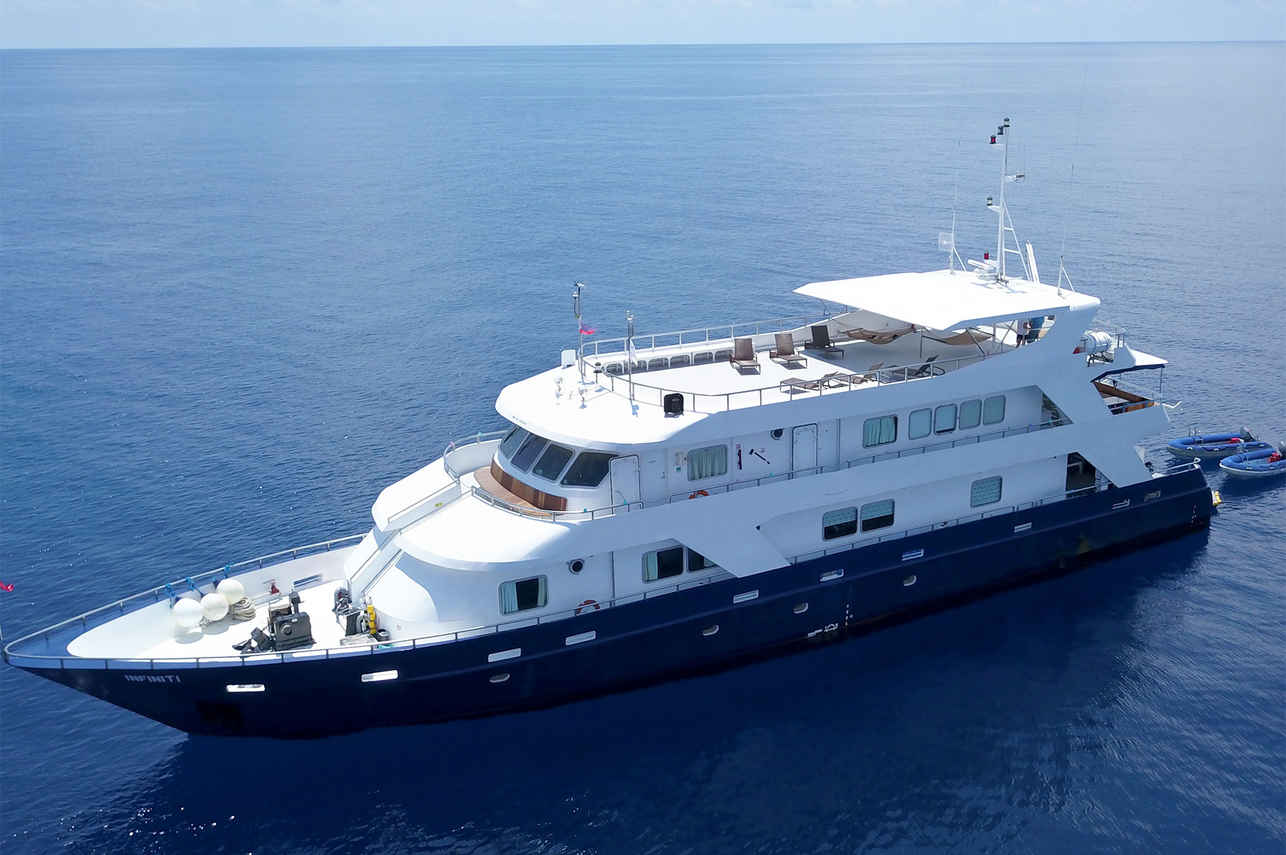
Infiniti
Philippines
25 guests39 m
$280/day
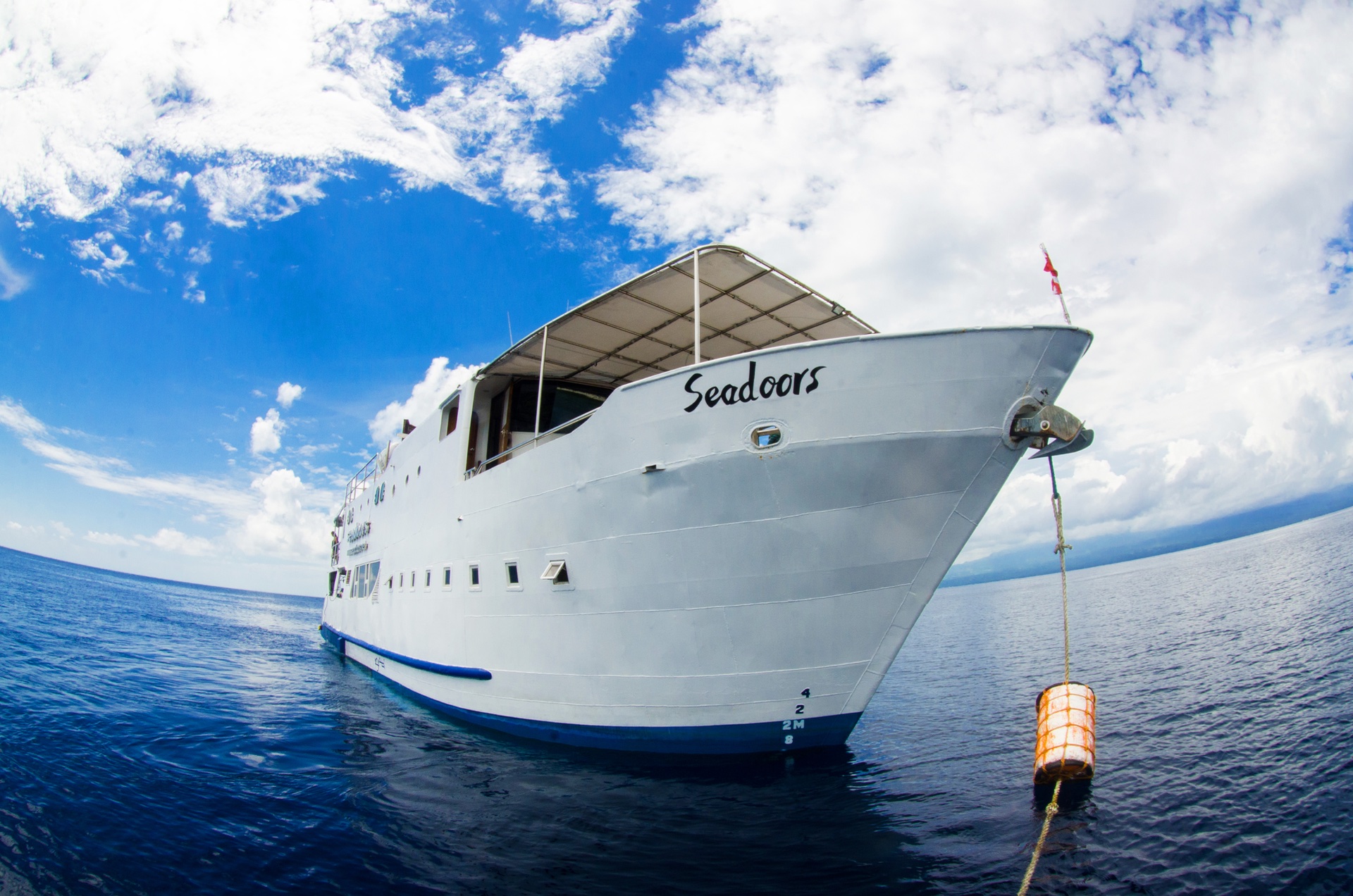
Seadoors
Philippines
16 guests25 m
$335/day
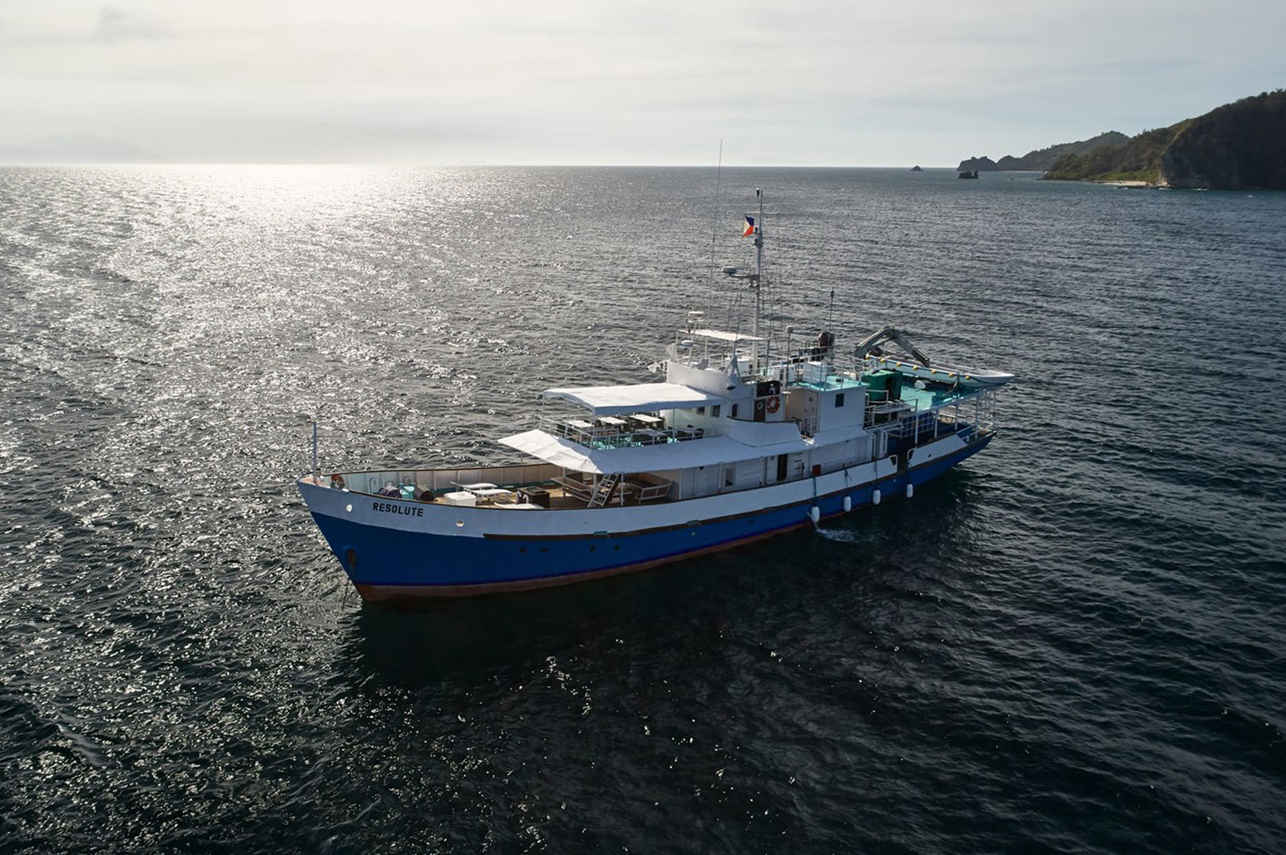
Resolute
Philippines
16 guests34.6 m
$314/day
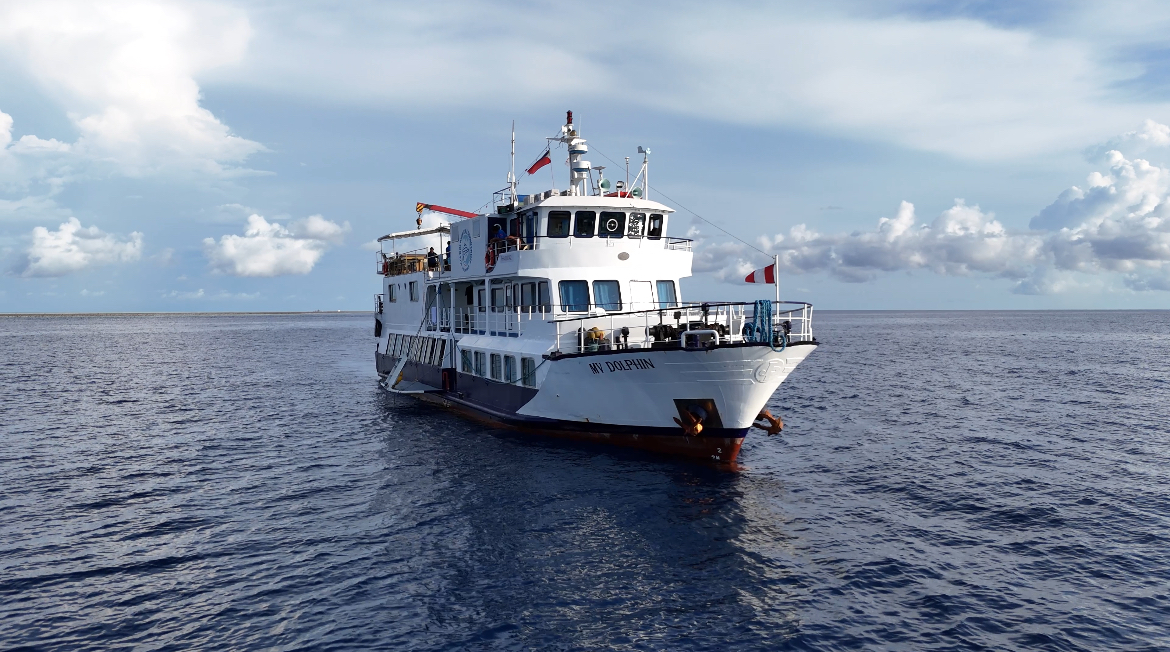
Dolphin
Philippines
18 guests31 m
$326/day
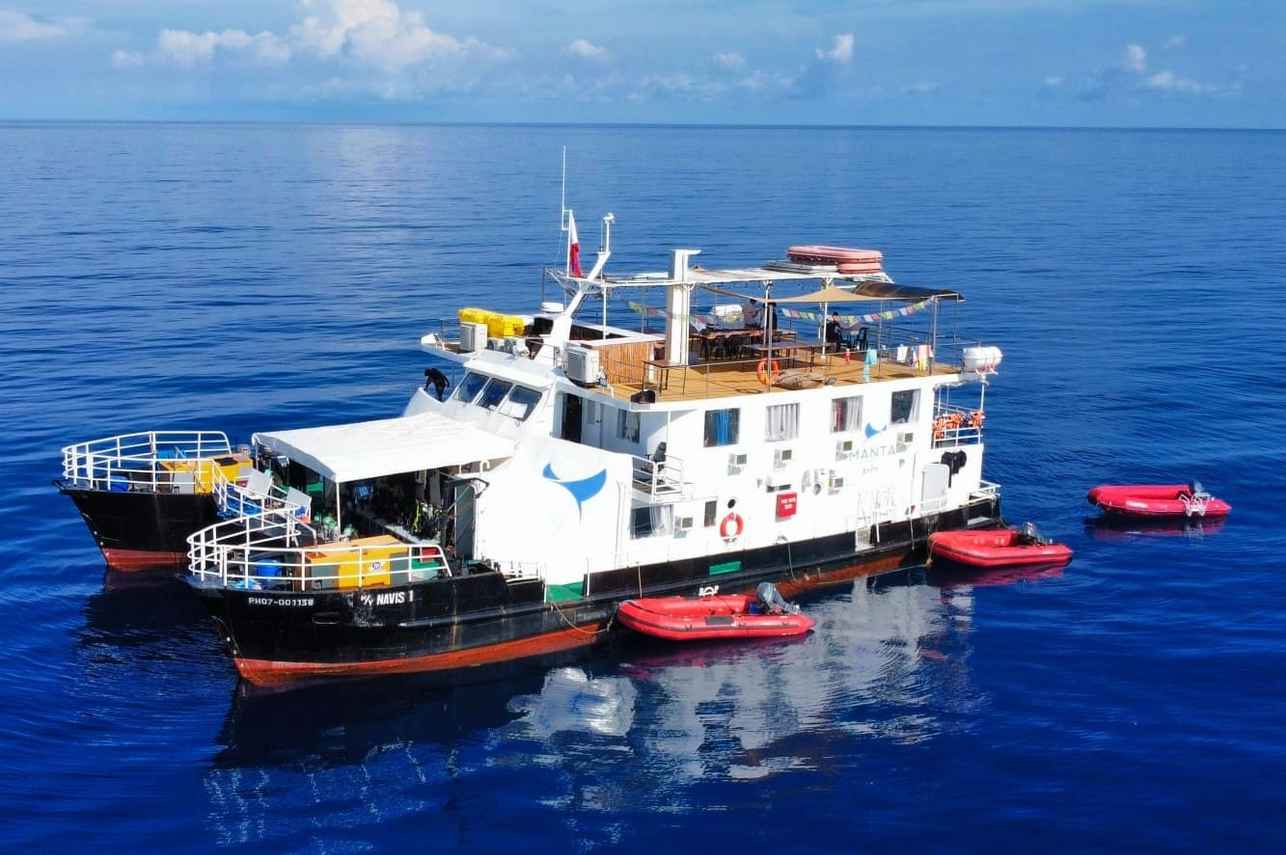
Navis 1
Philippines
22 guests23 m
$250/day
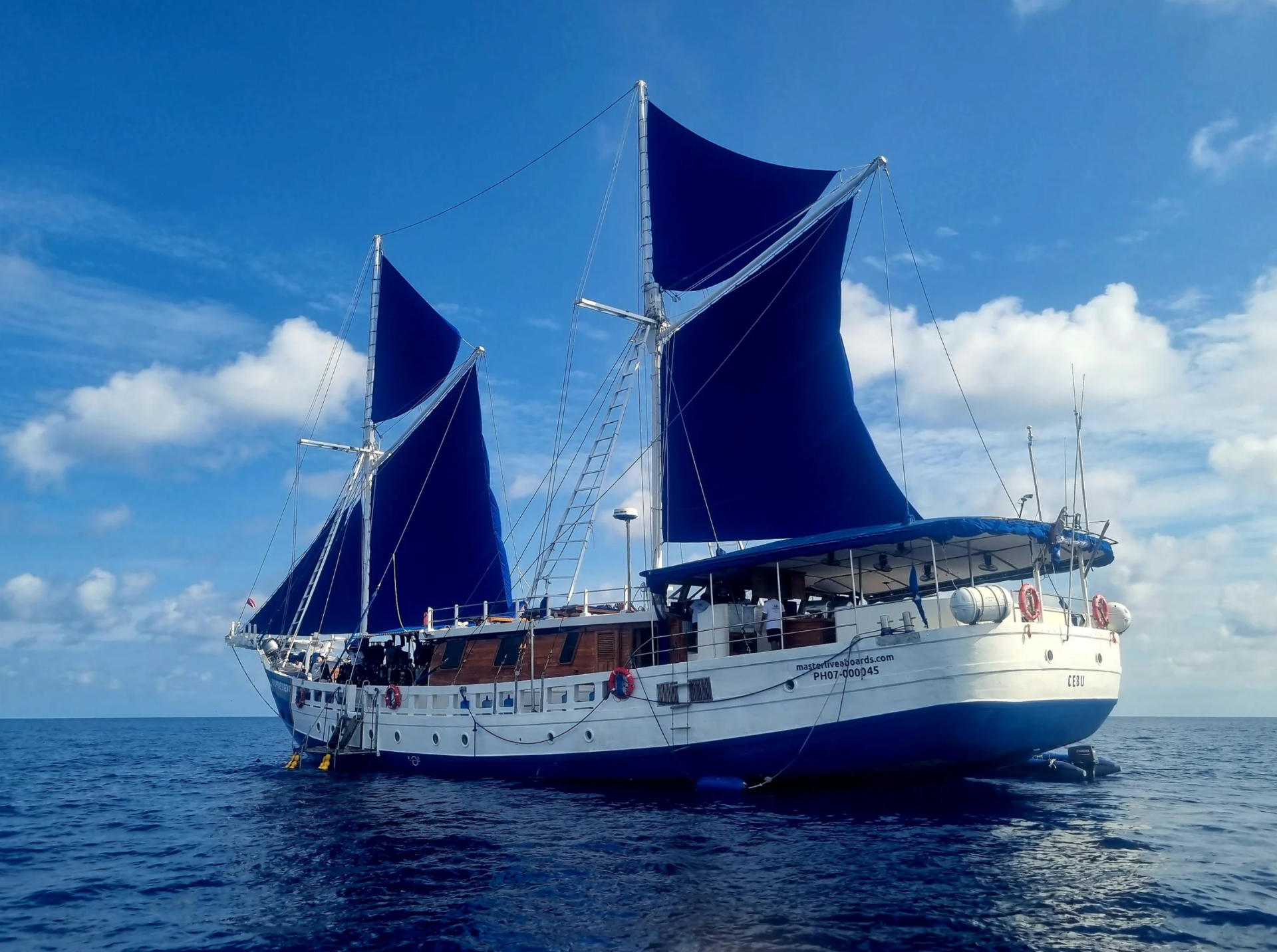
Philippine Siren
Philippines
16 guests
$309/day
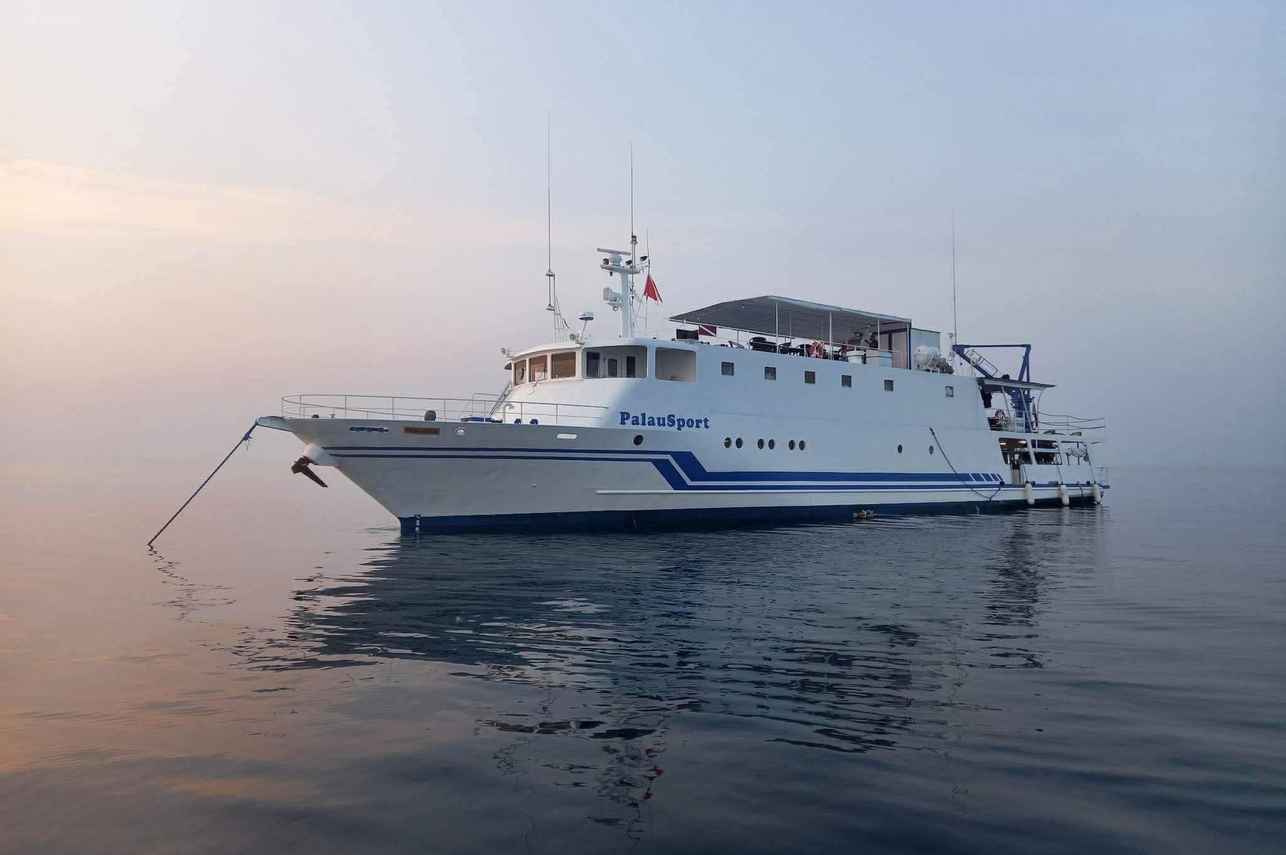
Palau Sport
Philippines
24 guests38.35 m
$215/day
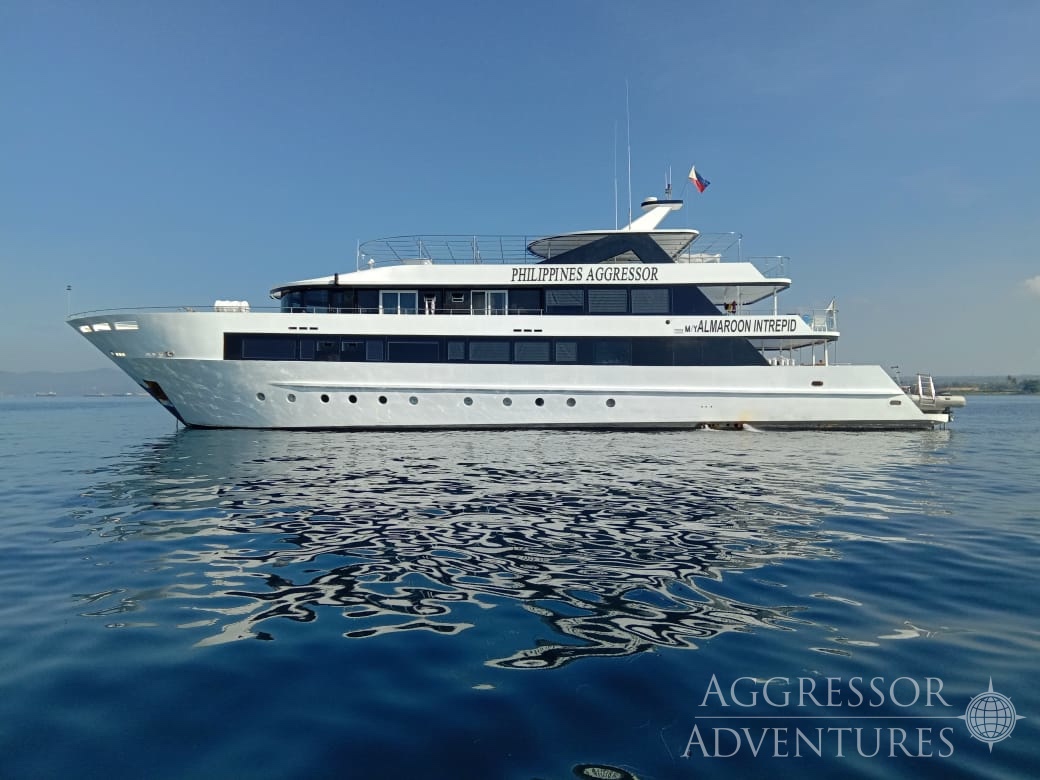
Philippines Aggressor
Philippines
26 guests42.7 m
$381/day
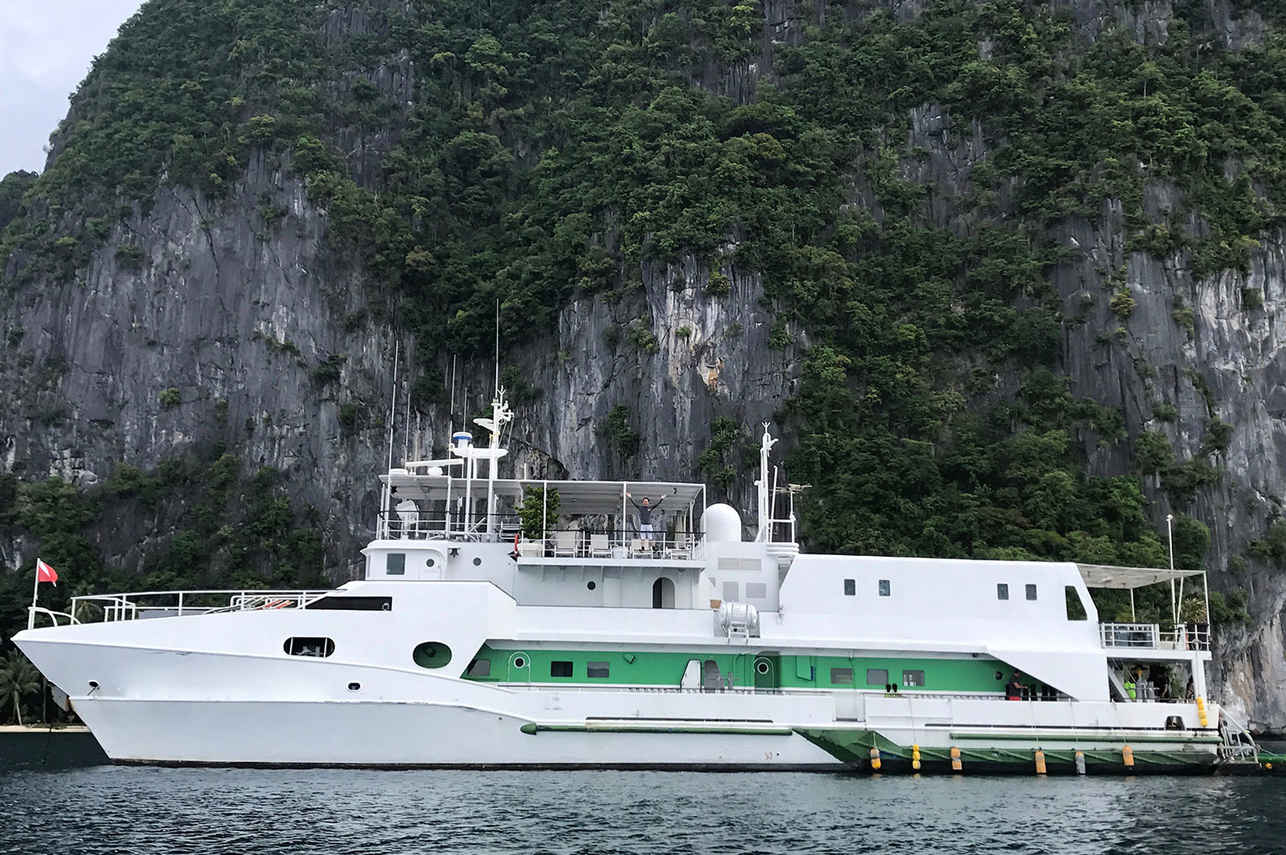
Stella Maris Explorer
Philippines
20 guests33 m
$398/day
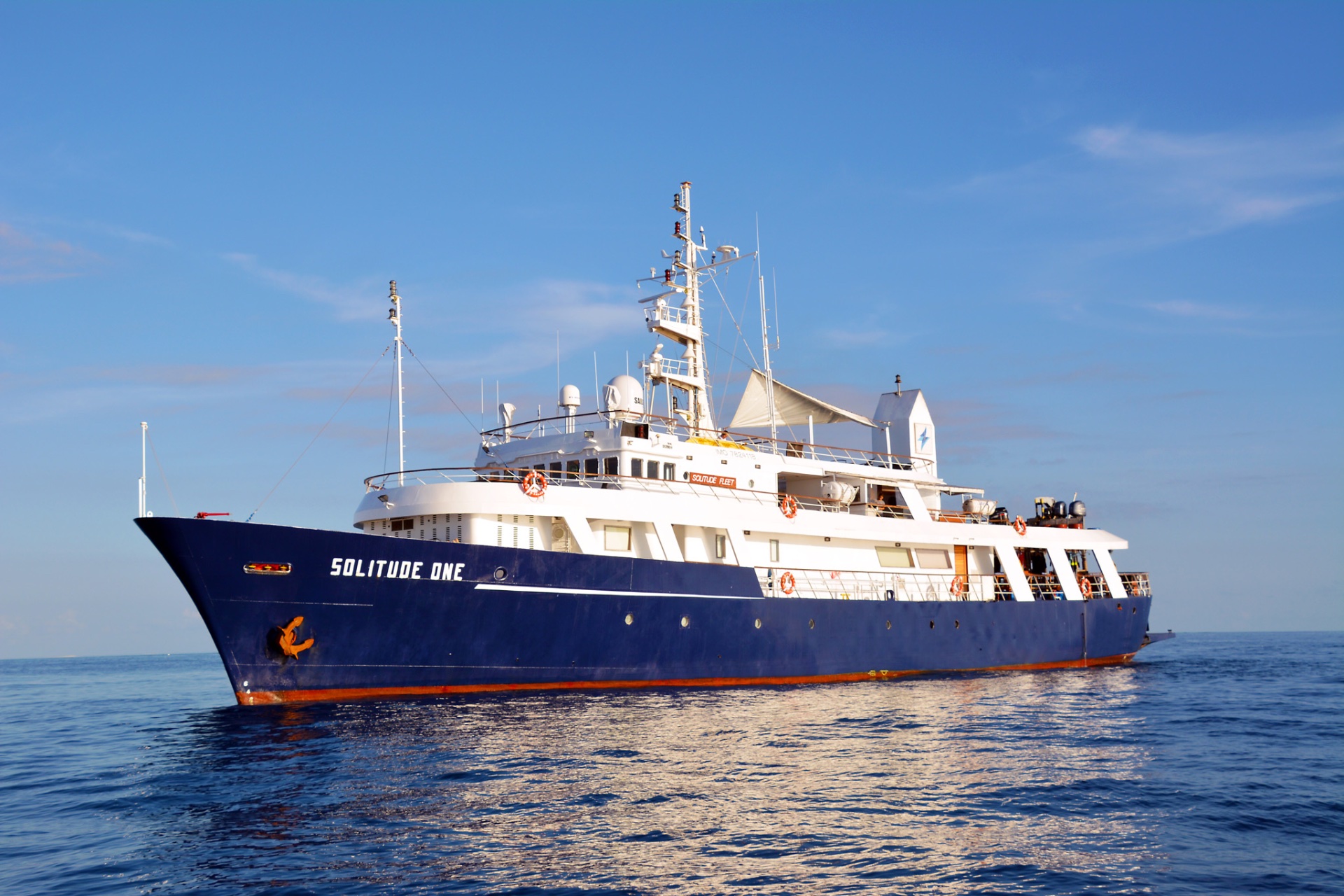
Solitude One
Philippines
24 guests52 m
$460/day
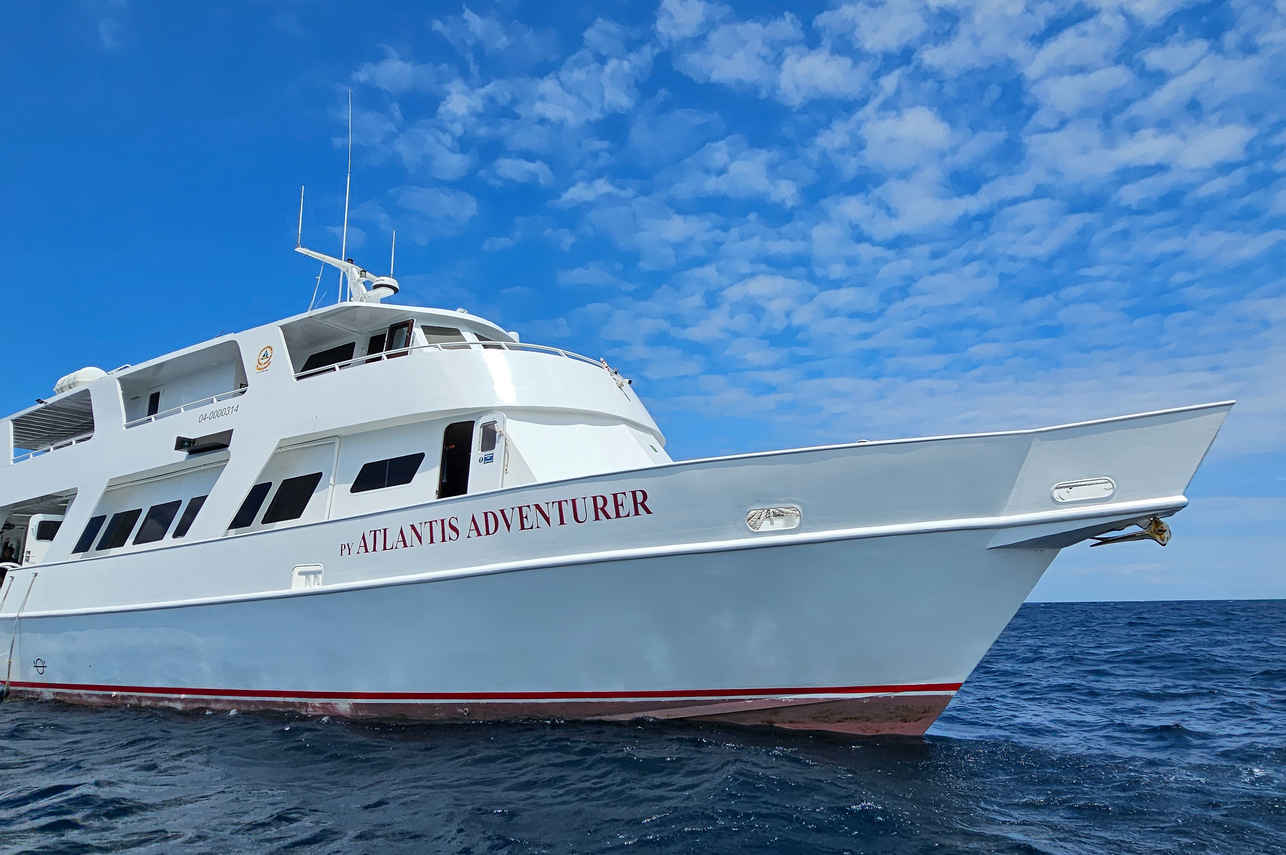
Atlantis Adventurer
Philippines
16 guests32.5 m
$421/day
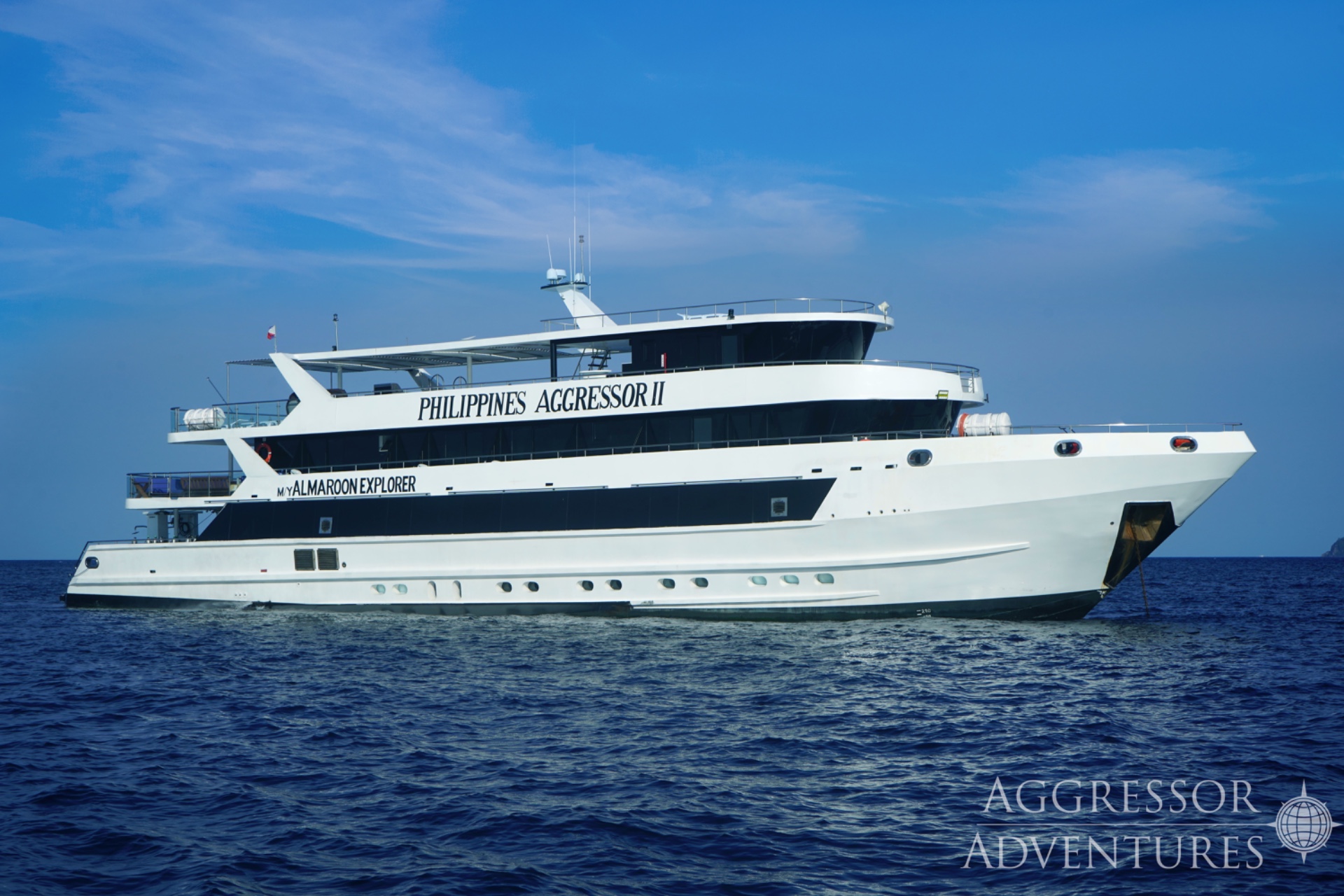
Philippines Aggressor II
Philippines
26 guests42.7 m
$247/day
Dive sites similar to Donsol — Whale Shark Interaction
Same character, same waters — six more sites divers love for the exact same reasons.Compare seasons, access and liveaboard routes — then pick the site that fits your trip best.
© Esri — Maxar, Earthstar, GIS
Big La Laguna
Philippines
Big La Laguna is a beach community situated on the western edge of the Sabang Peninsula, a popular dive region on Mindoro Island, Philippines.
- Suitable for
- Intermediate
- Current
- Moderate
- Access
- Dayboat
- Depth
- 5–35 m
- Theme
- Reef / Wall
© Esri — Maxar, Earthstar, GIS
Panagsama Beach
Philippines
Panagsama Beach, situated on a peninsula near Moalboal town in Cebu, serves as a central hub for diving activities in the region, boasting over 20 dive sites along its shoreline.
- Suitable for
- Intermediate
- Current
- Moderate
- Access
- Liveaboard or dayboat
- Depth
- ≤ 30 m
- Theme
- Reef / Wall
© Esri — Maxar, Earthstar, GIS
Binangaan Drop Off
Philippines
Binangaan Drop Off is a premier dive site within Apo Reef National Park, located off Occidental Mindoro in the Philippines.
- Suitable for
- Advanced
- Current
- Strong
- Access
- Liveaboard only
- Depth
- 10–40 m
- Theme
- Wall / Drift
© Esri — Maxar, Earthstar, GIS
Balinghai Wall
Philippines
Balinghai Wall is a notable dive site located on the northwest side of Boracay, known for its accessible wall and coral slope formations.
- Suitable for
- Intermediate
- Current
- Mild
- Access
- Dayboat
- Depth
- 8–24 m
- Theme
- Wall / Reef
© Esri — Maxar, Earthstar, GIS
Tongo Sanctuary
Philippines
Tongo Sanctuary, located in Moalboal, Cebu, is a marine protected area renowned for its dramatic underwater topography.
- Suitable for
- Beginner
- Current
- Mild
- Access
- Dayboat
- Depth
- 5–55 m
- Theme
- Reef / Wall
© Esri — Maxar, Earthstar, GIS
Barracuda Rock (Malapascua)
Philippines
Barracuda Rock, frequently referred to as Deep Rock, is an enticing dive site near Malapascua, characterized by its coral-covered curving wall and a rocky bottom.
- Suitable for
- Intermediate
- Current
- Mild
- Access
- Dayboat
- Depth
- 12–30 m
- Theme
- Reef / Wall