About San Miguel Island
San Miguel Island in the Philippines is a celebrated dive destination, known for its rich marine life and stunning underwater landscapes. Situated within the central Philippines, it benefits from the region's abundant biodiversity, forming part of the Coral Triangle, a global epicenter for marine species. The island provides an array of dive sites, featuring healthy coral reefs, fascinating walls, and diverse habitats that support both macro critters and larger pelagic species. The underwater topography around San Miguel Island typically includes sloping reefs descending to deeper walls, creating diverse environments for marine inhabitants. Depths generally range from shallow coral gardens suitable for less experienced divers to deeper areas accessible to advanced divers seeking more challenging profiles. The clarity of the water often provides excellent visibility, enhancing the exploration of its vibrant ecosystems. Marine life sightings are consistent throughout the year, with specific seasons potentially highlighting different species. The area is home to a wide variety of tropical fish, various coral species, and often includes encounters with sea turtles and reef sharks. Macro enthusiasts will also find an abundance of small, unique creatures among the corals. Diving at San Miguel Island is generally conducted via day boats or liveaboards, offering flexibility for divers to explore multiple sites. Conditions are typically favorable for diving for much of the year, providing opportunities for both beginner and experienced divers to enjoy its underwater wonders, with a focus on reef exploration and marine observation.
Highlights
Vibrant coral gardensDiverse marine biodiversityHealthy reef ecosystemsEncounters with sea turtlesVaried dive profilesExcellent visibility
Season calendar
Best months to dive here
Jan
Feb
Mar
Apr
May
Jun
Jul
Aug
Sep
Oct
Nov
Dec
Excellent
Good
Dive site facts: San Miguel Island
- Depth
- 5–30 m
- Current
- Varies by site and condition
- Water temperature
- 25–30 °C
- Entry
- Boat
- Level
- All levels
- Dive type
- Reef, macro, wall
- Night dive
- Possible
- Region / port
- Visayas
- Coordinates
- 11.2814° N, 121.9980° E
Conditions & Currents
Currents around dive sites in the Philippines can vary significantly by location and specific site, and divers should anticipate conditions that range from mild to potentially strong. While specific data for San Miguel Island is not available in the provided sources, the general region of the Visayas, where it is likely located, can experience drift dives. Divers should always consult local dive guides for real-time conditions, as currents can be influenced by lunar cycles and local topography. Entry and exit strategies are typically adapted to the prevailing current, often involving negative entries or drift diving techniques to cover more ground with less effort. Visibility in the Philippines is frequently excellent, often exceeding 30 meters, but strong currents can sometimes stir up sediment, temporarily reducing clarity. Water temperatures are consistently warm, generally ranging fr
Marine life & sighting chances

Clownfish
common
Sea turtles
common
Tropical fish
common
Reef sharks
occasional
Pygmy seahorses
occasional
Nudibranchs
common
Barracudas
occasional
Whale sharks
November to February · rare
Manta rays
occasional
Hard corals
common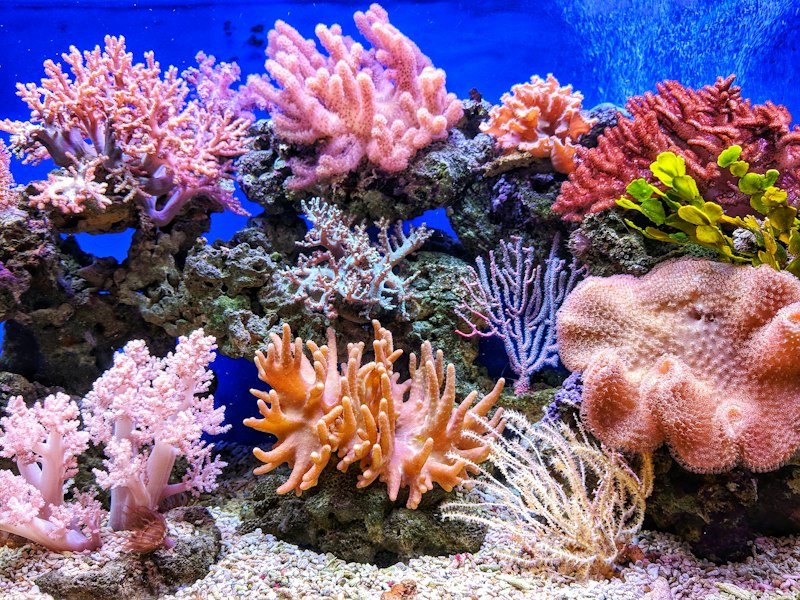
Soft corals
commonDive profile & how the dive runs
A typical dive at San Miguel Island begins with a backroll or giant stride entry from a day boat or liveaboard. Divers descend along a healthy reef slope, often starting at around 5-10 meters, where colorful hard and soft corals thrive. The route progresses deeper, following the natural contours of the reef or a wall, typically reaching depths of 20-30 meters. This allows for exploration of different ecological zones and encounters with varied marine life. The turn point is usually determined by gas consumption or no-decompression limits, allowing ample time for a gradual ascent. The safety stop is conducted at 5 meters for at least three minutes, often near the boat's mooring line or a shallow, vibrant coral garden, providing an opportunity for macro photography.
Underwater photography
San Miguel Island offers excellent opportunities for both wide-angle and macro photography. For capturing the vibrant reefscapes, a wide-angle lens is ideal, particularly when visibility is at its peak, often exceeding 30 meters. External strobes are highly recommended to bring out the true colors of the corals and fish in deeper sections or during overcast conditions. Macro photographers will find an abundance of subjects, including nudibranchs, pygmy seahorses, and various small critters among the coral branches, making a 60mm or 100mm macro lens invaluable. Buoyancy control is paramount to avoid disturbing the delicate coral ecosystems. Divers should practice patience and observe marine life from a respectful distance, using natural light when possible for ambient shots before deploying strobes for closer subjects.
Combine with nearby dive sites
- USS New York
The USS New York, an 8150-ton armored cruiser, was commissioned in 1893 and saw service in the Spanish-American War, the Chinese…
- Kyokuzan Maru
The Kyokuzan Maru is a significant Japanese auxiliary supply ship, measuring about 136 meters in length, that was sunk during a US Navy…
- Olympia Maru
The Olympia Maru is a prominent Japanese cargo ship wreck from World War II, located within Coron Bay, Philippines.
- Irako Wreck
The Irako Wreck, a Japanese refrigeration ship sunk during World War II, lies within Coron's renowned wreck graveyard, making it one of the…
- Tangat Wreck
Tangat Wreck, also known as Kogyo Maru, is a prominent Japanese shipwreck nestled in Coron Bay, Palawan, Philippines.
- Coron Bay — Skeleton Wreck
The Skeleton Wreck in Coron Bay, Philippines, offers a unique blend of history and marine biology, lying submerged since its sinking during…
Getting there & logistics
Access to San Miguel Island is typically facilitated by liveaboard excursions or day trips originating from nearby established diving hubs in the Visayas region. The closest major international airport serving the broader area is Mactan-Cebu International Airport (CEB). From there, travelers usually take domestic flights or ferries to reach specific departure ports for dive trips. Liveaboards often offer comprehensive itineraries, including transfers, and are highly recommended for exploring multiple remote sites. Day trips are also an option for sites closer to shore. Trip lengths vary, from single-day excursions to multi-day liveaboard safaris. Marine park fees may apply, contributing to conservation efforts, and are generally included in dive package costs. San Miguel Island is frequently combined with other renowned dive locations in the Visayas, such as Malapascua or Bohol, as part of a longer diving itinerary to maximize exposure to the diverse marine environments of the central Philippines.
Safety & environment
While diving at San Miguel Island is generally safe, adherence to standard diving safety protocols is crucial. The nearest recompression chambers are typically located in larger regional centers like Cebu, which could entail significant travel time in an emergency. Evacuation realities mean that in case of a serious diving injury, a swift and efficient medical evacuation, potentially by sea or air, would be necessary, emphasizing the importance of comprehensive dive insurance. Divers Alert Network (DAN) or similar dive-specific insurance is highly recommended to cover medical expenses and evacuation costs. Site-specific hazards may include unpredictable currents, which necessitate good buoyancy control and attentiveness to dive briefings. Divers should always dive within their certification limits, stay with their buddy, and carry essential safety equipment such as a surface marker buoy. Respect for marine life and the underwater environment is paramount; touching corals or marine creatures is strictly prohibited.
Who it suits — and who it doesn't
Suited for
- Experienced open water divers
- Underwater photographers
- Macro enthusiasts
- Divers seeking vibrant reef ecosystems
- Liveaboard adventurers
Less suited for
- Divers uncomfortable with boat entries
- Those who prefer large pelagic-only dives
- Individuals with poor buoyancy control
- Divers unwilling to travel by liveaboard
FAQ
San Miguel Island FAQ
What is the best time of year to dive San Miguel Island?
The optimal time for diving San Miguel Island is generally during the Philippines' dry season, from November to May. This period offers calm seas, excellent visibility, and the most stable weather conditions. Peak diving months are typically December through April, providing the best overall experience.
What kind of marine life can I expect to see at San Miguel Island?
San Miguel Island is rich in marine biodiversity, offering a variety of sightings for divers. You can expect to encounter numerous species of tropical reef fish, vibrant hard and soft corals, sea turtles, and various macro life such as nudibranchs and pygmy seahorses. Occasional sightings of reef sharks and barracudas are also possible.
Are there strong currents at San Miguel Island?
Current conditions at San Miguel Island, like many sites in the Philippines, can vary. While some dives may experience mild currents, others might have moderate to strong currents, especially on exposed sites or during certain tidal phases. Local dive guides will provide current assessments and appropriate dive plans for the day.
What dive certification level is required for San Miguel Island?
San Miguel Island offers dives suitable for a range of certification levels. Many shallower reef dives are accessible to Open Water certified divers. However, to fully explore deeper sections, walls, or to manage potential currents, an Advanced Open Water certification is often recommended or beneficial, especially for liveaboard itineraries.
How do I get to San Miguel Island for diving?
Diving at San Miguel Island is primarily accessed via day boats or liveaboards, typically departing from major dive centers in the Visayas region. Travelers usually fly into Mactan-Cebu International Airport, then arrange domestic transfers to their specific departure port. Liveaboards offer the most convenient way to reach and dive multiple remote sites around the island.
What are the water temperatures at San Miguel Island?
The water temperatures around San Miguel Island are consistently warm throughout the year, generally ranging from 25°C to 30°C (78°F to 86°F). This warm water allows for comfortable diving, often requiring only a 3mm wetsuit or even just a rash guard, depending on personal preference.
Why dive San Miguel Island from a liveaboard?
San Miguel Island is one of Philippines's signature dive sites. A liveaboard sleeps you on the water and puts you in the water for three to four guided dives per day, including dawn and night dives that day-boat operators rarely offer. You skip the daily commute back to port and reach quieter, less-crowded sites in the same region on a single trip.
Below are the liveaboards that include San Miguel Island on their Philippines itineraries.
Liveaboards diving San Miguel Island
These liveaboards may visit San Miguel Island on selected itineraries — the exact dive sites depend on departure, weather and conditions.
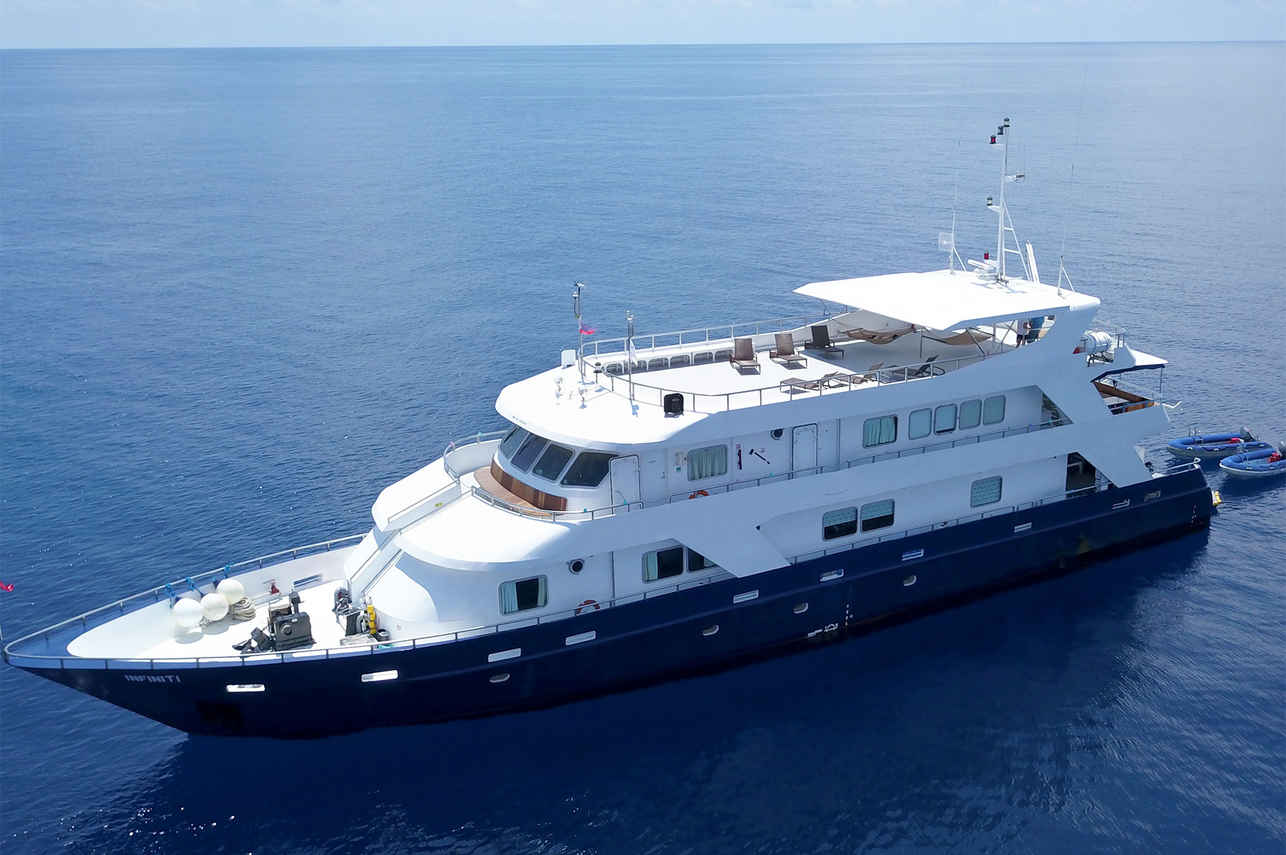
Infiniti
Philippines
25 guests39 m
$280/day
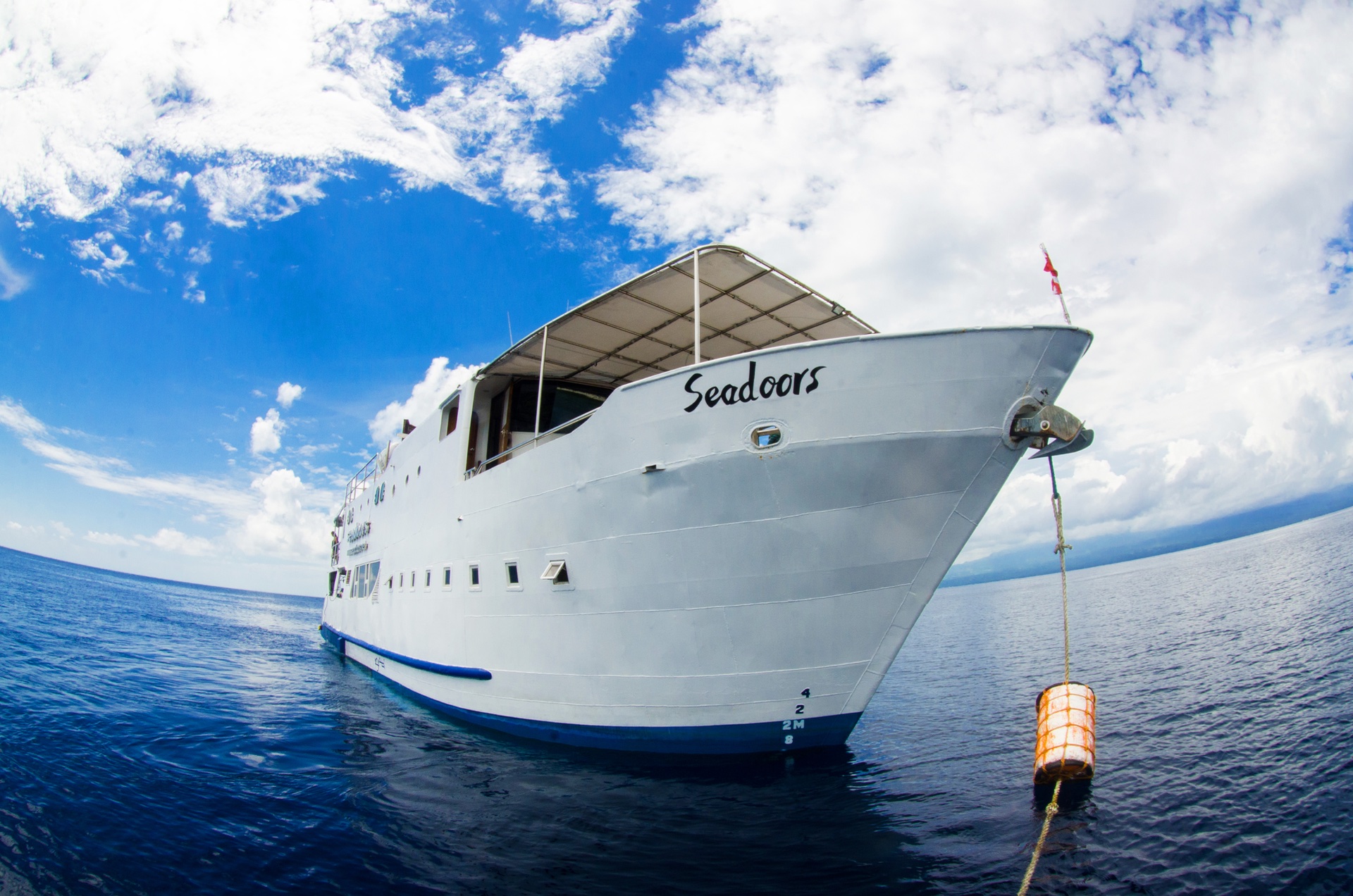
Seadoors
Philippines
16 guests25 m
$335/day
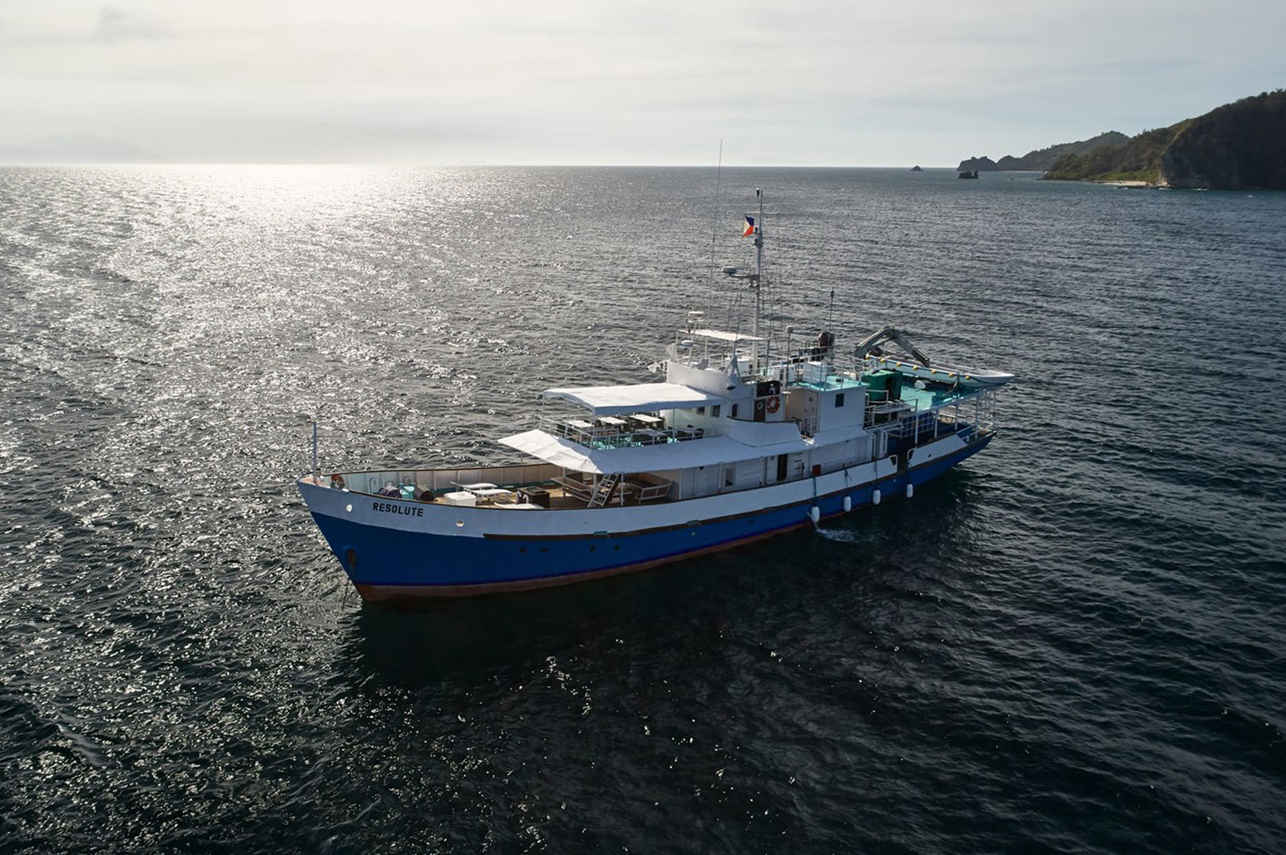
Resolute
Philippines
16 guests34.6 m
$314/day
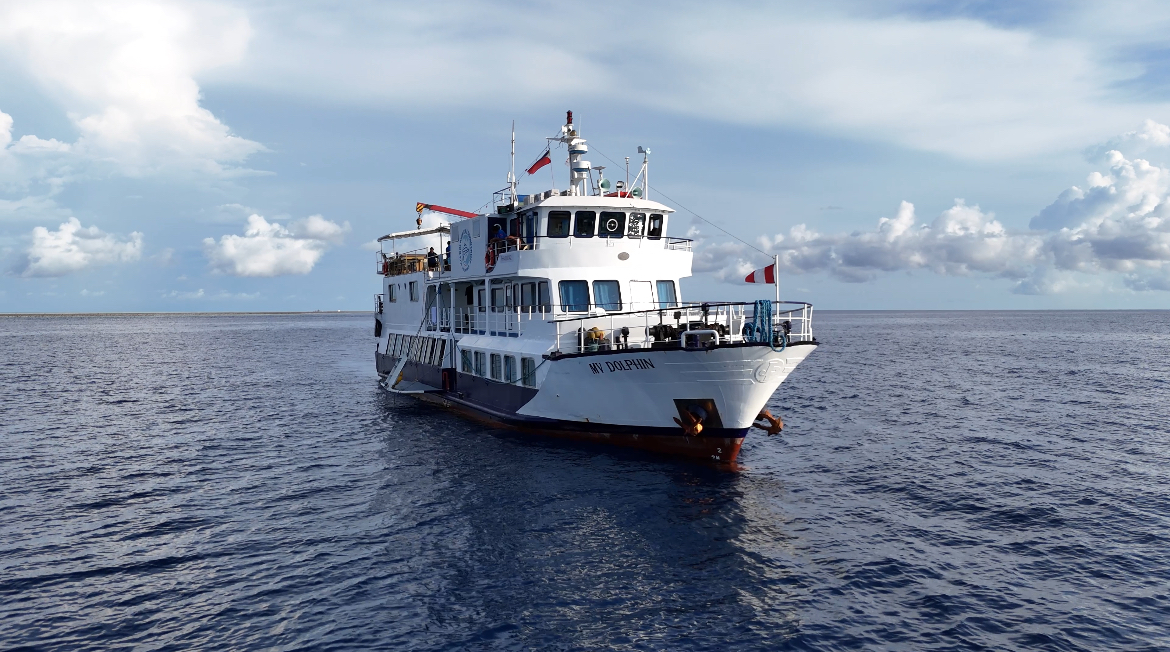
Dolphin
Philippines
18 guests31 m
$326/day
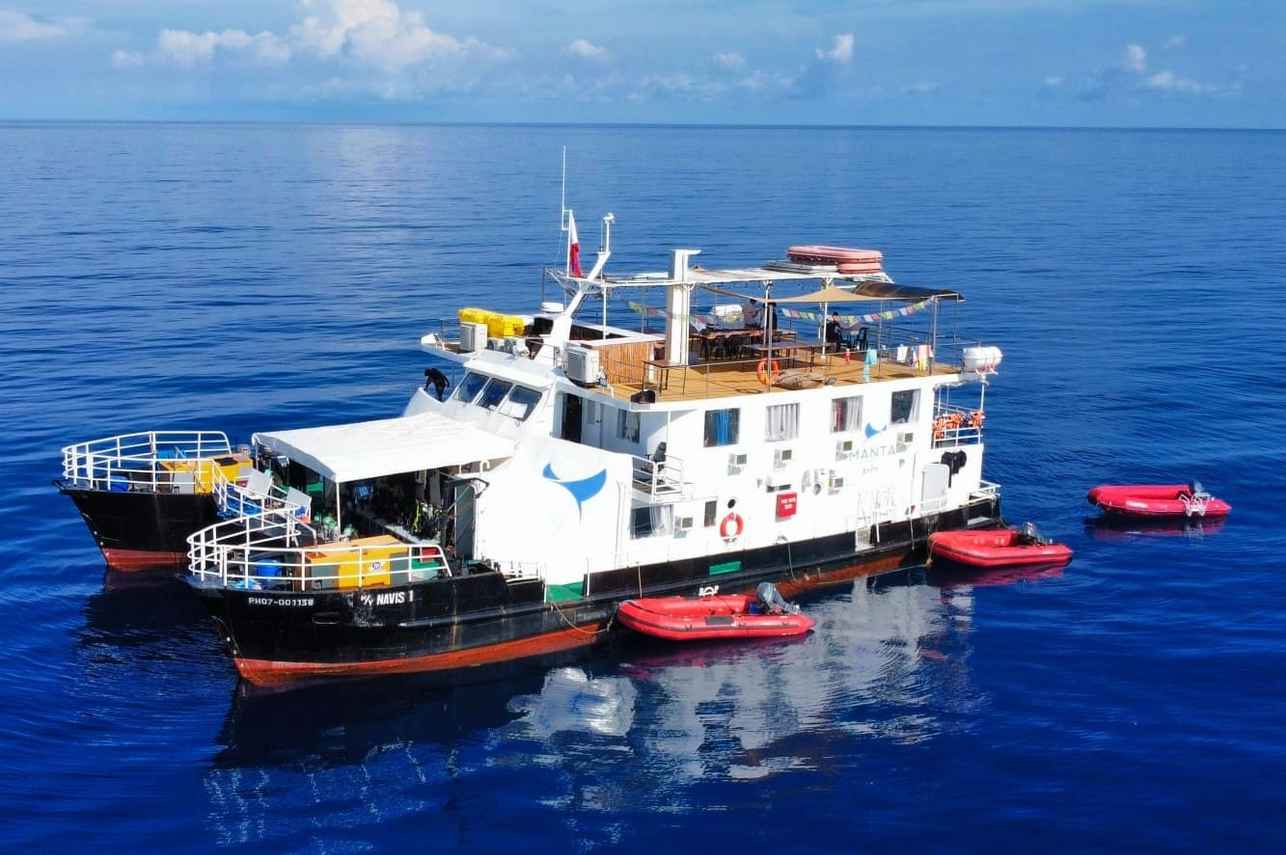
Navis 1
Philippines
22 guests23 m
$250/day
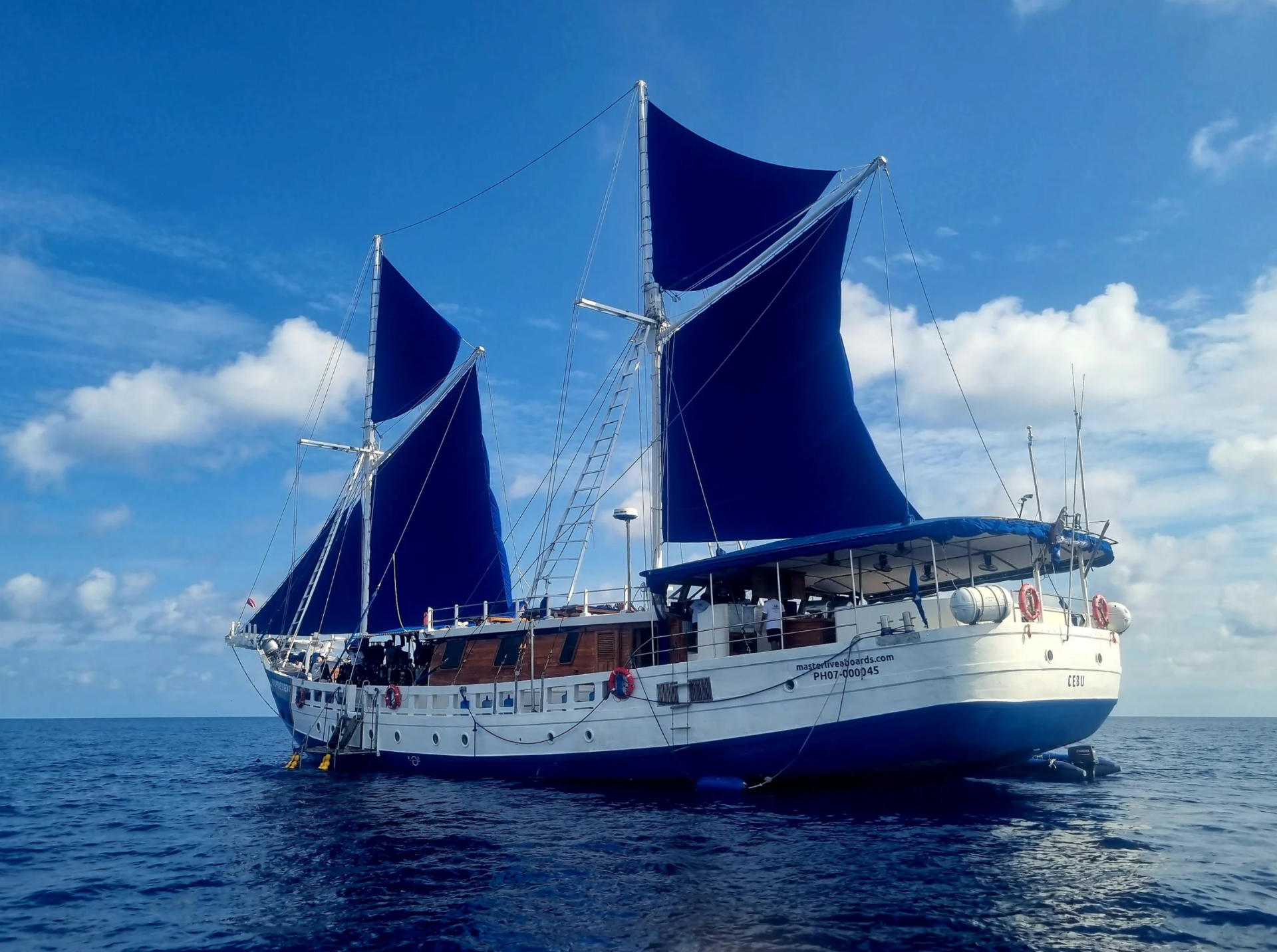
Philippine Siren
Philippines
16 guests
$309/day
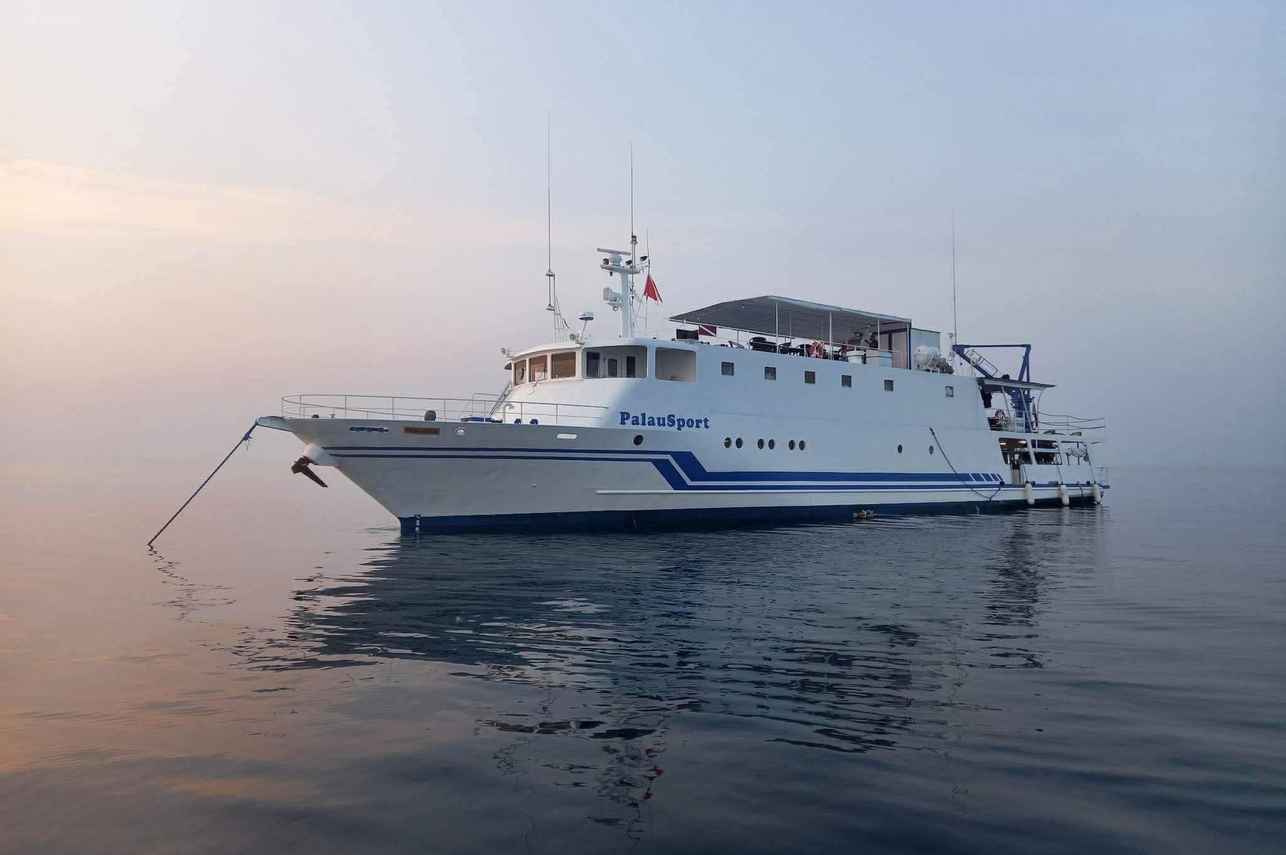
Palau Sport
Philippines
24 guests38.35 m
$215/day
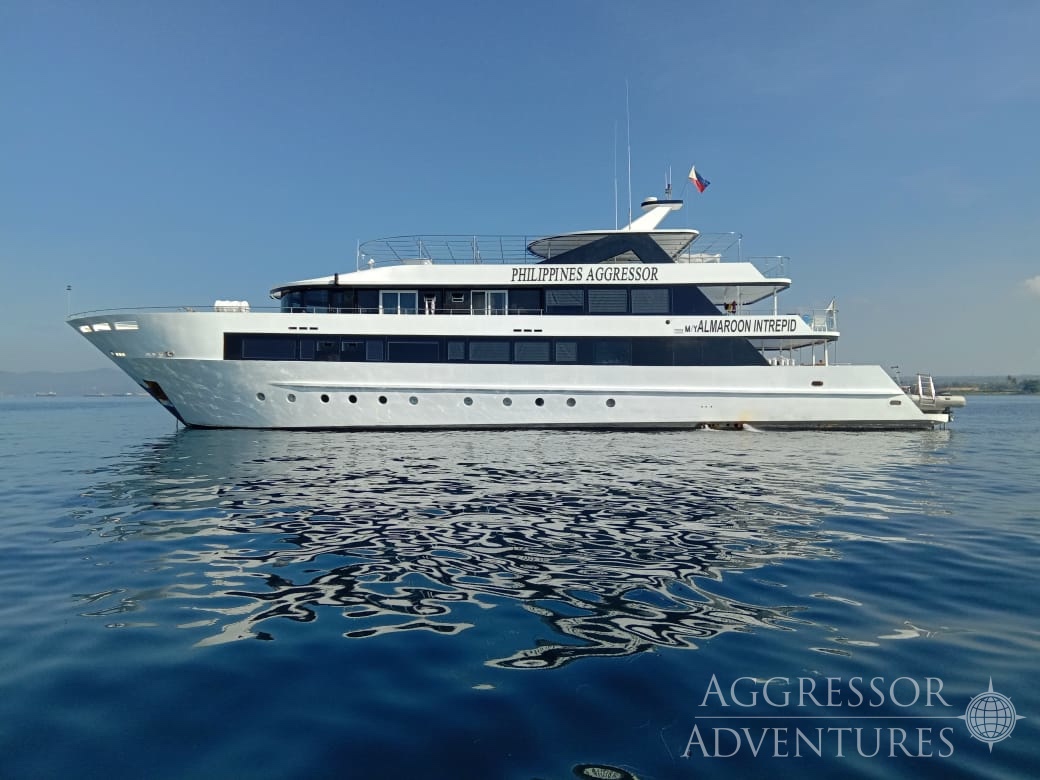
Philippines Aggressor
Philippines
26 guests42.7 m
$381/day
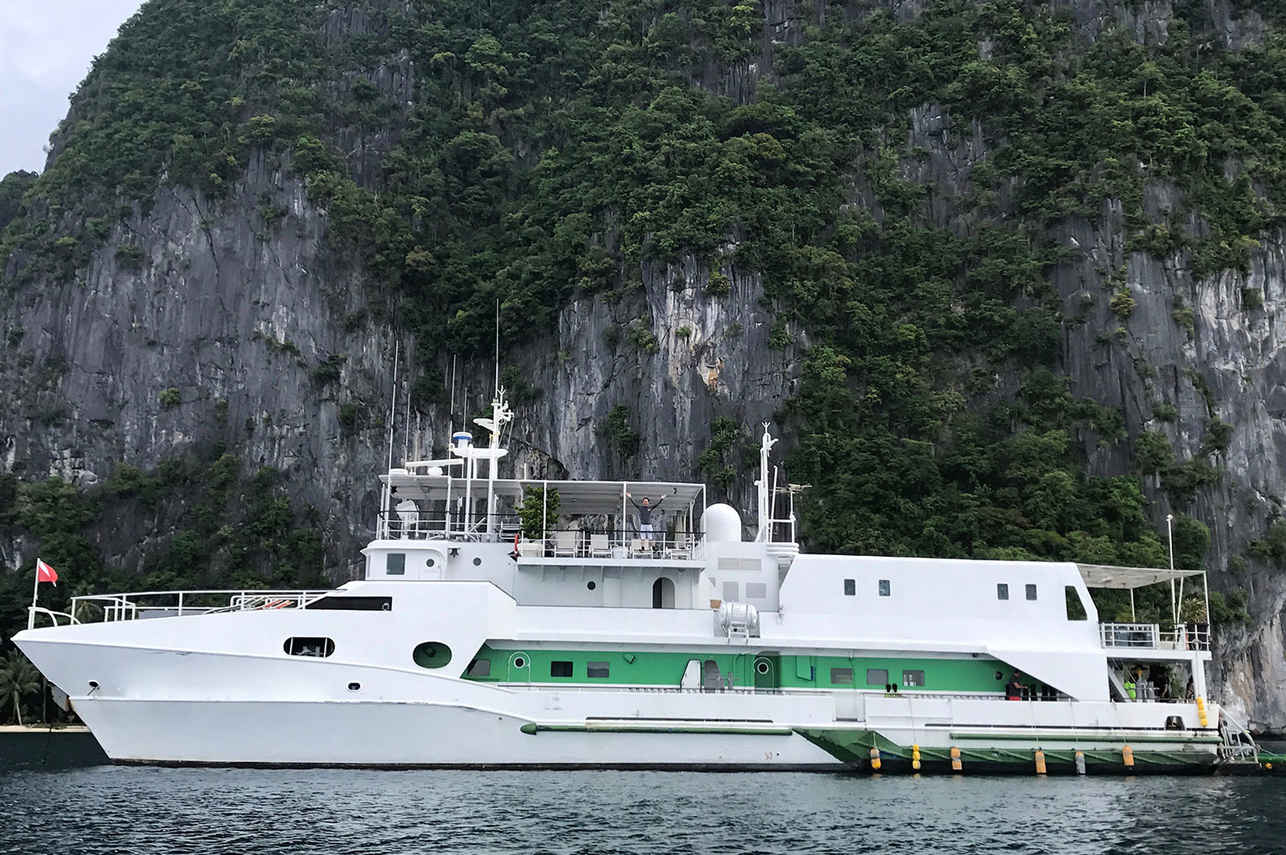
Stella Maris Explorer
Philippines
20 guests33 m
$398/day
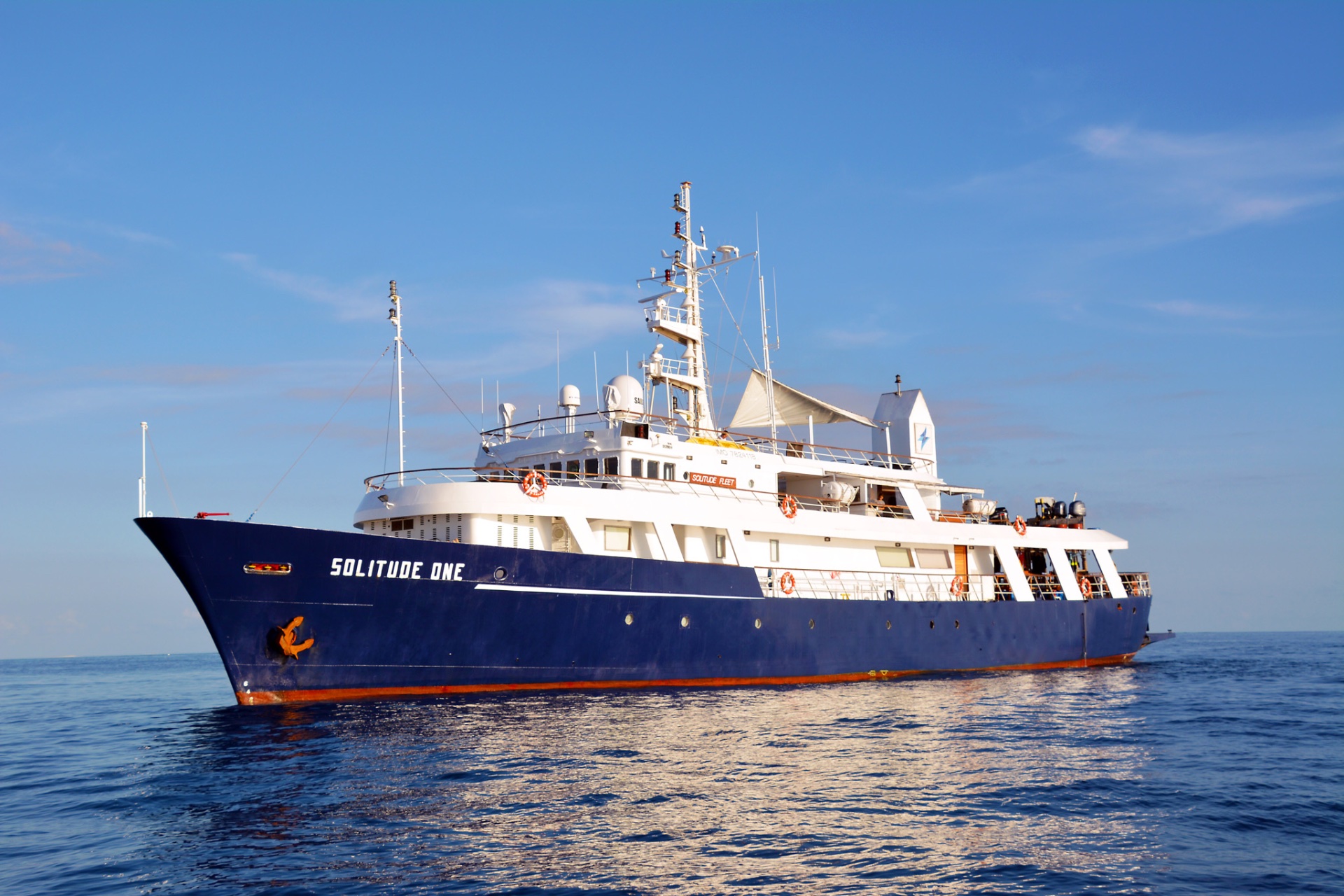
Solitude One
Philippines
24 guests52 m
$460/day
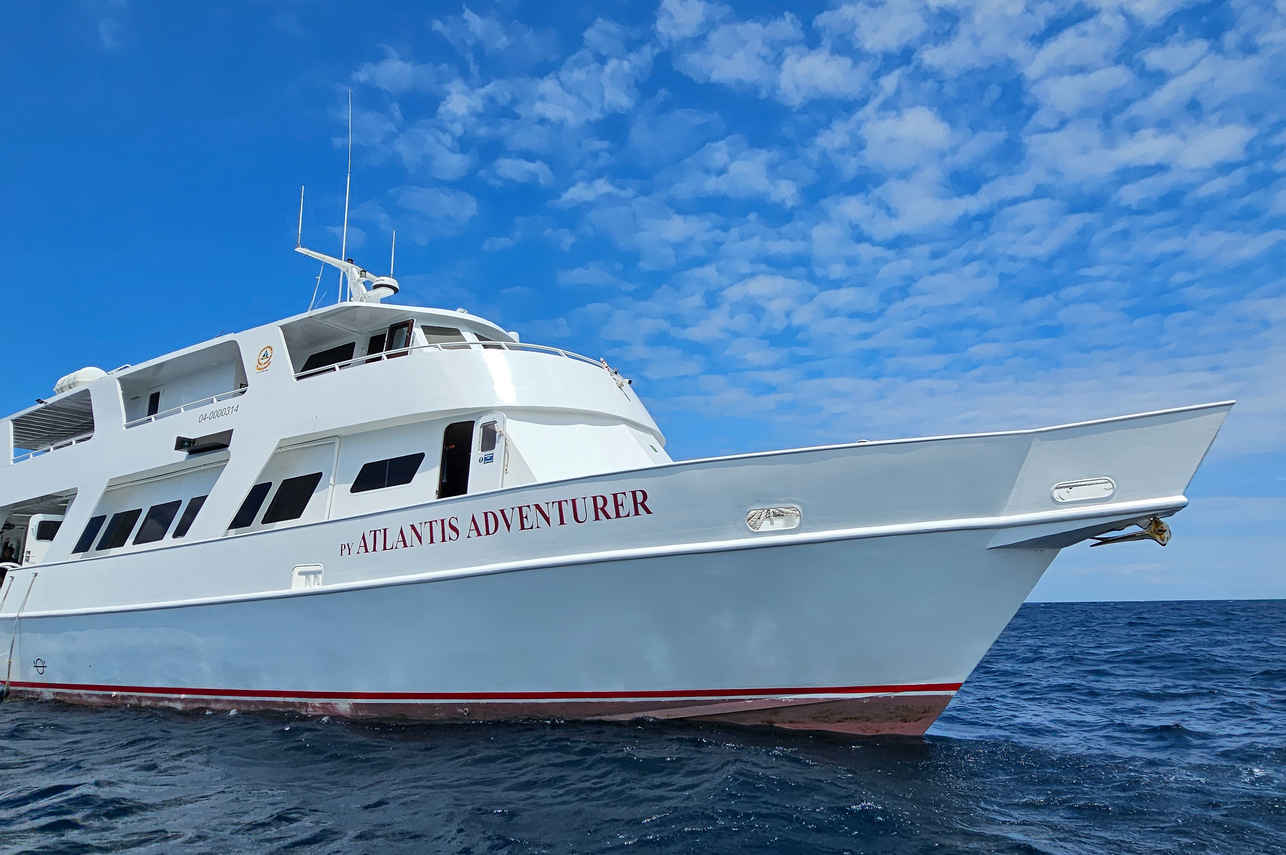
Atlantis Adventurer
Philippines
16 guests32.5 m
$421/day
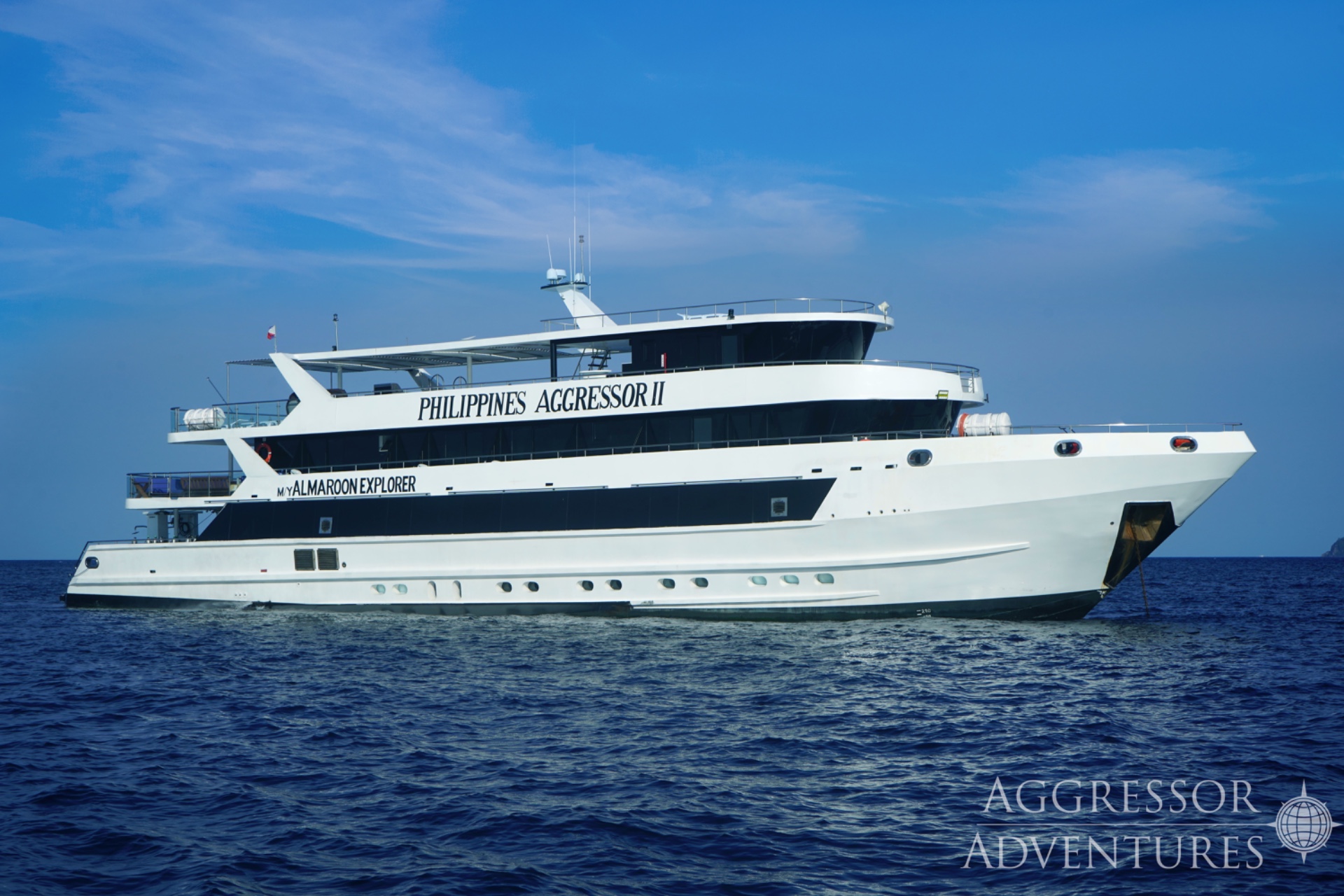
Philippines Aggressor II
Philippines
26 guests42.7 m
$247/day
Dive sites similar to San Miguel Island
Same character, same waters — six more sites divers love for the exact same reasons.Compare seasons, access and liveaboard routes — then pick the site that fits your trip best.
© Esri — Maxar, Earthstar, GIS
Big La Laguna
Philippines
Big La Laguna is a beach community situated on the western edge of the Sabang Peninsula, a popular dive region on Mindoro Island, Philippines.
- Suitable for
- Intermediate
- Current
- Moderate
- Access
- Dayboat
- Depth
- 5–35 m
- Theme
- Reef / Wall
© Esri — Maxar, Earthstar, GIS
Black Forest
Philippines
Black Forest is a premier dive site located off Balicasag Island, renowned for its exceptional marine biodiversity and distinct topography.
- Suitable for
- Intermediate
- Current
- Strong
- Access
- Liveaboard or dayboat
- Depth
- 10–30 m
- Theme
- Drift / Reef
© Esri — Maxar, Earthstar, GIS
Panagsama Beach
Philippines
Panagsama Beach, situated on a peninsula near Moalboal town in Cebu, serves as a central hub for diving activities in the region, boasting over 20 dive sites along its shoreline.
- Suitable for
- Intermediate
- Current
- Moderate
- Access
- Liveaboard or dayboat
- Depth
- ≤ 30 m
- Theme
- Reef / Wall
© Esri — Maxar, Earthstar, GIS
Binangaan Drop Off
Philippines
Binangaan Drop Off is a premier dive site within Apo Reef National Park, located off Occidental Mindoro in the Philippines.
- Suitable for
- Advanced
- Current
- Strong
- Access
- Liveaboard only
- Depth
- 10–40 m
- Theme
- Wall / Drift
© Esri — Maxar, Earthstar, GIS
Olympia Maru
Philippines
The Olympia Maru is a prominent Japanese cargo ship wreck from World War II, located within Coron Bay, Philippines.
- Suitable for
- Intermediate
- Current
- Mild
- Access
- Dayboat
- Depth
- 17–24 m
- Theme
- Wreck / Reef
© Esri — Maxar, Earthstar, GIS
Balinghai Wall
Philippines
Balinghai Wall is a notable dive site located on the northwest side of Boracay, known for its accessible wall and coral slope formations.
- Suitable for
- Intermediate
- Current
- Mild
- Access
- Dayboat
- Depth
- 8–24 m
- Theme
- Wall / Reef